This Oklahoma Park Was Built One Donated Tree at a Time, and You Can Feel It

I have a soft spot for unfinished things.
Not the kind of unfinished that means neglected or abandoned, but the kind that means still becoming. A garden mid-bloom. A house with one room still bare. A park that openly admits it isn’t done yet.
There’s an honesty in that kind of incompleteness that polished, fully-funded places rarely manage to capture. You can feel the effort still happening, layer by layer, donation by donation.
I think about the community garden a few blocks from where I grew up, the one that took years to fill in, plot by plot, as different families slowly claimed their corner of dirt. It never looked finished. It always looked alive.
Tucked into Tahlequah, Oklahoma, near the Illinois River corridor, sits a green space that wears its work-in-progress status proudly rather than hiding it. Mission Park didn’t arrive with a government grant and a finished blueprint.
It arrived because people in the community decided, piece by piece, that this patch of land deserved to become something. And little by little, it has.
A Park Built by the People Who Use It
Most city parks get built top-down: a budget gets approved, a design firm draws up plans, and a finished product opens to the public on a ribbon-cutting day.
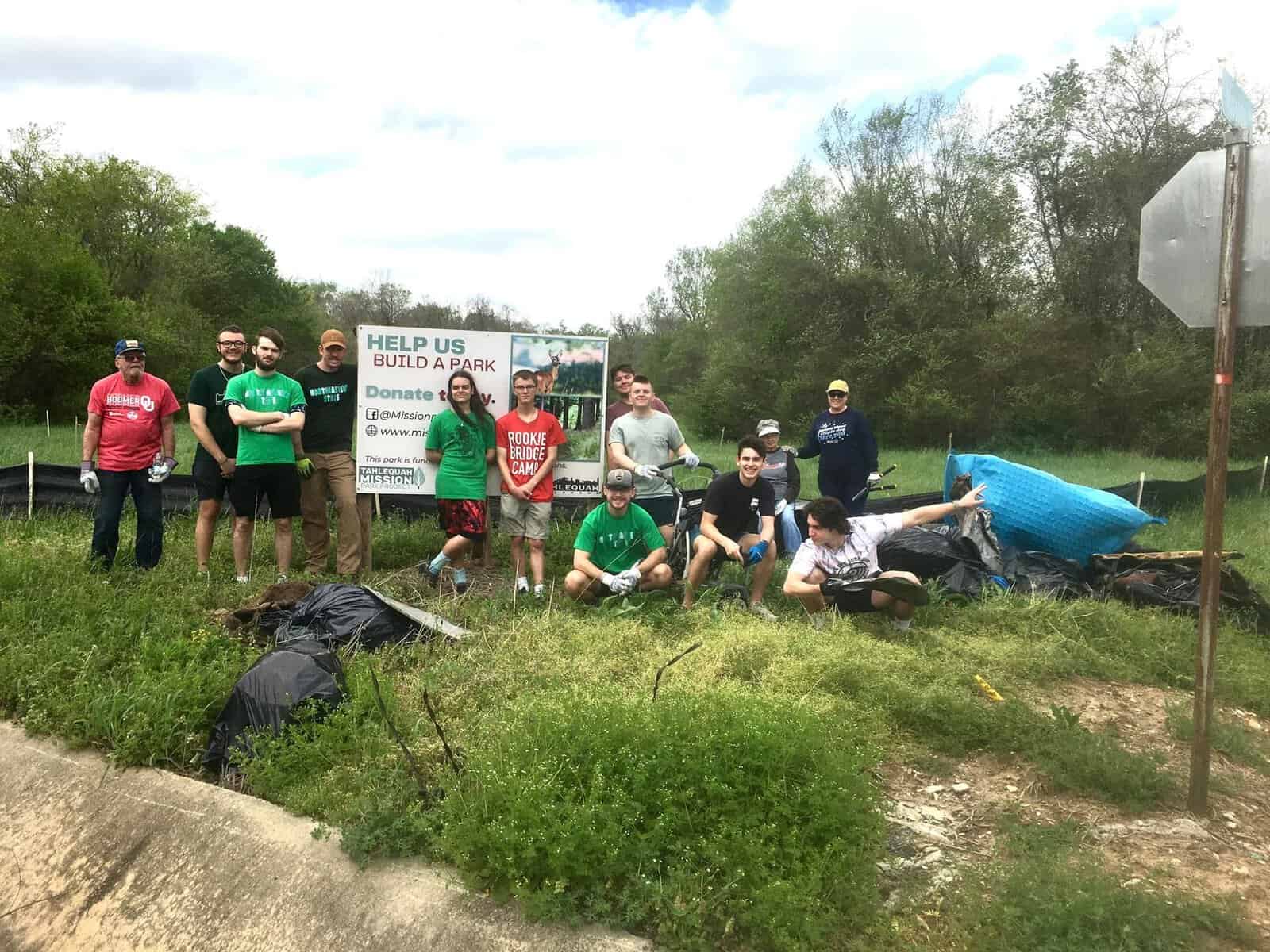
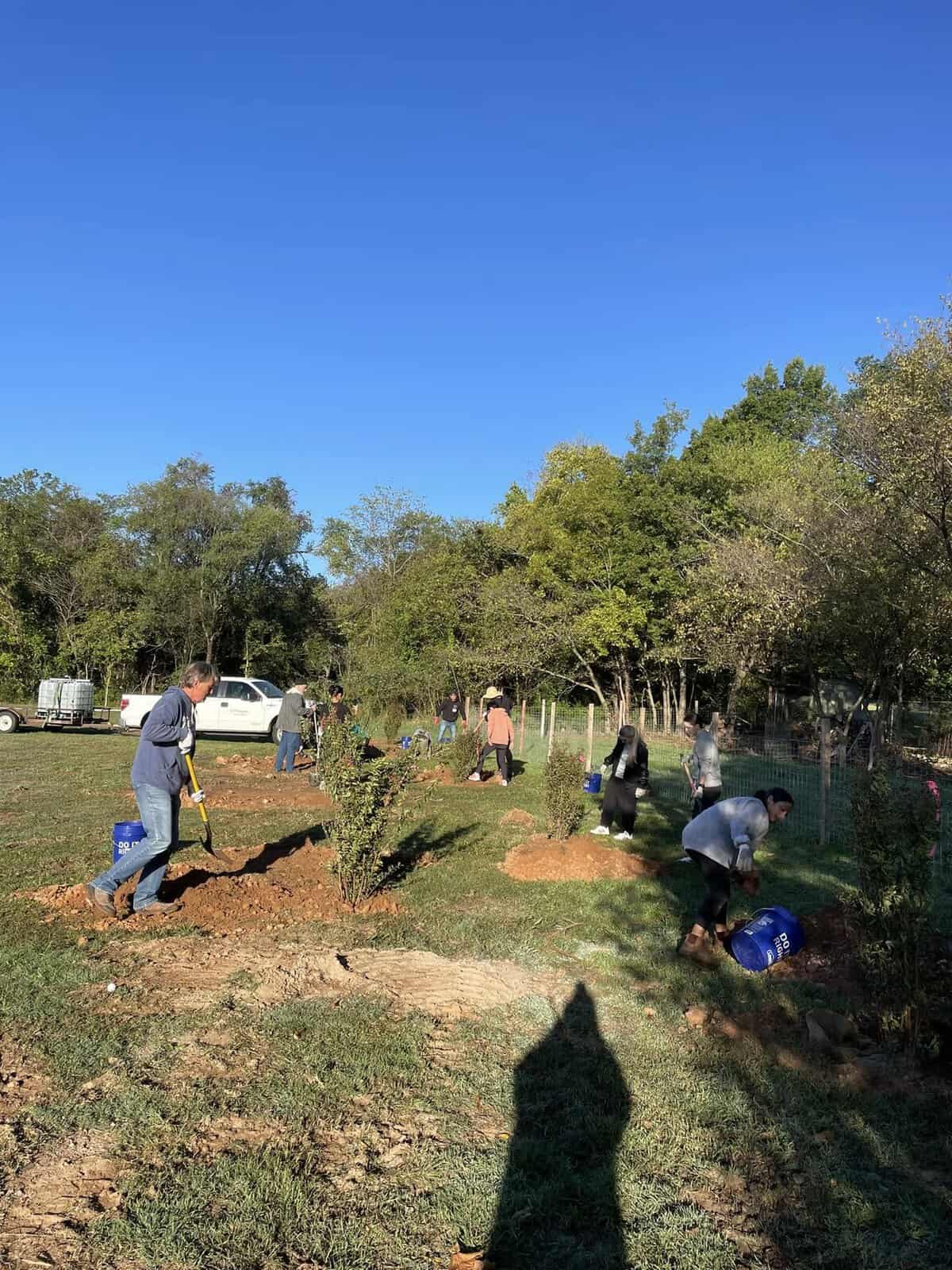
Mission Park took the opposite path. It’s been funded through community donations and outside grants, which means nearly every paved section and planted tree represents someone choosing, deliberately, to invest in this exact spot.
One visitor who helped plant several of the trees near the entrance described the experience with real pride, noting just how much potential for future growth still exists across the rest of the property.
That kind of personal investment changes how a space feels once it’s finished, or even while it’s still in progress. You’re not just walking past landscaping. You’re walking past somebody’s actual effort.
Tahlequah itself carries a strong, distinct sense of local identity, and Mission Park fits naturally into that spirit. It was never meant to be a showpiece designed to impress visitors passing through.
It’s a working green space built specifically for the people who live nearby, and that distinction shapes everything about how the park has grown.
Honest About Still Being a Work in Progress
Ask around about Mission Park, and you’ll quickly notice nobody pretends it’s finished. One visitor described it plainly as a park still being built through donations and grants, with only paved walking trails currently in place.
That same visitor mentioned hearing from a board member that a playground and restroom facilities are part of the eventual plan, once additional funding comes through.
There’s something refreshing about that level of transparency. Rather than overselling what’s currently available, the people involved with the park seem comfortable being upfront about what’s still missing and what’s coming next.
Another visitor captured a similar sentiment, acknowledging straightforwardly that the park clearly isn’t complete yet, even while still finding real enjoyment in what’s already there.
That same reviewer noted some litter scattered around the grounds, a reminder that a community-funded park without a large maintenance budget depends heavily on visitors treating the space with care.
It’s a small but important detail. Parks like this one don’t have the luxury of a large city crew cleaning up daily. The upkeep depends, at least in part, on the same community spirit that built the place in the first place.
I find that arrangement strangely fitting. A park that asks its neighbors to plant its trees is also, in a sense, asking those same neighbors to help keep it clean. There’s a kind of quiet social contract built into the whole project.
It would be easy to read the litter mention as a criticism, and in a way it is. But it also reflects something true about any space built collectively rather than imposed from above. The good and the messy parts both belong to the community equally.
Paved Trails Built for Easy, Everyday Walking
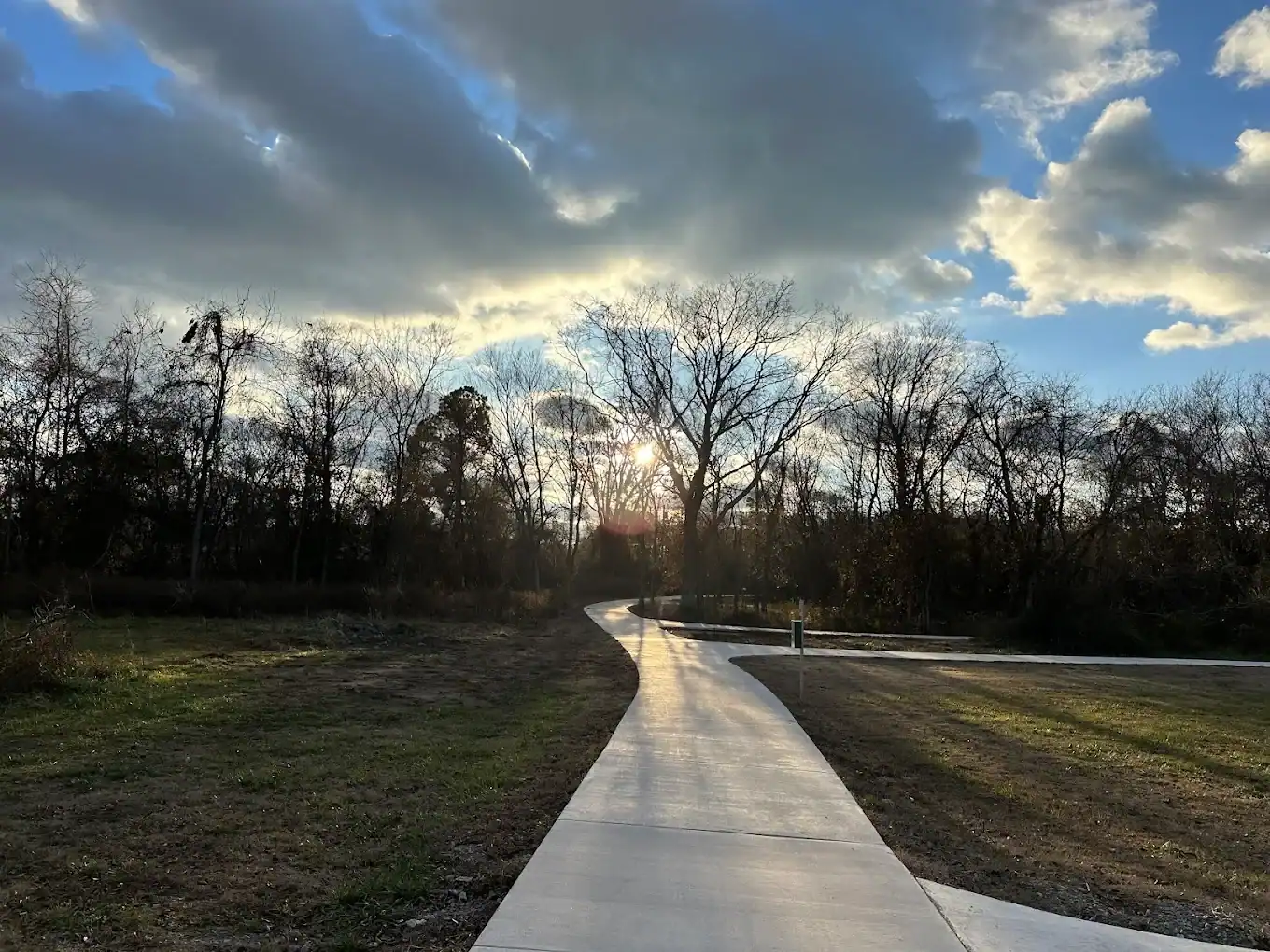
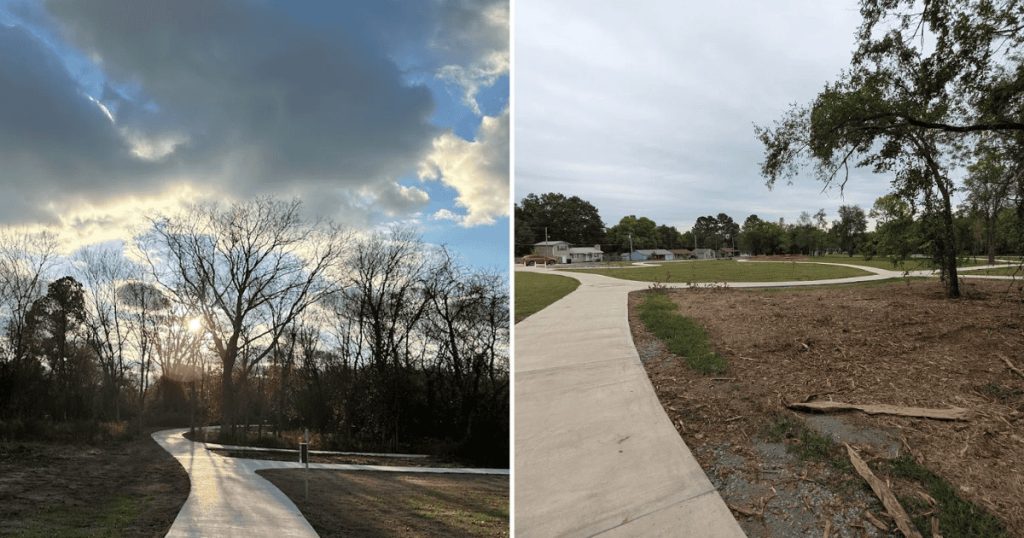
The walking trails at Mission Park are paved, clean, and simple to follow, which makes them genuinely accessible to a wide range of visitors.
Whether you’re pushing a stroller, walking alongside an older family member, or just wearing your everyday sneakers, the surface holds up well without requiring any special footwear or preparation.
One visitor specifically praised the easy access and generous parking, noting there was plenty of room to spread out and explore without feeling crowded by other park-goers.
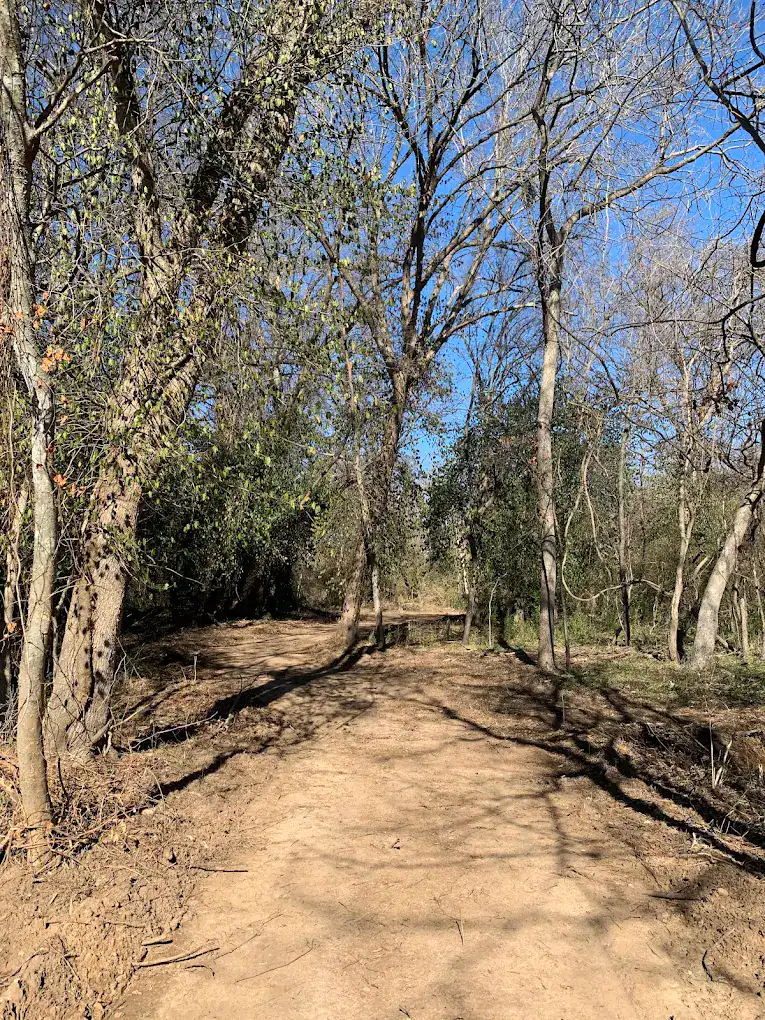
That same reviewer mentioned bringing kids along, who spent their visit happily playing chase and hide-and-seek across the open space, the kind of unstructured outdoor play that doesn’t require a single piece of playground equipment to be fun.
The trail itself isn’t a long-distance hiking experience by any stretch, but it offers a satisfying loop substantial enough to genuinely slow your pace down and let your mind wander a little.
For locals looking for a reliable, low-effort daily walk without needing to drive out to a dedicated trailhead, this kind of accessible path punches well above its modest size.
A Welcome Surprise of Local Wildlife
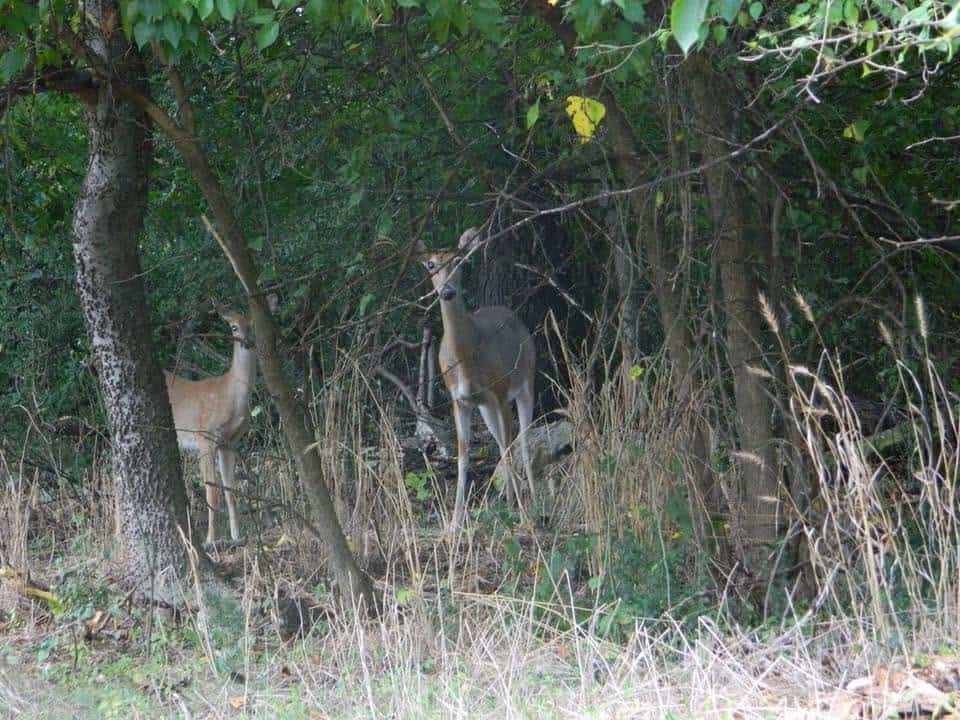
One of the most delightful aspects of visiting Mission Park, according to multiple visitors, is just how much wildlife shows up despite the park sitting well within city limits.
One family specifically mentioned spotting two deer moving along the property during their visit, along with several rabbits darting through the grass nearby.
Seeing deer in what’s technically an urban green space tends to produce that small, genuine sense of wonder, the kind that makes you stop scrolling your phone and just watch quietly for a minute.
Northeastern Oklahoma sits within a heavily wooded region, and animals move through green corridors like this one regularly, drawn by the tree cover and the relatively low foot traffic compared to larger, more popular parks.
If you visit during quieter hours, particularly early morning or closer to dusk, your odds of spotting something interesting along the trail go up considerably.
It’s a nice reminder that you don’t always need to drive deep into the countryside to feel some genuine distance from city life. Sometimes, a modest, still-developing park a few minutes from downtown is all it takes to spot a deer quietly grazing along a tree line.
I think there’s something almost generous about a park willing to share that kind of moment with whoever happens to be walking by. Wildlife doesn’t perform on a schedule or wait around for the right visitor.
It just shows up when conditions are right, and Mission Park apparently offers those conditions more often than you’d expect from a relatively small, in-progress green space.
A Dog-Friendly Spot With Room to Roam
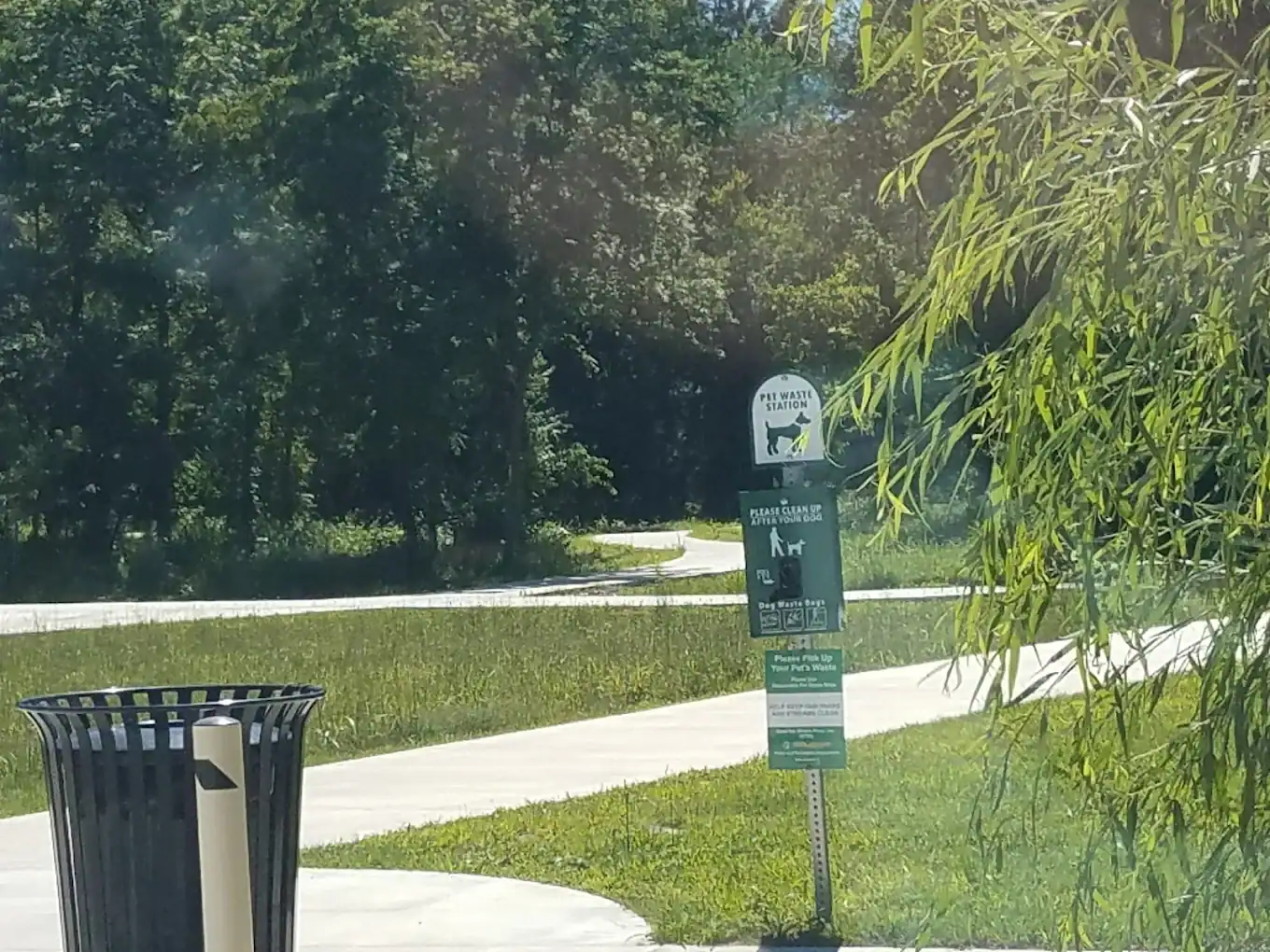
Mission Park welcomes dogs without complicated rules attached, and that single detail noticeably shifts the overall energy of the place.
One regular visitor specifically mentioned loving the experience of bringing her dog here, describing the park as paw-friendly even during the hottest stretches of summer.
The paved trails are gentle on paws, and the surrounding open green space gives dogs plenty of room to sniff, wander, and generally enjoy themselves without feeling boxed in.
For dog owners in the Tahlequah area, finding a clean, easily accessible spot for a regular walk isn’t always simple, and this park fills that need nicely for anyone living nearby.
As with any community-funded space, responsible ownership matters quite a bit here. Bringing waste bags and keeping dogs leashed helps preserve the park’s condition for the next visitor who comes through.
Room to Breathe, Without a Crowd
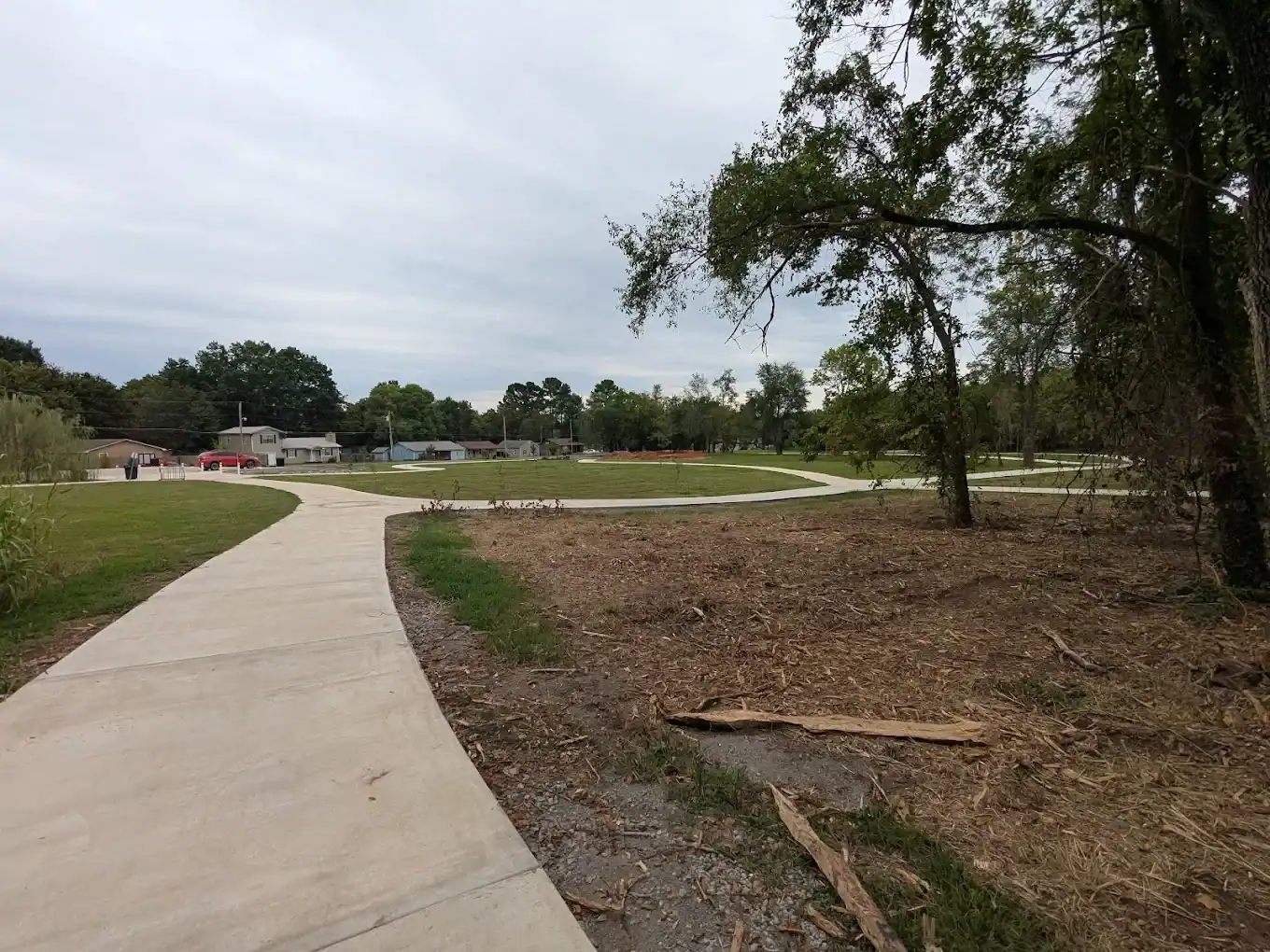
There’s a specific kind of quiet that belongs to smaller, less-discovered parks, and Mission Park has settled comfortably into exactly that atmosphere.
Compared to Oklahoma’s bigger recreational destinations, the noise level and foot traffic here sit noticeably lower, and that’s clearly part of the appeal rather than a drawback.
One visitor specifically called the park beautiful, mentioning excitement for the eventual addition of lighting along the new walking trail, a sign of genuine investment in seeing the space keep improving over time.
That kind of low-key, unhurried pace makes the park well-suited to anyone looking to actually slow down rather than power through a checklist of activities.
Sitting on the grass and simply watching the trees move in the breeze counts as a perfectly legitimate way to spend an afternoon here. No itinerary required, no rush to move on to the next attraction.
I think we’ve collectively forgotten how valuable that kind of empty, unscheduled time actually is. We plan vacations around packed itineraries and color-coded spreadsheets, then wonder why we come home feeling like we need another vacation just to recover.
A park like this offers a quiet correction to that impulse. There’s nothing to check off a list here. There’s just grass, trees, a paved path, and however much time you’re willing to give it.
Open Space That Lets Kids Make Their Own Fun
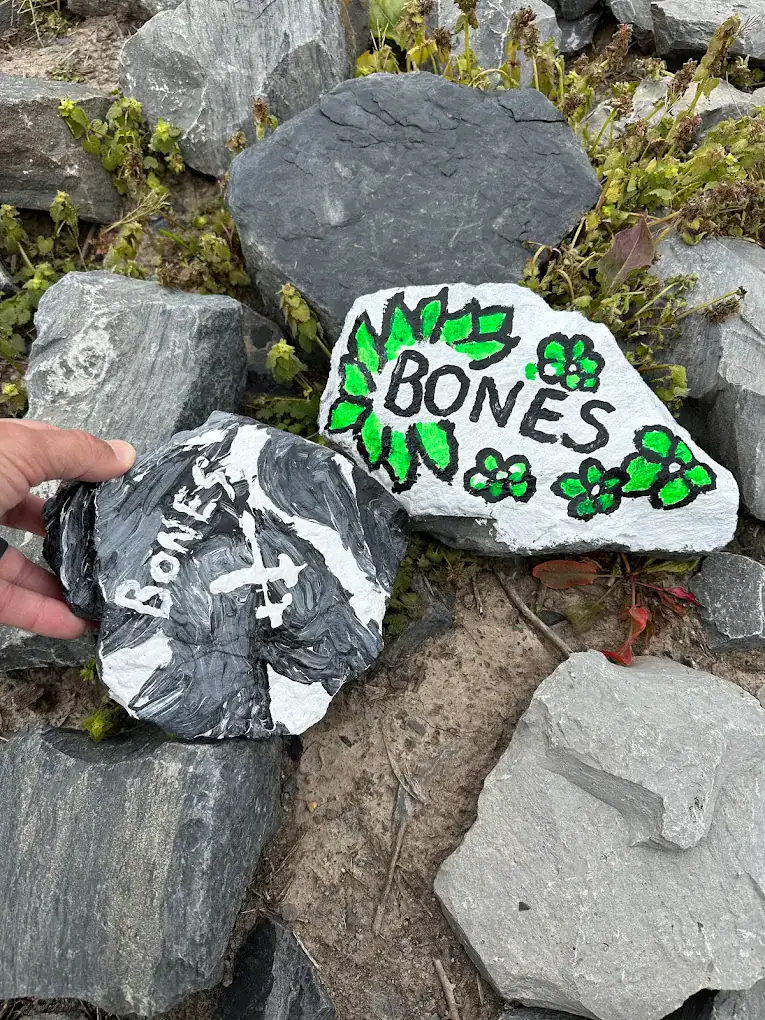
Even without a formal playground yet in place, Mission Park already offers kids the one ingredient they really need: wide open space.
Grass, trees, and plenty of room to run are often all it takes for children to invent their own games without any equipment whatsoever.
That family who watched their kids play chase and hide-and-seek across the property described the whole outing as genuinely enjoyable, made even better by the surprise of spotting wildlife along the way.
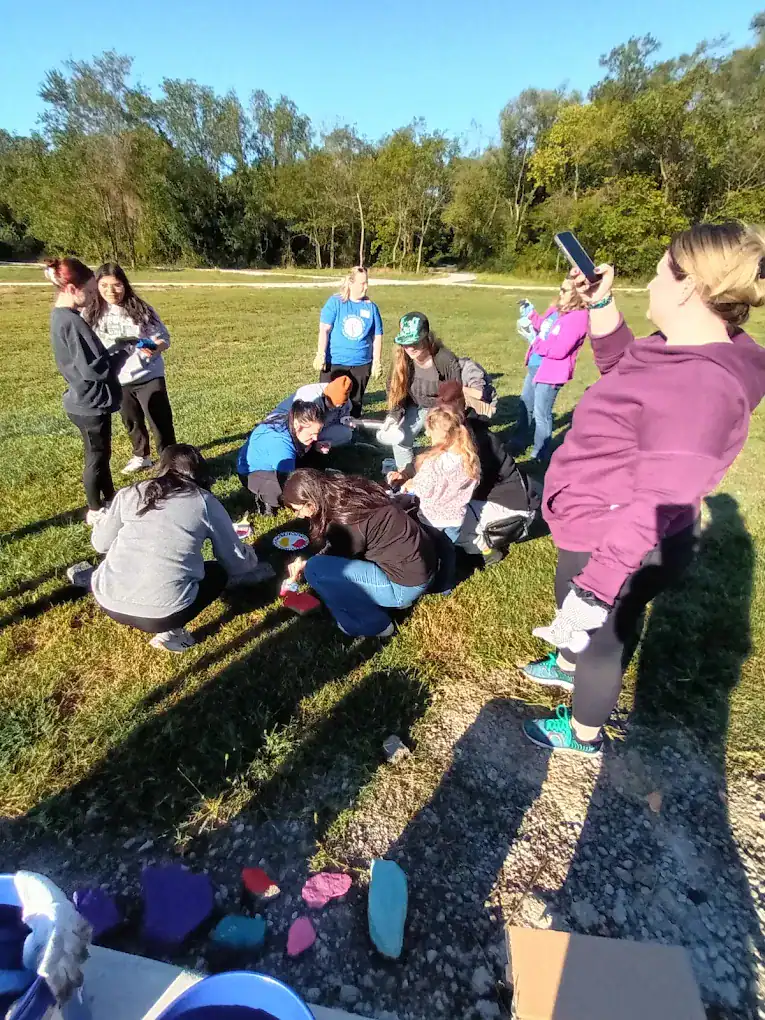
The paved trail also works nicely for kids on bikes or scooters, offering a smooth, predictable surface that keeps the ride comfortable for smaller riders still building confidence.
Once the planned playground and restroom facilities eventually get built, the park will become even more practical for families planning longer visits. For now, it functions as a genuinely open canvas, ready for whatever kids decide to make of it.
Best Times to Visit
Timing matters a little when planning a trip to Mission Park, especially if you’re hoping for the calmest, most rewarding version of the experience.
Early mornings tend to deliver the most peaceful visits, with cooler air, softer light, and wildlife noticeably more active than later in the day.
Late afternoons carry their own charm too, particularly during spring and fall when Oklahoma’s temperatures settle into something genuinely comfortable for a longer walk.
Midday visits during summer remain manageable, though bringing water and dressing for the heat makes a noticeable difference, since the Oklahoma sun doesn’t take it easy between late morning and mid-afternoon.
Weekdays tend to run quieter than weekends, which works well if solitude and a slower pace are exactly what you’re hoping to find during your visit.
A Few Practical Notes Before You Go
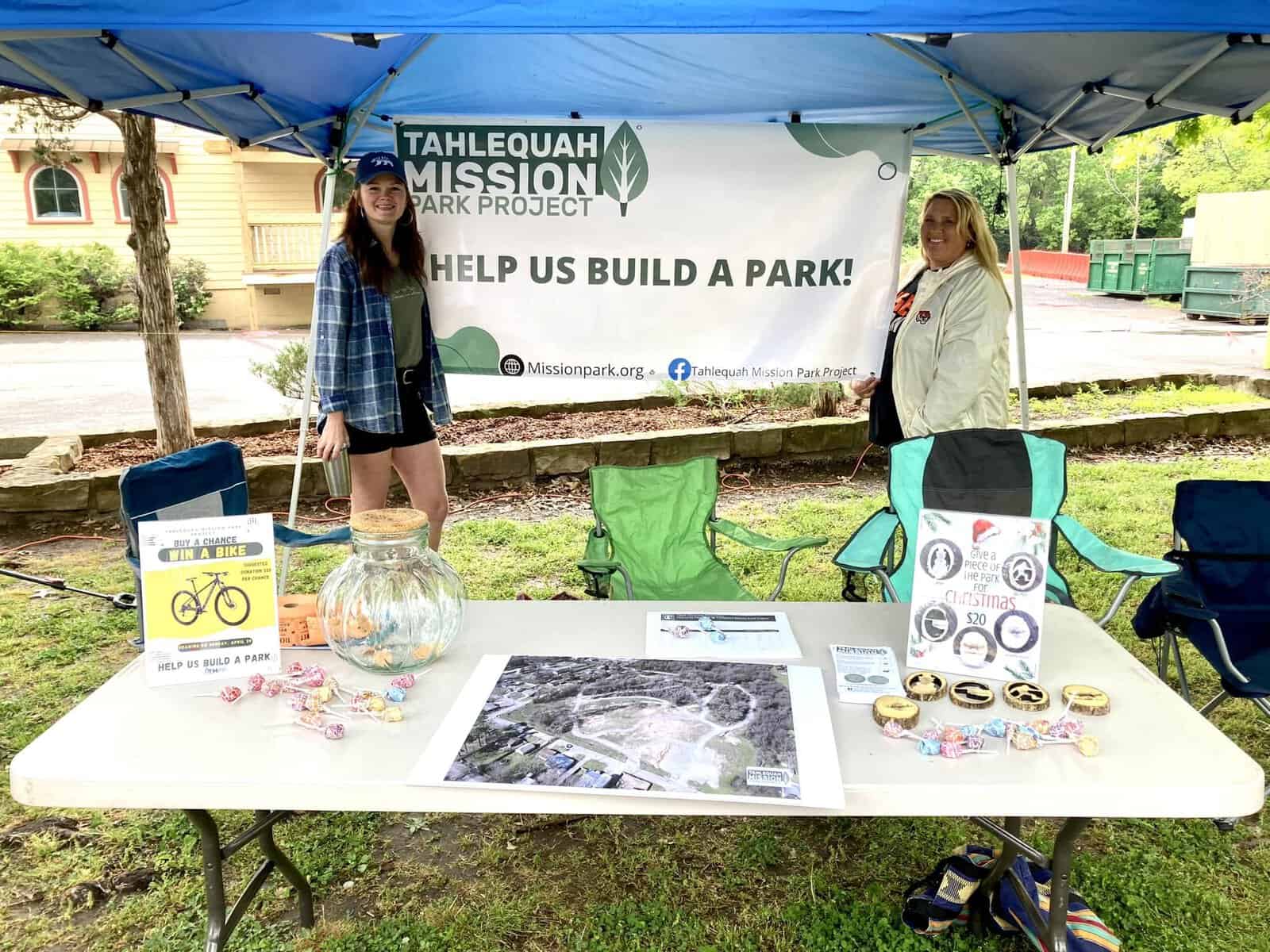
A handful of details will make a visit here go more smoothly, especially since the park is still actively growing into its final form.
The parking area is relatively new and includes both standard spaces and designated handicap-accessible spots, a thoughtful touch for a park of this modest size.
There are currently no restroom facilities on site, so planning around that detail ahead of time is worth keeping in mind, particularly for visits with young children.
Since the trails are paved, regular sneakers work perfectly well. No specialized hiking gear is necessary for the relatively gentle terrain here.
There’s currently no lighting installed along the trail, which makes daytime visits the more practical choice until that improvement, hopefully, gets funded down the road.
Given the park’s reliance on community care rather than a large municipal budget, packing out whatever you bring in goes a long way toward keeping the space pleasant for the next visitor.
Getting There
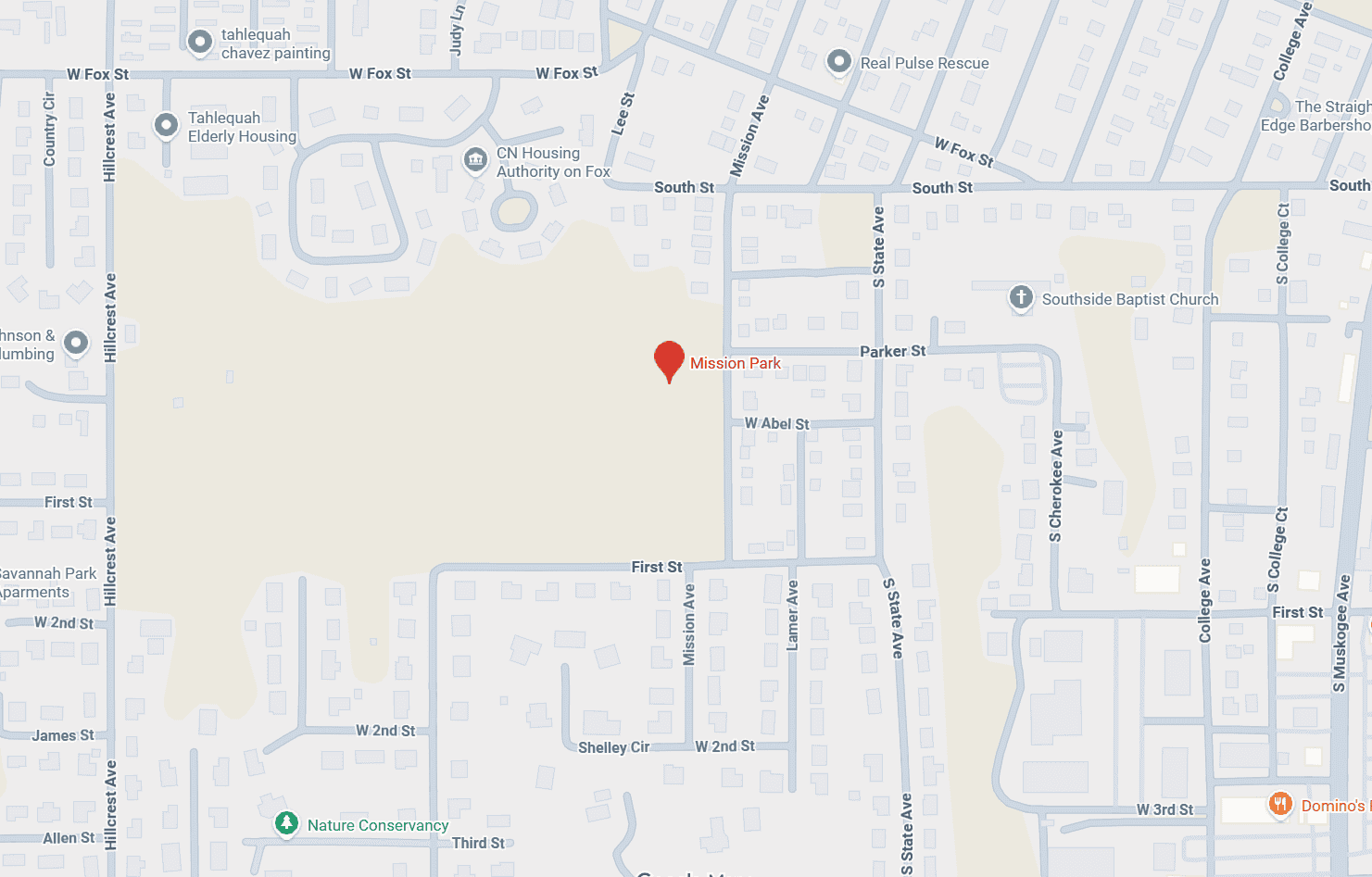
Mission Park sits within Tahlequah, Oklahoma, near the scenic Illinois River corridor in the northeastern part of the state, an area known for rolling hills and dense tree cover that feels distinctly different from the flatter plains most people associate with Oklahoma.
If you’re already exploring the Tahlequah area, this park makes for an easy, low-key addition to your day, whether you’re walking a dog, letting kids burn off energy, or just looking for a quiet half hour to yourself.
It isn’t trying to be a flashy tourist destination, and it doesn’t need to be. Sometimes the most worthwhile stops are the ones still being built by the very people who’ll use them the most.
If you happen to visit while it’s still growing into its final form, consider that part of the charm rather than something to wait out. There’s real beauty in watching a place become exactly what its community hoped it would be.
I keep coming back to that idea of unfinished things being worth visiting now, rather than waiting for some future, polished version.
By the time Mission Park gets its playground and its restrooms and its trail lighting, it will be a genuinely different place than the one described in these early reviews.
That’s not a reason to skip it. If anything, it’s a reason to go now, while you can still see the bones of something being built by hand, tree by tree, donation by donation.
Years from now, when the playground is finally finished and the lights line the trail at dusk, there will be something quietly satisfying about having known the park back when it was still becoming itself. Not every place offers you that chance.
Mission Park does, for as long as it remains a work in progress. That window won’t stay open forever, so it might be worth stepping through it sooner rather than later, before all the missing pieces finally fall into place.
More stories

Share this story