This Oklahoma State Park Looks Like It Got Lost on Its Way From Arizona

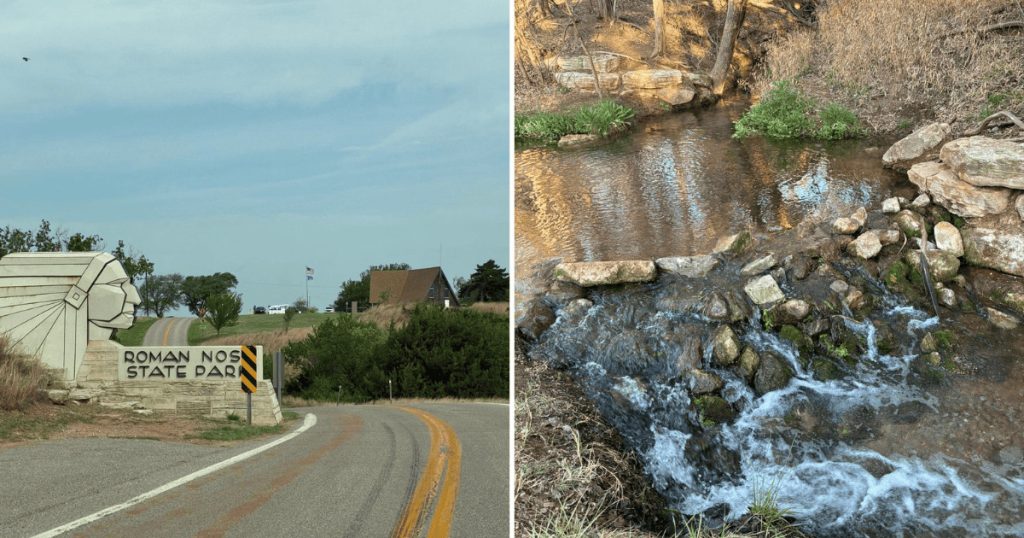
I’ve always loved the places that don’t match their zip code.
You expect a certain landscape based on a state’s reputation, and then you turn a corner, and the scenery completely contradicts everything you thought you knew.
Those moments of geographic whiplash tend to make for the best stories, the kind you can’t quite explain properly until someone sees it themselves.
I think about this every time someone describes a place as “surprisingly beautiful for this state,” as if natural beauty were rationed out unevenly across the country and certain places simply got shortchanged. Oklahoma gets that backhanded compliment more than most.
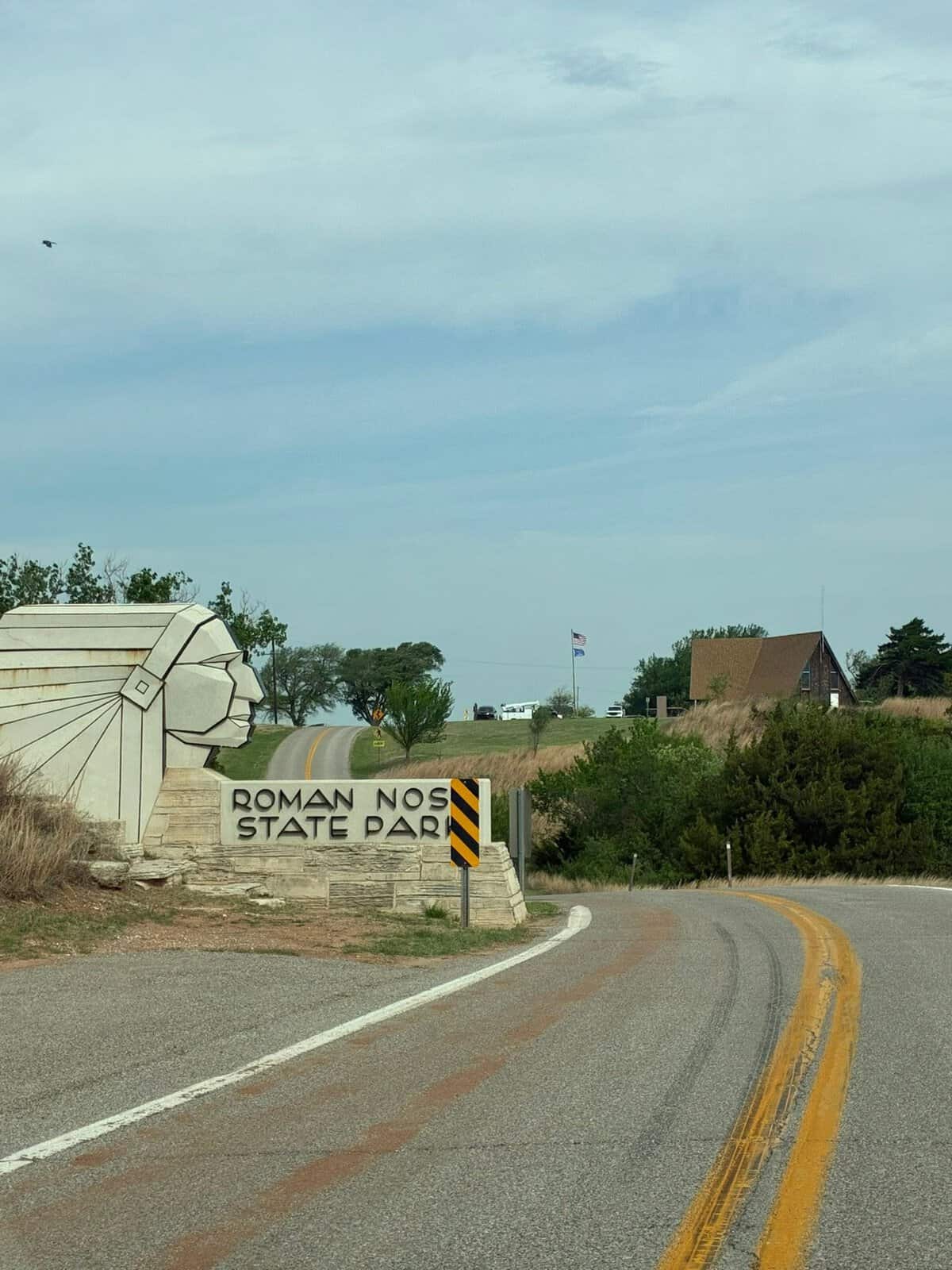
Western Oklahoma has exactly that kind of contradiction tucked into a canyon near the small town of Watonga. Towering rock walls, natural springs bubbling straight up out of the ground, and a landscape that feels like it wandered in from somewhere in the Southwest and decided to stay.
Roman Nose State Park has been quietly defying every flat-prairie stereotype about Oklahoma for generations, and the people who keep returning here, often for decades at a stretch, clearly understand something the rest of the state hasn’t quite caught onto yet.
Canyon Walls That Don’t Belong in the Great Plains
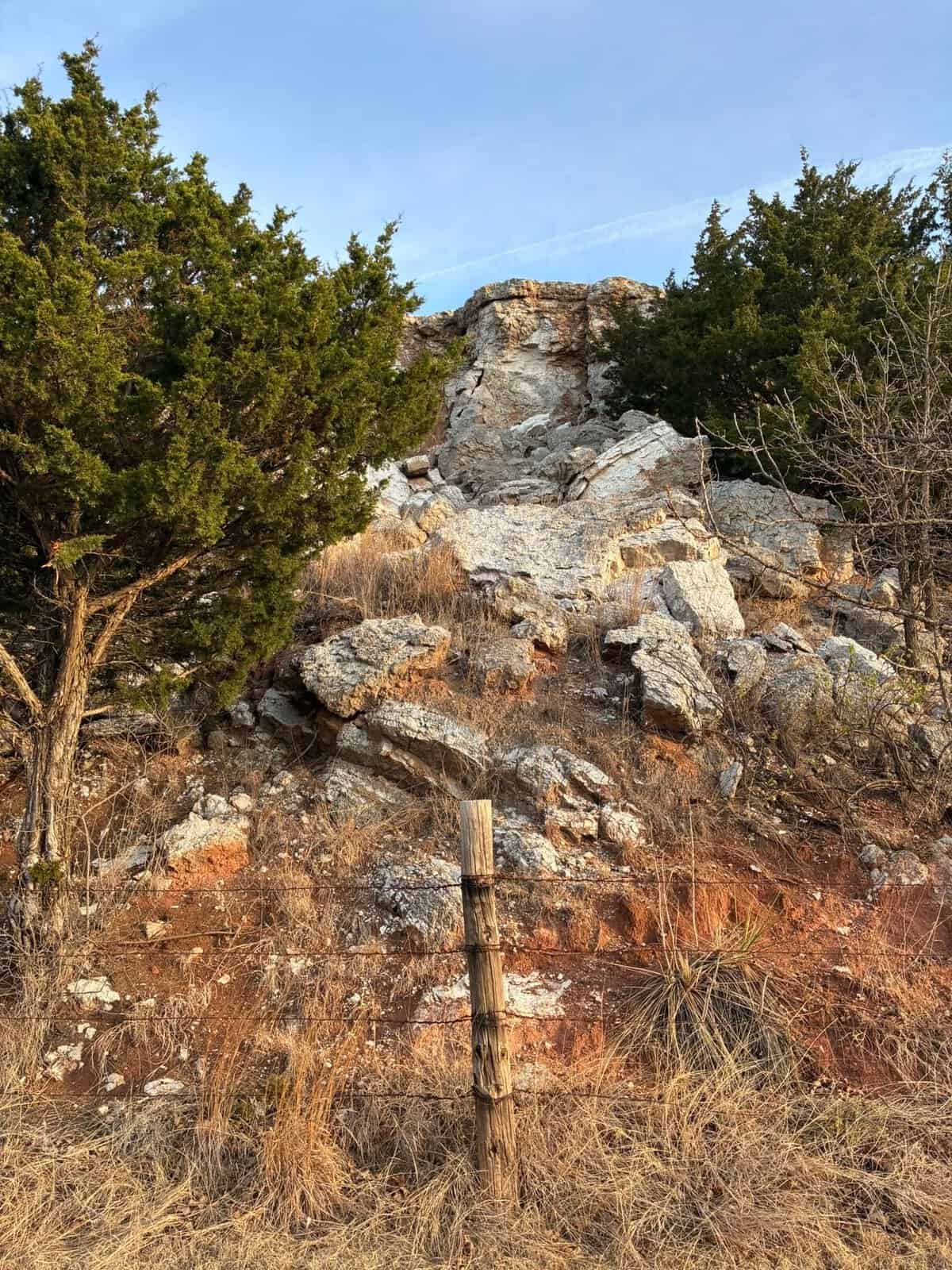
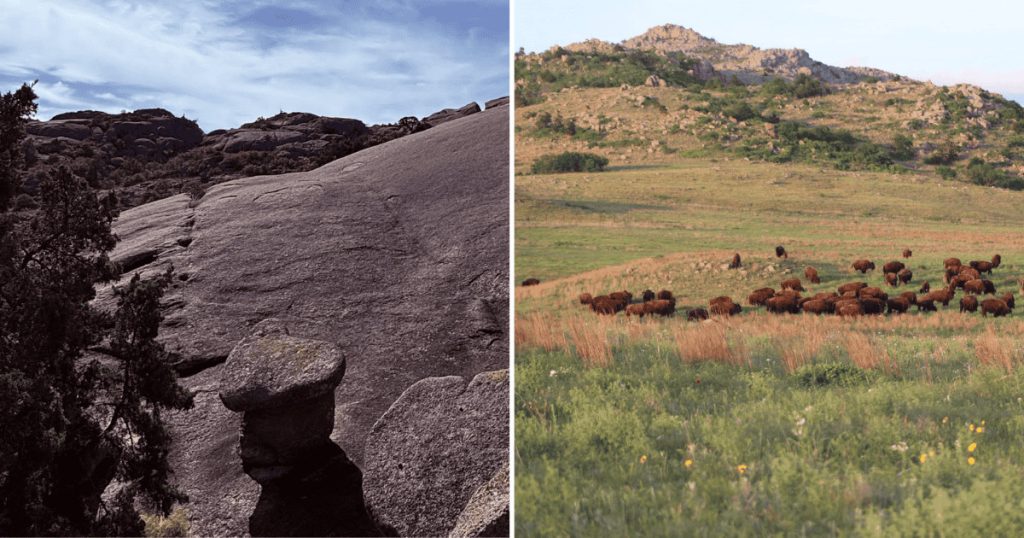
Most visitors arrive expecting wheat fields and an endless flat horizon. Instead, they find themselves staring up at layered gypsum and red clay cliffs that genuinely look like they were lifted from somewhere much farther west.
One longtime visitor described it perfectly, noting the park doesn’t feel like the Oklahoma he was familiar with at all, comparing the terrain instead to the Southwest’s semi-arid canyon country.
Another regular called it the closest thing Oklahoma has to Colorado, marveling at the small mountains, winding trails, and dramatic rock formations packed into a landscape most people assume stays relentlessly flat from border to border.
These canyon walls create natural shade and surprisingly cool pockets even during Oklahoma’s harshest summer stretches, a detail more than one camper specifically mentioned appreciating during a hot-weather visit.
Photographers seem especially drawn to the shifting light here. As the sun moves across the sky, shadows redraw the canyon’s appearance hour by hour, turning a single afternoon into an entirely different visual experience by evening.
Natural Springs That Have Flowed for Generations
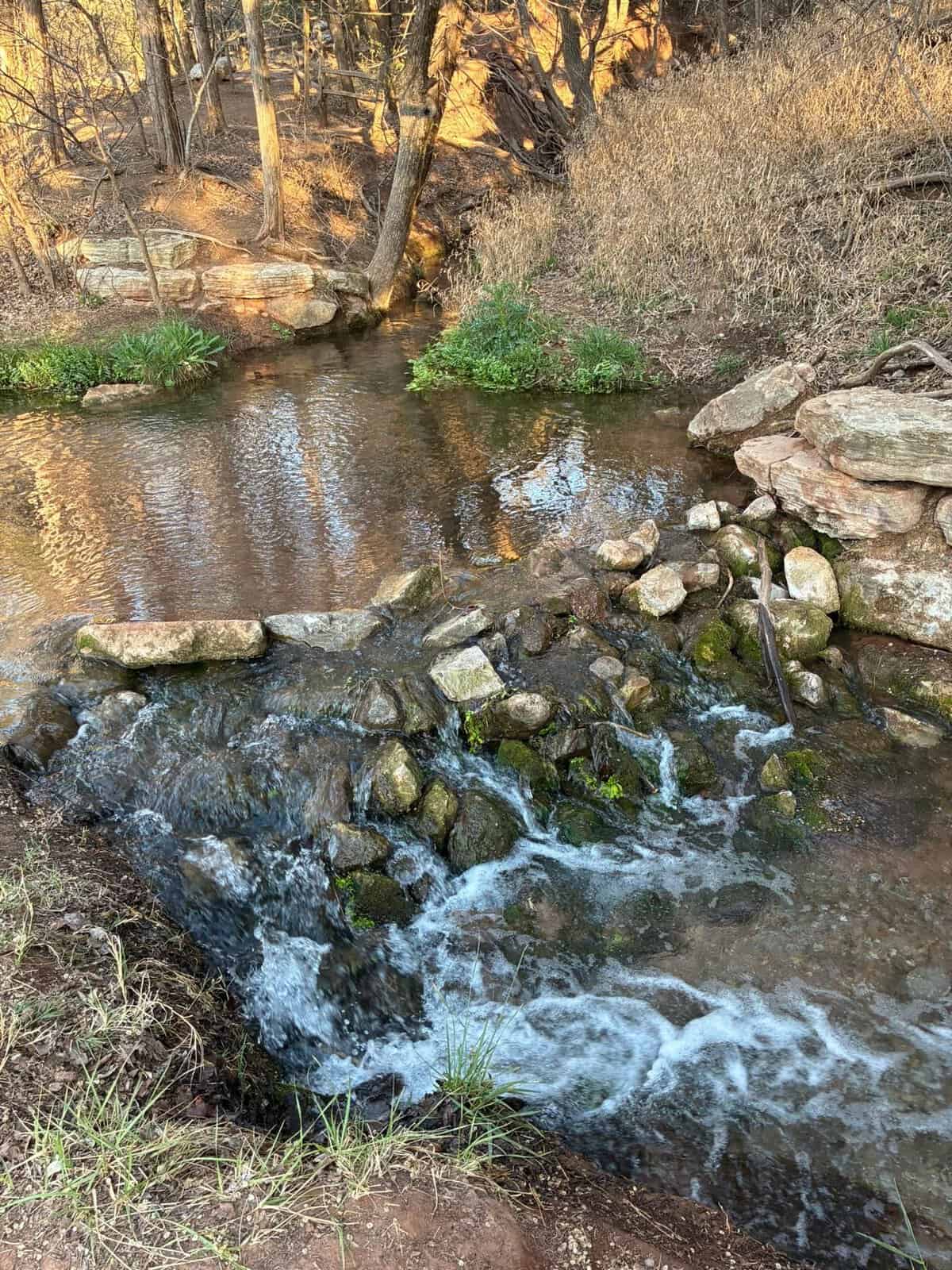
The defining feature of this park isn’t really the canyons themselves, impressive as they are. It’s the natural spring water that bubbles continuously up from underground, maintaining a steady, refreshingly cool temperature no matter the season.
One visitor described the springs in almost reverent terms, noting they’re visible flowing right out of a cleft in solid rock even in the depths of winter, with snow on the ground and ice in the air.
That consistency matters enormously to longtime fans. One reviewer specifically mentioned the spring water staying a constant 55 degrees year-round, a detail he clearly found remarkable enough to repeat to anyone who’d listen.
Multiple visitors describe wading directly into these spring-fed pools to cool off, with one calling the water icy enough to genuinely take her breath away on a hot afternoon, in the best possible sense.
Another reviewer fondly recalled diving off a natural rock ledge into a pool carved straight from stone, a small but vivid childhood memory she still treasures decades later.
A Pool System Fed by Spring Water
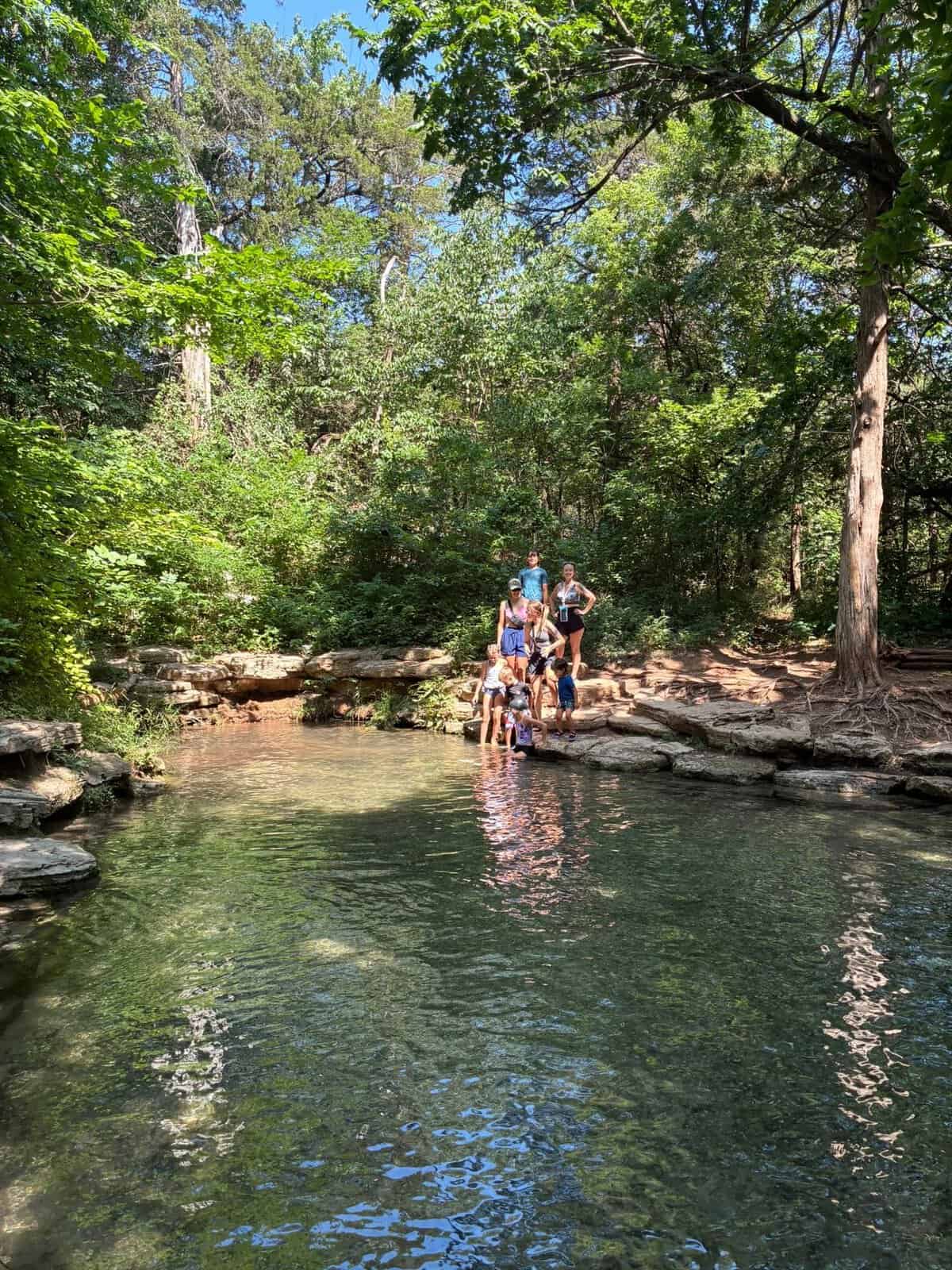
Beyond the natural springs scattered through the canyons, the park also maintains a more traditional swimming pool setup, drawing its own dedicated following among families looking to cool off during the summer months.
One reviewer specifically praised the pool’s size and the addition of a slide, calling the whole setup relaxing and well-suited to a full afternoon with kids.
Another visitor described two separate pools on site, with the main pool large enough to comfortably accommodate a crowd, plus a quieter, smaller second option for anyone hoping to avoid the bigger splash zone entirely.
Several reviewers specifically note that pool access depends on the season, with most facilities opening around Memorial Day and running through the warmer months before closing again as temperatures drop.
A Golf Course Built Into the Canyon Itself
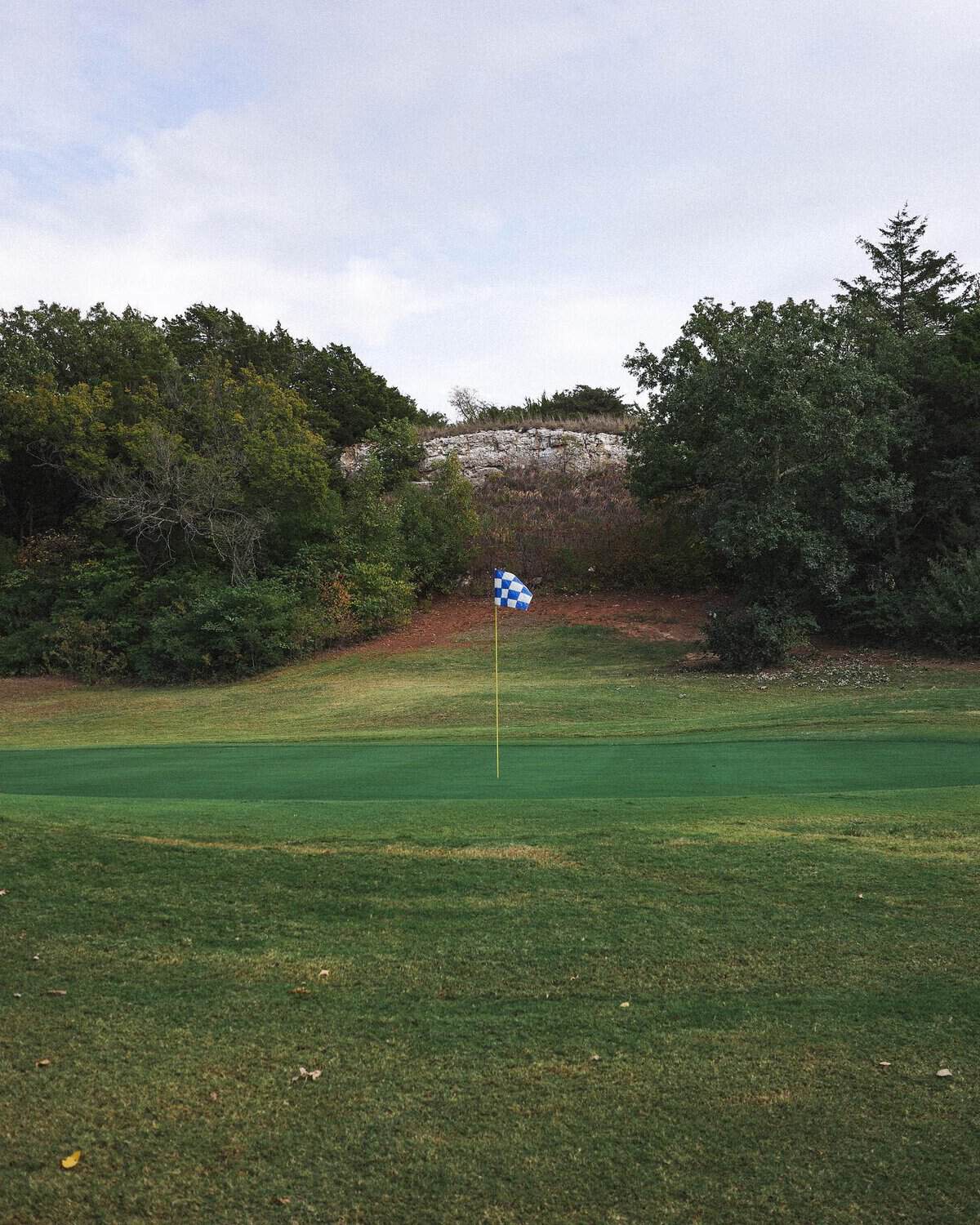
Somebody once looked at this rugged canyon terrain and decided an eighteen-hole golf course belonged right in the middle of it, and the result has become a genuine point of pride for the whole park.
One visitor described the course as humbling, noting the elevation changes and tight fairways create a uniquely challenging round, unlike anything found at a typical flat course elsewhere in the state.
Another golfer called the greens exceptionally pure, adding that nearly every hole presents some kind of fresh challenge thanks to the dramatic natural terrain the course was built directly into.
A different reviewer joked that even a legendary professional golfer would likely lose his composure on this course, a lighthearted nod to just how unconventional and demanding the layout can feel.
Wildlife sightings aren’t unusual mid-round either. Deer occasionally wander across fairways, and more than one golfer mentions hawks circling lazily overhead while they line up a shot.
A Historic Lodge Built by the CCC
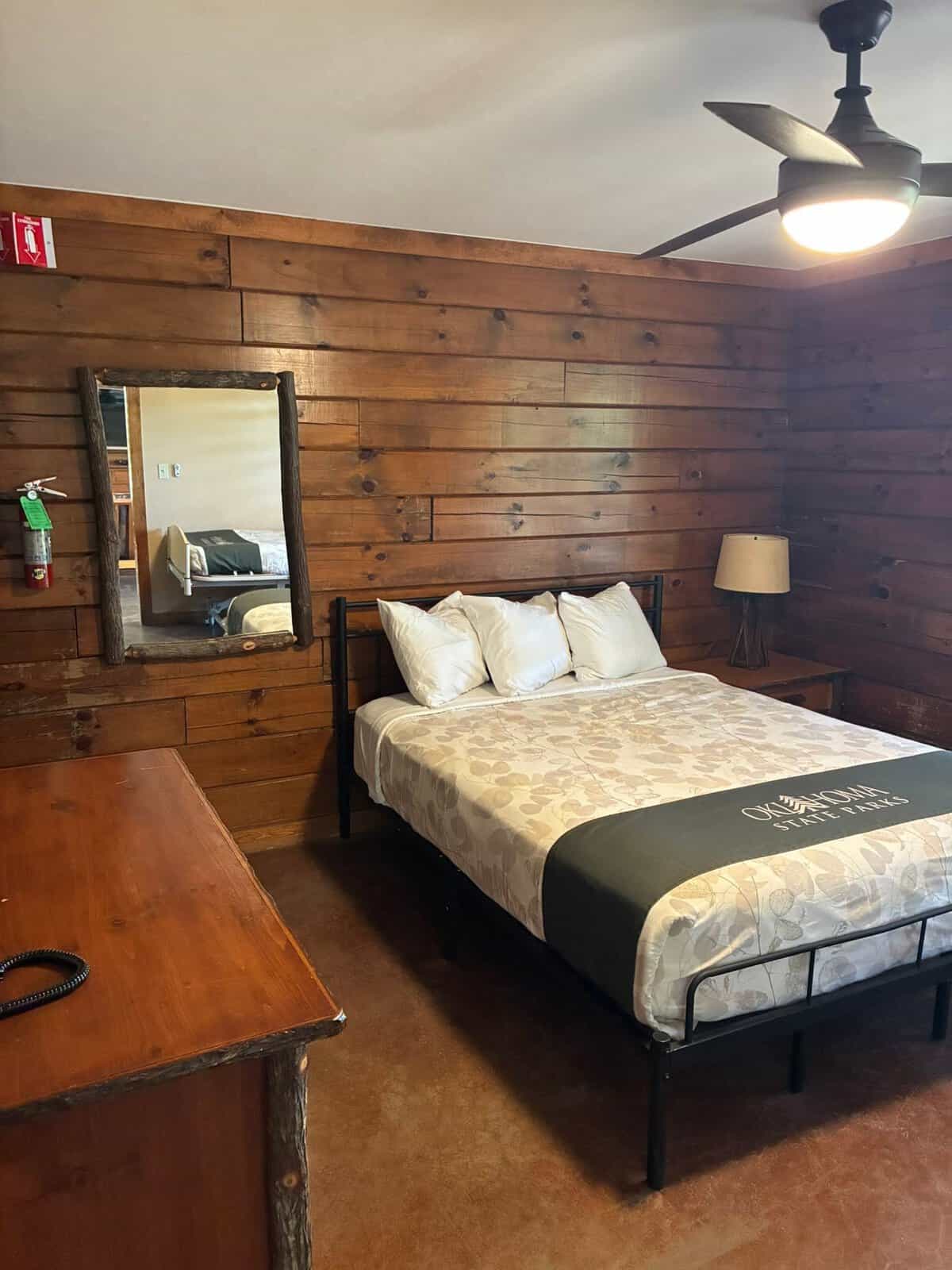
The lodge anchoring this park was constructed in the 1930s by the Civilian Conservation Corps, and that history still shows in the stone and timber construction that frames the surrounding canyon views.
One guest specifically praised the recent renovations, noting the artwork throughout the lodge reflects the local area and the canyon’s cultural history, giving the whole space a sense of place beyond just basic hospitality.
Staff get singled out constantly across reviews, often by name. One visitor specifically thanked several individual staff members by name for going out of their way to help during a stay, a level of personal service that seems to define the lodge experience for plenty of returning guests.
Rooms run modestly sized, by most accounts, with one reviewer noting a recent remodel had refreshed the space considerably. Another guest specifically praised the comfortable beds and clean, well-kept rooms despite the lodge’s relatively compact size.
The dining room inside the lodge has become its own destination. Reviewers consistently rave about the food, with one describing an outstanding meal enjoyed during a visit home for a difficult family occasion, calling the peaceful ambiance exactly what she needed at that moment.
Trails That Wind Through Genuinely Varied Terrain
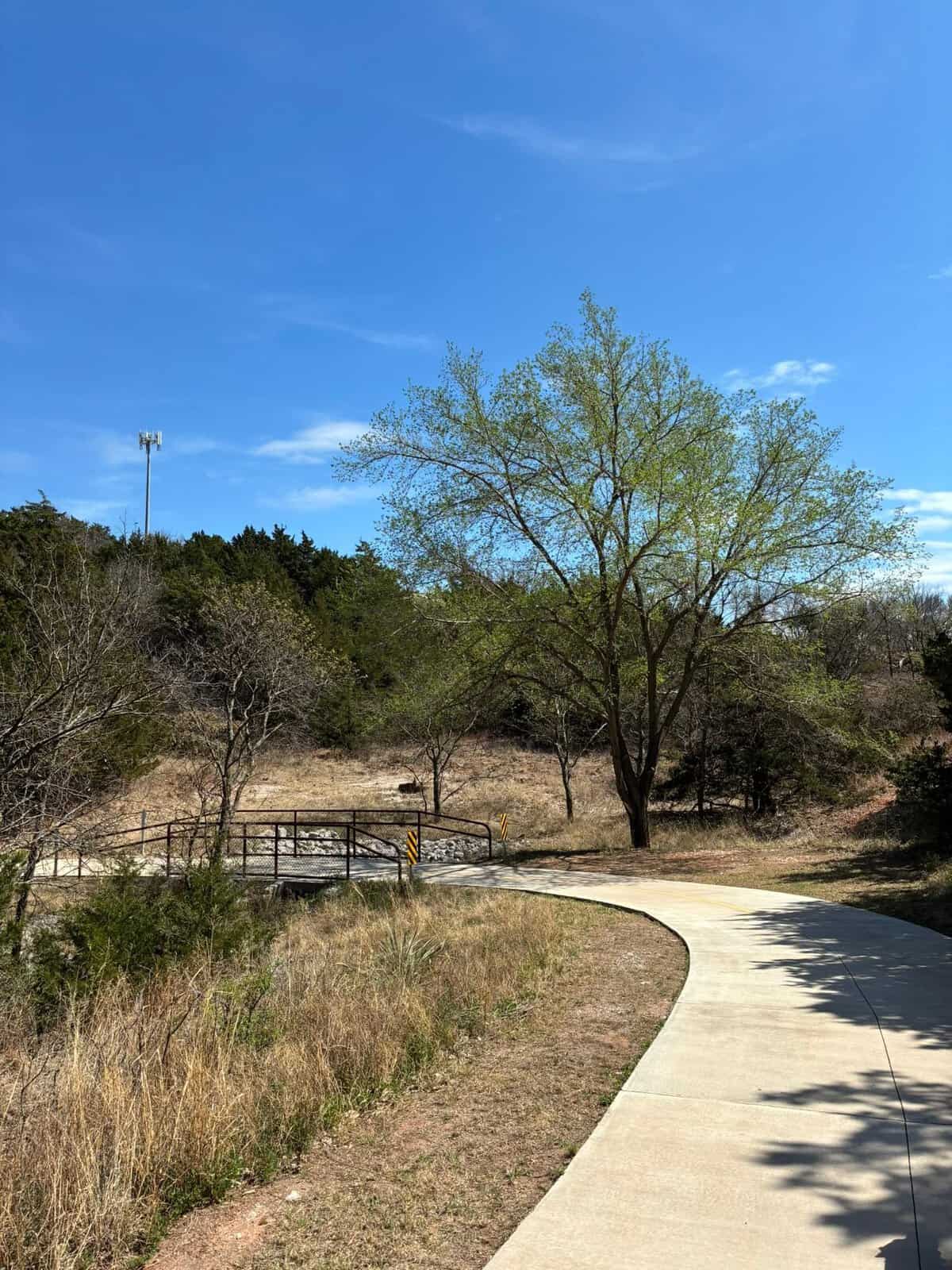
Hiking here means moving through a landscape that shifts dramatically within short distances, from canyon floors up to ridge-top viewpoints and back down past spring-fed streams.
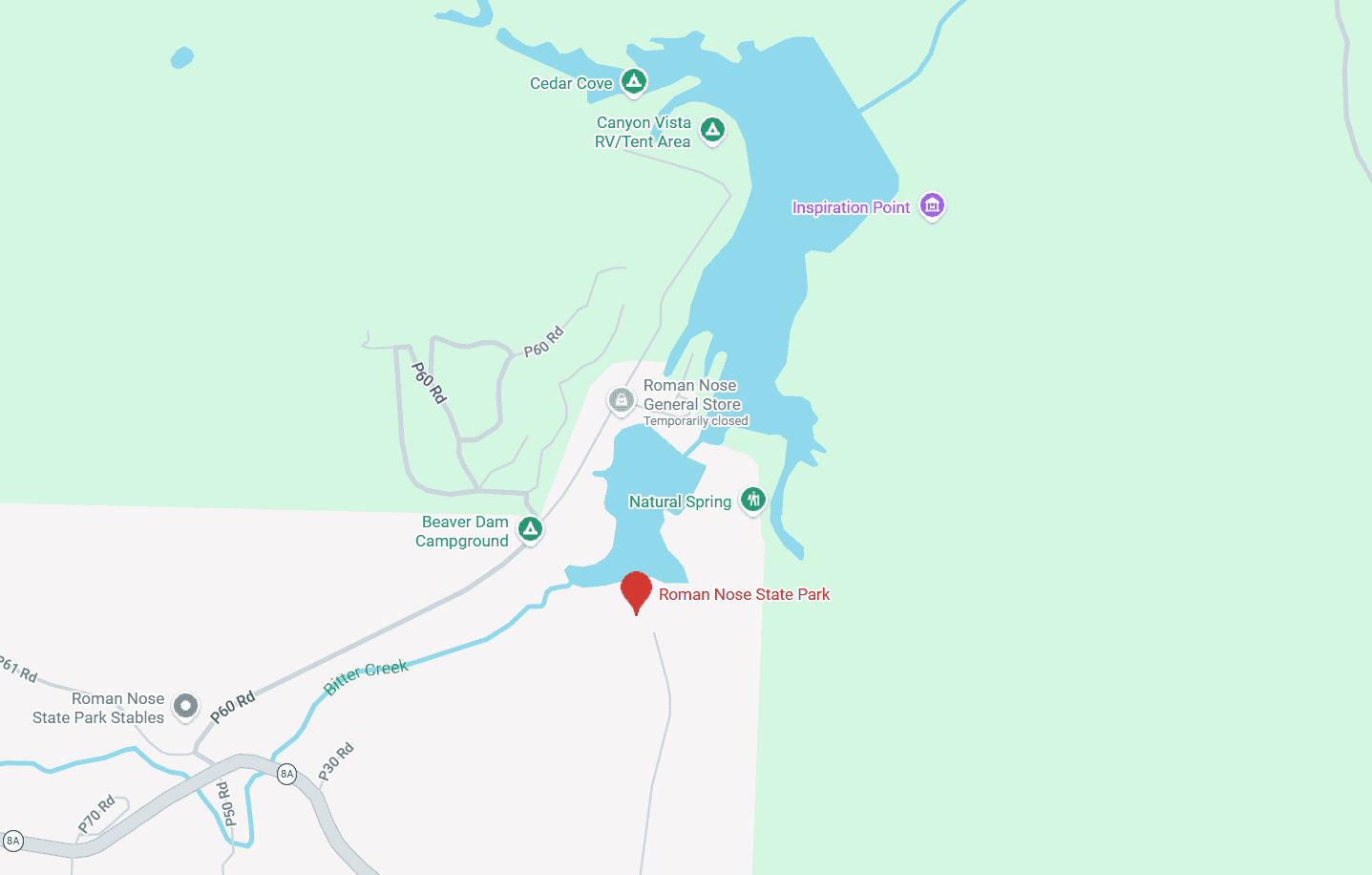
Inspiration Point comes up again and again as the trail system’s signature destination. One visitor described an early-morning hike there with his wife on their anniversary, calling the view from the top a genuinely moving way to mark the occasion.
The trails range widely in difficulty, with several reviewers specifically praising a paved, accessible route that lets visitors with mobility limitations experience the canyon scenery without needing to navigate rugged terrain.
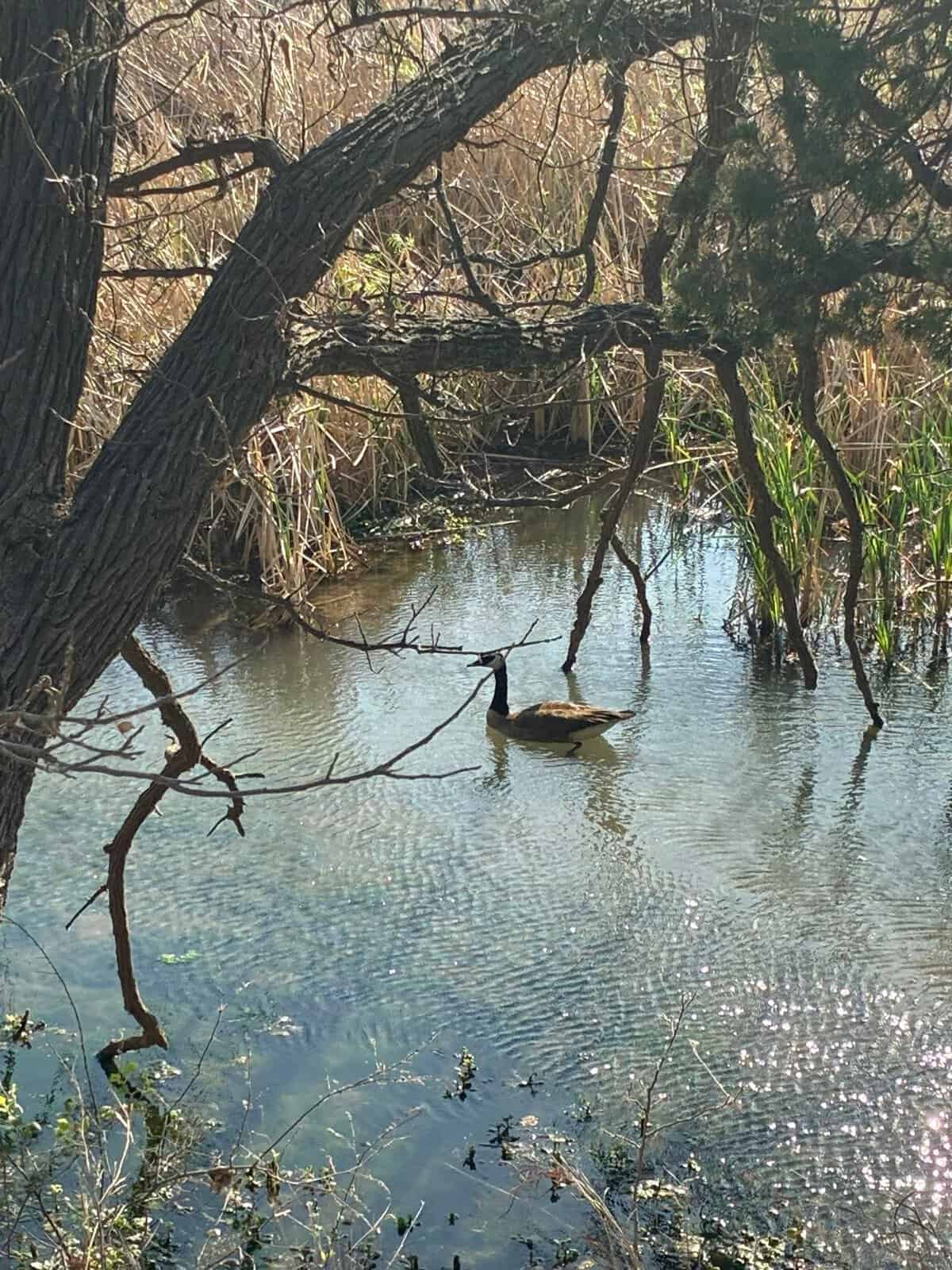
Other trails get more rugged fast. One hiker specifically warned that gypsum rock edges can be sharp enough to cut through light clothing, recommending sturdier gear for anyone planning to scramble around the rock formations themselves.
Several visitors mention getting genuinely lost due to inconsistent trail markers, treating the detour as part of the adventure rather than a serious complaint.
One family specifically credited friendly fellow hikers for helping them find their way back to the main trail after wandering off course.
Teepees and Camping That Embrace the Landscape
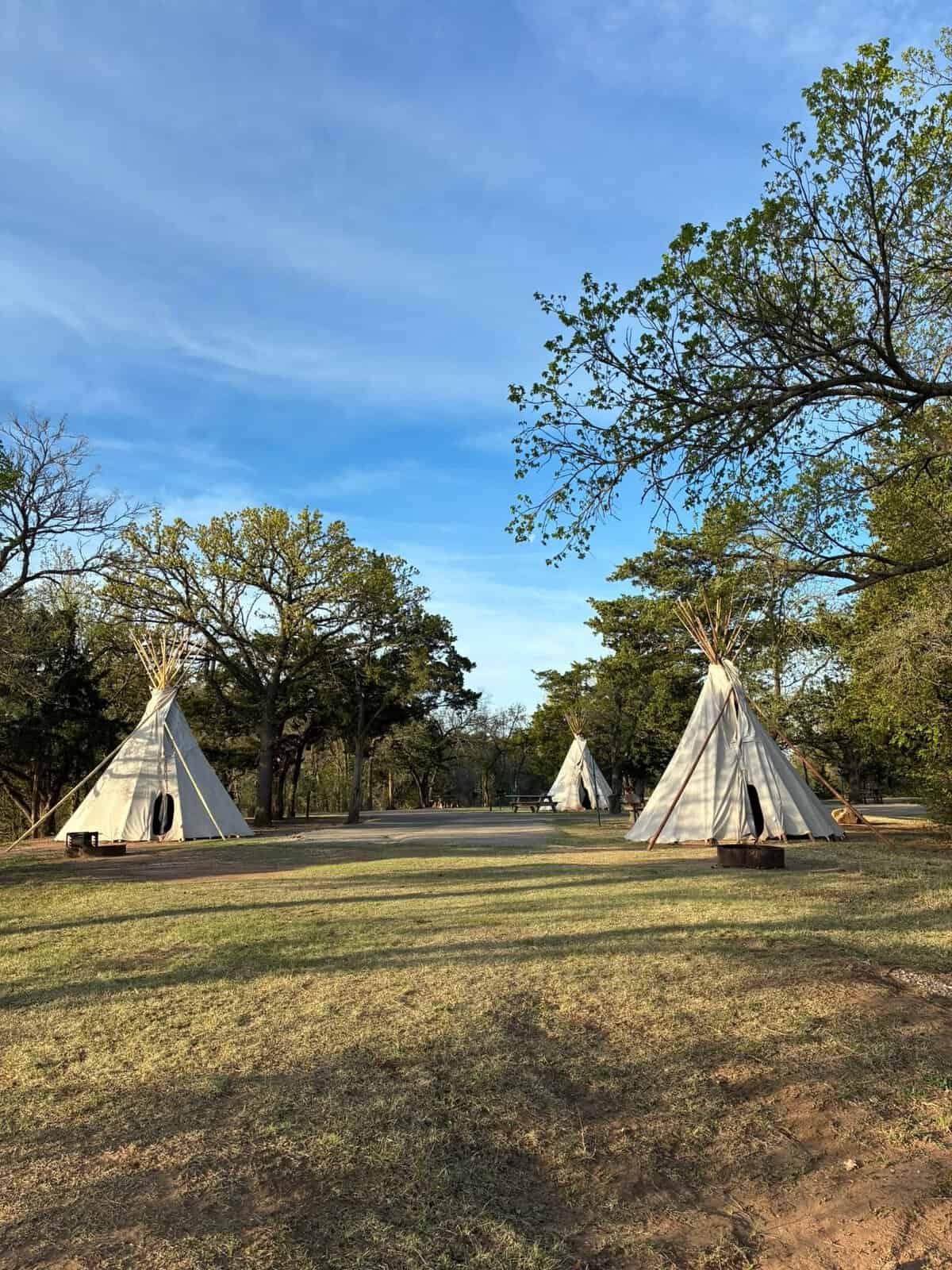
Camping here ranges from traditional tent and RV sites to a small collection of teepees that consistently draw some of the most enthusiastic reviews in the entire park.
One family specifically mentioned a four-year-old grandson who loved sleeping in a teepee so much that the whole family has continued returning for that exact experience year after year.
Another visitor described renting a teepee as adorable enough to feel almost unreal, specifically praising it as a wonderful backdrop for photos during a family camping trip.
Canyon Vista and Two Lakes campgrounds offer somewhat different experiences, with several reviewers noting that some sites work better for tents and smaller campers, given the area’s naturally uneven terrain.
Showers and restrooms earn consistent praise for cleanliness, with one camper specifically calling out the simple presence of working showers as worthy of an automatic five-star review on its own.
A Night Sky Worth Staying Up For
Far enough from major city light pollution, this park offers genuinely dark skies that surprise plenty of first-time campers who didn’t expect quite this level of visibility.
One visitor described seeing the Milky Way clearly for the first time here, calling the experience deeply moving and admitting she still thinks about that particular night years later.
Another camper specifically mentioned getting up around midnight during a moonless night just to look at the stars, describing the view as genuinely spectacular and crediting a helpful staff member for sharing local astronomy tips during the encounter.
That kind of dark-sky access has become its own quiet draw for visitors interested in astrophotography, with the park’s canyon setting adding dramatic foreground silhouettes to any night sky shot.
A Deeper Cultural History Worth Knowing
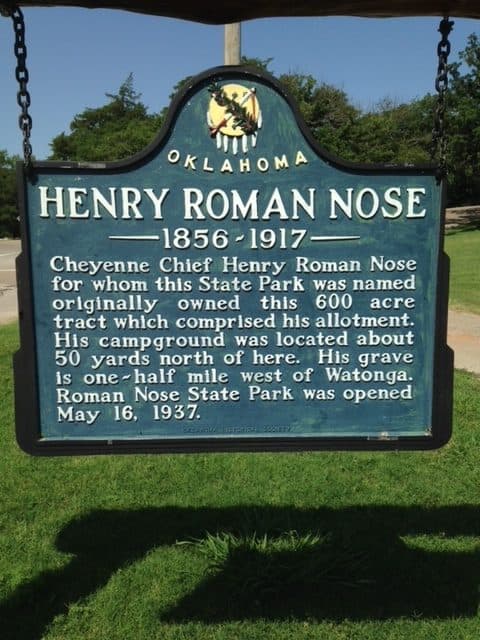
This park carries the name of Henry Roman Nose, a respected Cheyenne chief, and that connection to Cheyenne and Arapaho heritage runs through much of the park’s design and storytelling.
One visitor specifically appreciated learning about the area’s Native history during a stay, calling it a meaningful addition to what could have otherwise just been a scenic weekend getaway.
The springs and canyons held real significance to the tribes who lived in and traveled through this land long before it became a state park, using the reliable water source and natural shelter for generations.
Understanding that deeper history adds real weight to a visit here, transforming a simply pretty landscape into something with genuine human stories layered underneath the scenery.
Practical Notes for Planning Your Visit
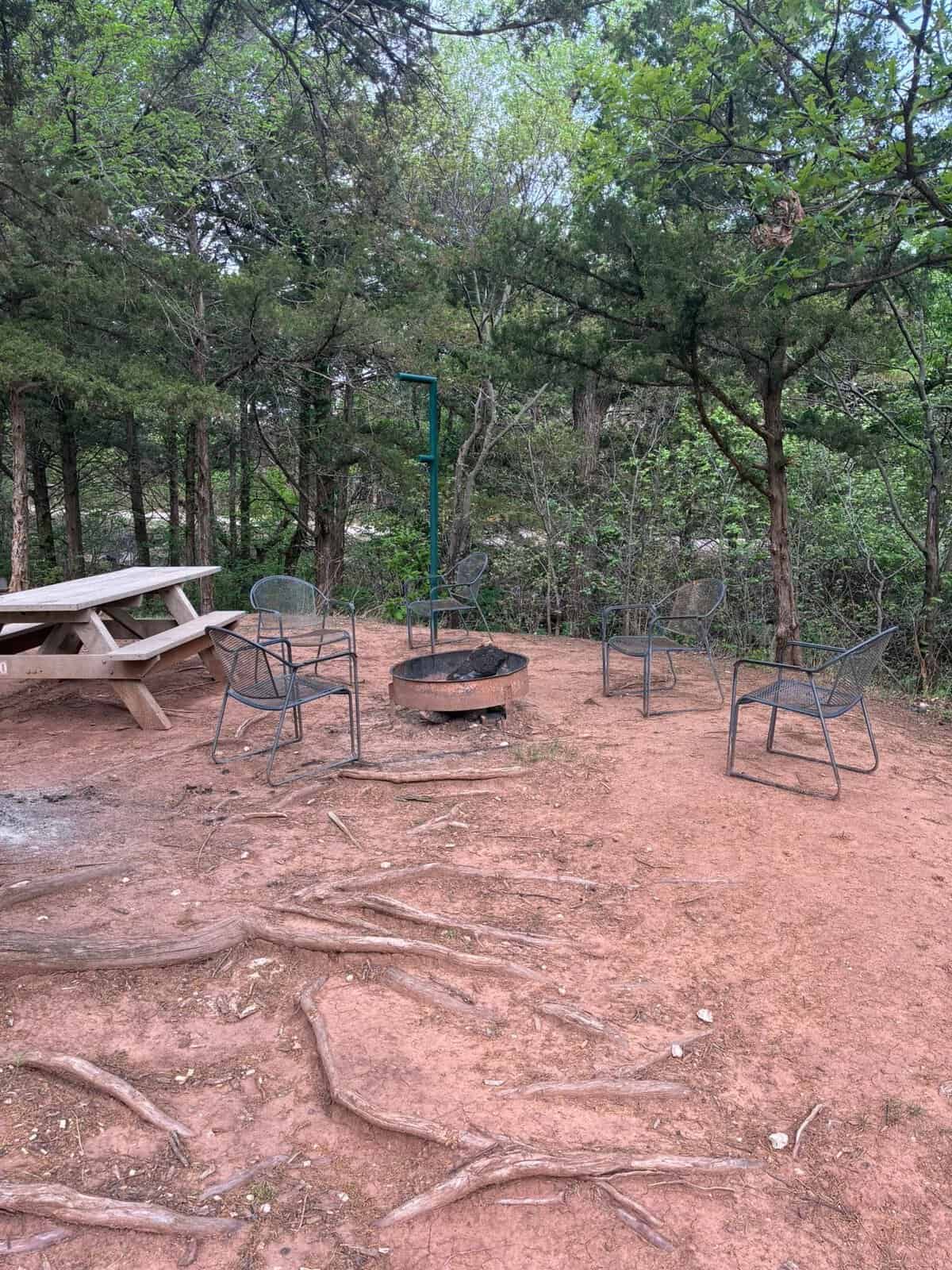
Trail markers can be inconsistent in places, so downloading a map ahead of time or picking one up at the lodge before setting out saves considerable frustration once you’re actually on the trail.
Lake-based activities remain limited while repairs continue, so visitors specifically hoping to fish or paddle boat should check current conditions before planning a trip entirely around water access.
Pool hours follow a seasonal schedule, typically opening around Memorial Day weekend and closing as the weather cools later in the year.
The dining room inside the lodge tends to close earlier in the evening than visitors sometimes expect, so planning dinner timing accordingly helps avoid a disappointing late-night scramble.
Getting There
Roman Nose State Park sits near Watonga in western Oklahoma, roughly an hour and a half from Oklahoma City, making it an easy weekend escape without requiring a full day of driving.
Several longtime visitors specifically describe it as one of the state’s best-kept secrets, surprised that more people haven’t discovered a landscape this dramatically different tucked so close to the capital.
Whether you’re chasing canyon views, spring-fed swimming, a genuinely challenging round of golf, or simply a night sky bright enough to make you stop and stare, this corner of western
Oklahoma has spent generations quietly proving that the state holds far more geographic surprises than its reputation suggests.
I keep thinking about that line from one longtime visitor, the one who called it the best-kept secret in Oklahoma after living in the state his whole life and hunting and fishing across most of it.
That’s not a casual compliment. That’s someone with a real frame of reference making a deliberate comparison.
There’s something fitting about a park named for a respected tribal leader continuing to surprise people who assume they already know everything a place can offer.
The canyons were here long before anyone built a lodge or laid out a golf course, and they’ll likely outlast whatever current renovation project is underway at any given moment.
That kind of permanence is reassuring in its own way. Lakes can drain and refill. Pools open and close with the seasons.
But the rock walls and the cold spring water bubbling up from somewhere deep underground have been doing their quiet work for longer than anyone currently visiting has been alive, and they’ll keep doing it long after the current crowd has gone home.
More stories
This Forgotten Corner of Oklahoma Looks Nothing Like the Rest of the State
This Oklahoma Lake Lets the Sunset Take Up the Entire Sky
This Oklahoma State Park Hides a 77-Foot Waterfall at the Bottom of a Quiet Green Valley
This Oklahoma Mountain Range Hides a Heart-Shaped Reward at the End of a Five-Mile Hike
Share this story