This Oklahoma Mountain Range Hides a Heart-Shaped Reward at the End of a Five-Mile Hike

I’ve always believed the best views in life require you to earn them a little.
Anything handed to you too easily rarely sticks in your memory the same way. The hikes I remember most vividly aren’t the easy boardwalk strolls. They’re the ones where my legs ached just enough to make the payoff feel like it actually meant something.
I think about a hike I did years ago that ended at an overlook nobody else seemed to know about. The trail wasn’t marked particularly well, and I second-guessed my route more than once.
But standing there afterward, completely alone with the view, felt different than any easy, crowded lookout ever has.
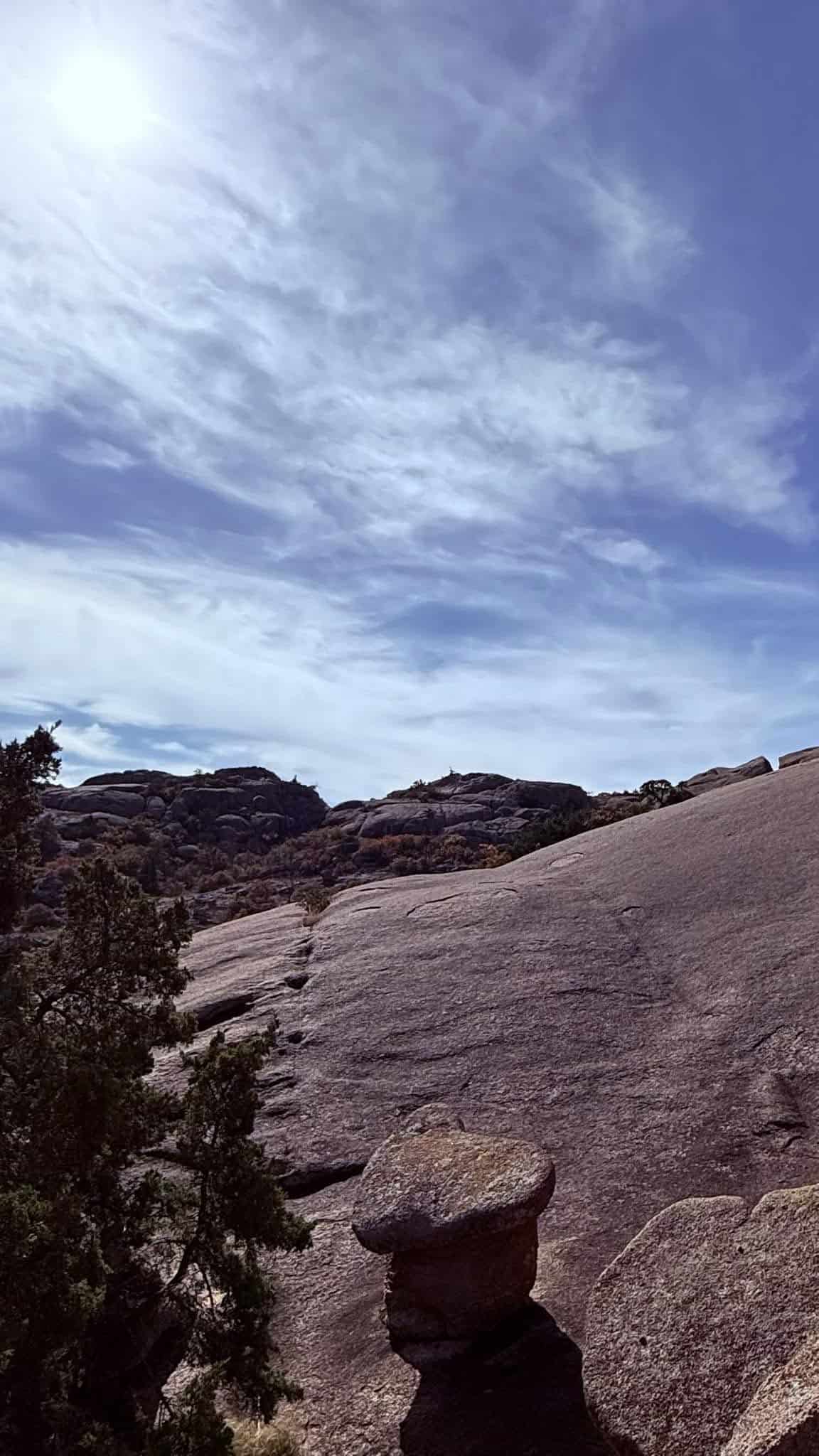
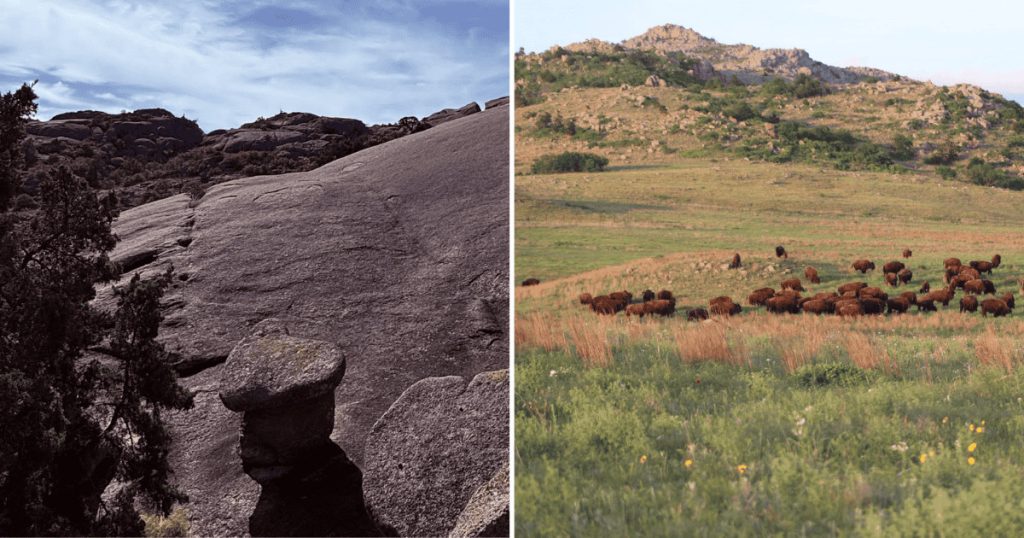
Somewhere in southwestern Oklahoma, granite boulders rise up out of the prairie in a way that genuinely confuses first-time visitors. People keep saying the same thing in different words: this doesn’t look like Oklahoma. It looks like Colorado, or New Mexico, or somewhere else entirely.
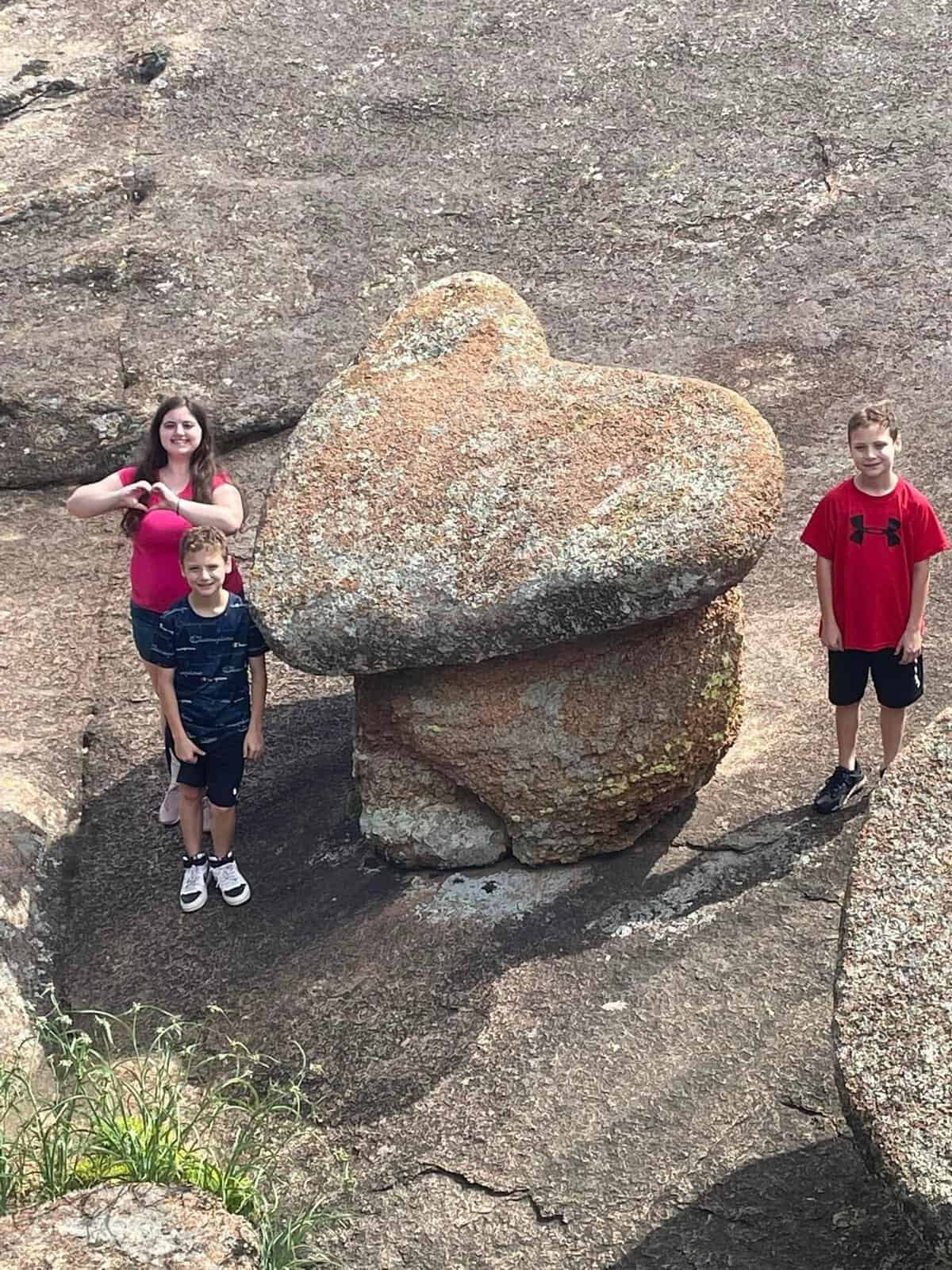
Hidden within that unexpected mountain range is a boulder shaped like a heart. Reaching it takes a five-mile round-trip hike with no marked trail and no shortcuts, and that’s exactly what makes it worth the trouble.
The Wichita Mountains Wildlife Refuge surrounds this whole landscape, and once you understand what’s tucked inside its borders, it’s easy to see why people keep coming back, year after year, generation after generation.
A Landscape That Doesn’t Look Like Oklahoma at All
Ask anyone who’s driven through this refuge for the first time, and you’ll hear some version of the same surprised reaction.
One visitor admitted the place didn’t feel like the Oklahoma he was familiar with at all, comparing it instead to the high desert landscapes of New Mexico or the broader American Southwest, complete with rugged rock formations and miles of trails.
Another longtime visitor called it his number one favorite spot in the entire state, going so far as to say it barely feels like Oklahoma at all, comparing the small mountains and winding trails more to something you’d expect to find in Colorado.
A different reviewer used nearly identical language, describing the area as a small slice of Colorado dropped into the middle of the state, complete with granite peaks and walking trails that feel completely out of place on the otherwise flat Oklahoma horizon.
That sense of disorientation seems to be part of the charm. People show up expecting flat plains and leave talking about boulder fields, granite ridgelines, and views that stretch out toward the horizon in every direction.
The Ancient Rock Beneath Your Feet
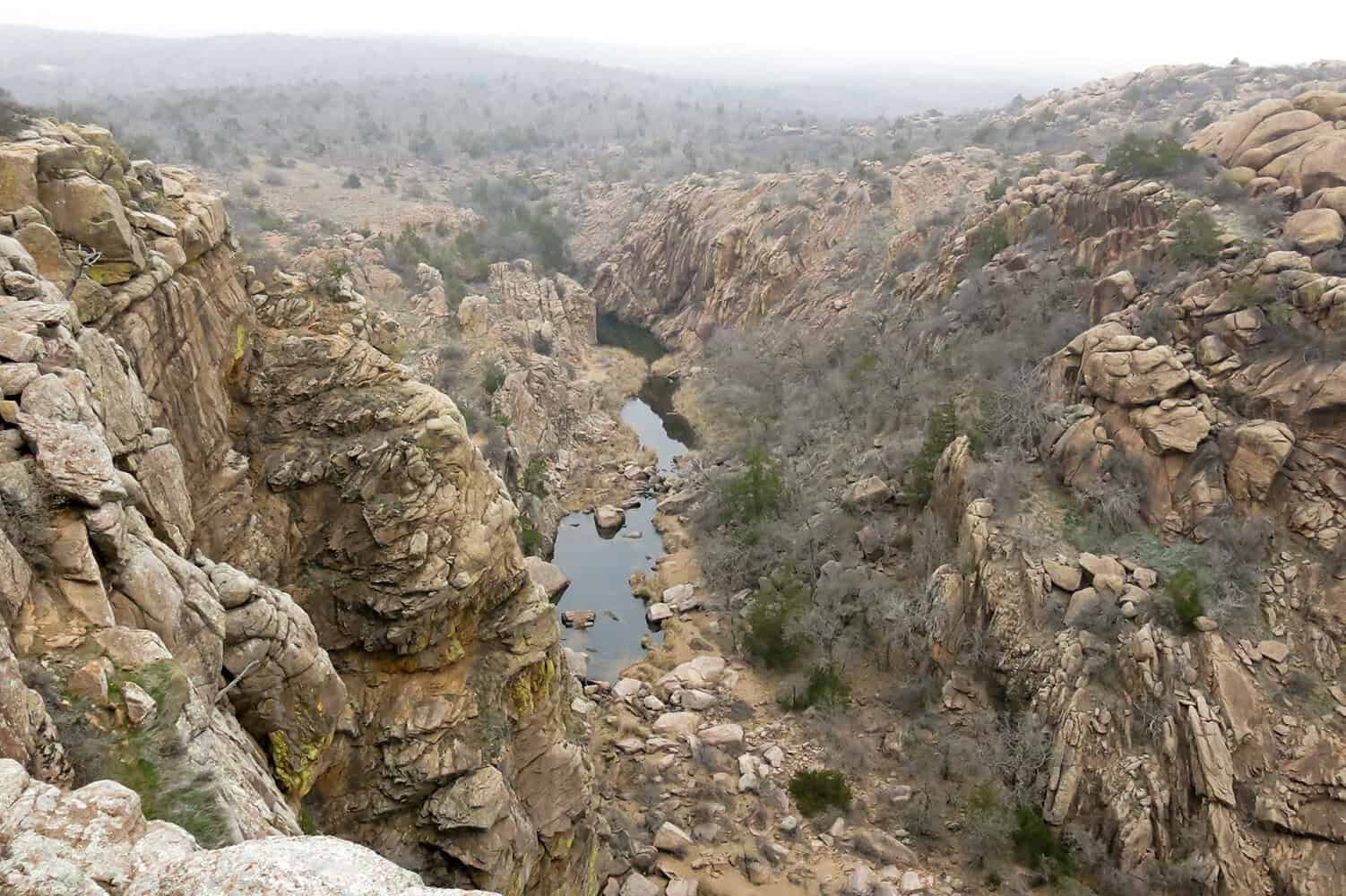
What makes this landscape so visually different from the rest of Oklahoma comes down to genuine geological age. The granite here ranks among the oldest exposed rock in all of North America, dating back roughly 500 million years or more.
These mountains were once considerably taller than they are now. Hundreds of millions of years of patient erosion wore them down into the rounded, boulder-strewn ridges visitors hike through today.
The Wichita people, for whom the range is named, lived in this region for centuries and considered the land sacred long before it became a protected refuge. Comanche, Kiowa, and Apache communities later called this same territory home.
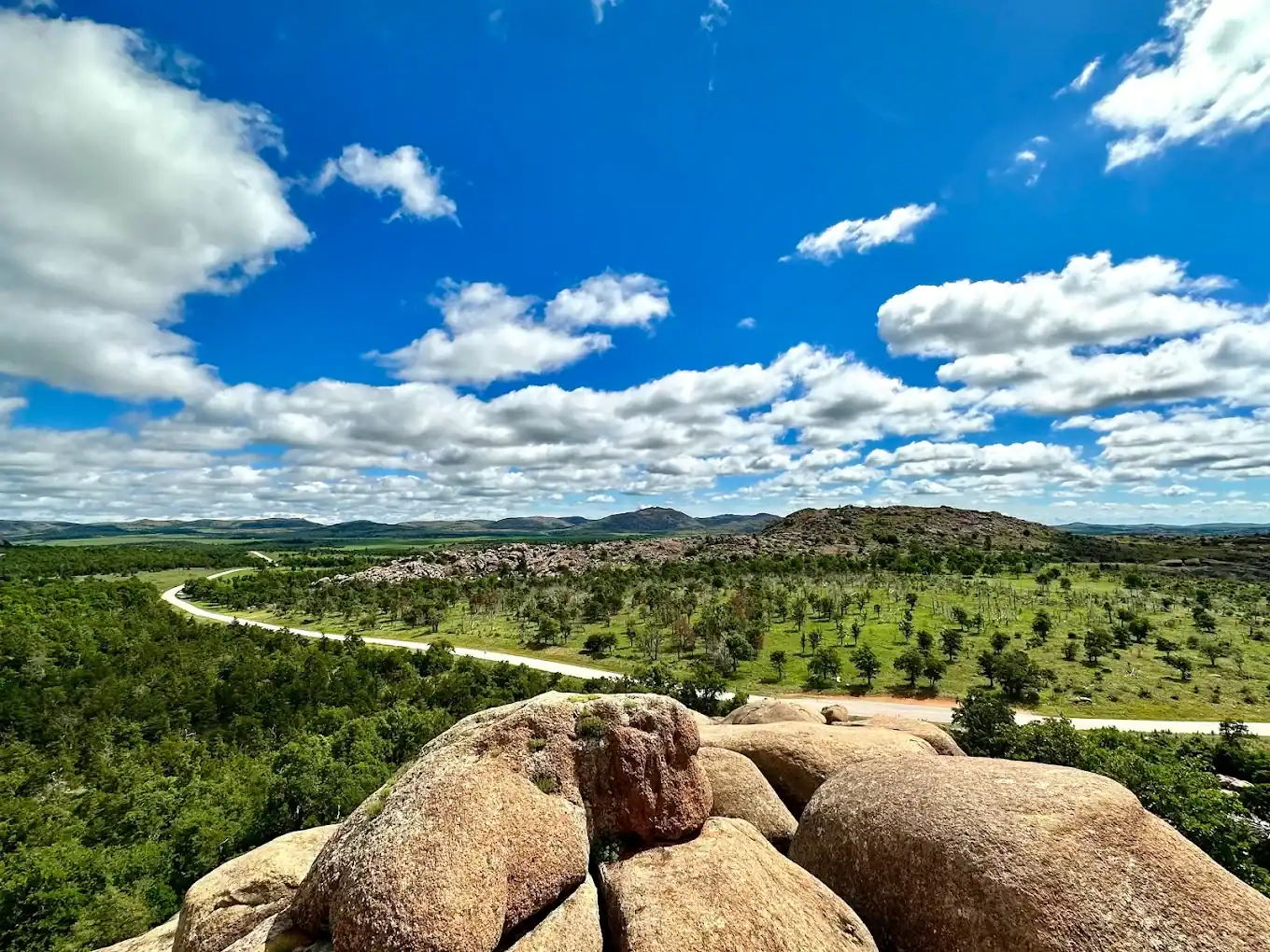
In 1901, the area was designated as a federal wildlife reserve, making it one of the oldest managed wildlife refuges anywhere in the United States. That long history of careful protection helps explain why the landscape still feels so wild and untouched today.
Standing among boulders that ancient tends to put things into perspective rather quickly. The rock beneath your boots has been sitting there since long before Oklahoma was a state, long before any road or trail or map ever existed to guide you to it.
The Hike to Heart Rock
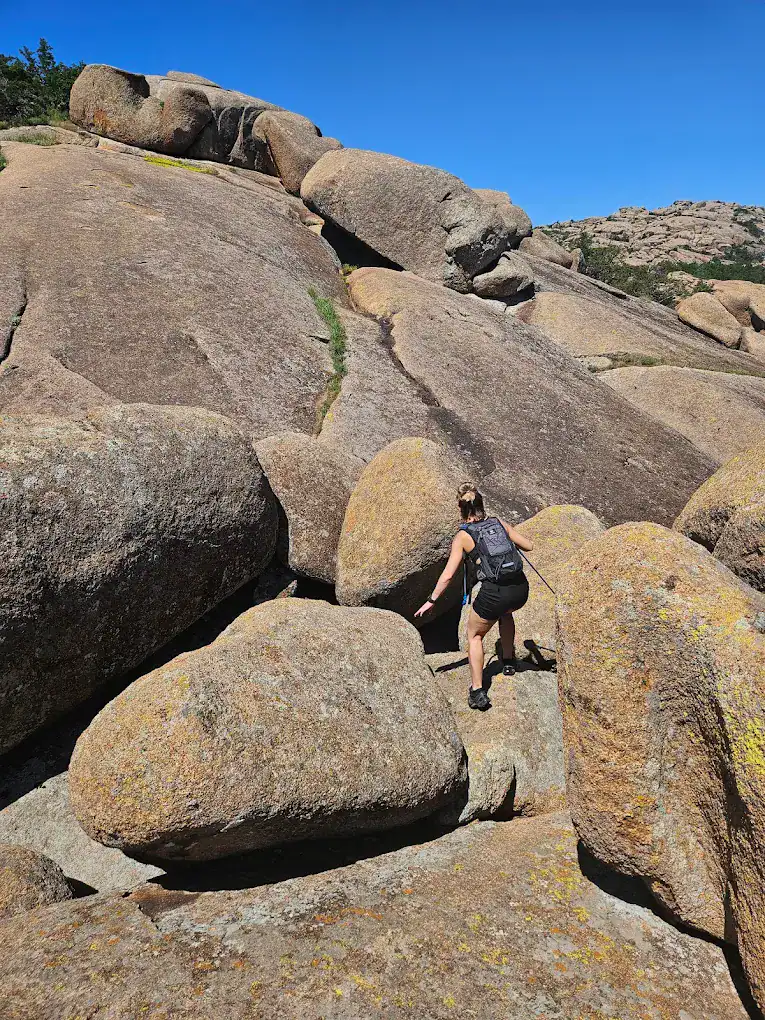
Tucked within the refuge’s rugged terrain is a granite boulder that nature has carved, almost improbably, into the unmistakable shape of a heart.
Reaching it requires committing to a roughly five-mile round-trip hike across open granite slabs, through patches of cedar and scrub oak, and over ridgelines that reward you with sweeping views the entire way.
There’s no paved or clearly marked trail leading there. Navigation requires genuine attention, a good sense of direction, and ideally a downloaded GPS route saved before you lose cell service, which happens easily in this part of the state.
The elevation changes stay moderate but consistent throughout, meaning your legs will absolutely know they’ve done something by the time you make it back to the trailhead. Sturdy hiking footwear isn’t optional here, especially since granite surfaces turn slick quickly after rain.
That lack of clear signage is precisely what makes the destination feel earned rather than handed to you.
Several reviewers mention getting genuinely lost on trails throughout the refuge despite considering themselves experienced hikers, treating it almost as a badge of honor rather than a complaint.
One avid hiker described attempting most of the major routes in the refuge and getting turned around on nearly all of them, framing the unpredictability as part of what makes this particular wilderness area special compared to more heavily managed parks elsewhere.
Wildlife That Roams Free Across the Refuge
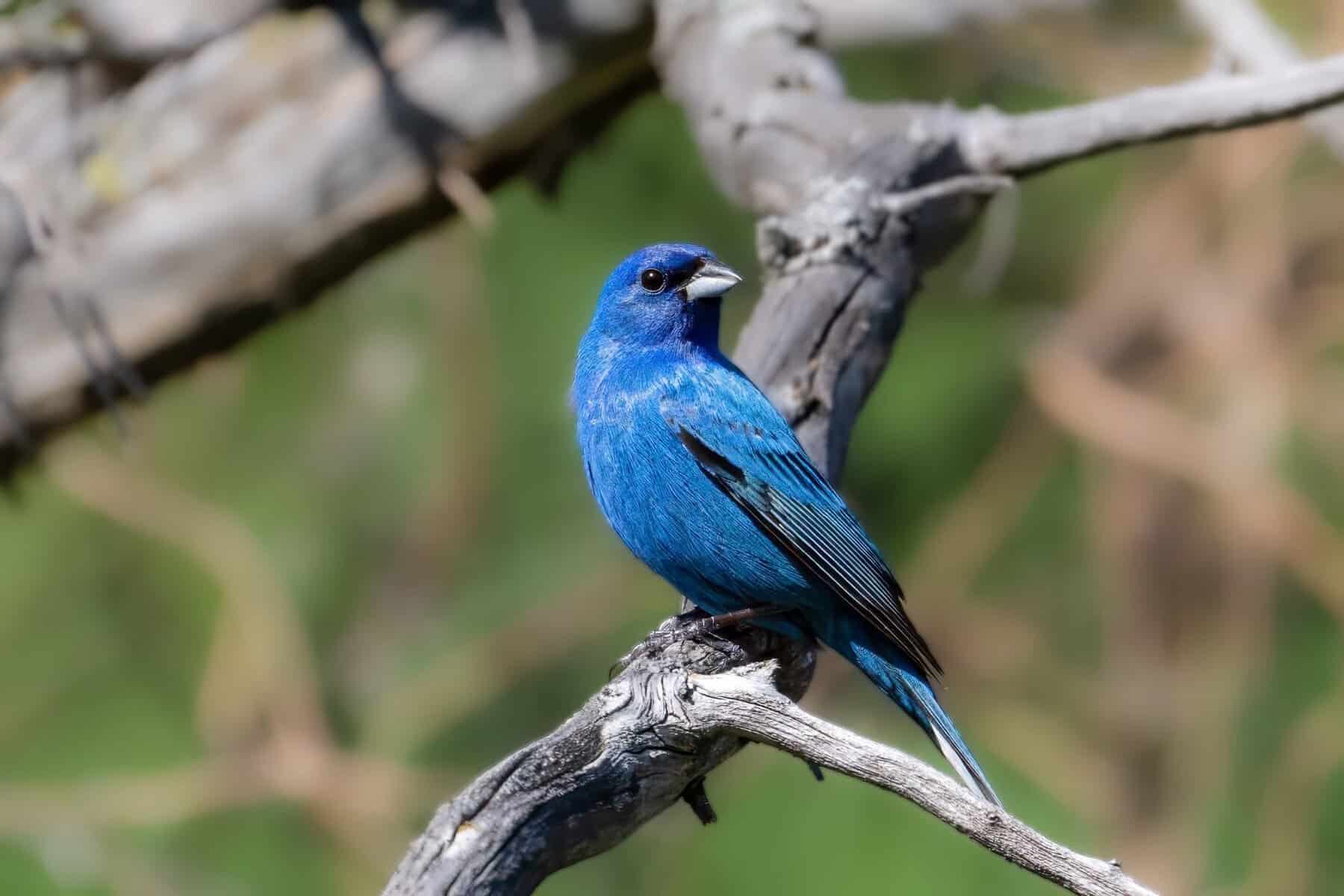
Hiking anywhere in this refuge means sharing the trail with some genuinely impressive wildlife, and that’s consistently one of the most talked-about parts of any visit.
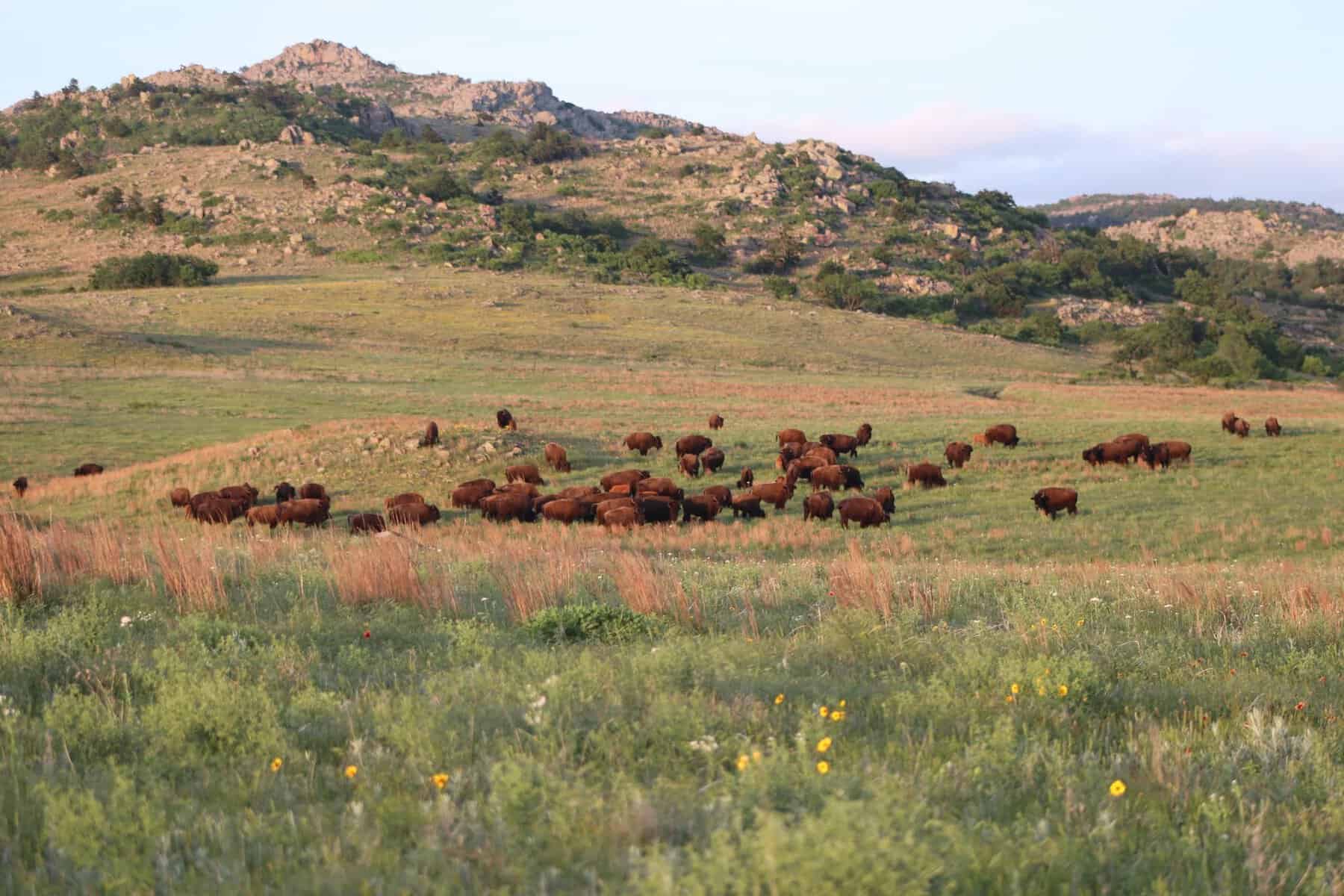
Bison are the most iconic residents by far. One visitor described seeing quite a bit of bison, elk, deer, and even a few longhorn cattle within the first day of exploring, alongside genuinely good birdwatching opportunities throughout the refuge.
Longhorn cattle roam freely as well, often described by visitors as standing right alongside the road, occasionally even staring curiously into car windows as people pass slowly by.
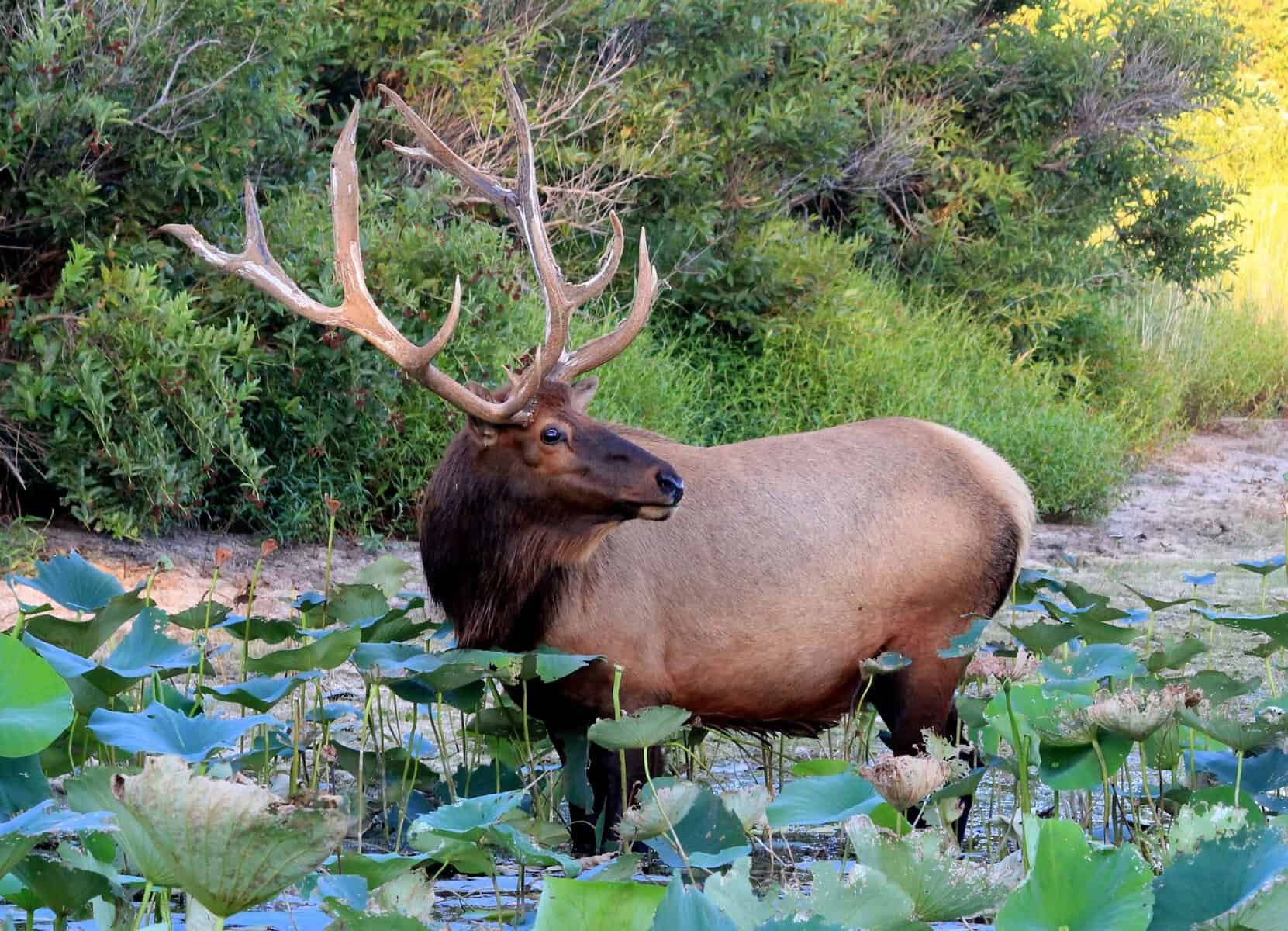
Elk have been reintroduced to the area and show up most reliably in early morning hours. One visitor described hearing an elk bugle during a hike, even though they’d arrived slightly too early in the season to catch the full chorus.
Prairie dogs draw their own dedicated fanbase among visitors, popping in and out of their burrows in a way that multiple reviewers specifically called out as an absolute must-see during any visit.
Coyotes occasionally make their presence known through sound rather than sight. One visitor described hearing coyotes howling in the middle of the day, an unexpected and slightly thrilling detail to stumble into during an otherwise quiet hike.
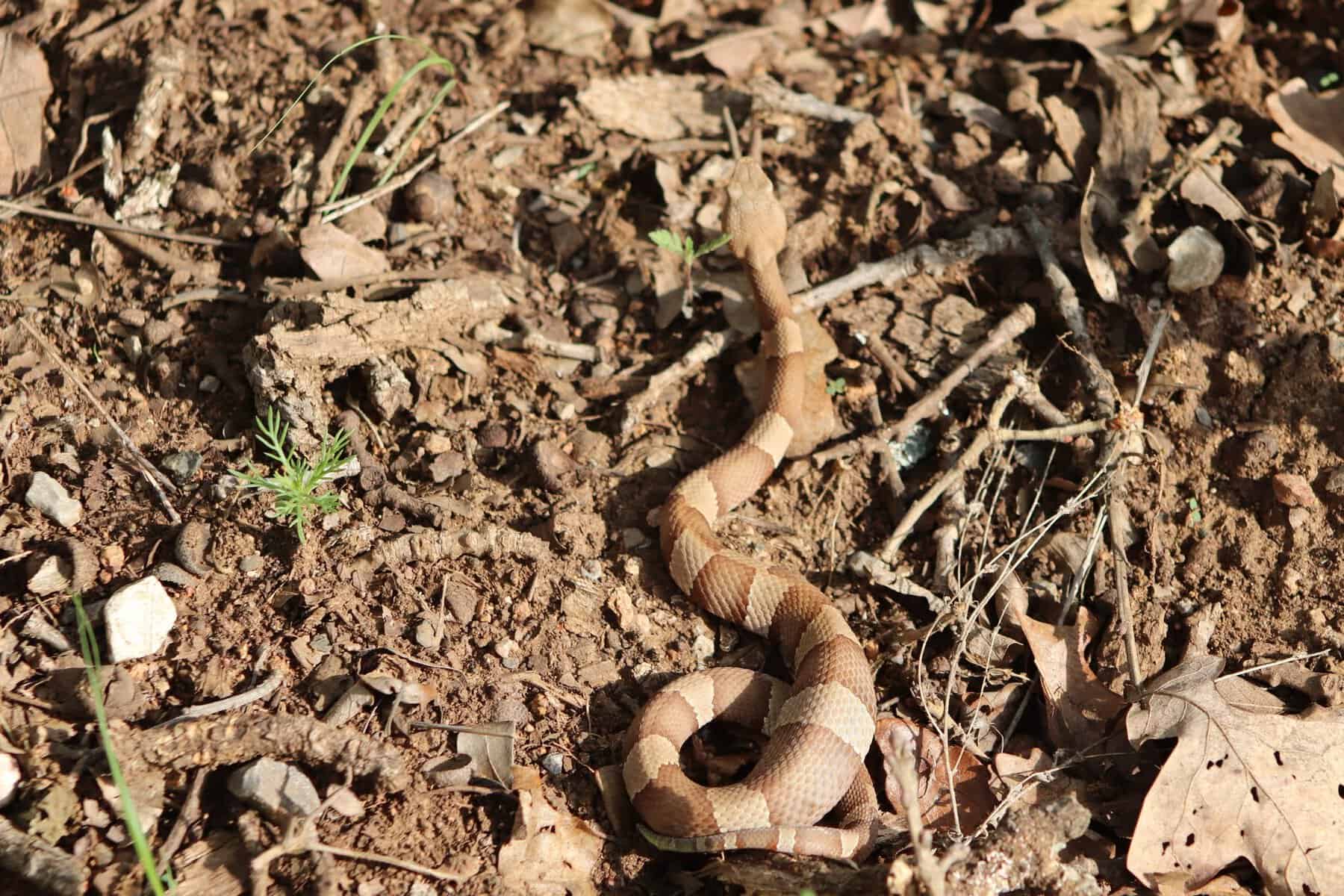
Western diamondback rattlesnakes also call this rocky terrain home, particularly during warmer months. Watching where you step and where you place your hands while climbing boulders counts as genuinely important safety practice throughout the refuge.
Beyond Heart Rock: Mount Scott and the Wider Refuge
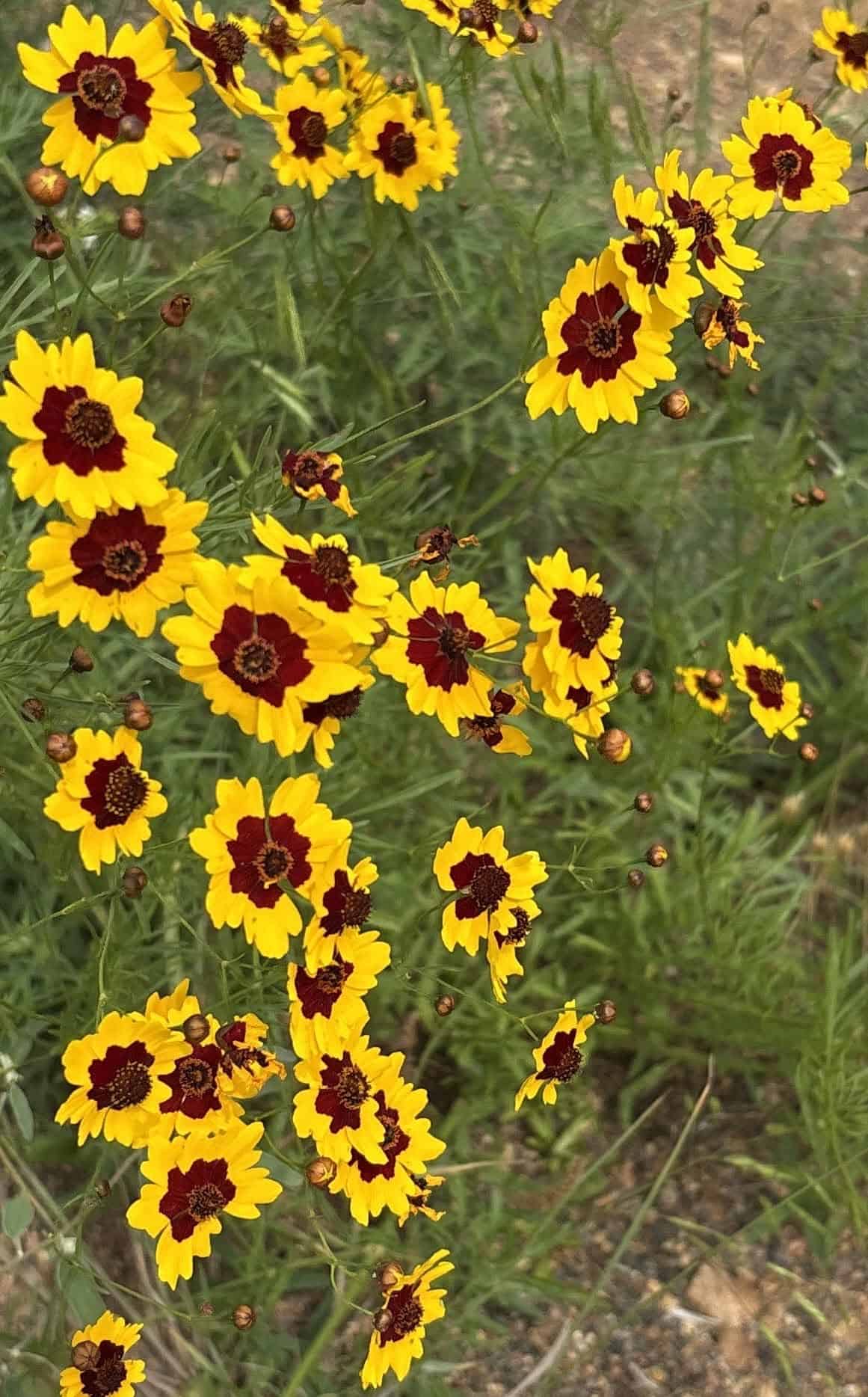
While Heart Rock draws plenty of dedicated hikers, the broader refuge offers an entire landscape worth exploring well beyond that single destination.
Mount Scott stands out as one of the most popular stops, with a paved road leading all the way to the summit for anyone who’d rather drive than hike.
One visitor described the views from the top as absolutely worth it, with rolling hills, lakes, and endless sky stretching out in every direction.
Another visitor called the drive up Mount Scott a genuinely breathtaking experience, describing buildings constructed from native stone and boulder fields that seemed to defy any accurate description.
The Narrows and the Elk Mountain Trail both earn specific praise from regular visitors, with one longtime fan calling the round granite rock formations along Elk Mountain absolutely spectacular, especially when paired with the dramatic lighting of a setting sun.
Little Baldy offers a gentler introduction for families or less experienced hikers, with one visitor describing a manageable hike of well under a mile, just difficult enough to feel like a real accomplishment without overwhelming younger kids.
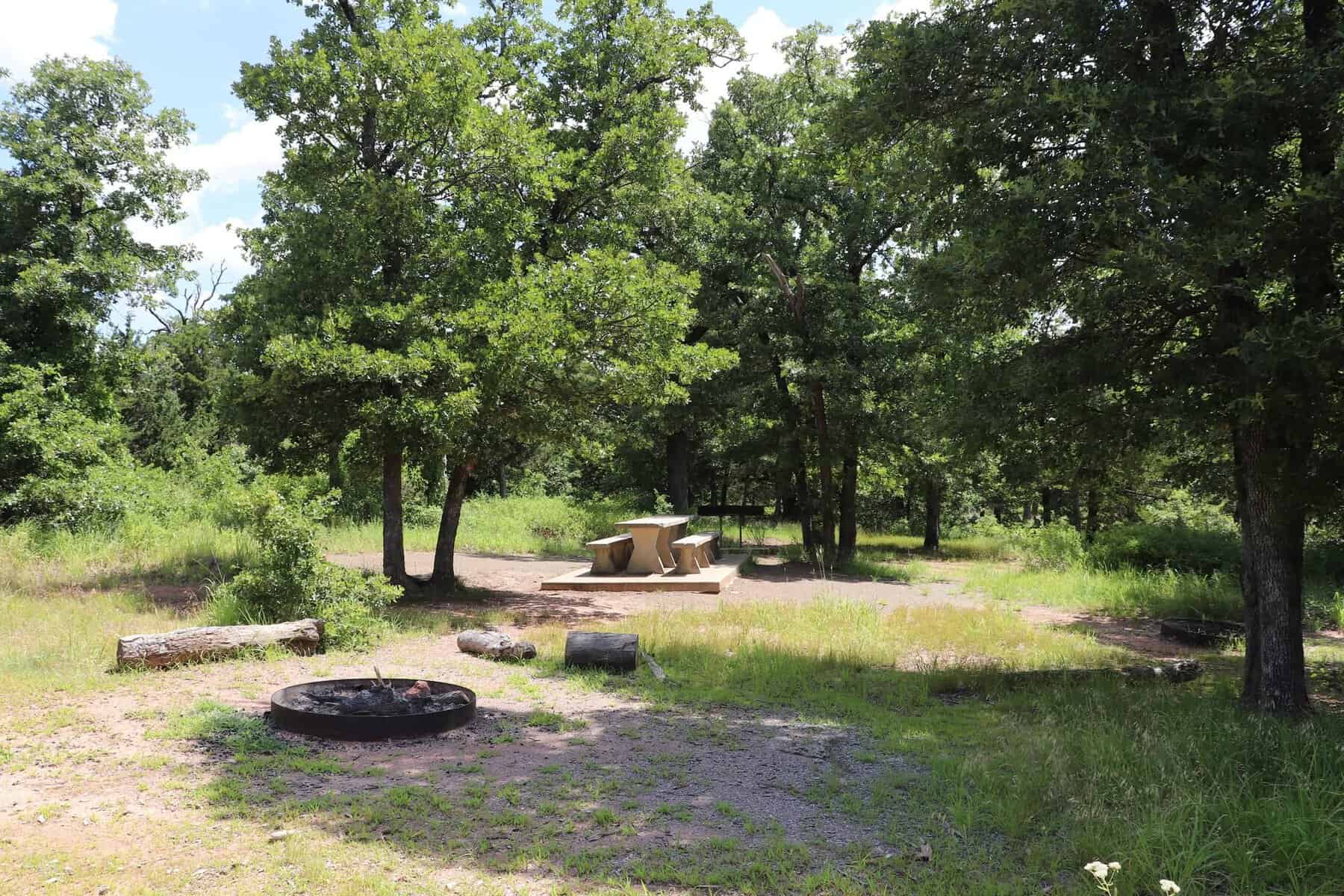
Doris Campground comes up constantly as the go-to overnight spot for anyone wanting to extend their visit beyond a single day, with several reviewers specifically recommending it as their regular home base for repeat trips.
A Place That Connects Generations
Scroll through enough reviews of this refuge, and a clear pattern emerges: this isn’t just a place people visit once. It’s a place families return to, generation after generation.
One visitor described her family as the fifth generation to fall in love with the area, noting that her 87-year-old mother had been born nearby and had spent her childhood swimming, hiking, and skating throughout the region decades earlier.
Another reviewer described five generations of happy memories tied to this same landscape, recalling that her grandfather had personally helped build the road leading up Mount Scott, while her own grandchildren have since discovered rock climbing and swimming in the very same spots.
One particularly moving review described visiting specifically to scatter a mother’s ashes on the one-year anniversary of her passing, fulfilling what had been her final wish. It’s a quiet reminder of just how deeply meaningful this landscape has become to the people who know it best.
Other visitors describe decades of consistent return trips, with one longtime fan saying she’s been coming for forty years and still visits at least every three months, calling it simply good for the soul.
I find that kind of devotion genuinely remarkable. We live in an era where attention spans rarely fixate on any one place for more than a season or two before chasing the next destination.
A landscape that earns forty consecutive years of loyalty from a single visitor is doing something most places never manage.
It makes sense, in a way. Land this old, this geologically patient, seems to demand a different kind of relationship from the people who love it.
You don’t conquer a place like this in a single trip. You return to it, again and again, the way you’d return to an old friend.
Practical Notes for Your Visit
Spring and fall offer the most comfortable hiking conditions, with mild temperatures and active wildlife throughout the morning hours. Summer hiking is absolutely possible but demands an early start, plenty of water, and genuine respect for Oklahoma’s triple-digit heat.
Multiple visitors specifically warn about ticks during spring months, recommending appropriate precautions if you’re planning to bushwhack through taller grass or scrubby brush off the main paths.
Water matters more here than most people expect. Several reviewers mention becoming dehydrated faster than anticipated, especially during the hotter months, and recommend bringing considerably more water than feels necessary at the outset.
There’s no fee to access most of the refuge, a detail more than one visitor specifically appreciated. Facilities remain minimal throughout, with simple restrooms scattered near a handful of picnic areas and the lake.
Getting There
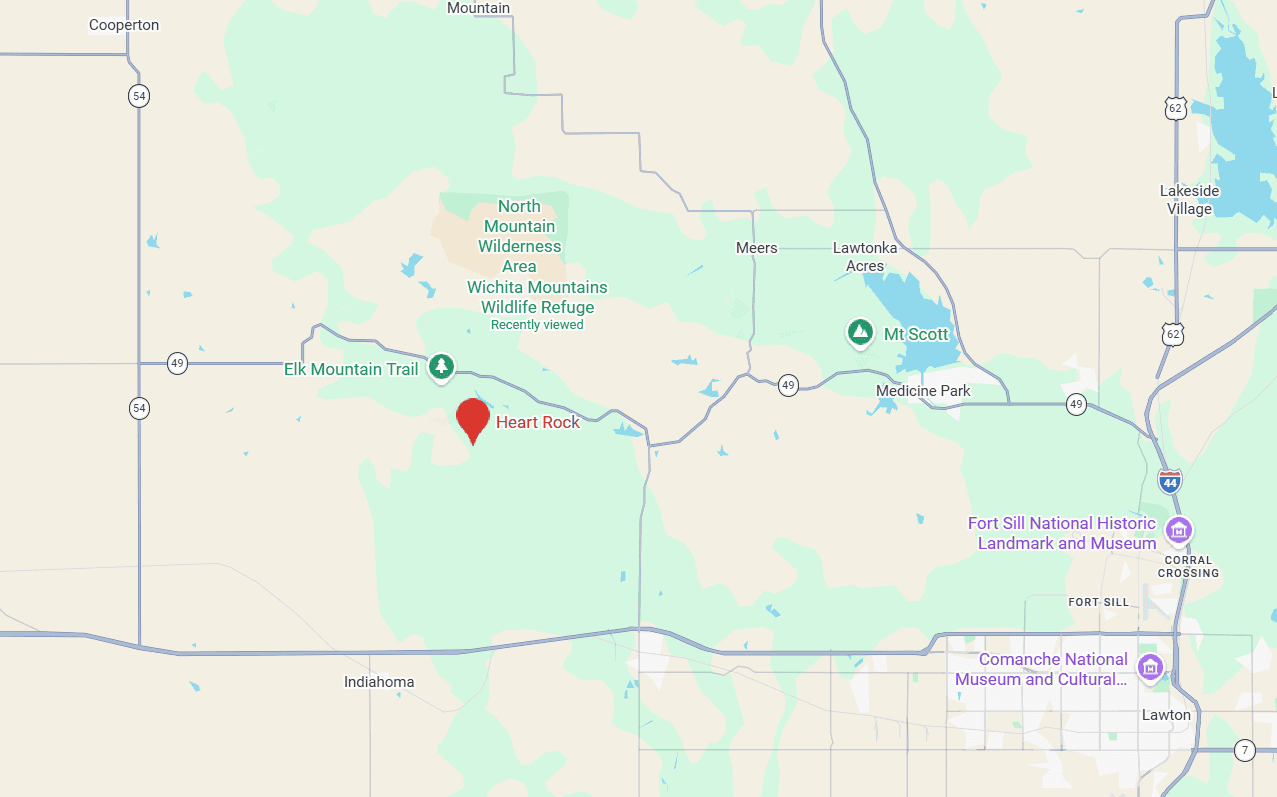
The refuge sits near Lawton, Oklahoma, in the southwestern part of the state, an easy enough drive from Oklahoma City and a popular weekend destination for visitors coming up from Dallas and the broader Texas area.
The drive itself counts as part of the experience, cutting through open land where bison and longhorn cattle roam freely well before you’ve even reached the heart of the refuge.
Whether you’re chasing the specific reward of a heart-shaped boulder at the end of a challenging hike, or simply hoping to watch bison graze against a backdrop of ancient granite peaks, this corner of southwestern Oklahoma delivers something genuinely unexpected.
Bring water, bring patience for the unmarked trails, and don’t be surprised if you find yourself, like so many visitors before you, already planning your next return trip before you’ve even made it back to the car.
That seems to be the quiet, recurring theme across every single review of this place, no matter how it’s worded. People don’t just visit once and check it off a list.
They come back, season after season, bringing their kids, then eventually their grandkids, watching the same granite boulders and the same wandering bison herds across decades of their own lives.
There’s something genuinely rare about a landscape capable of holding that much accumulated meaning. Most places we visit on vacation get filed away as a single memory, a single trip, a single set of photos. This one apparently becomes part of a family’s ongoing story instead.
If you’ve never made the trip yourself, consider this your invitation. Pack good shoes, plenty of water, and a healthy respect for a trail that won’t hold your hand the entire way, no matter how confident you feel before setting out.
The heart-shaped reward waiting at the end of it has been patiently sitting there for half a billion years. It isn’t going anywhere soon, and neither, by the sound of it, will your memory of finally finding it, long after the ache in your legs has faded.
More stories
Share this story