This Laid-Back Oklahoma Lake Rewards Patience With Mirror-Flat Water and Easy Days

I’ve never been the kind of traveler who needs a destination to announce itself with fireworks.
Some of my favorite places are the ones that take a little convincing — a quiet trailhead, a town with no billboard bragging about it, a lake that doesn’t show up on anyone’s “top ten” list but somehow ends up being the trip everyone remembers fondly years later.
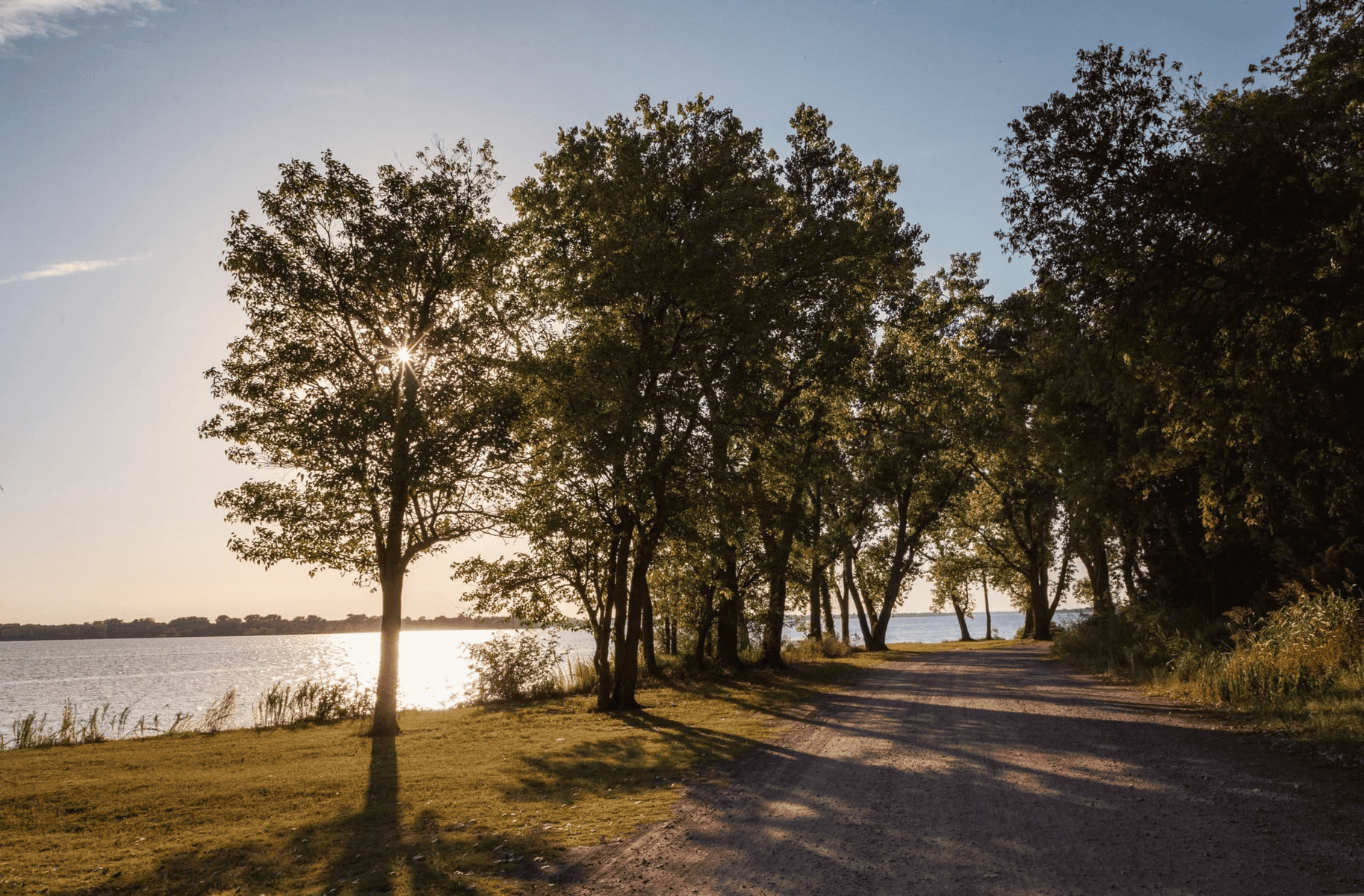
There’s a particular kind of magic in places that earn your loyalty slowly instead of demanding it on arrival. You show up a little skeptical, and you leave already planning your next visit.
Fort Cobb Lake, tucked into Caddo County about 60 miles southwest of Oklahoma City, is exactly that kind of place. It doesn’t shout. It just sits there, glassy and patient, waiting for you to slow down enough to notice it.
A Lake With Real History Beneath the Surface
Fort Cobb Lake didn’t appear by accident. The reservoir formed when the U.S. Army Corps of Engineers dammed a tributary of the Washita River, completing the project in 1959.
The lake was built primarily to provide a water supply and flood control for the surrounding region. Over the decades, it grew into something far more meaningful than a utility project.
The land around it carries layers of history tied to the Kiowa, Comanche, and Apache peoples who called this region home long before any dam existed. The old military post nearby, Fort Cobb itself, dates back to 1859, and the lake borrowed its name from that storied outpost.
Standing at the water’s edge, that history feels present in a quiet way. Every red-clay bank and cedar-lined cove seems to be holding onto a story it isn’t in any rush to tell.
That layered past gives this lake a depth that goes well beyond its average reach of around 50 feet at its deepest points.
Mornings That Feel Like a Gift
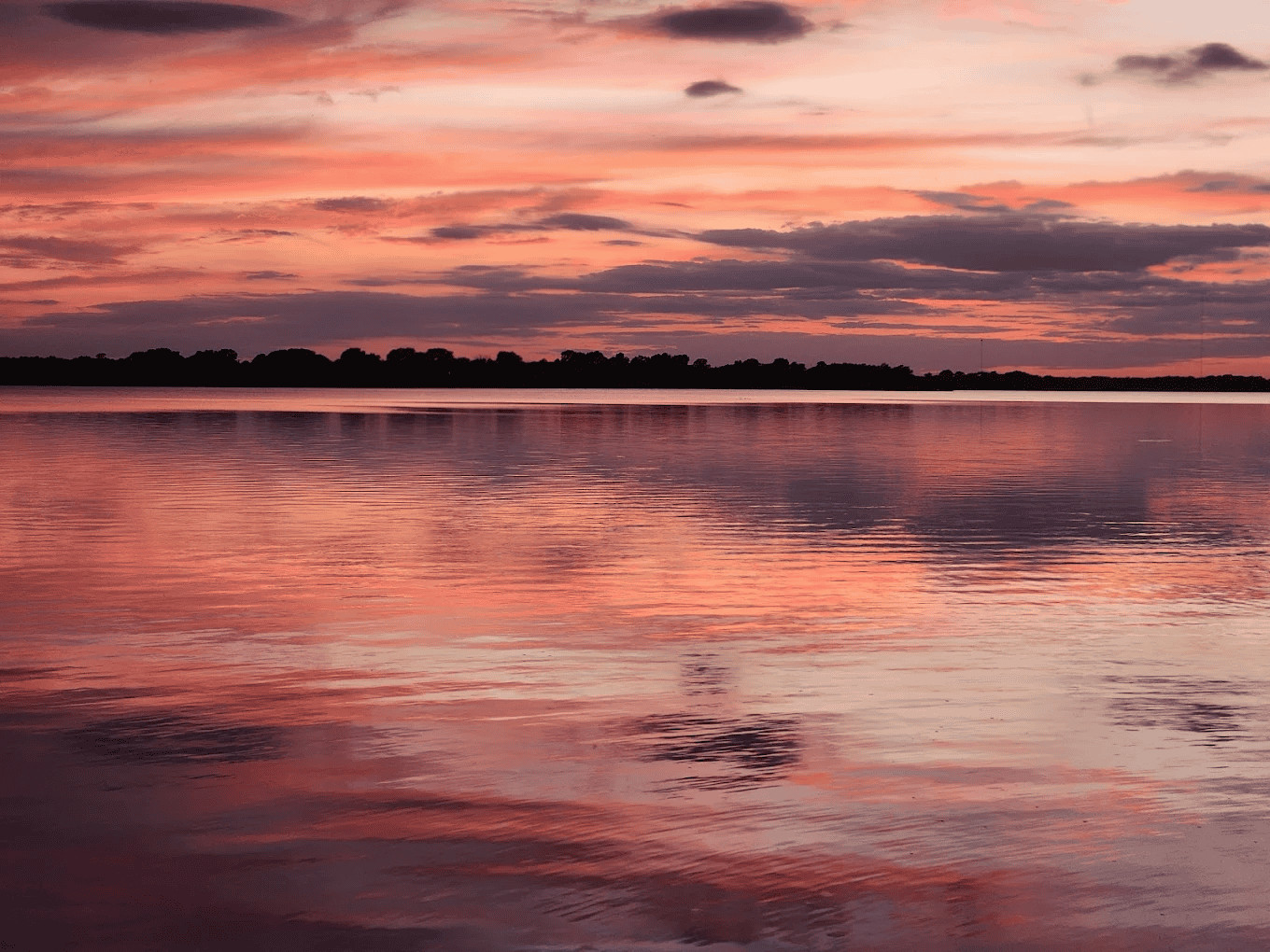
Early mornings here have a reputation for a reason. Before the wind picks up and the boats start moving, the water settles into something close to glass.
That stillness isn’t just pretty to look at. It makes fishing more productive, paddling considerably easier, and simply sitting at the shoreline feels genuinely restorative.
The lake sits in a relatively sheltered pocket of western Oklahoma, which means wind interference tends to run lower here than at larger, more exposed reservoirs elsewhere in the state. That geographic stroke of luck is part of what makes those calm mornings so reliable.
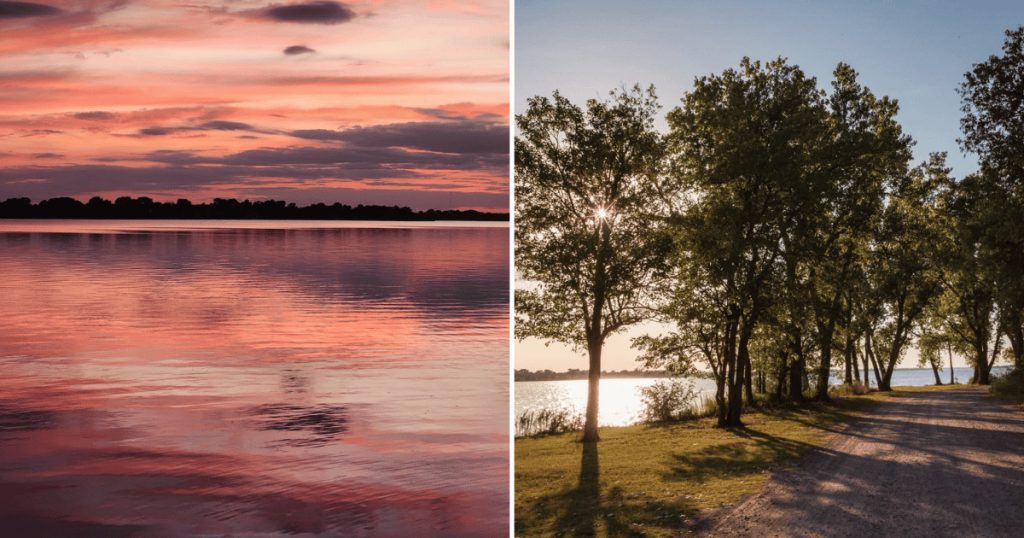
Watching the sky shift from deep purple to orange while the water mirrors every color back is the kind of moment that makes you set your phone down without anyone telling you to. No screen does it justice anyway.
There’s something almost clinical about how effectively this lake resets a stressed-out mind. You arrive tense, sit by the water for twenty minutes, and the whole world somehow feels more manageable.
Fishing That Punches Above Its Weight
Fort Cobb Lake has built a real reputation among anglers, and it’s earned that reputation fish by fish.
The lake supports a healthy mix of species, including largemouth bass, white bass, channel catfish, walleye, saugeye, and crappie. Even the occasional bluegill shows up to make a beginner feel like a seasoned pro.
White bass runs in the fall are something of a local legend. The fish school up aggressively in shallower coves, and on the right day, anglers can find themselves pulling in fish nearly every cast for hours at a stretch.
Catfish are plentiful, too, especially along the deeper channels and around submerged structure. Night fishing for catfish on a warm summer evening remains one of those enduring Oklahoma traditions that never seems to lose its appeal.
The lake’s manageable size — roughly 4,100 surface acres with 36 miles of shoreline — means you don’t need an elaborate setup or a GPS chartplotter to figure out where the fish are likely hiding. A little patience and basic knowledge of the water go a long way here.
No fishing license is required when casting from the bank or piers within the park, which removes one common barrier for visitors who want to try their luck without committing to gear and paperwork first.
Camping for Every Kind of Traveler
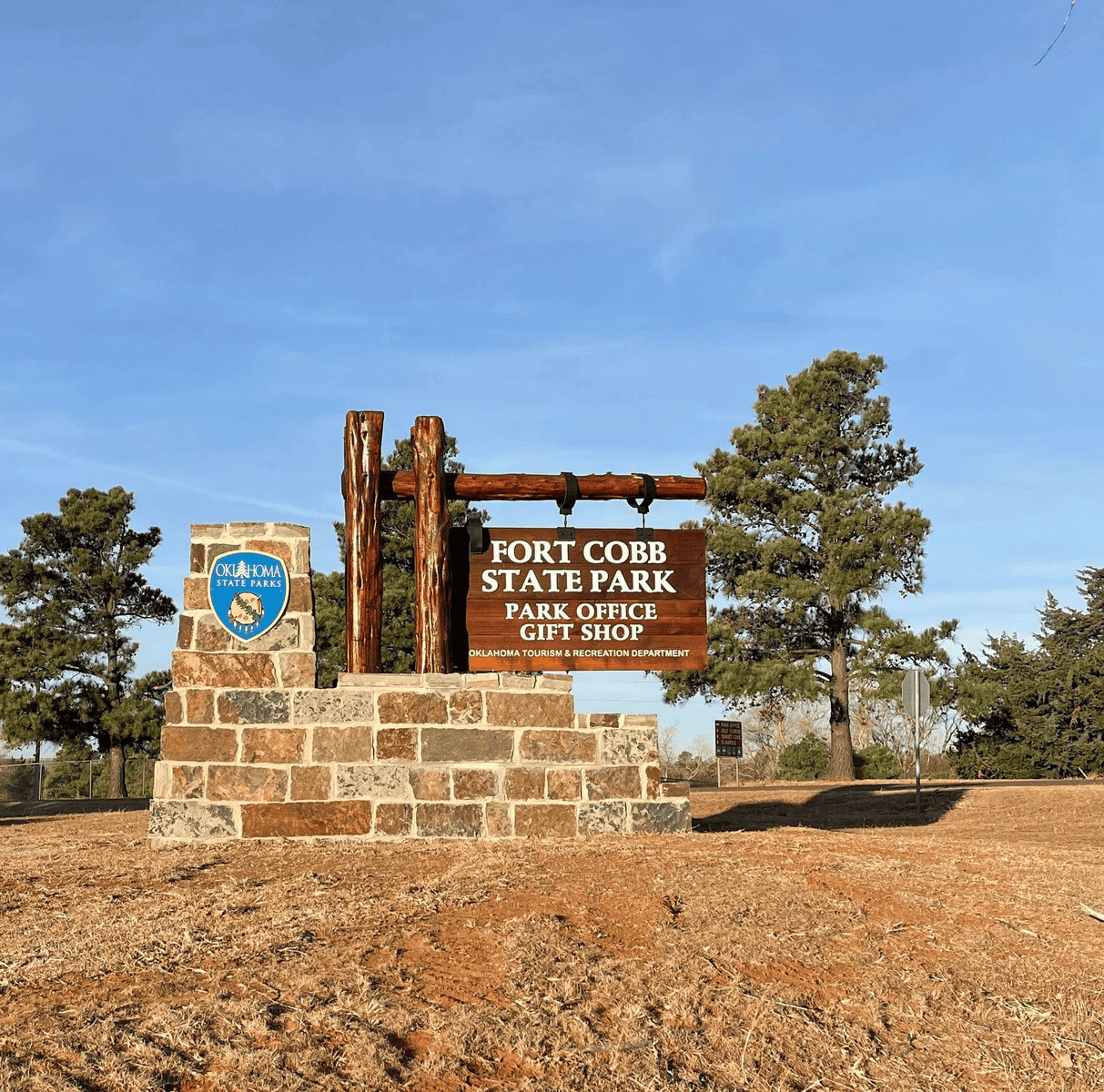
Fort Cobb State Park wraps around much of the southern shoreline and offers a genuinely wide range of camping experiences.
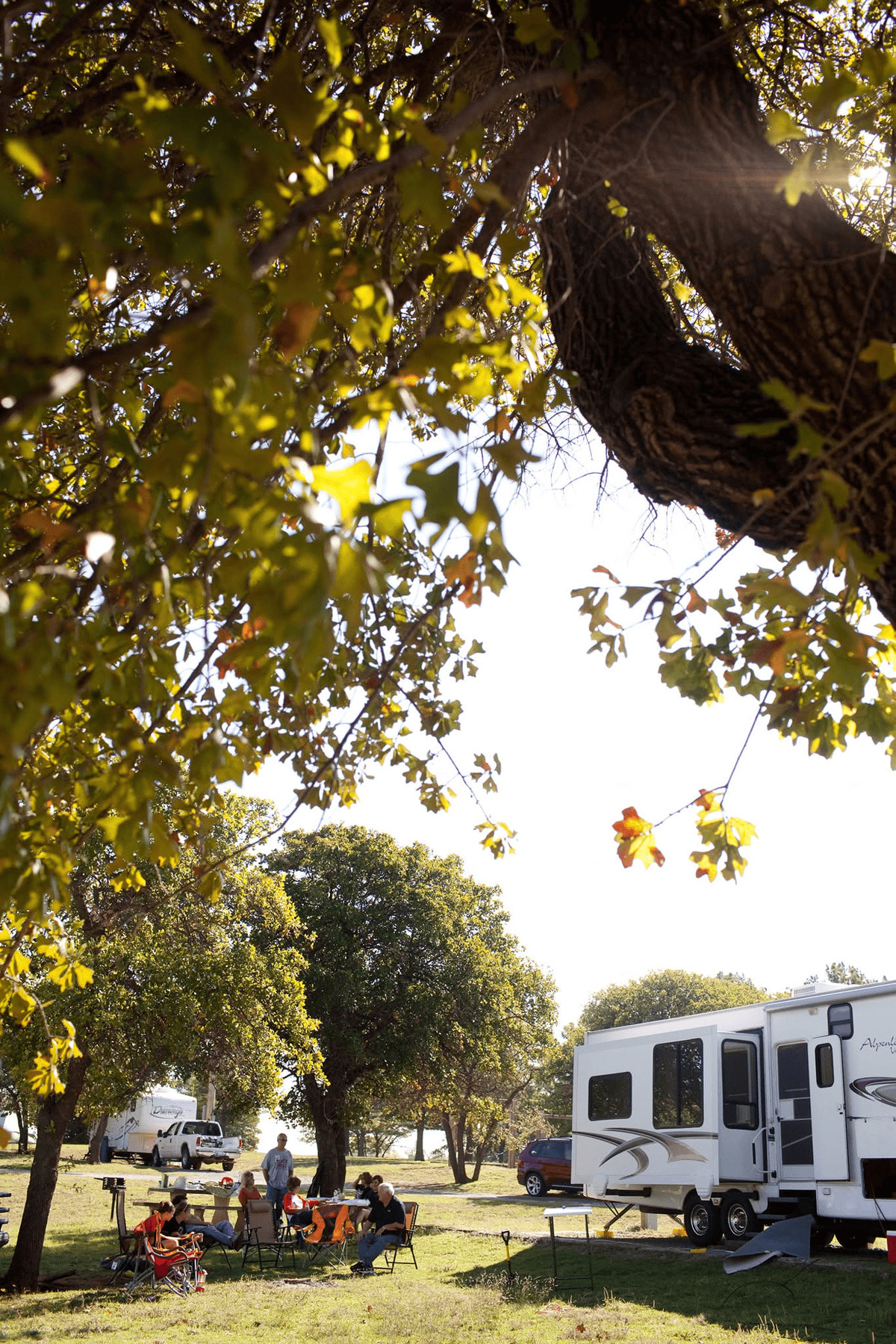
Whether you’re after a simple tent site close to the water or a full RV hookup with electricity and sewer, the park has an option that fits.
Across its several campgrounds — with names like Catfish Cove, Sunset Cove, Eagle’s Nest Cove, Deer Run Cove, and Blackjack Cove — there are several hundred campsites in total, a healthy mix of full hookups, partial hookups, and primitive tent spots.
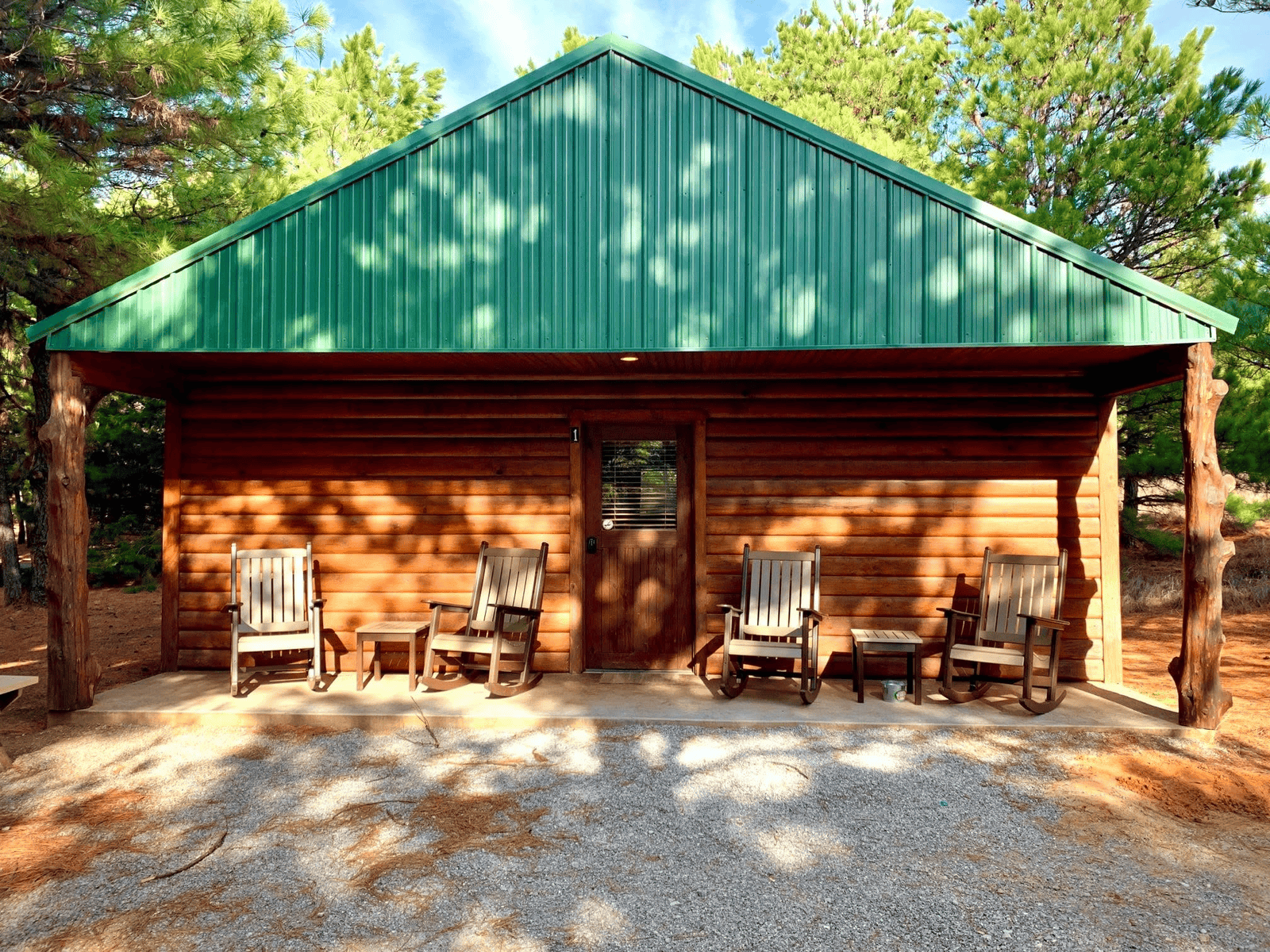
One popular section sits on a gentle rise overlooking the lake, giving campers an elevated view worth waking up early for. Watching the sunrise over the water with a cup of coffee in hand is about as good a way to start a morning as exists.
The grounds are generally well-kept, with comfort stations, hot showers, and laundry facilities scattered throughout. Clean, well-maintained basics make a bigger difference on a multi-day trip than people often expect going in.
Picnic shelters, playgrounds, and open grassy areas round out the park’s family-friendly side. Groups wanting more privacy or comfort can also look into nearby cabin rentals just outside the park’s boundaries.
Booking ahead during summer weekends is a smart move. Fort Cobb tends to fill up faster than its modest size might suggest, especially around holidays.
Swimming Spots Built for Families
Fort Cobb Lake has a handful of genuinely good swimming areas, and the shallow, relatively calm water near several coves makes it a comfortable choice for families with younger kids.
The lake bottom in designated swim areas tends to be sandy and gradual, which means children can wade in slowly without suddenly finding themselves over their heads. That gentle slope is something parents notice and appreciate almost immediately.
Water clarity runs decent for most of the season, especially earlier in summer before heavy boat traffic stirs things up. On a calm day, it’s possible to see your own feet clearly even standing waist-deep.
Shaded picnic spots and grassy lawns surround the swim areas, making it easy to settle in for a full day at the lake without feeling like you’re baking on bare concrete. Oklahoma summers run hot, and having a clean, accessible place to cool off shouldn’t be taken for granted.
Wildlife That Keeps You Looking Up
One of the more unexpected pleasures here is the wildlife. The lake and its surrounding wetlands draw a surprising variety of birds throughout the year, making a pair of binoculars genuinely worth the extra bag space.
American white pelicans are among the most striking visitors. Watching a group glide low over the water in formation is the kind of sight that stops a conversation mid-sentence. They pass through during migration and sometimes linger longer than expected.
Great blue herons are common year-round, standing motionless in the shallows with that signature patient stillness herons seem to perfect. Bald eagles have also been spotted nearby during winter months, adding a dramatic touch to any cold-weather visit.
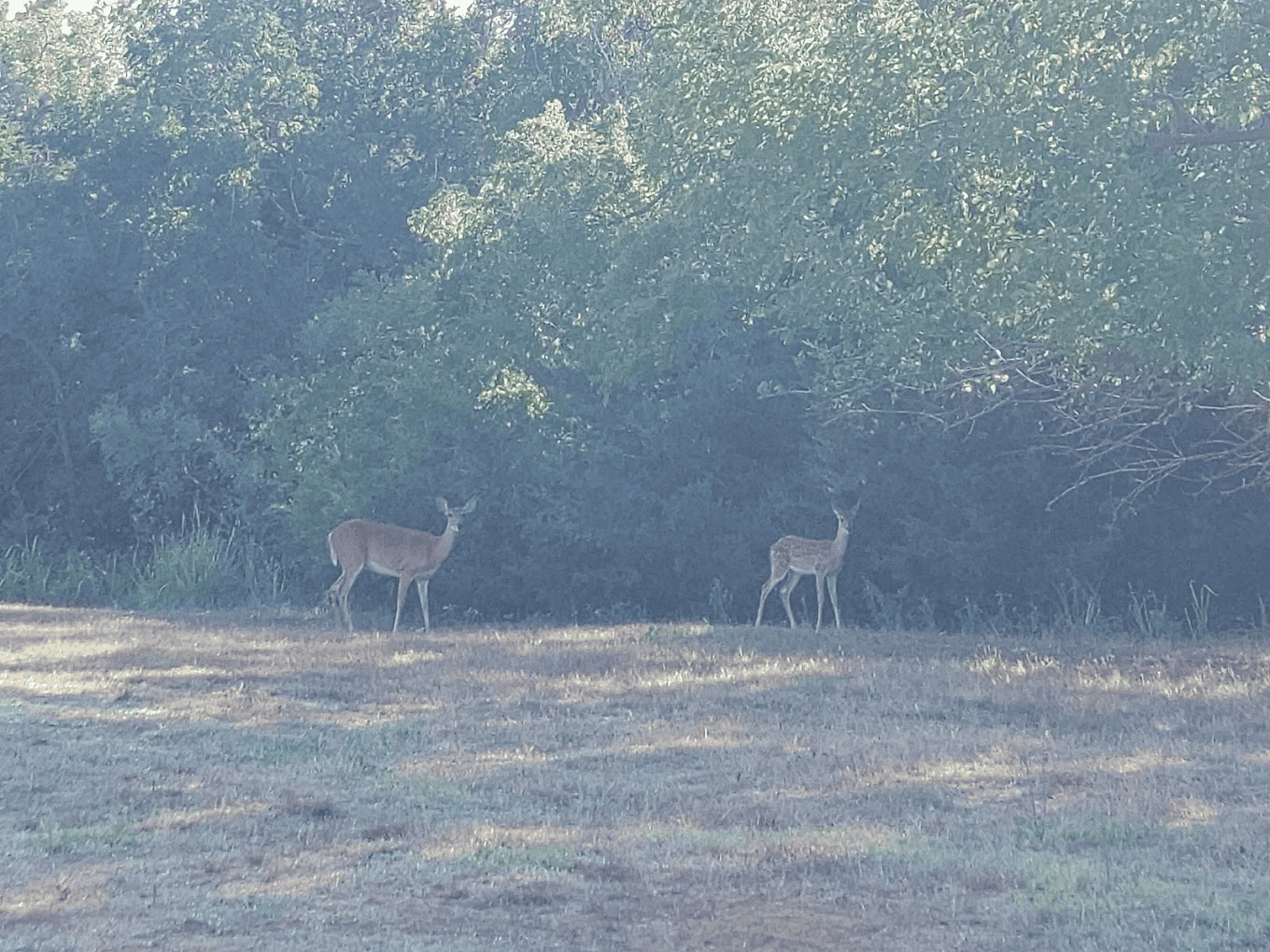
Deer are frequently seen at dawn and dusk along the wooded edges of the park, and wild turkey sightings aren’t unusual either. The surrounding area falls within a broader region known for hunting, which keeps overall wildlife activity fairly high.
Keeping your eyes open here tends to pay off constantly, often right when you least expect it.
Boating on a Lake That Feels Just the Right Size
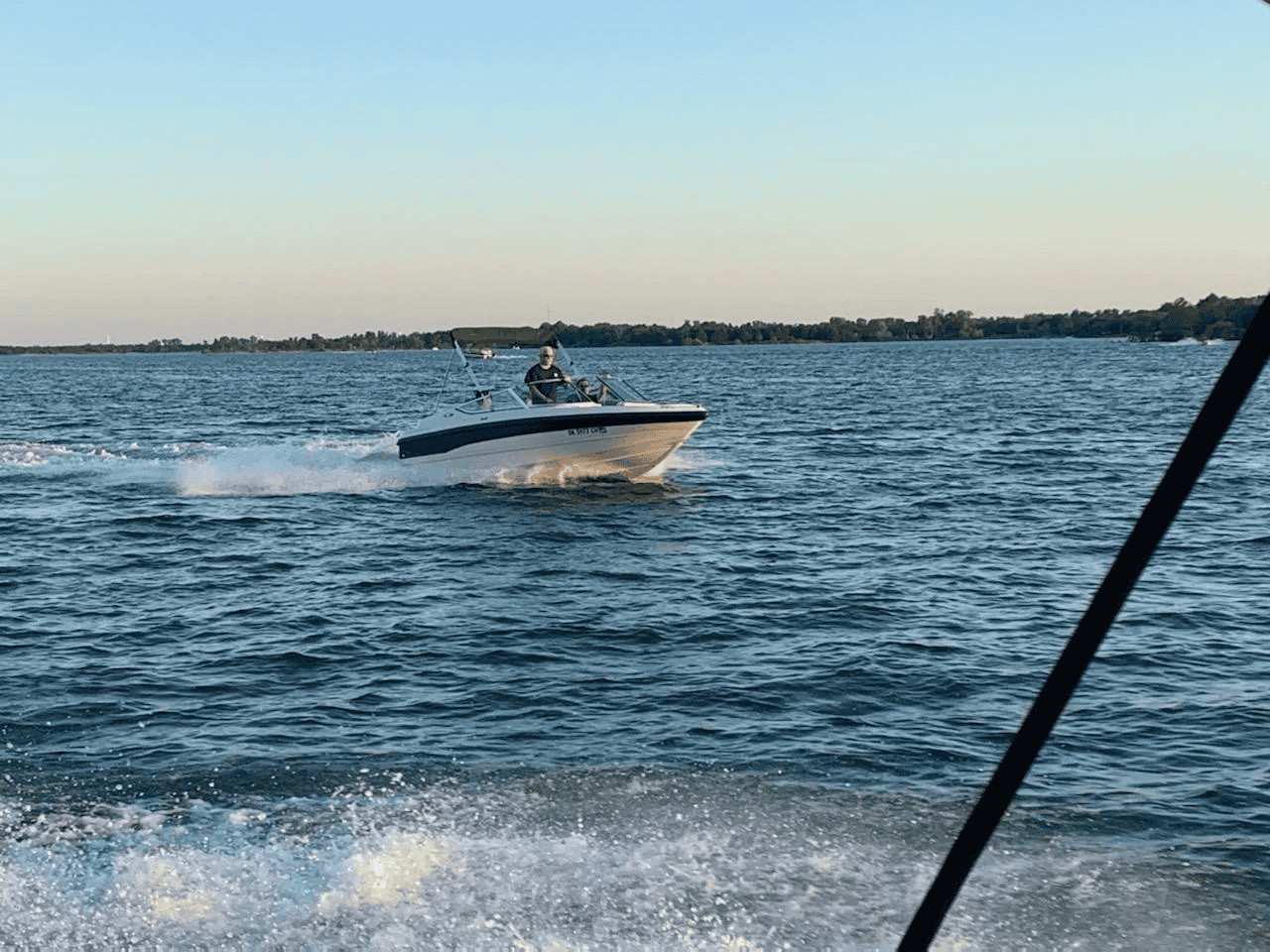
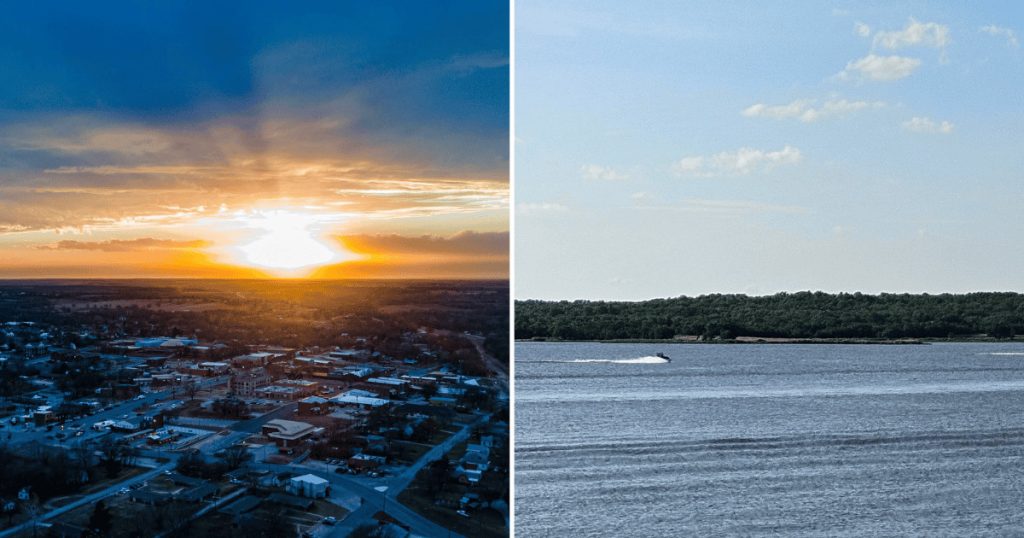
At roughly 4,100 surface acres, Fort Cobb Lake hits a comfortable middle ground for boating — large enough to open up the throttle and enjoy a real run across open water, but small enough that you never feel lost or overwhelmed.
Sunset Cove Marina serves as the lake’s central hub, offering boat ramp access, fuel, rental boats, and a small convenience store for anyone who didn’t bring their own vessel.
Renting a pontoon for a lazy afternoon cruise might be one of the most relaxing ways to spend a few hours on the water without any pressure to do anything else.
Jet skiing, water skiing, and tubing are all popular, especially on summer weekends when the energy on the water noticeably picks up. The coves and inlets offer calmer pockets for anyone who prefers a slower pace away from the main channel.
What stands out most is the lack of serious congestion. Even on a busy day, this lake rarely feels dangerously crowded the way some of Oklahoma’s larger, flashier reservoirs can during peak season.
Choosing Your Season
Fort Cobb Lake has something to offer in every season, though each one delivers a noticeably different experience.
Spring brings rising water levels, active fish, and wildflowers scattered along the park’s paths. Temperatures stay comfortable, crowds remain manageable, and the whole landscape feels freshly alive after winter’s quiet stretch.
Summer is peak season, with warm water ideal for swimming and water sports. It’s also when visitor numbers climb highest, so arriving early in the day or booking a campsite well ahead of time makes a real difference.
Fall might be the most underrated time to visit. The white bass run kicks into gear, shoreline foliage turns warm shades of orange and gold, and the crowds thin out considerably. Cooler air paired with active fish makes for some of the best fishing days of the entire year.
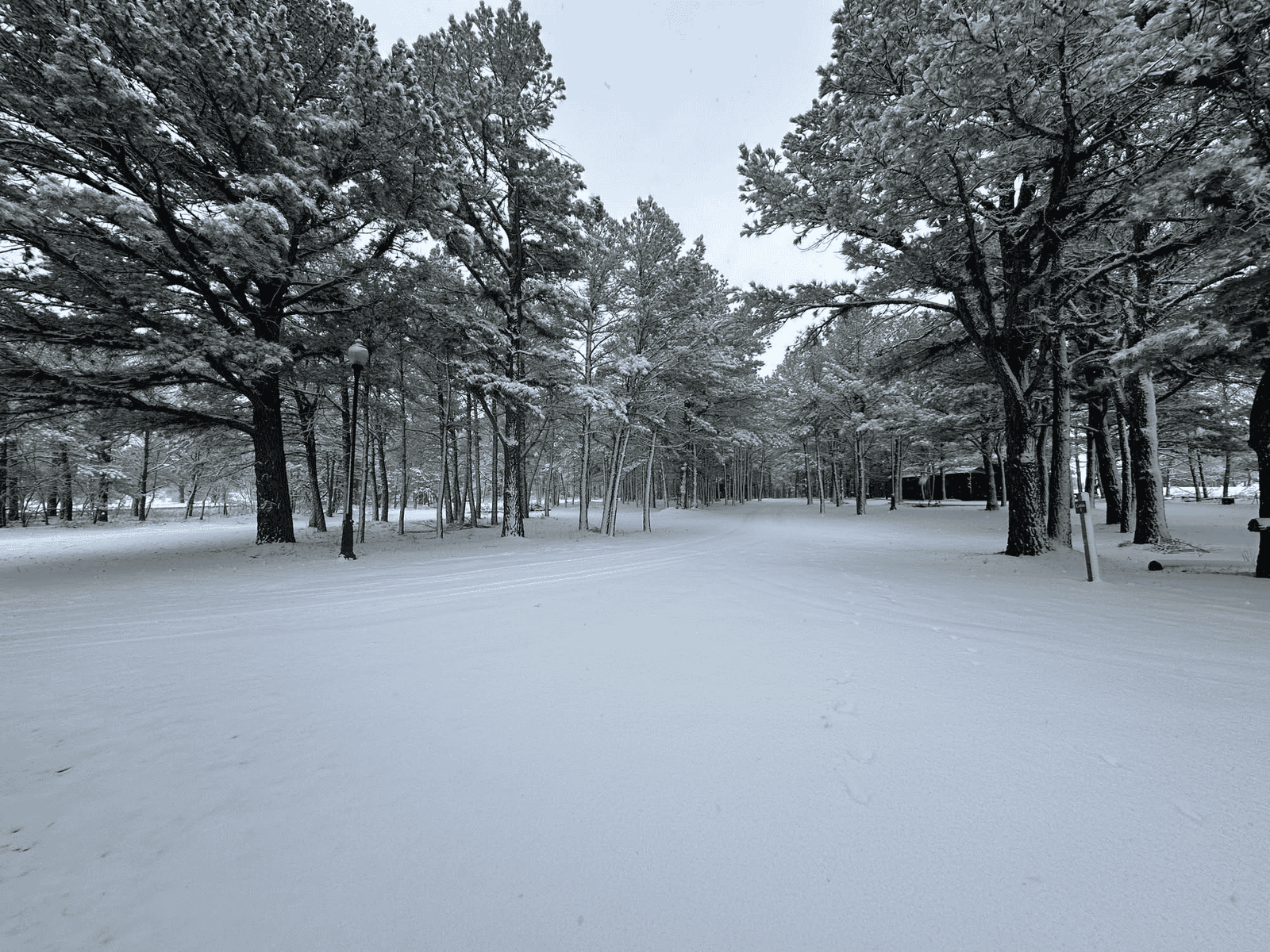
Winter offers solitude and a real chance to spot bald eagles and migratory waterfowl. It’s quieter and colder, but for travelers who enjoy having a beautiful stretch of Oklahoma landscape mostly to themselves, that tradeoff holds genuine appeal.
Exploring on Foot
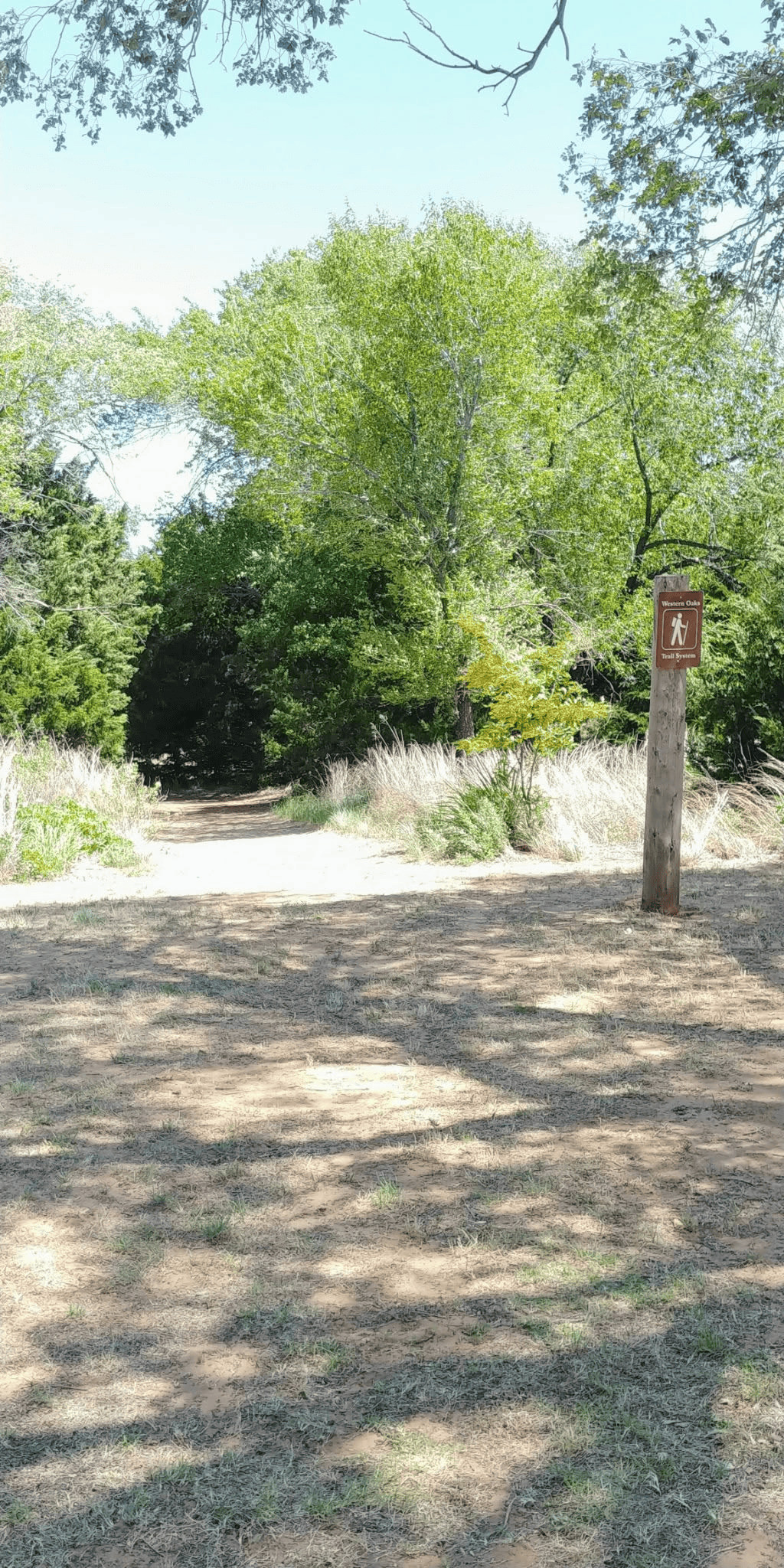
Not every visit here needs to involve a boat or a fishing rod. The park surrounding the lake offers plenty of pleasant ways to enjoy the shoreline on foot, which is sometimes exactly what a slower travel day calls for.
While the park doesn’t rely on a single marked trail system, more than 36 miles of shoreline and wooded terrain give walkers plenty of room to wander. The terrain tends to be gentle and rolling rather than strenuous, making it accessible for most fitness levels and age groups.
Picnic areas are scattered throughout with tables, grills, and shade structures, and arriving early on a weekend to claim a good spot near the water is a strategy worth adopting during the warmer months.
The shoreline itself invites informal walking, where you can watch the water and keep an eye out for herons, turtles, and other wildlife going about an unhurried day.
There’s enough ground here that a full day of exploring rarely means retracing the same path twice. That variety keeps repeat visits feeling fresh rather than routine.
Getting There and What to Know
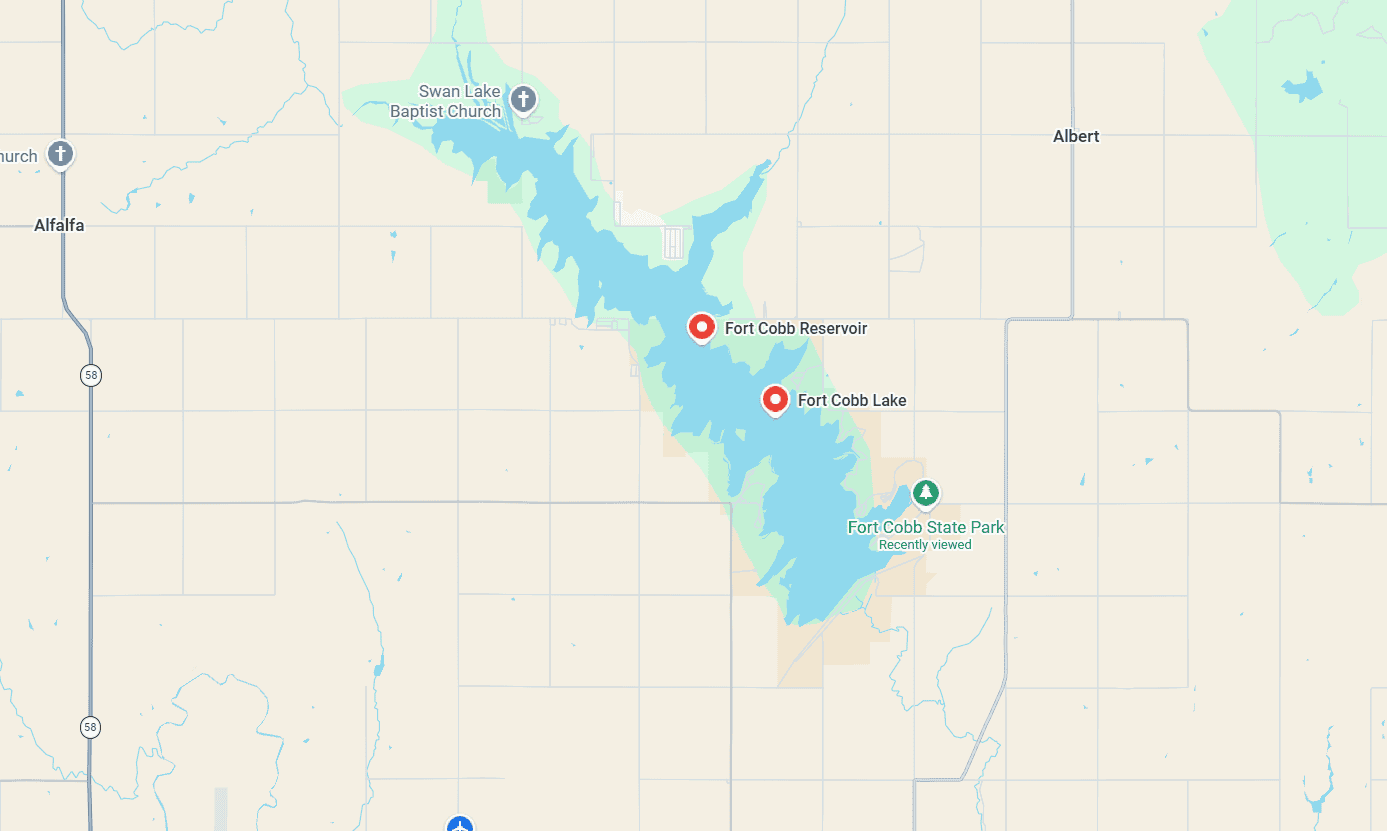
Fort Cobb Lake sits near the small town of Fort Cobb in Caddo County, roughly 60 miles southwest of Oklahoma City, and is easily reached by car via Highway 9 or Highway 146.
Cell service in the area can be inconsistent depending on your carrier, so downloading offline maps before heading out is a smart precaution. Knowing your route in advance saves real frustration once you’re navigating the back roads of western Oklahoma.
Pack more food and water than feels necessary. The nearest large grocery store requires a drive, and running short on supplies mid-trip is an easily avoidable inconvenience.
Bug spray and sunscreen are essentially non-negotiable during the warmer months. The Oklahoma sun is strong, and insects near the water can be persistent, especially in the evenings around the campgrounds.
Park entrance fees apply, and camping reservations can be made through the Oklahoma State Parks reservation system online. Checking current lake levels and any park advisories before heading out is a good habit too, since conditions shift with the seasons.

There’s also an 18-hole golf course on-site for anyone looking to round out a lake trip with a morning on the green, complete with views of the water from several holes.
This isn’t a lake trying to compete with flashier Oklahoma destinations for attention. It offers water, wildlife, open sky, and room to breathe — which turns out to be more than enough for the people who keep coming back, year after quiet year.
Return visits here feel different than at busier destinations. Instead of checking off a list of attractions, people tend to settle into a rhythm — the same morning walk, the same fishing spot, the same campfire circle under the same wide stretch of Oklahoma sky.
That sense of familiarity is exactly what keeps drawing people back. A good lake gives you a nice trip. This one gives you a place that quietly starts to feel like yours, glassy water and all.
More stories
Share this story