18 Bathroom Vanity Cabinet Ideas for Style and Smart Storage

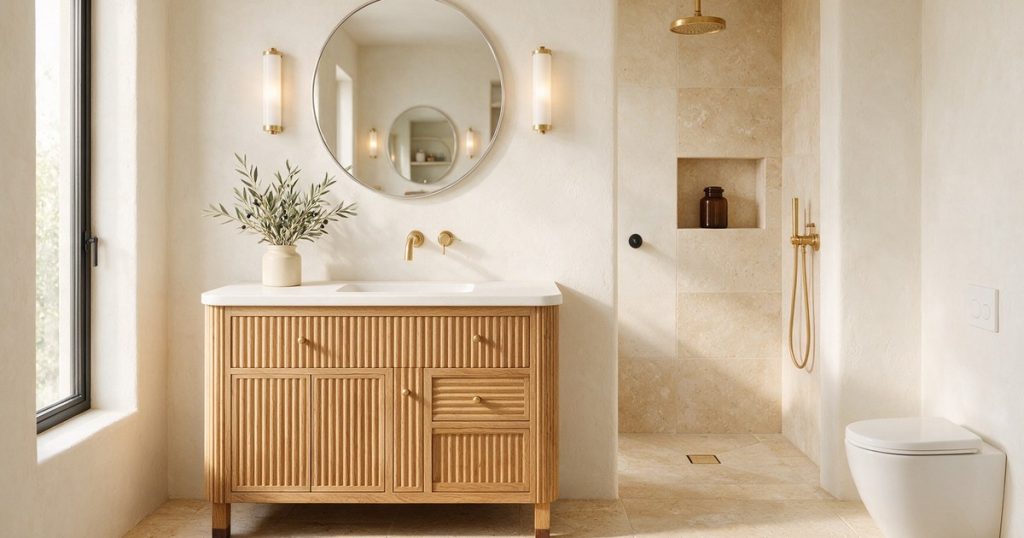
Here is my unpopular opinion about bathrooms: the cabinet matters more than the tile. You can love your zellige all you want, but the vanity is the piece you touch every morning and the one object that sets the mood before coffee.
A good vanity cabinet is quiet confidence. It carries the storage, anchors the sink, and tells you in two seconds whether a bathroom was designed or just assembled.
Below are eighteen vanity cabinet looks worth stealing, each with the palette, the material, and the one move that makes it work. Pick the one that matches the room you actually have.
1. Floating Vanity Cabinet
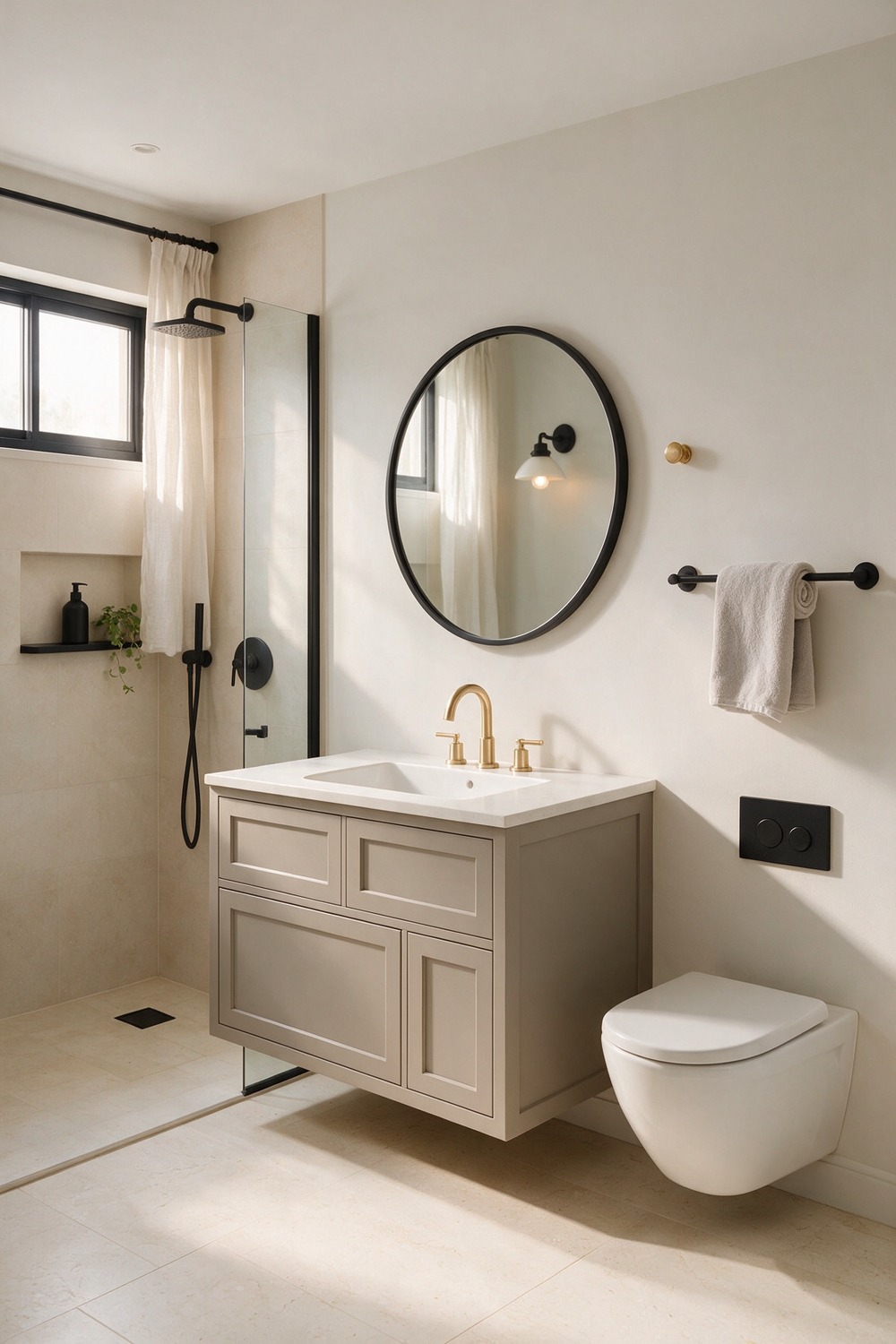
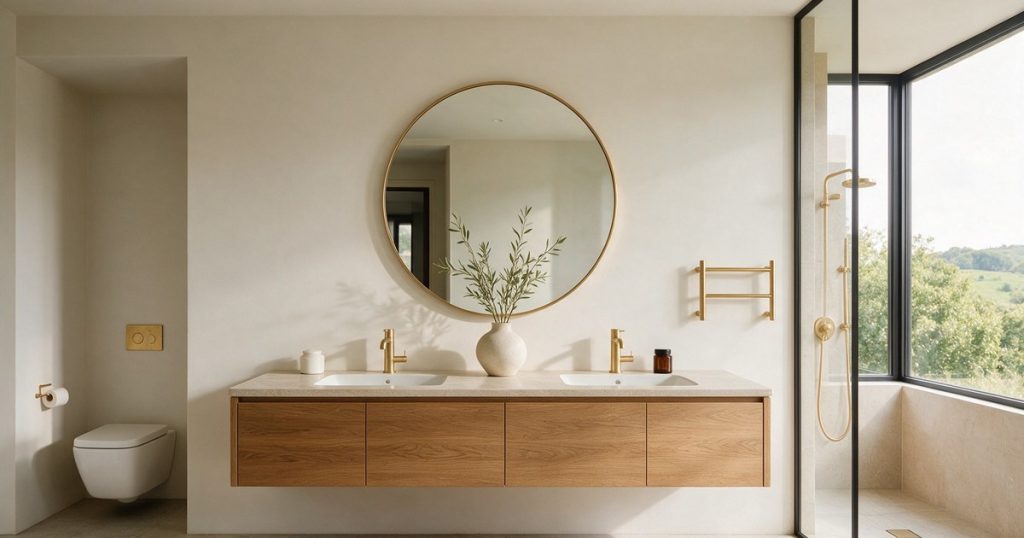
Mount the cabinet off the floor and a small bathroom exhales. You see tile running underneath, the eye reads more space, and mopping becomes a ten-second job.
I would paint it a soft greige, something like Farrow & Ball Elephant’s Breath, with warm brass hardware so it does not read cold. Greige cabinet, white basin, honey brass. Hang it so the counter lands at 34 inches and let the shadow gap do the work.
2. Shaker Vanity Cabinet
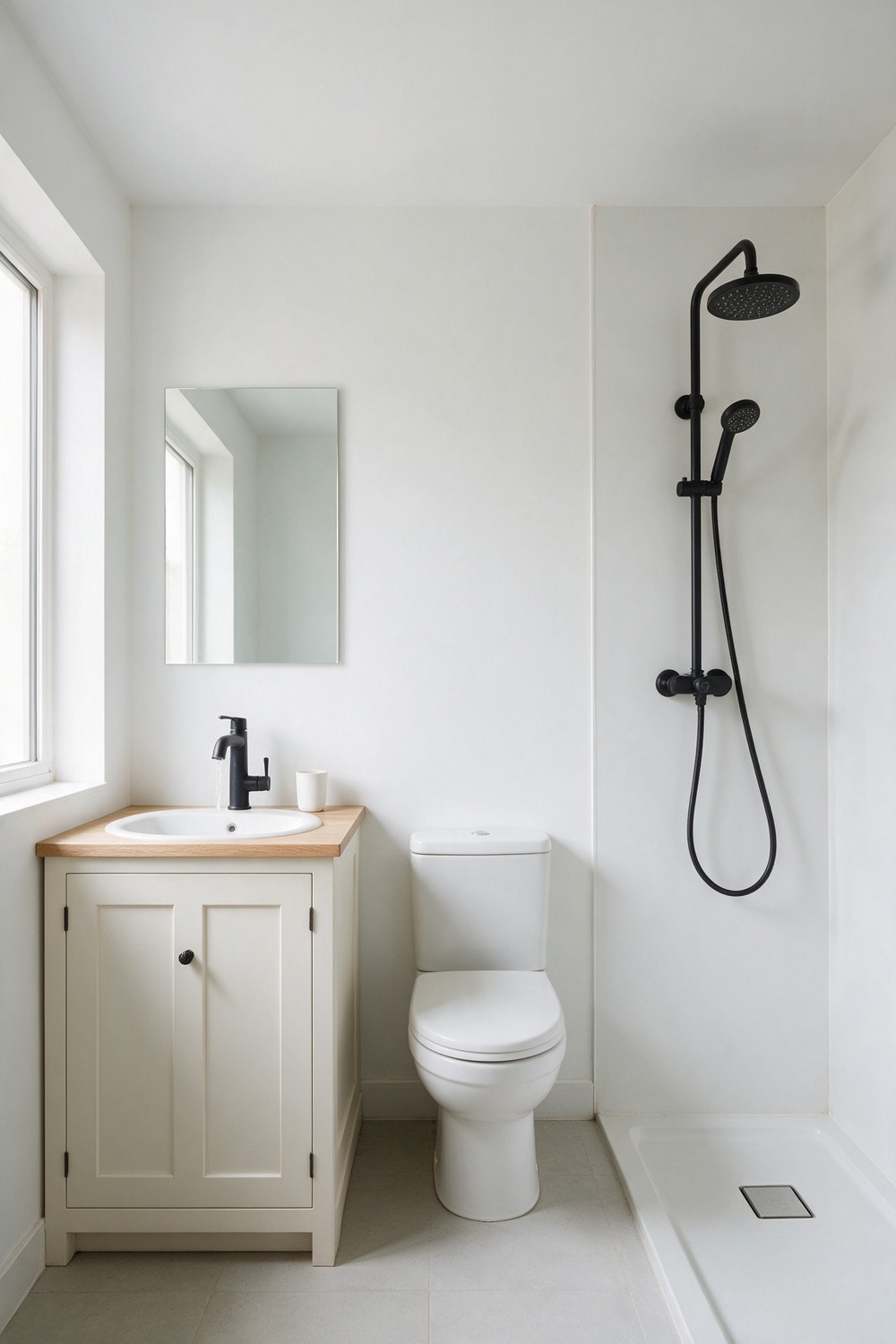
The Shaker door is the little black dress of cabinetry: that clean recessed panel never dates. Keep it crisp in a chalky off-white, Benjamin Moore White Dove, with a knurled knob and a matte black tap. Choose the door profile first.
3. Fluted Vanity Cabinet
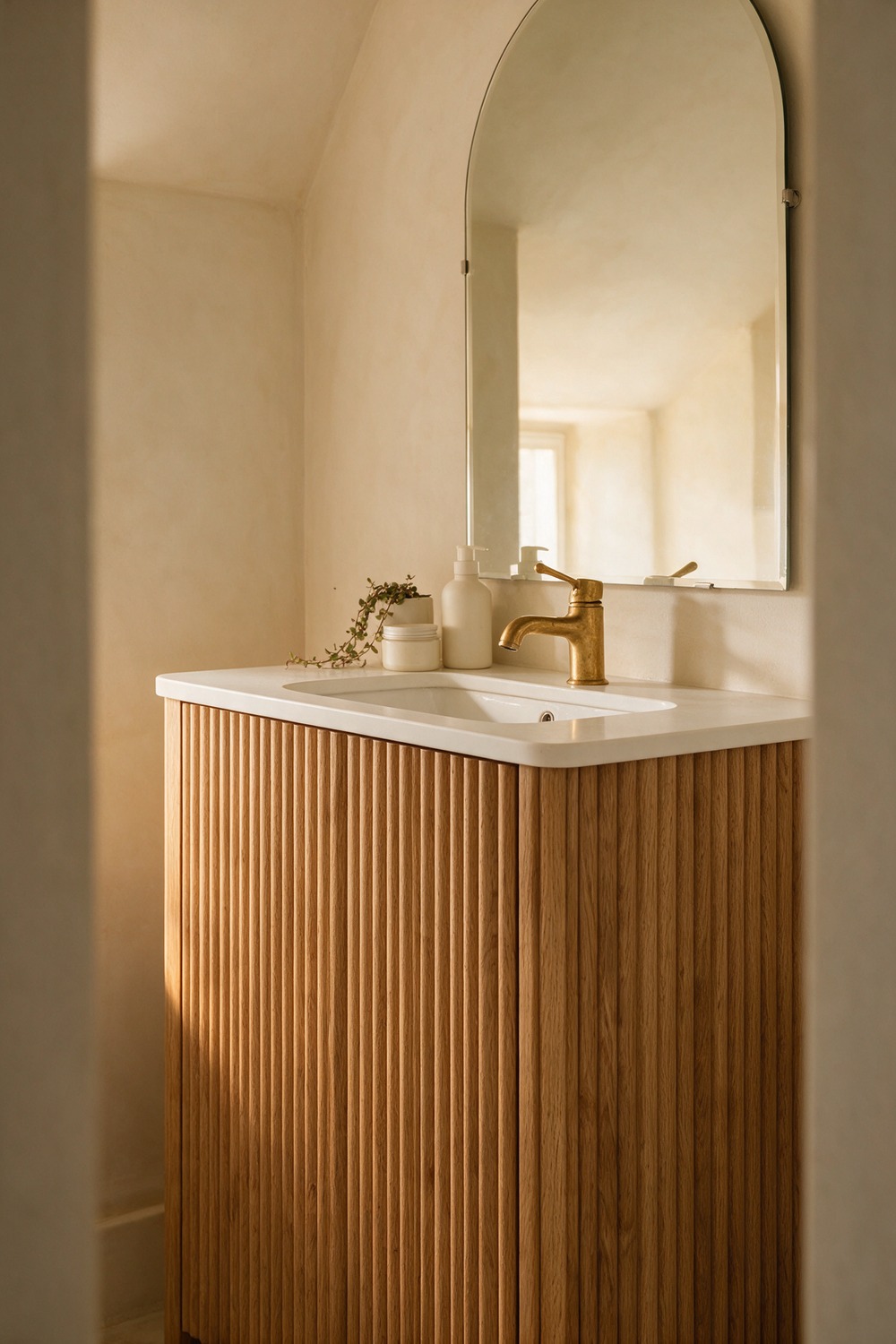
Want texture without a single pattern? Flute the front.
Those vertical reeded grooves catch light and throw a gentle rhythm across the cabinet face. I love fluting in natural oak, left raw and sealed, against a creamy limewash wall. Fluted oak, cream walls, unlacquered brass. It is tactile, almost ribbed velvet in wood.
Pro tip: run the flutes floor to counter, never cut them short, or the whole effect reads unfinished.
4. Freestanding Furniture-Style Vanity Cabinet
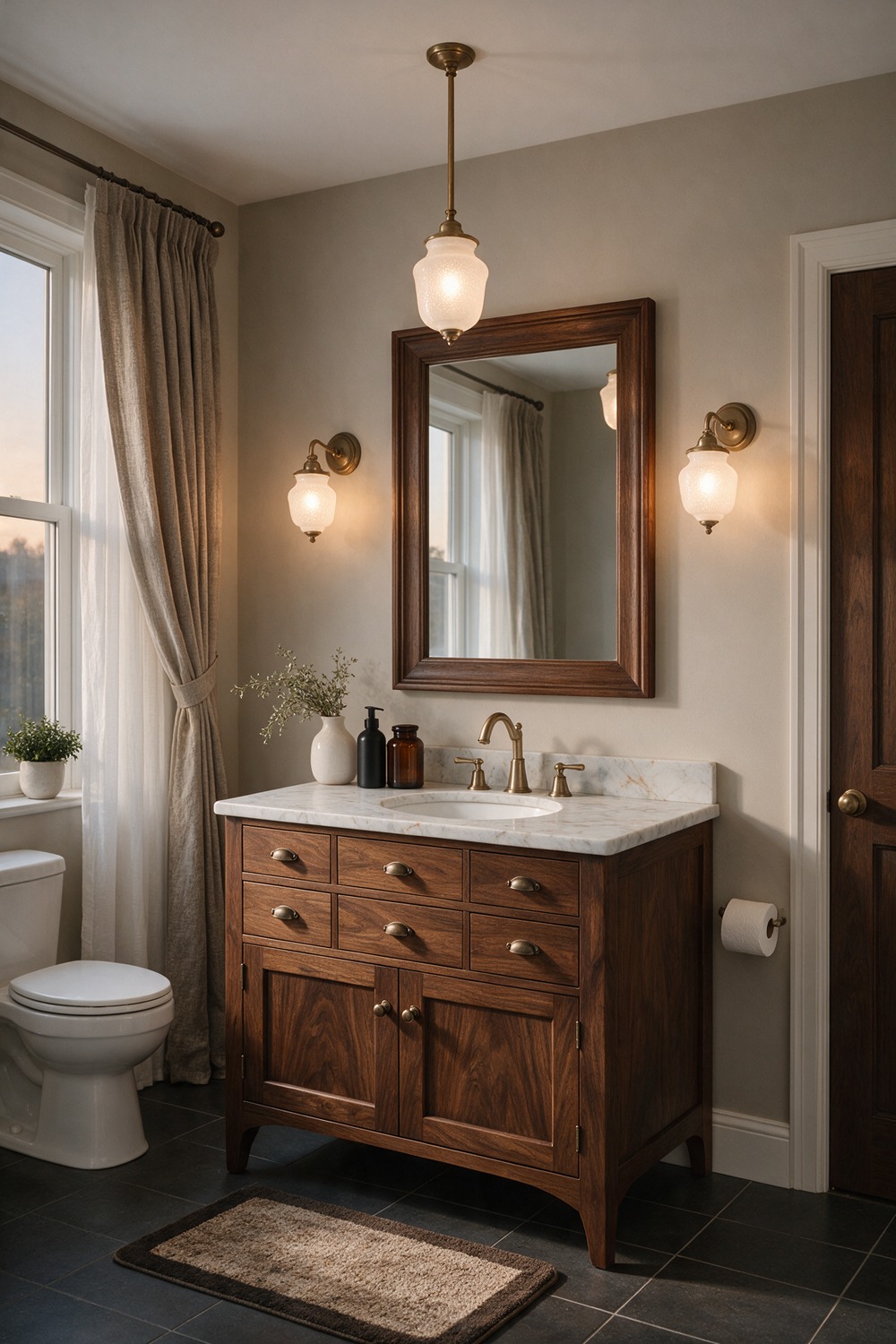
This is the vanity that looks like you found a beautiful old dresser and plumbed it in. Legs, feet, a little molding, the sense that it could walk out of the room if it wanted to.
Go rich and antique: a deep walnut veneer, aged bronze pulls, a honed marble top. Walnut, bronze, white stone. It is the Nancy Meyers move, grown-up and a touch grand, and it is perfect for a powder room you want guests to notice.
5. Double Vanity Cabinet
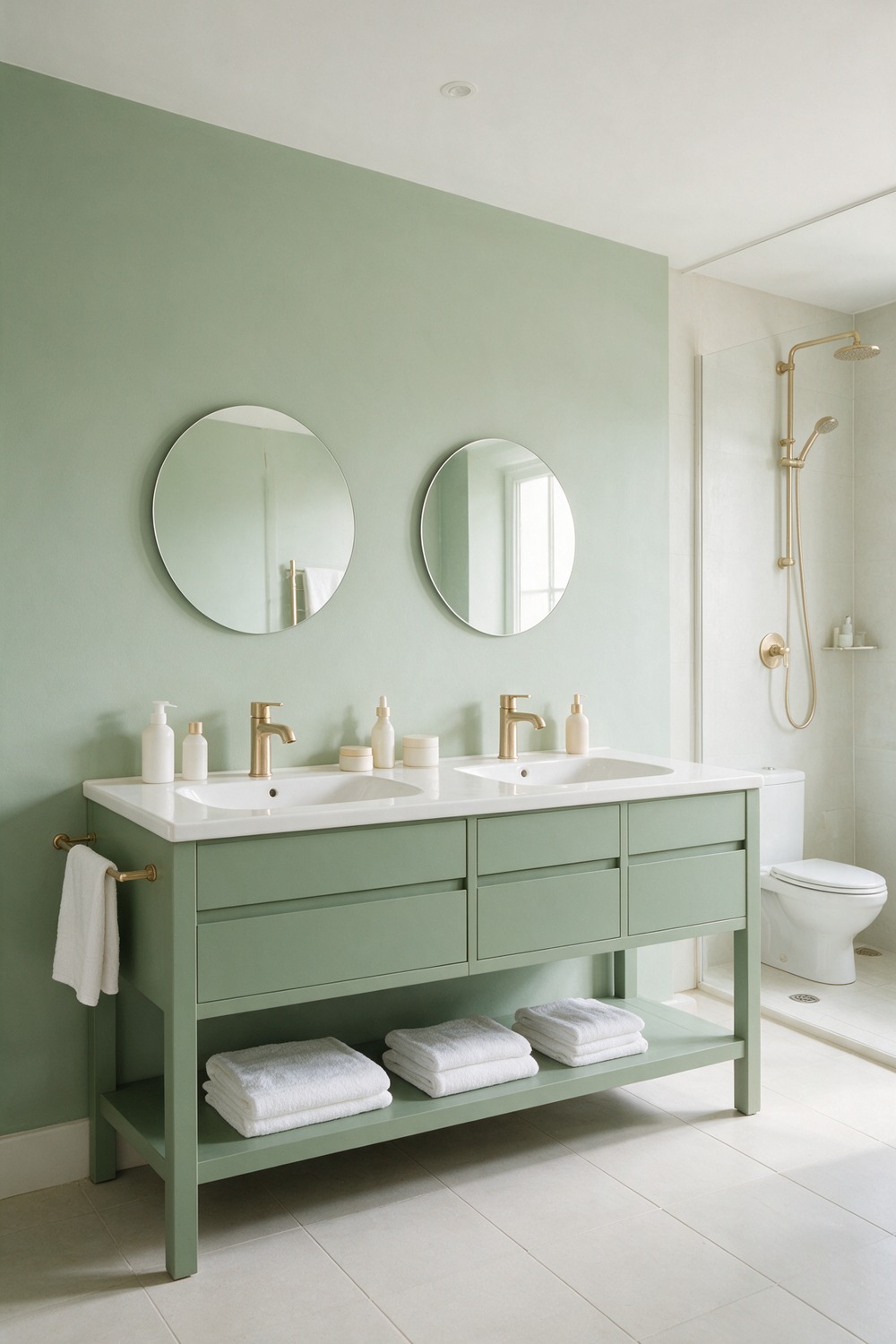
Two sinks, two people, zero elbow fights before work. A double cabinet is the single biggest upgrade to a shared bathroom.
Balance the length with a run of drawers down the middle so the storage does not vanish into cabinet caverns. I would do a soft sage, like Little Greene Sage Green, with long champagne pulls.
Sage cabinet, two white basins, warm metal. Give each person a drawer stack and keep the counter clear.
6. Open-Shelf Vanity Cabinet
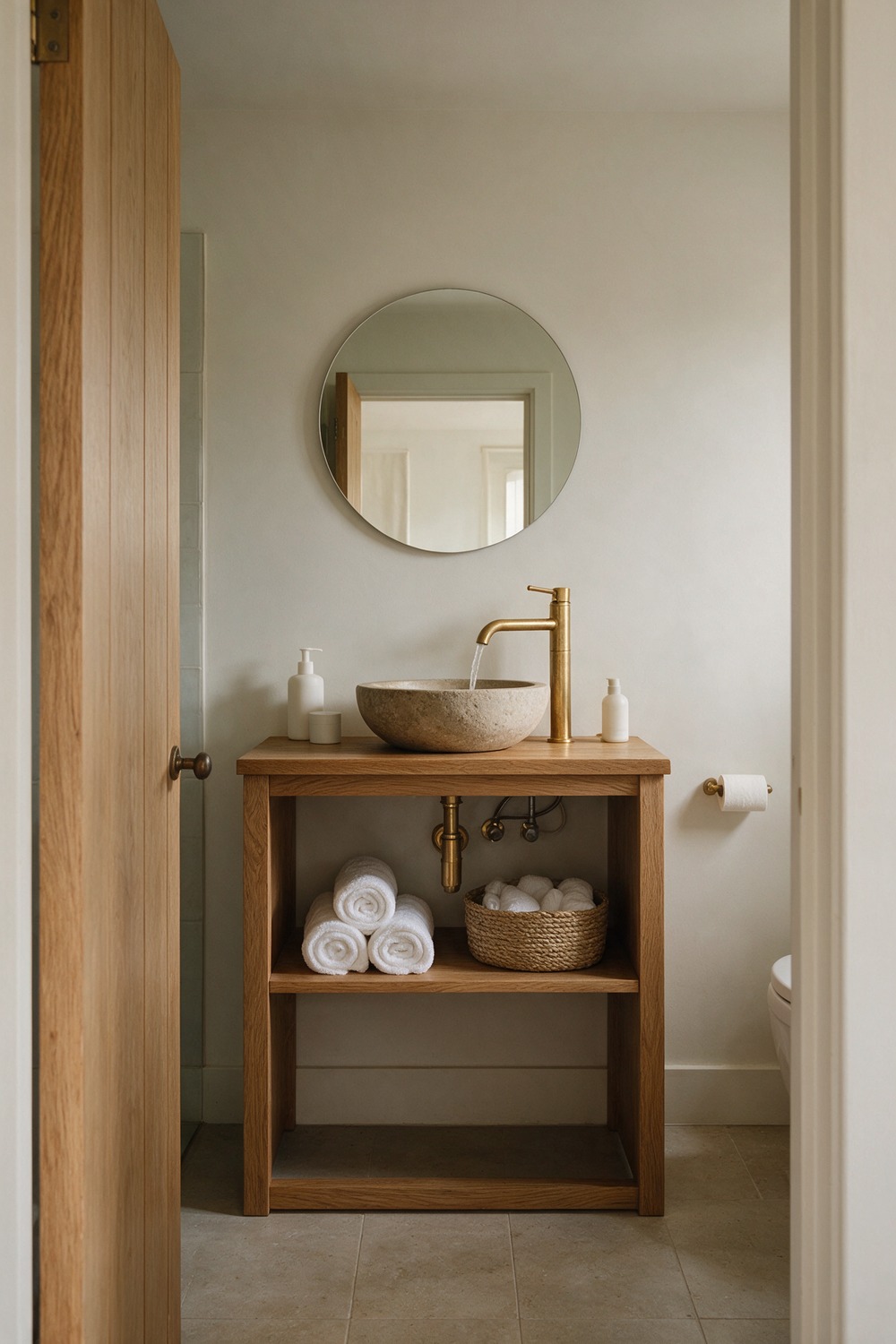
Leave the base open instead of hiding it behind doors. Stacked towels, a woven basket, a couple of amber bottles on display.
It feels like a boutique hotel, and it quietly stops you hoarding, because everything is on show. Natural oak frame, one open shelf, rolled white towels, a stone vessel bowl on top.
The trick is restraint: three things on the shelf, not thirty. Styling is the whole job here, so edit like you mean it and let the wood frame breathe.
7. Rattan-Front Vanity Cabinet
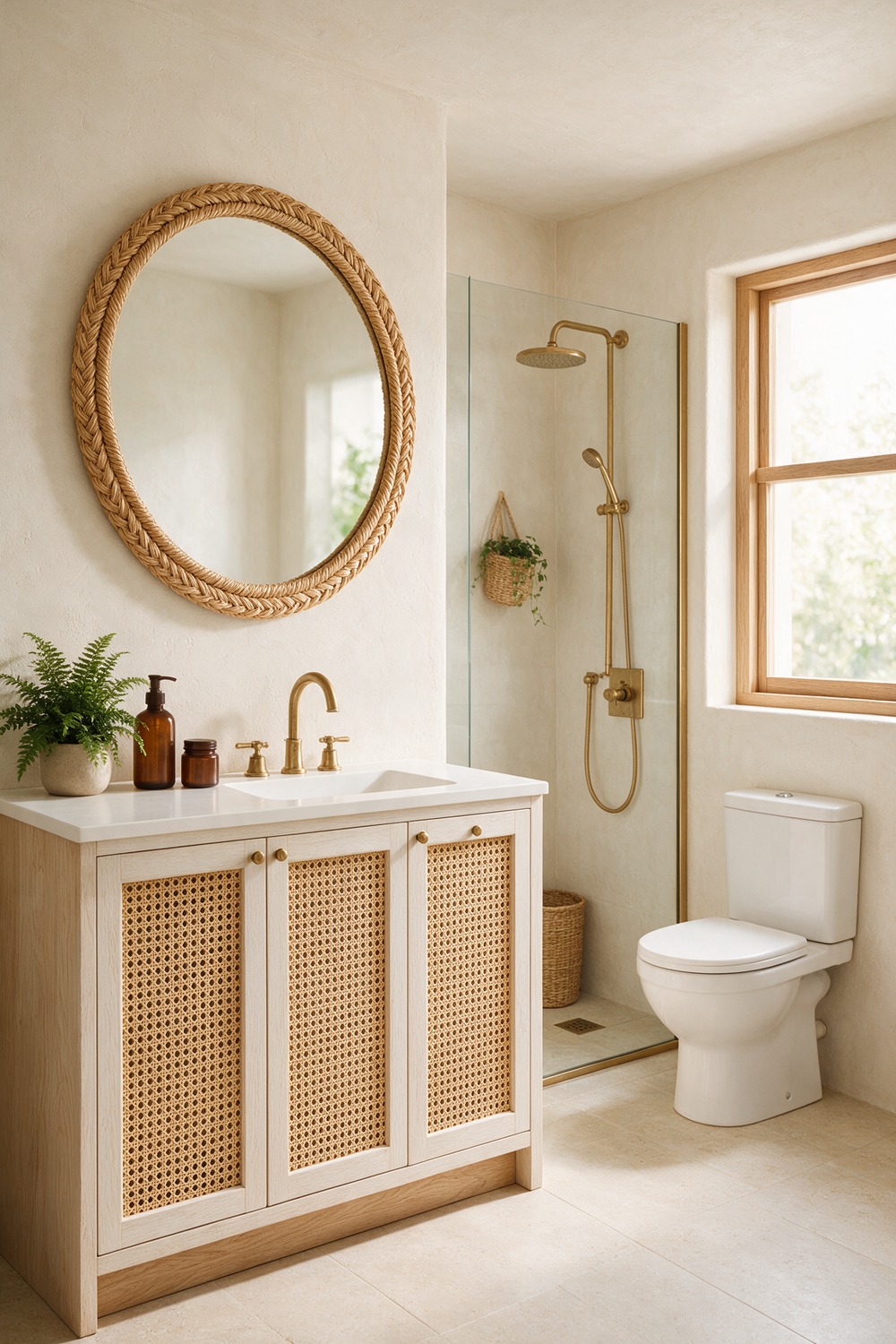
Cane webbing on the doors brings instant warmth and a little island holiday to a plain room. Frame the rattan in white oak against oat-milk plaster, add aged brass, and let it read like a breezy cabana. Rattan, oak, cream, brass.
8. Mid-Century Vanity Cabinet
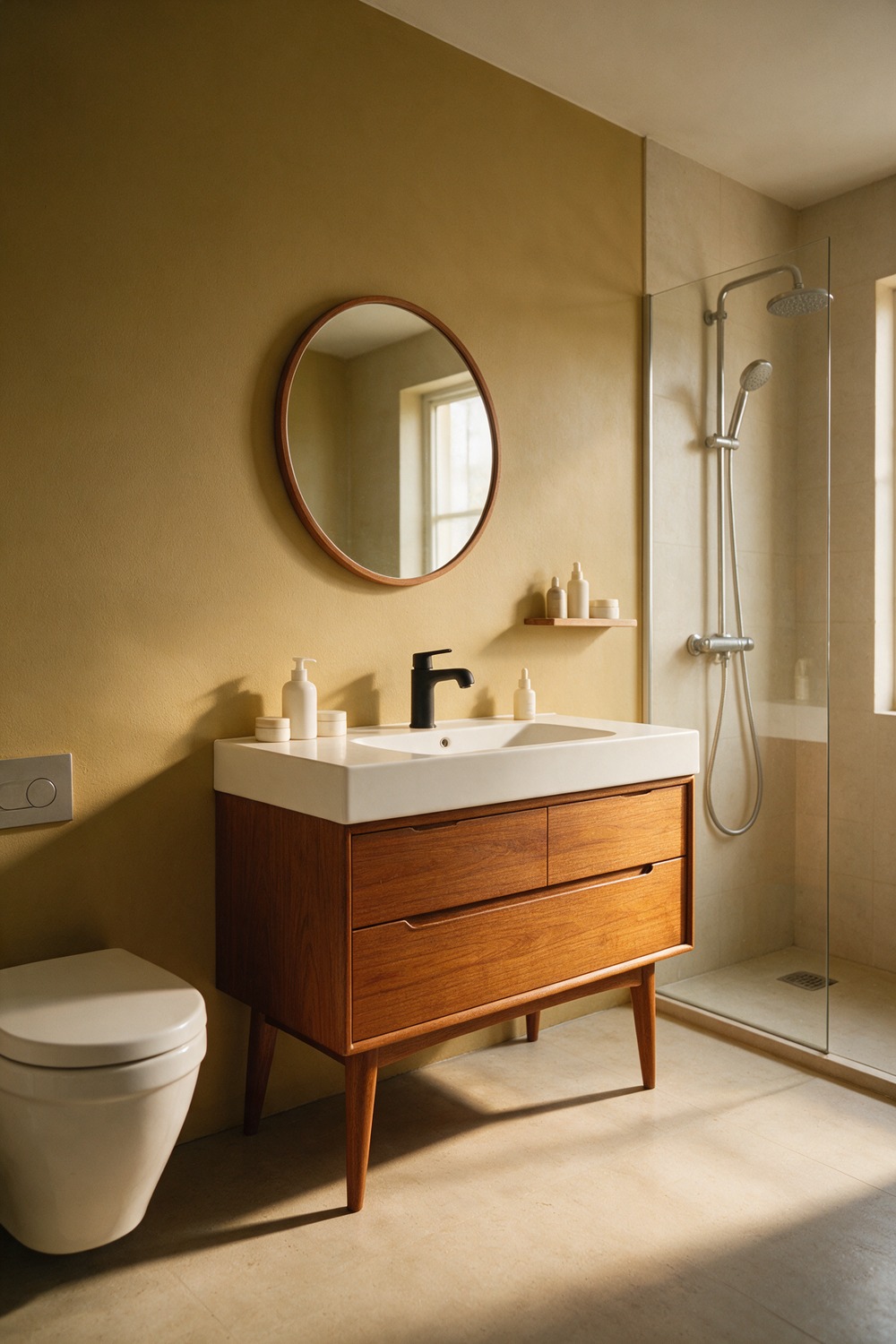
Low, lean, and standing on splayed tapered legs. The mid-century vanity has that 1960s swagger, all warm wood and simple geometry, and it feels cool without trying.
Teak or walnut, angled legs, a slim pull routed into the door edge. Warm walnut, white counter, matte black fittings. Backdrop’s Sourdough on the walls behind it is a gorgeous foil, and the minimal hardware lets the wood do the talking.
9. Farmhouse Vanity Cabinet
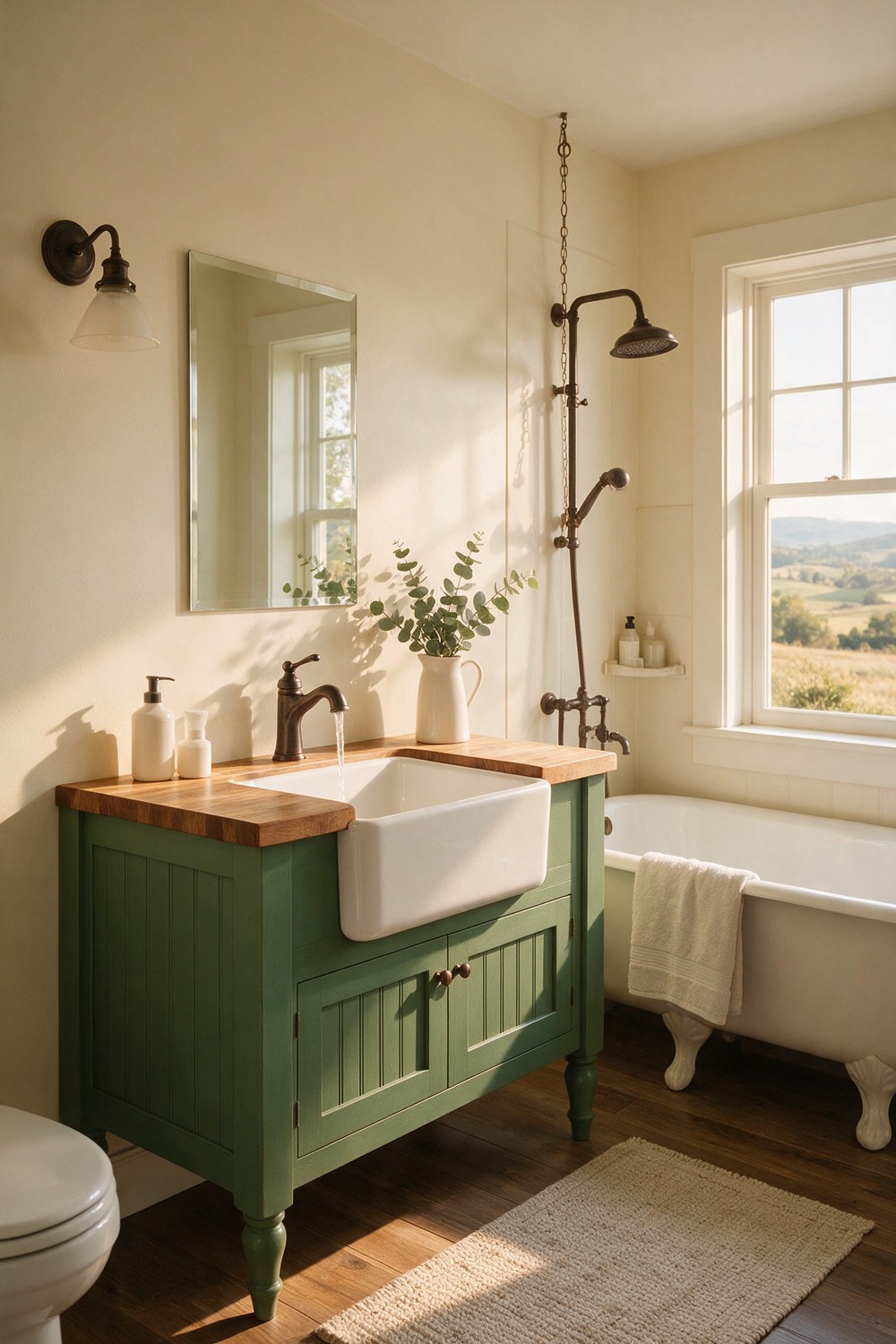
Cozy, honest, a little bit countryside. The farmhouse vanity leans on beadboard panels, turned legs, and a worn-in painted finish that looks better the older it gets.
Paint it a muddy heritage green, say Dulux Treeton, and top it with a chunky butcher-block or soft white marble. Green cabinet, wood or stone top, oil-rubbed bronze. It is the warm kitchen of bathrooms, and I mean that as the highest praise.
10. Industrial Vanity Cabinet
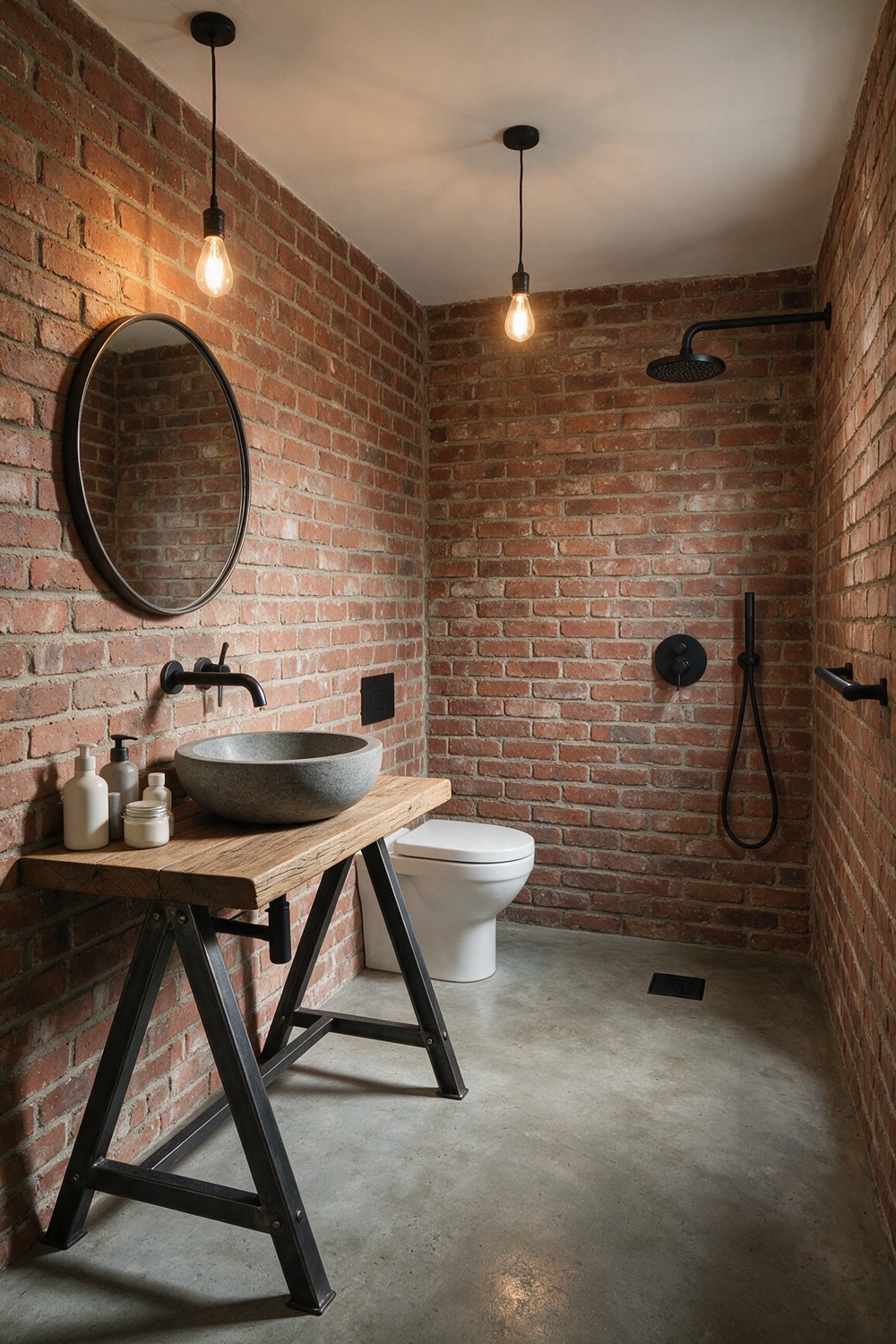
Black metal frame, exposed brackets, a slab of reclaimed timber across the top.
The industrial vanity is all honest structure, the kind of piece that looks welded to last a hundred years. Think a blackened steel A-frame, a thick salvaged oak shelf, and a concrete or stone basin. Matte black steel, raw wood, grey stone.
The mood is a converted loft, Edison-era but liveable. Let a little of the plumbing show, it belongs to the story here.
11. Glass-Front Vanity Cabinet
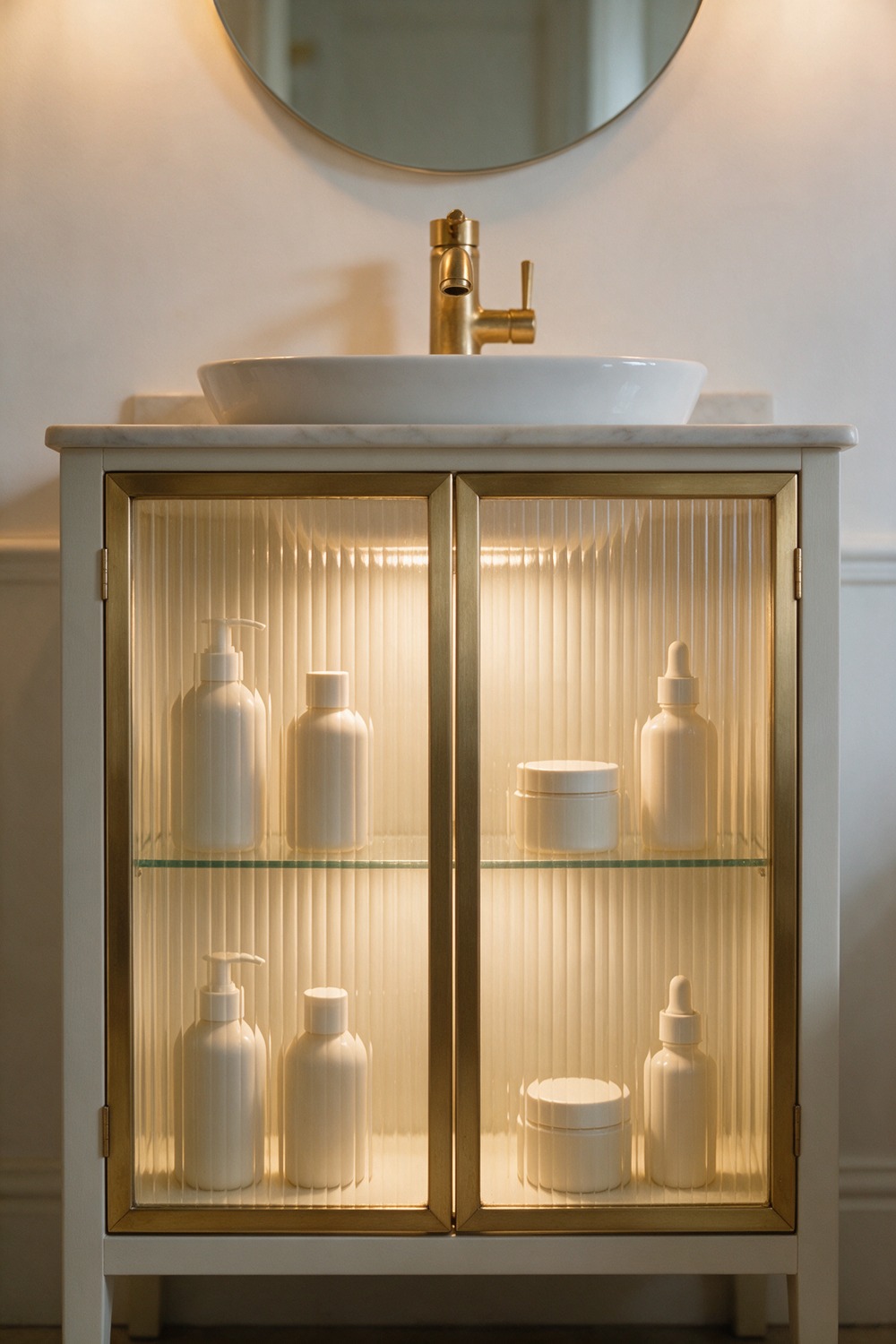
Swap solid doors for fluted or seeded glass and the cabinet goes from storage box to furniture. You get a soft glow of what is inside and real light bouncing around.
Frame reeded glass in a slim brass surround over a pale painted base. Soft white, brushed brass, textured glass. Reeded glass blurs the clutter just enough, so you get the look without staging every shelf. Light a small lamp inside for a jewel-box effect.
12. Corner Vanity Cabinet
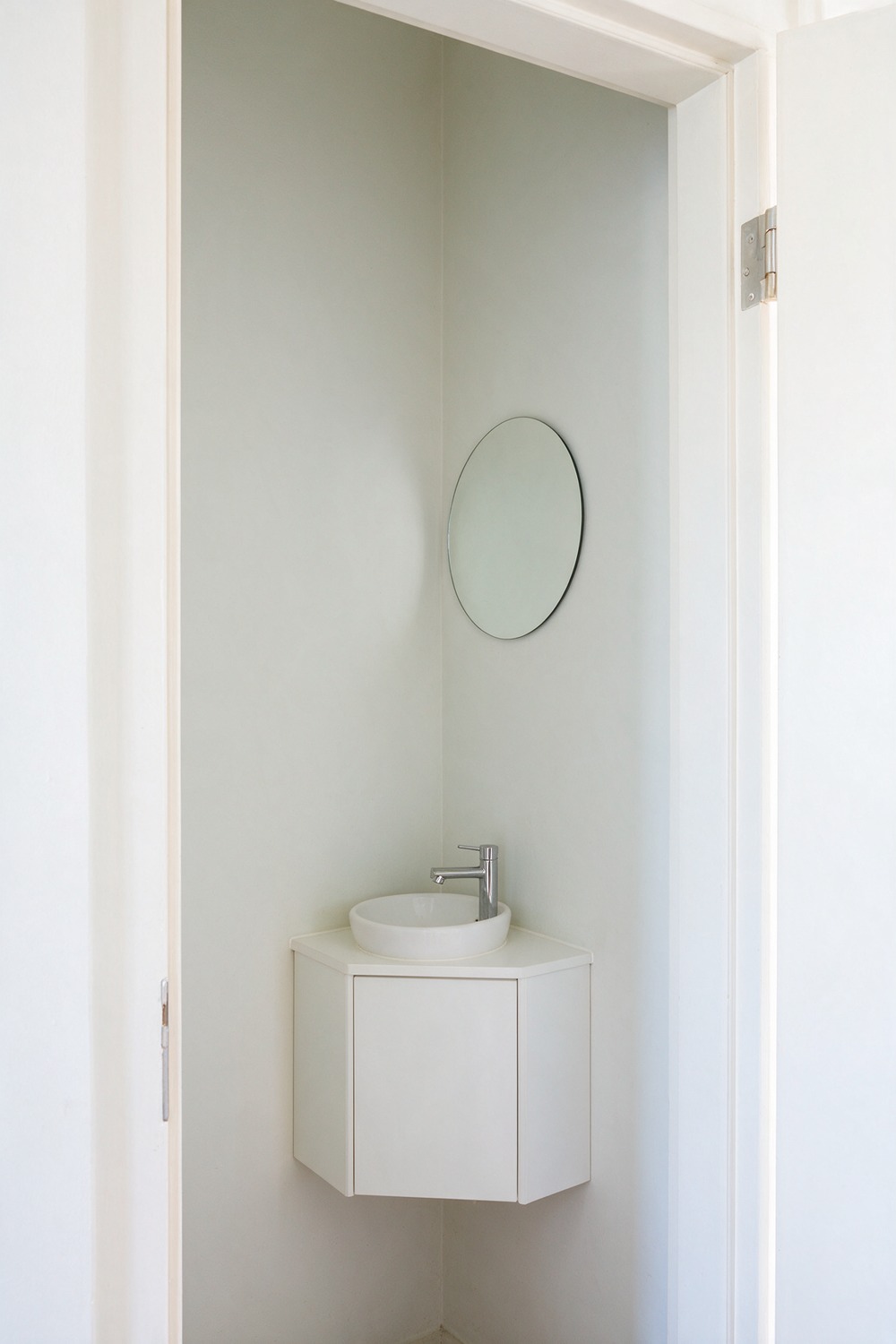
When every inch counts, tuck the cabinet into the corner. An angled-front vanity turns dead space into a working sink, so a tiny cloakroom can finally turn around. Keep it pale, a chalk white like Sherwin-Williams Alabaster, and wall-hung to claim the floor back.
13. Tall Storage Vanity Cabinet
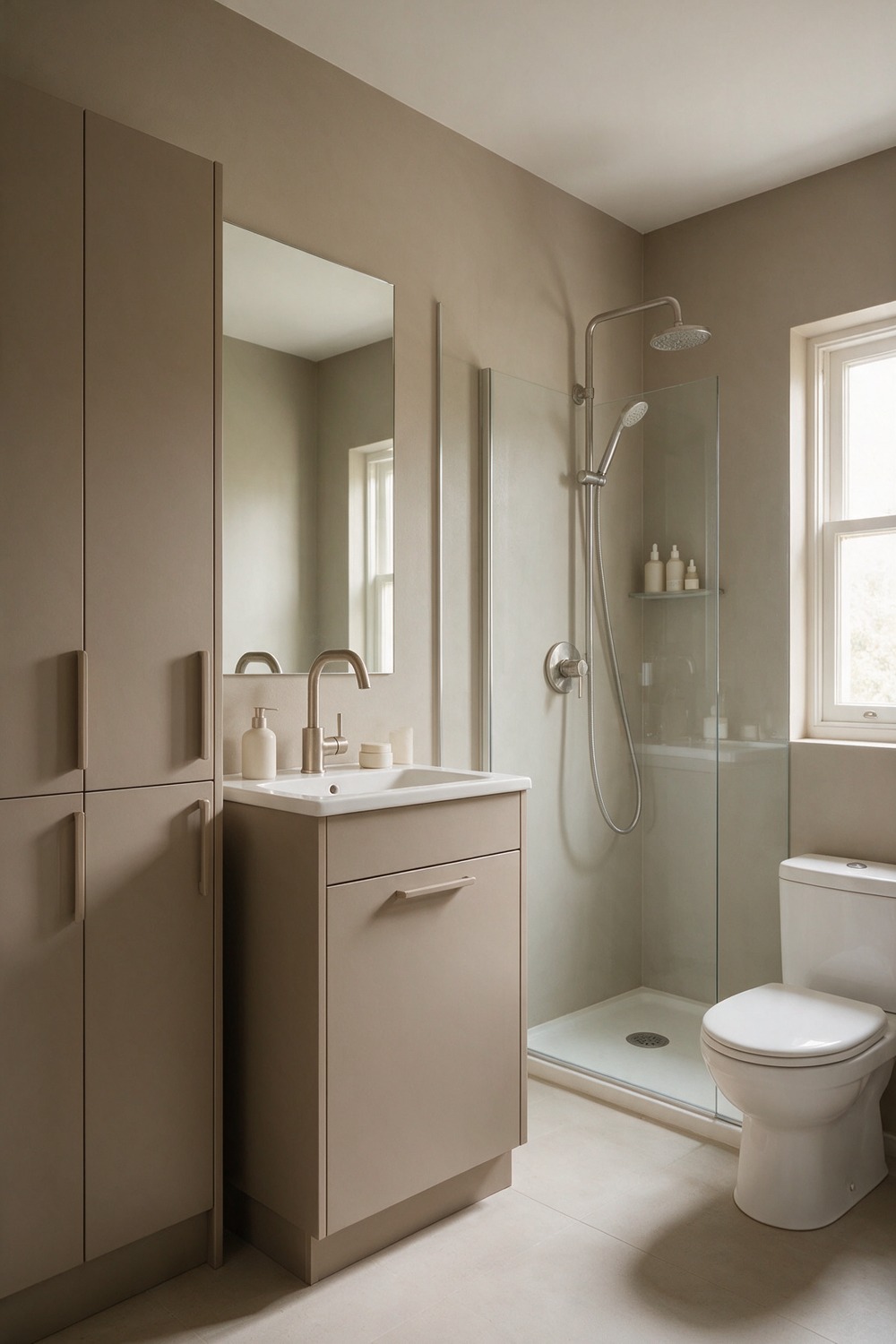
Build up, not out.
Pair the sink base with a full-height linen tower and you win a wall of hidden storage in a footprint most people waste. Towels, spares, the hairdryer graveyard, all gone behind one door.
Run the tower floor to ceiling in the same finish as the vanity so it reads as one calm built-in. I like a warm taupe, Behr Mushroom Bisque, with long vertical handles. Match the tower to the base and the room feels designed, not bolted together.
14. Marble-Top Vanity Cabinet
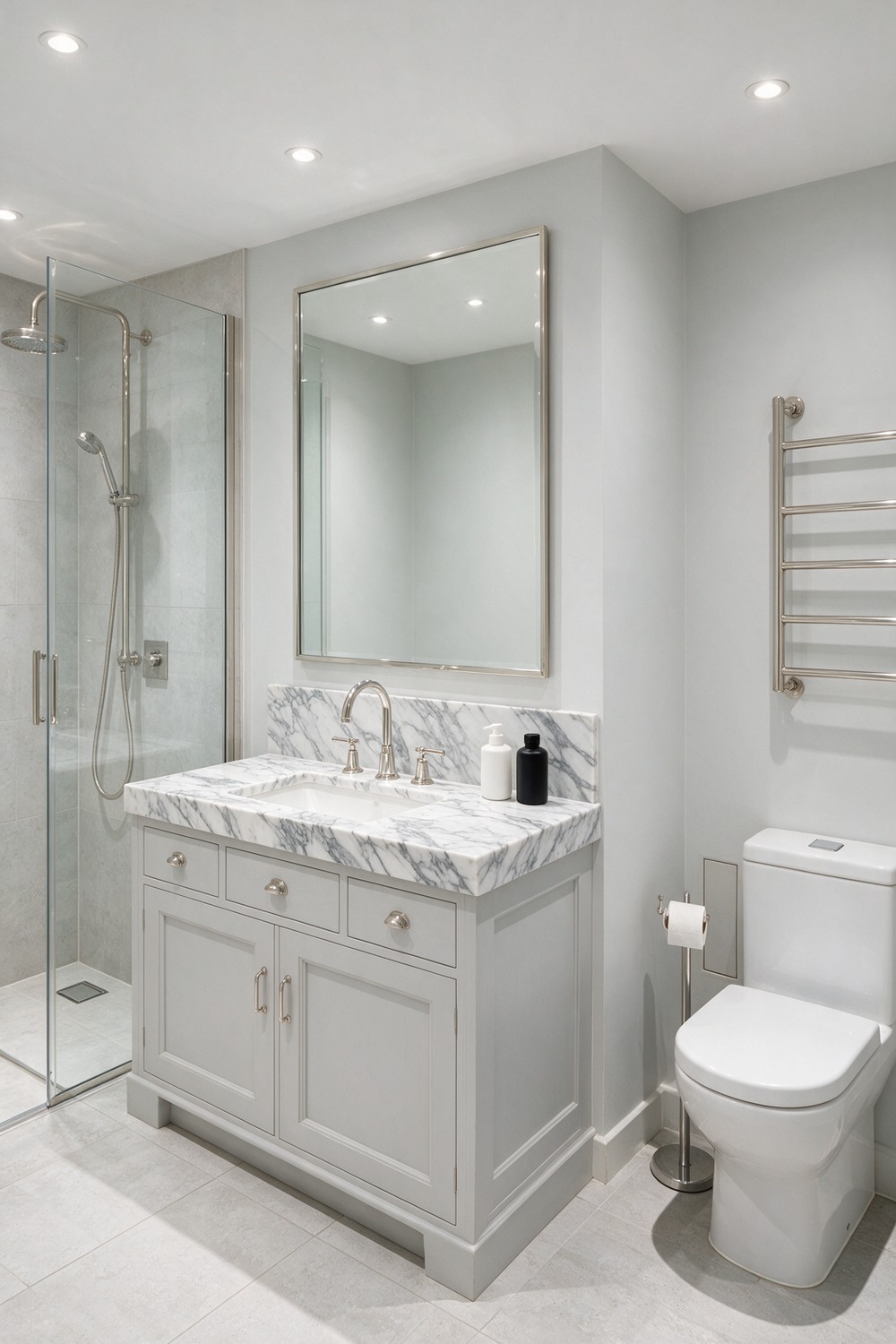
Sometimes the cabinet plays supporting act and the counter steals the scene. A veined marble top turns the most basic base into something that looks expensive, because it genuinely is a slice of stone.
Pair a simple Shaker base in soft grey with a Carrara or Calacatta top, veins and all. Dove-grey cabinet, white marble, polished nickel. Let the stone be the jewellery and keep the base humble. If real marble worries you, honed quartz fakes it beautifully.
15. Navy Vanity Cabinet
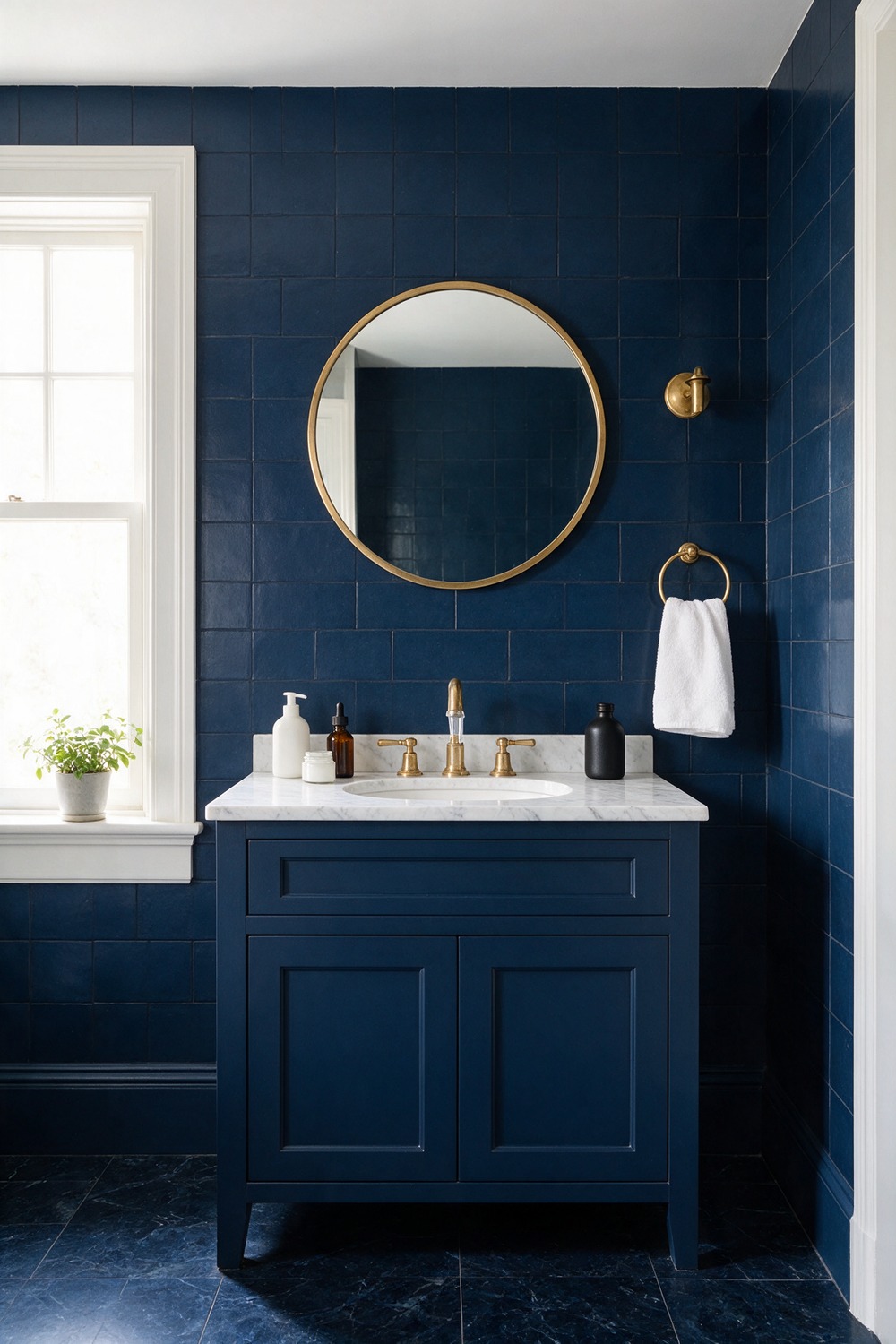
Navy is the colour that makes a white bathroom look intentional. Deep, grounding, a touch nautical, it reads rich without the upkeep of black and it flatters brass like nothing else.
I would reach for Benjamin Moore Hale Navy on a Shaker base, white counter above, unlacquered brass taps that patina over time. Navy, white, warm brass. Start with the cabinet colour and let the brass warm it up.
16. Black Vanity Cabinet
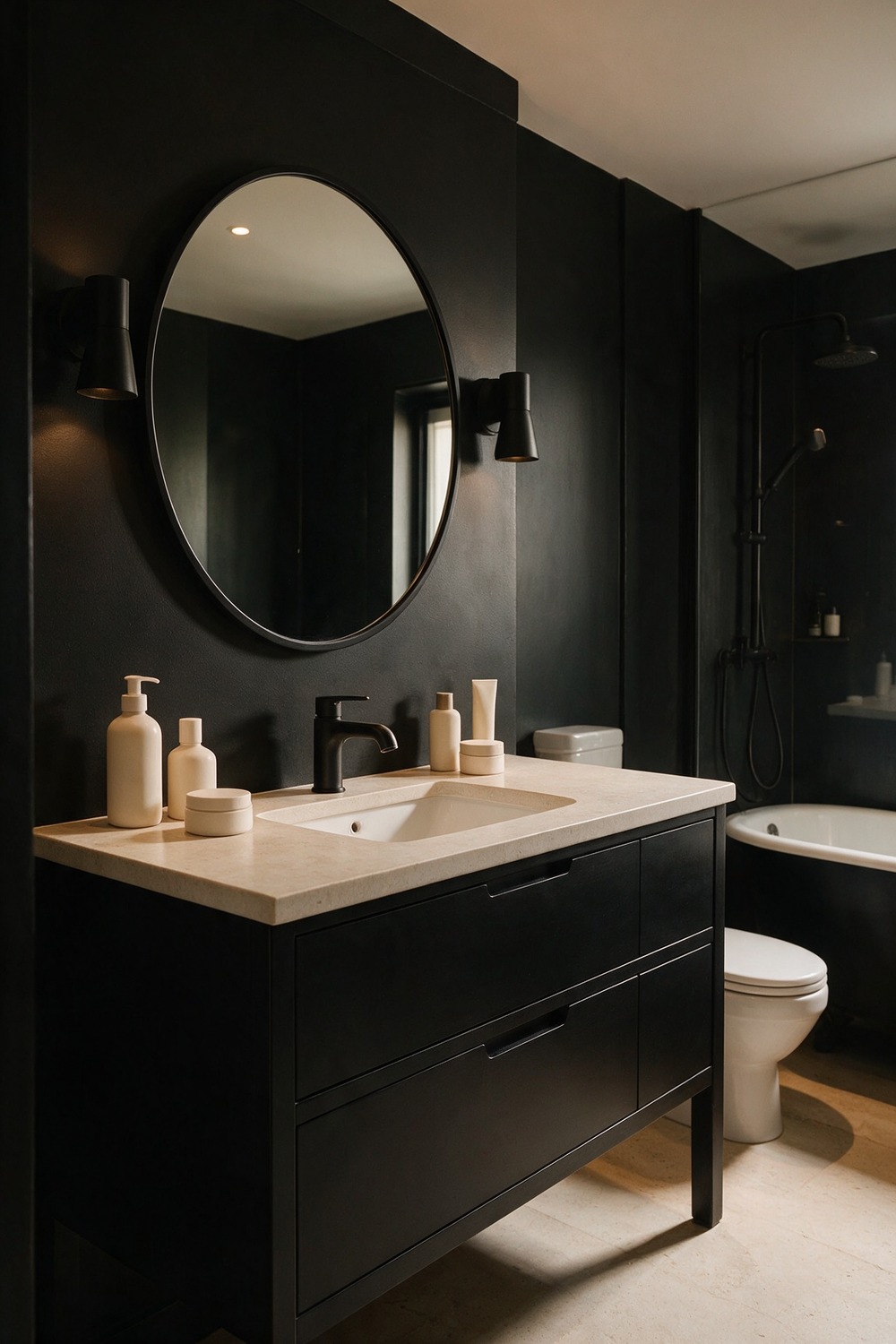
Go the whole way and paint it black. Use a soft, deep black with a hint of warmth, like Farrow & Ball Railings, never a hard jet. Black cabinet, white basin, pale floor. Matte, not gloss, keeps it modern. One brave cabinet, done.
17. Oak Vanity Cabinet
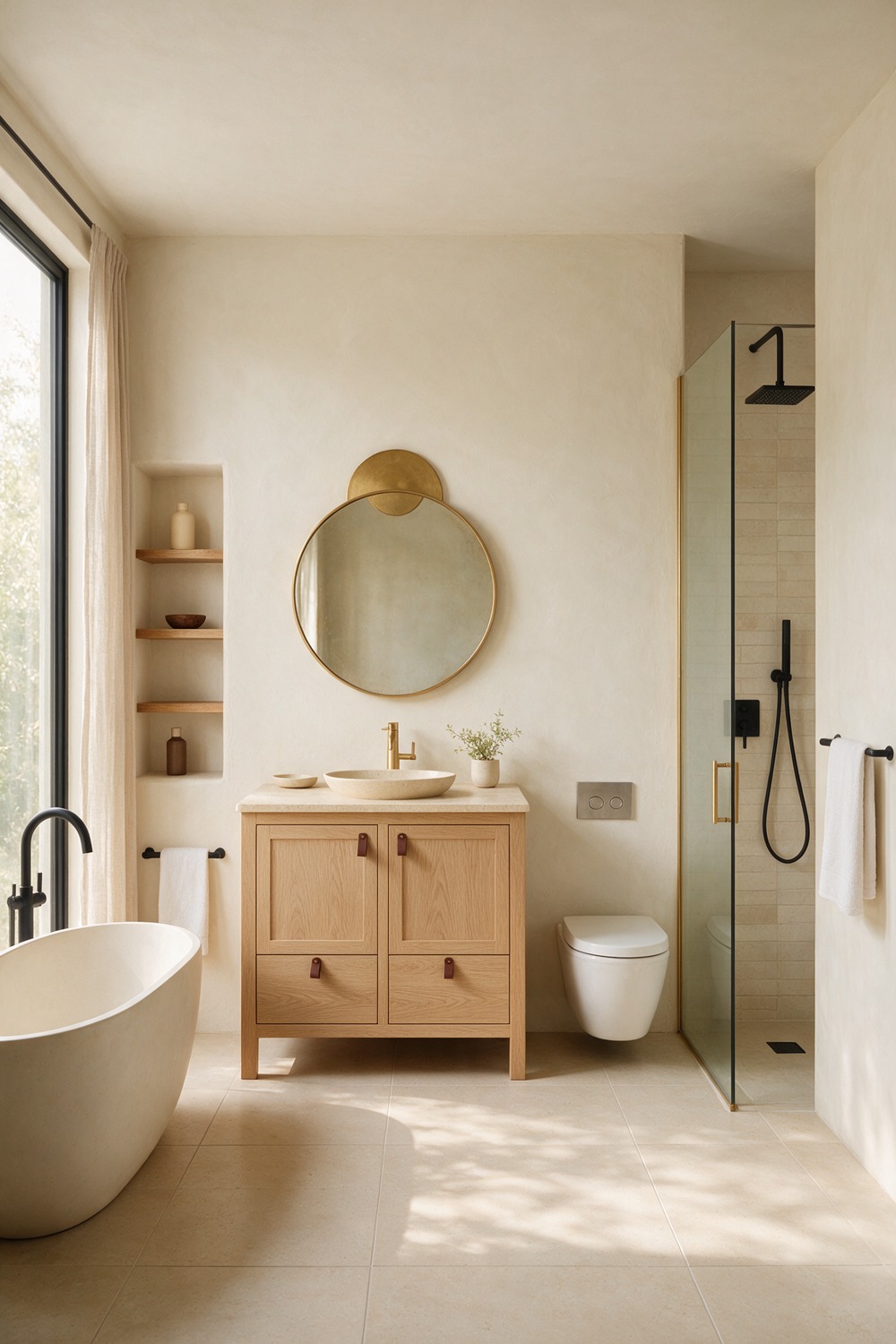
Raw oak is the quiet luxury answer. No paint, no trend, just honest grain sealed matte so it ages like a good table, bringing the warmth cold bathrooms are usually crying out for.
Choose white oak with a clear matte seal, a stone or white basin, and simple leather or brass pulls. Pale oak, cream, brass. This is warm minimalism, Scandinavian calm with a pulse. Pro tip: ask for a water-resistant seal rated for bathrooms.
18. Two-Tone Vanity Cabinet
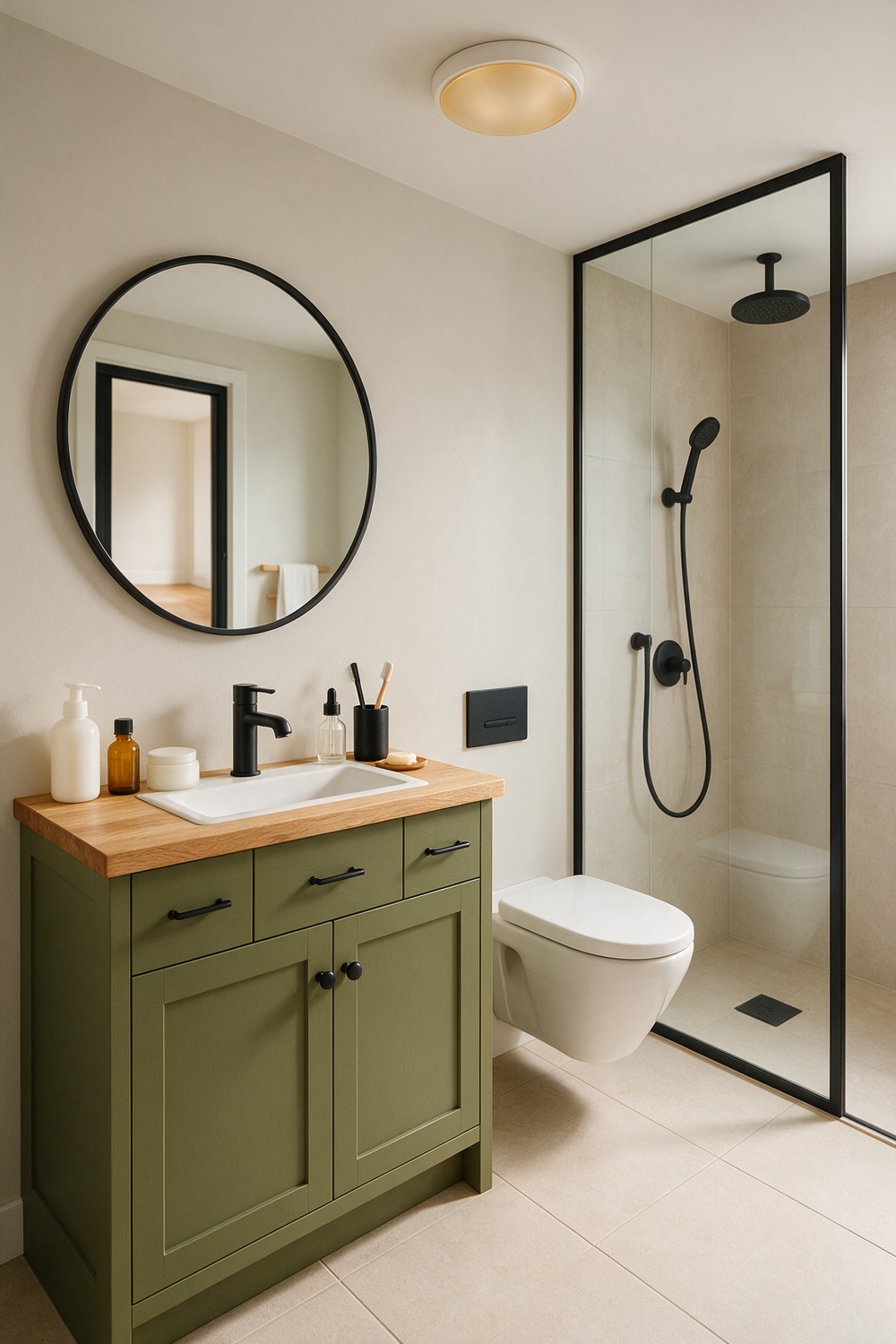
Can’t choose one finish? Choose two.
Pair a painted base with a contrasting wood counter, or a wood base with painted drawers, and you get depth a single colour cannot touch. My favourite recipe: a muted olive base, a Bauwerk limewash green, with a warm oak top and black hardware. Olive, oak, black.
The contrast is the design, so let the two finishes read clearly different, not timid cousins. It is the easiest way to make a flat-pack vanity look custom.
Which Vanity Cabinet Style Is Right for You
Start with your floor space, not your Pinterest board. If the room is tight, a floating or corner cabinet gives you back the thing you are short of, and pale paint keeps it breathing.
Craving warmth? Oak, rattan, and fluted wood do the heavy lifting. Want drama with no renovation? One coat of navy or black on a plain Shaker base changes the whole room by Sunday.
If two of you share the sink every morning, the double or the tall-storage cabinet is not a luxury, it is peace.
And if you just want something that will still look right in a decade, the Shaker in a soft white never once lets you down. That is the one I would pick, nine times out of ten.
Bathroom Vanity Cabinets, Answered
What does a new vanity cabinet actually cost? In words, not receipts: a flat-pack base is the low end, a solid-wood or custom piece is the splurge, and a mid-range shop cabinet with a stone top sits in the middle. The counter and tap move the number most.
Can I install it myself? Swapping a like-for-like vanity is a confident weekend job if the plumbing stays put. The moment you move the waste pipe, go wall-hung, or cut a new stone top, call a pro. Water and gravity do not forgive guesswork.
How long does it take? A straight replacement is a day. A full change with new plumbing, tiling behind it, and a stone template runs one to two weeks once you count the template and fabrication wait.
What is worth spending on? The counter and the tap. A humble painted base with a beautiful honed top and a solid-brass faucet outclasses a fancy cabinet wearing weak fittings every time. Spend there first.
What do I ask the cabinet maker or shop for? A moisture-resistant finish rated for bathrooms, soft-close hinges and drawers, and a top cut for your exact basin and tap holes. Confirm the counter overhang and the waste position before anything is built.
Pick the one cabinet that fits the room you have, order a single paint sample before you commit, and let the morning you walk in to a calm, sorted sink be the whole reward. Start there.
More stories
Share this story