16 Bathroom Tile Ideas Where the Finish Does All the Work

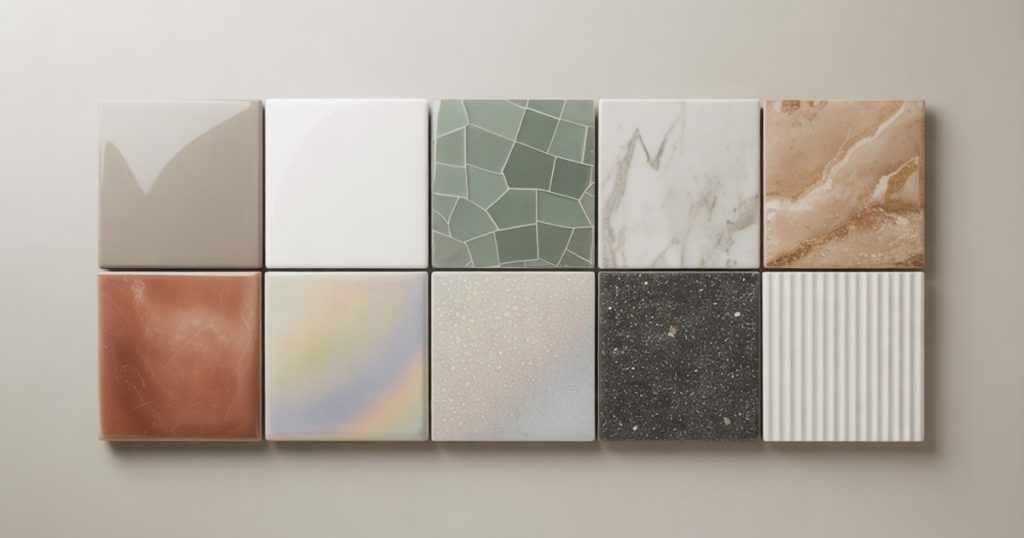
I used to think tile was just tile. Pick a colour, pick a size, move on. Then I ran my hand across a wall of handmade zellige in a friend’s bathroom, felt how the light pooled and broke across every slightly-wonky surface, and I finally got it.
The finish is the whole story. Two bathrooms can share the exact same shade of green and feel like different planets, because one is flat and chalky and the other throws light like a jewel. That is the quiet magic of a tile finish.
It is the cheapest way to make a plain tile look custom, and most people never think about it. So here is the fun part. Below are sixteen bathroom tile finishes, what each one actually does to a room, and exactly how I’d use it. Same tile, sixteen moods.
1. Matte Bathroom Tile
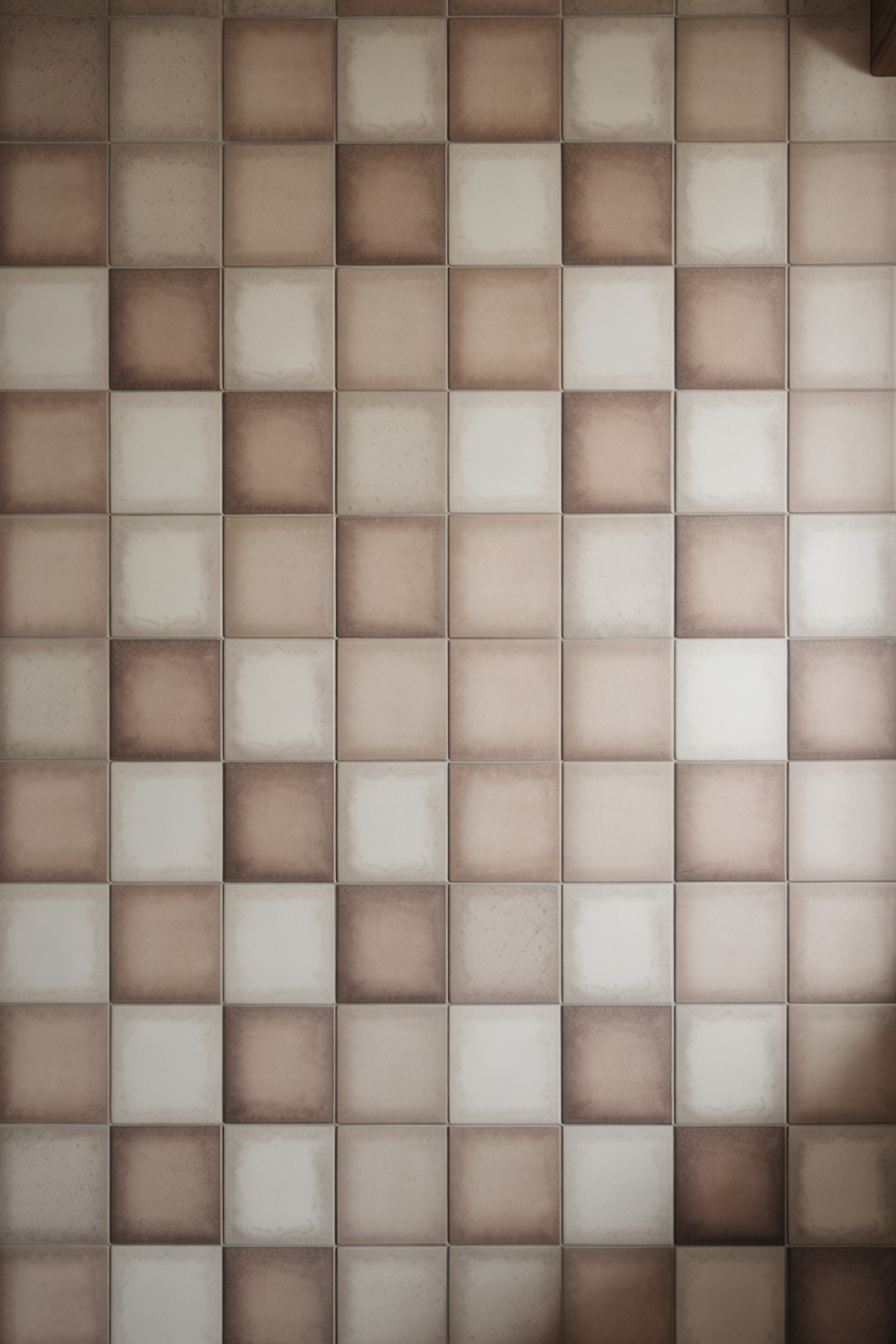
Matte is my default, and I will defend it to anyone. No glare, no harsh hotspot bouncing off a downlight, just a soft velvety surface that reads calm the second you walk in.
The real trick nobody tells you: matte hides the water spots and fingerprints a shiny tile broadcasts all day. On a floor it grips underfoot too, so it is the sane choice there.
Think a 60x60cm porcelain in a warm greige, with a grout one shade darker so the whole grid quietly disappears.
2. Glossy Bathroom Tile
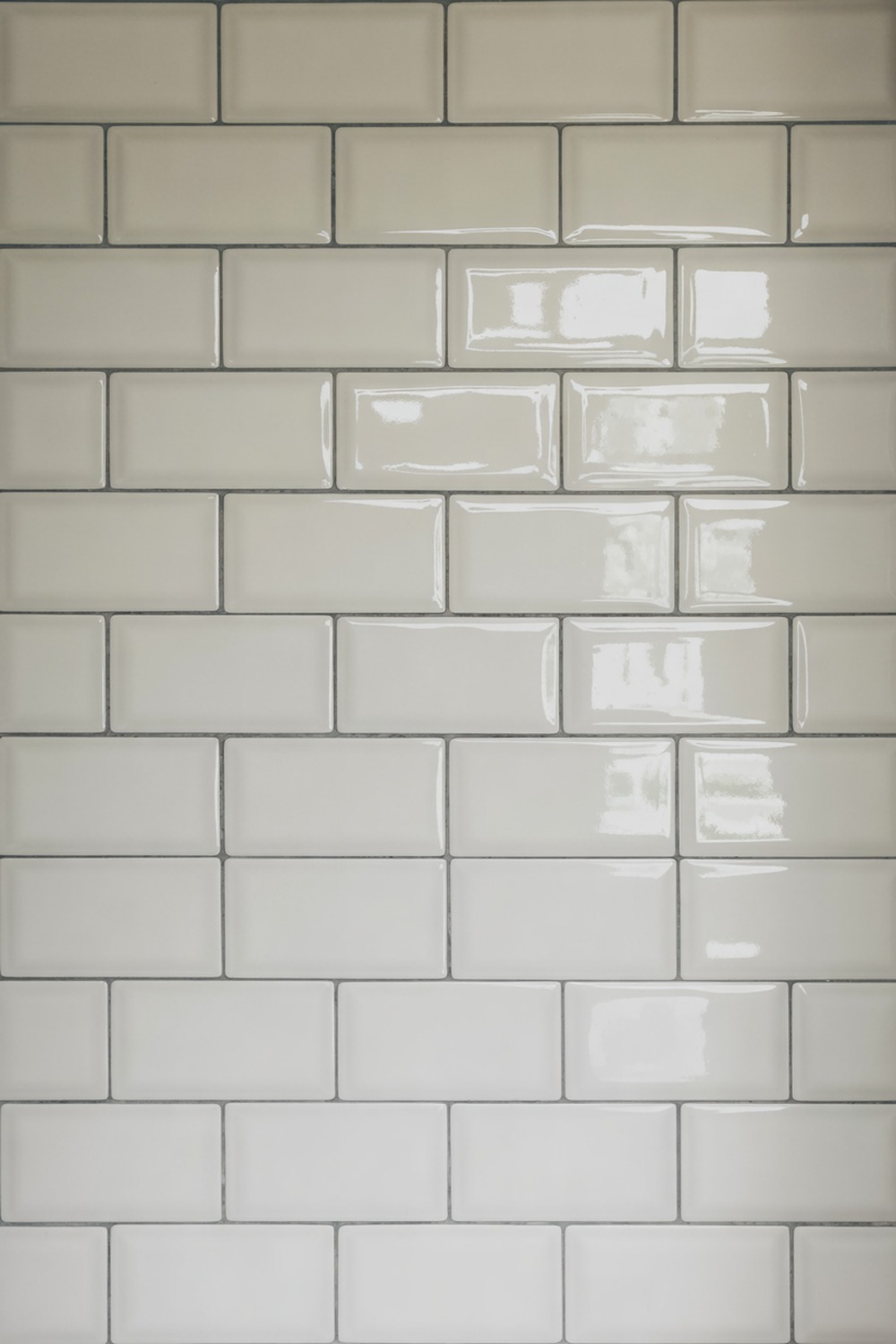
If your bathroom is small or short on windows, glossy is your best friend. A high-shine ceramic bounces daylight around the room and makes four square metres feel like six. That is physics doing your decorating for free.
My pick is a classic glossy white 7.5x15cm metro, laid in a running bond, because it never goes out of fashion and wipes clean in one swipe.
3. Crackle Glaze Bathroom Tile
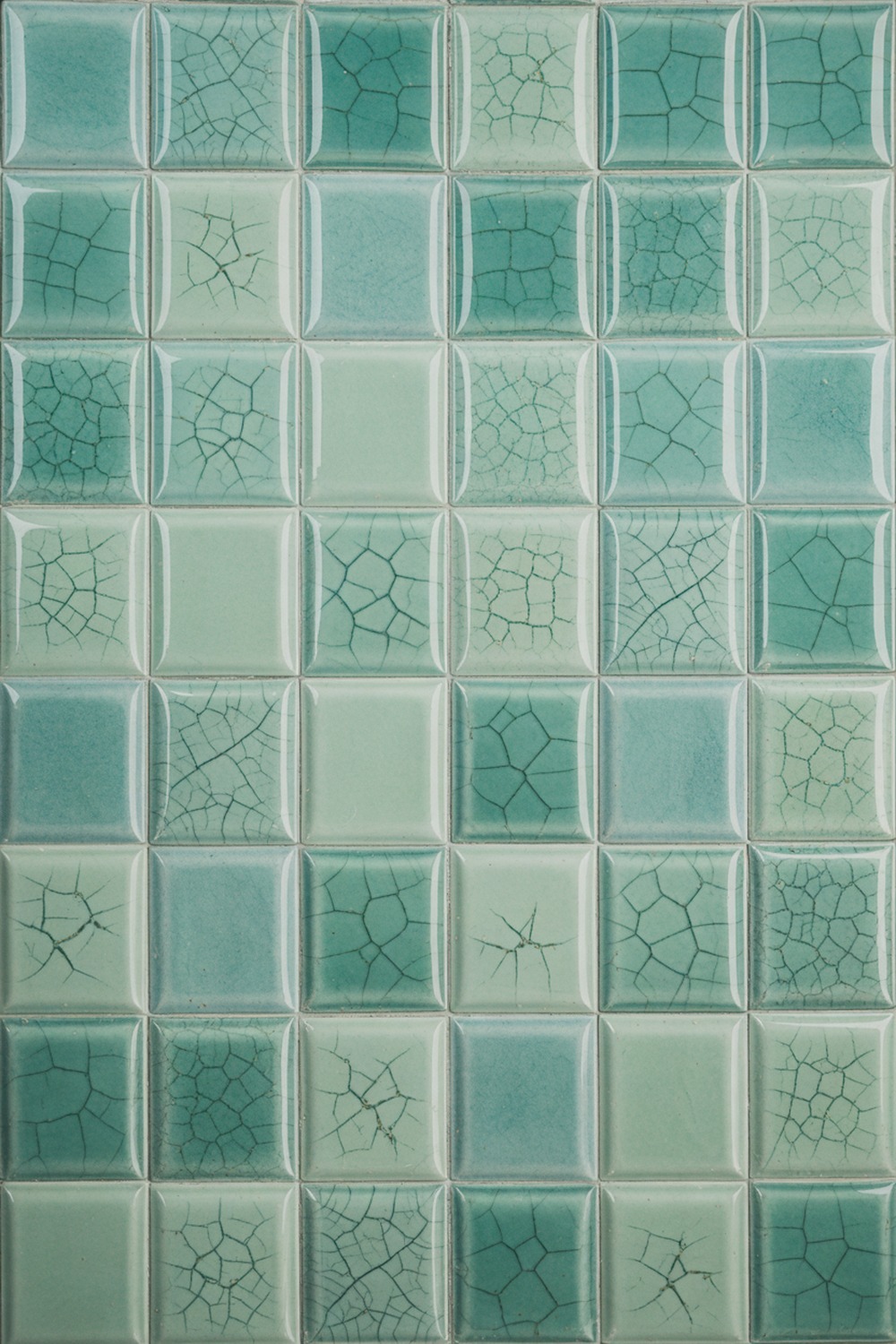
Crackle glaze is a happy little paradox. It is a brand new tile covered in a web of fine hairline crazing, made to look like it has hung on a wall for a hundred years.
Those tiny cracks catch the light and give the surface real depth and old-world history. But here is the thing you must know first. The crackle lines are porous, so the tile needs sealing before grouting, or the grout bleeds into every crack and muddies it.
Do that one step, and a crackle white or a soft crackle celadon over a vanity is pure cottage charm. It is my first pick for a period bathroom, hands down.
4. Handmade Bathroom Tile
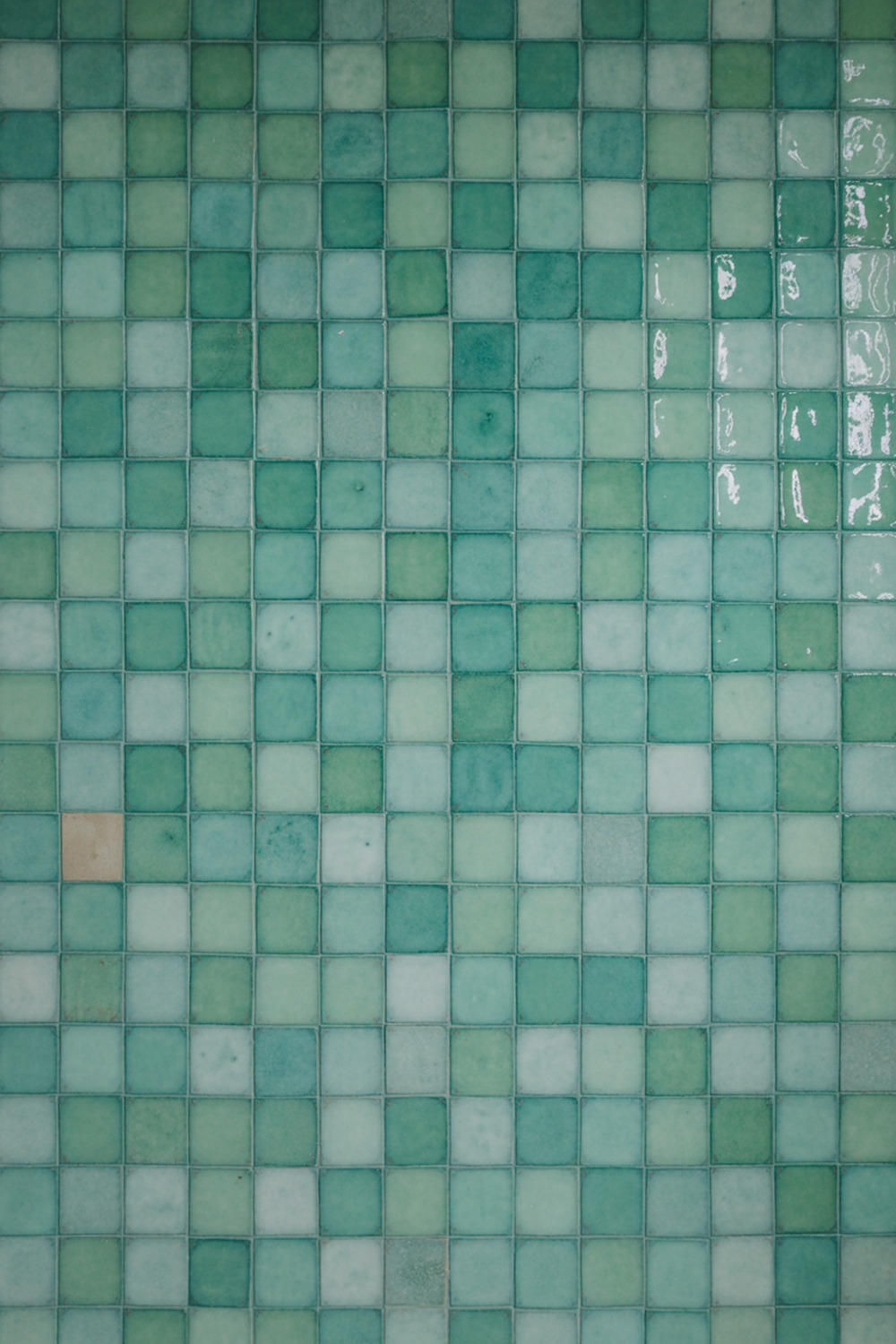
This is the one that converted me. Handmade tile, with Moroccan zellige as the queen of the category, is pressed and glazed by hand, so no two pieces come out identical.
The edges wobble, the colour pools light and dark, and a single wall catches the light at forty different angles. That irregularity is the entire point, so lean all the way in rather than fighting it.
A 10x10cm zellige in a watery sea green, run across a whole shower wall with a fine sand-coloured grout, looks like money and reads completely bespoke. Honestly, if you only splurge on one surface in the whole room, make it this one.
5. Iridescent Bathroom Tile
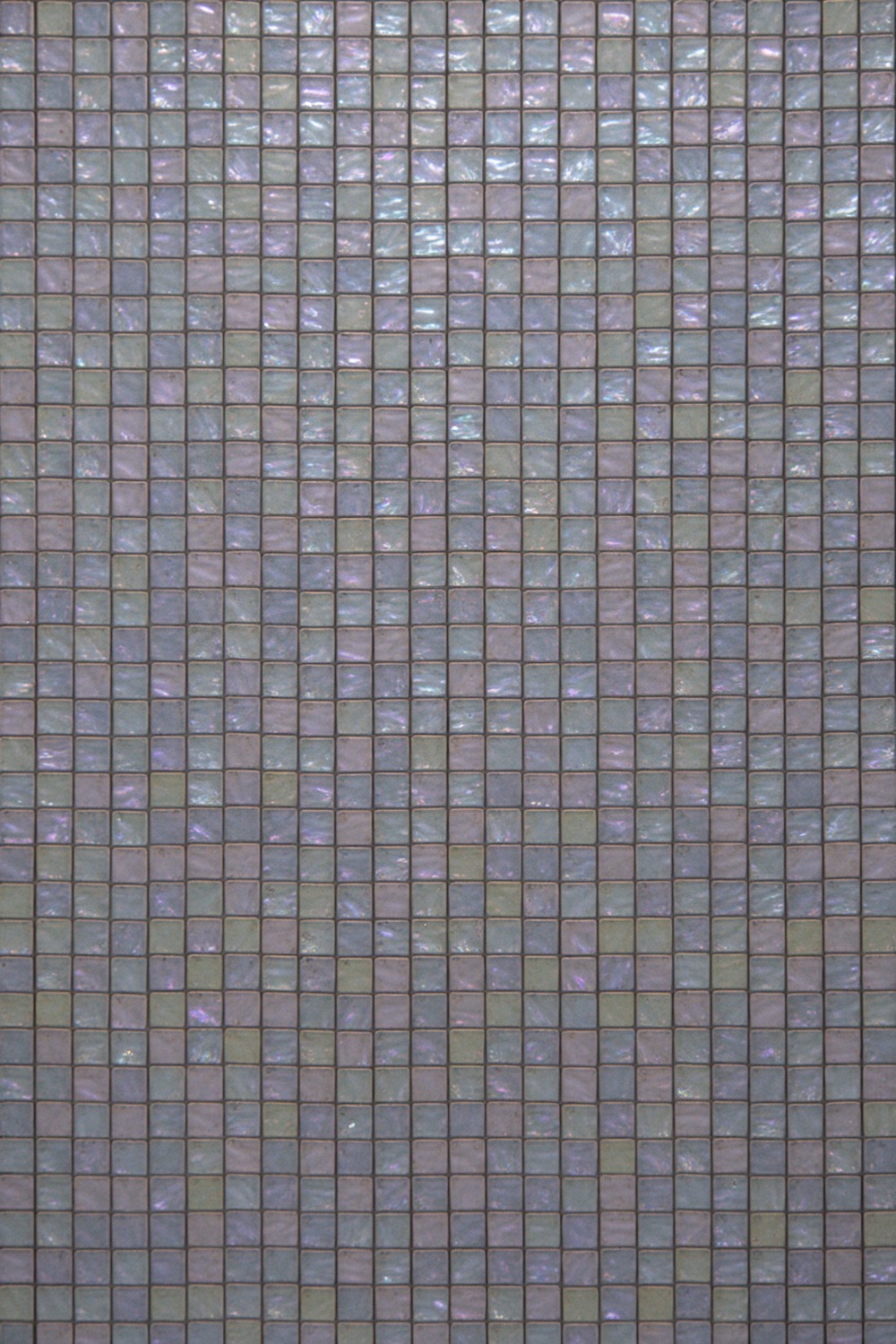
Iridescent tile is the showgirl of the bunch, and I mean that as the highest compliment. A pearly coating shifts the colour as you move past, so a wall reads lilac from the door and silvery blue from the bath.
A little goes a very long way. I’d keep it to one feature zone, a shower niche or a slim band of 2.5cm glass mosaic behind the basin, so it stays a jewel and not a disco.
Quiet matte neutrals everywhere else let the shimmer be the only thing in the room showing off.
6. Textured Bathroom Tile
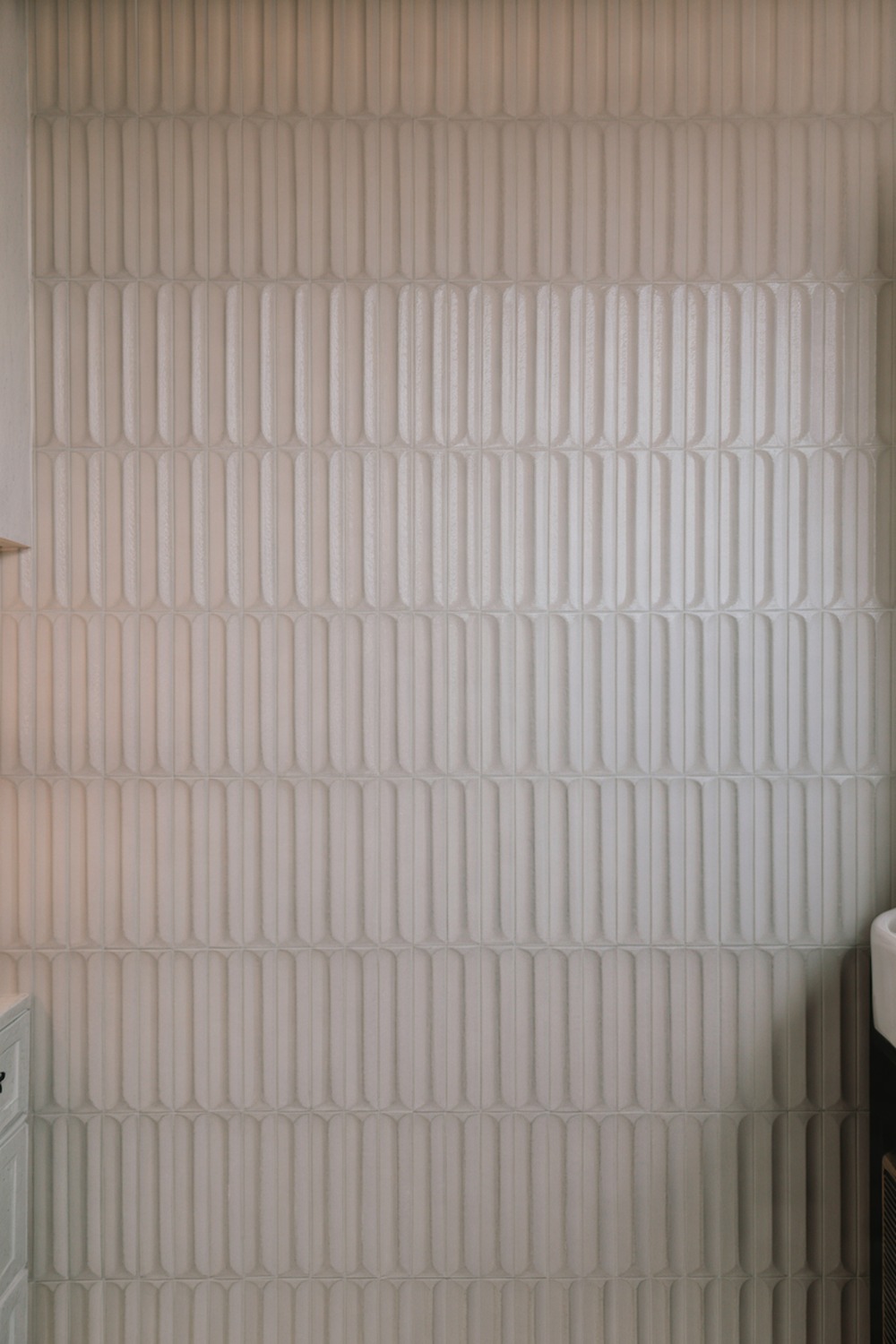
When your whole palette is one calm colour, texture is what keeps the room from going flat. A three-dimensional tile, fluted, ribbed or a raised geometric relief, throws tiny shadows that shift all day as the light moves.
My favourite move is tonal: a white fluted tile on a white wall, flutes run vertically behind the vanity to stretch the ceiling height. All shadow, no colour, pure grown-up drama.
7. Honed Bathroom Tile
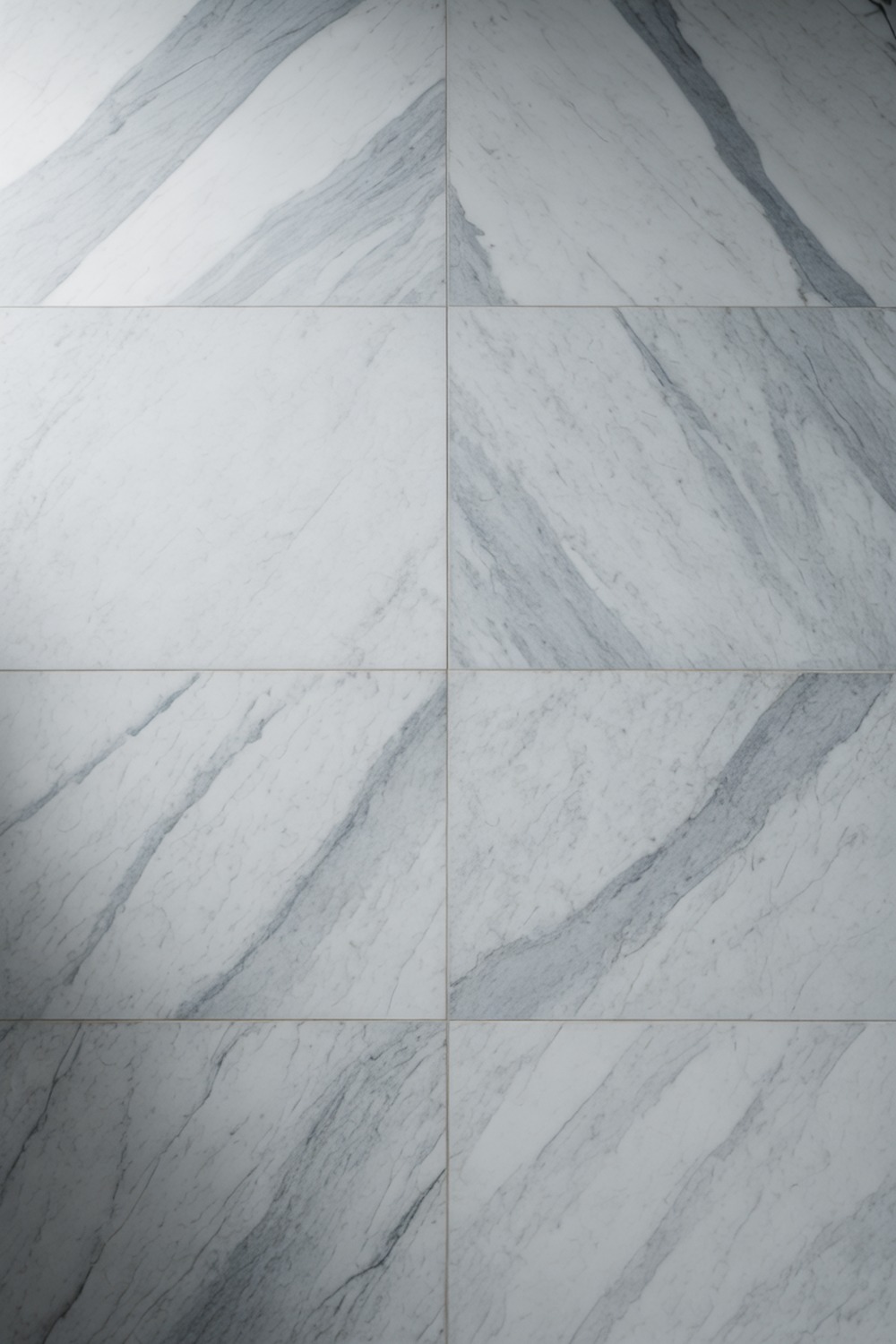
Honed is for people who love real stone but cannot stand a slippery, too-shiny floor. The stone is ground smooth and stopped just before it turns glossy, leaving a soft, matte, buttery surface. All the luxury of marble, none of the skating rink.
A honed Carrara or a honed travertine in a large 60x60cm format, with barely-there grey grout, is the look every spa hotel reaches for. Pro tip: seal natural stone on day one and re-seal yearly, and it will quietly outlast everything else in the room.
8. Hammered Bathroom Tile
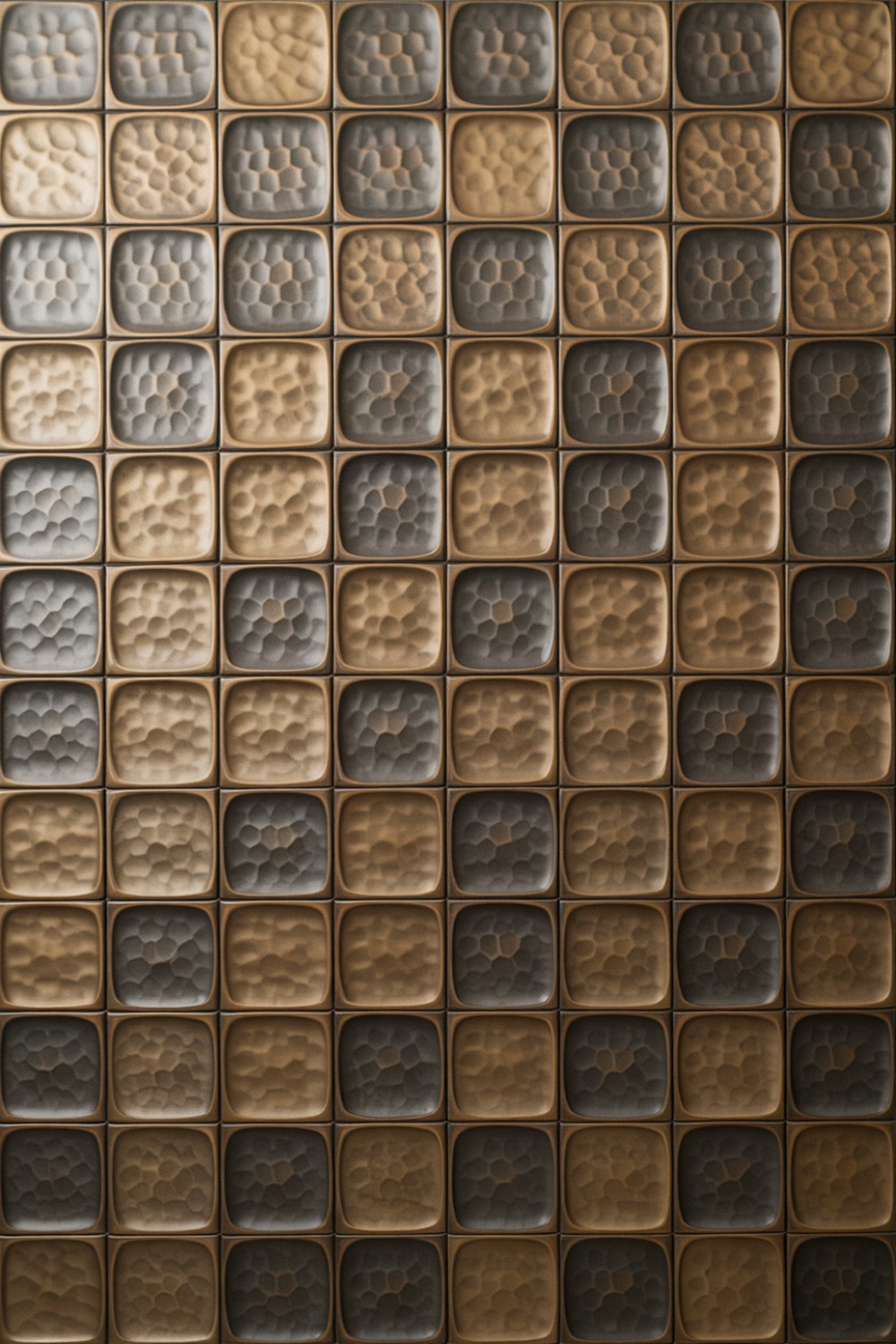
Hammered tile borrows its look from beaten metalwork, with a dimpled, faceted surface that scatters light into a hundred little glints. I’d use it where you want a wall to shimmer gently rather than shout.
A hammered tile in warm bronze or a soft champagne, set behind a freestanding tub, catches candlelight like nothing else. Keep the hardware in the same family, unlacquered brass taps against that bronze wall, and the whole room hums.
9. Pearl Bathroom Tile
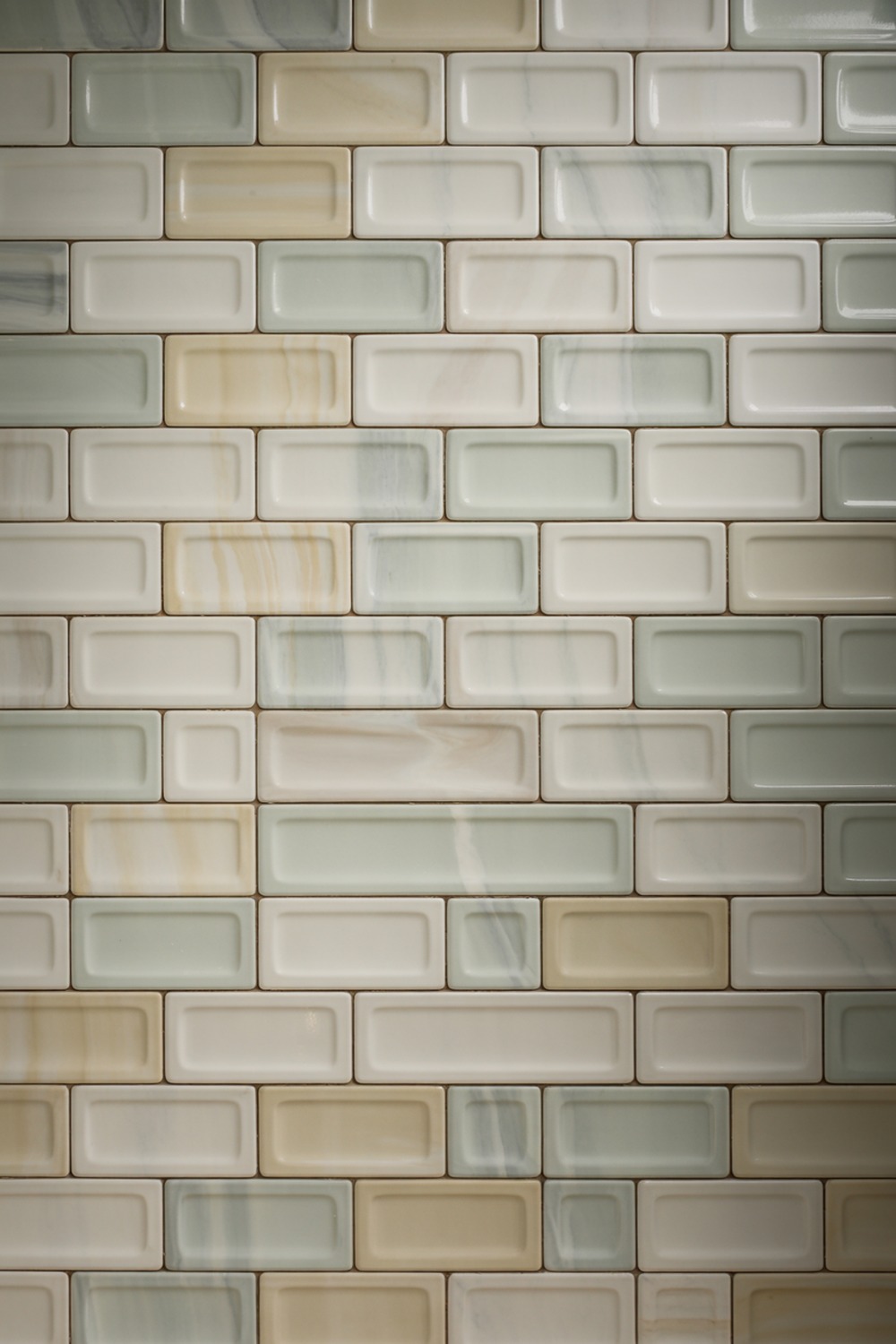
Pearl sits in the sweet spot between matte and gloss, with a soft satiny glow like the inside of a shell. For a bathroom that wants to feel serene and a little romantic, this is the Goldilocks finish.
A pearl-toned 5x15cm tile in a soft brick bond, mixing cream, sage and butter, under warm 2700K light, turns an ordinary shower into something hushed and expensive.
10. Bevelled Bathroom Tile
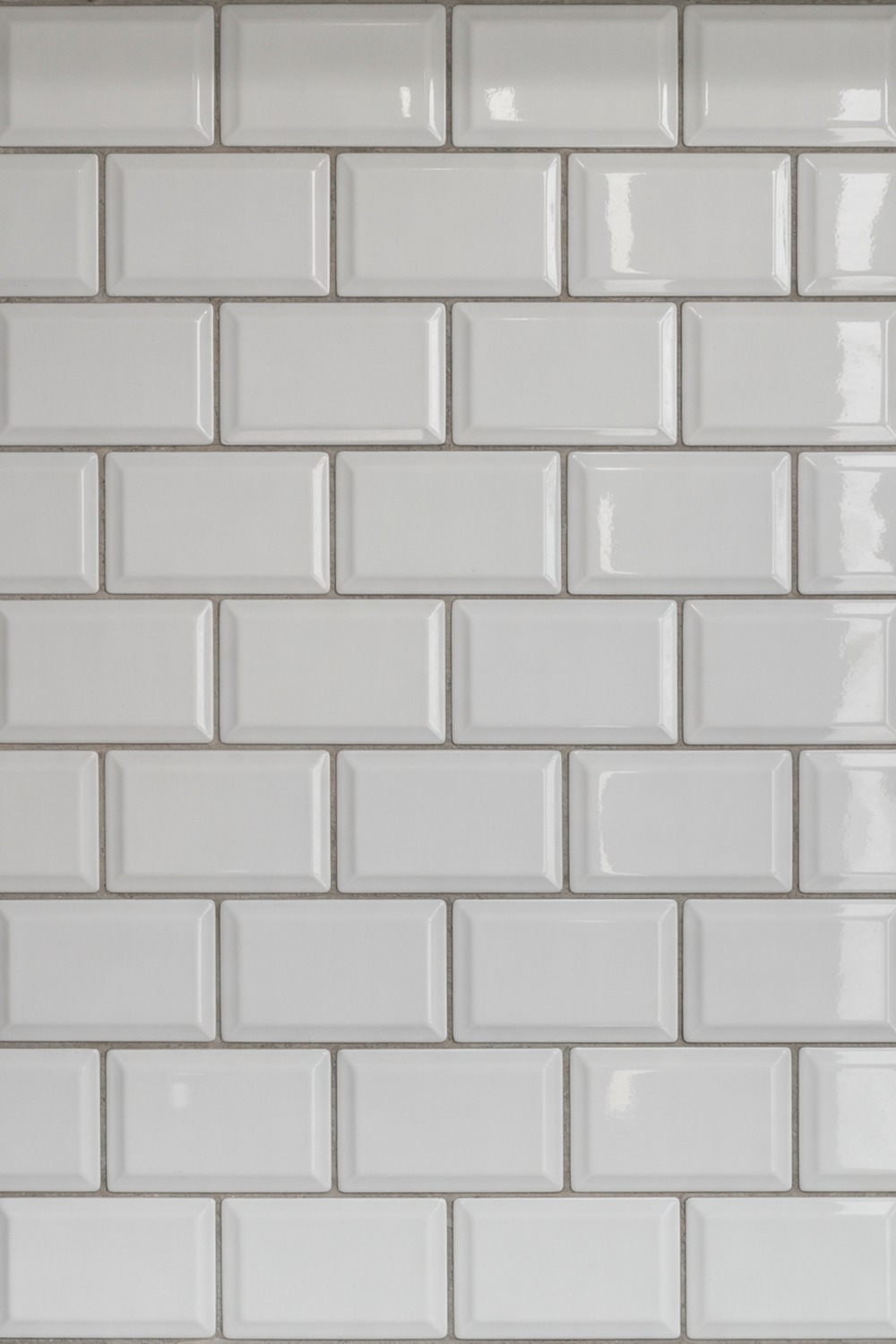
A bevelled tile has angled, chamfered edges instead of flat ones, so each piece catches a thin line of shadow and light around its border. The result is a wall with real dimension and a crisp, tailored grid.
The classic is a glossy white bevelled metro, 7.5x15cm, in a brick bond. Those little angled edges are the whole difference between this and a flat subway tile. Grout it in soft grey so every chamfer reads clearly. Timeless, and cheap as chips.
11. Glazed Terracotta Bathroom Tile
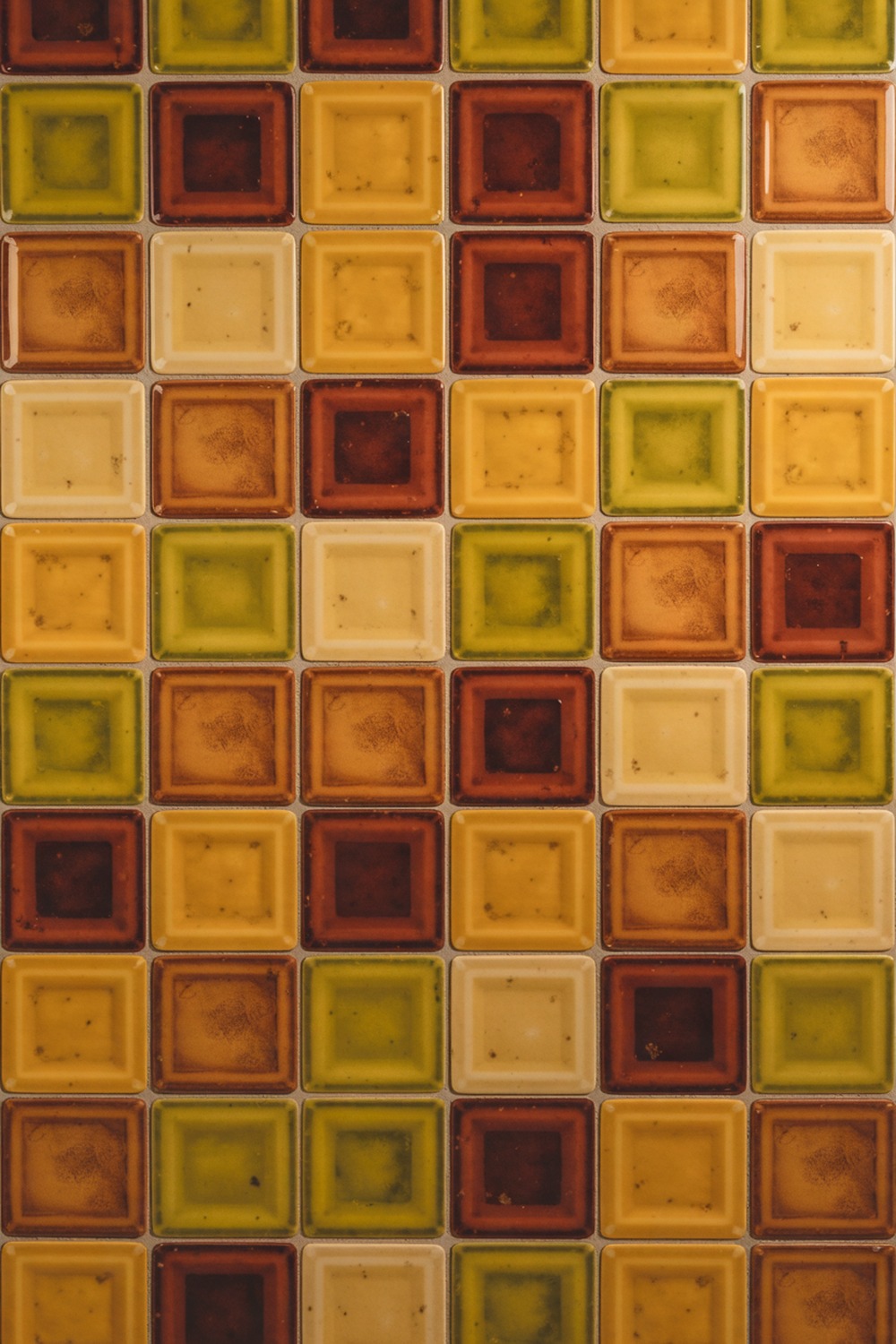
Glazed terracotta is terracotta that got dressed up. You keep the warm, sun-baked clay body, but a coloured glaze on top makes it water-happy and gives it a gorgeous, slightly-uneven gleam.
It brings instant Mediterranean warmth to a cold room. I love a glazed terracotta in a glossy ochre or a deep olive, run as a half-height wainscot with a matching terracotta grout.
The handmade variation in the glaze means every single tile looks a touch different, which is exactly the charm of it. Pair the whole thing with warm oak and your bathroom feels sun-drenched in the middle of January.
12. Tumbled Bathroom Tile
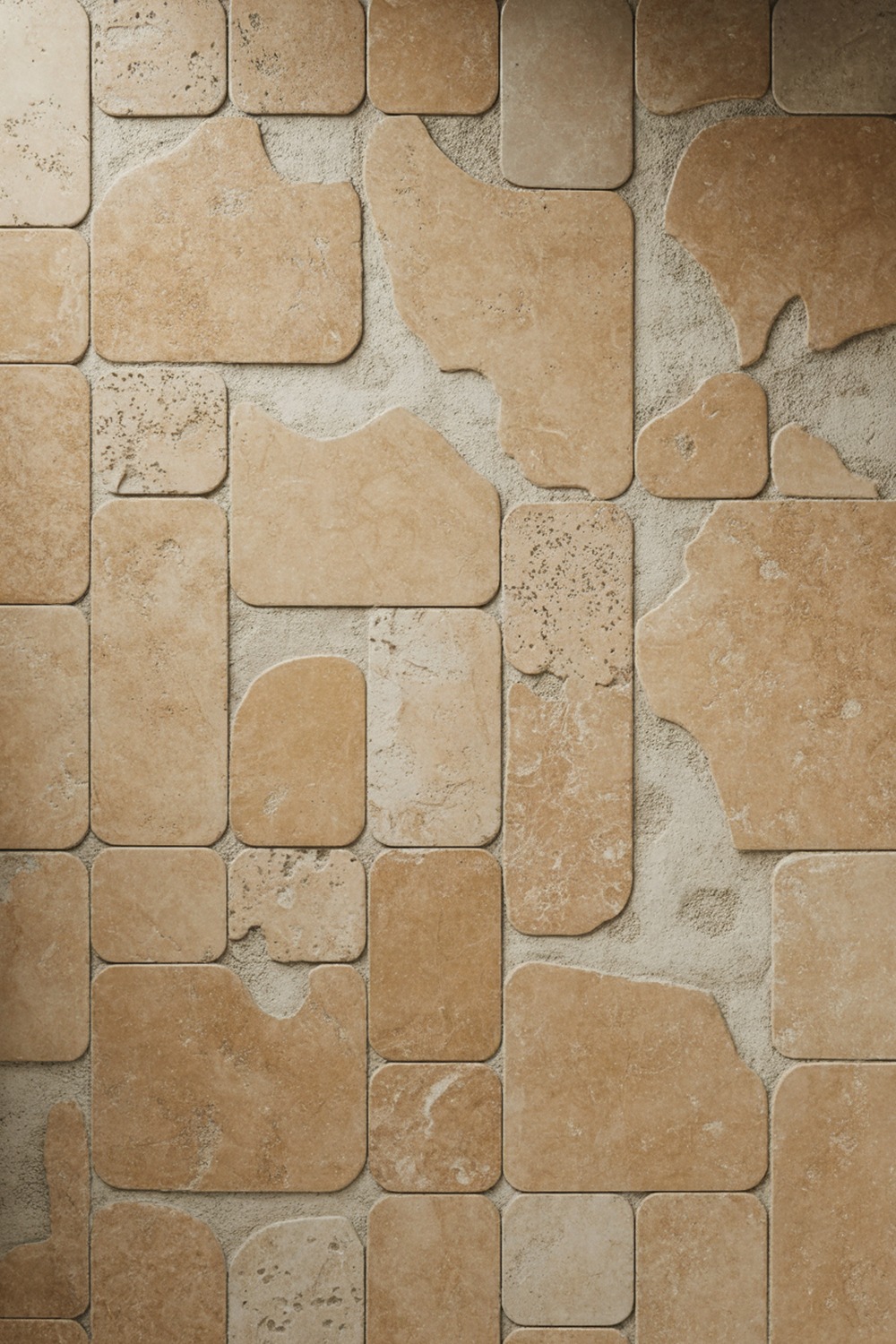
Tumbled stone has been rolled around with grit until its edges soften and round and the surface takes on a lovely pitted, antiqued texture. It looks like it was salvaged from an old farmhouse, which is the entire appeal.
A tumbled travertine in warm beige, laid as an opus-pattern floor with sanded grout worked right up to the edges, feels grounded and forgives a scuff better than any polished stone. This is my choice for a country-house bathroom.
13. Lappato Bathroom Tile
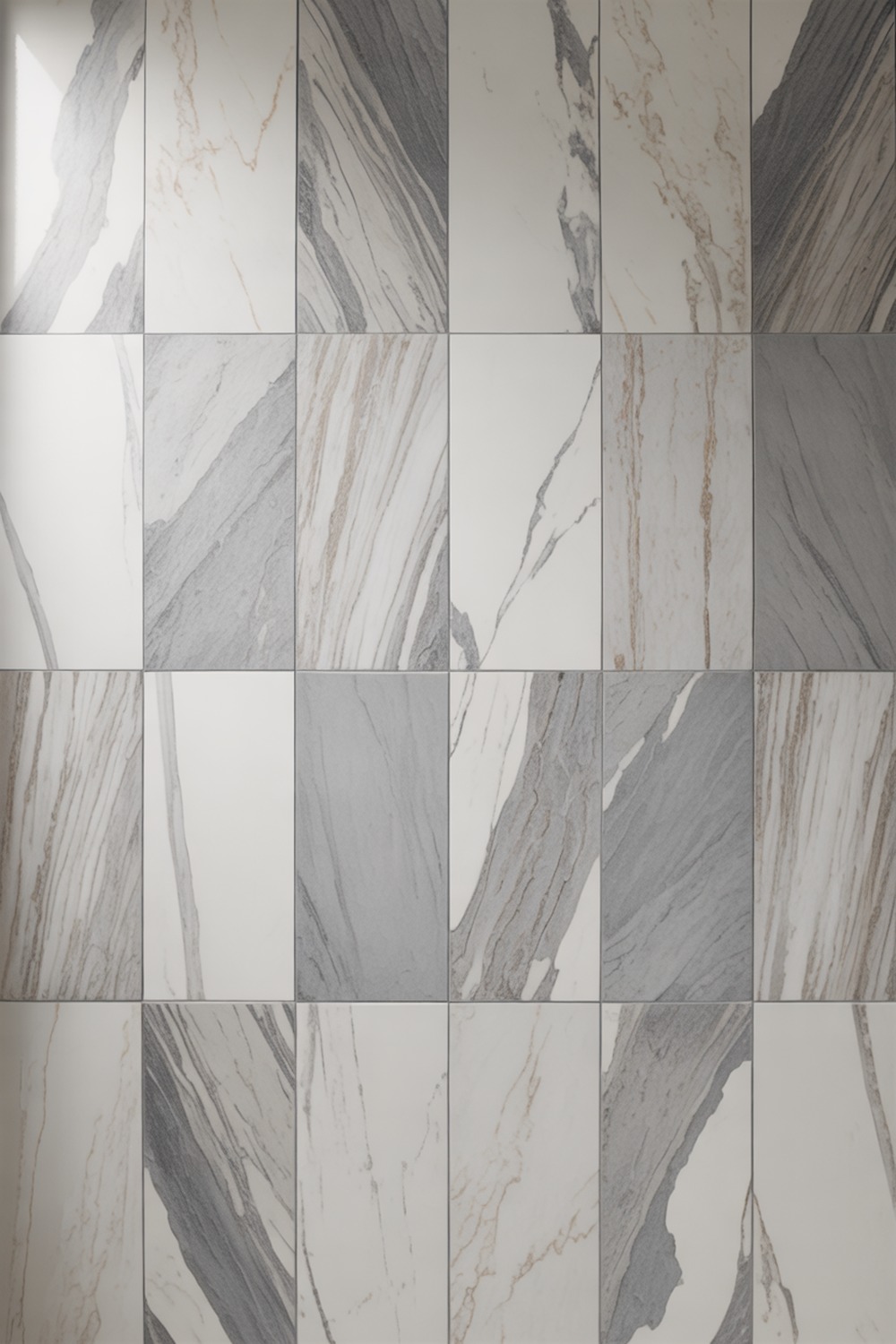
Lappato is the clever in-between finish, and far more people should know it. The Italian word means lapped, or half-polished: a porcelain buffed in patches so parts gleam and parts stay matte, giving a soft satin shimmer instead of a hard mirror.
You get the richness of a polished tile with much less glare and far fewer visible smears. A lappato marble-effect porcelain in a big 80x80cm format, on a feature wall behind the bath, looks seriously high-end. Let the surface talk and keep everything around it plain.
14. Brushed Bathroom Tile
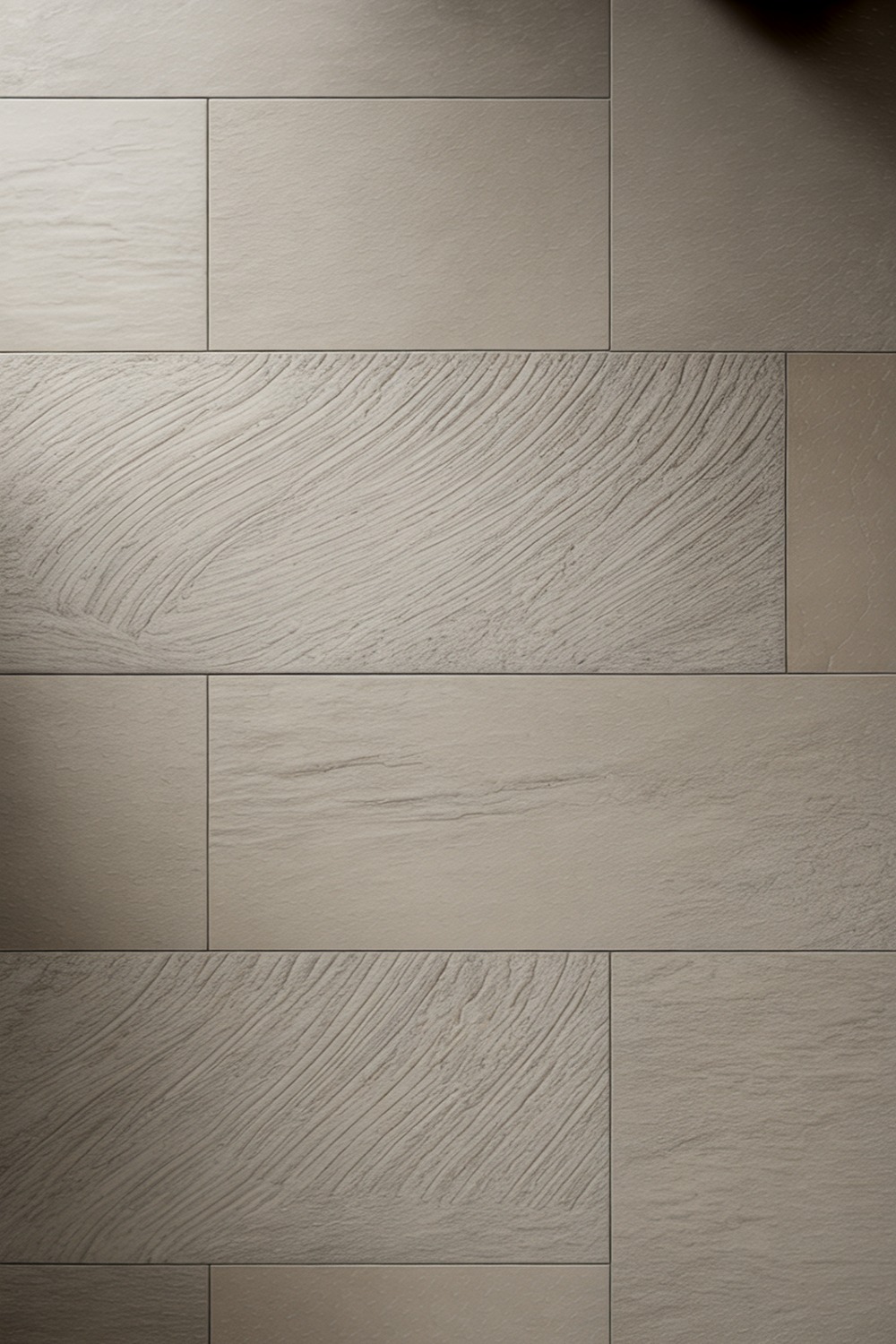
Brushed tile is finished by dragging wire brushes across the surface, opening a fine, grainy texture you can feel under your fingertips. It is matte, natural-looking, and crucially it adds grip, which makes it brilliant underfoot.
A brushed limestone-look porcelain in soft dove grey, in big 60x120cm planks, gives that barefoot-on-raw-stone feeling without the real-stone upkeep.
15. Rough-Hewn Bathroom Tile
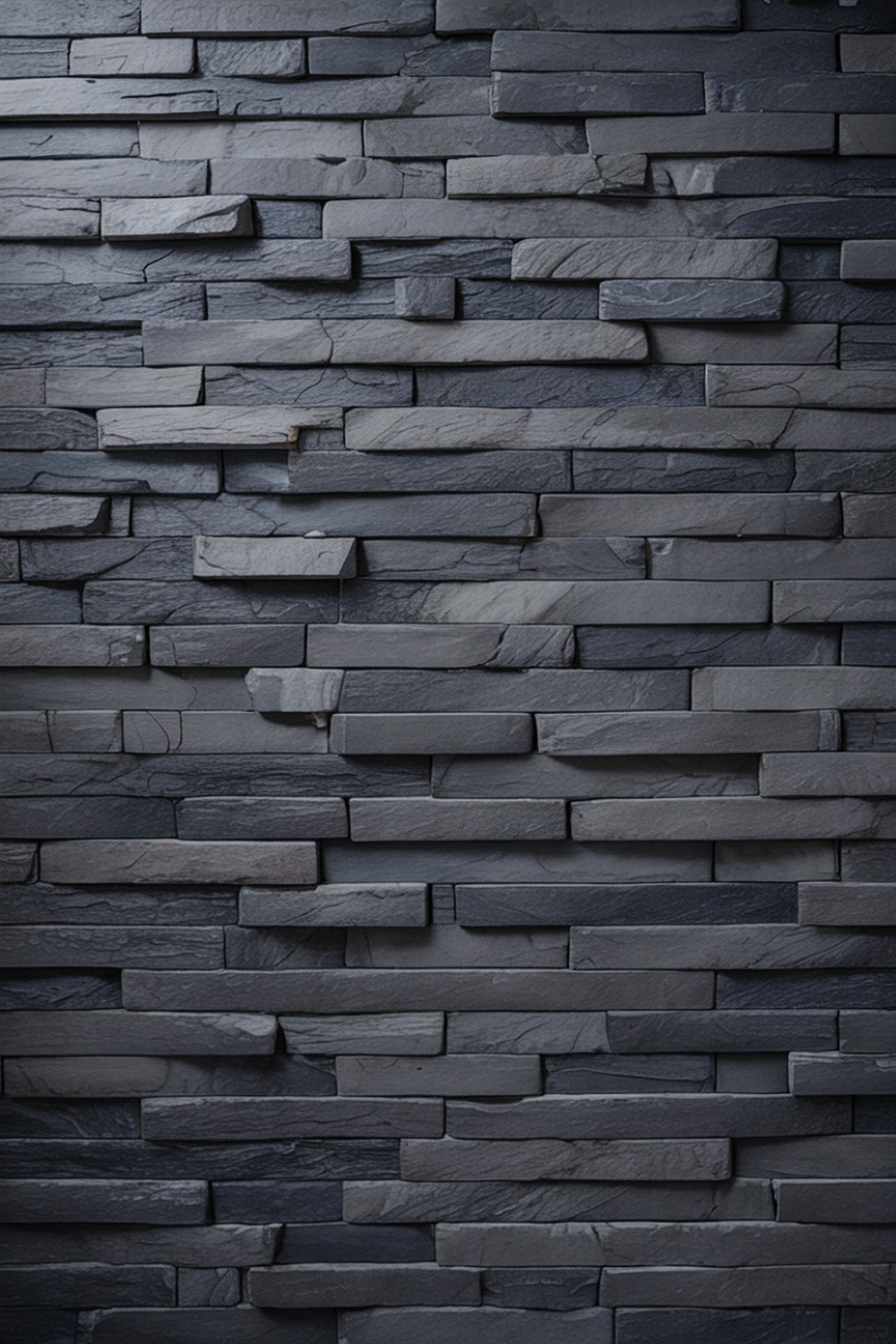
Rough-hewn, or split-face, tile is the drama queen of natural stone. It is a rugged, three-dimensional, cleft surface of stacked slate or quartzite strips, all ridges and peaks and shadow.
This one is a feature, not a whole-room treatment, so pick your spot carefully. A single split-face slate wall in the shower, warmly uplit from the floor, turns an ordinary cubicle into a grotto.
Keep every other surface smooth and simple so the rough wall gets to be the hero. Texture does the heavy lifting here, so you do not need much else competing with it.
16. Sparkle Bathroom Tile
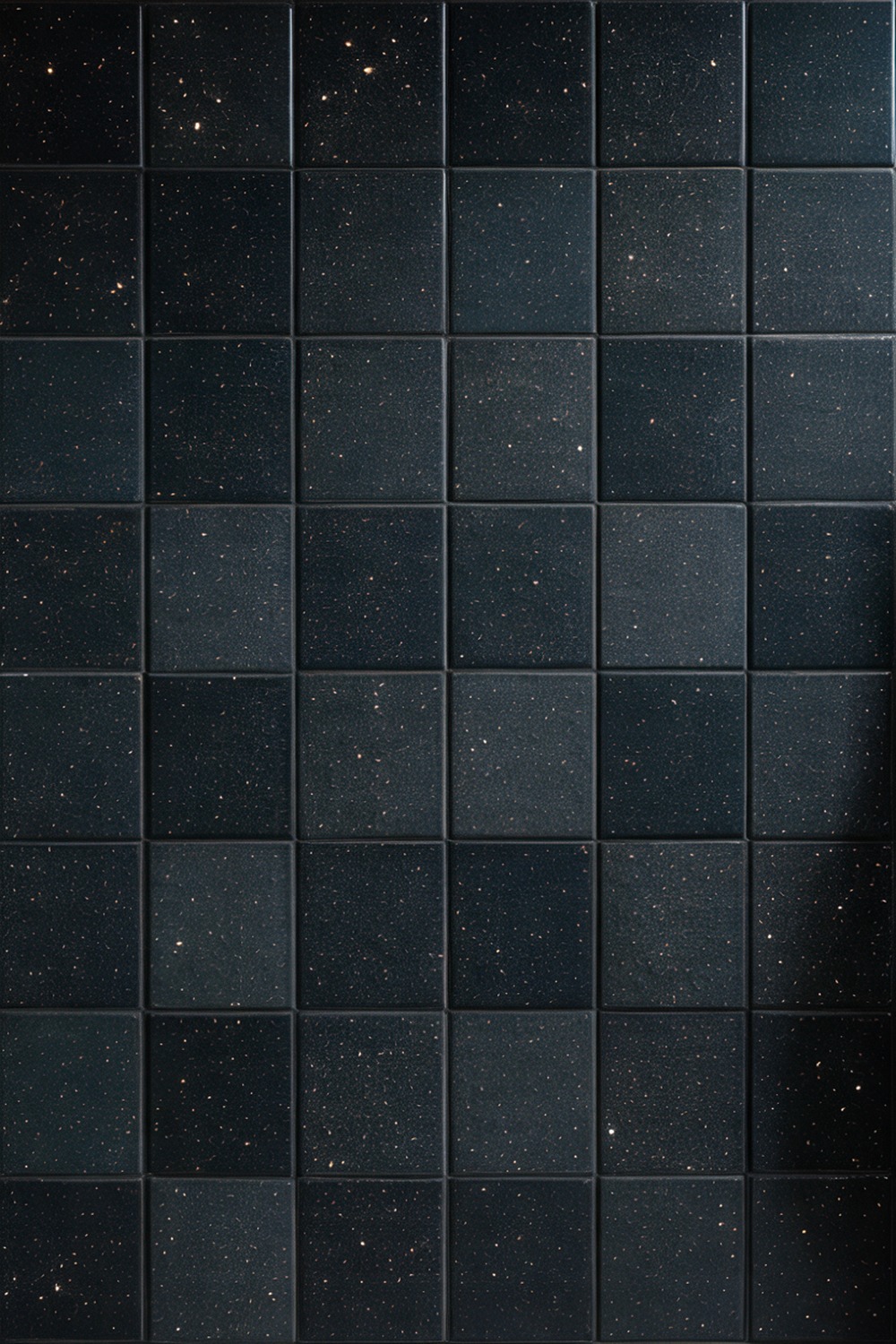
And for the finale, a little glamour. Sparkle tile has fine flecks of quartz or glitter set into its surface, so the whole wall twinkles softly when the light moves.
Done with restraint, it reads as quietly joyful rather than a night at the casino. I’d keep it to the shower, where steam and spotlights make a deep charcoal sparkle quartz glitter like a starry night sky. One wall of twinkle is plenty.
Which Tile Finish Is Right for You
Start with the room you actually have, not the mood board. If it is small or dark, a glossy, pearl or iridescent finish will scavenge every scrap of light and open the space right up.
If it is a wet floor you are worried about, go matte, honed, brushed or tumbled, because texture and a non-shiny surface are what keep your feet safe. Those are the sensible, grippy heroes of the list.
And if you want one wall to stop people in their tracks, reach for the characters: handmade zellige, rough-hewn slate, hammered bronze or crackle glaze. My own rule is one show-off finish per bathroom.
Let a single surface be the star, keep the supporting cast calm, and the whole room always feels considered.
Bathroom Tile Finishes, Answered
Which tile finish is best for a shower floor? A matte or textured one, every time. You want grip where water pools, so a small-format matte mosaic or a brushed porcelain gives your feet something to hold. Save the glossy finishes for the walls.
Is a handmade or crackle tile a lot more expensive? Finish is where the cost really shows. Plain glossy and matte porcelain sit at the friendly end. Honed stone and lappato porcelain are mid.
True zellige, iridescent glass and natural split-face stone are the splurge. The good news is you only need a little of the pricey stuff for one feature wall.
Can I tile over this myself, or do I need a pro? A flat glossy or matte wall tile is a very doable weekend job for a confident DIYer.
The finishes I’d hand straight to a tiler are the fussy ones: handmade tile with its uneven edges, crackle glaze that must be sealed first, and heavy split-face stone.
What do I actually ask the tile shop for? Name the finish out loud. Say you want a honed travertine, not just travertine, or a lappato porcelain, not a polished one.
Ask about the slip rating for anything going on a floor, ask whether it needs sealing, and always buy ten percent extra for cuts and breakages.
How long does a bathroom retile take? For a standard family bathroom, think the better part of a week once the old tiles are off. A day or two to prep and tile, a day for the adhesive to cure, then grouting and sealing.
Handmade and natural stone finishes add a little time, because they ask for patience and care.
So pick the feeling you are chasing, then go and get the finish that makes it. Order a few samples, prop them against your wall, and watch what the light does to each one across a whole day.
That slow little experiment is honestly the best part. Have fun with it.
More stories
Share this story