This Oklahoma Town Found the Exact Center of Everything and Still Got Left Behind

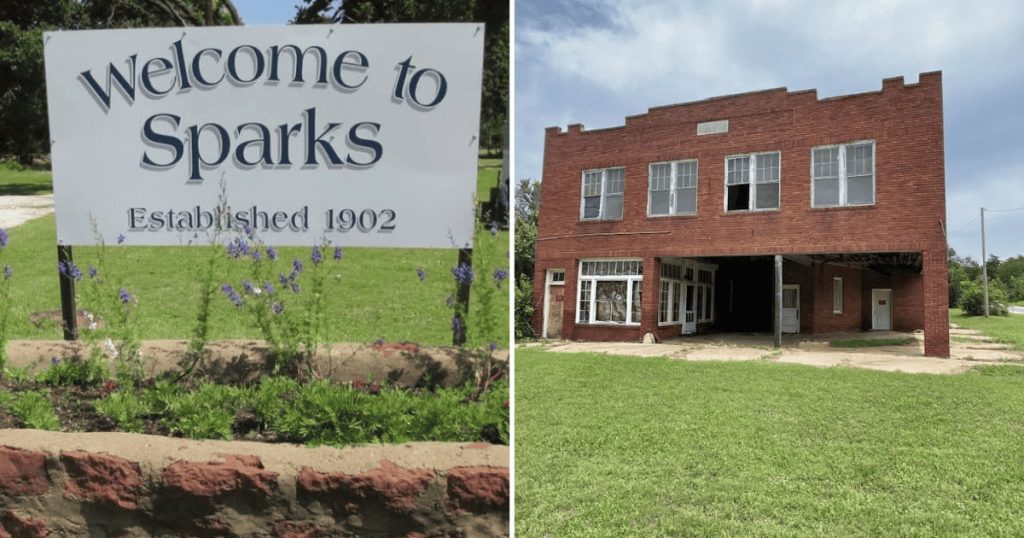
I’ve always had a soft spot for the towns nobody writes songs about.
Every state has its postcard destinations, the places that show up on bucket lists and Pinterest boards. But tucked between those famous stops are hundreds of small towns that simply… stopped.
Not dramatically, not all at once, just one missed payment and one empty storefront at a time.
There’s something about that quiet kind of decline that feels more honest than the dramatic ghost-town stories with gunfights and gold rushes. Most towns don’t die from a single tragedy. They fade because the world simply moved on without sending a forwarding address.
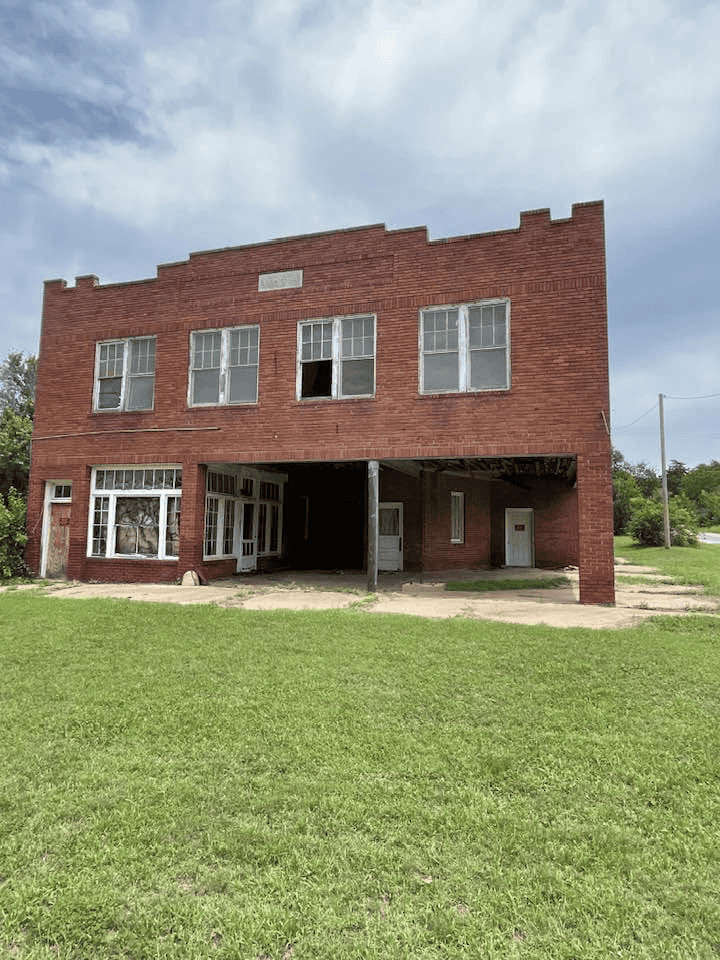
I think about this every time I drive through one of those towns on a long road trip, the kind with a single blinking caution light and a row of buildings that haven’t been open in years.
You start wondering who lived there, what they hoped for, and what it must feel like to watch your hometown shrink around you a little more each year.
In eastern Lincoln County, Oklahoma, sits a town that captures that slow fade about as well as any place I’ve come across. It’s small enough that you could drive through without noticing, and it holds a piece of trivia about Oklahoma that almost nobody would guess.
Born at a Railroad Junction
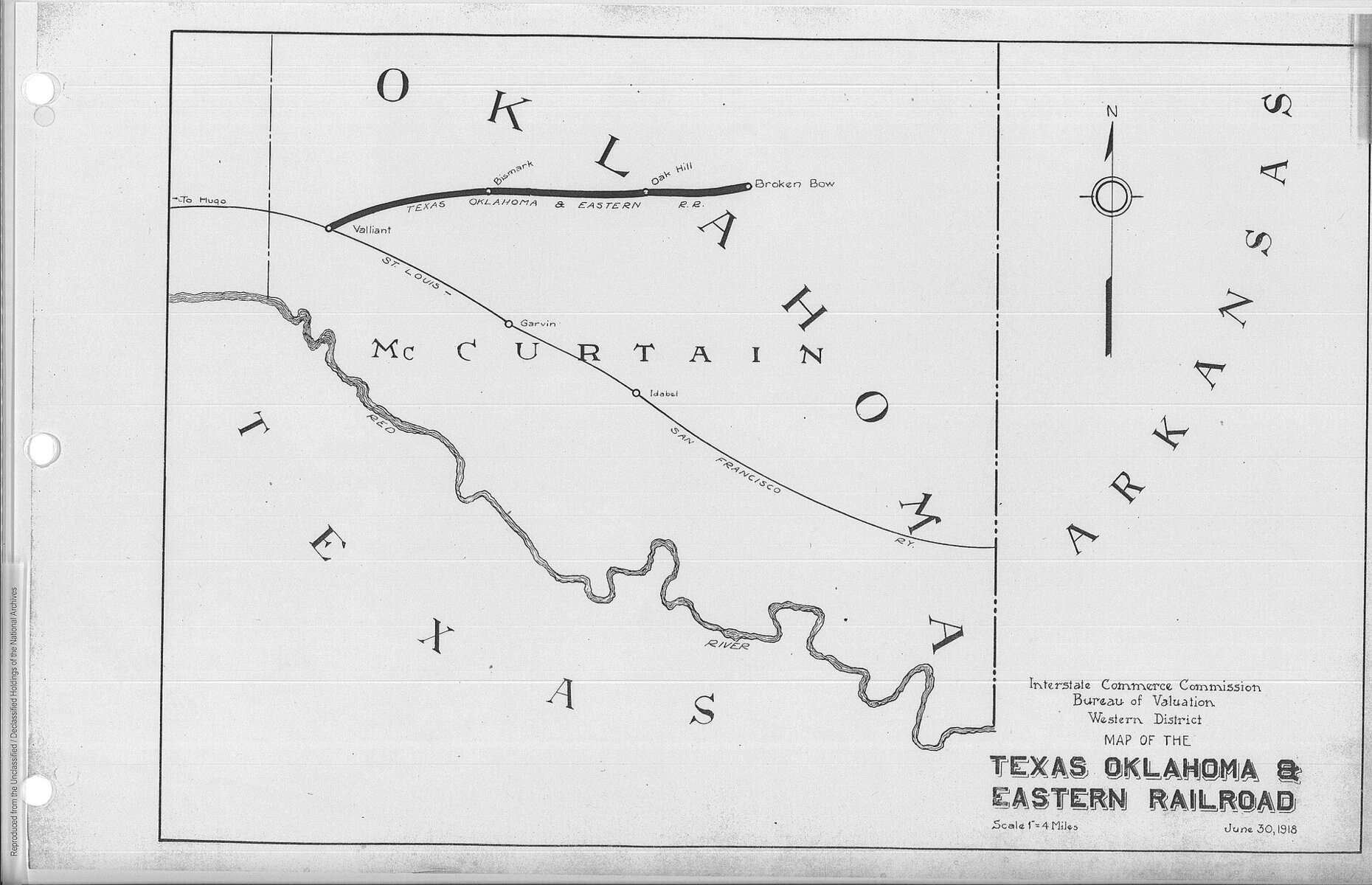
This town came into being in 1902, when two competing rail lines, the Eastern Oklahoma Railway and the Fort Smith and Western Railroad, were surveying their way across Lincoln County and decided to meet right here.
Wherever two rail lines crossed back then, a town tended to spring up almost automatically. Surveyors needed somewhere to plant a depot, and depots needed workers, and workers needed somewhere to live, eat, and buy supplies.
The settlement got its name from George T. Sparks, a director with the Fort Smith and Western Railroad, an honor that probably felt like a fitting tribute at the time. Few towns get named after a person, and even fewer keep that name long after the railroad itself stopped mattering.
A post office opened that same year, and the town grew fast. Within a few years, it supported roughly fifty businesses, two competing newspapers, and enough civic energy to feel like a place with a real future ahead of it.
By the time Oklahoma achieved statehood in 1907, the town had swelled to over 500 residents. That’s a number worth sitting with for a moment, considering what came next.
The Slow Bleed That Followed the Boom
Farm prices collapsed after World War I, and then the Great Depression hit a few years later, and together those two disasters started draining the town of the people who’d built it.
The population held reasonably steady through the 1920s and into the 1930s, dipping only modestly as families weighed their options. But the foundation underneath the town was eroding even when the numbers hadn’t caught up yet.
The last bank in town closed its doors in 1938. Rail service stopped the following year entirely, severing the exact connection that had given the town a reason to exist in the first place.
By 1940, the population had fallen by more than a third from its peak. The high school closed in 1957, a sign that families with children had largely already moved on to towns with more to offer.
The decline kept grinding forward, slow and steady, for decades after that.
By 1970, the population sat at roughly a third of what it had been at statehood, and there was no single crisis to point to, just the accumulated weight of decades without the railroad that had built the place.
A School Building That Became a Senior Center
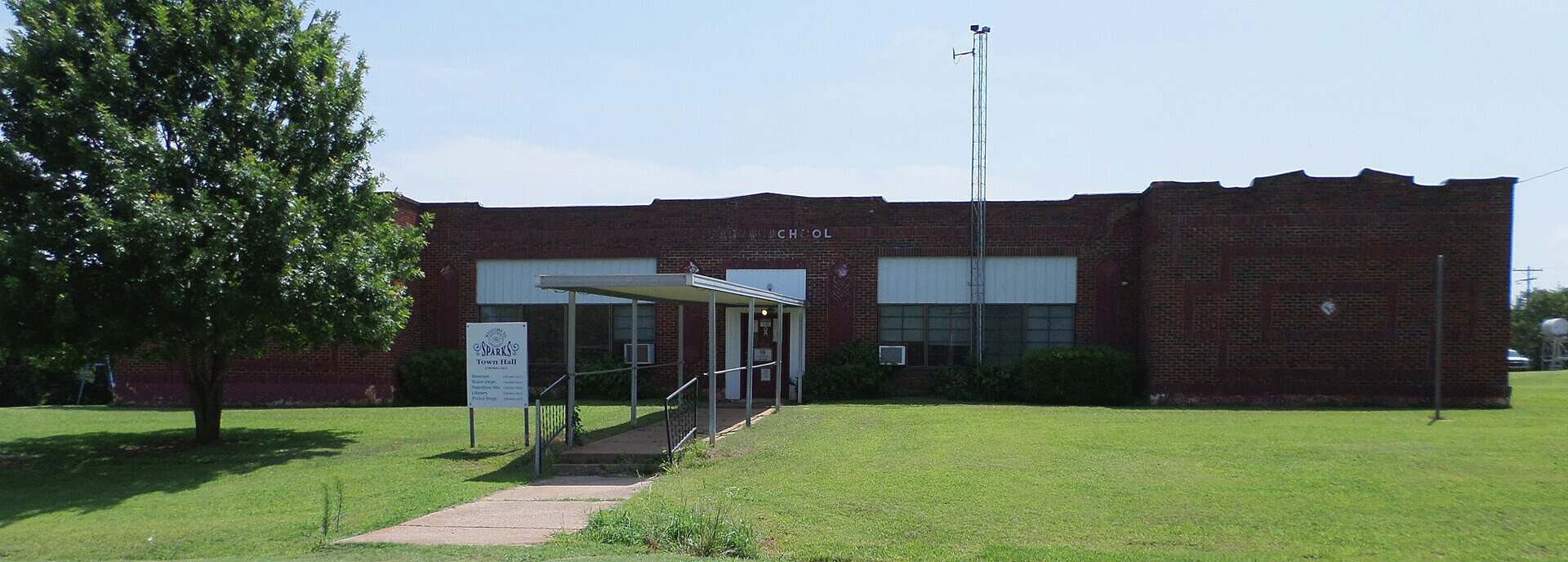
The grade school held on far longer than the high school, but it finally closed its doors in 1993, ending nearly a century of educating local kids in town.
A school closing rarely happens in isolation. It usually means the families who would have filled those classrooms have already left, or were never going to arrive in the first place. The building itself didn’t disappear, though.
Instead, the old schoolhouse found a second life as a senior citizens’ center and a small community library, a fitting transformation for a town whose population had grown considerably older than it once was.
There’s something quietly moving about that kind of repurposing. The building that once buzzed with the energy of children learning their multiplication tables became a gathering place for the people who remembered when it used to.
I think about my own hometown sometimes, about the school building that closed when I was young and how strange it felt to drive past it years later, repurposed into something else entirely. It’s a particular kind of nostalgia that only small-town kids really understand.
There’s an odd kind of comfort in knowing a building still serves its community even after its original purpose has quietly expired. The classrooms might be empty now, but the structure itself never stopped being useful. Somebody just had to imagine a new reason for it to matter.
Plenty of small towns across rural America have gone through this exact transformation, watching school buildings become senior centers, libraries, or community halls once the original student population dwindled past the point of sustainability.
It’s one of the small mercies of decline that the buildings themselves so rarely go entirely to waste.
The Geographic Heart of an Entire State
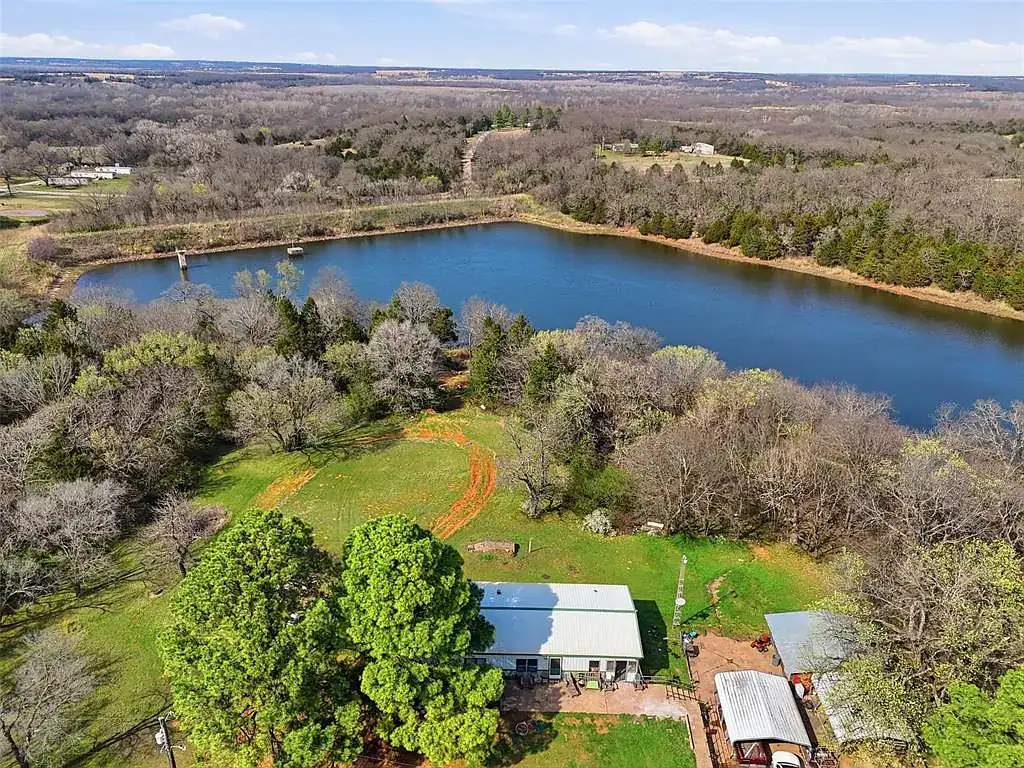
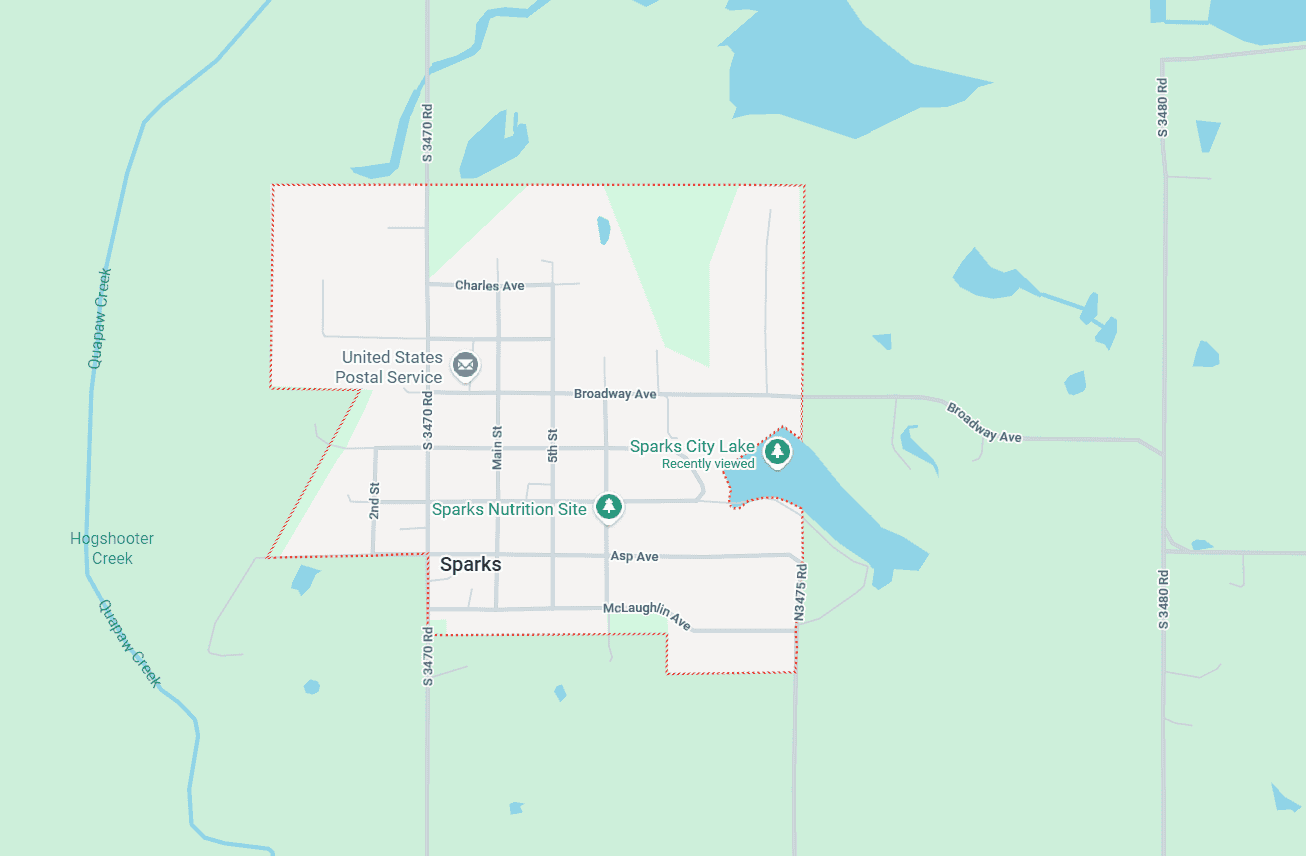
Here’s the detail that tends to surprise people the most: this unassuming little town happens to sit at the exact center of population for the entire state of Oklahoma.
That’s not the same as the geographic center, which is a separate point altogether. The center of population is a more specific calculation, the spot where a flat map of the state would balance perfectly if every resident weighed the same and stood at their home address.
Calculating that point requires the kind of statistical work that sounds impressive until you realize what it actually means in practice. It’s a quiet little badge of honor, the kind of fact that shows up in trivia contests rather than tourism brochures.
There’s an undeniable irony to it. A town that’s been quietly shrinking for the better part of a century holds the mathematical distinction of representing the average Oklahoman’s location.
It’s a bit like winning an award for showing up to work the longest after everyone else has already gone home for the day. Still, it’s the kind of detail that occasionally draws a curious traveler with a GPS unit and a sense of humor about geography.
Numbers That Keep Getting Smaller
The population dipped to 137 residents by the 2000 census, and the most recent count puts the number even lower than that, hovering somewhere in the low hundreds.
Reaching that kind of number after starting out with hundreds more residents tells its own story without needing much embellishment.
Roughly a quarter of the housing units in town now sit vacant, based on recent counts, a telling sign of a place that’s been slowly emptying out for generations.
What’s left is a small, aging population spread across a town built to hold considerably more people than currently live there. More than half of all households are made up of just one person, many of them older residents who’ve stayed through decades of gradual decline.
There’s no single villain in this story, no factory closure or natural disaster that explains the whole arc. It’s simply what happens to a railroad town once the railroad stops running through it, decade after decade.
No Grocery Store, No Gas Station, and a Handful of Reasons to Stay
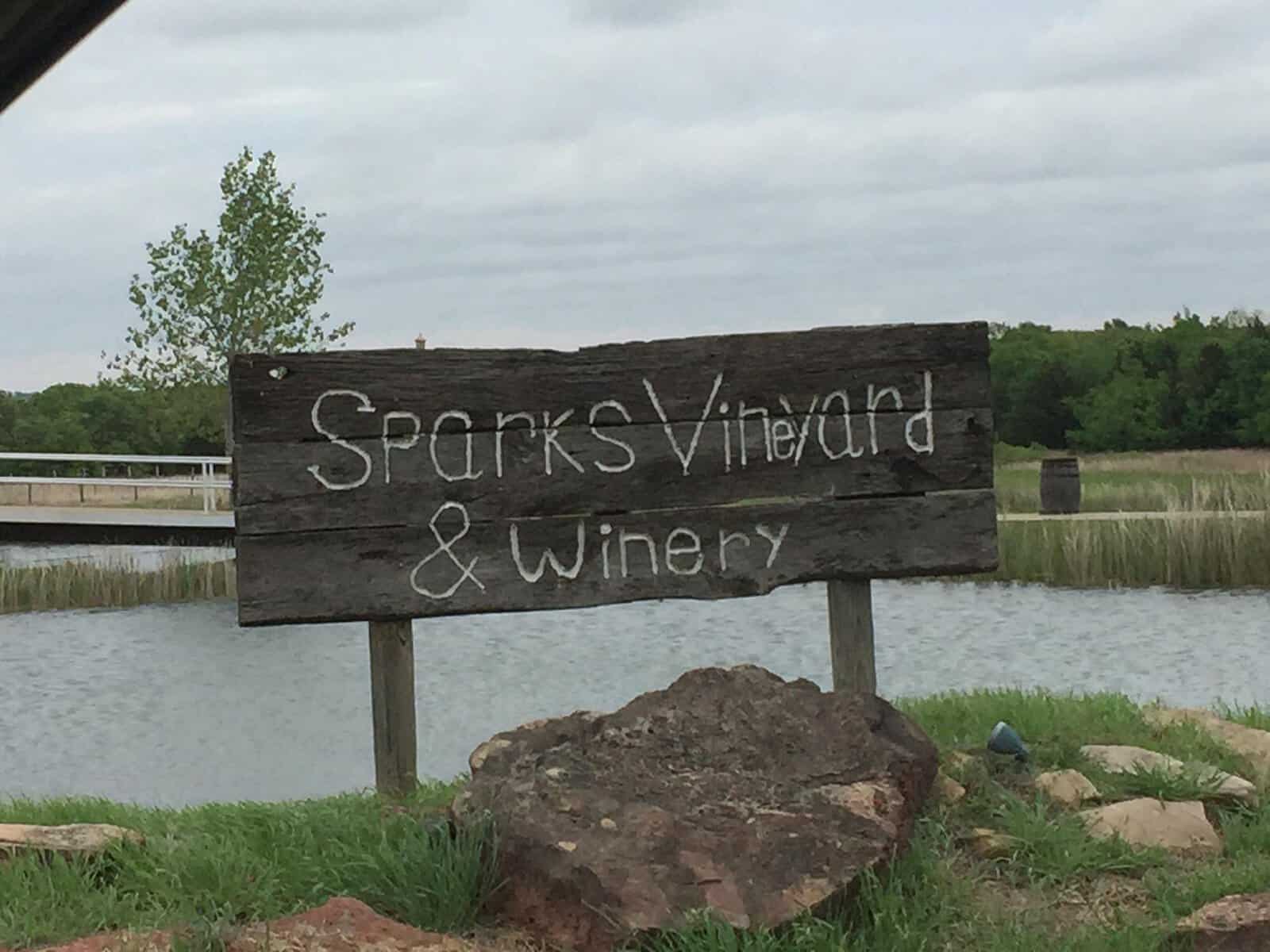
Today, there’s no grocery store, no gas station, and no restaurant within the town itself. Anyone living here drives elsewhere for the basics of daily life.
And yet people stay. A rural water district still serves local households, a volunteer fire department remains active, and a handful of churches continue holding services for whatever congregation still shows up on a given Sunday.
That’s the part of this story that resists the easy, tidy narrative of total abandonment. This isn’t an empty ghost town with nobody left. It’s a small, persistent community that has simply scaled itself down to match what remains.
Some residents likely stay because leaving would mean walking away from land that’s been in their family for generations. Others probably stay out of sheer stubbornness, the same prairie toughness that built half of Oklahoma’s small towns in the first place.
I respect that kind of staying power more than I can really articulate. There’s a particular kind of courage in choosing to remain somewhere everyone else has quietly decided to leave, especially when no one’s asking you to prove a point by doing it.
What Brings the Occasional Visitor Through
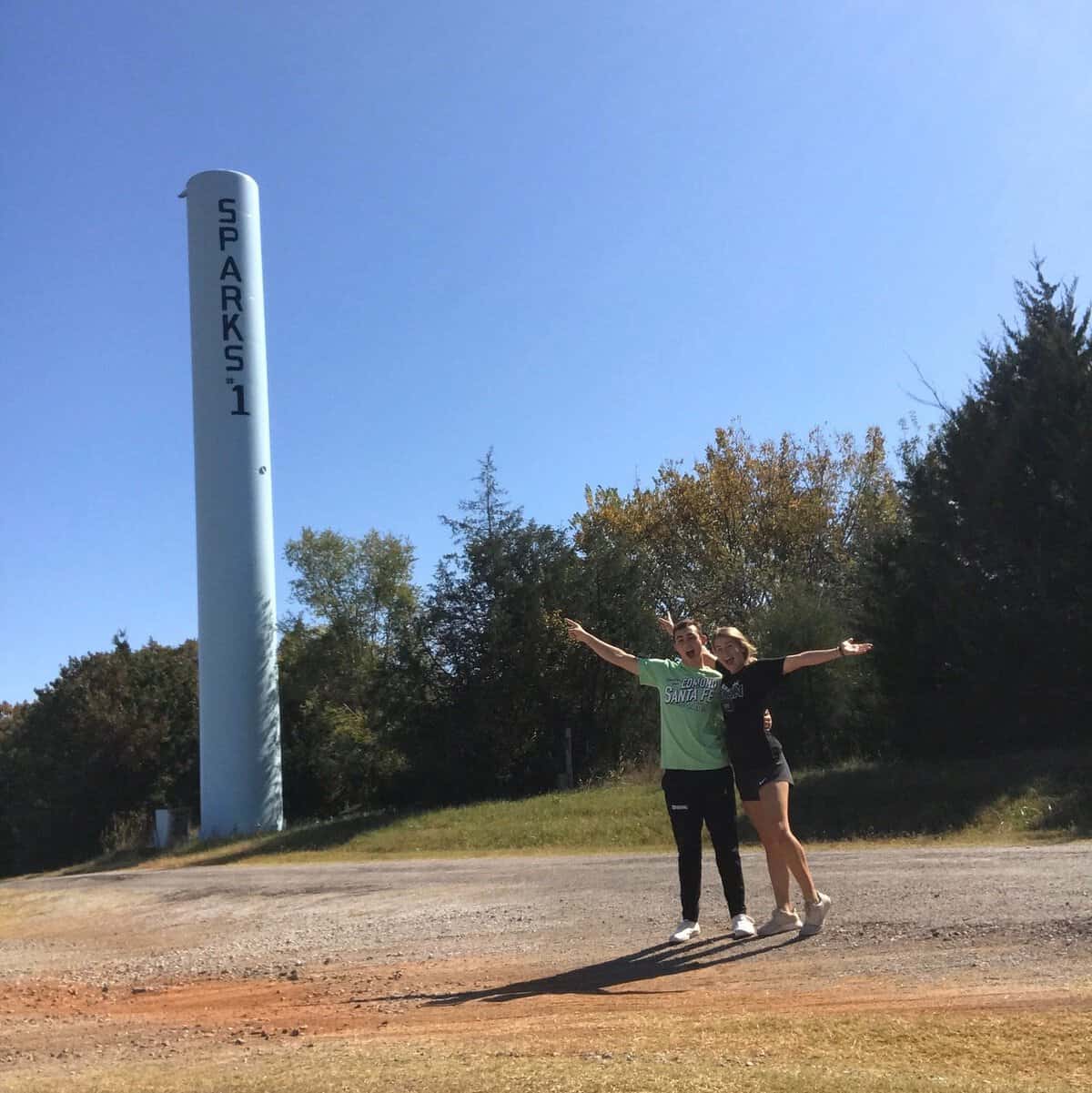
This isn’t a tourist destination in any traditional sense. There’s no museum, no scenic overlook, no historic district set up for visitors to wander through with a guidebook in hand.
What occasionally brings people through are the same impulses that draw travelers to ghost towns and fading railroad communities across the country: curiosity about American history, an interest in abandoned architecture, and the simple desire to see a place before it’s gone entirely.
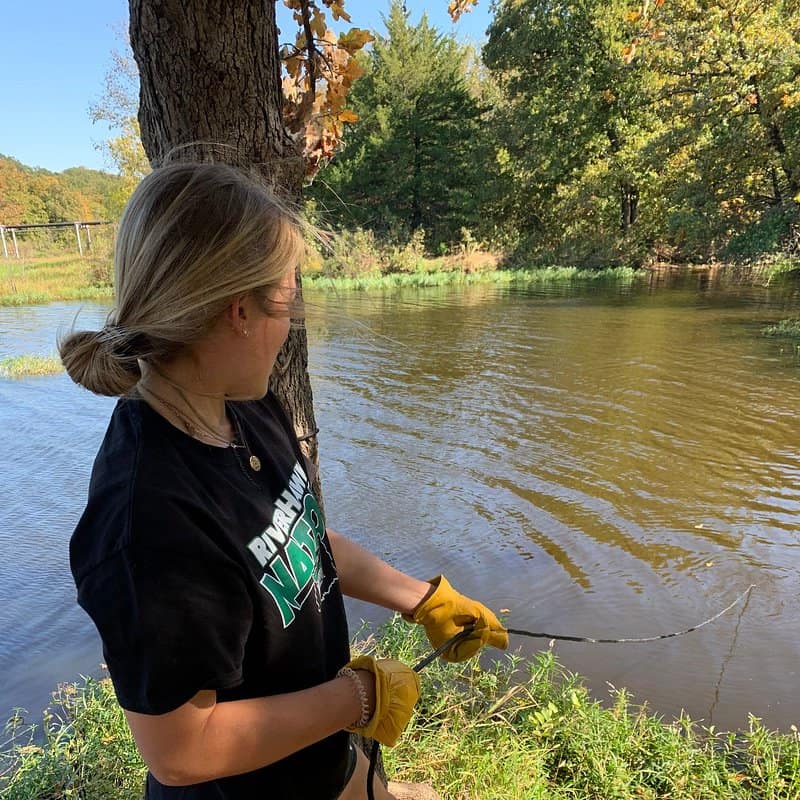
Photographers and history buffs sometimes make the trip specifically to document what remains of the original townsite, the handful of buildings that survived nearly a century and a quarter of slow decline. There’s a particular kind of beauty in structures that have outlasted their original purpose.
Genealogy researchers occasionally pass through as well, tracing family roots back to homesteaders who settled this stretch of Lincoln County after it opened to settlement in 1891.
For some families, this quiet, mostly-forgotten town represents the very beginning of their Oklahoma story.
A Town That Isn’t Asking to Be Saved
Reading through what’s been written about this place, you get the sense that nobody involved is holding out for some dramatic revival. There’s no festival being planned, no influencer discovering it as the next hidden gem, no celebrity buying up the old storefronts.
That absence of a comeback narrative is, in its own quiet way, kind of refreshing. Not every town needs a second act.
Some places simply settle into being smaller, slower versions of what they used to be, and the people who choose to stay seem to have made peace with that.
I don’t think that makes this town sad, exactly, though there’s certainly a wistfulness to its story. I think it makes it honest.
Most small towns across America aren’t waiting for a Hollywood ending. They’re just continuing on, one ordinary day at a time, regardless of whether anyone outside their borders is paying attention.
Worth the Detour
If you find yourself driving through Lincoln County between Meeker and Chandler, Sparks sits just a short distance off State Highway 18, easy enough to reach if you’re curious and have a few extra minutes.
There’s nothing here that requires advance planning or special access. It’s simply a town, quieter than it used to be, going about its business the same way it has for over a century.
What you’ll find isn’t a polished historical attraction. It’s something rarer and a little more honest: a genuine glimpse into what happens to American railroad towns once the trains stop coming, told not through a museum exhibit but through the buildings, the people, and the land itself.
Sometimes the most interesting places aren’t the ones built for visitors at all. They’re the ones that just kept existing, patiently, while the rest of the world found other things to pay attention to.
I think that’s ultimately the lesson worth carrying away from a place like this. We tend to measure towns the same way we measure people, by growth, by ambition, by whether they’re moving forward or falling behind some imaginary curve.
But not every place needs to be on an upward trajectory to matter. Some towns simply exist, year after year, holding their ground in whatever quiet way they can manage, and there’s a kind of dignity in that persistence that doesn’t always make it into the tourism brochures.
The next time you’re driving through rural Oklahoma and pass a town you’ve never heard of, with a population sign that looks like it hasn’t been updated in years, it might be worth a second look.
There’s usually more history packed into those small numbers than anyone driving past would ever guess.
More stories
10 Stunning National Parks in the U.S. That Will Remind You Why This Country Is Worth Exploring
These 7 Oklahoma Towns Have Historic Downtowns Worth Slowing Down For
These 10 Oklahoma Small Towns Have Landscapes That Will Make You Forget You’re In Oklahoma
These 5 Unexpected Oklahoma Towns Are Hiding Some Seriously Good Adventures
Share this story