This Oklahoma Family Farm Turns One Weekend a Month Into a Local Institution

I grew up going to church potlucks where half the parking lot was gravel, and the other half was just grass that had been mowed short enough to call a lot.
There’s a particular kind of meal that only happens in places like that. Long tables. Buffet pans with handwritten labels. Someone’s grandmother’s cobbler recipe sitting three trays down from the green beans.
You don’t find that experience in most restaurants anymore, because most restaurants aren’t trying to recreate a family reunion. But every third Friday and Saturday of the month, a working fish farm outside Inola, Oklahoma quietly pulls it off anyway.
I think there’s something almost rebellious about a place that refuses to be open every day. In a world where every restaurant fights to maximize its hours and turn the most tables possible, choosing scarcity on purpose feels like a quiet act of confidence.
Moore’s Fish Farm has been raising catfish on the same family land for generations. A few decades ago, that same family started frying up their fish and inviting the whole region to come eat it.
What started as a side project has become the kind of standing monthly date that locals build their calendars around, and the kind of drive that out-of-towners eventually start making a habit of too.
A Family Farm Long Before It Was a Restaurant
This story starts well before anyone was thinking about buffet lines or fried catfish. The land near Inola has belonged to the same family since the early years of the last century.
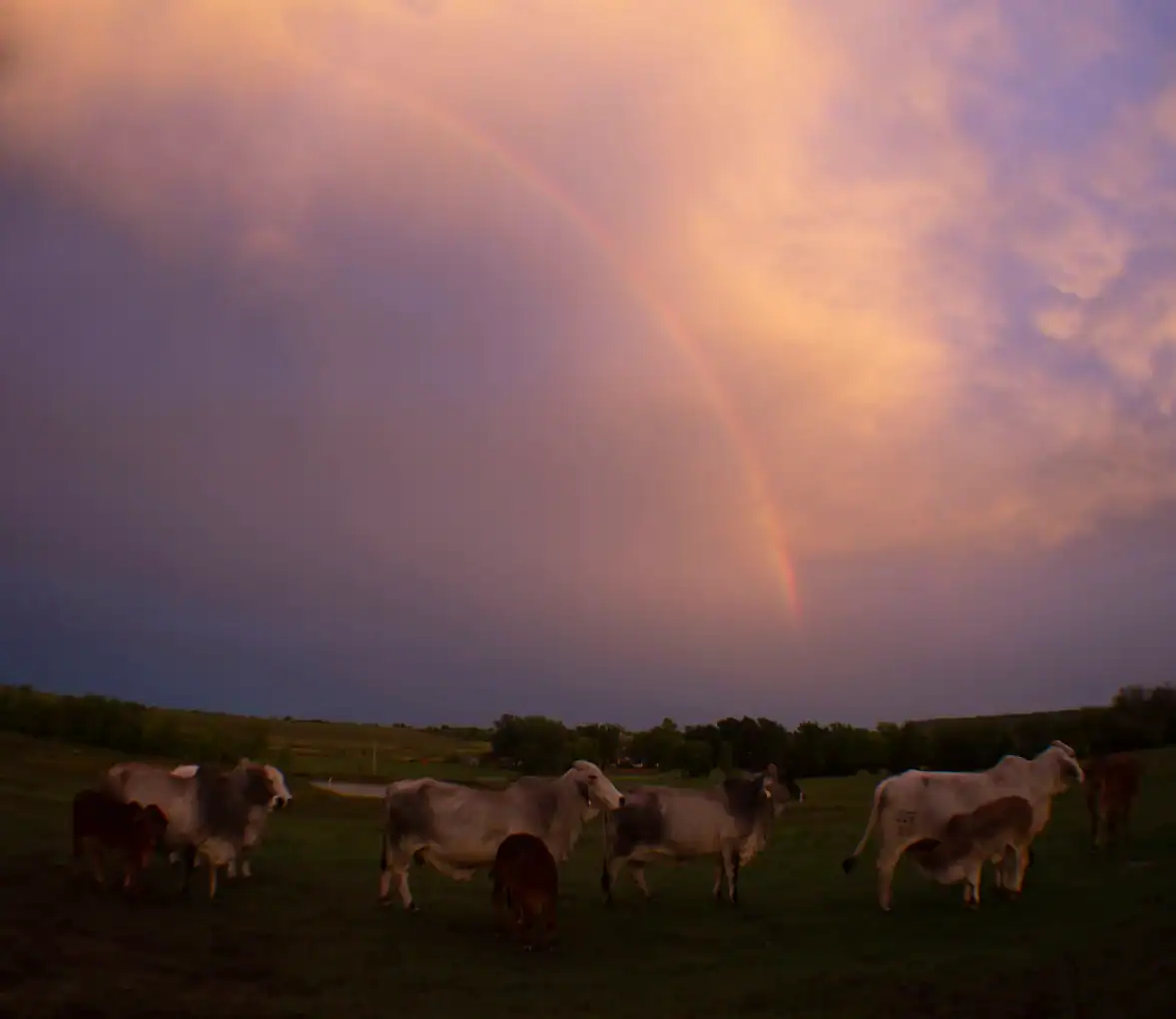
By the 1950s, two brothers on that land, Bob and George Moore, had what most of their neighbors probably considered a slightly odd idea. Alongside their usual cattle and row crops, they decided to start raising channel catfish.
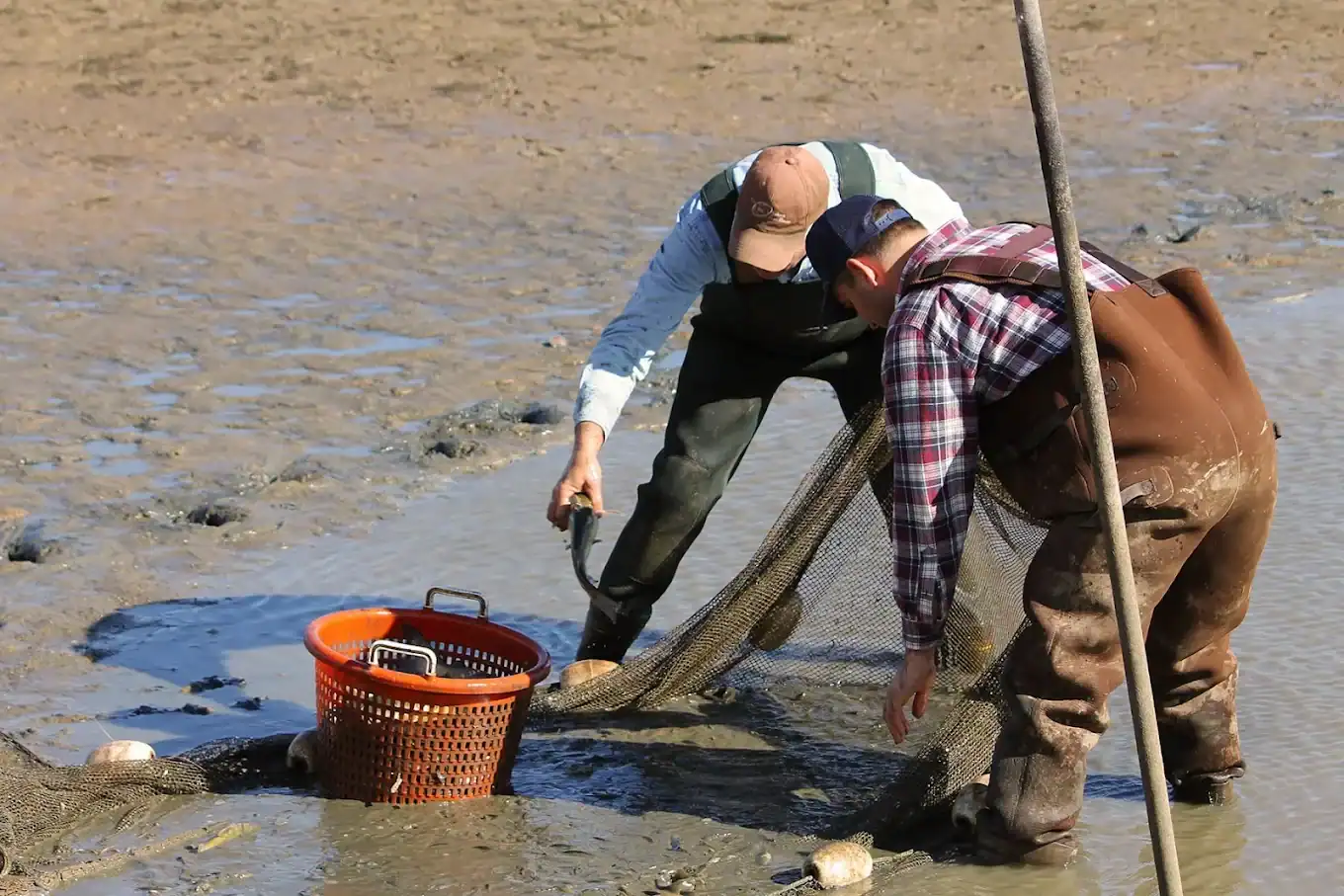
That decision turned out to be a good one. The brothers built out ponds and channels on the property, and the fish farming side of things grew steadily alongside the rest of the operation.
Eventually, the brothers split their shared land to run separate ventures of their own. George kept the original fish farm going, along with the cattle operation that’s reportedly still part of the property today.
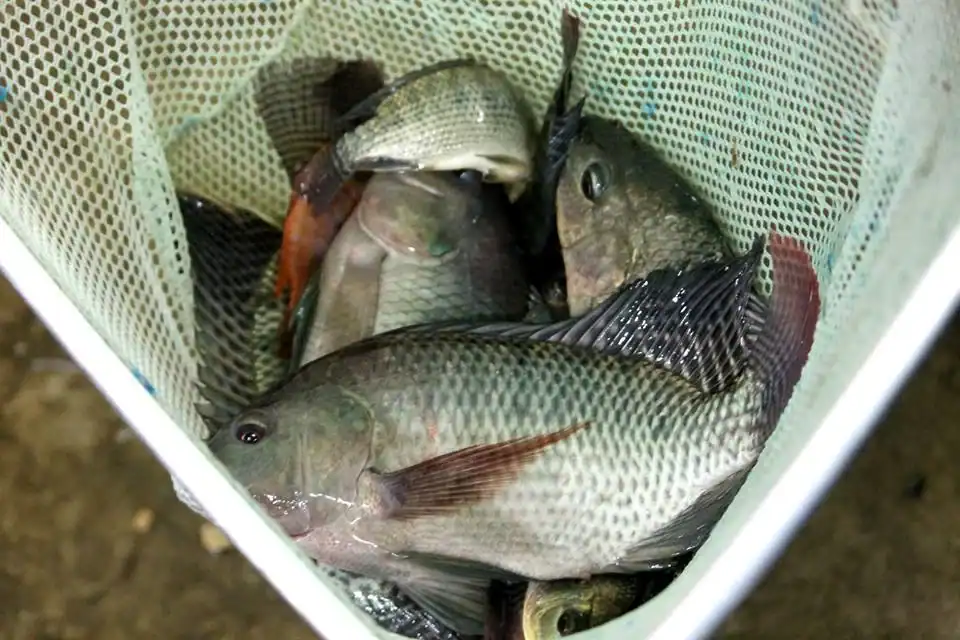
Under George’s direction, the farm expanded its species list well beyond catfish, eventually raising bluegill, bass, minnows, and crappie for pond stocking customers across the region.
When George passed, his daughter Dianna and her husband, Dewayne, took over the family business in the late 1990s. It’s their branch of the family that eventually decided to start frying up fish for the public.
Today, the farm is reportedly in its third generation of family ownership, with Dianna and Dewayne’s own children and grandchildren now involved in keeping both the fish farm and the restaurant running.
The Fish Fry That Became a Monthly Ritual
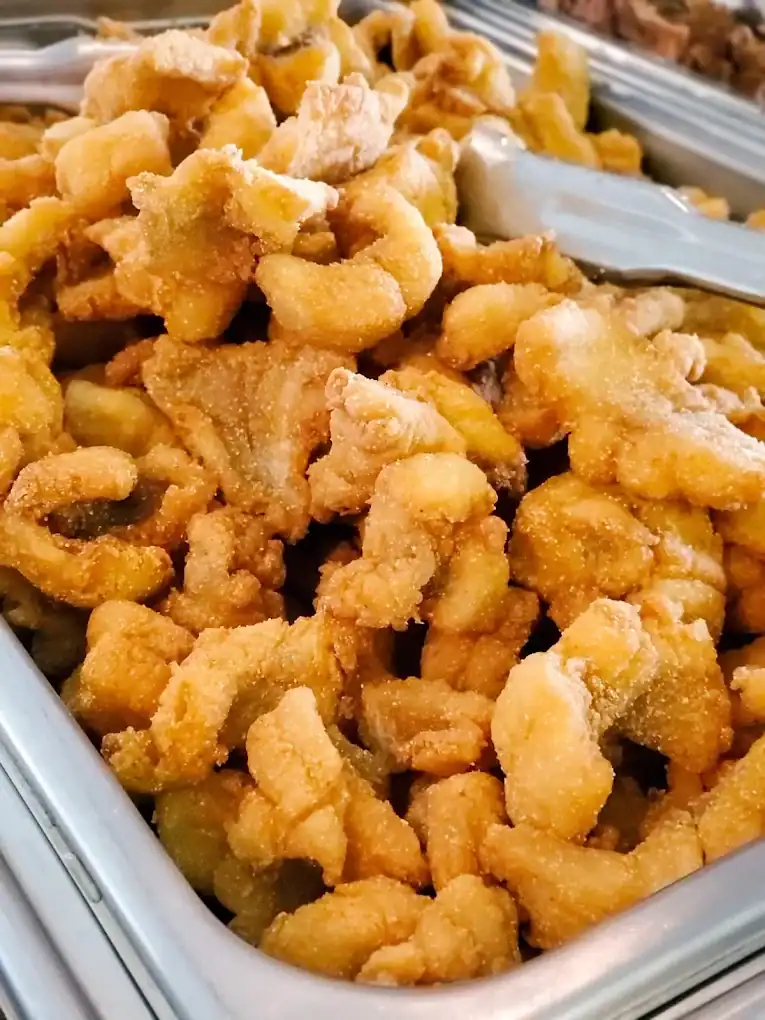
The restaurant side of Moore’s Fish Farm runs on a deliberately limited schedule: the third Friday and Saturday of every month, all year round, rain or shine.
That kind of scarcity tends to build real devotion. Regulars don’t think of this as a restaurant they could visit anytime. They think of it as an appointment they keep with their community once a month, like clockwork.
One longtime visitor described finally discovering the place despite having lived in the area for decades, immediately setting calendar reminders so she’d never miss another fry again.
Another guest mentioned that her husband treats the monthly fry almost like a holiday, looking forward to it specifically because it only comes around once a month rather than being available any old weeknight.
That rarity seems to be part of the charm rather than an inconvenience. Reviewers consistently describe planning their schedules around the third weekend, treating a missed month as a genuine disappointment worth correcting next time.
Fresh Catfish, Straight From the Source
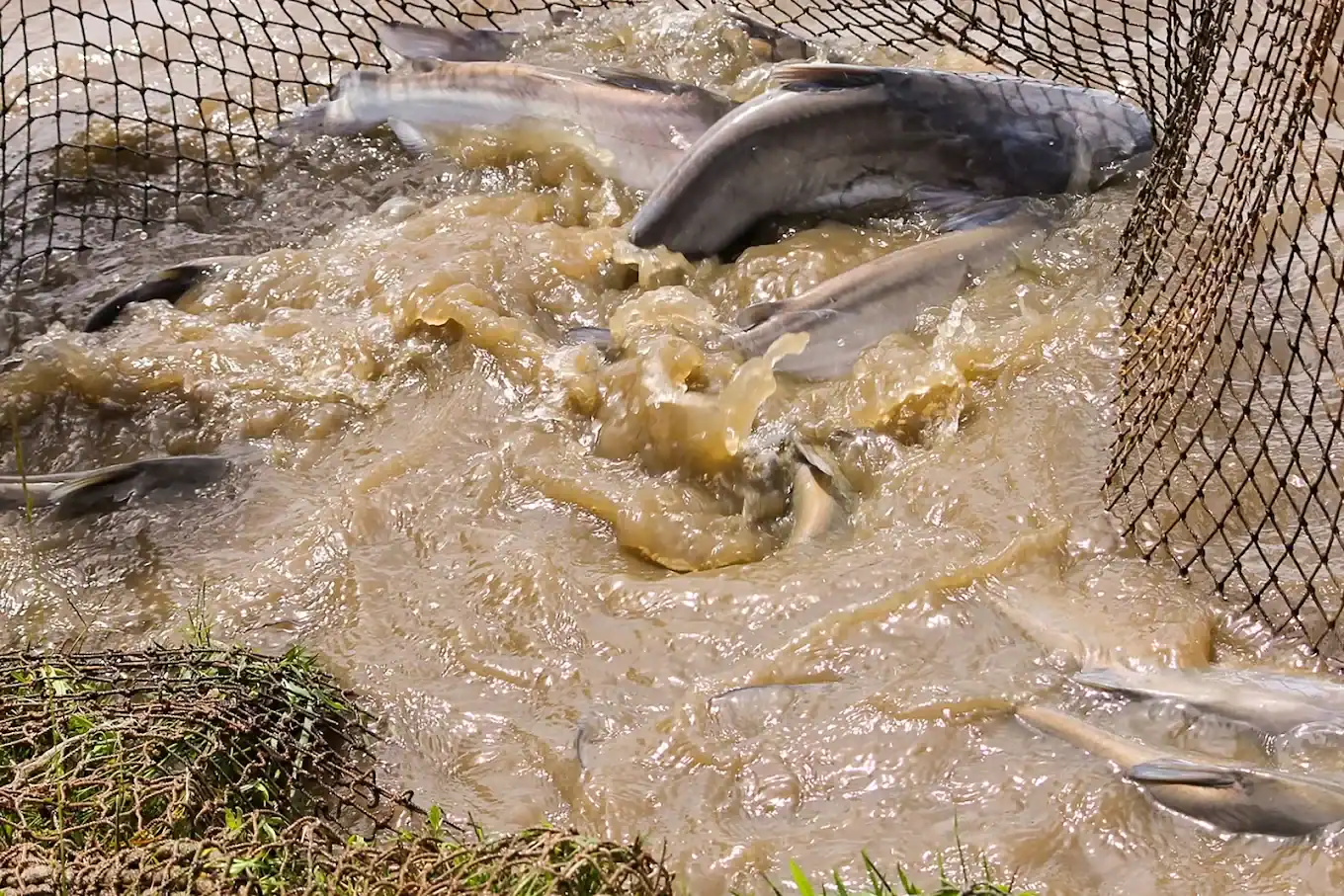
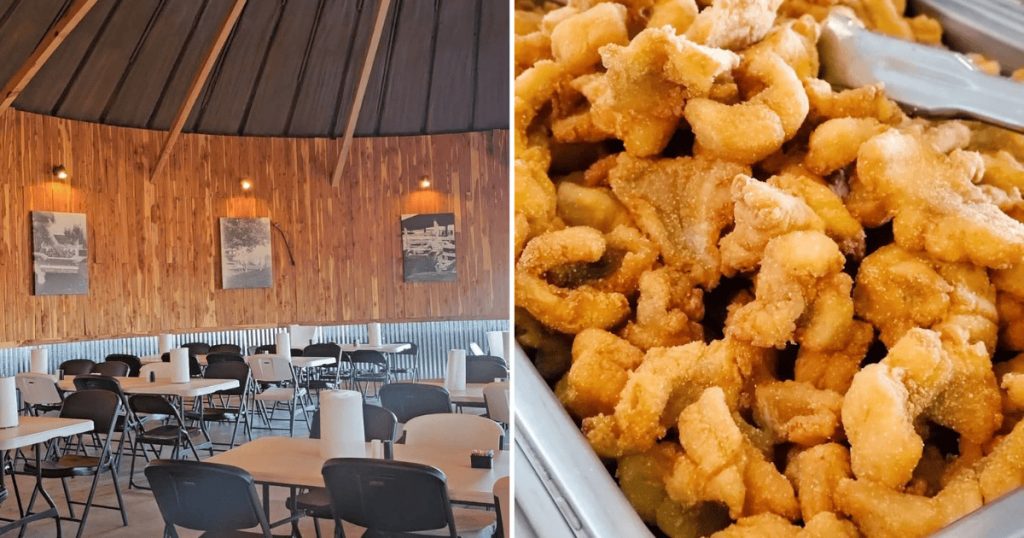
It’s hard to overstate how directly connected this restaurant is to its food supply. The catfish served here comes straight from the same ponds visible right outside the dining room windows.
One reviewer who specifically sought out fresh catfish called it exactly what he expected from an on-site fish farm: a crispy, clean batter wrapped around fish that had clearly been raised and prepared with real care.
He went on to call it the best fried fish he’d found anywhere in the state, a bold claim in a region with no shortage of fish fry competition.
Another longtime local put it simply: you genuinely cannot get catfish any fresher than what comes out of this kitchen, given that the fish are swimming in a pond a few dozen yards from your table until shortly before they’re fried.
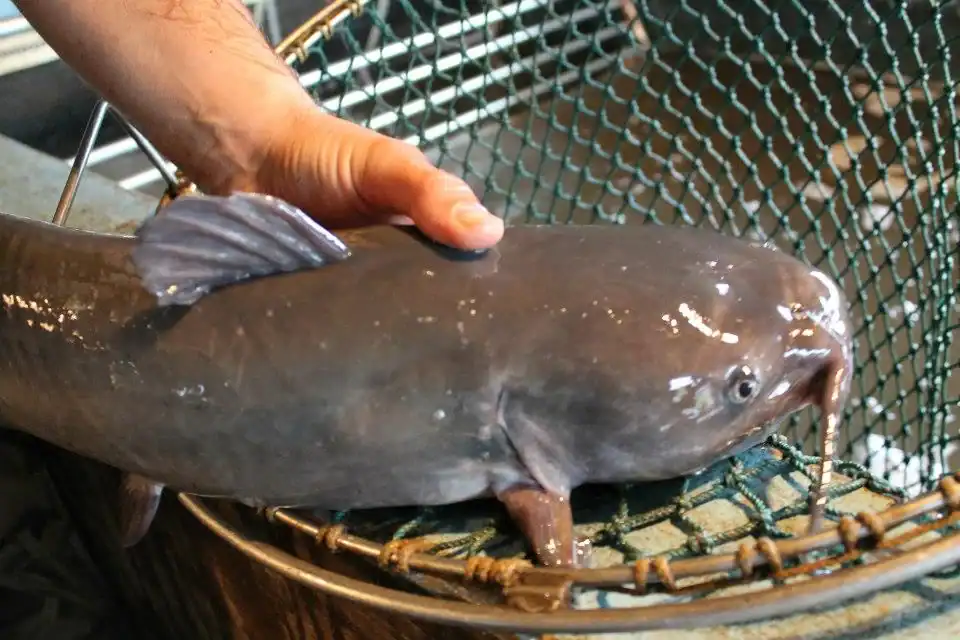
That farm-to-table pipeline, long before the phrase became trendy elsewhere, gives the whole meal a sense of place that’s difficult to fake. You’re not just eating fried fish. You’re eating fish that never had to travel anywhere to reach your plate.
There’s something quietly remarkable about that kind of proximity in an era when most restaurant ingredients have already traveled hundreds, sometimes thousands, of miles before they ever touch a fryer. Here, the entire supply chain is visible from your table.
I think that visibility changes how a meal tastes, even if only psychologically. Knowing exactly where your dinner came from, watching the pond ripple outside the window while you eat, adds a layer of trust that no amount of clever menu language could ever replicate.
A Buffet Built Like a Family Reunion
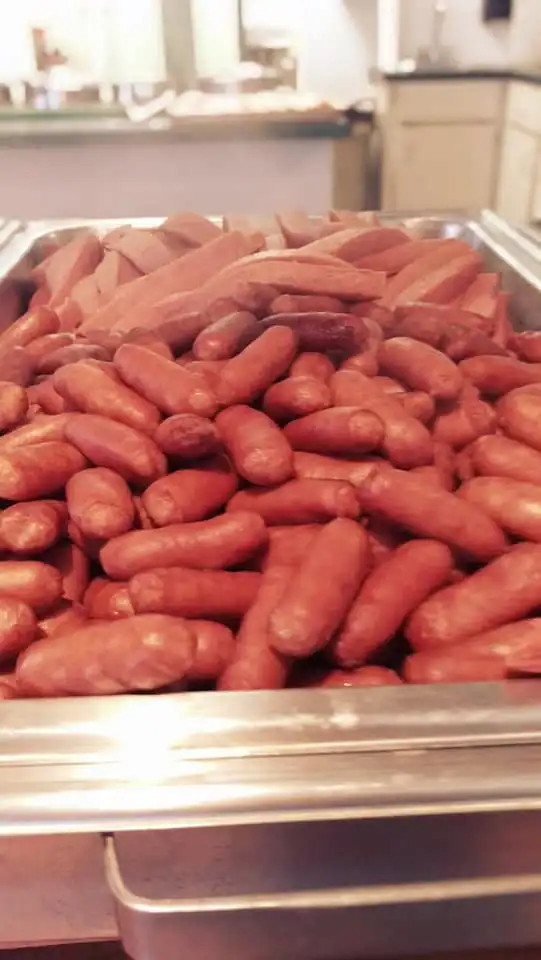
Beyond the catfish itself, the spread here reads like a checklist of classic Southern and Oklahoma comfort food, served buffet style with seemingly endless refills.
Smoked bologna and pulled pork round out the protein options for anyone not strictly there for fish, alongside sausage links for those craving something heartier.
Sides fill out the rest of the buffet pans generously: mashed potatoes, French fries, hush puppies, coleslaw, potato salad, corn, beans, macaroni and cheese, and cornbread, all working together to leave very little room on most plates.
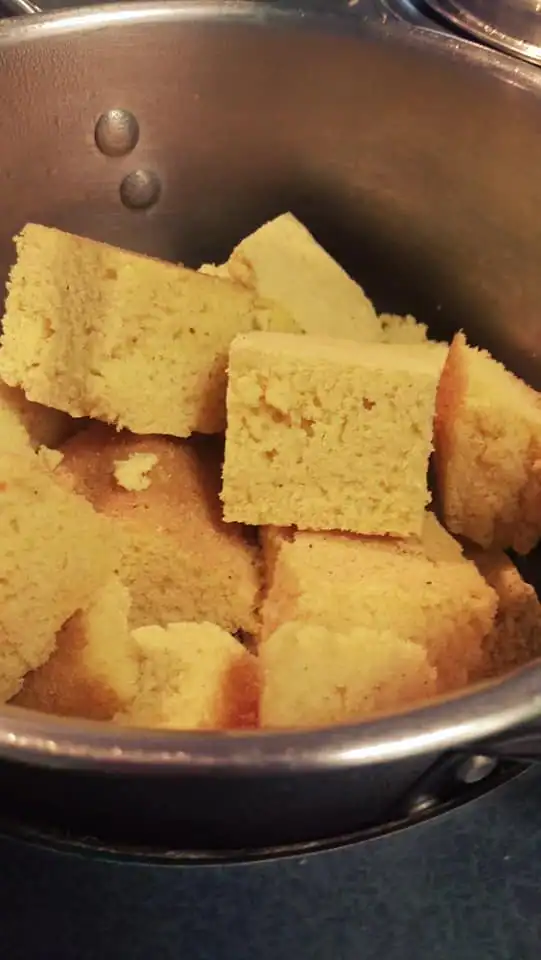
One reviewer described loading up on fried fish, pulled pork, and barbecue bologna before realizing there was still an entire second wave of sides waiting to be discovered, joking that the food just kept coming.
A dedicated dessert table caps off the whole buffet, with cobblers, cakes, and other homemade sweets that more than one reviewer specifically called out as worth saving room for, even after a generous main course.
One visitor singled out a cherry cobbler topped with coconut and pecans as the perfect ending to an already satisfying meal, noting it lived up to the same high standard set by everything else on the buffet line.
The Grain Bin Addition Gives the Place Extra Character
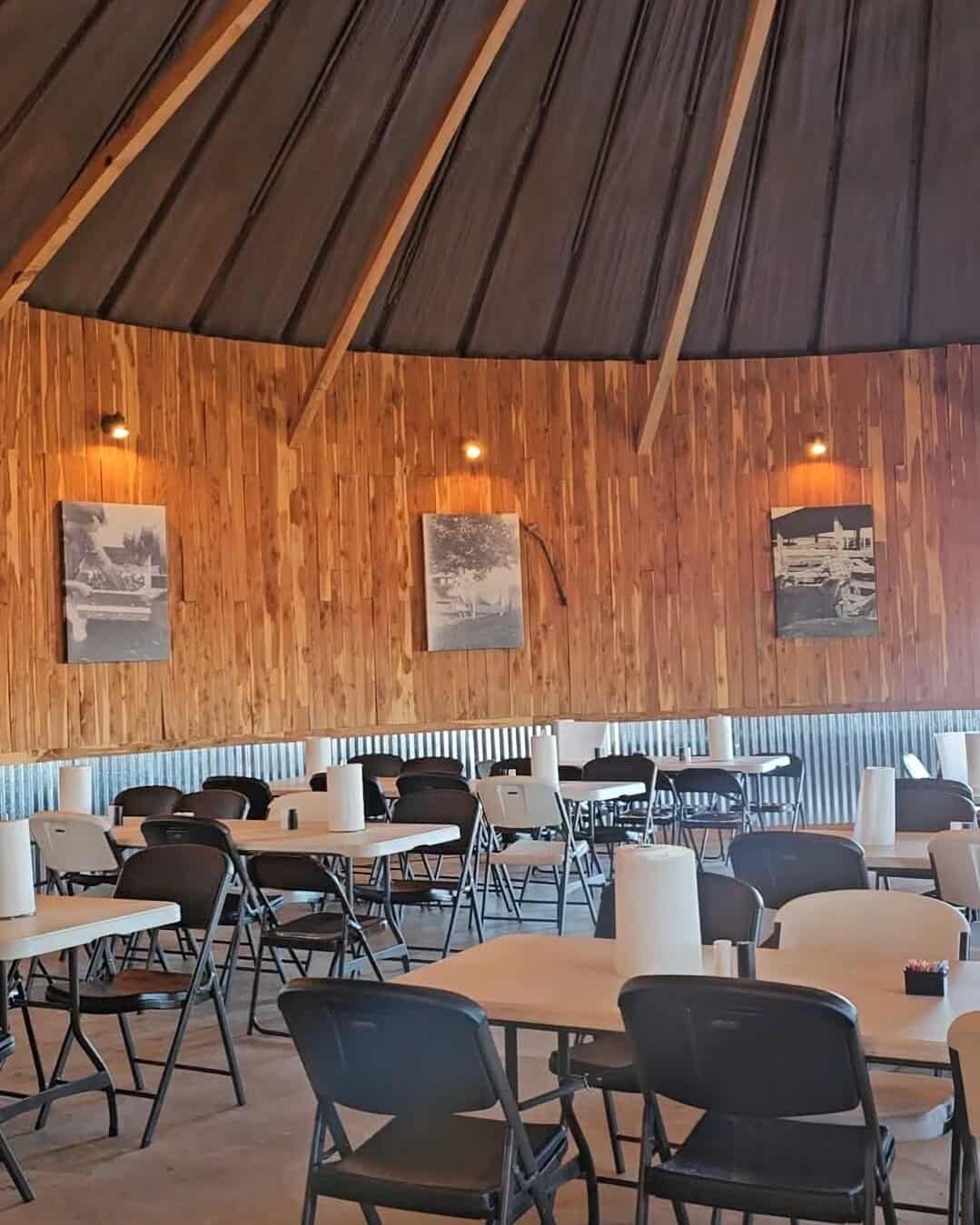
As the fish fry’s popularity grew over the years, the family expanded the dining space to keep up, adding a section built inside a converted grain bin right alongside the original restaurant.
That kind of practical, make-do expansion feels right at home on a working farm. Rather than building something generic, the family repurposed a piece of their own agricultural history into extra seating.
One visitor specifically mentioned the new addition during a return trip, noting how beautifully it had been finished, right down to tin buckets repurposed into light fixtures throughout the space.
That kind of detail, turning old farm materials into charming decor rather than throwing them away, captures something genuine about the whole operation. Nothing here feels manufactured or themed for effect. It’s simply farm life, dressed up just enough for company.
Long Lines That Don’t Feel Like a Hassle
Given how popular the monthly fry has become, a wait is more or less guaranteed, especially if you arrive right around opening time on a Friday evening.
Multiple reviewers mention arriving by mid-afternoon only to find the place already busy, with lines that stretch out before the doors even officially open for the evening.
But the consensus among regulars is that the wait is part of the experience rather than a flaw in it. “Bring your patience,” one visitor advised, “but it’s worth the wait.”
Another guest who showed up around 4:30 in the afternoon described the place as already busy, but added without hesitation that it was worth every minute spent waiting in line once the food finally arrived.
The advice that comes up again and again in reviews is simple: get there before the doors open if you want to skip the longest stretch of the wait, since the crowd only builds as the evening goes on.
More Than Just a Restaurant
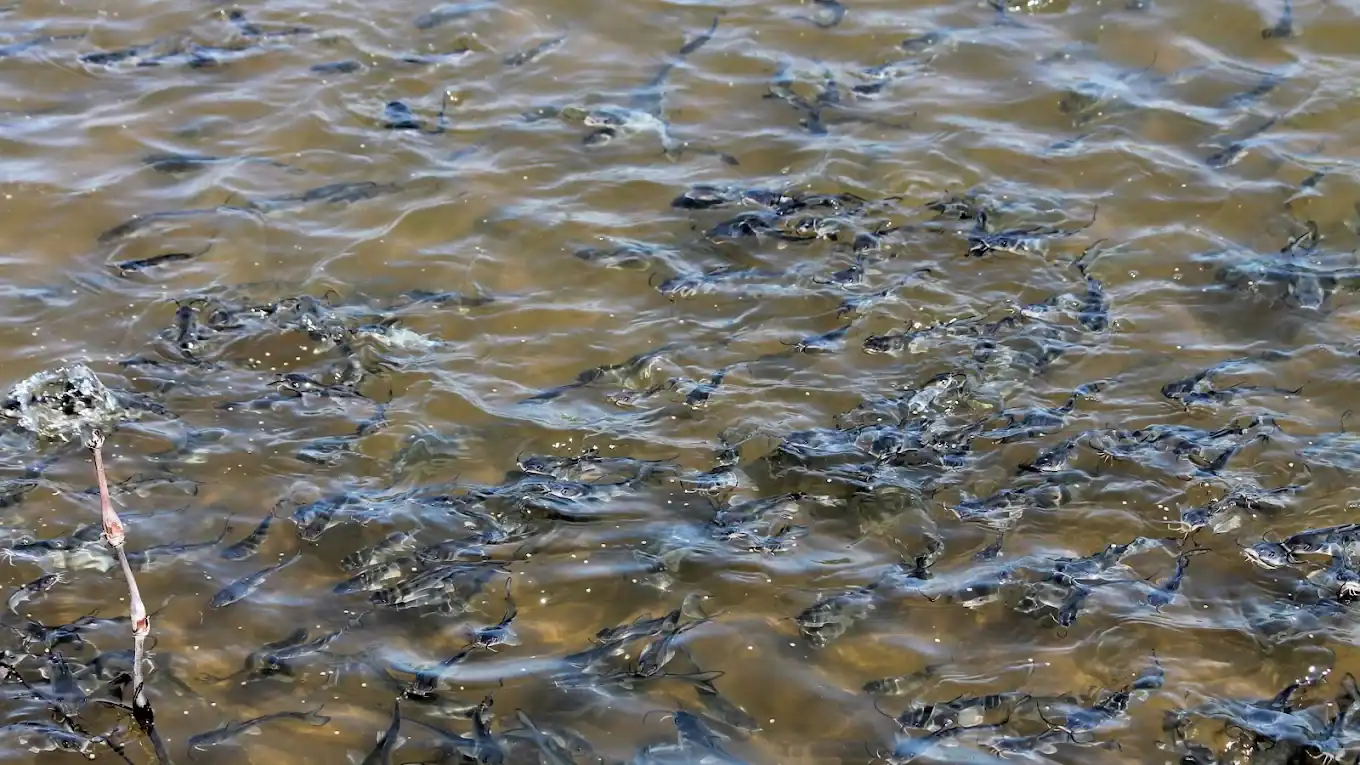
While the fish fry draws the biggest crowds, the farm’s original purpose, raising fish for pond stocking, remains very much alive and central to the business.
Customers regularly drive out specifically to purchase live fish for stocking their own ponds back home, working directly with family members who know the inventory and the land intimately.
One customer described being walked around the farm personally, with the family member showing him the ponds and patiently answering every question he had about the fish and the operation as a whole.
Another reviewer who purchased koi for a newly remodeled backyard pond described the fish as healthy, vibrant, and settling into their new home beautifully, calling them new members of the family.
Several customers mention ongoing relationships built over multiple purchases and phone calls, with one specifically praising a family member’s willingness to go above and beyond every time he’s called with a question, even outside of any actual transaction.
That dual identity, equal parts working fish farm and beloved community restaurant, gives the whole operation a kind of authenticity that’s hard to manufacture. The fry didn’t start as a marketing gimmick. It grew naturally out of decades of actually raising fish on that land.
Church Groups, Birthdays, and Generations at the Same Table
Scroll through enough reviews, and you’ll notice how often this place shows up as the backdrop for something more than just dinner.
Birthday celebrations come up constantly, including one visitor who described winning two free meals and using the prize to treat her husband to a birthday dinner he still talks about.
Church groups and extended families regularly book out whole sections of tables, turning a single evening into something that feels closer to a reunion than a typical restaurant visit.
One reviewer compared the entire atmosphere to exactly that, a family reunion or a church banquet, rather than a standard dinner out.
Grandparents bringing grandchildren, longtime friends catching up over fried catfish, road-trippers discovering the place for the first time and immediately planning a return visit, the through-line in nearly every review is the same: this is a place people keep coming back to, often bringing someone new along each time.
Worth the Drive From Tulsa and Beyond
Inola sits a comfortable drive from Tulsa, close enough to make this an easy evening trip without requiring an entire day set aside for the journey.
Several reviewers specifically mention making the drive from town, treating it as a worthwhile country outing rather than an inconvenience, with the scenic route itself becoming part of the appeal.
One visitor compared the experience favorably to another well-known regional fish house, noting that this option offered the same quality without requiring nearly as long a drive to reach.
For anyone exploring the greater Tulsa area on a weekend trip, timing a visit to land on the third Friday or Saturday of the month is well worth the minor scheduling effort it takes.
Planning Your Visit
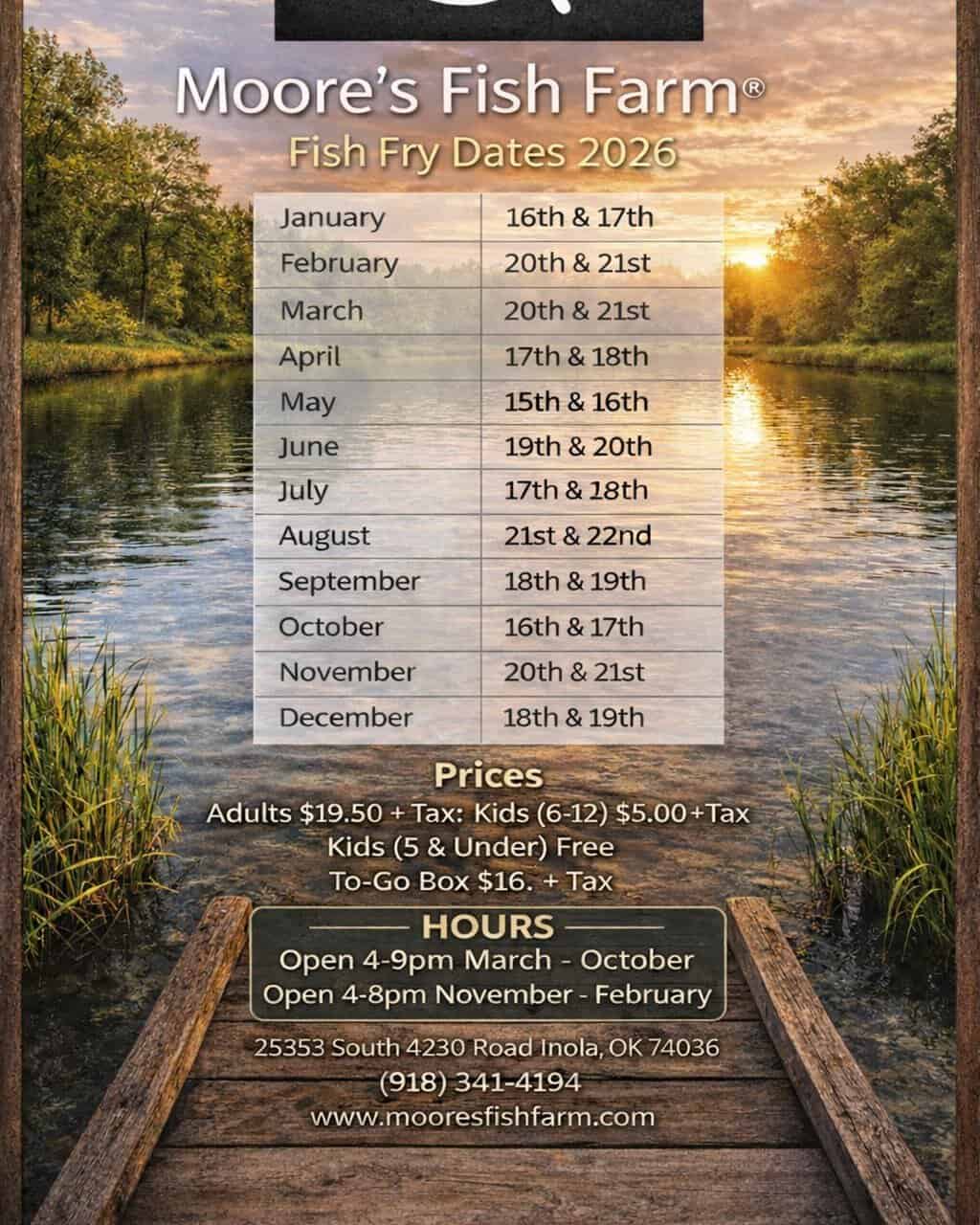
Since the fry only happens on that specific third weekend each month, double-checking the calendar before making the drive out is a smart move, especially if you’re coming from a real distance.
Arriving early remains the single most repeated piece of advice across reviews, whether that means showing up right at opening or simply allowing extra time for what’s likely to be a steady, friendly line.
Beyond the fry weekends, the fish farm itself keeps regular business hours for anyone interested in purchasing live fish for pond stocking, with staff on hand to help match the right species to your particular pond setup.
Getting There
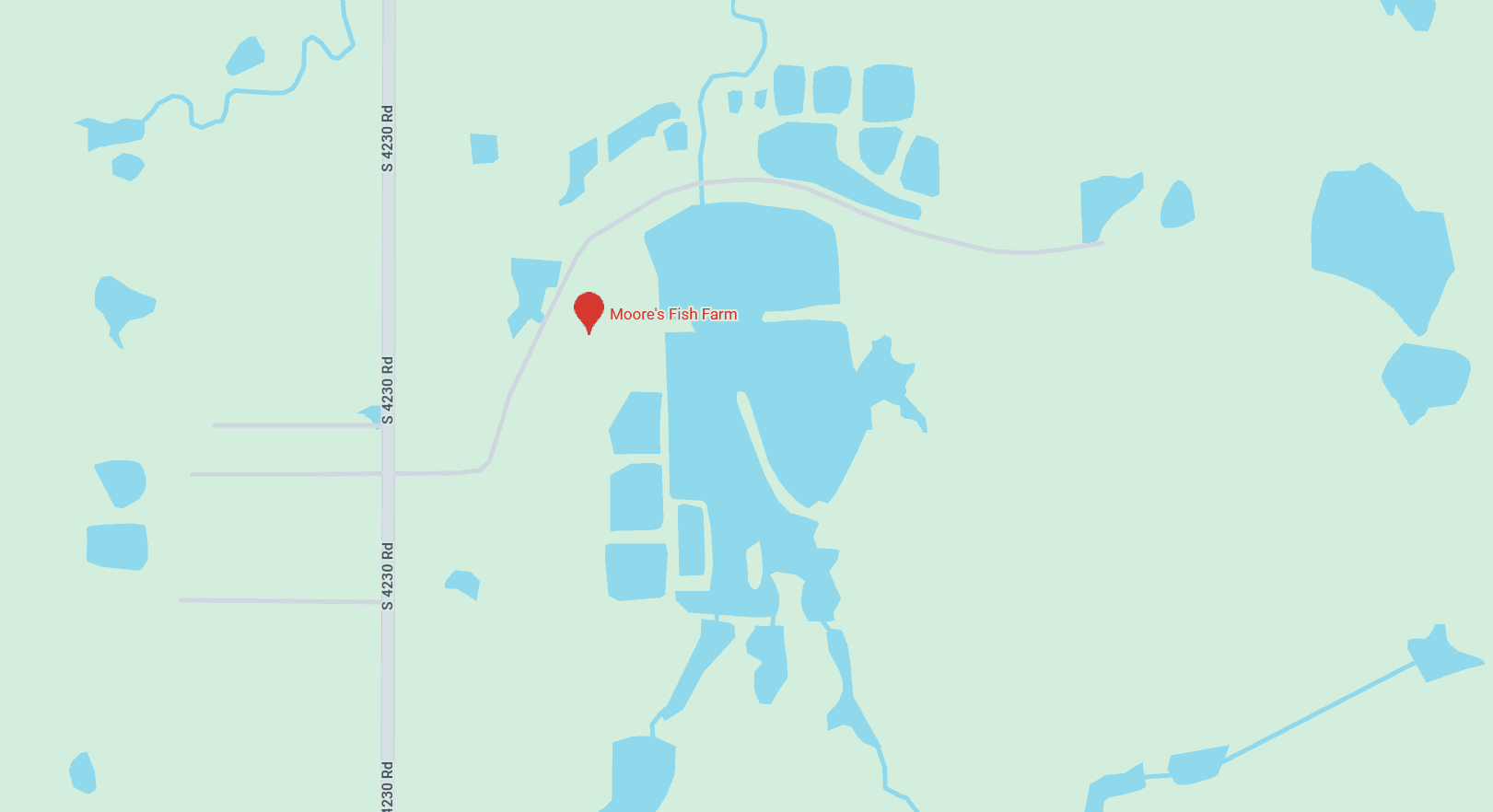
Moore’s Fish Farm sits along South 4230 Road outside Inola, Oklahoma, tucked into the kind of quiet countryside that makes the destination feel like a genuine escape from city life.
The pond views from inside the dining room add their own quiet charm to the visit, with more than one reviewer mentioning the scenery as a peaceful bonus alongside the food itself.
If you’ve never made the trip before, the third Friday of next month is as good a place to start as any. Go hungry, bring some patience for the line, and don’t skip the dessert table.
Whatever you do, don’t be surprised if you find yourself checking the calendar for the next third weekend before you’ve even made it back to the highway.
That’s really the whole appeal of a place like this. It doesn’t need flashy branding or a clever gimmick to keep people coming back. It just needs fresh fish, generous portions, and a room full of people who treat strangers like neighbors.
Decades after two brothers decided to try their hand at raising catfish alongside their cattle, that same small idea has grown into something that brings an entire region together, one third weekend at a time.
It’s the kind of place that proves a good idea doesn’t need to be complicated to last. Sometimes it just needs fresh fish, a few long tables, and a family willing to keep showing up, month after month, for as long as people keep wanting to come.
More stories
These 10 Oklahoma Eateries Are So Unique They Belong On Every Must-Visit List
These 7 Oklahoma Airport Restaurants Are Worth Showing Up Early For
This Oklahoma City Grocery Store Feels Like a European Passport Stamp You Didn’t Plan For
These 8 Oklahoma Pecan Pie Spots Taste Like Home, Wherever Home Might Be
Share this story