These 10 State Parks Across America Prove You Don’t Need a National Park Pass to Find Paradise

I’ll admit it: for years I assumed “real” scenery required a national park entrance sign and a long line of RVs waiting to get inside. Then I started reading about the places locals actually drive to on a random Saturday afternoon, and I had to rethink that entirely.
Turns out, America’s state parks quietly outnumber its national parks by more than a hundred to one, and several of them rival anything wearing a more famous name. They’re often closer to home, considerably less crowded, and just as capable of stopping you mid-sentence.
Here are ten state parks spread across ten different states, each one proof that you don’t need a national park pass to find something unforgettable.
Some of these were carved by ancient oceans and patient, persistent glaciers. Others exist because one stubborn person refused to let a beautiful piece of land slip away. Either way, every single one earned its reputation the hard way, over decades, not marketing campaigns.
1. Jedediah Smith Redwoods State Park, California
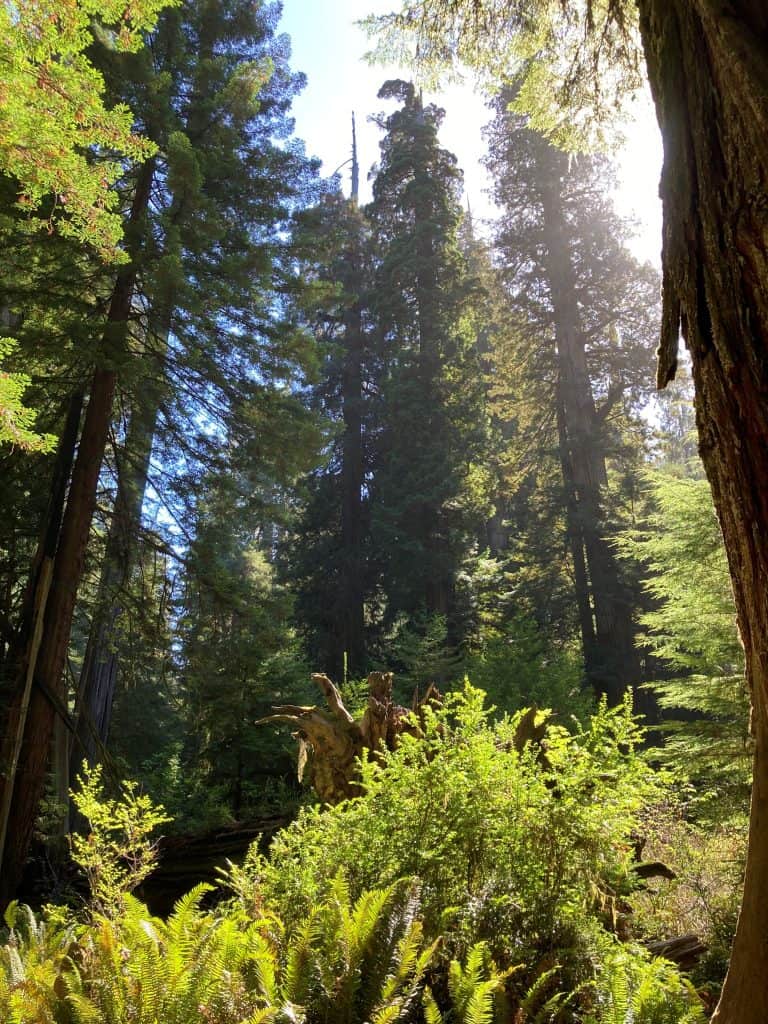
Named for the explorer who first crossed overland into California from the Mississippi River in the 1820s, this park protects roughly 10,000 acres along the Smith River, including a grove holding the world’s largest coast redwood by volume.
By the early 1900s, a century of logging had reduced the old-growth redwood forests to a fraction of their former size.
Concerned citizens founded Save the Redwoods League in 1918, and Clara Stout’s 1929 donation of a 45-acre grove in memory of her late husband became the park’s founding gift.
Today, the park preserves roughly 7 percent of the old-growth coast redwoods left on Earth, with the Smith River running through it as California’s last major undammed river. Howland Hill Road offers one of the most intimate redwood drives in the entire state.
The park is managed cooperatively with the National Park Service as part of Redwood National and State Parks, a partnership formed in 1994. Trails here stay noticeably less crowded than those closer to the Bay Area, even during peak summer travel season.
Where: 1411 Highway 199, Hiouchi, CA 95531
2. Makoshika State Park, Montana
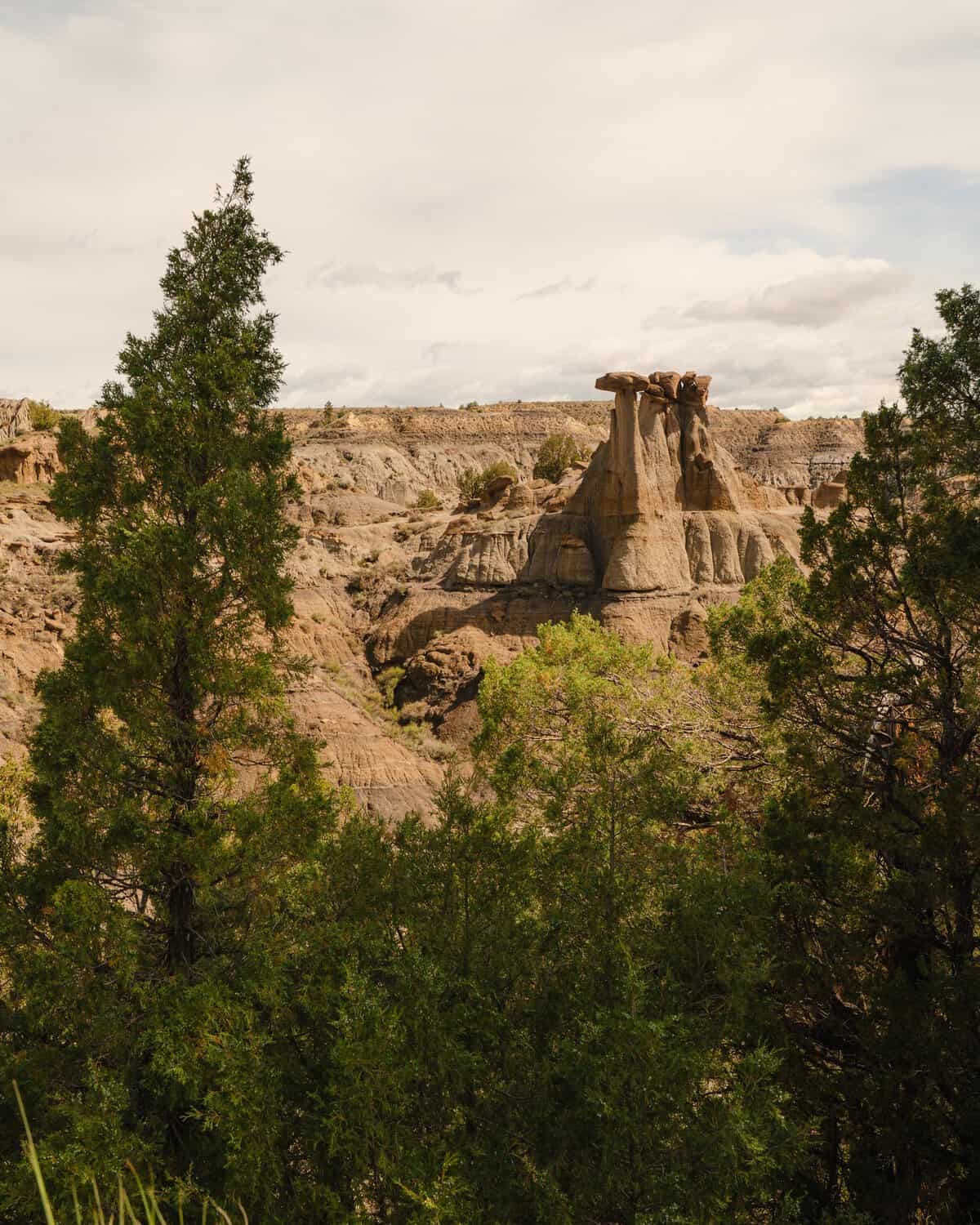
Makoshika takes its name from the Lakota phrase for “bad land,” a fitting description for the eroded badlands and hoodoos covering more than 11,000 acres just outside Glendive, making it by far Montana’s largest state park.
These badlands sit within the Hell Creek Formation, widely considered one of the richest dinosaur fossil beds anywhere on the planet. A complete Triceratops skull, scattered Tyrannosaurus rex remains, and one of the most intact Thescelosaurus skeletons ever discovered have all emerged from this very ground.
Major institutions like the Museum of the Rockies still send dig expeditions here every single summer. The park’s visitor center displays real fossils alongside badland exhibits, and clear nights at overlooks like Sand Creek offer some of the darkest, starriest skies in the state.
A horizontal band visible in the park’s rock layers, known as the K-Pg boundary, marks the exact transition between the Cretaceous and Paleocene periods, the geological line corresponding to the mass extinction event that wiped out most dinosaurs.
Where: 1301 Snyder Street, Glendive, MT 59330
3. Custer State Park, South Dakota
South Dakota’s first and largest state park traces its roots back to 1897, when the federal government granted the young state scattered school land sections throughout the Black Hills, land that proved nearly impossible to manage in such a scattered, piecemeal arrangement.
Governor Peter Norbeck pushed hard to consolidate the scattered land, and on July 1, 1919, the former Custer State Forest officially became Custer State Park.
President Calvin Coolidge later spent three months at the park’s State Game Lodge in 1927, effectively turning it into a temporary “Summer White House.”
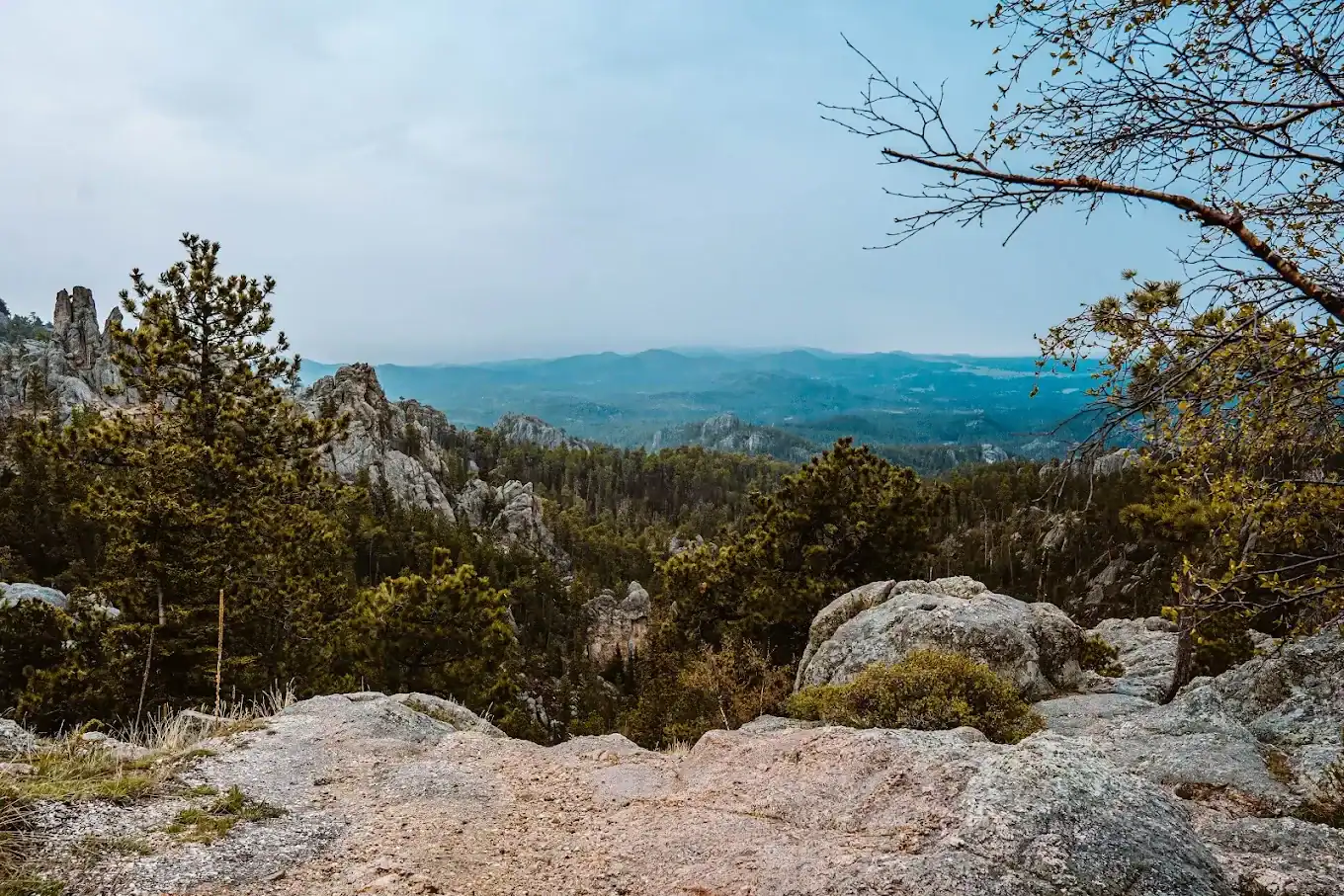
The park now protects 71,000 acres and one of the largest free-roaming bison herds anywhere in the world, with roughly 1,400 animals visible along the scenic Wildlife Loop Road. Each fall, the Buffalo Roundup draws thousands of spectators to watch riders herd the entire herd entirely by hand.
The 14-mile Needles Highway, completed in 1922, winds through narrow granite tunnels and spire-like rock formations, while the surrounding terrain has long drawn rock climbers who consider it among the finest granite-faced climbing in the world.
Where: 13329 US Highway 16A, Custer, SD 57730
4. Valley of Fire State Park, Nevada
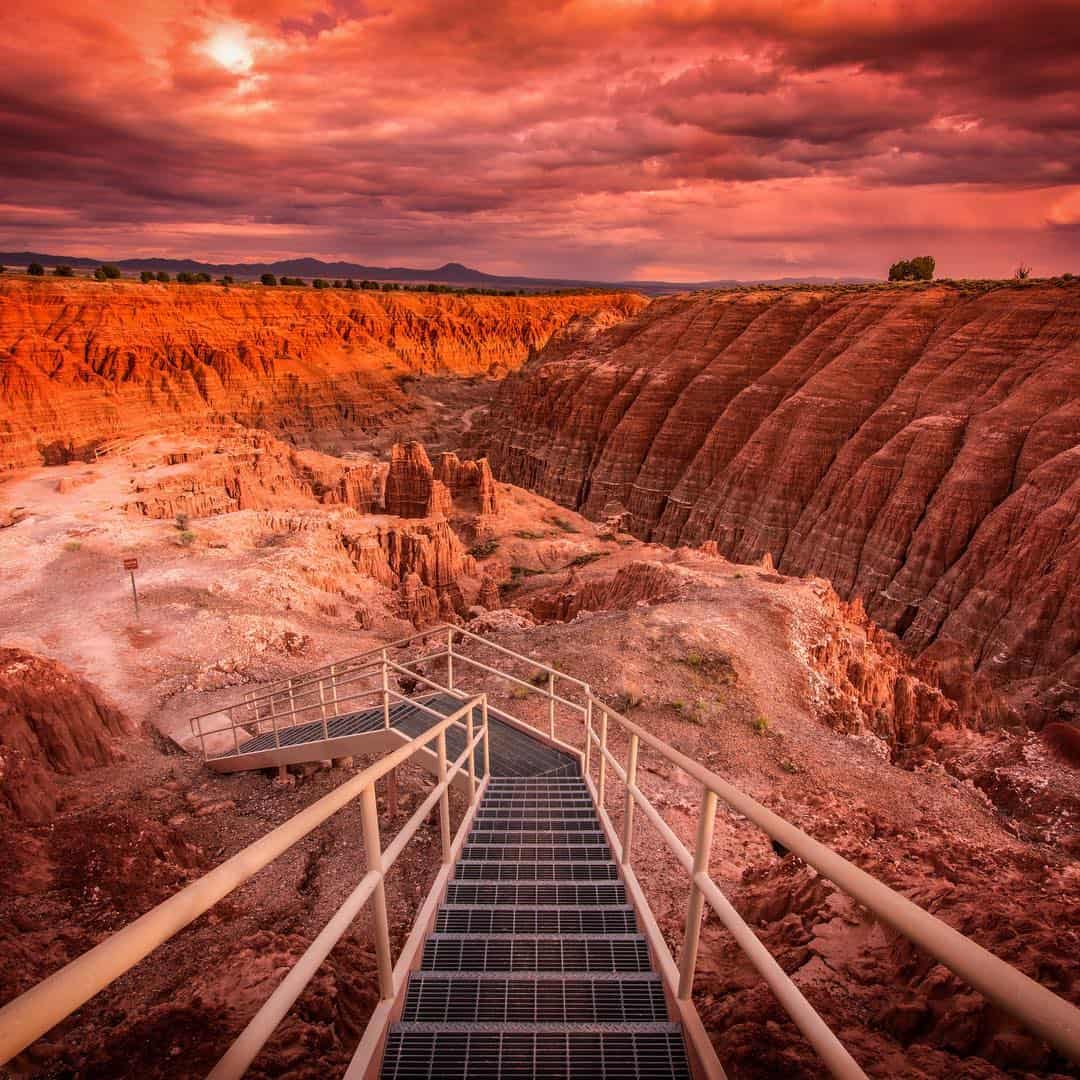
Nevada’s oldest and largest state park sits just an hour from the Las Vegas Strip, yet feels like an entirely different planet. Its blazing red Aztec sandstone formed from shifting desert sand dunes roughly 150 million years ago, then slowly rose and eroded into the dramatic shapes visitors see today.
The Civilian Conservation Corps began developing the park’s infrastructure back in 1933, building stone cabins that still stand today near Atlatl Rock.
People have lived in or simply passed through this valley for at least 11,000 years, leaving behind petroglyphs etched carefully into the desert varnish.
Mouse’s Tank Trail winds past some of the most accessible rock art in the park, an easy walk even for younger hikers. With nearly a million annual visitors now, the park closes for two weeks each December solely to give rangers time to keep up with maintenance.
Ancestral Puebloans occupied the valley from roughly 500 to 1150 AD before a severe drought pushed them out, and the Southern Paiute, or Nuwuvi, later settled the region in their place, a presence that continues in the area today.
Where: 29450 Valley of Fire Rd, Overton, NV 89040
5. Palo Duro Canyon State Park, Texas
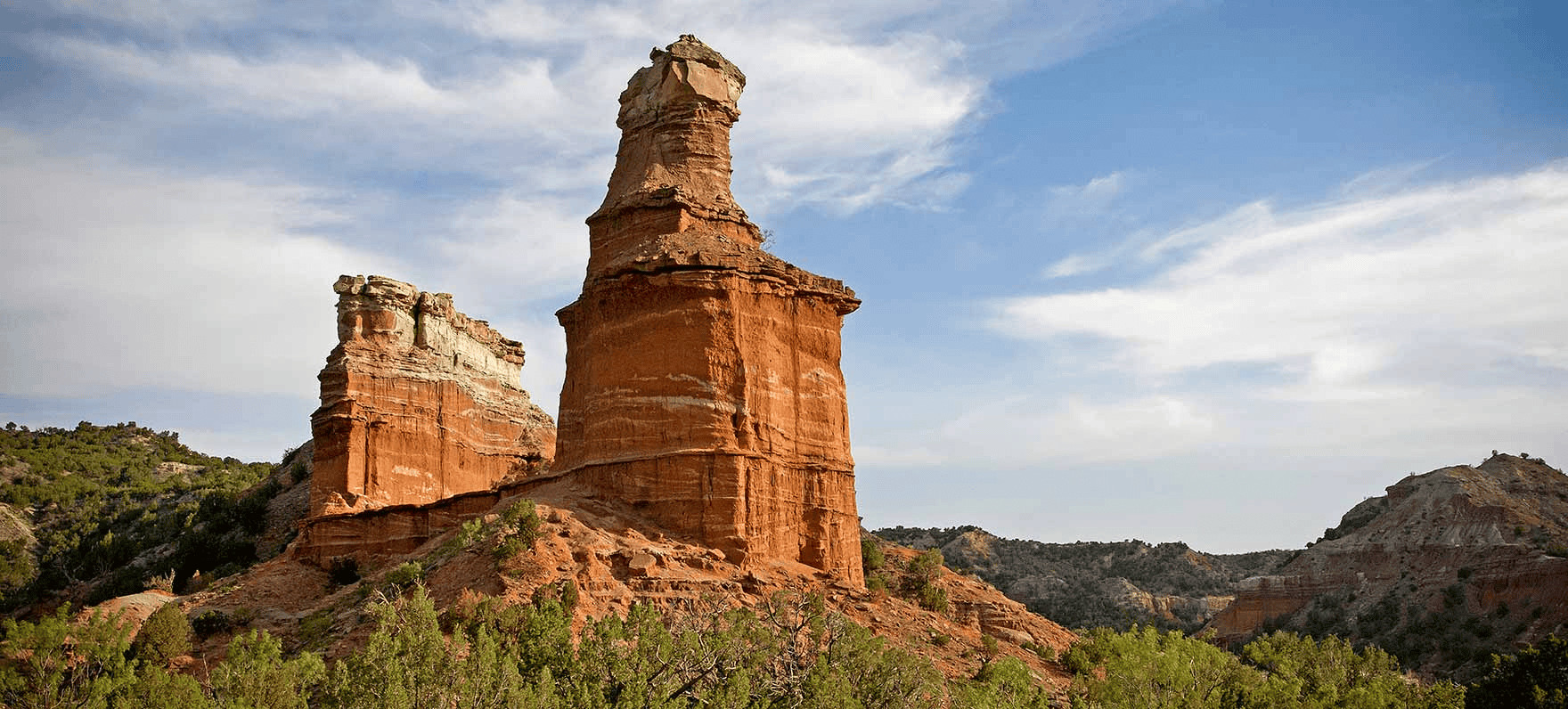
Nicknamed the “Grand Canyon of Texas,” Palo Duro is the second-largest canyon in the country, stretching 120 miles long and as much as 20 miles wide, plunging as deep as 800 feet in places, carved from rock layers that began forming roughly 250 million years ago.
Native peoples occupied this canyon for thousands of years before Spanish explorers and, later, Comanche bands made it their stronghold.
Colonel Ranald Mackenzie’s brutal 1874 raid here effectively ended large-scale Native resistance on the Southern Plains, marking a pivotal and painful turning point in Texas history.
Thirty miles of trails wind through four distinct geologic layers visible in the canyon walls, each band of color representing a different era. The Canyon Gallery building offers one of the best overlooks in the park, alongside historical and educational exhibits.
The Comanche, along with allied Kiowa and Cheyenne bands, used the canyon as a refuge and winter campground for generations, its sheltered walls and reliable water making it one of the most strategically valuable locations on the Southern Plains.
Where: 11450 State Highway Park Road 5, Canyon, TX 79015
6. Cumberland Falls State Resort Park, Kentucky
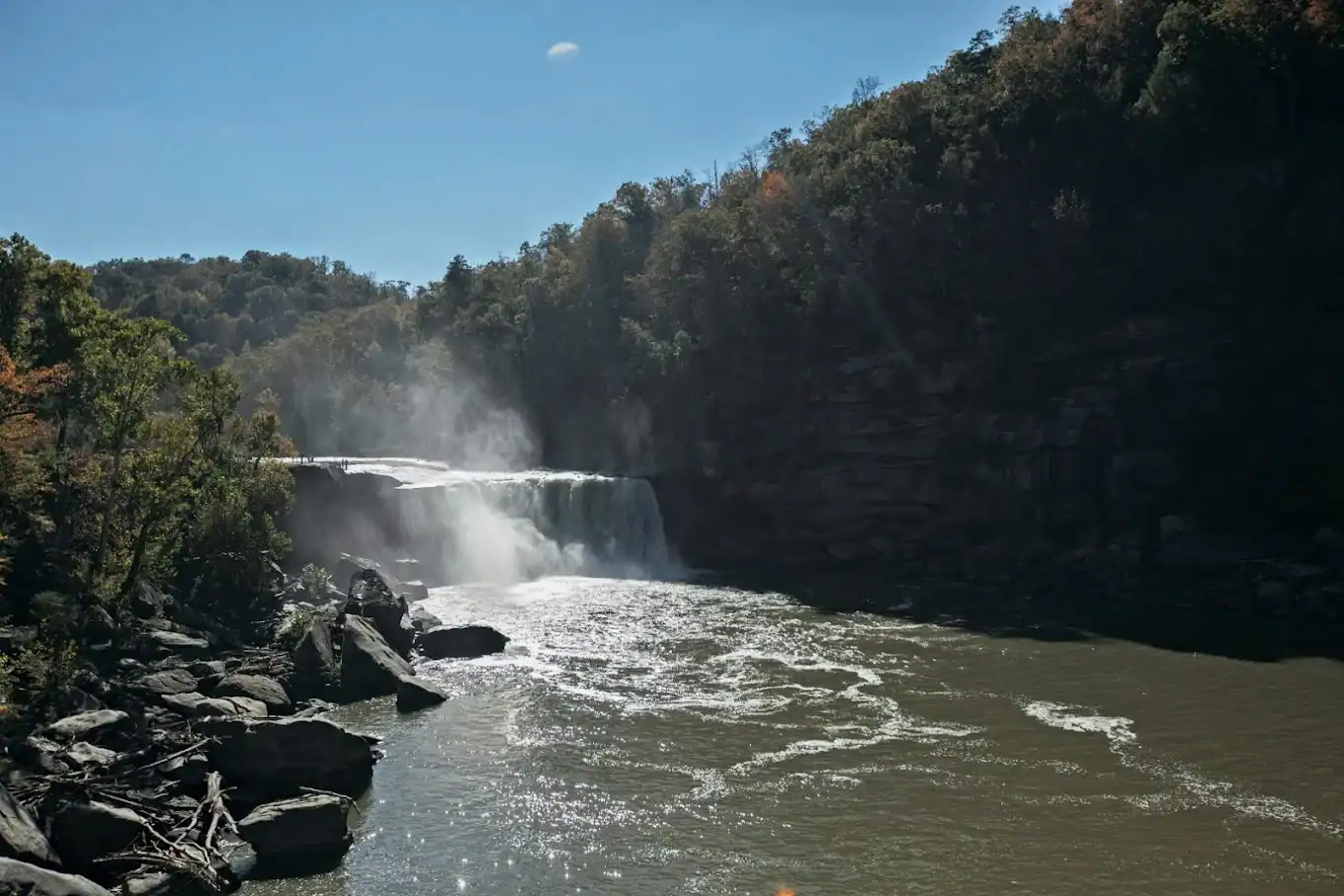
Known as the “Niagara of the South,” this 68-foot waterfall plunges across a 125-foot curtain of whitewater inside the Daniel Boone National Forest, and it remains one of only a handful of places anywhere on Earth where a moonbow appears reliably.
In the late 1920s, a hydroelectric company proposed damming the river just above the falls for power. Local businessman Robert Blair convinced industrialist T. Coleman du Pont to buy the land instead, and after du Pont’s death, his widow donated nearly 600 acres to Kentucky in 1930.
The Civilian Conservation Corps built much of the park’s infrastructure during the Depression, including the original DuPont Lodge. On clear nights near a full moon, mist from the falls refracts moonlight into a pale, ghostly arc visible to the naked eye.
The phenomenon occurs at only a handful of locations worldwide, and Cumberland Falls remains the only place in the Western Hemisphere where it happens reliably. The park publishes a moonbow schedule each year so visitors can plan their trip around it.
Where: 7351 KY-90, Corbin, KY 40701
7. Hocking Hills State Park, Ohio
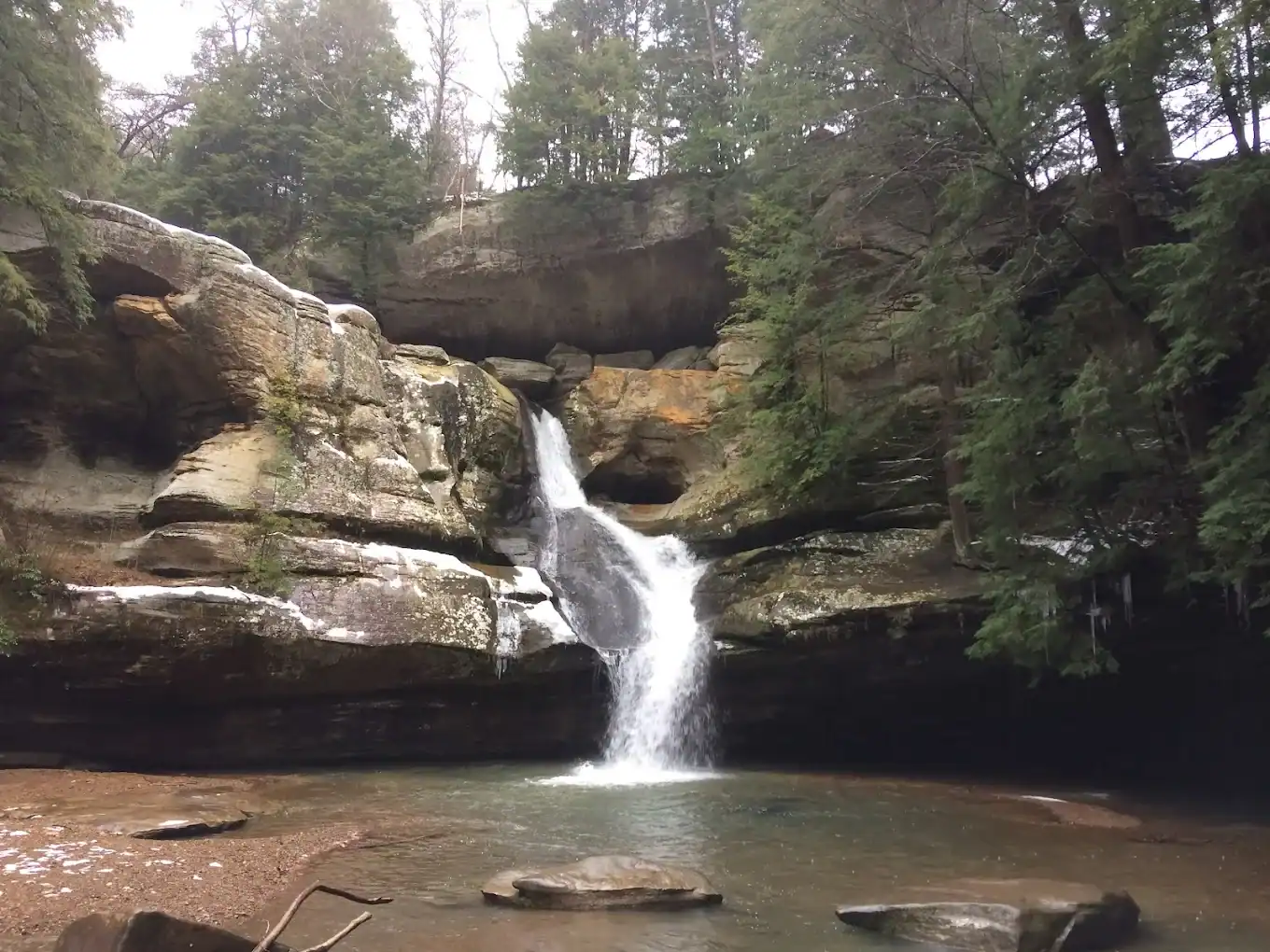
Hocking Hills protects a landscape carved from sandstone roughly 330 million years old, left behind when an ancient ocean once covered the entire region and later eroded over countless millennia by glaciers, groundwater, and patient streams into deep gorges, towering cliffs, and recess caves.
Its most famous feature, Old Man’s Cave, takes its name from Richard Rowe, a hermit and trader who reportedly lived inside the recess cave during the early 1800s and is said to be buried beneath its ledge. Adena peoples had already used this exact area thousands of years before him.
Ohio began acquiring parkland here in 1924, and the Civilian Conservation Corps later built trails, bridges, and stonework throughout the entire 1930s decade. Today, the Grandma Gatewood Trail links Old Man’s Cave, Cedar Falls, and Ash Cave across six scenic miles.
The trail’s namesake, Emma Gatewood, became famous for hiking the entire Appalachian Trail solo at age 67 in 1955, and she returned to lead annual hikes through this very park until 1973, just two years before her death.
Where: 19852 OH-664, Logan, OH 43138
8. Silver Falls State Park, Oregon
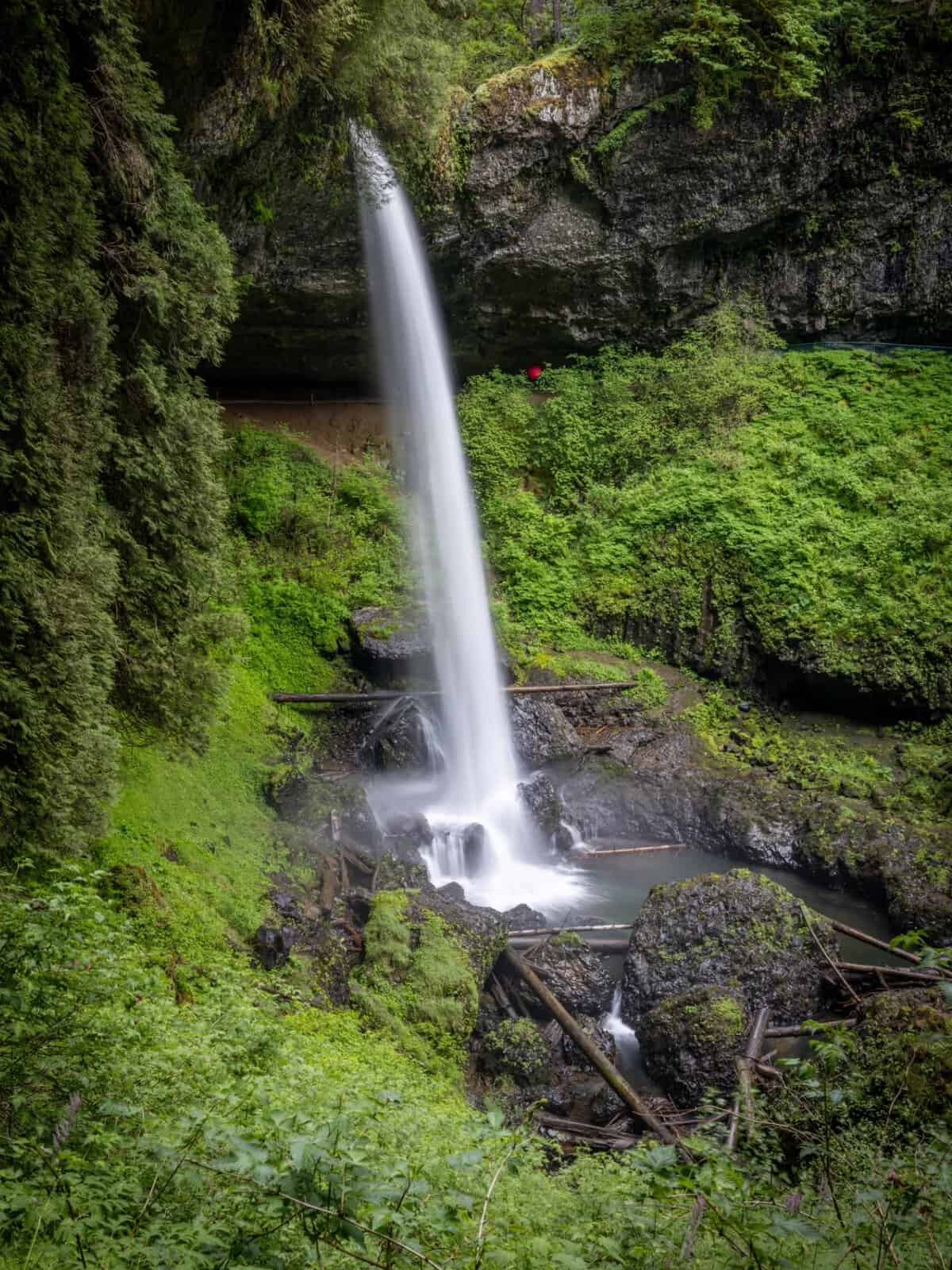
Often called the crown jewel of Oregon’s entire state park system, Silver Falls protects roughly 9,000 acres of temperate rainforest about ninety minutes from Portland, all of it anchored by the celebrated 7.5-mile Trail of Ten Falls.
That trail passes ten distinct waterfalls ranging from 28 to 178 feet tall, including several you can actually walk behind, ducking beneath sheets of falling water along carved sandstone overhangs. South Falls, the tallest and most photographed, anchors the loop.
Douglas fir, western hemlock, and Oregon grape crowd the trail corridors, giving the whole park a lush, almost prehistoric density. Spring after snowmelt brings the falls to their fullest, while the surrounding campground and cabins make it an easy overnight escape.
At 9,000 acres, Silver Falls is both the largest and most heavily visited state park anywhere in Oregon, drawing comparisons to Crater Lake despite carrying none of the national park designation. Locals have long called it the unofficial crown jewel of the entire state system.
Where: 20024 Silver Falls Hwy SE, Sublimity, OR 97385
9. Baxter State Park, Maine
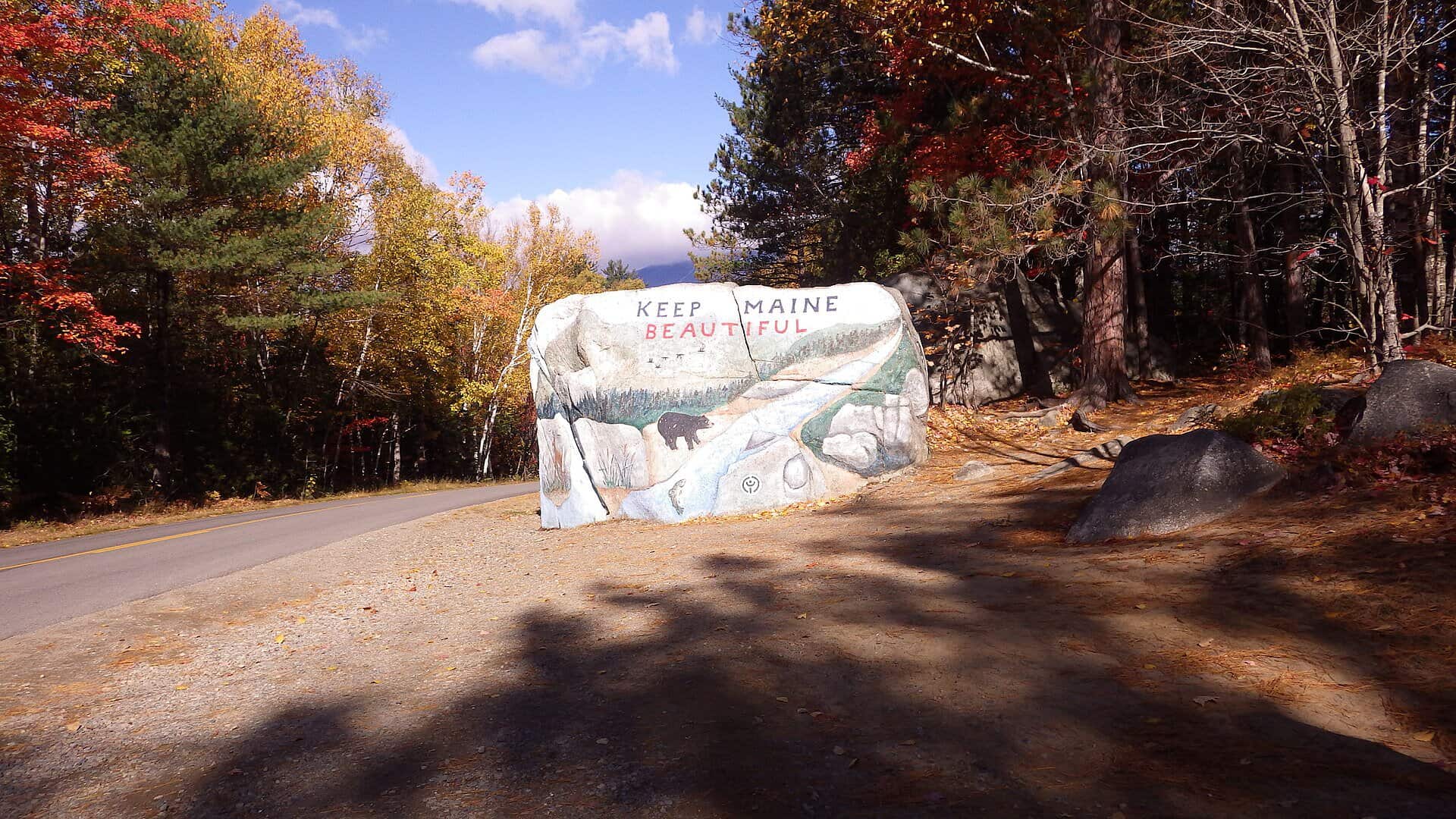
Former Governor Percival Baxter spent thirty-two years personally buying land parcel by parcel after the legislature repeatedly rejected his push for a national park, eventually donating more than 200,000 acres to Maine with one unbreakable condition: it remain “forever wild.”
That promise still governs every inch of the park today.
There’s no electricity, no running water, and no paved roads anywhere within its boundaries, a deliberate choice that keeps Baxter feeling far more remote than its actual drive time from Bangor might otherwise suggest to a first-time visitor.
The park’s centerpiece is Mount Katahdin, Maine’s highest peak and the northern terminus of the Appalachian Trail, where thru-hikers complete a 2,200-mile journey that began in Georgia. Moose sightings here rank among the most reliable in the eastern United States.
Baxter funded the park’s ongoing operation through a trust, deliberately separating it from Maine’s regular state park system so future budget cuts could never threaten its upkeep. More than two hundred miles of trails now wind through the wilderness he insisted on preserving.
Where: 64 Balsam Drive, Millinocket, ME 04462
10. Nā Pali Coast State Wilderness Park, Hawaii
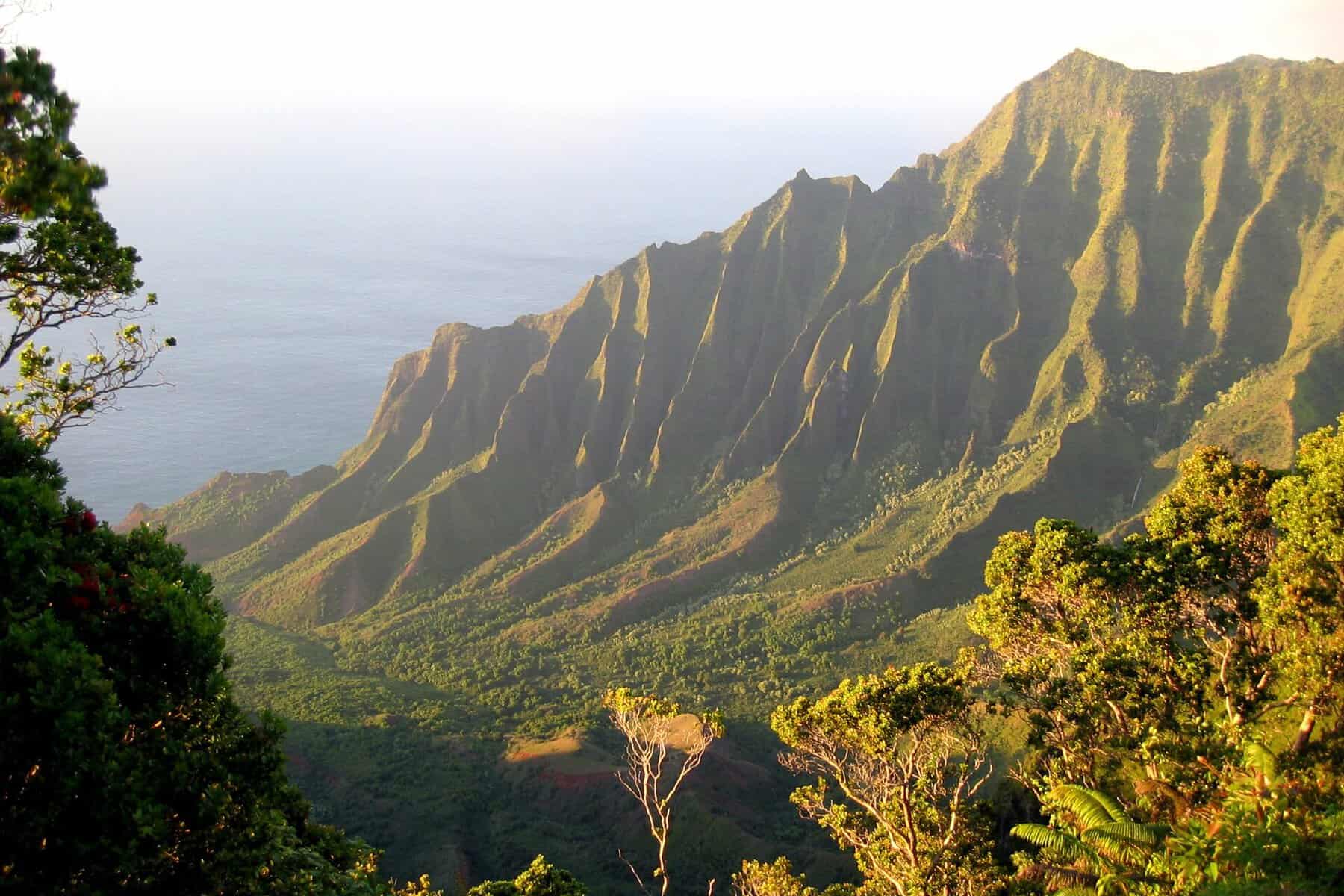
On Kauai’s remote north shore, this wilderness park protects roughly fifteen miles of dramatic sea cliffs rising as high as 4,000 feet directly from the Pacific, a coastline so striking it’s appeared in everything from Jurassic Park to King Kong.
Native Hawaiians once lived in the park’s narrow valleys, cultivating taro on terraces still visible today along the Kalalau Trail. The coastline’s name, Nā Pali, simply means “the cliffs,” a description that somehow still undersells what visitors actually encounter.
Most visitors experience the park by boat or helicopter, though hikers willing to tackle the demanding Kalalau Trail reach Hanakapiʻai Falls, a 300-foot cascade tumbling through dense jungle that feels worlds away from any resort strip on the island.
The full trail stretches eleven rugged miles one-way along sea cliffs, crossing five separate valleys before ending at remote Kalalau Beach, accessible only by permit and only to those willing to navigate some of the most exposed cliffside hiking found anywhere in the country.
Where: Kē’ē Beach, Hāʻena State Park, Hanalei, HI 96714
The Quiet Argument: These Ten Parks Keep Making
There’s a version of this list that simply ranks scenery, but that approach misses the more interesting pattern running underneath all ten of these places. Nearly everyone exists because somebody refused to let a beautiful piece of land become something else entirely.
A widow honoring her late husband with 45 acres of redwoods. A governor spending three decades of his own fortune, one purchase at a time. A businessman talking an industrialist out of damming a waterfall for electricity instead of letting people see it.
None of that outcome was inevitable. Plenty of equally beautiful land across this country got logged, dammed, or paved over precisely because nobody intervened at exactly the right moment with the right combination of money and stubbornness.
Even the Depression-era work of the Civilian Conservation Corps shows up again and again in this list, turning economic hardship into trails, cabins, and stonework that still hold up nearly a century later. Necessity and preservation, it turns out, aren’t always opposites.
Geology did its part too, of course, but geology alone rarely saves anything from a bulldozer. It took people willing to write checks, lobby legislatures, and occasionally just outwait the developers who wanted something else entirely from these same hillsides and canyons.
So the next time a national park feels too far away, too crowded, or too expensive, consider the parks operating quietly in its shadow. Somewhere within driving distance, a piece of land that almost wasn’t protected is still standing exactly as someone once insisted it should.
More stories


Share this story