These 10 Spots in America Feel Exactly Like the Caribbean, No Passport Required

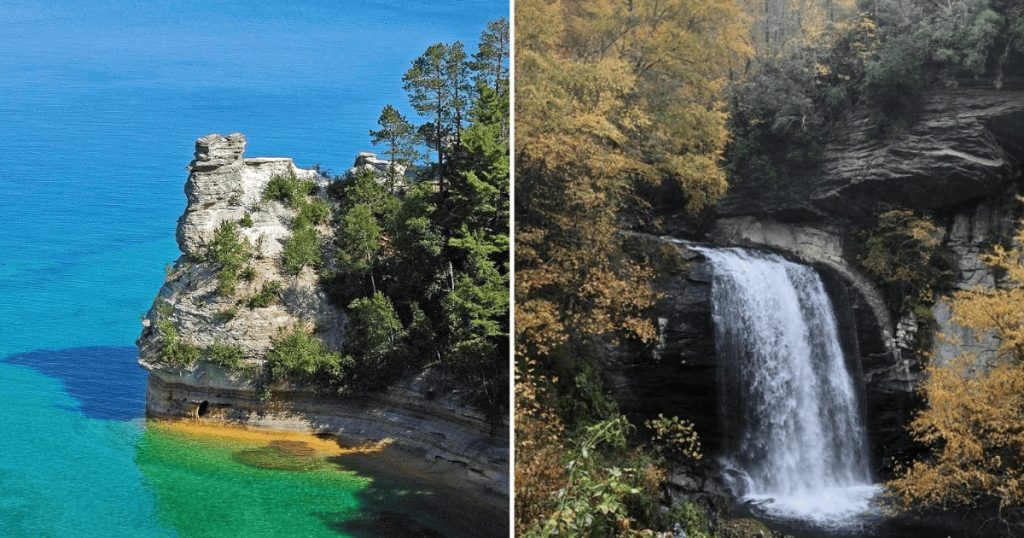
I once stood at the edge of a lake so clear I could count the individual rocks on the bottom from twenty feet away, and I genuinely had to remind myself I hadn’t somehow wandered into a travel brochure for the Caribbean.
That kind of double-take happens more often in this country than most people ever realize. Turquoise water doesn’t actually require salt, palm trees, or a passport. Sometimes it just requires the right mineral, the right glacier, or the right limestone bed doing its quiet work underground.
I’ve spent enough time chasing waterfalls and lakes that look too good to be entirely real to know the signs by now. So here are ten places across the country that have genuinely earned their Caribbean comparisons, no flight required.
Some of these spots are famous enough already that locals brag about them constantly. Others stay quiet on purpose, protected by remoteness, private ownership, or simply being too far off the beaten path for casual tourists to stumble onto by accident.
1. Lake Jocassee, South Carolina
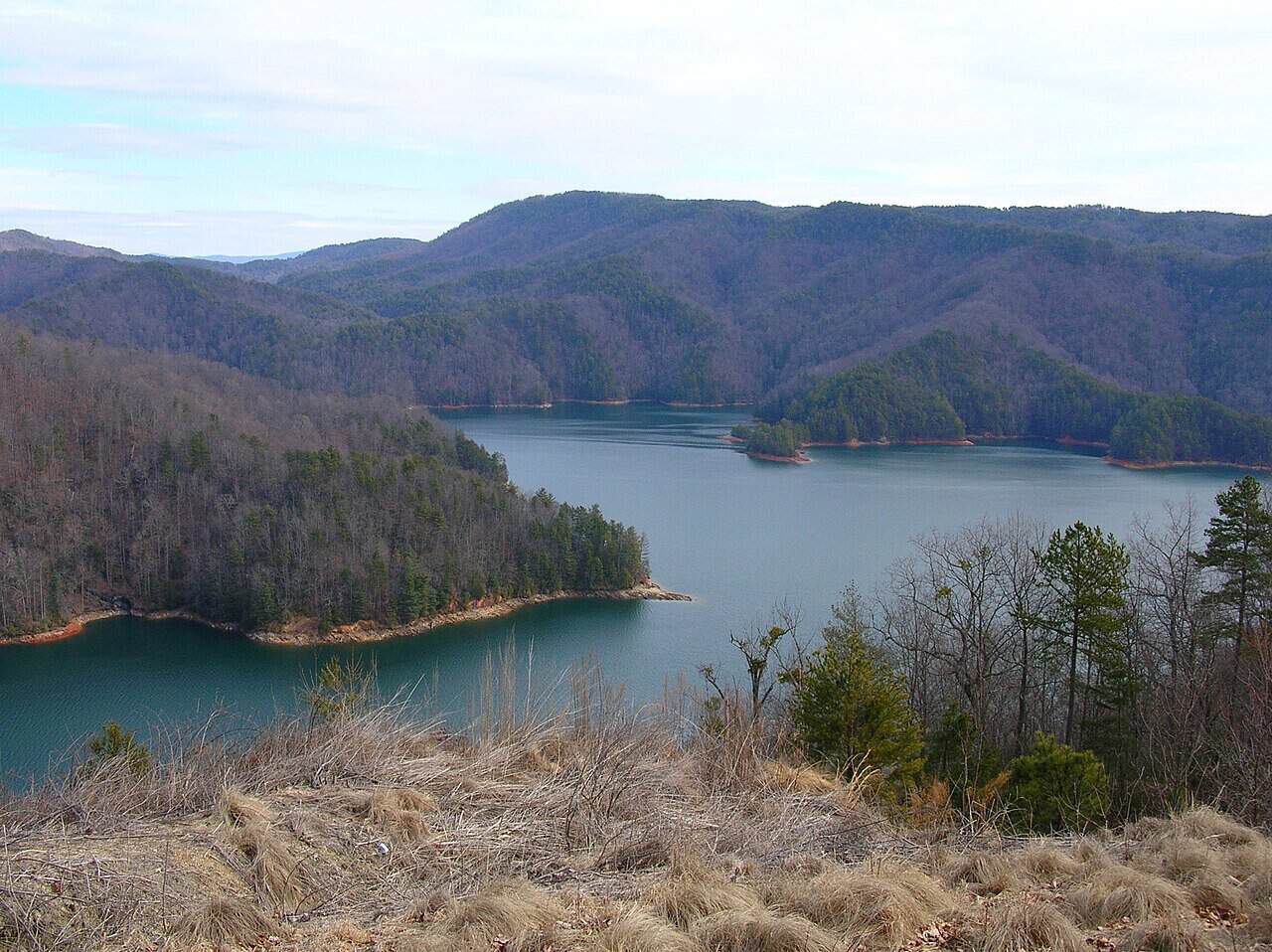
Lake Jocassee doesn’t look like it belongs anywhere near South Carolina, and that’s precisely the point. Tucked into the Blue Ridge foothills of Oconee County, its water runs so clear and so deeply turquoise that photos routinely get mistaken for the Maldives.
Four cold mountain rivers feed the lake, and Duke Power built it as a reservoir back in 1973 in partnership with the state. Because nearly all the surrounding land stayed undeveloped, the water has kept its remarkable clarity for over fifty years now.
Divers exploring the lake’s depths once discovered an intact lodge sitting beneath 300 feet of water, a structure nobody expected to find still standing after the flooding. Several waterfalls also drop directly into the lake, reachable only by kayak or boat tour.
The name itself comes from a Cherokee legend about a maiden named Jocassee, meaning “place of the lost one.” Devils Fork State Park remains the only public access point to this genuinely otherworldly body of water.
Scuba divers and trout anglers both treat the lake as a personal favorite, since visibility stretches far enough underwater to make snorkeling genuinely worthwhile even without a tropical reef in sight. Few reservoirs anywhere in the country can make that claim.
The surrounding Jocassee Gorges also shelter rare wildflowers and one of the densest salamander populations found anywhere on Earth, a quieter kind of biodiversity that rarely makes the postcards but matters just as much to the people who study it.
Where: 161 Holcombe Circle, Salem, SC 29676
2. Looking Glass Falls, North Carolina
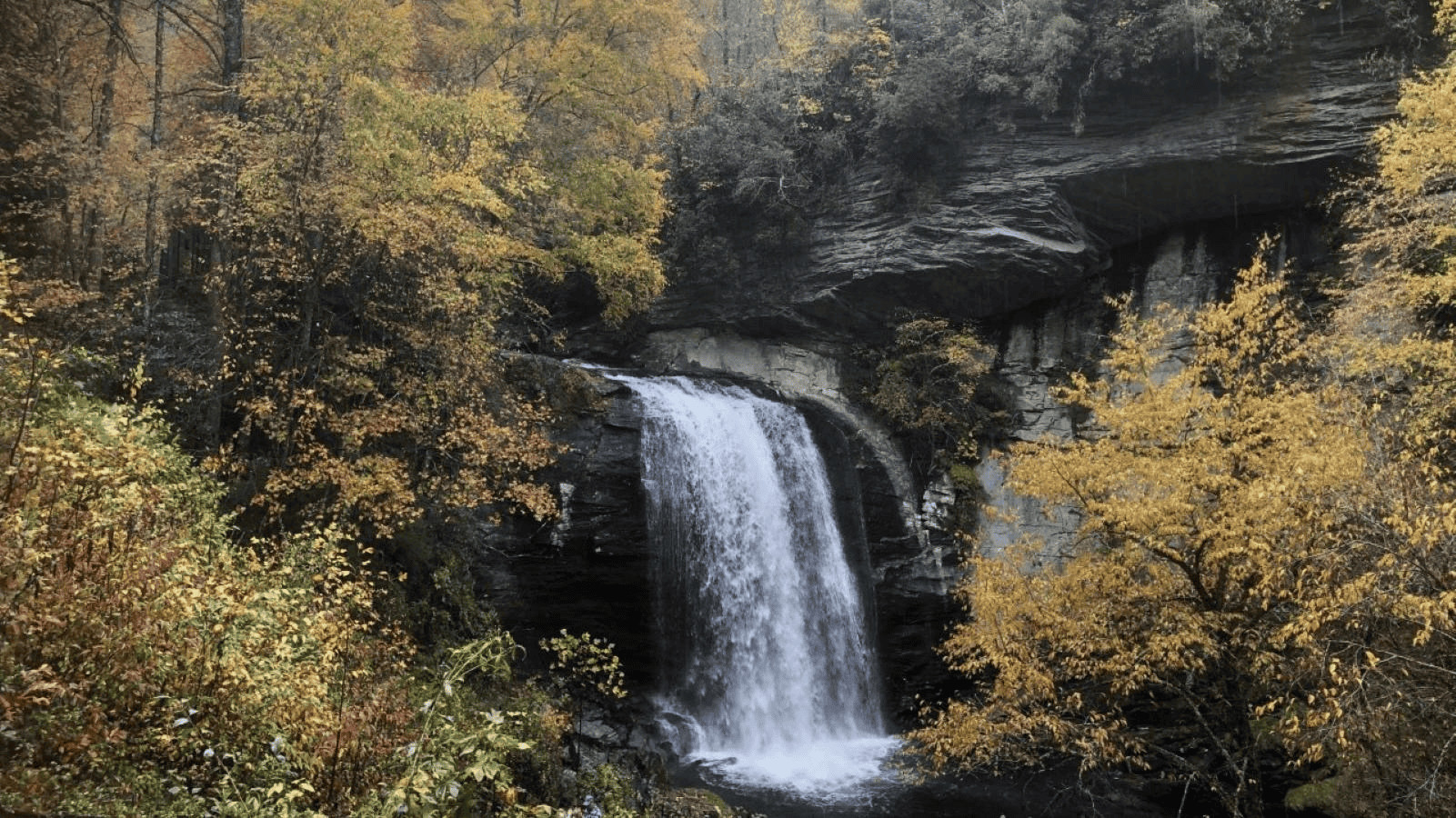
Looking Glass Falls earned its name from nearby Looking Glass Rock, a granite dome that catches winter sunlight in a way that resembles a mirror, or “looking glass,” reflecting across its frozen surface.
The waterfall itself drops 60 feet directly from a roadside overlook in Pisgah National Forest, meaning almost no hiking is required to see it. Water filtered through old-growth forest and granite collects in a wide, shallow plunge pool at the base, clear and cold enough to make you gasp.
This stretch of land once belonged to George Vanderbilt’s Biltmore Estate before being sold to the federal government, eventually becoming part of the Cradle of Forestry historic area. That kind of ownership history is rare for a swimming hole this accessible.
The humidity, green canopy, and constant sound of moving water make it feel like the American tropics with a mountain backdrop. Stairs lead down for a closer look, though the rocks below stay slick enough to demand real caution.
Photographers tend to favor afternoon light or an overcast sky here, since direct morning sun washes out the contrast between the falling water and the dark granite cliff behind it.
Where: 1600 Pisgah Highway, Pisgah Forest, NC 28768
3. Pictured Rocks National Lakeshore, Michigan
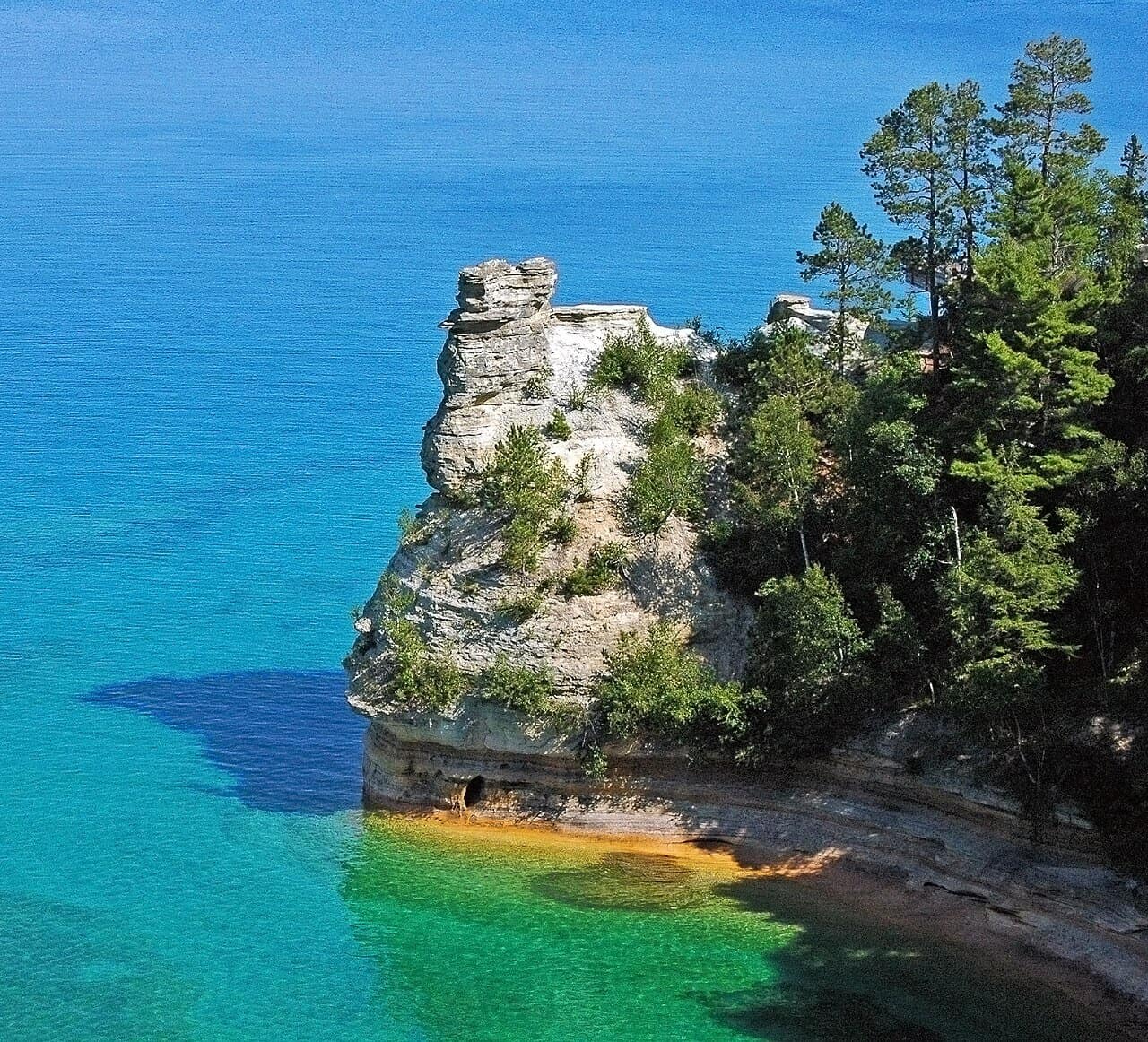
Lake Superior has a reputation for being cold, gray, and decidedly untropical. Pictured Rocks challenges that reputation directly, with sandstone cliffs along the shoreline near Munising that reflect into the water in shades of green and turquoise on a sunny summer day.
That color comes from mineral seepage streaking those cliffs in copper greens, iron reds, and manganese blacks, creating layered formations that draw photographers from across the entire country every summer season.
Combined with Superior’s famously clear water, the visual effect genuinely looks tropical despite the chilly lake beneath it.
Kayaking right along the base of the cliffs puts you at water level, where the clarity becomes almost startling. On a genuinely good day, you can see straight down to the lakebed in as much as 15 feet of water, watching your paddle’s shadow ripple across ancient, mineral-streaked stone below.
Where: 1505 Sand Point Rd, Munising, MI 49862
4. Ichetucknee Springs State Park, Florida
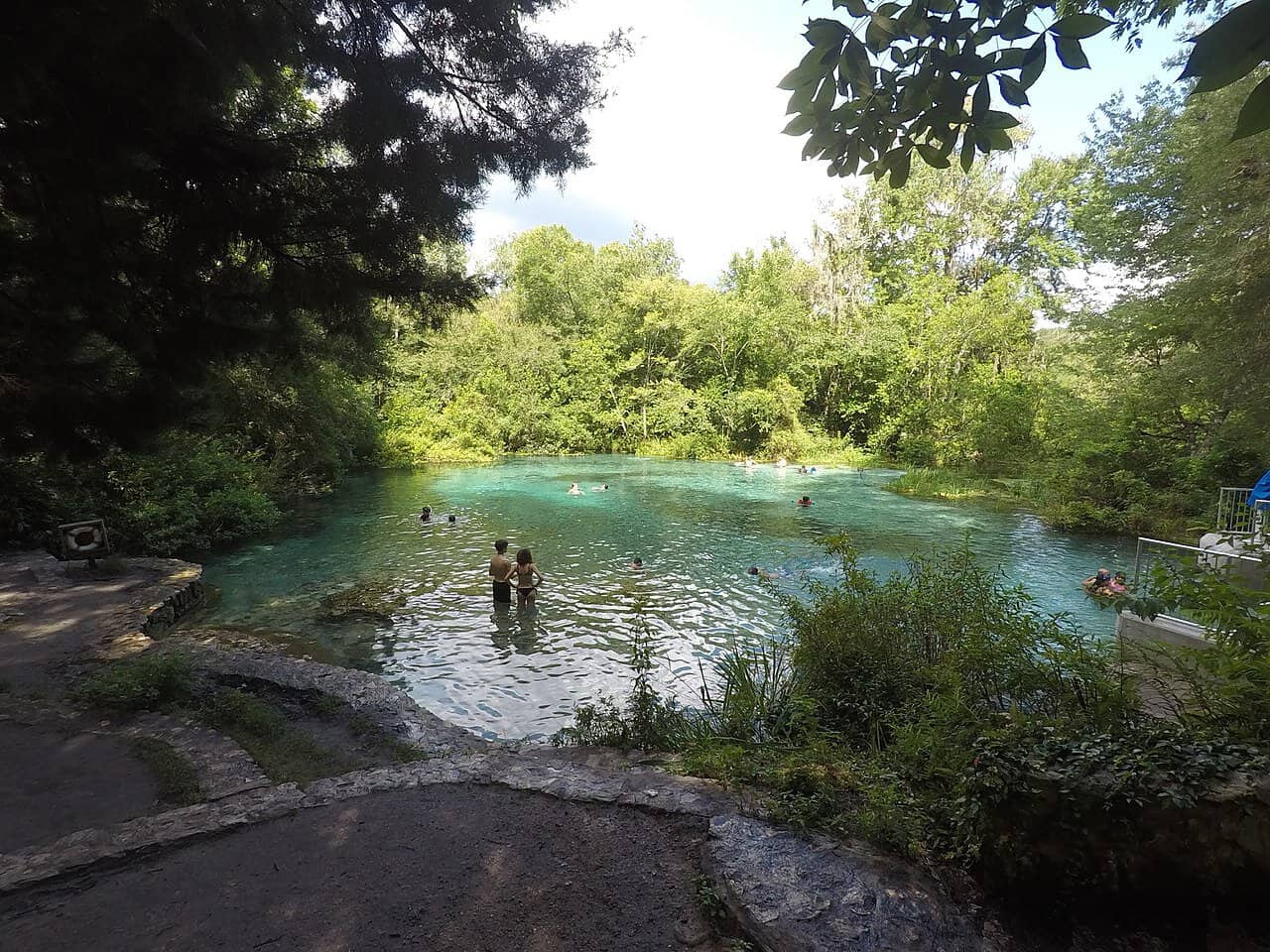
Florida has dozens of natural springs, but Ichetucknee earns its spot on any serious list. The spring run stretches six miles through limestone and hardwood forest before joining the Santa Fe River, holding a constant 68 degrees year-round, no matter the season.
Tubing the Ichetucknee has been a Florida summer ritual for generations, and it lives up to the hype every single time. The current moves gently, the water reads like Bahamian shallows, and a green canopy overhead keeps the whole float shaded and cool.
The park protects nine separate springs in total, giving the whole area a quietly prehistoric feel that goes well beyond Florida’s famous coastline and crowded theme parks. It’s proof that the state’s best water isn’t always salty, and that sometimes the most refreshing trip is also the cheapest one.
Manatees occasionally wander into the lower stretches during cooler months, a reminder that this spring system connects to a much larger network of rivers feeding the Gulf.
Where: 12087 SW US Highway 27, Fort White, FL 32038
5. Redfish Lake, Idaho
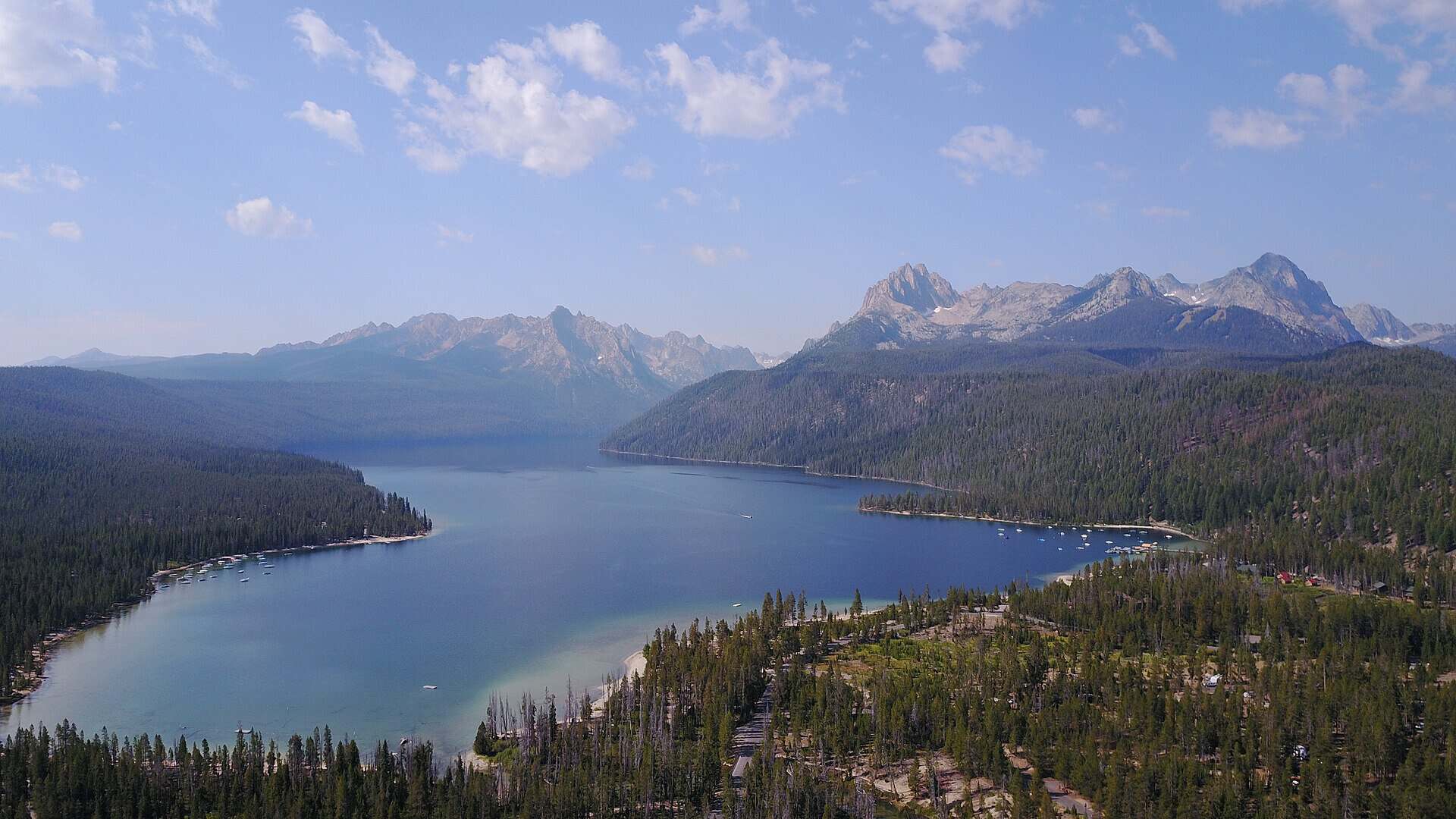
Redfish Lake sits in the Sawtooth Valley at roughly 6,500 feet, ringed by jagged granite peaks and fed by snowmelt that keeps the water cold and clear well into late summer. From above, it reads vivid teal before shifting to deep blue near the center.
The lake takes its name from the sockeye salmon that historically turned the inlet a deep red color during their annual spawning runs. Today, it sits protected within the Sawtooth National Recreation Area, with no private development disturbing the shoreline or the lakebed.
Redfish Lake Lodge has stood on its sandy north shore since 1929, when builder Robert Limbert stacked the first logs, hoping to create a place where people could step away from modern noise.
That same rustic, unplugged feeling still defines the lake today, right down to the spotty cell service.
Hiking trails fan out from the lodge in every direction, several climbing high enough to offer a genuine postcard view of the entire valley before circling back down for dinner.
Where: 401 Redfish Lodge Road, Stanley, ID 83278
6. Diablo Lake, Washington
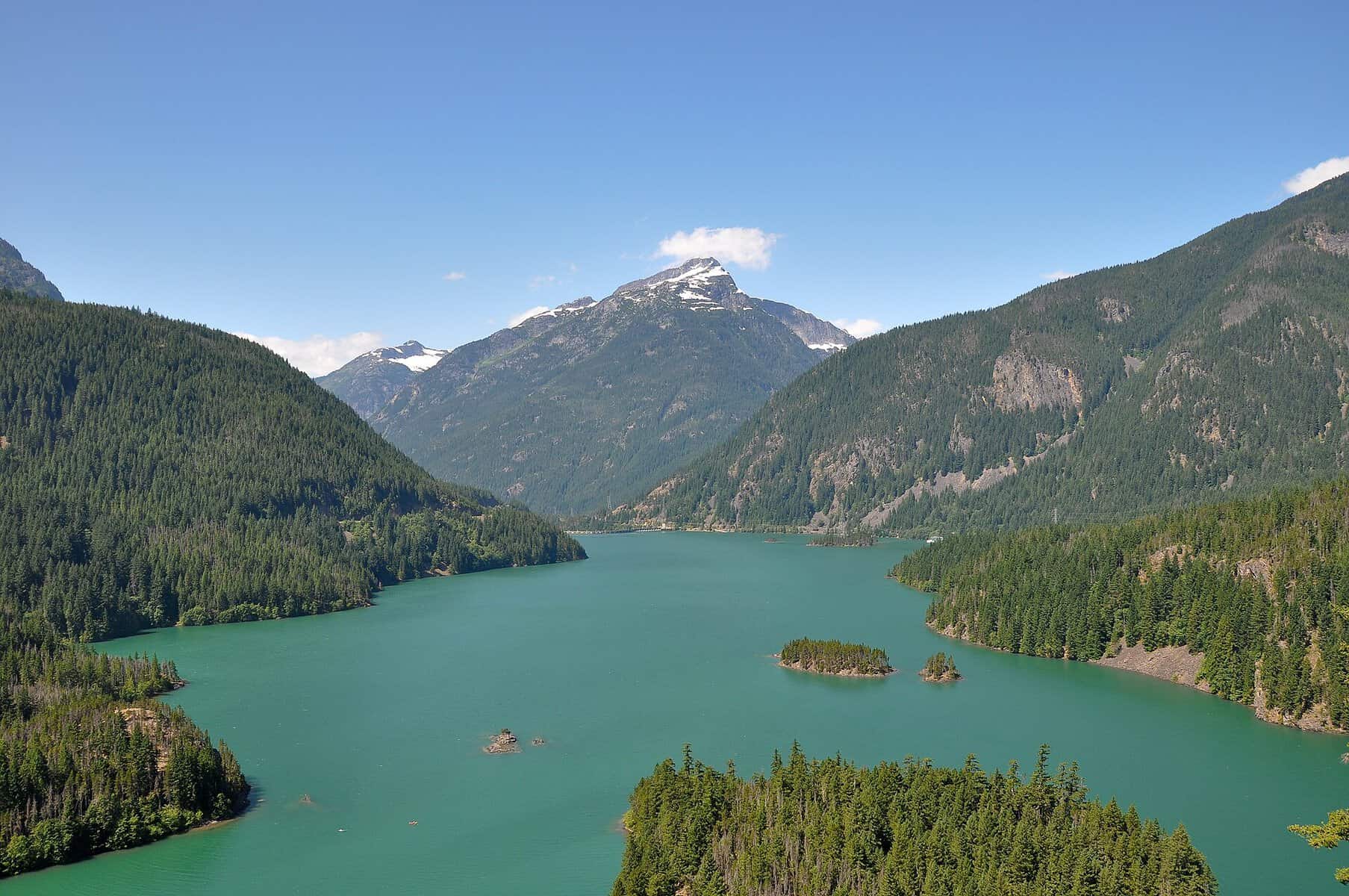
The Caribbean color of Diablo Lake is so intense that it reads as artificially dyed in nearly every photograph ever taken of it. The turquoise is completely real, the result of glacial rock flour suspended in the water and catching light differently depending on cloud cover and time of day.
That color peaks during sunny stretches in July, August, and September, when seasonal glacial melt sends the most rock flour into the lake. Diablo Dam, part of the Skagit River Hydroelectric Project managed by Seattle City Light, created the reservoir and still towers nearby.
Diablo Lake sits inside North Cascades National Park, one of the least-visited parks in the lower 48 despite being only two and a half hours from Seattle. That relative obscurity explains why the water still looks this pristine, even on a busy summer weekend.
Where: 810 State Route 20, Sedro-Woolley, WA 98284
7. Rutledge Falls, Tennessee
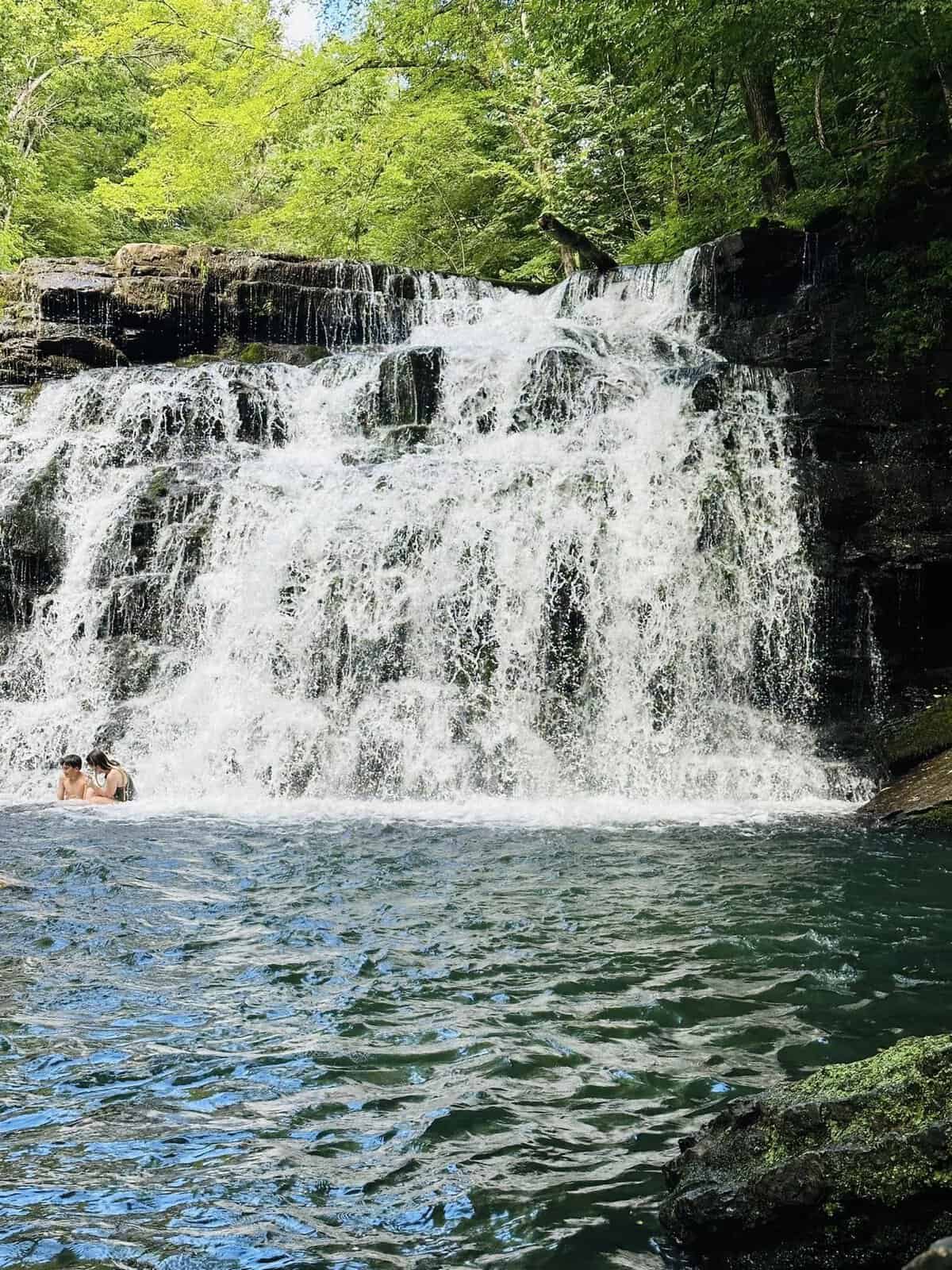
Rutledge Falls circulates quietly on Tennessee outdoor forums without ever quite breaking into mainstream tourism, which is exactly what makes it worth knowing about.
A wide sheet of water spills over a mossy limestone ledge into a swimming hole that reads unmistakably teal by late summer.
The 40-foot falls briefly gained Hollywood fame in “Hannah Montana: The Movie,” though most visitors come simply for the cold, clear plunge pool below. A statue called the “Lady of the Falls” stands just above the cascade, rescued from the state capitol grounds during a renovation that nearly destroyed it.
The land is privately owned, with the owners graciously allowing public access along a short trail. There are no amenities here, no restrooms, no trash cans, just cold water and quiet woods, and a kind of trust between strangers that feels increasingly rare these days.
Visitors are asked to pack out everything they bring in, a quiet, mutual agreement that’s kept this spot from sliding into the overcrowded mess that ruins so many other “secret” swimming holes once word gets out.
Where: Park near 1289 Rutledge Falls Rd, Tullahoma, TN 37388
8. Hocking Hills State Park, Ohio
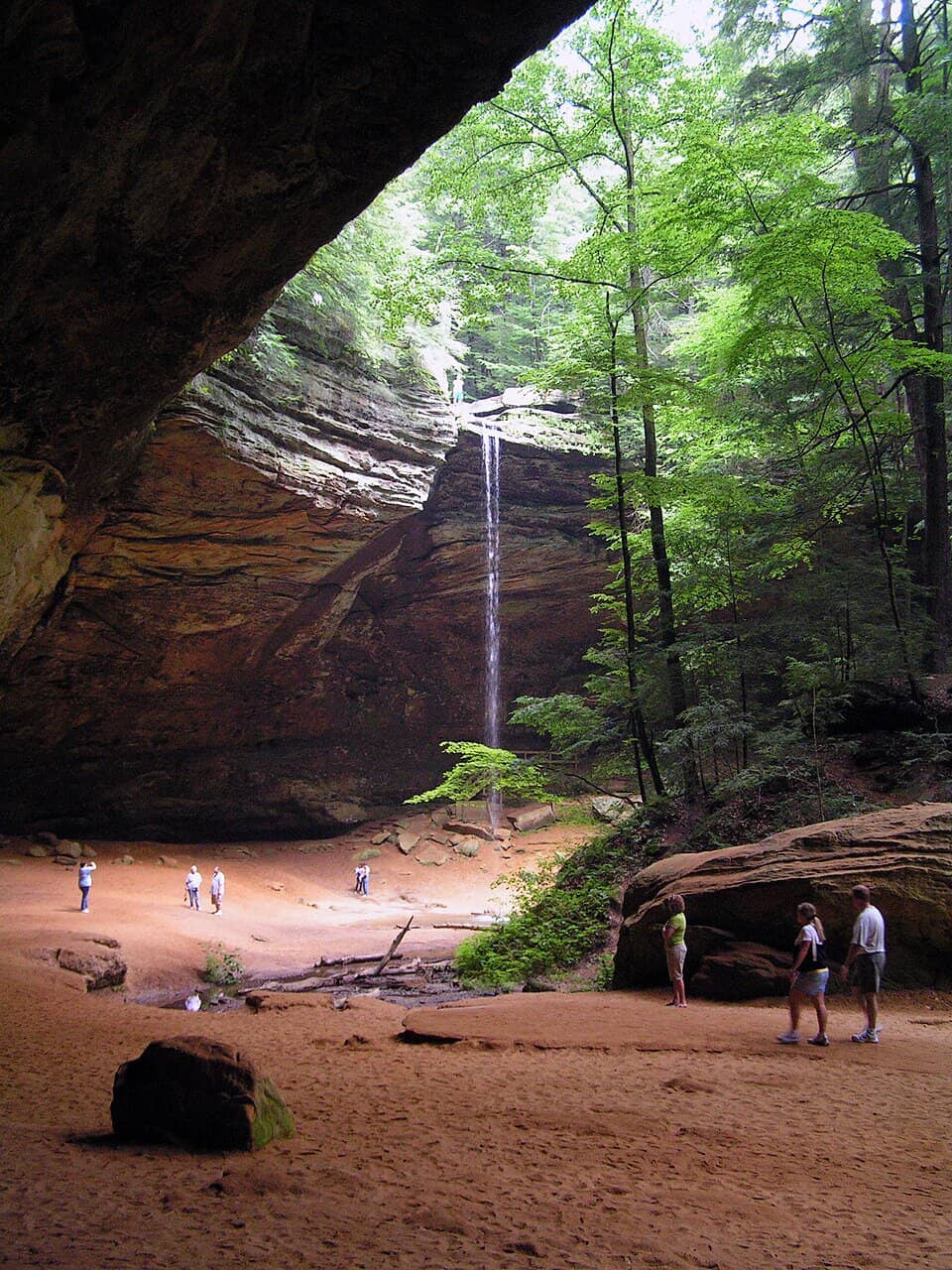
Hocking Hills draws crowds for its sandstone gorges and waterfalls, but the real surprise is how the water behaves once it reaches the bottom of those formations. At Old Man’s Cave, it pools into clear, green-tinted swimming holes with a quality that feels distinctly un-Ohio.
The cave itself takes its name from Richard Rowe, a 19th-century hermit who lived there with his two dogs and is buried beneath the ledge of the main recess cave. Two brothers had occupied the same shelter decades earlier, building a cabin nearby before Rowe ever arrived.
Hemlock canopy, sandstone walls, and the constant sound of moving water surround the gorge from every direction. The famous Grandma Gatewood Trail begins here, eventually connecting to Cedar Falls and Ash Cave over six scenic miles that somehow manage to feel different around every bend.
Winter visits reveal an entirely different side of the gorge, with icicles forming along the cliff faces and the waterfalls occasionally freezing mid-fall into sculptures that draw their own crowd of photographers.
Where: 19852 OH-664, Logan, OH 43138
9. South Padre Island, Texas
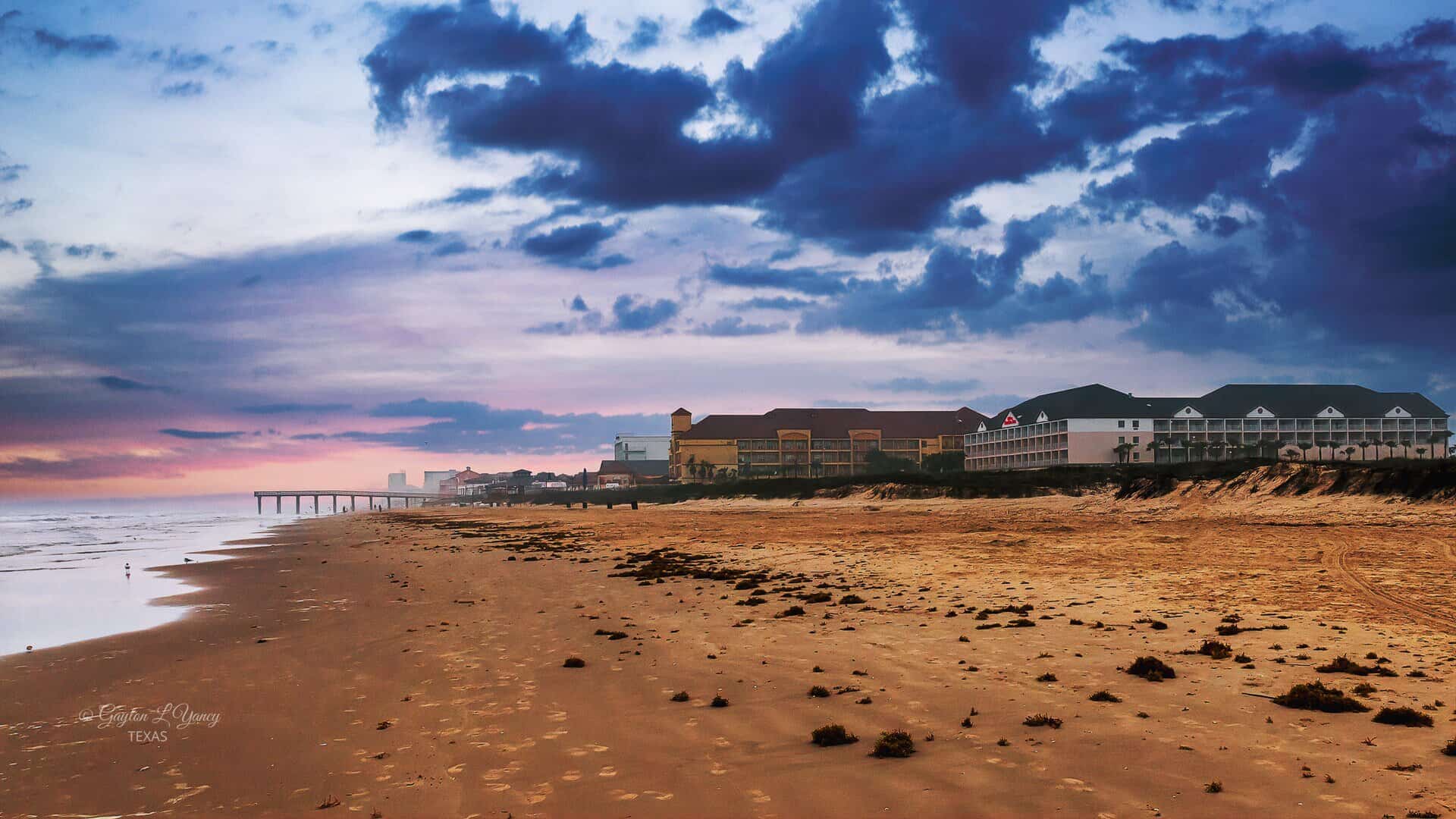
South Padre Island has picked up the nickname “Caribbean of Texas” over the years, and unlike most travel nicknames, this one mostly holds up.
The island sits far enough south, away from the Mississippi River’s reach, that the water avoids the murky brown tint common along the upper Texas coast.
The 34-mile barrier island sits bordered by the Gulf on one side and the hypersaline Laguna Madre on the other, with a subtropical latitude that keeps the water warm well into October. On a calm day in late summer, the Gulf reads as a genuine blue-green.
The real sweet spot arrives after spring break crowds and peak summer tourism fade, when the water clears, and the beaches mostly belong to people who actually live nearby.
That quieter window is when South Padre genuinely earns its tropical comparison, no filter or generous lighting required.
Dolphin pods regularly surface just past the breakers during these calmer months, close enough to spot from shore without needing a boat tour to find them.
Where: 321 Padre Blvd, South Padre Island, TX 78597
10. North Avenue Beach, Illinois
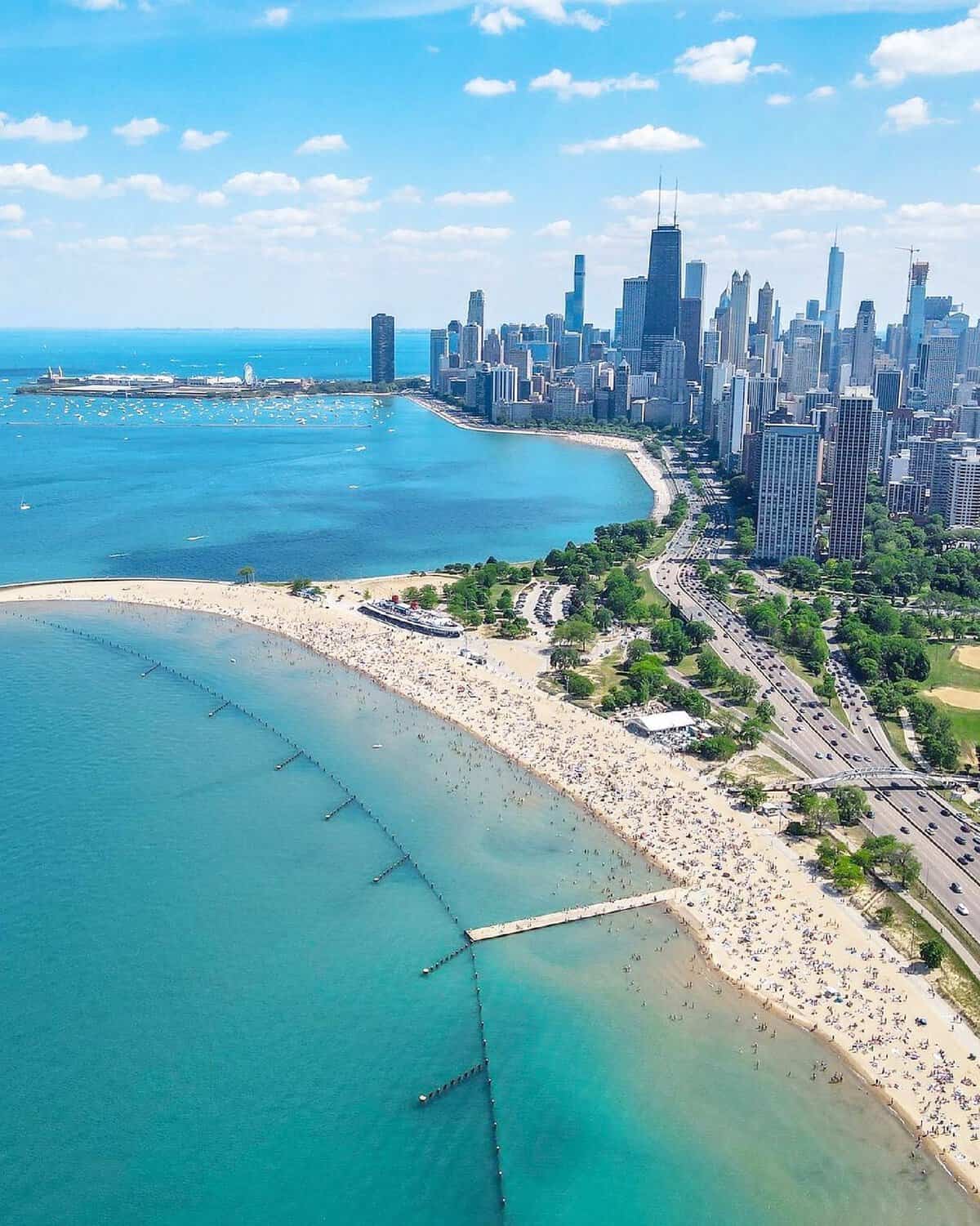
Most people don’t expect to feel remotely tropical in the middle of Chicago, which is exactly what makes North Avenue Beach worth knowing about.
Lake Michigan runs clear and blue-green here in summer, with sand wide and clean enough that the horizon genuinely looks oceanic from shore level.
The beach house anchoring the scene was designed in an Art Moderne style meant to resemble a docked ocean liner, built in 1939 and 1940 through Works Progress Administration funding during the New Deal era.
A new version of the same design went up in 1999, built from cast-in-place concrete.
Behind you, the Lincoln Park skyline rises along Lake Shore Drive in a way no other beach city in the country quite replicates. In front of you, the lake simply disappears into blue, a combination that’s surprisingly hard to find anywhere else, let alone within city limits.
Volleyball courts line the sand by the dozen, and the lakefront trail keeps a steady stream of bikers and joggers passing just behind the dunes well into the evening.
Where: 1600 N Lake Shore Drive, Chicago, IL 60614
Try the Photo Test Yourself
Here’s a small experiment worth running the next time you visit one of these places. Take a single photo of the water, crop out anything that gives away the location, and send it to a friend with no caption at all attached.
I’d bet good money that more than half of them guess somewhere tropical, somewhere with palm trees and a resort name, before anyone says Tennessee, Ohio, or the Idaho mountains.
That guess says less about your friends and more about how convincing nature can be when geology fully cooperates.
None of these places is pretending to be something they’re not, either. A glacier grinding rock into fine powder doesn’t know it’s creating a Caribbean knockoff. Limestone filtering spring water for centuries isn’t chasing a tourism slogan. The resemblance is just a happy accident of chemistry.
What struck me most while putting this list together wasn’t really the water itself, honestly. It was how often the clearest, bluest spots turned out to be the ones nobody bothered developing, the lake nobody built a marina on, the spring nobody paved a parking lot around.
That seems like the real lesson hiding underneath all this turquoise. Paradise, it turns out, survives best when people mostly leave it alone, year after year, without turning it into someone’s marketing slogan.
So go ahead and take that photo. Just maybe don’t tell everyone exactly where you took it.
More stories


Share this story