10 Stunning National Parks in the U.S. That Will Remind You Why This Country Is Worth Exploring

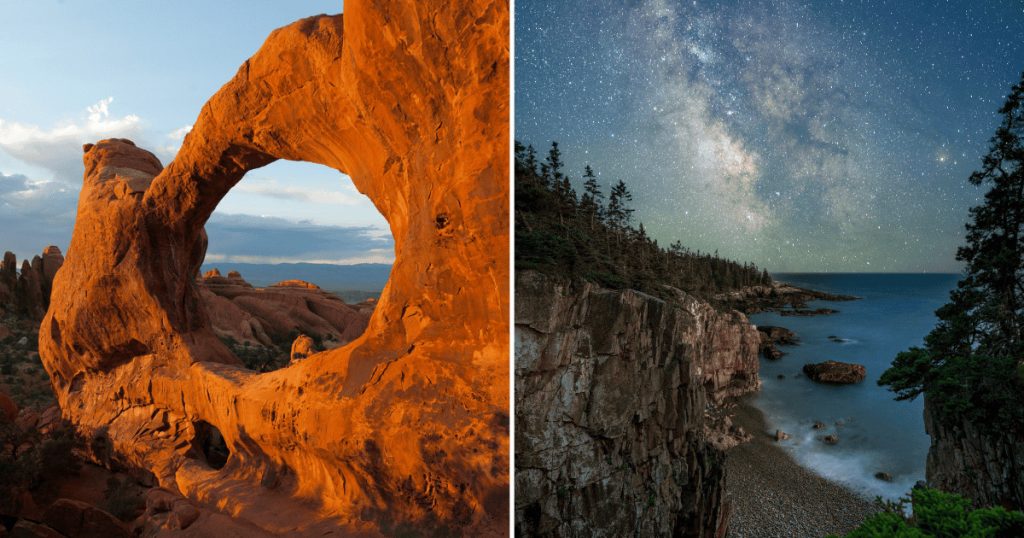
My first real encounter with a national park happened on a family road trip when I was too young to appreciate it properly. I remember thinking the trees were tall and the drive was long, and mostly wondering when we’d stop for snacks.
I’ve spent a lot of years making up for that.
There are over 60 national parks in the United States, each protecting a piece of landscape so remarkable that the country decided it should never be changed. That’s a radical idea — land set aside not for profit or development, but simply to exist.
The ten parks below represent some of the most extraordinary places in the country. Some are famous. Some are underrated. All of them have a way of making whatever you were stressed about before you arrived feel very, very far away.
Pack accordingly, and give yourself more time than you think you’ll need.
1. Grand Canyon National Park, Arizona
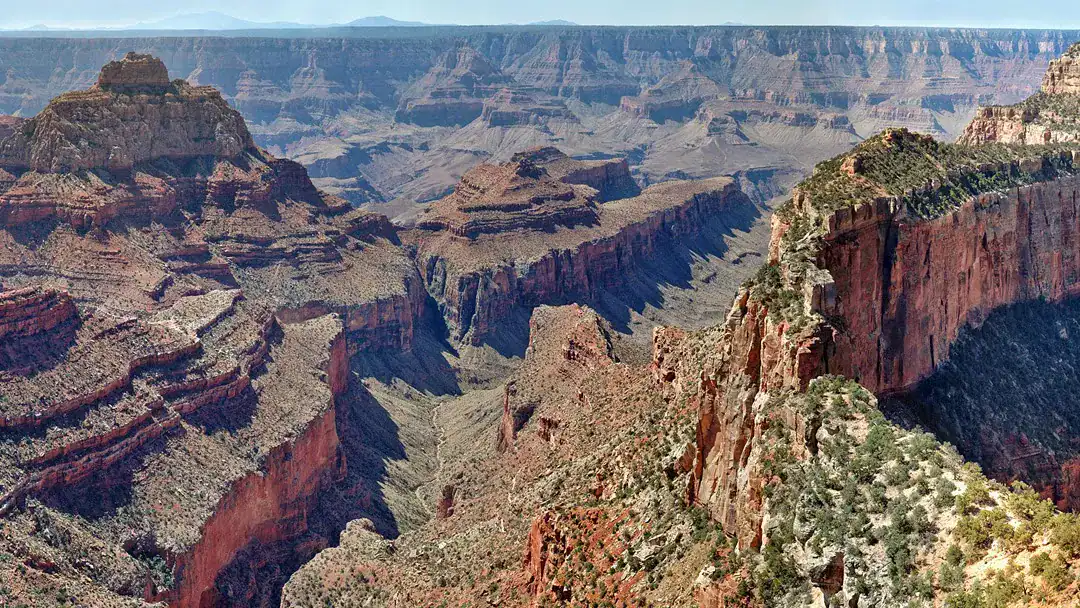
No amount of preparation fully readies you for the Grand Canyon. Everyone who has stood at the rim for the first time describes the same sensation — a sudden, almost involuntary silence, followed by the slow understanding that what you’re looking at is actually real.
The canyon stretches roughly 277 miles long and drops over a mile deep in places, carved over millions of years by the Colorado River moving through ancient rock. The walls expose nearly two billion years of Earth’s geological history in visible, color-coded layers.
The South Rim is open year-round and offers the most accessible viewpoints, ranger programs, and trailheads. The North Rim, open only seasonally, rewards visitors with fewer crowds and a different angle on the same staggering landscape.
Hiking below the rim transforms the experience entirely. The walls close in, the temperature rises, and the river’s sound builds gradually with each switchback.
Where: South Rim Visitor Center, 20 South Entrance Rd, Grand Canyon Village, AZ 86023
2. Yellowstone National Park, Wyoming
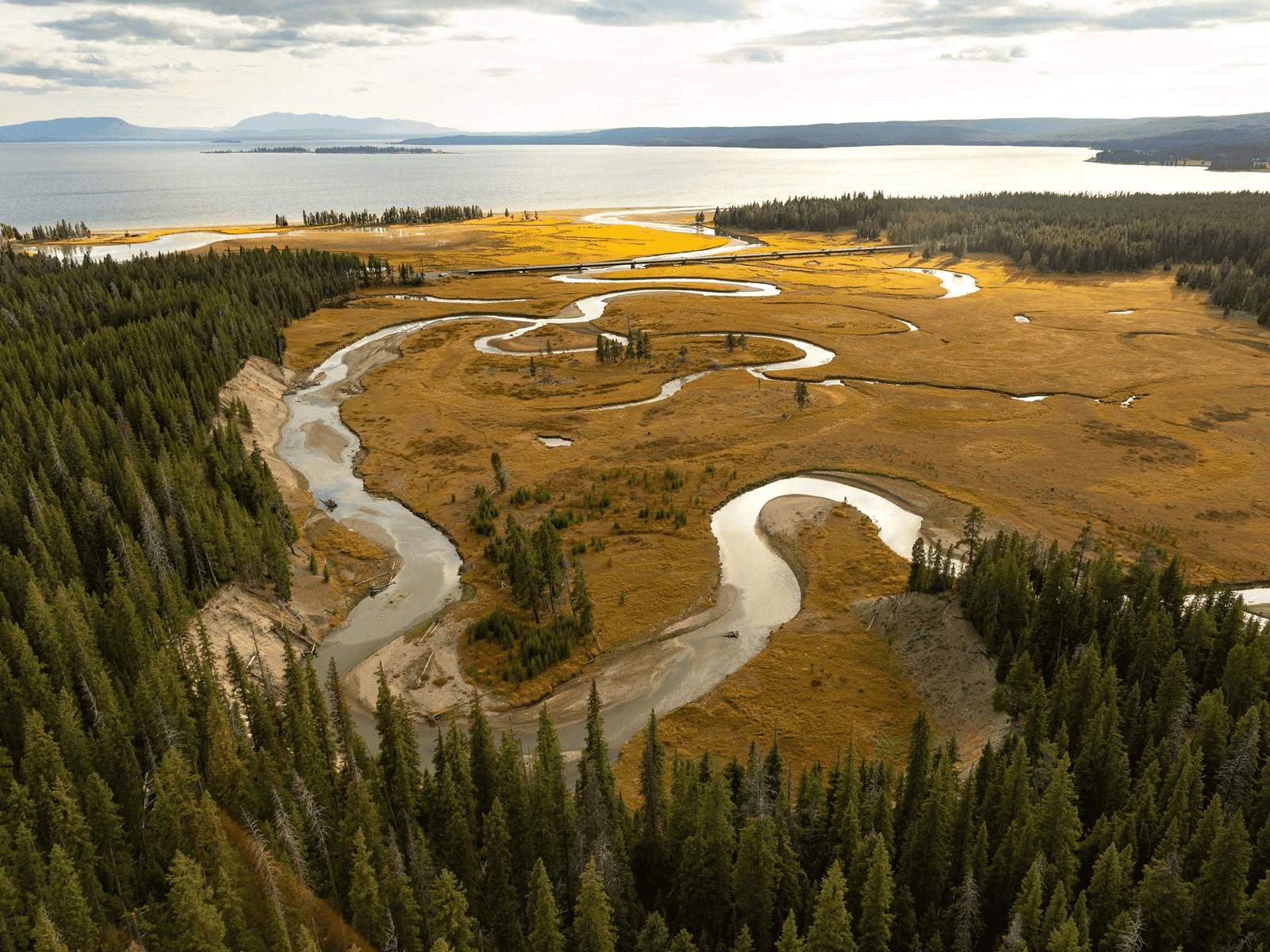
Yellowstone sits atop one of the largest volcanic systems on the planet, and the landscape makes no effort to hide that fact. Steam rises from the ground in hundreds of locations, the earth smells faintly of sulfur, and the ground itself occasionally rumbles underfoot.
The park contains more geysers than anywhere else on Earth. Old Faithful, the most famous of them, erupts on a schedule regular enough to draw crowds who arrive early and wait with genuine anticipation for what they already know is coming.
The Grand Prismatic Spring adds vivid color to the thermal drama — a deep blue center ringed with rings of orange, yellow, and green produced by heat-adapted bacteria thriving in the mineral water.
Wildlife here is extraordinary and approachable in ways that catch visitors off guard. Bison regularly stop traffic with the unhurried confidence of animals that understand exactly whose park this really is.
Where: Albright Visitor Center, 20 Albright Loop, Yellowstone National Park, WY 82190
3. Yosemite National Park, California
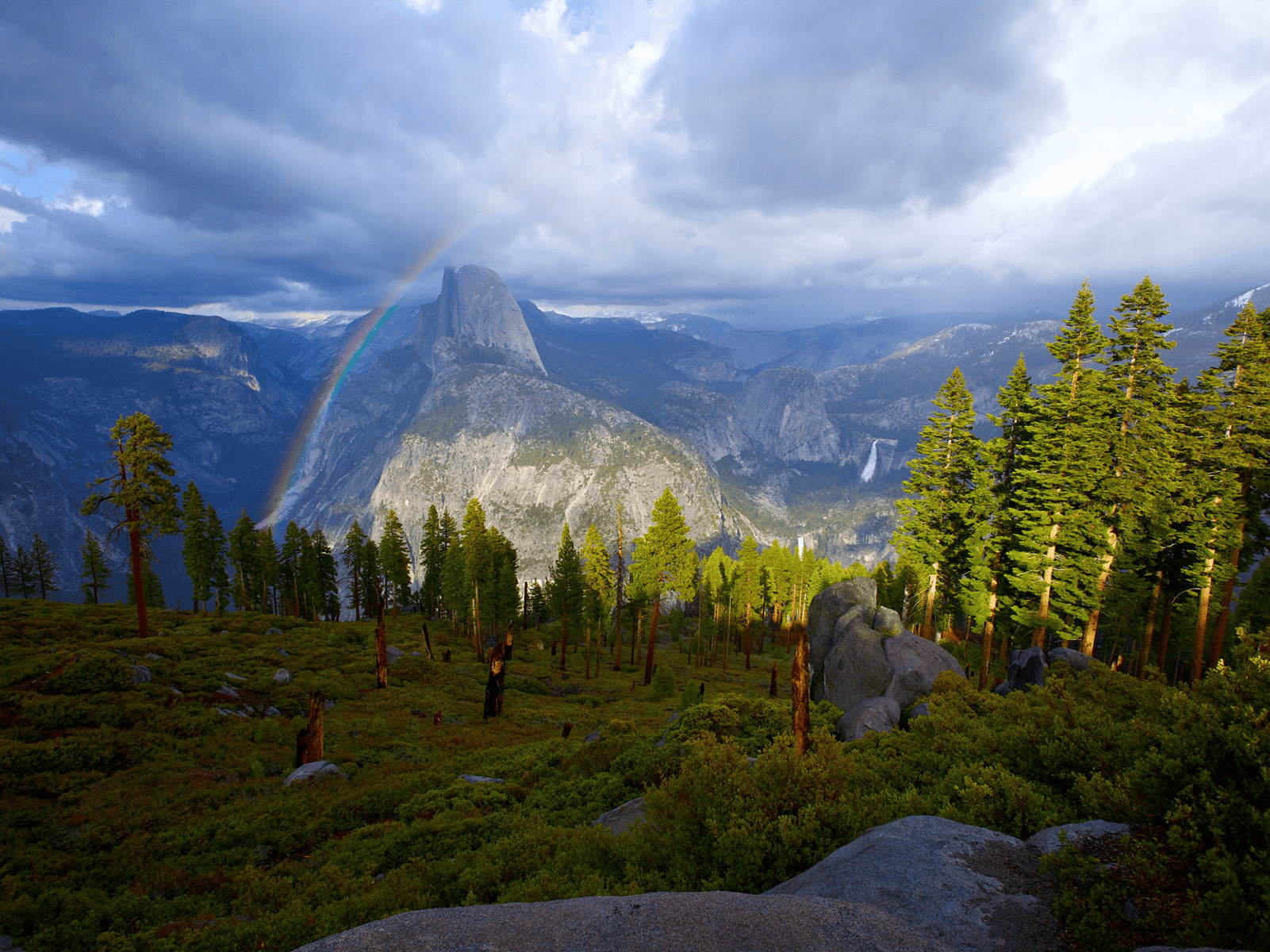
Yosemite Valley is one of those places that influenced American history simply by existing. John Muir wrote about it with such passion that his words helped launch the entire national park movement, making Yosemite partly responsible for every other park on this list.
El Capitan rises 3,000 feet from the valley floor in a single vertical sweep of granite, making it the largest exposed rock face on Earth. Climbers from around the world attempt its routes, sometimes visible as tiny figures against the enormous stone wall from the meadows below.
Yosemite Falls, one of the tallest waterfalls in North America, drops in two stages from a height of nearly 2,400 feet total. Spring snowmelt turns it into a roaring cascade; by late summer, it often slows to a trickle.
Valley crowds peak in summer, making spring and fall the sweet spots for combining good weather with more breathing room at the viewpoints.
Where: Yosemite Valley Visitor Center, 9035 Village Dr, Yosemite Valley, CA 95389
4. Zion National Park, Utah
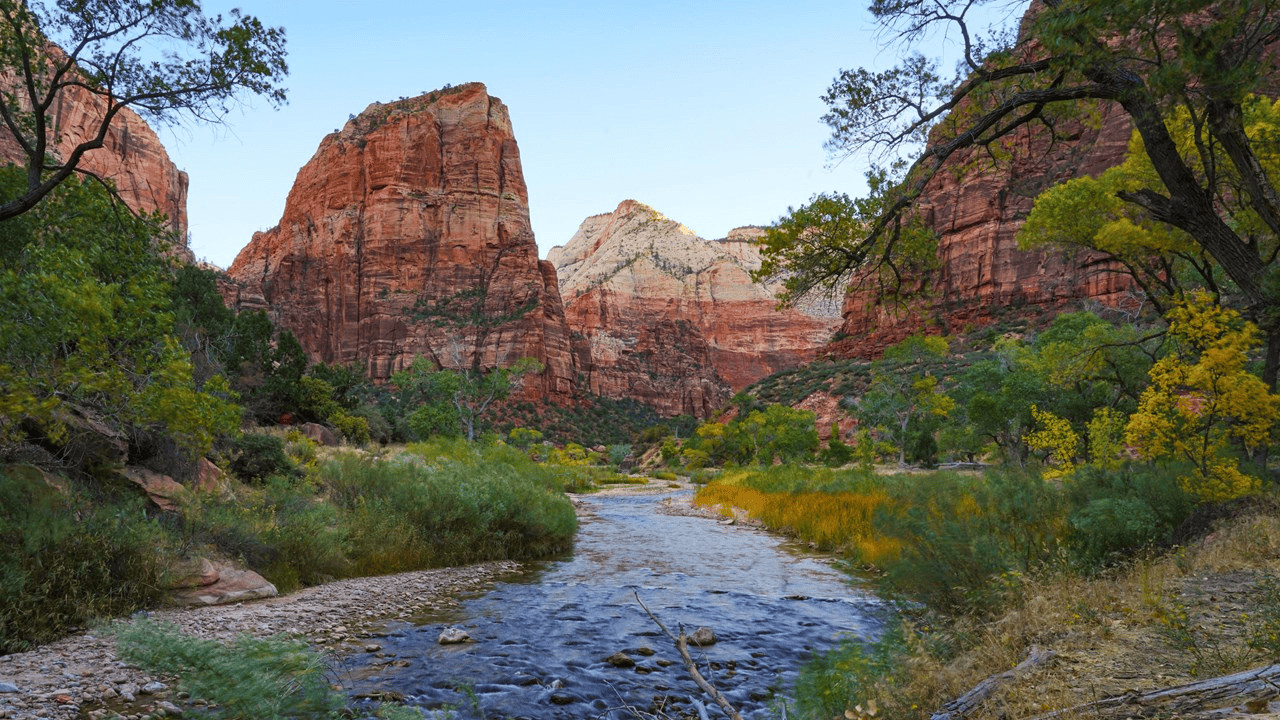
Zion’s red and cream-colored sandstone walls rise straight out of the desert floor with a drama that feels almost theatrical. The Virgin River carved this narrow canyon over millions of years, and hiking along its banks today puts you beneath walls towering up to 2,000 feet overhead.
The Narrows is Zion’s most famous hike, following the river through canyon sections barely wide enough for two people to pass each other. In some stretches, you wade directly through the water, poles in hand, while walls close in and the sky narrows to a sliver above.
Angels Landing, one of the park’s signature hikes, ends at a summit requiring a chain-assisted scramble up a fin of exposed rock. The views from the top justify the nerves it takes to get there.
Spring wildflowers and fall foliage both bring extra color to an already vivid landscape.
Where: Zion Canyon Visitor Center, 1 Zion Park Blvd, Springdale, UT 84767
5. Great Smoky Mountains National Park, Tennessee and North Carolina
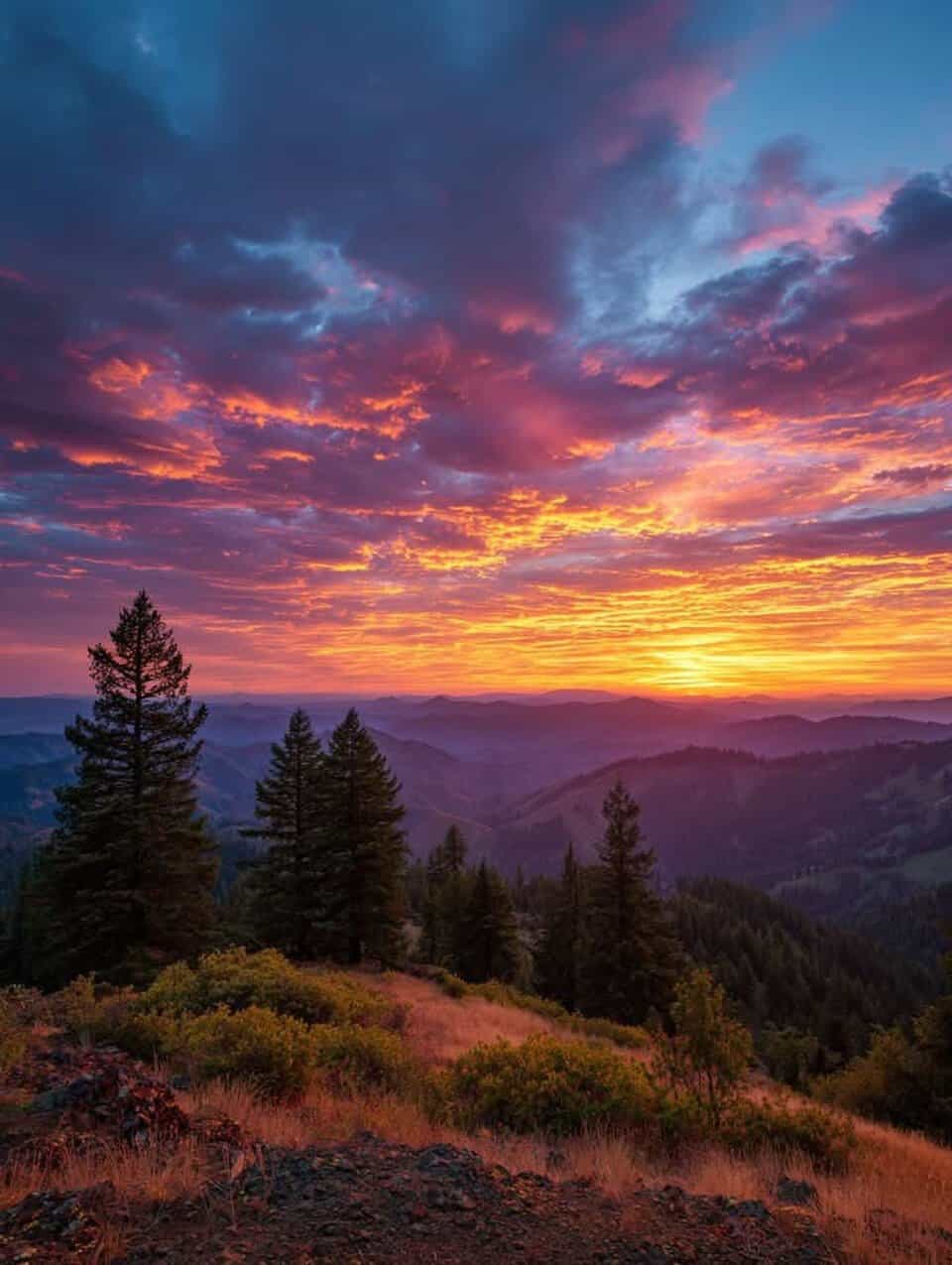
The most visited national park in the United States draws more than twelve million people annually, and it does so without charging an entry fee — a policy it has maintained since it opened in 1934. That accessibility is part of its identity.
The Smokies take their name from the blue haze that hangs over the ridgelines, produced by the trees themselves releasing organic compounds into the humid mountain air. The effect is soft and layered, like looking at a watercolor landscape rather than a real one.
Over 800 miles of maintained trails wind through the park, from short waterfall walks to multi-day backcountry routes crossing the Appalachian Trail, which runs along the park’s ridge for 71 miles.
Autumn draws particularly large crowds for the fall foliage, which sweeps down the mountainsides over several weeks as temperatures cool from the peaks toward the valley floors.
Where: Sugarlands Visitor Center, 1420 Fighting Creek Gap Rd, Gatlinburg, TN 37738
6. Glacier National Park, Montana
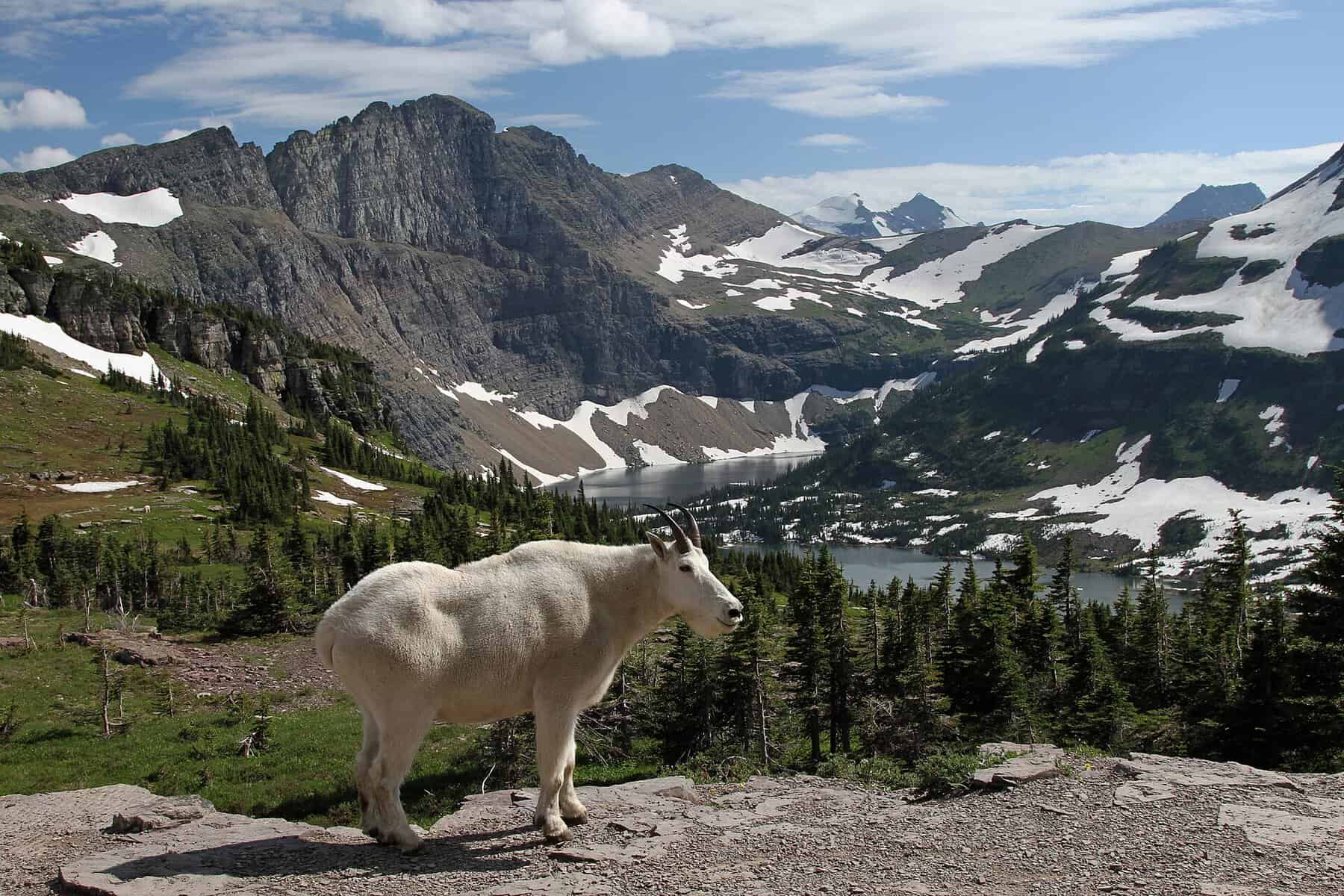
Glacier National Park carries its name honestly. When it was established in 1910, the park contained over 150 glaciers. Warming temperatures have reduced that number dramatically, making the park both a place of extraordinary beauty and a visible record of a changing climate.
Going-to-the-Sun Road, the park’s signature drive, crosses the Continental Divide at Logan Pass and delivers some of the most dramatic mountain scenery accessible by car anywhere in North America. The road is typically open only from late June through mid-October due to snowpack.
Mountain goats and bighorn sheep are frequently spotted along the road’s upper elevations, often so close to the pavement that stopping feels almost mandatory.
Hiking trails fan out from the road into valleys, past glacial lakes of extraordinary color, and up to viewpoints that frame the surrounding peaks in a way that photographs consistently fail to do justice.
Where: Apgar Visitor Center, Going-to-the-Sun Rd, West Glacier, MT 59936
7. Acadia National Park, Maine
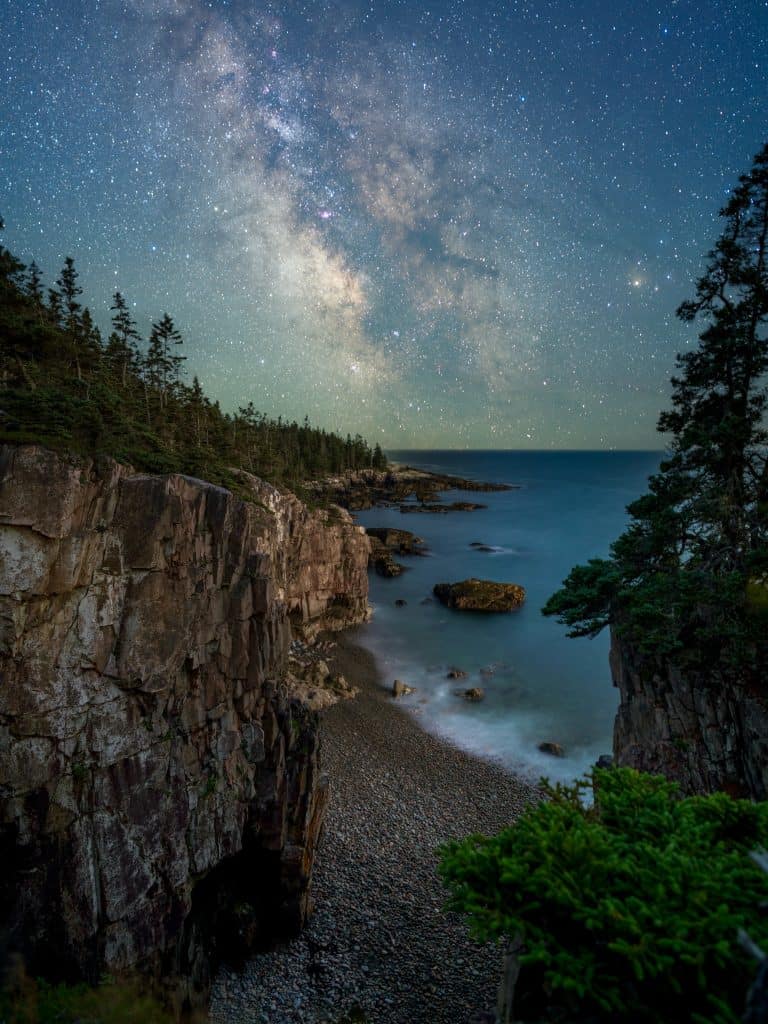
Acadia is the only national park in the northeastern United States, and it makes the most of its position on the rocky Maine coast. Granite peaks rise directly from the Atlantic shoreline, offering a combination of mountain and ocean scenery found almost nowhere else in the country.
Cadillac Mountain, at 1,530 feet, the tallest peak on the Eastern Seaboard, holds a distinction that draws early risers throughout the fall and winter months. For several months each year, it is the first place in the United States to receive the light of sunrise.
The park’s carriage roads, built by John D. Rockefeller Jr. in the early 20th century, provide 45 miles of smooth gravel paths closed to motorized vehicles. Cyclists, hikers, and horseback riders share these roads through forests, across bridges, and around mountain ponds.
Bar Harbor, the gateway town just outside the park, adds lobster rolls, galleries, and boat tours to what is already a complete destination.
Where: Hulls Cove Visitor Center, 25 Visitor Center Rd, Bar Harbor, ME 04609
8. Olympic National Park, Washington
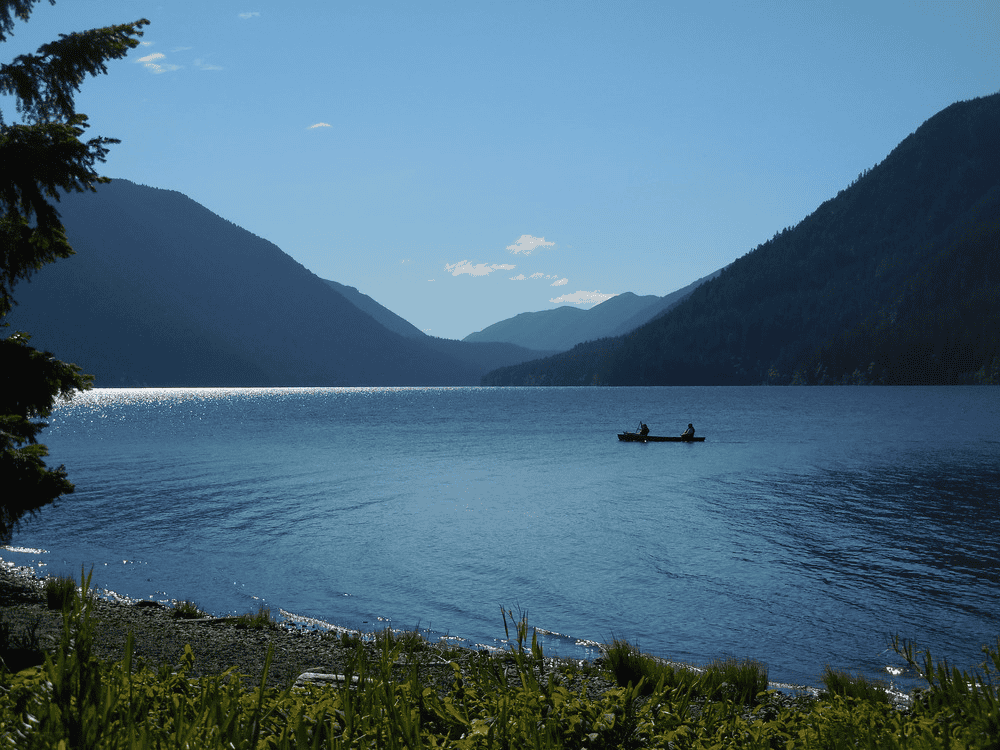
Olympic National Park contains three completely distinct ecosystems within its borders, a range found in no other park in the country. Visitors can move in a single day from glacier-capped peaks to temperate rainforest to wild Pacific coastline.
The Hoh Rain Forest receives up to 14 feet of rainfall annually, producing a landscape so densely green and draped in moss that it looks borrowed from a fantasy novel. Ancient maple and Sitka spruce trees support entire ecosystems of their own within their branches.
The park’s coastline stretches for over 60 miles and remains some of the most rugged and undeveloped shoreline in the lower 48. Sea stacks, tide pools, and driftwood-covered beaches extend in both directions from nearly every access point.
Roosevelt elk, named for President Theodore Roosevelt, who helped protect them, roam the valleys in herds large enough to stop hikers in their tracks.
Where: Olympic National Park Visitor Center, 3002 Mount Angeles Rd, Port Angeles, WA 98362
9. Arches National Park, Utah
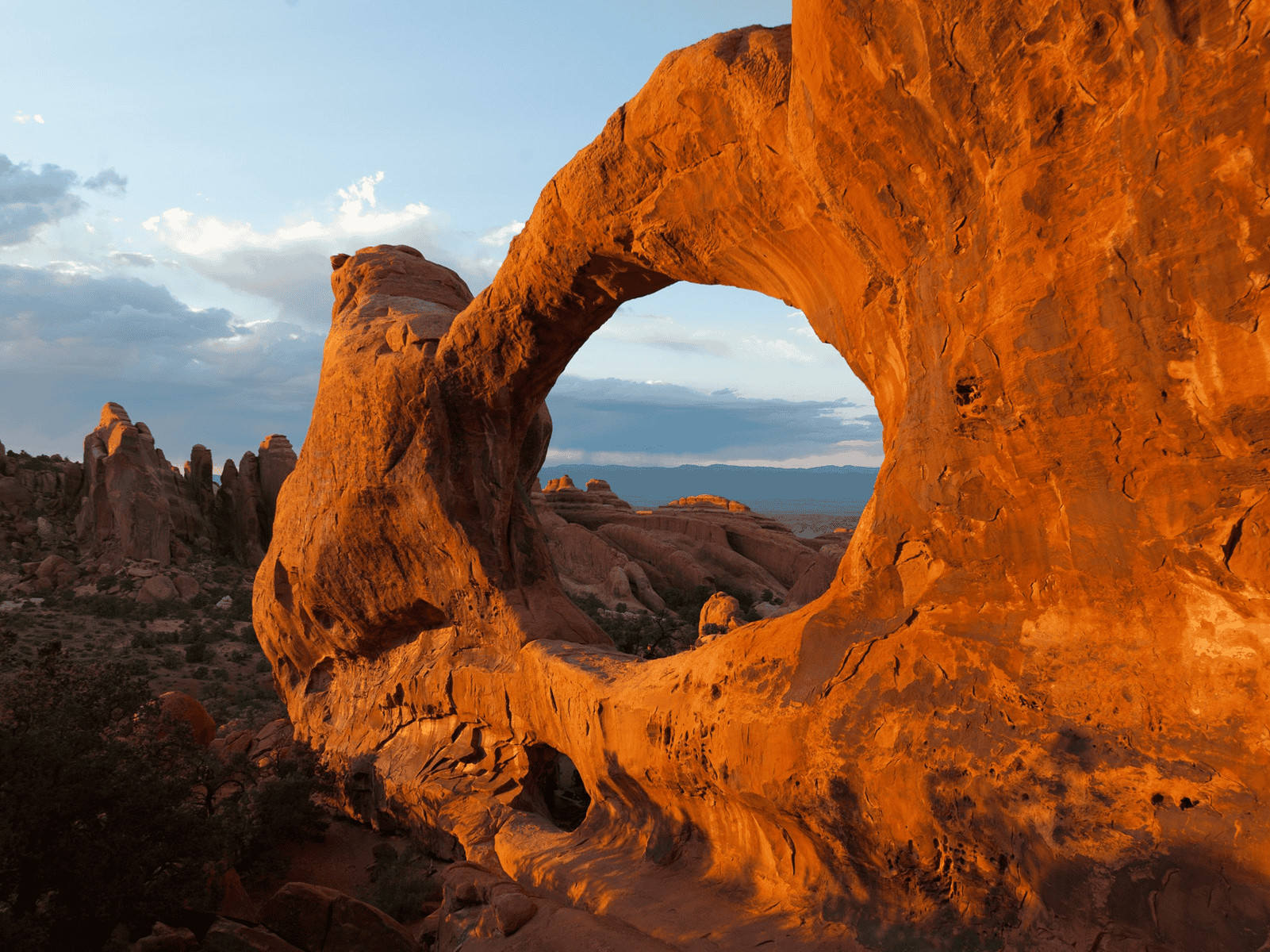
Utah’s Arches National Park contains over 2,000 natural sandstone arches within its 76,000 acres, the highest concentration of natural arches anywhere on Earth.
The landscape looks like it was designed rather than formed, each red arch framing a piece of blue sky with an almost architectural precision.
Delicate Arch, the park’s most iconic formation, stands 52 feet tall at the edge of a natural sandstone bowl. It appears on Utah’s license plate, on countless postcards, and in the memories of virtually every visitor who makes the three-mile round-trip hike to reach it.
Landscape Arch, one of the world’s longest natural arches, spans 306 feet across a narrow fin of sandstone so thin in places that sections have collapsed in recent decades. Viewing it carries the particular awareness of something irreplaceable and temporary.
Sunrise and sunset visits offer the most dramatic light, turning the red rock to shades of amber and deep crimson that shift by the minute.
Where: Arches National Park Visitor Center, N US-191, Moab, UT 84532
10. Joshua Tree National Park, California
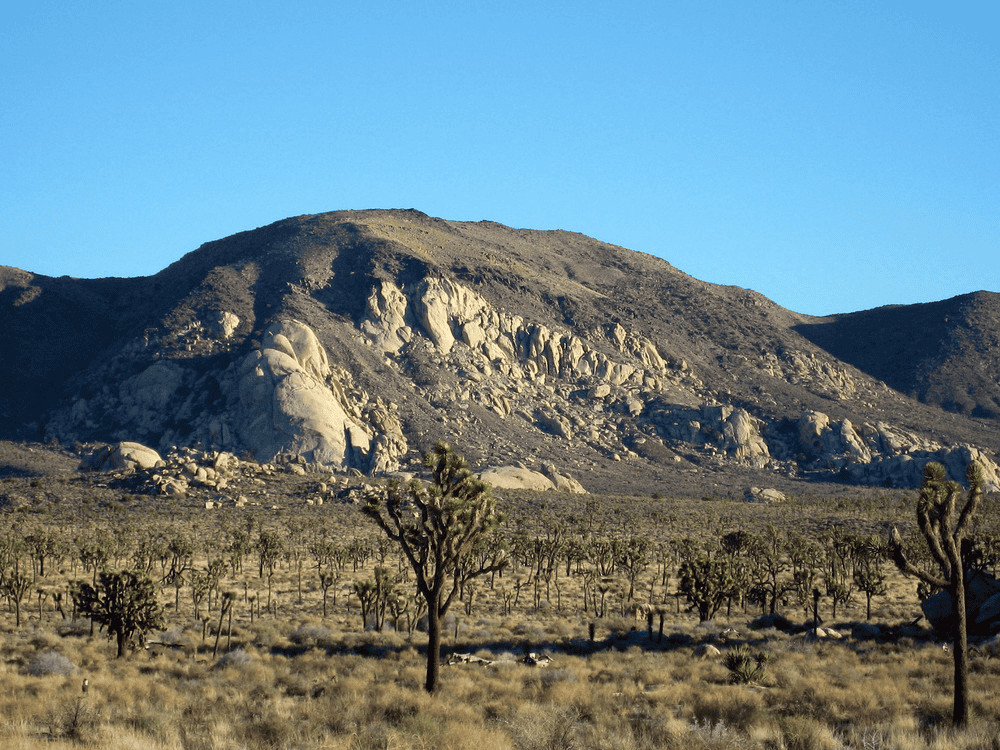
Joshua Tree sits where two desert ecosystems meet — the higher Mojave and the lower Colorado Desert — creating a landscape of surreal variety. The Joshua trees themselves look like something from a children’s book: twisted, spiky, and unlike anything else in the plant kingdom.
Rock climbers from around the world treat the park as a destination unto itself. Massive rounded boulders, called monzogranite, form formations with names like Skull Rock and Jumbo Rocks, offering thousands of climbing routes at every skill level.
The park’s distance from major cities makes it one of the best dark-sky destinations in Southern California. Night photography and stargazing events draw visitors who arrive specifically after dark, when the Milky Way becomes visible above the silhouettes of the trees.
Spring wildflower blooms, following wet winters, can transform the desert floor into something almost unrecognizable from its dry-season appearance.
Where: Joshua Tree Visitor Center, 6554 Park Blvd, Joshua Tree, CA 92252
Ten Parks, Ten Kinds of Awe
What strikes me most about this list isn’t how different these parks are from each other. It’s how different they all are from the daily world most of us inhabit.
Somewhere in this country, right now, a bison is crossing a thermal field in Yellowstone. A tide is turning over tide pools at Olympic. A Joshua tree is blooming in the dark. The arches are standing, patient, and ancient, whether anyone is looking at them or not.
These parks don’t need visitors to be extraordinary. But they do reward the ones who show up. Whatever is pulling you toward one of them, follow it. The country is bigger, stranger, and more beautiful than any single trip can hold, and that is genuinely good news.
Go see some of it. Then go back and see it again in a different season, because these parks have a way of showing you something new every single time.
More stories

These 7 Oklahoma Towns Have Historic Downtowns Worth Slowing Down For
These 10 Oklahoma Small Towns Have Landscapes That Will Make You Forget You’re In Oklahoma

This Oklahoma Town Found the Exact Center of Everything and Still Got Left Behind
These 5 Unexpected Oklahoma Towns Are Hiding Some Seriously Good Adventures
Share this story