These 7 Oklahoma Towns Have Historic Downtowns Worth Slowing Down For

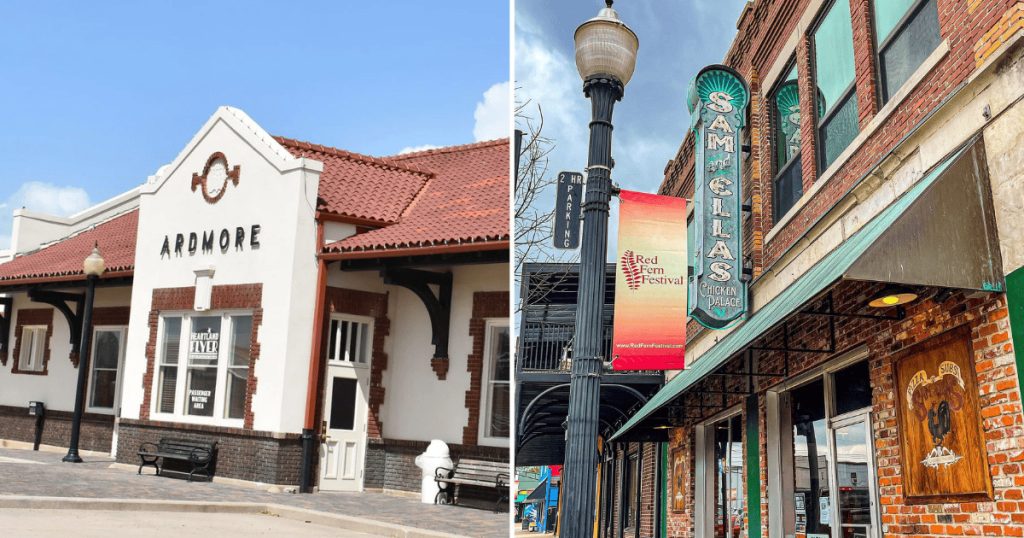
Walking through a well‑preserved downtown, I catch myself reading old building cornerstones instead of checking my phone. That small shift in attention is exactly why I’ve always been drawn to places that hold on to their past.
Most people don’t associate Oklahoma with that kind of old‑world charm, but the state is full of small downtowns that never traded brick storefronts and pressed tin ceilings for strip malls. A century of stories is still standing right where it was first built, weathered but stubbornly intact.
Below are seven of them, each shaped by a different chapter of Oklahoma’s history — from land runs to oil booms to outright disaster and rebuilding. Wear comfortable shoes, because you’ll want to look up at every cornice along the way.
What strikes me most is how differently each town earned its downtown. Some grew rich on oil, some grew up around a railroad depot, and at least one simply refused to let two separate disasters keep it down for long.
1. Guthrie
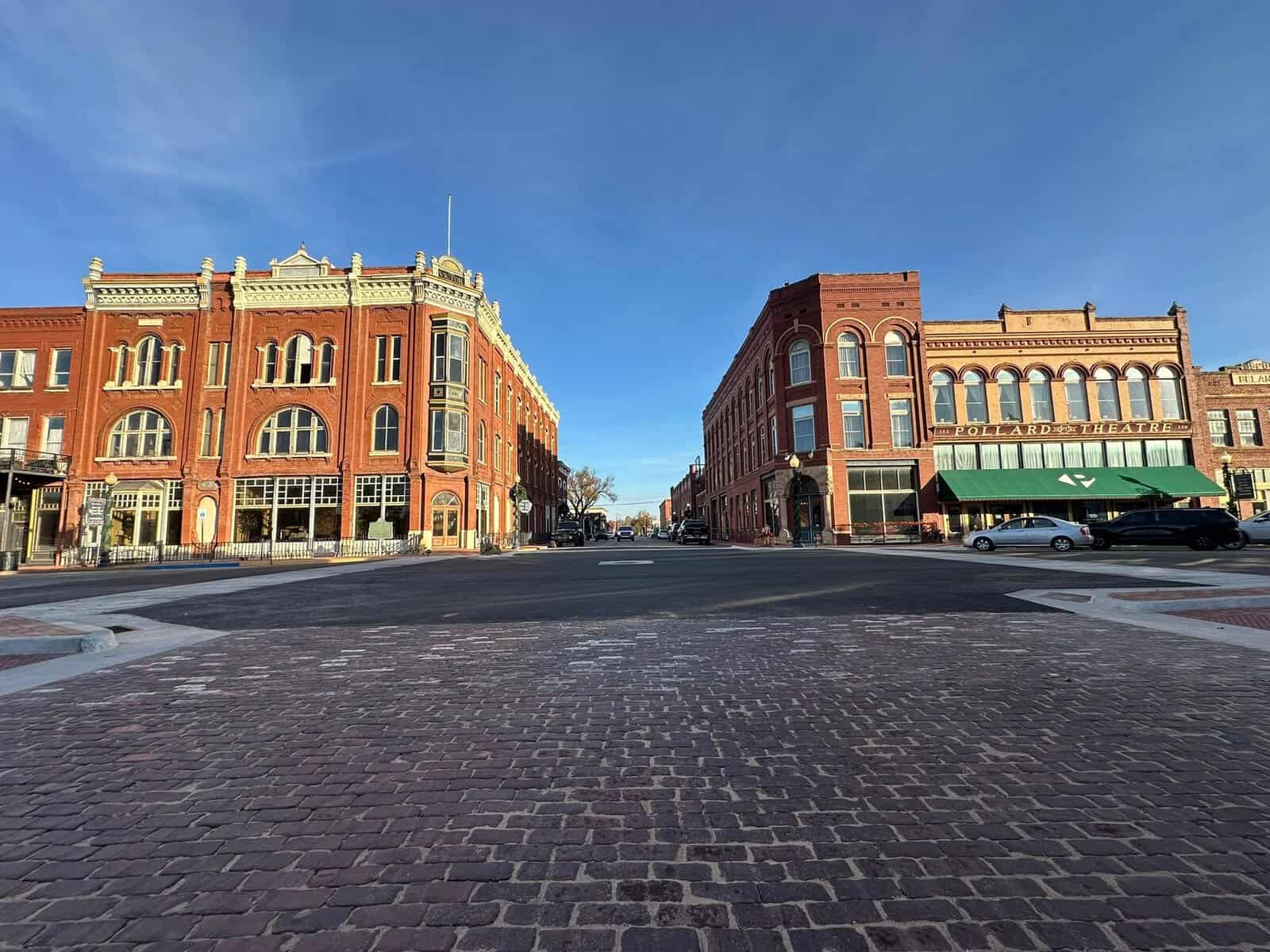
Guthrie holds one of the largest historic districts in the entire country, a sprawling stretch of Victorian-era brick buildings that has survived remarkably intact since the chaos of the 1889 Land Run. Ornate stonework and tall windows still line Oklahoma Avenue exactly as they did over a century ago.
The Scottish Rite Masonic Temple anchors one end of downtown with grand ballrooms and intricate woodwork open to guided tours, while the Oklahoma Territorial Museum nearby fills in the dramatic backstory of how this city came to exist almost overnight.
Wild West history lingers at the Blue Belle Saloon, where original fixtures and colorful old stories still greet visitors today. The Pollard Theatre keeps that same era alive through live performances inside a beautifully restored historic venue.
Antique shops fill many of the surrounding storefronts, and a converted horse-and-carriage building now serves meals just steps from where the animals themselves once waited. Few towns this size can claim a downtown quite this complete.
The whole district spans more than 400 acres, an almost unbelievable footprint for a town that started as empty prairie one morning in April and became a functioning capital city by nightfall.
Annual events lean into that history hard. A Victorian-style Christmas celebration transforms the storefronts every winter, complete with carolers and horse-drawn carriages clattering down streets that look like they never left the era to begin with.
Guthrie also served as Oklahoma’s first state capital before the title moved to Oklahoma City in 1910, and that brief but pivotal political history still shapes how seriously this town treats its own architectural preservation today.
2. Pawhuska
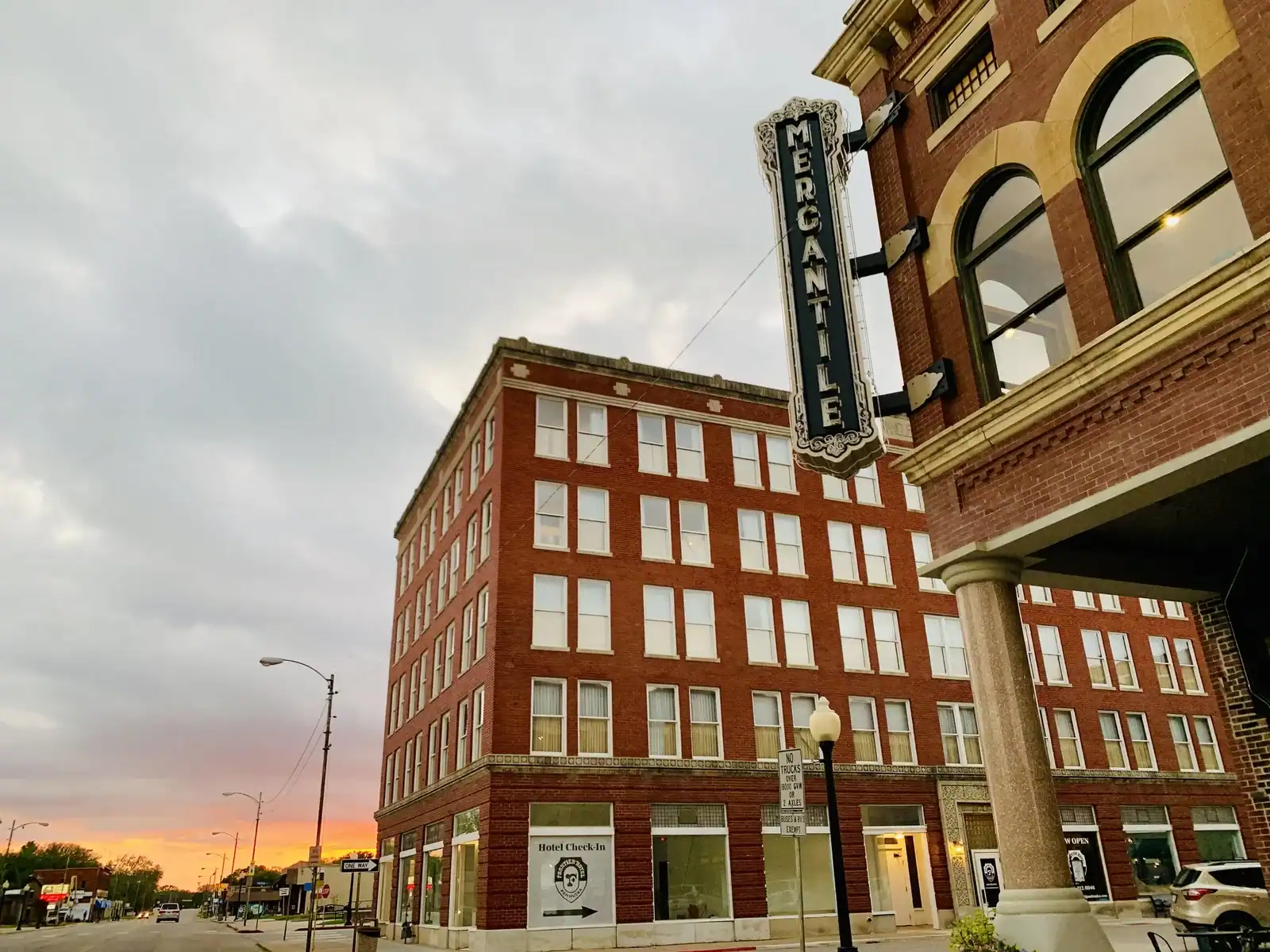
Pawhuska’s downtown wears its oil-boom wealth proudly, built from native limestone and brick during the early 1920s when Osage oil money flowed freely through Osage County. Much of that architecture has weathered nearly a century without losing its character.
Most visitors now know the town through the Pioneer Woman Mercantile, Ree Drummond’s restaurant and bakery housed in a gorgeously restored building.
But the Triangle Building just down the street shows off the same distinctive style that gave Pawhuska its look long before reality television ever found it.
The Osage Nation Museum, established in 1938, holds the title of the oldest tribally owned museum in the country. Nearby, the Constantine Theater once entertained oil barons with vaudeville shows and silent films, and ongoing restoration work aims to bring the grand old venue fully back to life.
Layers of history stack up easily here, from Osage Nation heritage to oil-era wealth to present-day revival, all visible within a few walkable blocks downtown.
The Immaculate Conception Catholic Church adds yet another architectural layer, its striking design reflecting the diverse cultural influences that shaped this corner of Osage County over the past century.
Bad Brad’s Bar-B-Q keeps the modern downtown fed, serving up a casual, locally loved menu just a short walk from the limestone storefronts that surround it on nearly every side of Kihekah Avenue.
3. Claremore
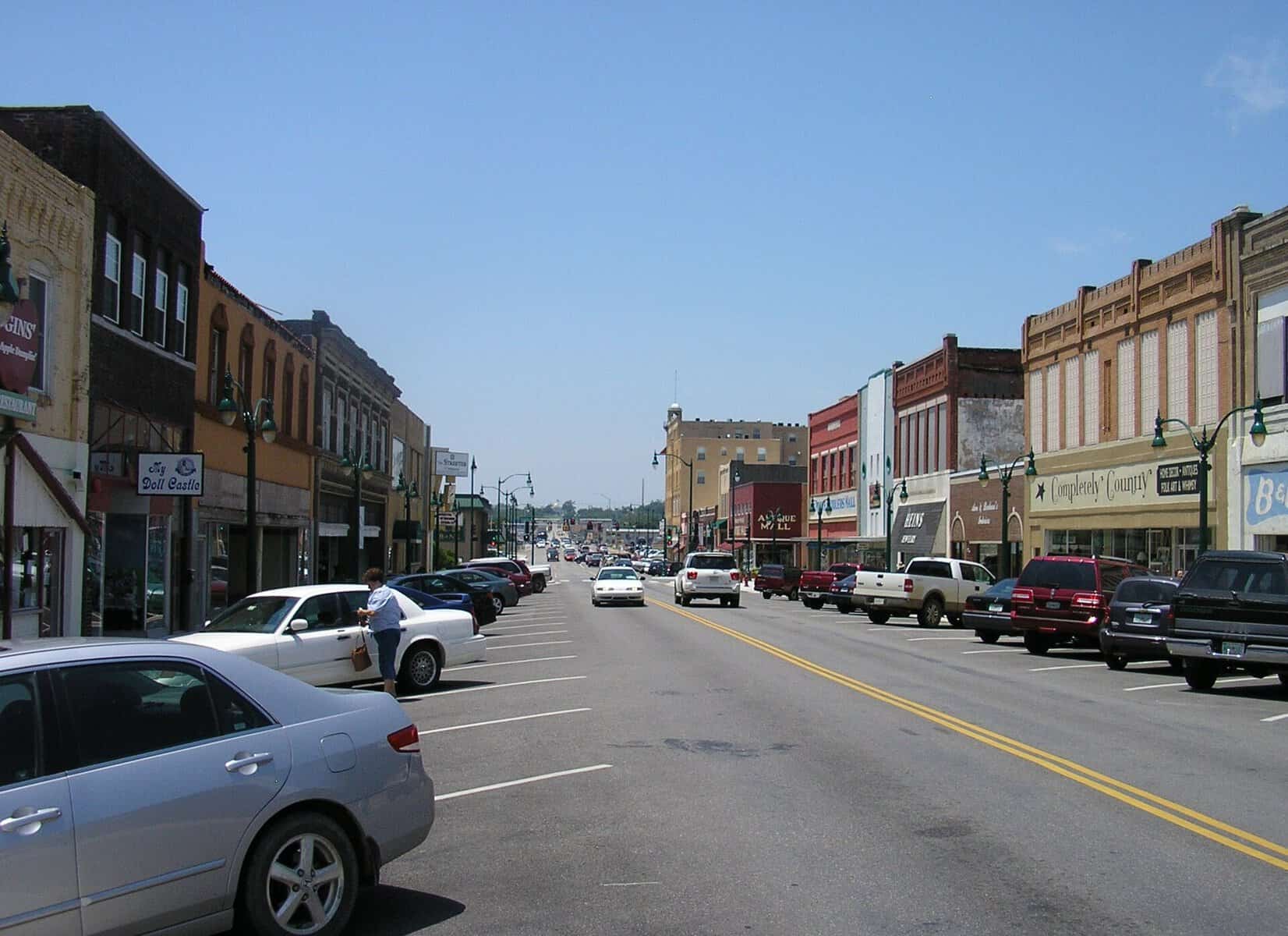
Claremore’s downtown carries the easy charm of a town that knows exactly who its favorite son is. Will Rogers put this place on the map, but the buildings surrounding his legacy tell plenty of their own stories, too.
The Belvidere Mansion stands as the most dramatic of them. Construction began in 1902 for businessman John Bayless, who tragically died of appendicitis just months before its completion in 1907.
His family finished the home anyway, even shipping in ornate woodwork salvaged from the 1904 St. Louis World’s Fair.
The mansion later became apartments, fell into disrepair, and was eventually rescued by the Rogers County Historical Society, which still maintains it today as a museum and tea room. More than one visitor has reported an unexplained chill wandering its upper floors.
The J.M. Davis Arms and Historical Museum rounds out downtown with one of the largest privately assembled gun collections in the world, while antique shops and specialty stores keep treasure hunters busy for hours.
Just off Route 66, the Will Rogers Memorial Museum adds another essential stop, with exhibits covering his life as a trick roper, actor, and writer alongside a gift shop full of Western heritage items. Vintage car shows still roll past downtown every fall.
The Claremore Expo Center keeps the town’s gathering-place tradition alive, too, hosting everything from livestock shows to concerts just a short drive from the historic district’s quieter, older streets downtown.
4. Ardmore
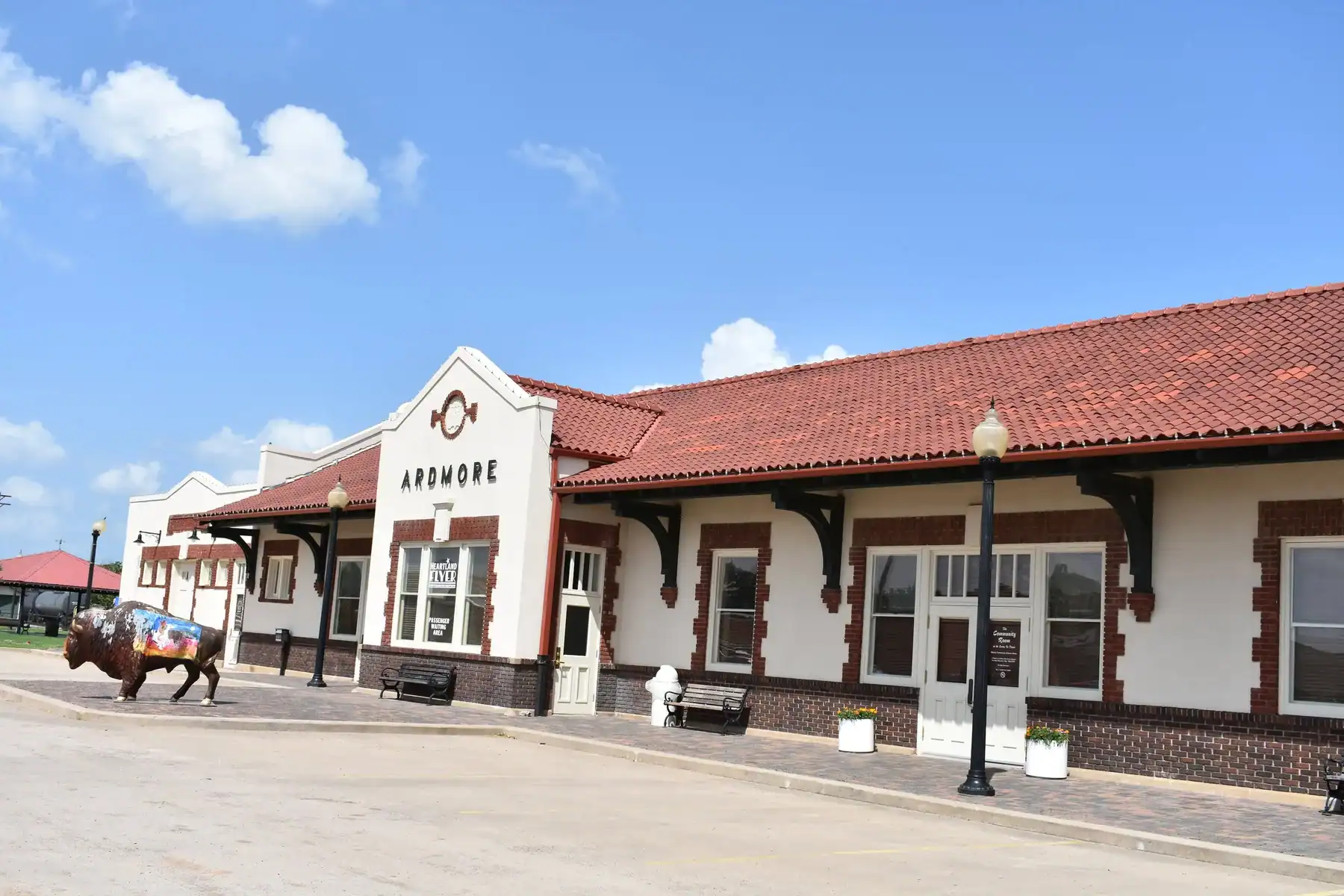
Ardmore’s downtown survived not one but two disasters before settling into the brick-lined streets visitors see today.
A devastating fire tore through the wooden business district in 1895, and just twenty years later, a railcar carrying gasoline exploded in the rail yard, leveling much of what had been rebuilt.
Each time, the town came back stronger and more determined, this time choosing solid brick and stone over wood. That rebuilding effort between 1915 and 1920 gave Main Street the cohesive, sturdy look that earned it a spot on the National Register of Historic Places in 1977.
The Goddard Center brings rotating art exhibitions to downtown, while the Eliza Cruce Hall Doll Museum offers a charming look at childhood through the decades. The Greater Southwest Historical Museum fills in the rest, covering Native American heritage and the area’s pioneer roots.
A modern Main Street revitalization effort has brought new restaurants and energy into these century-old storefronts, proving once again that this town simply doesn’t know how to stay down for long.
Wide sidewalks and decorative cornices still hint at the city’s days as a Santa Fe Railway hub, when ranchers and farmers from across southern Oklahoma came through to do business. Lake Murray State Park sits just outside town for an easy afternoon on the water.
The Hardy Murphy Coliseum continues a tradition stretching back generations, hosting rodeos and concerts that keep this southern Oklahoma town feeling like a genuine regional gathering place rather than a quiet historical footnote.
5. Stillwater
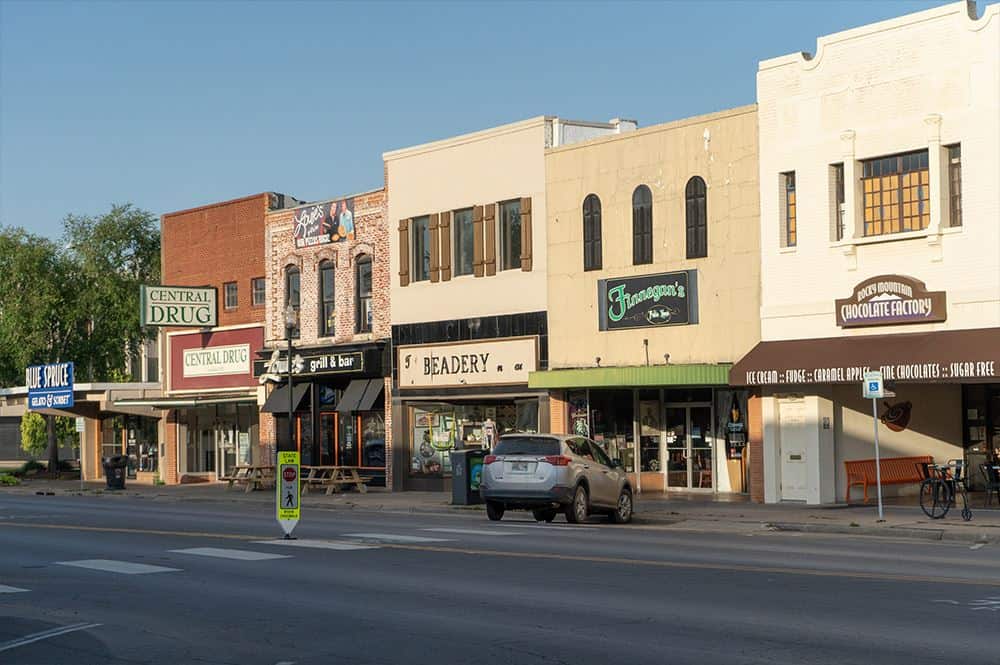
Stillwater’s downtown grew up serving a brand-new agricultural college, and that college-town energy never really faded. Main Street buildings from the early 1900s now house bookstores and coffee shops instead of the general stores they were built for.
The Sheerar Museum of Stillwater History occupies a beautiful 1920s home and traces the town’s growth through photographs and artifacts collected over generations.
A few blocks away, Old Central on the Oklahoma State University campus dates to 1894 and represents the school’s very first building.
Eskimo Joe’s started as a humble college bar in 1975 and grew into a full-blown Stillwater institution, instantly recognizable by its cheese fries and iconic logo splashed across half the t-shirts in town.
The building itself reflects the mid-century development that shaped much of downtown.
A weekly farmers market keeps Main Street feeling like a genuine gathering place, while the Gardiner Art Gallery adds a rotating dose of regional creativity to the historic streetscape.
The Cimarron River runs just beyond downtown, and Boomer Lake Park offers an easy, scenic stop for anyone who wants fresh air to go along with their walking tour of Main Street’s older buildings.
Game days bring an extra jolt of energy to these same blocks, with orange-clad fans filling sidewalks and storefronts well before kickoff at nearby Boone Pickens Stadium, just a short drive from downtown’s older buildings.
6. Tahlequah
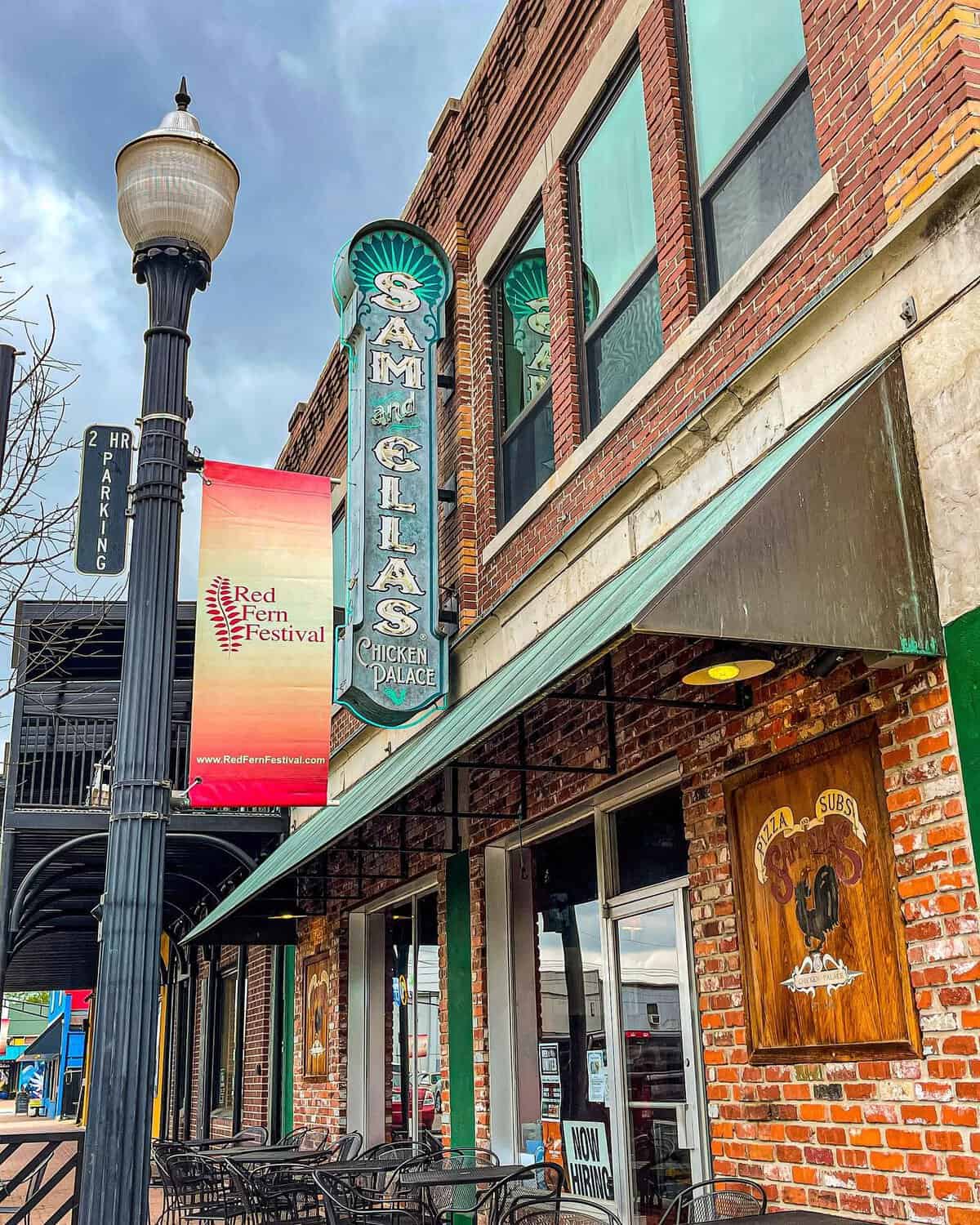
Tahlequah’s downtown carries the weight of an entire nation’s history. The Cherokee National Capitol, built in 1869 right on Muskogee Avenue, once housed the executive and legislative offices of the Cherokee Nation and remains an active government building to this day.
Just nearby, the 1844 Cherokee Supreme Court Building holds the distinction of being the oldest public building in Oklahoma, predating statehood by more than sixty years.
A charming local legend explains the town’s name, claiming three elders once decided “two is enough” after waiting for a third to arrive.
Downtown’s clock tower on Muskogee Avenue has become something of an unofficial meeting point, with storefronts from the late 1800s and early 1900s lining the surrounding blocks.
Local shops sell Cherokee art, crafts, and books, keeping traditional skills alive alongside daily commerce.
A short walk reveals the historic Franklin House, another reminder that downtown Tahlequah never stopped honoring the people who rebuilt their nation here after the Trail of Tears.
Northeastern State University sits just beyond the historic core, adding student energy to a downtown that otherwise moves at an unhurried, small-town pace year-round.
Tahlequah Main Street, the local preservation and revitalization group, keeps these old storefronts active with community events that draw both Cherokee citizens and visitors downtown throughout the year.
7. Bartlesville
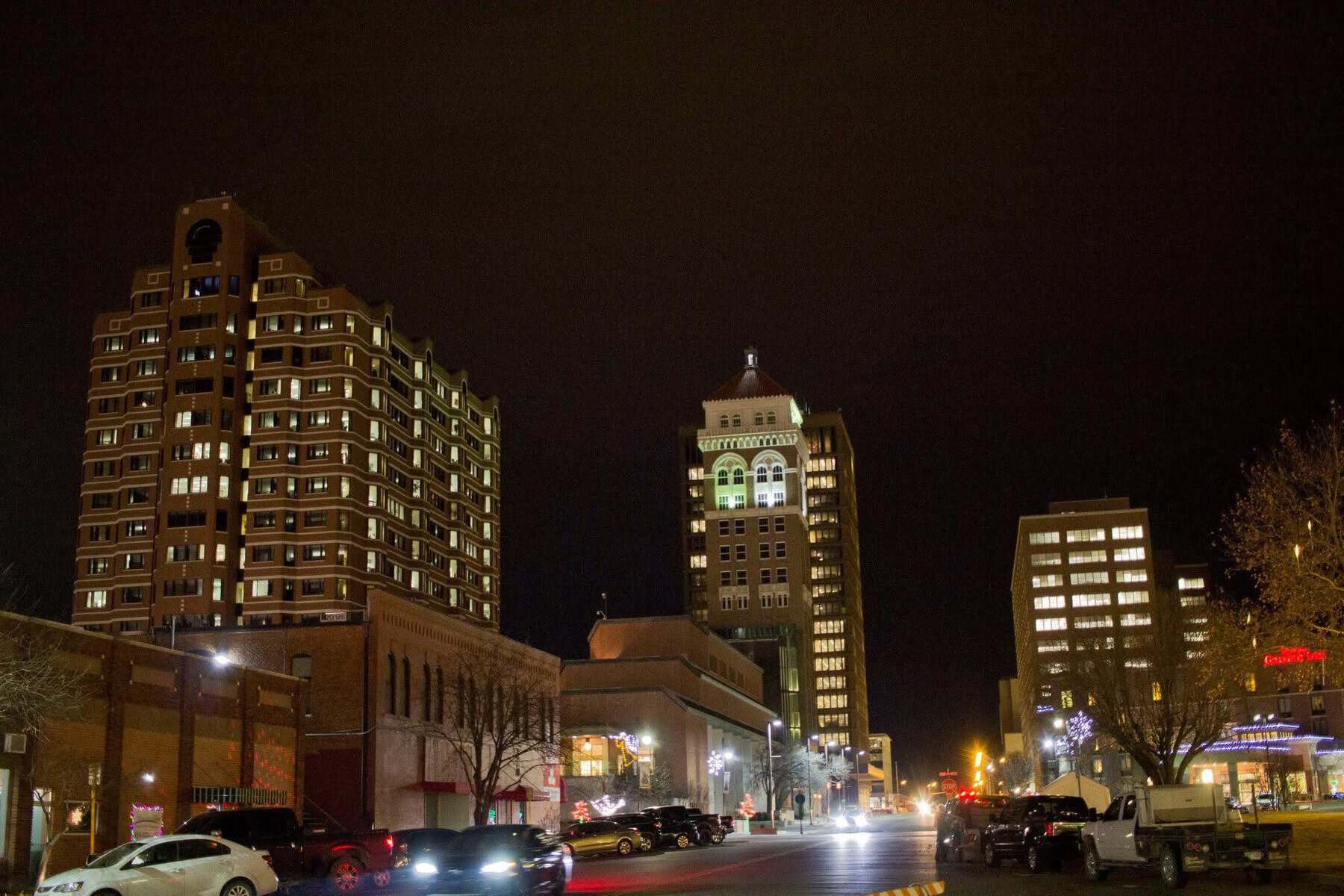
Bartlesville’s downtown owes its striking architecture to oil money, specifically the fortune Frank Phillips built after founding Phillips Petroleum Company here in 1905. Art deco details and solid, confident construction still define many of the buildings that wealth left behind.
None of it compares to the Price Tower, the only skyscraper Frank Lloyd Wright ever saw built. Its nineteen-story, copper-toned silhouette mixes residential and commercial space in a cantilevered design that felt radical when it opened and still turns heads today.
Visitors can tour the building or even spend the night at the Inn at Price Tower for the full architectural effect.
Johnstone Avenue keeps the rest of downtown humming, lined with preserved storefronts that now house locally owned restaurants, galleries, and shops.
The OkPop Museum, dedicated to Oklahoma’s contributions to popular culture, adds yet another reason to linger a little longer downtown.
Just outside the city, Woolaroc Museum and Wildlife Preserve displays the Western art and artifacts Frank Phillips collected over his lifetime, rounding out a downtown story that begins and ends with one ambitious oilman’s vision.
The Bartlesville Public Library’s mid-century modern building adds yet another architectural era to the mix, proof that this downtown never stopped evolving even after the original oil boom faded into history.
A short drive from downtown, the Frank Phillips Home offers one more glimpse into the man behind it all, furnished much as it was when the oil magnate and his own family actually lived there year-round.
Tips for a Proper Downtown Walking Tour
Most of these districts are genuinely walkable, so park once near the center of town and explore on foot rather than driving block to block. You’ll catch architectural details from the sidewalk that are easy to miss through a car window.
Many of the museums and historic homes on this list keep limited hours, often closing by midafternoon or skipping Sundays entirely. A quick call ahead saves you from arriving at a locked door.
If you can, time your visit around a local festival or Main Street event. Several of these towns lean hard into seasonal celebrations, and downtown feels even more alive with a parade or market filling the sidewalks.
Bring a camera with a wide lens if photography is your thing. Many of these storefronts and courthouse squares were built before cars existed, which means the proportions and details reward a wider frame than you’d use for typical street photos.
Main Street Never Really Closed
Seven downtowns, seven different reasons they’re still standing, and not one of them feels like a museum exhibit pretending to be a town. That’s the real thread connecting every stop on this list.
Some were built on land run optimism, others on oil money, and at least one on sheer stubborn refusal to stay knocked down. All of them kept their brick, their stories, and their reasons for a slow walk down Main Street.
It’s easy to drive past small Oklahoma towns at highway speed and assume there’s nothing worth the detour. These seven prove exactly the opposite, one preserved storefront at a time.
So next time your road trip takes you through small-town Oklahoma, skip the bypass. The good stuff is almost always one block off the highway, waiting behind a storefront window that’s been there longer than you’d guess.
Give yourself more time than you think you’ll need. Historic downtowns like these were never meant to be rushed, and the best discoveries usually happen on the side streets nobody plans to visit.
A little research before you go helps, too. Knowing the story behind a building, whether it’s a mansion built by a man who never lived to see it finished or a tower designed by one of America’s most famous architects, turns a simple walk into something closer to time travel.
More stories
10 Stunning National Parks in the U.S. That Will Remind You Why This Country Is Worth Exploring
These 10 Oklahoma Small Towns Have Landscapes That Will Make You Forget You’re In Oklahoma
This Oklahoma Town Found the Exact Center of Everything and Still Got Left Behind
These 5 Unexpected Oklahoma Towns Are Hiding Some Seriously Good Adventures
Share this story