These 10 Oklahoma Small Towns Have Landscapes That Will Make You Forget You’re In Oklahoma

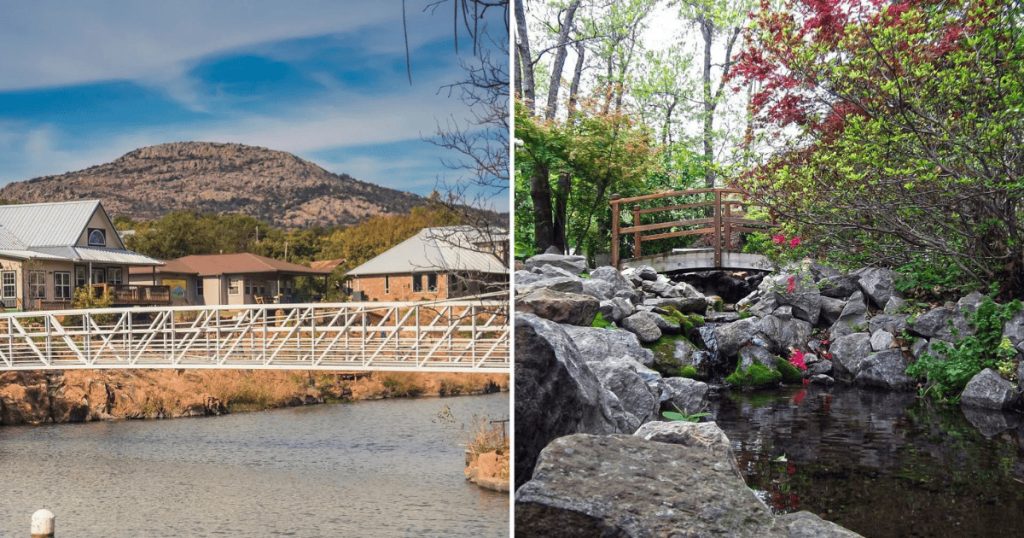
Tell people outside the state you’re road-tripping through Oklahoma, and you’ll usually get the same response: a polite nod and an unspoken assumption that you’ll be staring at flat farmland the entire way.
I used to assume the exact same thing myself, mostly because nobody ever puts Oklahoma scenery on a postcard. Mountains, waterfalls, and glassy lakes always seemed to belong to other, flashier states.
Then I actually started digging deeper into these small towns, and that whole assumption fell apart fast. Oklahoma has been quietly hoarding some genuinely gorgeous terrain, and it’s mostly hiding behind town names you’ve probably never heard of.
Below are ten of them, each tucked against a different kind of landscape. Pack a camera, because your photo roll is about to get a serious upgrade.
What strikes me most is how different each one feels from the next. Mountains, mesas, rivers, and lakes all show up within a few hours’ drive of each other, which is a tall order for any state to pull off.
1. Medicine Park
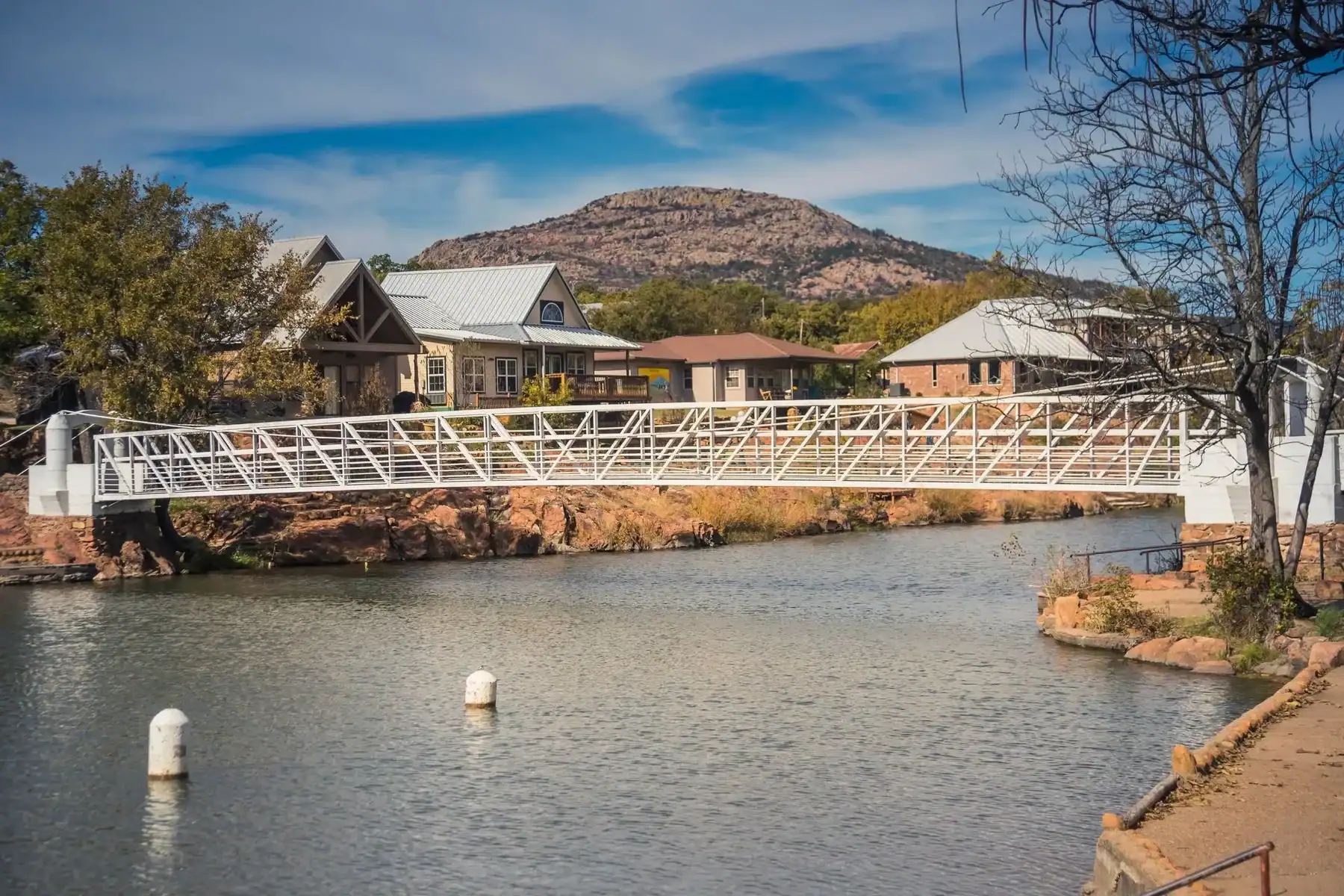
Long before resort towns were a common idea in Oklahoma, Medicine Park was already one. Founded on the Fourth of July in 1908, it holds the honor of being the state’s very first resort town, built specifically as a getaway.
The whole village is constructed from rounded, rust-colored cobblestones pulled straight from the local creek bed, giving every cottage and storefront the same warm, handcrafted texture. It’s an architectural style so distinctive that locals call it the only one of its kind in the country.
The Wichita Mountains rise just beyond town, their granite slopes turning gold at sunset and giving the whole area a backdrop that feels more Southwestern than Southern Plains.
Medicine Creek runs right through the middle of it all, crossed by small pedestrian bridges perfect for watching the light change.
Just outside town, the Wichita Mountains Wildlife Refuge adds free-roaming bison and elk to the scenery, along with hiking trails that climb granite outcrops for sweeping valley views.
In the evenings, porch lights flicker on along Cobblestone Row and reflect softly across the creek, giving the whole town a quiet, golden-hour glow that feels worlds away from the rest of the state.
Where: 154 East Lake Drive, Medicine Park, OK 73557
2. Kenton
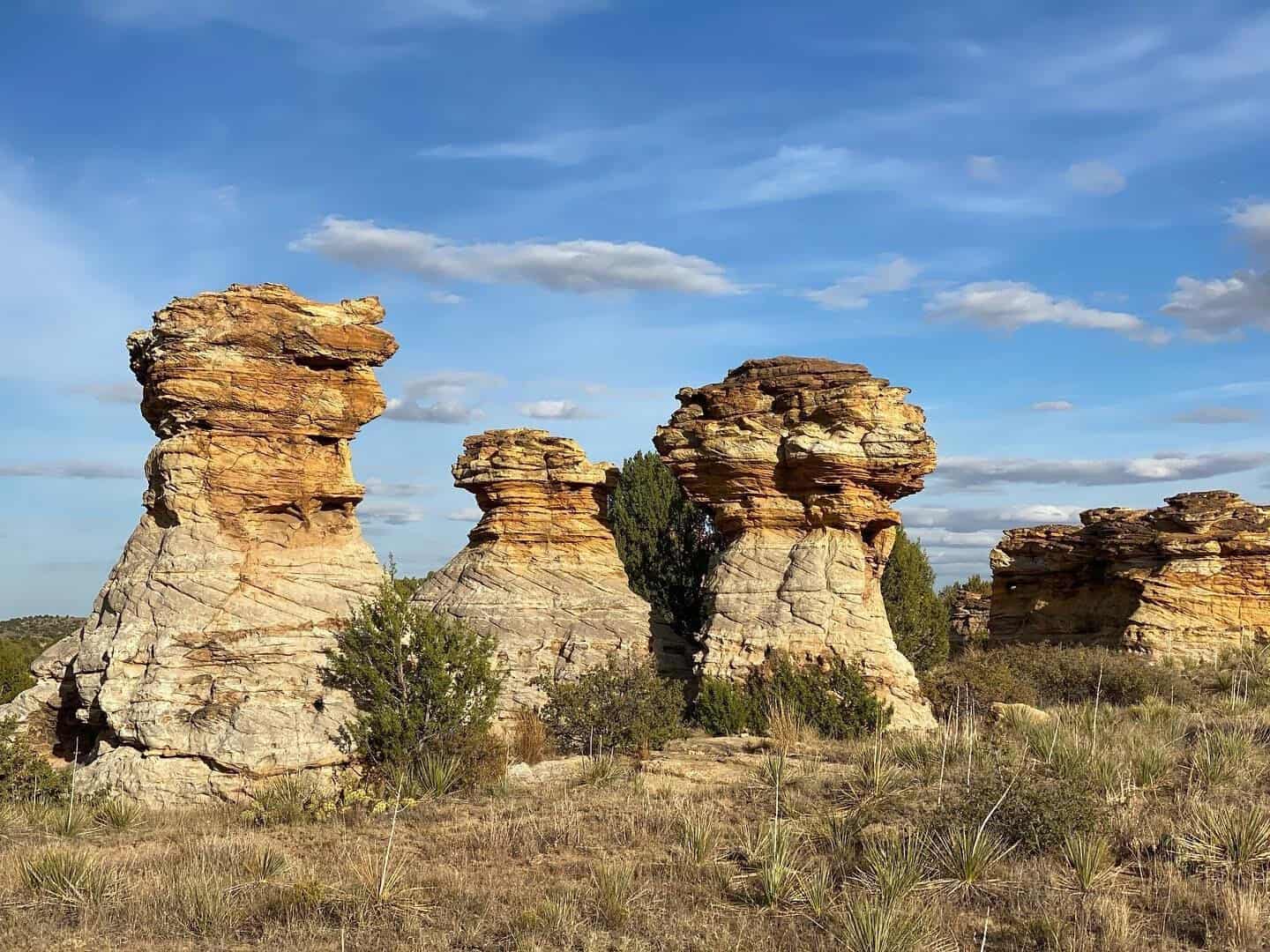
Kenton might be the most quietly dramatic town on this entire list, mostly because almost nobody has heard of it. With a population hovering around 30 people, it sits in the far northwest corner of the Oklahoma Panhandle, closer in spirit to New Mexico than to Tulsa.
It’s the only town in Oklahoma that informally runs on Mountain Time, simply because most of the people who pass through come from neighboring Colorado or New Mexico. Posted business hours even spell out “MT” just to avoid confusion.
Just south of town, Black Mesa rises to become the highest point in the entire state, its sandstone layers holding preserved dinosaur tracks along nearby Carrizo Creek. Sunrise and sunset both paint the mesa in shifting shades of rose and copper.
Local legend holds that Kenton briefly served as the county seat, only to have its records famously hauled off by residents of rival Boise City after a contested vote. Out here, the night sky gets dark enough that the Milky Way looks close enough to touch.
During its heyday, Kenton had two car dealerships, a motel, and a bustling main street. Today, most of those old buildings sit quietly, but the surrounding canyons and grasslands more than make up for the lack of crowds.
Where: 158 North Main Street, Kenton, OK 73946
3. Tahlequah
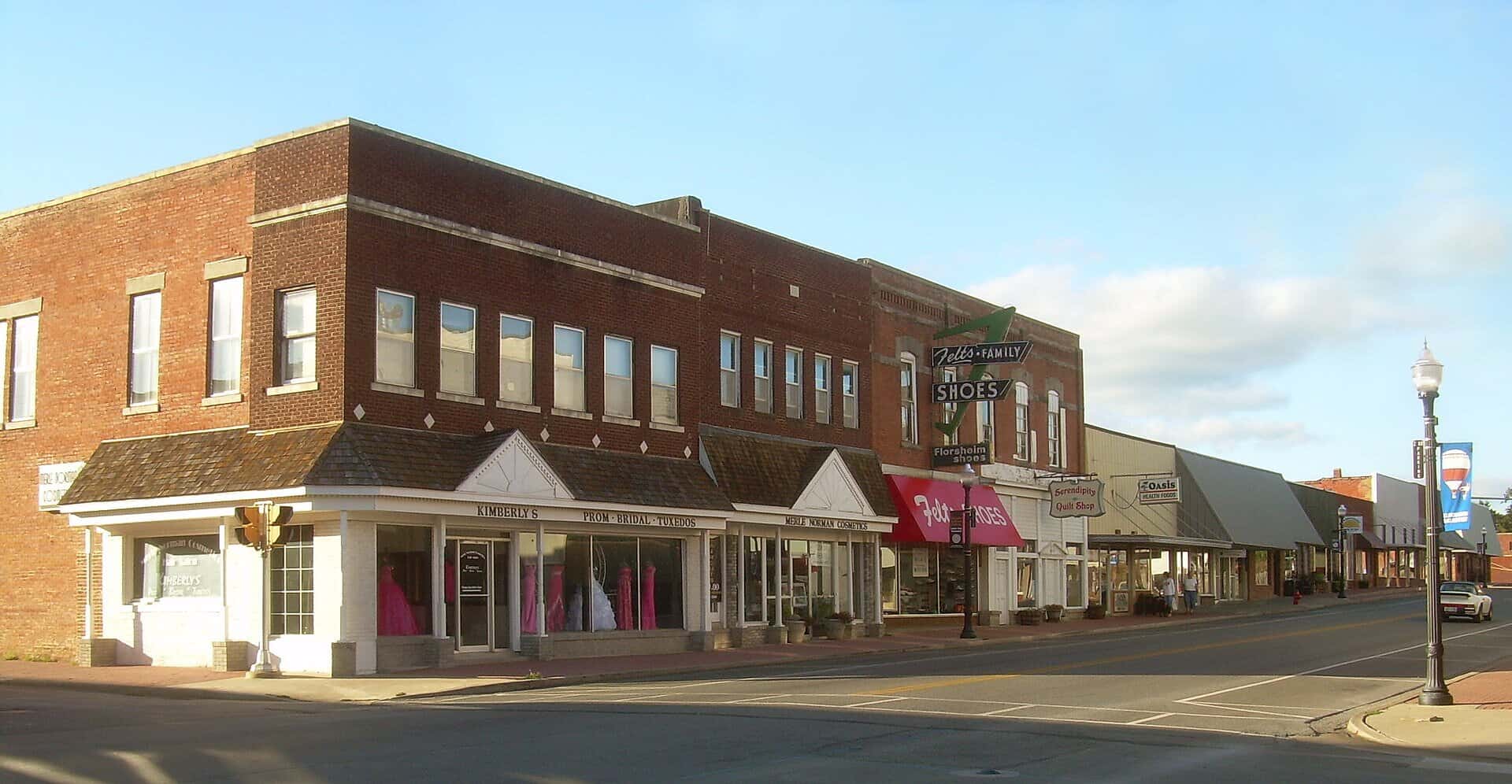
Tahlequah carries the nickname “City of Firsts” for good reason. It became the capital of the Cherokee Nation in 1839, and the Cherokee Supreme Court Building downtown, built in 1844, still stands as the oldest public building in Oklahoma.
One charming local legend explains the town’s name itself. As the story goes, three Cherokee elders agreed to meet to choose a permanent capital site, but only two showed up. After waiting through the day, they decided “two is enough,” words that eventually became “Tahlequah.”
The town sits where the forested foothills of the Ozark Mountains meet the Illinois River, a slow, clear waterway popular with kayakers drifting toward Lake Tenkiller. Limestone bluffs rise above the water, glowing pink and gold at sunset.
Wilma Mankiller, the first woman to serve as Principal Chief of the Cherokee Nation, was born here, and her legacy is woven throughout the town’s cultural sites and museums.
Northeastern State University, the oldest institution of higher learning west of the Mississippi River, anchors a downtown that mixes restored brick storefronts with easy access to wooded trails just minutes away.
Where: 101 North Muskogee Avenue, Tahlequah, OK 74464
4. Davis
Davis sits at the edge of the Arbuckle Mountains, a range so old that geologists consider it among the oldest exposed mountain systems in North America. The town is named for Samuel H. Davis, a local store owner who petitioned for the area’s first railroad depot back in 1898.
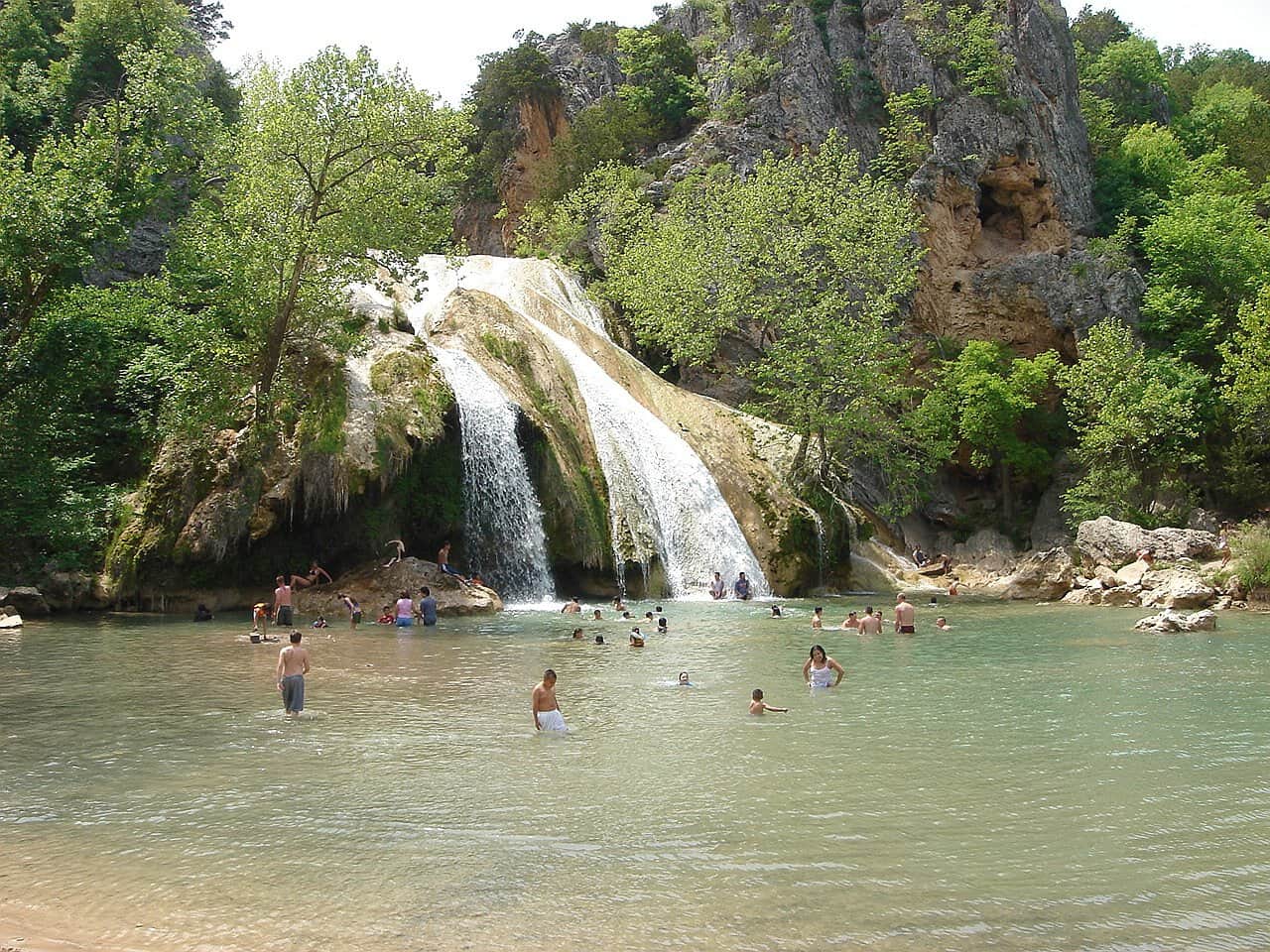
Just south of downtown, Turner Falls Park holds one of Oklahoma’s tallest waterfalls, a genuine surprise tumbling into a blue-green swimming hole framed by limestone cliffs. Honey Creek winds through the canyon below, glittering under patches of sycamore and ash.
A short drive east leads to the Chickasaw National Recreation Area, where the Lake of the Arbuckles adds even more shoreline to explore. The Davis Museum, housed in a beautifully restored 1907 Santa Fe railroad depot, fills in the human history behind all that scenery.
Cloudy days only seem to improve the view here, deepening the green of the canyon walls and smoothing the reflections across every pool below the falls.
Where: 100 East Main Street, Davis, OK 73030
5. Bartlesville
Bartlesville grew up along the banks of the Caney River, where an entrepreneur named Jacob Bartles built a gristmill in the 1870s and eventually gave the growing settlement his own name. Decades later, the sudden discovery of oil transformed the quiet river town almost overnight.
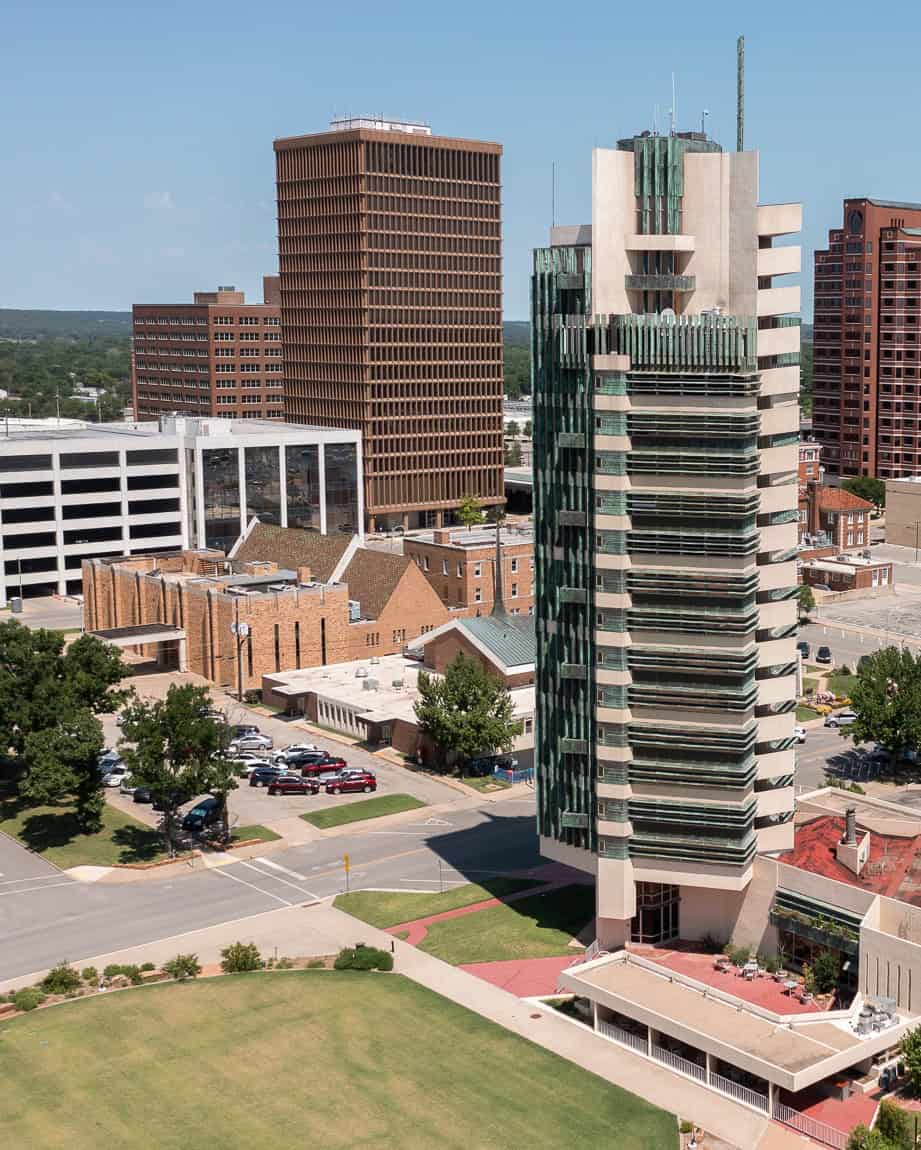
That oil money helped fund one of the town’s most striking landmarks: the Price Tower, the only skyscraper Frank Lloyd Wright ever saw built. Its copper-toned, geometric silhouette rises above the tree canopy in a way that feels almost out of place, and wonderfully so.
Trails through Sooner Park and the Pathfinder Parkway trace the edges of the same river that built the town, winding past herons fishing the shallows. Just outside the city limits, Woolaroc Museum and Wildlife Preserve adds rolling prairie, woodland, and a resident herd of bison to the scenery.
Public art and seasonal color show up in unexpected corners downtown, rewarding anyone willing to wander a few blocks off the main strip on foot.
Where: 300 SE Adams Blvd, Bartlesville, OK 74003
6. Jay
Jay holds a title no other town in the state can claim: the Huckleberry Capital of the World, celebrated every Fourth of July weekend with a festival that’s been running since 1967. The Cherokee name for the area, Dlaygvi, translates to “Bluejay Place.”
Unlike most early Oklahoma towns, Jay wasn’t built along a river or rail line. It was deliberately surveyed and platted to sit at the exact geographic center of Delaware County, specifically so it could serve as the new county seat.
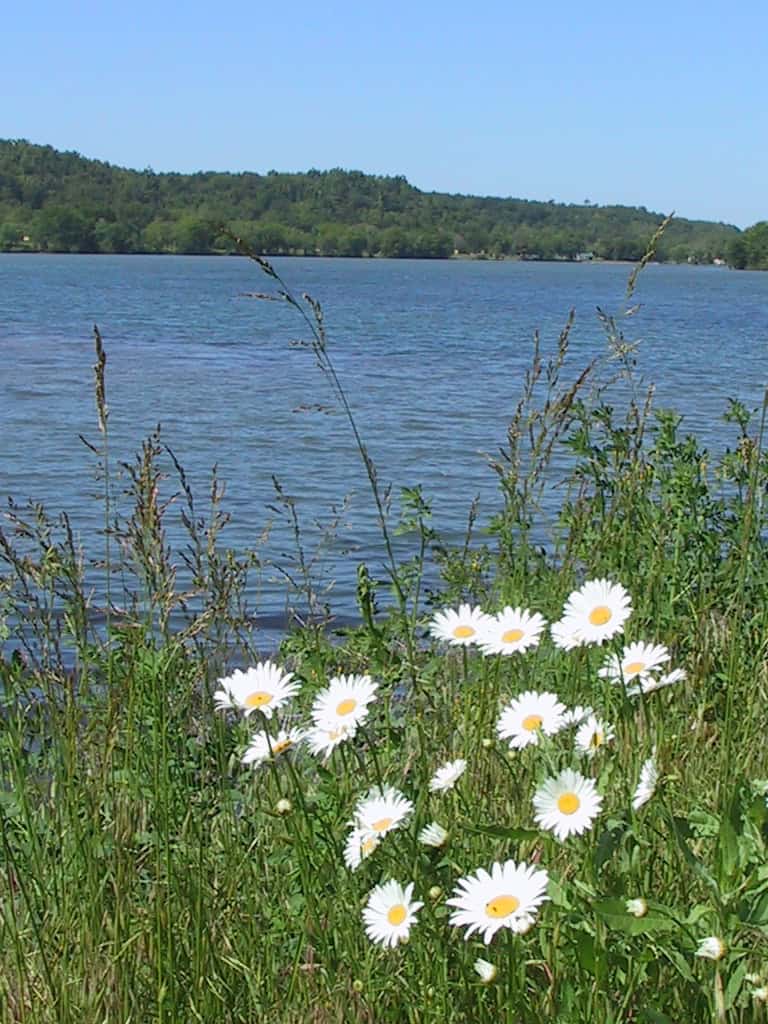
The town sits within the oak and hickory forests of the Ozark Plateau, close enough to both Grand Lake of the Cherokees and Lake Eucha that a short drive puts you at the water’s edge. Ridges roll gently in every direction, dotted with dogwoods that bloom pale pink each spring.
Nearly 40 percent of Jay’s residents are Native American, and the town hosts several Cherokee Nation tribal offices, adding a living layer of culture to an already scenic stretch of forest.
Where: 102 North 5th Street, Jay, OK 74346
7. Sallisaw
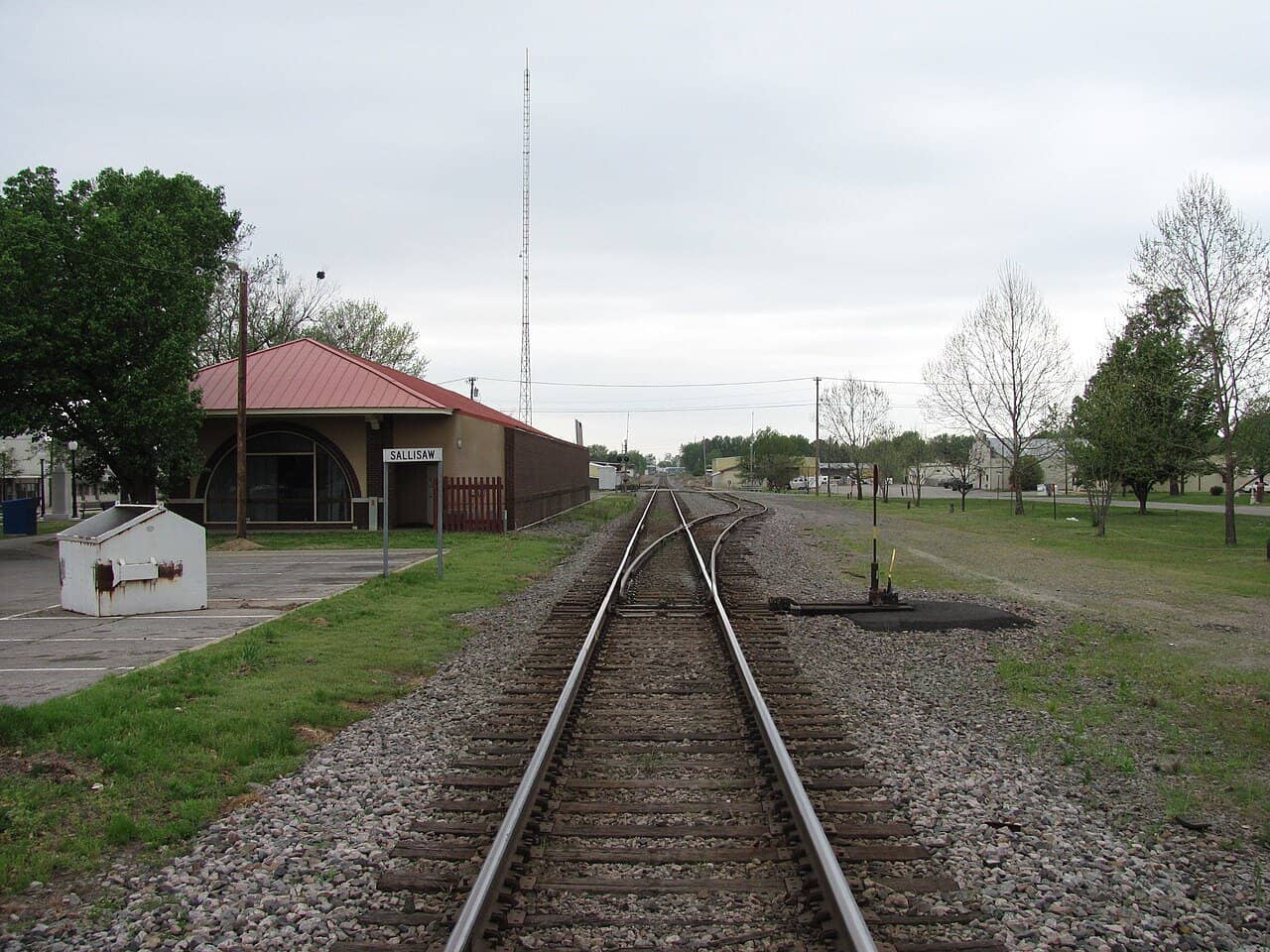
Sallisaw’s name traces back to the French word salaison, meaning “salt provisions,” a nod to the natural salt springs early hunters once used to cure and preserve meat for the long journey home. Remnants of old salt-making kettles can still be found scattered around the surrounding hills.
The town sits at the southern edge of the Cookson Hills, a rumpled, forested stretch of eastern Oklahoma that looks more like Appalachia than anything most outsiders picture when they hear “Oklahoma.” Sallisaw was founded in 1886 when the railroad finally reached the area.
From here, the Talimena Scenic Drive opens up a ridge-top tour through the Ouachita foothills, with long valley views that shift color by the hour. Closer to town, the Brushy Lake Bike and Hiking Trails wind through quiet, shaded woodland perfect for an easy afternoon.
Downtown Sallisaw has leaned hard into preservation in recent years, restoring historic lighting and storefronts while keeping easy access to those same wooded hills just past the edge of town.
Where: 115 East Choctaw Ave, Sallisaw, OK 74955
8. Poteau
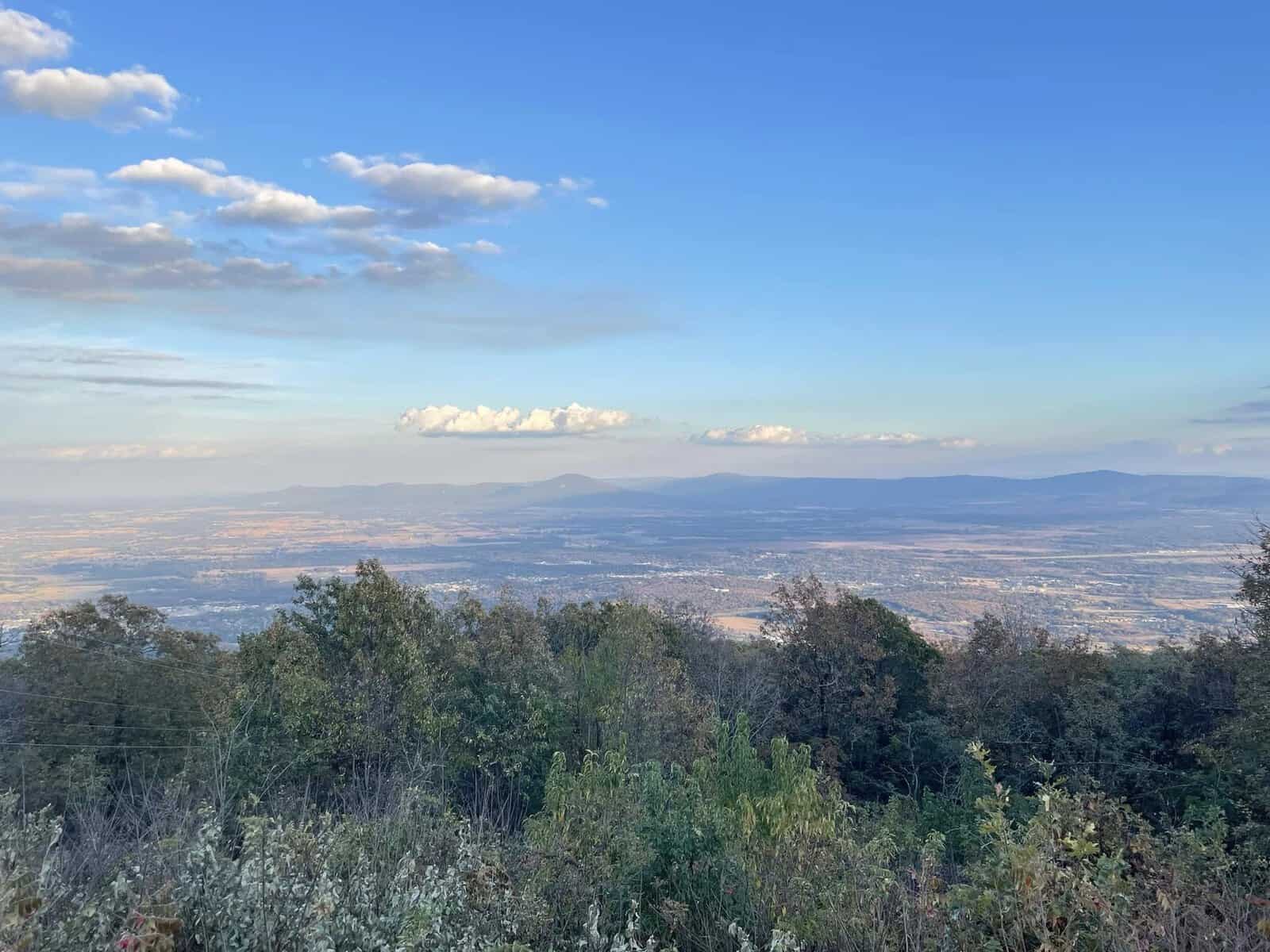
Poteau takes its name from the French word for “post,” and the town sits almost entirely surrounded by mountains, with Sugar Loaf Mountain visible to the east and the Winding Stair Mountain Range stretching along the southern horizon.
Just west of downtown rises Cavanal Hill, frequently cited as the world’s tallest hill, since its peak technically falls just short of qualifying as a true mountain. Locals treat that distinction with a mix of pride and good humor.
History runs unusually deep here, too. Centuries-old Mound Builder sites lie nearby, and the mysterious Heavener Runestone, with its still-debated ancient carvings, sits inside its own state park a short drive away.
Morning fog often settles into the surrounding valleys before lifting to reveal layered, forested ridgelines.
Poteau took its name seriously enough to build a downtown almost entirely framed by mountain views, visible from several side streets without ever needing to leave the sidewalk.
Where: 111 Peters Street, Poteau, OK 74953
9. Grove
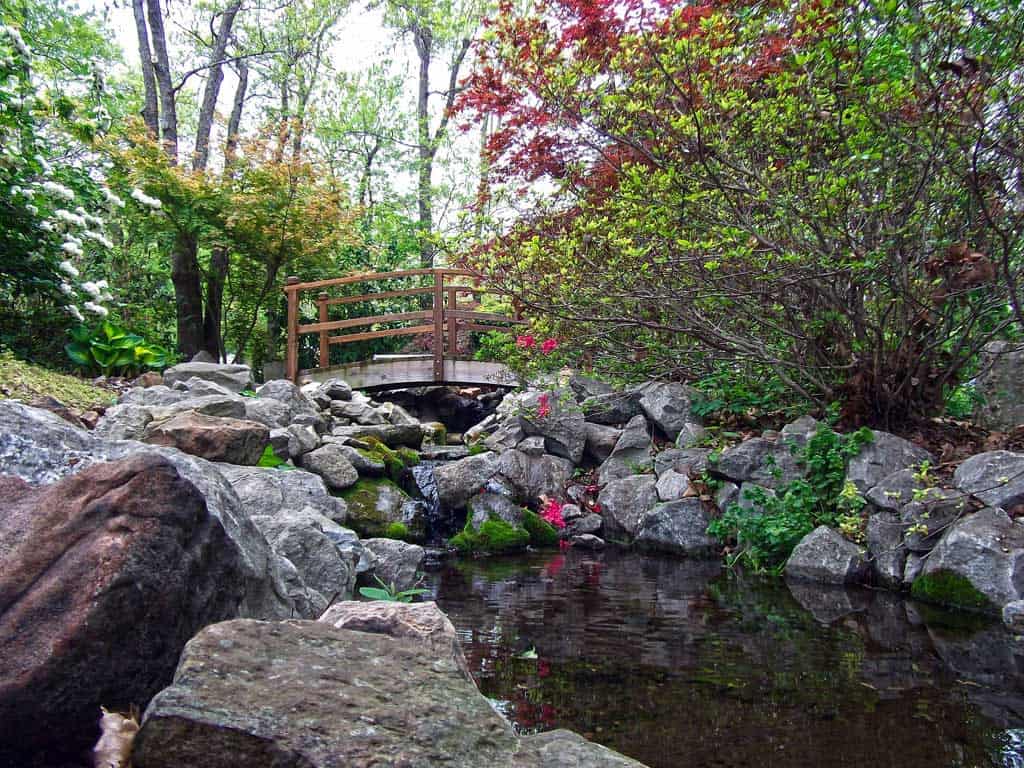
Grove proudly carries the nickname “Gateway to Grand Lake,” and the iconic Sailboat Bridge on Highway 59 makes that introduction official the moment you cross it. Grand Lake O’ the Cherokees spreads out beyond it, covering more than 46,000 acres of water.
The town has hosted multiple Bassmaster Classic tournaments over the years, and Wolf Creek Park is widely considered one of the best fishing and tournament launch sites in the entire country. Boat docks and quiet coves line the shoreline in every direction you look.
For a slower pace, Lendonwood Gardens offers eight acres of shaded paths through more than a thousand plant varieties, including an especially striking rhododendron collection. Har-Ber Village Museum adds a pioneer-era log cabin village right along the water’s edge.
Downtown Grove has grown into its own destination too, with boutiques and galleries giving visitors a reason to linger even after the boats have come off the water for the day.
Where: 1201 NEO Loop, Grove, OK 74344
10. Broken Bow
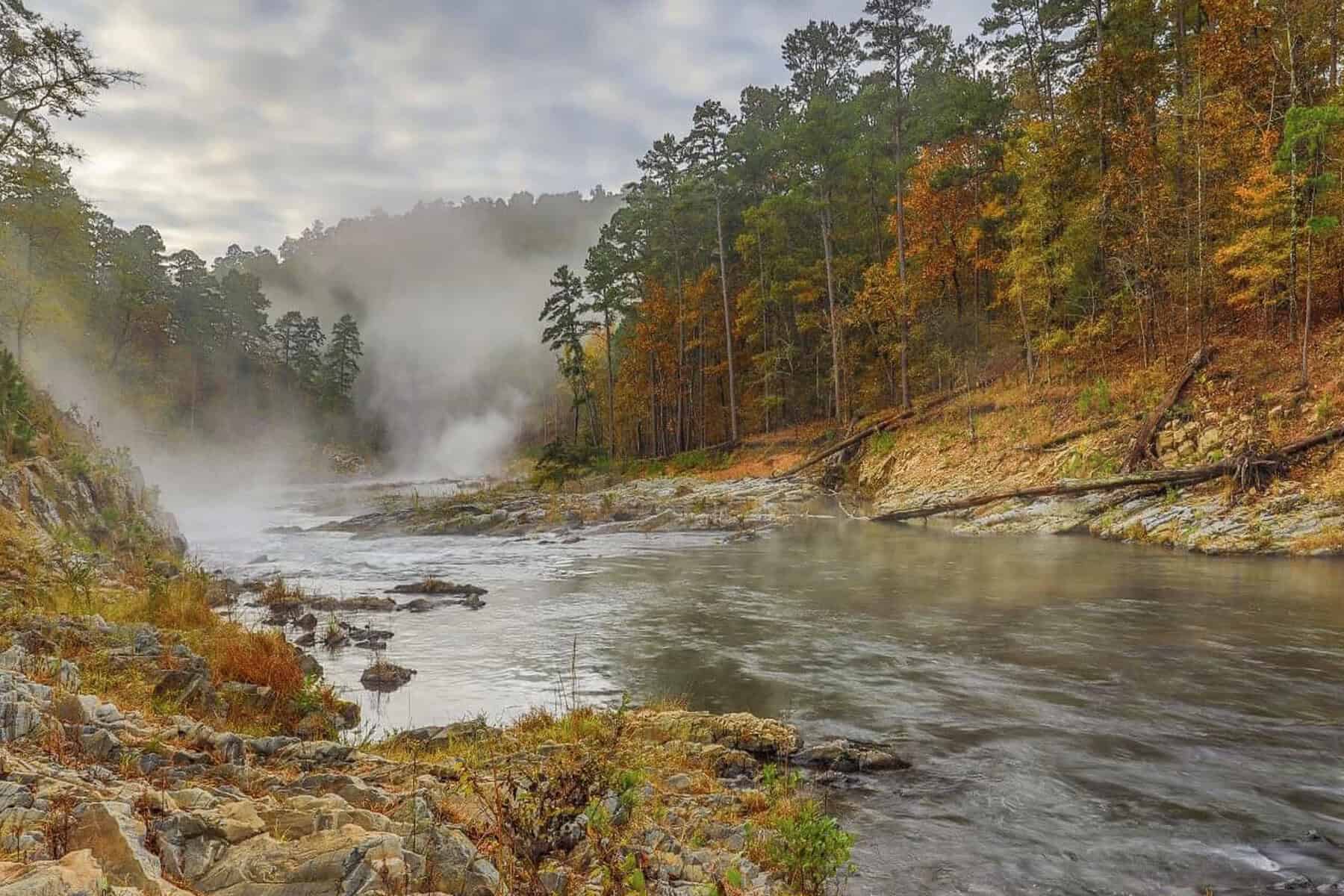
Broken Bow sits in the foothills of the Kiamichi Mountains, where tall pines replace the wide open plains most people associate with the rest of the state. The change in scenery is immediate and, for first-time visitors driving in from the west, genuinely disorienting in the best possible way.
Broken Bow Lake, the town’s water source, is often cited as the cleanest and clearest lake in Oklahoma, reflecting the surrounding tree line with almost mirror-like clarity. Beavers Bend State Park sits right alongside it, threaded with trails that climb toward ridge views over the water.
A retired logging locomotive, Dierks Train #227, still sits on display in town, a quiet reminder of the timber industry that once shaped this corner of the state. The historic Gardner Mansion, built in 1884, adds another layer of story to a town built almost entirely around its forest.
Cabins tucked into the pines around Beavers Bend offer privacy without sacrificing quick access to the trailheads, making this an easy place to disappear for a weekend.
Where: 210 Broadway St, Broken Bow, OK 74728
Making the Most of an Oklahoma Scenery Road Trip
A few of these towns sit hours apart, so it’s worth grouping them by region instead of trying to see all ten in one trip. Medicine Park, Davis, and Poteau all sit in the southern half of the state, while Jay, Grove, Bartlesville, and Tahlequah cluster closer to the northeast.
Golden hour does a lot of heavy lifting in this part of the country, so plan your drive times around sunrise or sunset whenever the itinerary allows. Mountains, lakes, and cobblestone streets all look better with long shadows.
Pack layers no matter the season. Elevation changes between these towns, especially around Black Mesa and the Arbuckle Mountains, and temperatures can shift faster than you’d expect from one stop to the next, even within the same afternoon.
The Postcard Oklahoma Forgot to Send
Ten towns, ten completely different landscapes, and not one of them matches the flat, featureless image most people carry around in their heads. That gap between expectation and reality is exactly what makes this kind of road trip worth taking.
Mountains rise where you’d expect nothing but prairie. Waterfalls hide behind small-town main streets. Lakes reflect skies clear enough to make you genuinely forget which state you’re standing in.
So the next time someone teases you about an Oklahoma road trip, let them. You’ll be the one with the better photos, and a much longer list of places you didn’t expect to fall in love with.
Ten towns down, and still plenty of Oklahoma left to surprise you. That, more than anything else, is reason enough to keep the map open, the playlist going, and the gas tank full.
More stories
10 Stunning National Parks in the U.S. That Will Remind You Why This Country Is Worth Exploring
These 7 Oklahoma Towns Have Historic Downtowns Worth Slowing Down For
This Oklahoma Town Found the Exact Center of Everything and Still Got Left Behind
These 5 Unexpected Oklahoma Towns Are Hiding Some Seriously Good Adventures
Share this story