These 5 Unexpected Oklahoma Towns Are Hiding Some Seriously Good Adventures

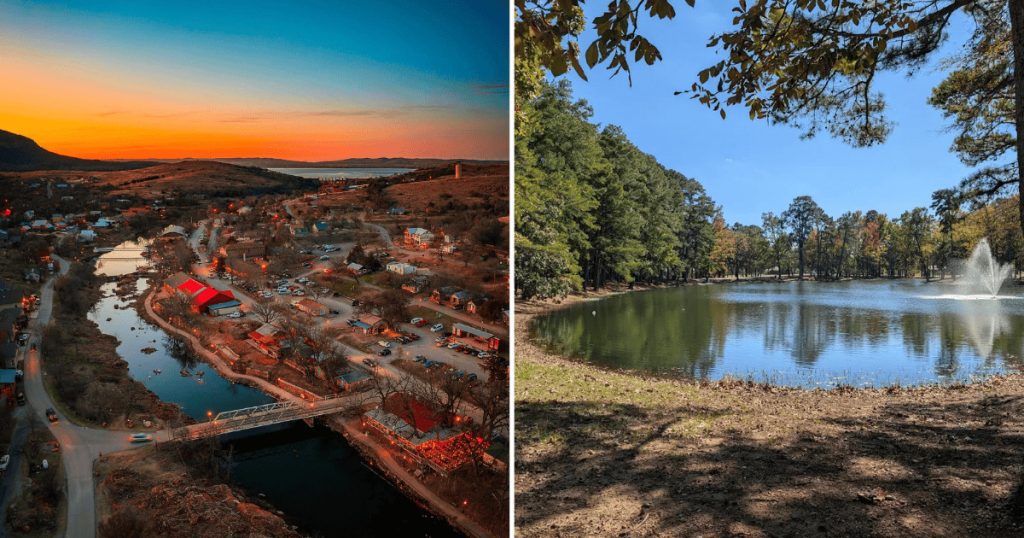
Tell someone you’re road-tripping through Oklahoma, and you’ll probably get a polite nod and a “have fun with all that flat land.” I get it. The state doesn’t exactly have a reputation for surprises.
But that’s exactly what makes it so fun to talk about. Oklahoma keeps a stash of granite hills, cobblestone creeks, and century-old Main Streets tucked just off the highway, waiting for someone to actually take the exit.
I think about it like finding twenty dollars in a coat pocket you forgot you owned. You weren’t looking for it, but suddenly your day got a whole lot better.
These five towns are exactly that kind of find. Pack good shoes, bring a sense of curiosity, and let’s go see what the Sooner State has been hiding.
1. Guthrie
Picture an entire city showing up in a single afternoon. That’s not a metaphor here; it’s literally how Guthrie got its start.
On April 22, 1889, the Land Run cannons fired, and tens of thousands of settlers came thundering in on wagons, horses, and foot, all racing for the same patch of prairie next to Cottonwood Creek. Over 10,000 claims got staked before sundown.
Tents went up first. Within months, brick and stone buildings replaced them, and Guthrie went from empty grassland to a city of 10,000 people almost overnight. I can’t think of many towns with a birth story that dramatic.
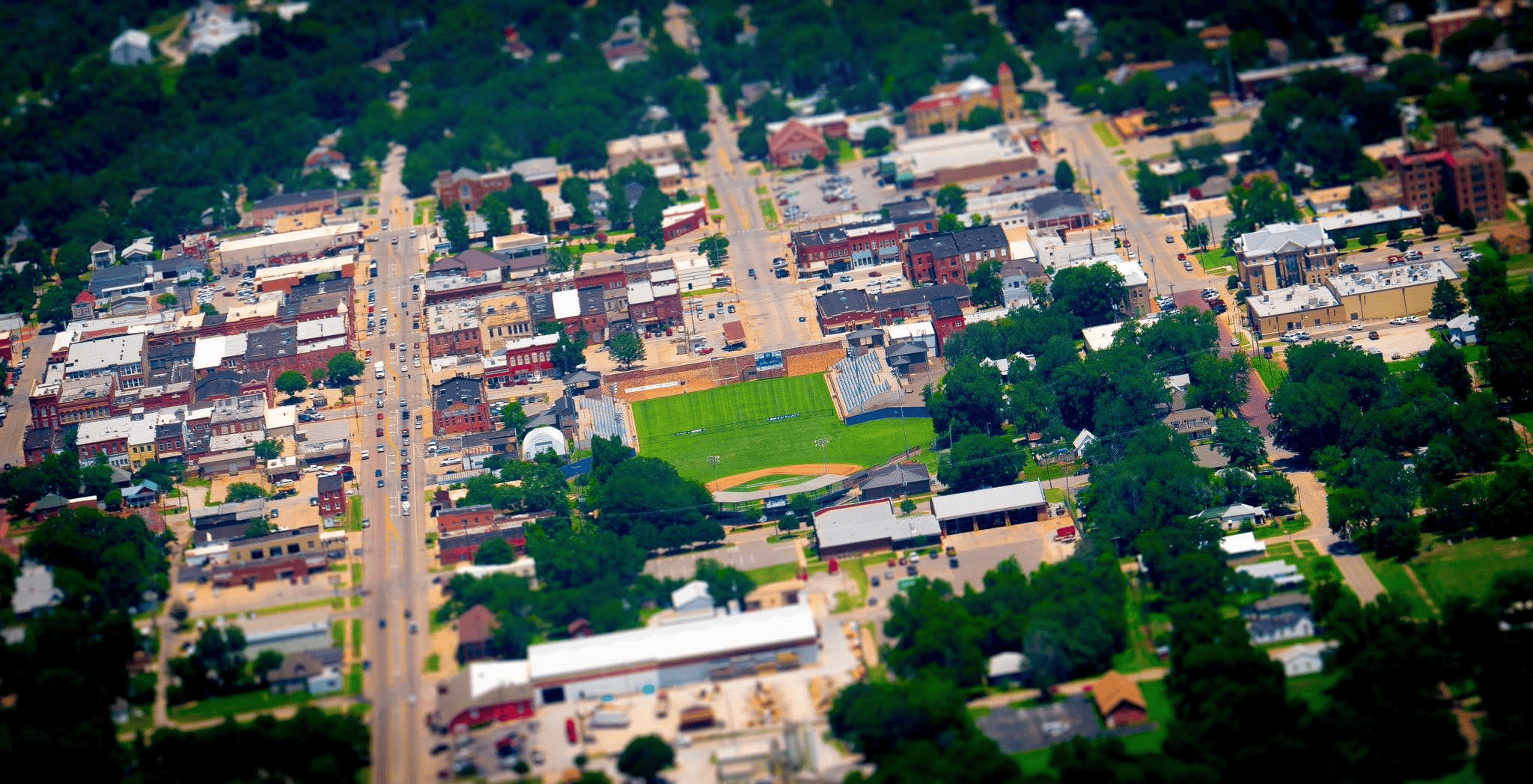
That same brick-and-stone downtown still stands today, and it’s the reason Guthrie feels less like a pit stop and more like a movie set. The Guthrie Historic District is packed with ornate Victorian facades, antique shops, and arcades built for slow, unhurried wandering.
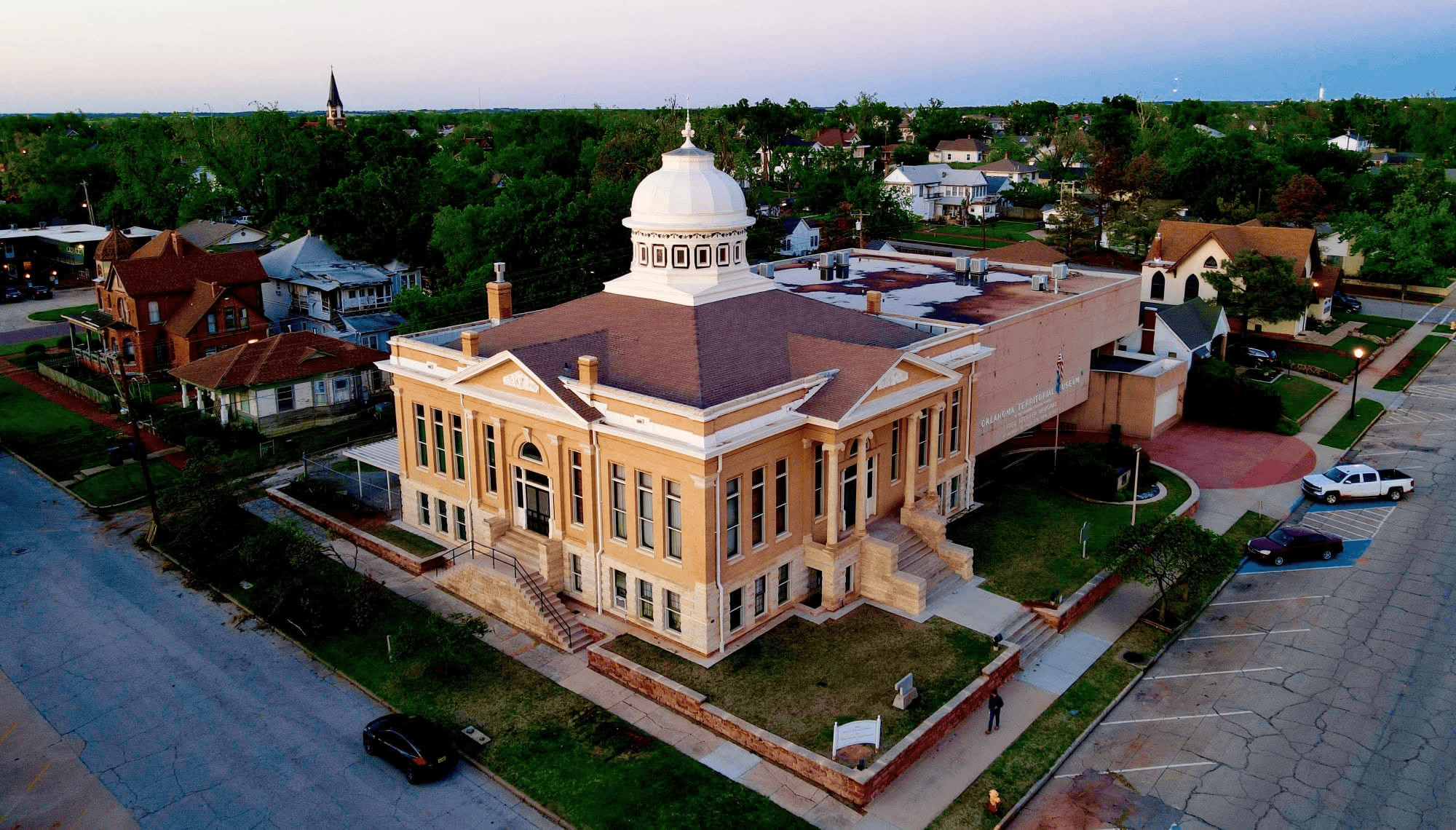
The Oklahoma Territorial Museum fills in the statehood-era backstory before you start exploring on your own. Guthrie also leans hard into its spookier side, with “Frights in the First Capital” tours weaving ghost stories through old saloons and the former Territorial Jail.
Come December, the town transforms into the self-declared Christmas Capital of Oklahoma, complete with Victorian-era walks through downtown. If your trip lands in spring, the 89er Days festival celebrates that wild Land Run origin with a parade and a whole lot of small-town pride.
When you need a break from architecture, Mineral Wells Park offers shade trees and an easy lake loop just outside downtown. It’s the kind of green space that makes you want to slow your steps and stay another hour.
Adventure here looks less like a trailhead and more like a hundred years of history compressed into a few city blocks. Every cornice and window catches the light differently depending on the hour, so don’t rush your visit.
Where: Guthrie Historic District, 106 W Oklahoma Ave, Guthrie, OK 73044
2. Stillwater
I’ve never met a college town that didn’t have at least one good origin story about its own name, and Stillwater has three to choose from. One legend says regional tribes called the creek “Still Water” for its calm surface.
Another claims cattle drivers heading to Texas railways always found water “still there.” A third says town founder David L. Payne simply looked at the creek and declared the name on the spot. Either way, it stuck.
Stillwater officially got its name when the post office opened on May 28, 1889, just weeks after the first Land Run swept through. By Christmas Eve of 1890, the territorial legislature had already named it home to a brand-new land grant college.
That college became Oklahoma State University, and it shaped basically everything about this town’s personality. OSU’s Cowboys and Cowgirls have brought home more than 50 NCAA national championships, with the wrestling program alone holding the NCAA record for team titles.
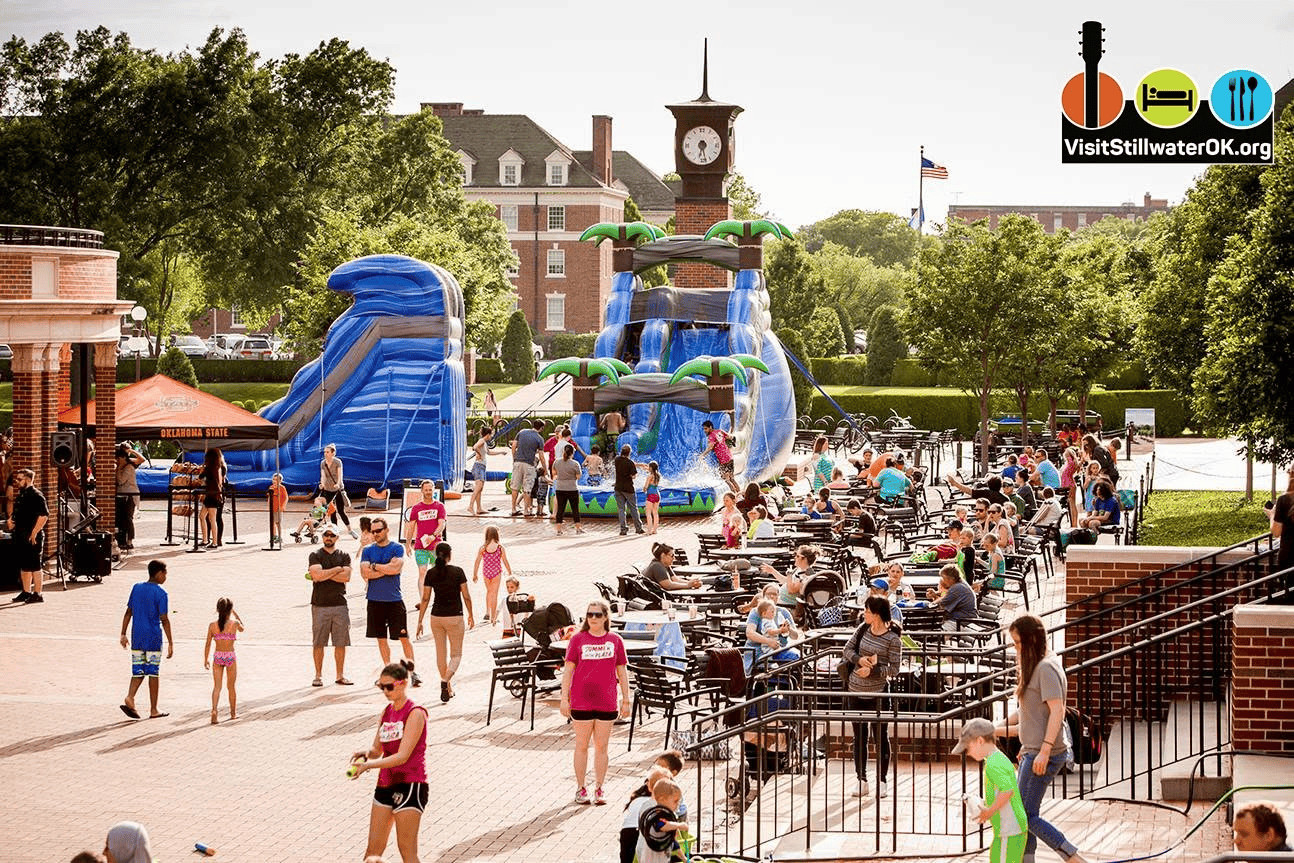
Even the mascot has a story worth telling. Pistol Pete is modeled after Frank Eaton, a real Old West lawman who used to ride into Stillwater on his horse well into his nineties, fiddle in hand and stories ready to share.
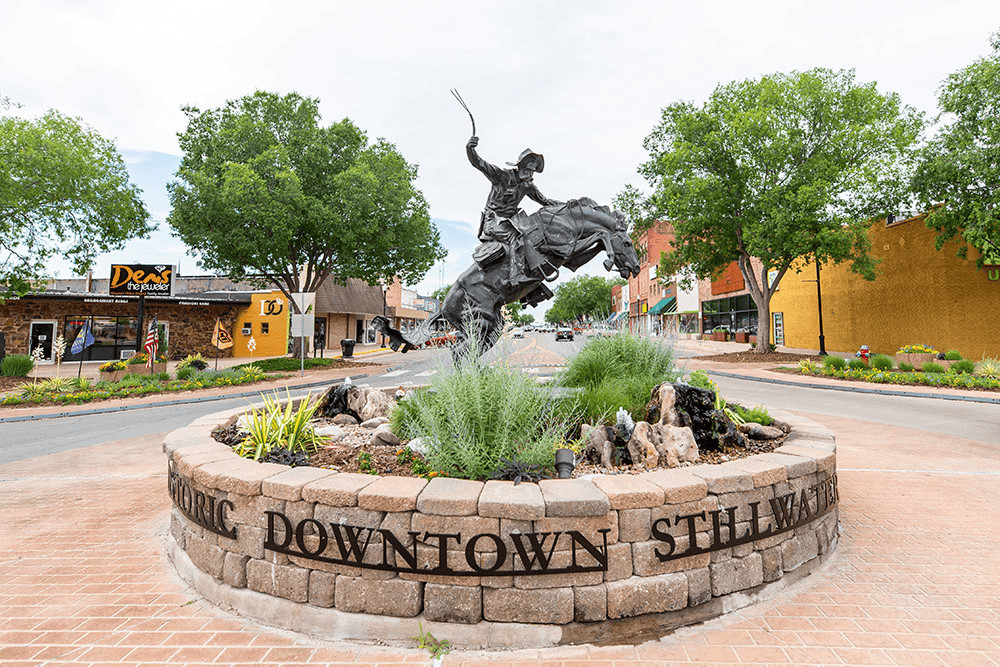
Downtown along 8th Avenue and Main Street mixes murals, indie shops, and sidewalk energy that rewards aimless wandering more than any fixed itinerary. The Botanic Garden at OSU offers quieter, shadier loops if the foot traffic gets to be too much.
For water and trail time, Boomer Lake Park has a paved path circling the lake, busy with cyclists and morning walkers alike. Wrestling fans should carve out time for the National Wrestling Hall of Fame, a surprisingly moving stop even without mat experience.
Stillwater earns its nickname as one of America’s friendliest college towns, honestly, and you’ll feel it the moment a stranger waves from a porch. Pack comfortable shoes, because the best parts of this town reveal themselves on foot.
Where: Downtown Stillwater, 8th Avenue & Main Street, Stillwater, OK 74074
3. Pawhuska
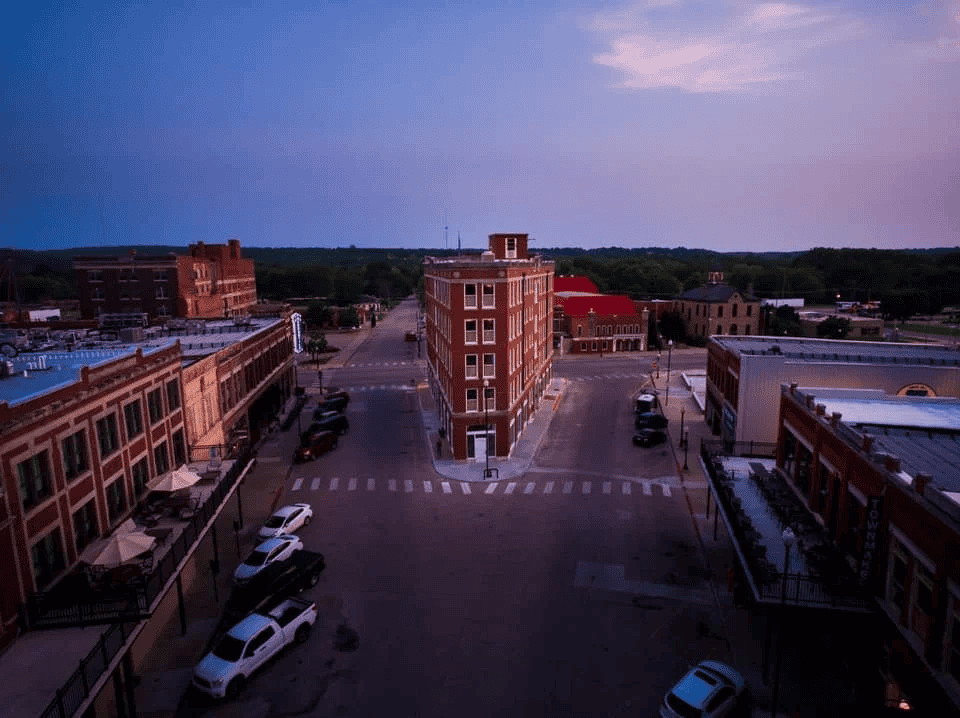
Some towns get their name from a founder. Pawhuska got its name from an Osage chief named Paw-Hiu-Skah, meaning “White Hair,” and the Osage Nation has called this place home since 1872.
The tribal government still operates out of Pawhuska today, which gives the town a living cultural depth that a lot of “historic” places only fake. The Osage Nation Museum on Grandview Avenue grounds that history in a way a quick drive-through never could.
During the early 1900s oil boom, Pawhuska became the site of jaw-dropping public auctions held under a tree locals nicknamed the “Million Dollar Elm,” where oil and gas leases sometimes changed hands for staggering sums.
That single tree quietly helped fund a fortune’s worth of Osage history.
More recently, Hollywood found Pawhuska, too. Martin Scorsese filmed most of “Killers of the Flower Moon” right here, and the town has also shown up in projects tied to “August: Osage County.” It’s a strange thing to picture A-list film crews parked outside a 4,000-person Main Street.
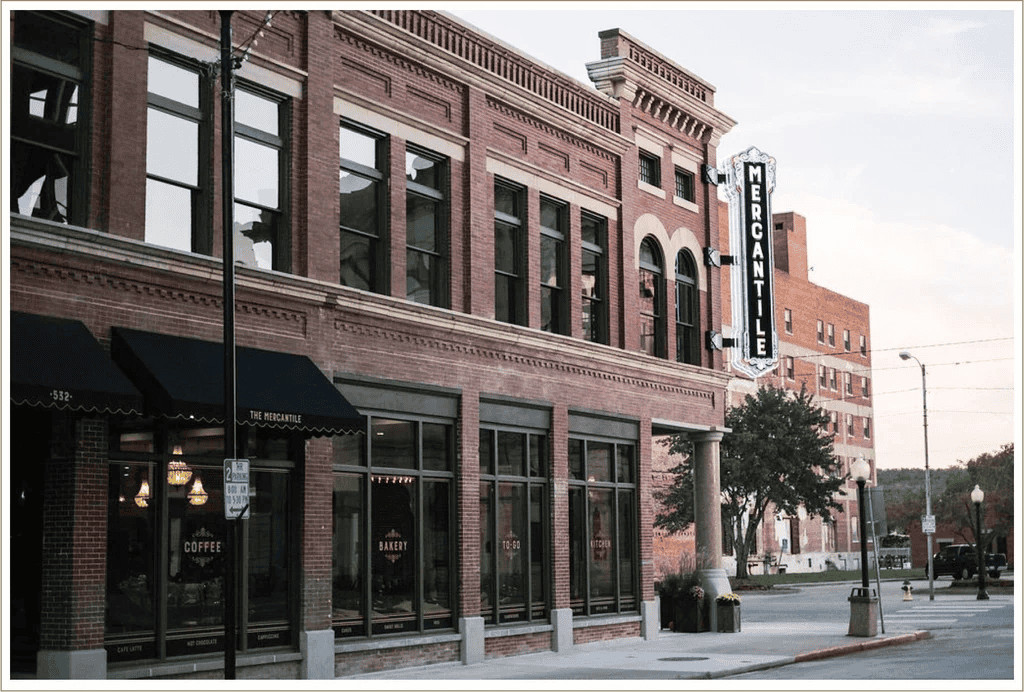
These days, plenty of visitors know Pawhuska for one specific reason: Ree Drummond, better known as the Pioneer Woman, opened the Mercantile on Main Street, a bakery and restaurant that reportedly serves thousands of guests on a single busy day.
Just north of town, the Tallgrass Prairie Preserve holds over 2,000 free-roaming bison across rolling grassland that genuinely looks like an ocean of grass under a big sky. I’ve always loved the idea of a “mountain view” made entirely of wind and grass instead of rock.
Drive the prairie loop at golden hour, and you’ll catch fields turning a deep copper color while the downtown courthouse square glows just as warm. It’s the kind of quiet that makes you want to turn the radio off entirely.
Where: Downtown Pawhuska, 501 Kihekah Avenue, Pawhuska, OK 74056
4. Beavers Bend & Broken Bow
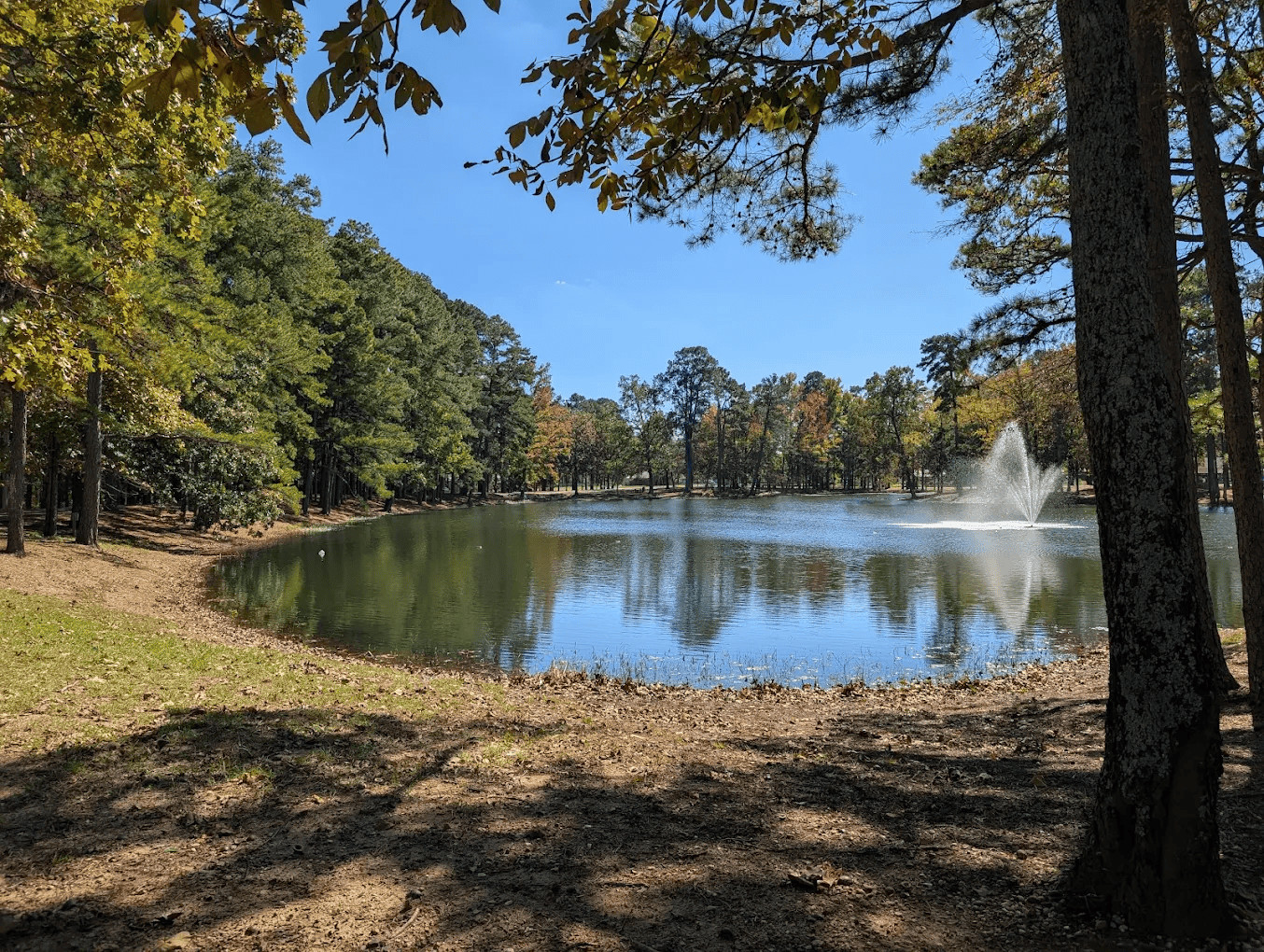
If you grew up imagining Oklahoma as nothing but flat plains, Broken Bow is going to mess with your mental map a little. Thick pine forest, mountain ridges, and a lake the color of bottle glass don’t fit the stereotype at all.
The park’s name comes from John T. Beavers, a Choctaw settler who once owned part of this land, and the “bend” refers to a dramatic near-180-degree turn the Mountain Fork River makes as it winds through the property. It’s a literal description that turned into a perfect name.
Construction on Beavers Bend State Park began in the 1930s with help from the Civilian Conservation Corps, built right on the site of a former Choctaw settlement. Even in its first, barely finished year, it pulled in thousands of curious visitors.
That popularity hasn’t slowed down. The park ranks among the most-visited in the entire state, and in 2024, it sat directly in the path of totality during the total solar eclipse, with over four minutes of daytime darkness.
Start at the Beavers Bend State Park Nature Center for trail maps and a sense of where the shaded loops lead. The Skyline Trail rewards hikers with rocky climbs and breezy ridgelines, while gentler paths hug the riverbank where minnows dart through clear water.
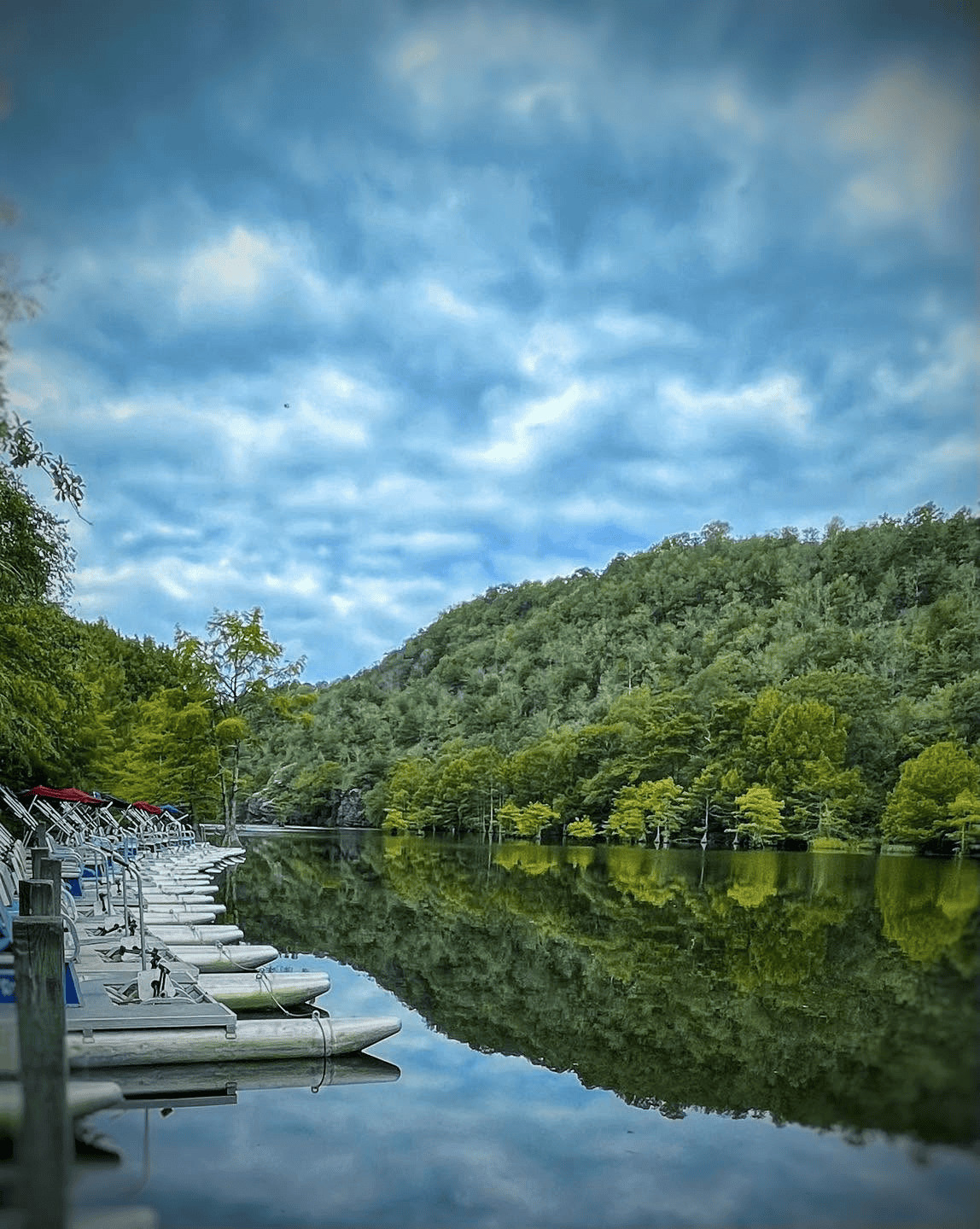
Cabins and lodges cluster close enough to the trailheads that you can go from porch swing to forest floor in minutes. Beavers Bend Depot offers horseback and miniature train rides if you’d rather let someone else do the steering for an afternoon.
The Forest Heritage Center fills in the area’s logging history for anyone curious about how all those pines got here. Bring layers, because mornings stay cool by the river even when afternoons turn warm and lazy on a shaded deck.
Where: Beavers Bend State Park Nature Center, 4350 South OK-259A, Broken Bow, OK 74728
5. Medicine Park
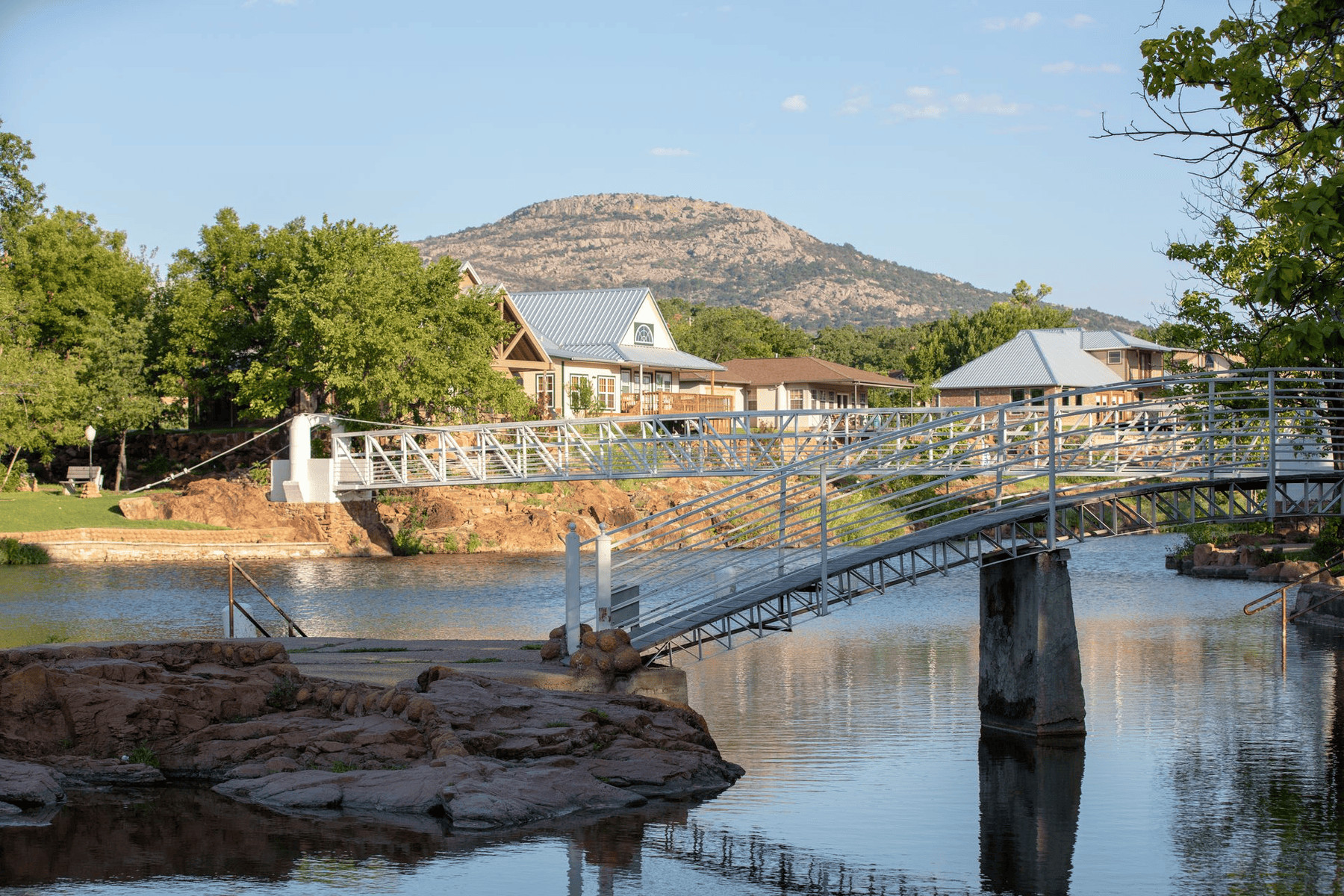
Out of every town on this list, Medicine Park might be the smallest, with just a few hundred full-time residents. It still manages to pack in more charm per square foot than towns ten times its size.
Founded on the Fourth of July in 1908 by Senator Elmer Thomas, the whole place started as little more than an oversized canvas Army tent with a wooden floor where visitors were served hot meals. Two small dams on Medicine Creek created Bath Lake not long after.
Thomas had a practical vision behind the charm: he wanted both a recreation spot and a reliable water source for the growing city of Lawton nearby. Tourists from across Oklahoma and North Texas showed up almost immediately, and two inns opened to house them.
By the late 1920s, Bob Wills and the Texas Playboys were regular performers at the local Dance Hall, drawing other touring bands through town on their way to bigger stages in Oklahoma City and Dallas. Not bad company for a town this size.
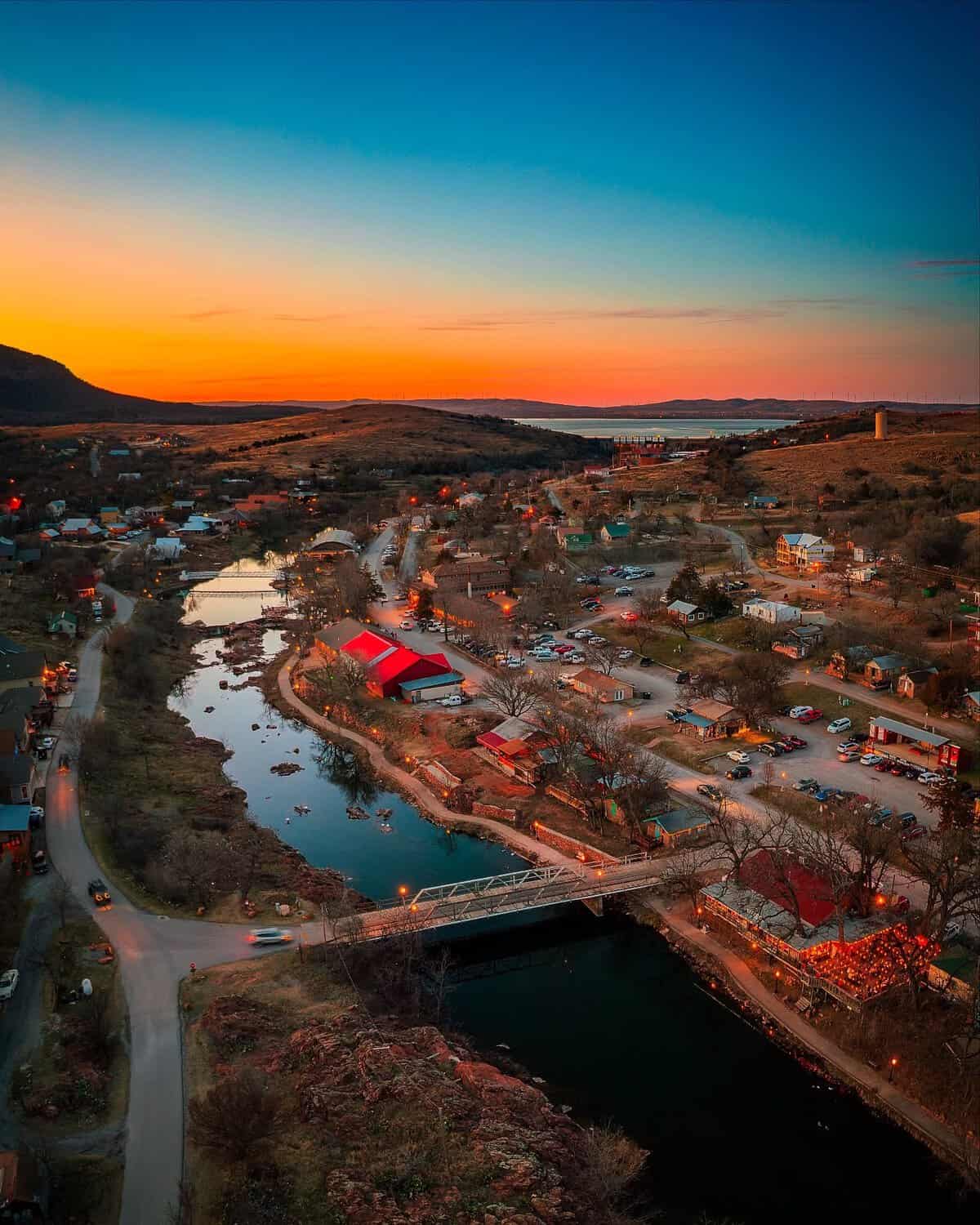
The whole village is built from local red granite cobblestones, a building style so distinctive that Medicine Park calls itself America’s First Cobblestone Community. An entertainment outlet once ranked it among the five prettiest towns in the entire country.
Bath Lake still draws swimmers who want to cool off in clear water framed by sun-warmed boulders that double as natural lounge chairs. Main Street keeps things colorful with murals, live music drifting from patios, and galleries celebrating the area’s stonework traditions.
Just outside town, the Wichita Mountains Wildlife Refuge offers elk-watching and rugged scrambles, while the Holy City of the Wichitas adds dramatic stone architecture against open sky.
Mountain bikers, take note: the trails circling nearby Lake Lawtonka have been ranked the best riding area in the entire state.
Where: Bath Lake, 148 East Lake Drive, Medicine Park, OK 73557
The Adventure Was Hiding in Plain Sight All Along
Five towns, five completely different personalities, and not one of them matches the “boring flyover state” reputation Oklahoma sometimes gets stuck with. That’s the part I love most about digging into places like this.
Adventure doesn’t always mean a mountain summit or a whitewater rapid, though Beavers Bend will gladly hand you both. Sometimes it’s a Land Run origin story, a cobblestone main street, or a bison herd grazing under an open prairie sky.
So next time someone rolls their eyes at an Oklahoma road trip, just smile and start the car anyway. The best surprises rarely announce themselves, and these five towns prove that the detour is usually worth taking.
More stories
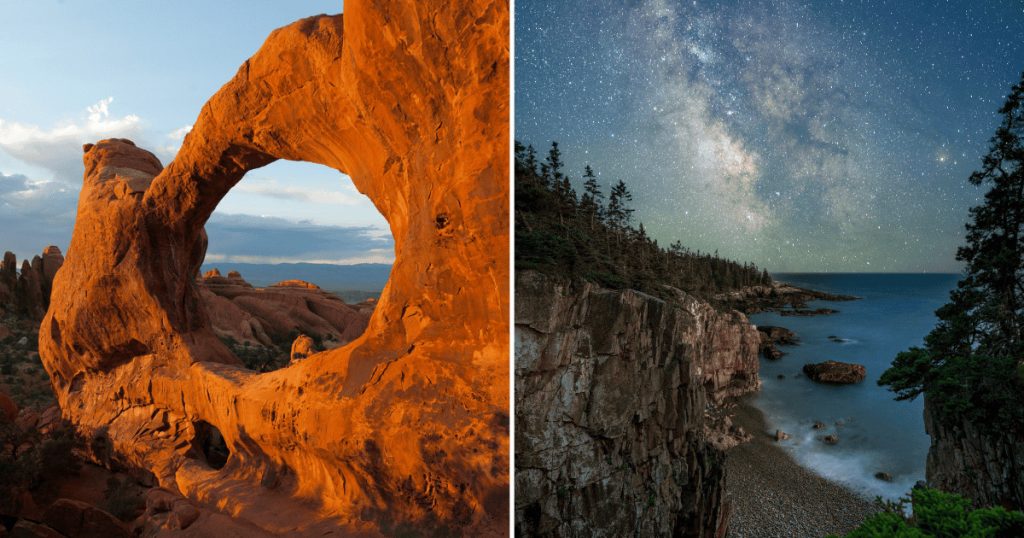
10 Stunning National Parks in the U.S. That Will Remind You Why This Country Is Worth Exploring
These 7 Oklahoma Towns Have Historic Downtowns Worth Slowing Down For
These 10 Oklahoma Small Towns Have Landscapes That Will Make You Forget You’re In Oklahoma
This Oklahoma Town Found the Exact Center of Everything and Still Got Left Behind
Share this story