10 Surprisingly Stunning American Deserts That Prove Empty Isn’t the Same as Boring

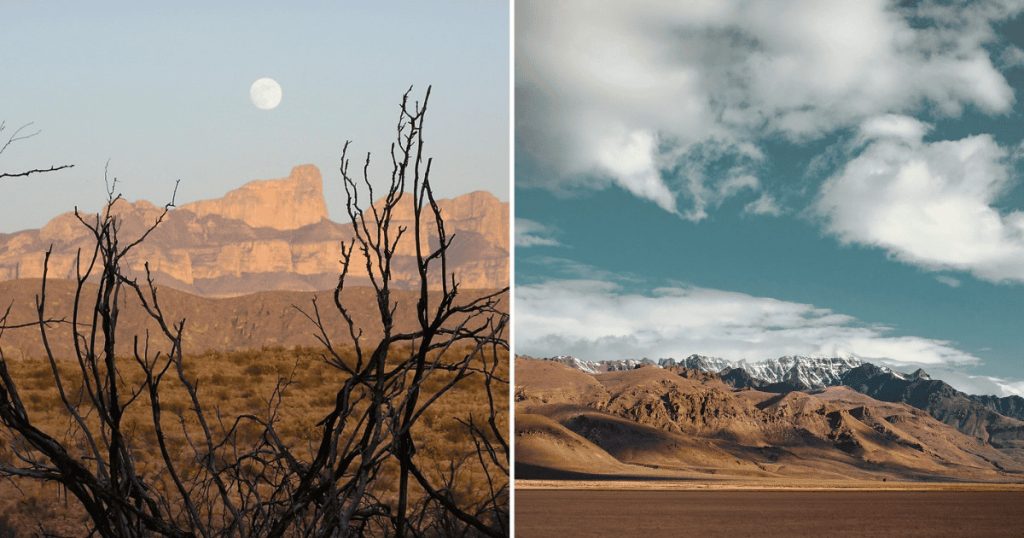
The first time I drove through a real desert, I expected to be bored within the hour. Endless sand, a few scraggly plants, maybe a tumbleweed for effect. What I found instead completely rearranged my idea of what “empty” could look like.
I remember rolling the window down just to listen, half expecting silence and getting something closer to a held breath, the whole landscape waiting for something to happen.
Deserts have a way of tricking you like that. From a distance, they look barren. Up close, they’re some of the most dramatic, otherworldly landscapes this country has to offer.
There’s a strange kind of peace that settles over you out there, too. No crowds, no noise, just wide open sky and land that stretches farther than your eyes can really process.
America is home to four major deserts, each one wildly different from the next. Below, I’ve rounded up ten desert destinations that prove dry landscapes can be every bit as breathtaking as a mountain range or a coastline.
Some of these spots are famous national parks. Others are the kind of place you’d only stumble onto by accident, tucked far off the highway where almost no one thinks to look.
1. Death Valley National Park, California
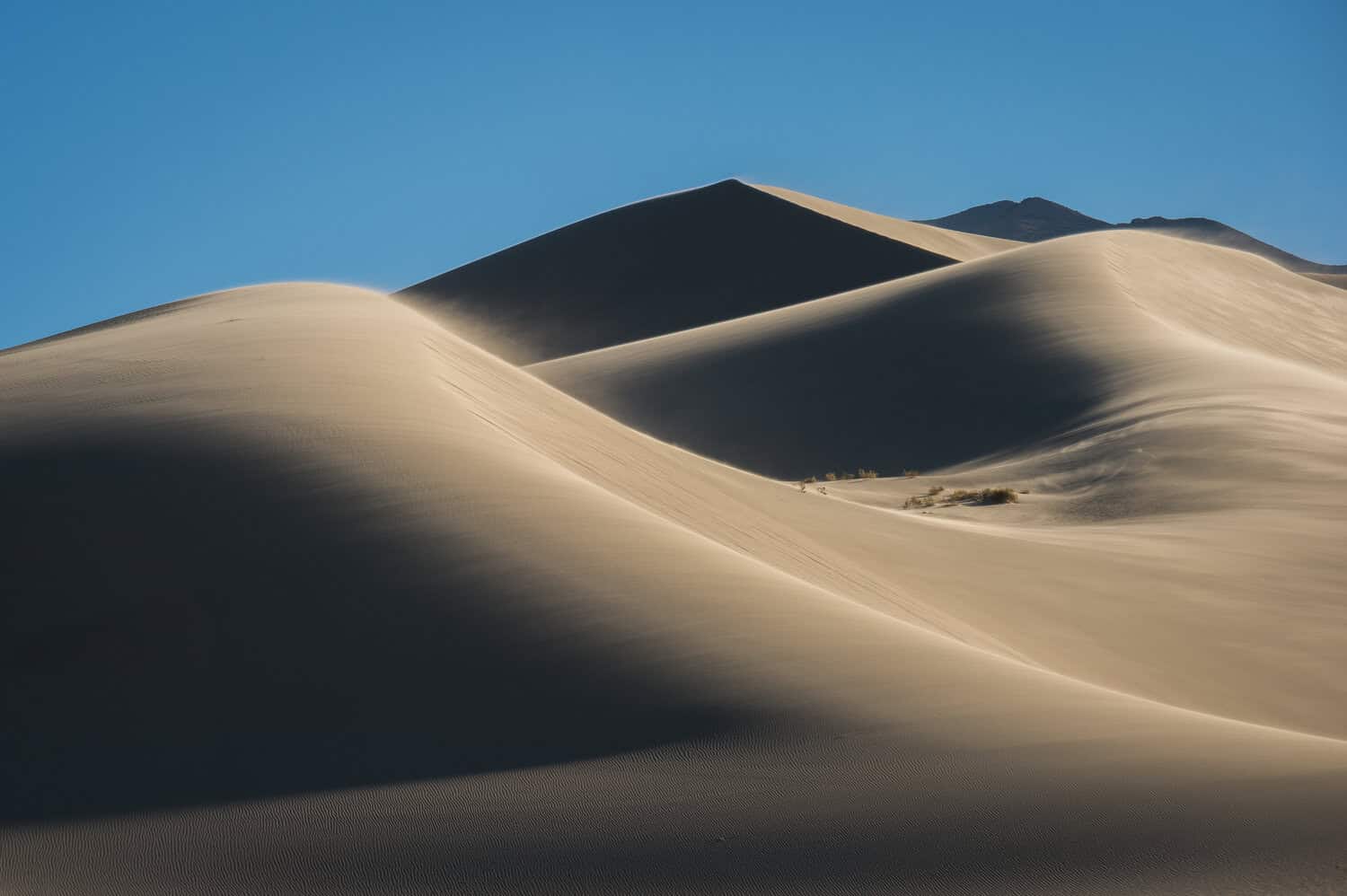
Nothing on this list prepares you quite like Death Valley. As the hottest, driest, and lowest national park in the country, it sounds intimidating on paper, but the scenery makes every bit of that extremity worthwhile.
Badwater Basin, sitting 282 feet below sea level, holds the title of the lowest point in North America, its cracked salt flats stretching toward mountains in nearly every direction.
Nearby, the Mesquite Flat Sand Dunes ripple across the valley floor in shapes that shift slightly with every gust of wind, making each visit here look just a little different than the last.
Every spring, the park hosts a Dark Sky Festival, drawing stargazers from around the world to take advantage of some of the darkest, clearest night skies found anywhere in the country.
Spring also brings an unexpected burst of color when wildflowers bloom briefly, transforming sections of the valley floor, proving even the harshest landscape in the country isn’t immune to a little softness.
2. White Sands National Park, New Mexico
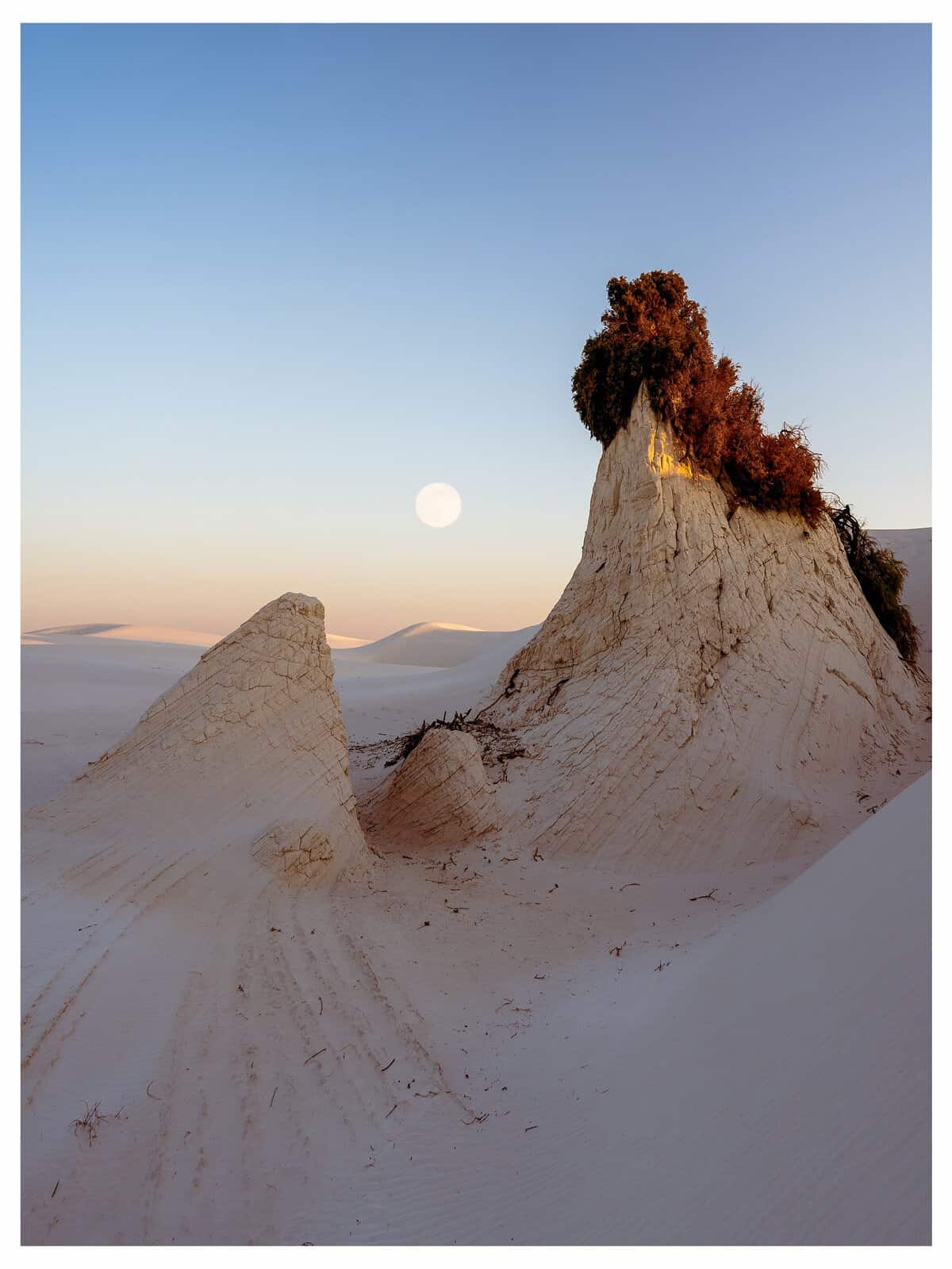
Rising from the floor of the Chihuahuan Desert, White Sands is home to the largest gypsum dunefield on Earth, a blindingly bright sea of white sand that looks almost like snow.
Unlike typical desert sand, gypsum stays cool underfoot even in warm weather, making this one of the more comfortable dunefields to explore barefoot, sled down, or simply wander through.
The Dune Life Nature Trail offers a great introduction for wildlife lovers, with interpretive signs helping visitors identify the footprints of kit foxes and other creatures adapted to this unusual environment.
With little light pollution and almost no trees to block the view, White Sands has become one of the premier stargazing destinations in the Southwest, especially for those willing to camp overnight in the backcountry.
Sunset here draws its own devoted crowd, as the white gypsum takes on soft shades of pink and lavender that look nothing like the blinding white of midday.
3. Saguaro National Park, Arizona
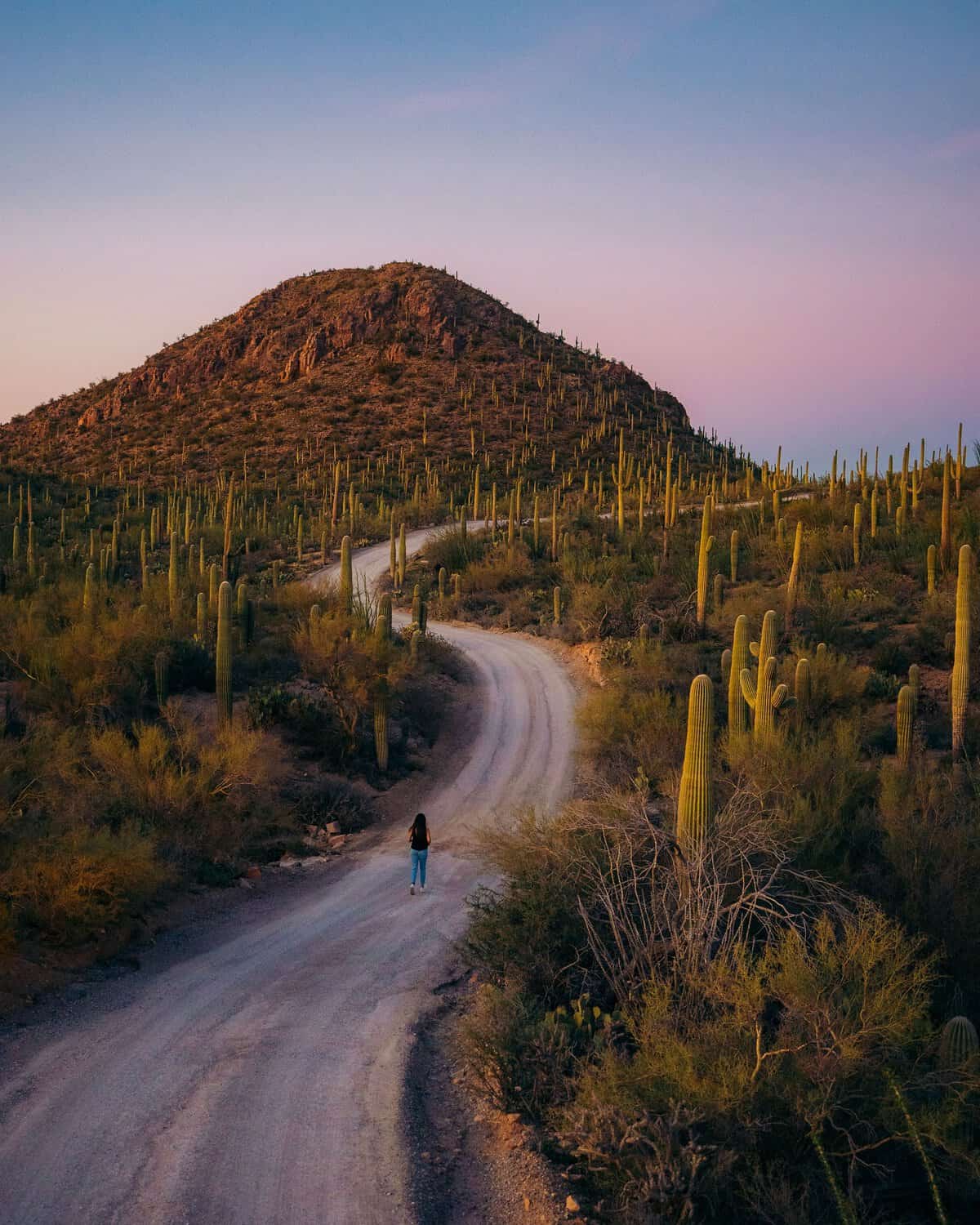
Just outside Tucson, Saguaro National Park protects one of the most recognizable symbols of the American desert: the towering, multi-armed saguaro cactus, found nowhere else in the world outside the Sonoran Desert.
The park is split into two districts on either side of the city, giving visitors the choice between the rugged, mountainous trails to the east and the denser cactus forests to the west.
Because the Sonoran Desert receives more rainfall than most, the landscape here feels surprisingly lush, with a wide variety of plant life growing between the towering cacti.
Sunset is the best time to visit, when the sky fills with vivid shades of peach and purple behind the silhouettes of thousands of saguaros, a scene that regularly leaves first-time visitors speechless.
Some of these towering cacti can live well over a century, growing so slowly that a saguaro standing today may have already been decades old before Arizona ever became a state.
4. Great Sand Dunes National Park, Colorado
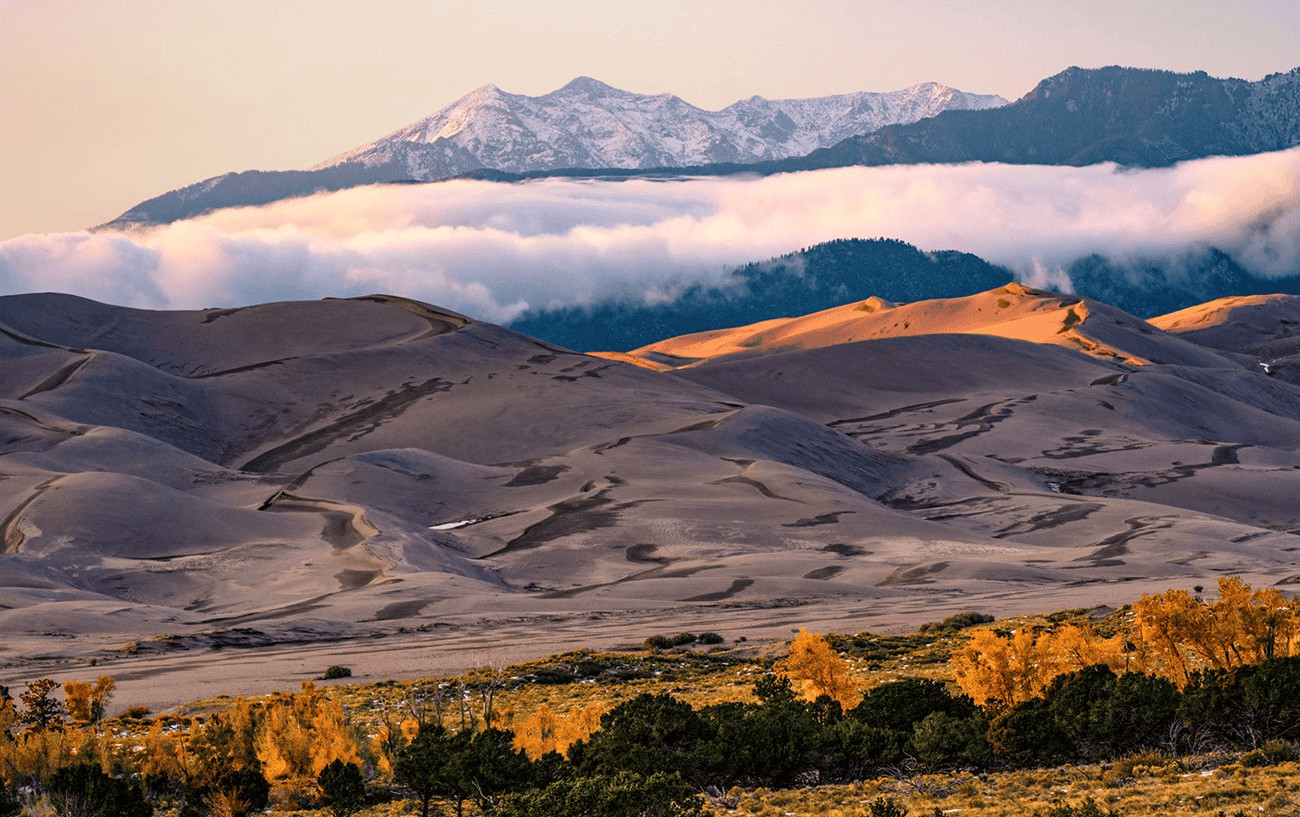
Tucked against the base of the Sangre de Cristo Mountains, Great Sand Dunes National Park is home to the tallest sand dunes in North America, some rising as high as 750 feet.
The contrast here is what makes the park so striking: golden dunes set directly against snow-capped peaks, a combination you won’t find paired together quite like this anywhere else in the country.
Visitors can rent sandboards or sand sleds to slide down the dunes, while the seasonal Medano Creek, which flows at the base of the dunes each spring, offers a rare chance to wade through water at the edge of a desert.
Because of the high elevation and clear skies, the park has also become a favorite for stargazing, with the dunes taking on a completely different kind of beauty once the sun goes down.
Hiking to the top of the tallest dunes is no small feat, but the reward is a sweeping view of both the dunefield and the mountains beyond, a payoff most visitors agree is worth the effort.
5. Bonneville Salt Flats, Utah
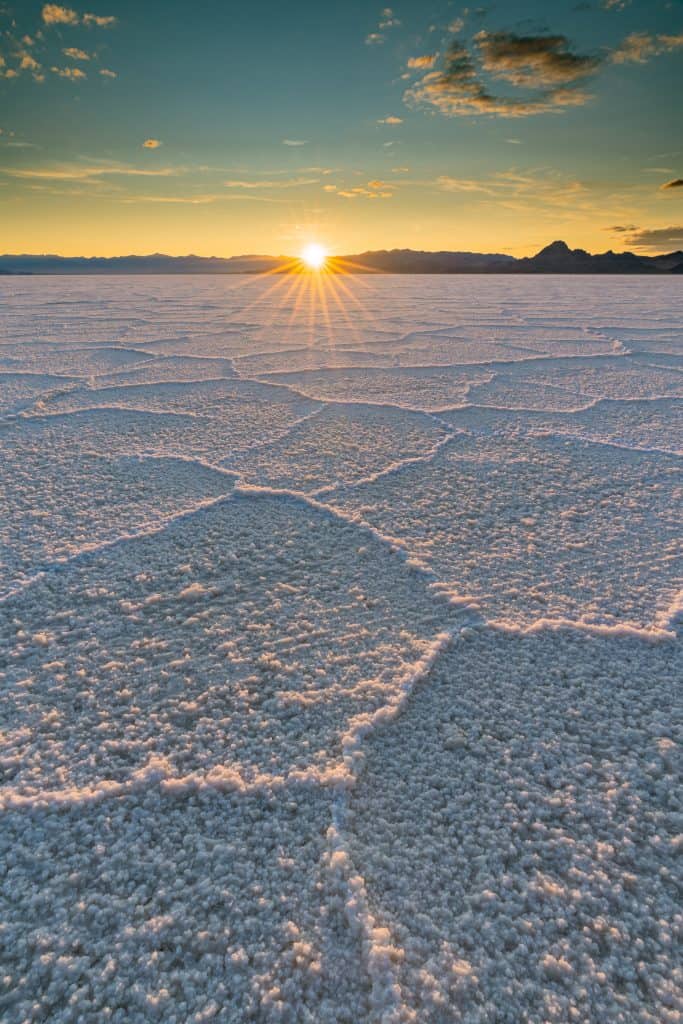
If you’ve ever wondered what it might feel like to stand at the edge of the world, the Bonneville Salt Flats will get you about as close as you can come in the continental United States.
This stark, blindingly white expanse stretches for miles across northwestern Utah, a crust of ancient salt left behind when a massive prehistoric lake evaporated thousands of years ago.
The flats have long served as a proving ground for land speed records, with racers from around the world drawn to the smooth, seemingly endless surface for a chance at setting new marks.
Visit around sunrise or sunset, and a thin layer of water can transform the flats into a giant mirror, reflecting the sky so perfectly that it becomes nearly impossible to tell where the ground ends and the horizon begins.
Even walking across the crunchy salt crust feels like its own small adventure, a texture and sensation unlike anywhere else you’re likely to set foot.
6. Great Basin National Park, Nevada
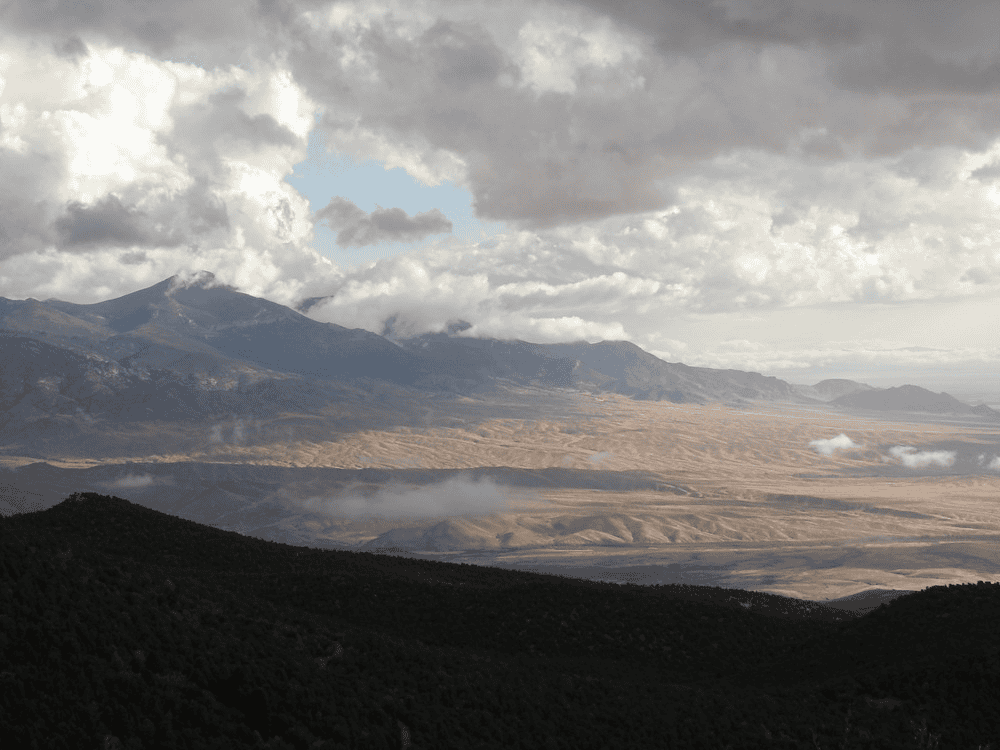
Tucked into eastern Nevada, Great Basin National Park offers a different kind of desert experience altogether, one shaped by elevation as much as by aridity.
As part of the cold desert that stretches across much of the Great Basin region, this park trades cactus for sagebrush and desert floor for towering peaks that rise well above 13,000 feet.
The Wheeler Peak Scenic Drive winds through dramatic mountain terrain, offering sweeping views along the way, while a network of limestone caves beneath the park adds an entirely different layer to explore.
Thanks to its remote location and minimal light pollution, Great Basin has earned a reputation as one of the best stargazing destinations in the entire national park system.
Ancient bristlecone pines grow along the park’s higher slopes, some of them among the oldest living trees on the planet, quietly weathering thousands of years of desert wind.
7. Big Bend National Park, Texas
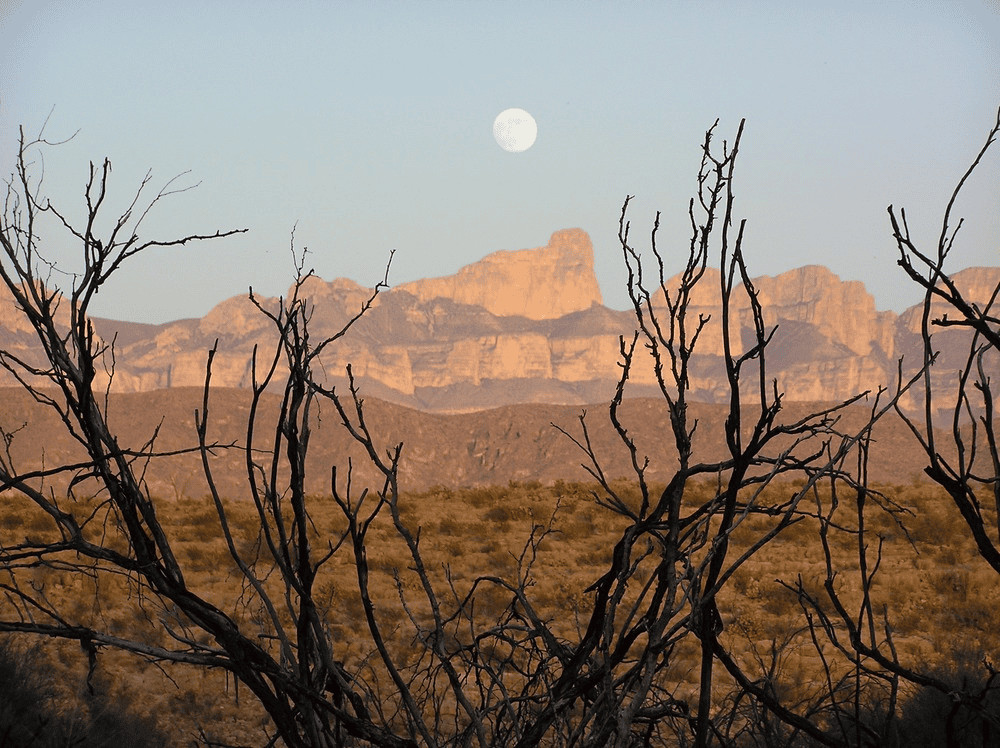
Along a dramatic bend in the Rio Grande, Big Bend National Park combines desert, river, and mountain scenery into one sprawling, wonderfully rugged landscape in far West Texas.
The Chihuahuan Desert dominates much of the park, but the terrain shifts constantly, from canyon walls carved by the river to the surprisingly cool, forested slopes of the Chisos Mountains.
Because the park sits so far from major cities, its night skies rank among the darkest in the country, drawing dedicated stargazers alongside hikers, paddlers, and desert wildlife enthusiasts.
Wildlife sightings here can be genuinely thrilling, with roadrunners, javelinas, and even the occasional black bear making appearances across the park’s varied terrain.
Paddling a stretch of the Rio Grande adds another dimension entirely, offering a rare, water-level view of the same canyon walls most visitors only see from above.
8. Alvord Desert, Oregon
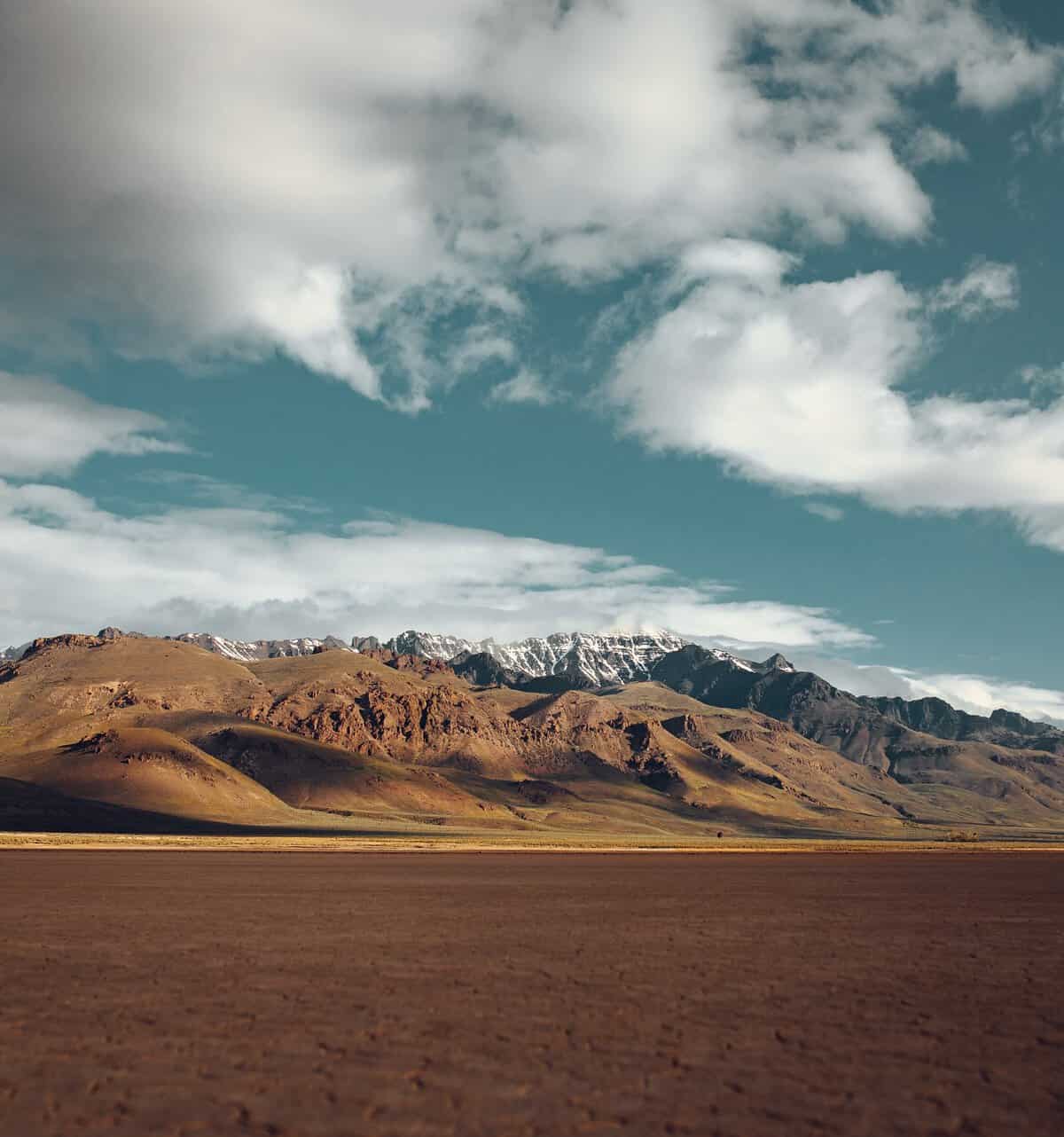
In the rain shadow of Steens Mountain, southeastern Oregon holds one of the country’s more overlooked desert landscapes: a vast, cracked playa known as the Alvord Desert.
Averaging just a few inches of rain each year, this dry lakebed stretches for miles in near-total flatness, creating a surreal, almost lunar setting framed by distant mountains.
Land speed history has been made here too, with the world’s fastest women behind the wheel setting records on this same dry, open expanse over the past several decades.
At the edge of the playa, natural hot springs offer a surprisingly perfect way to end a day of exploring, soaking in mineral-rich water while watching the desert sky shift into sunset colors.
Because the area sees so few visitors compared to better-known deserts, the silence here feels almost complete, broken only by wind and the occasional call of a distant bird.
9. Craters of the Moon National Monument, Idaho
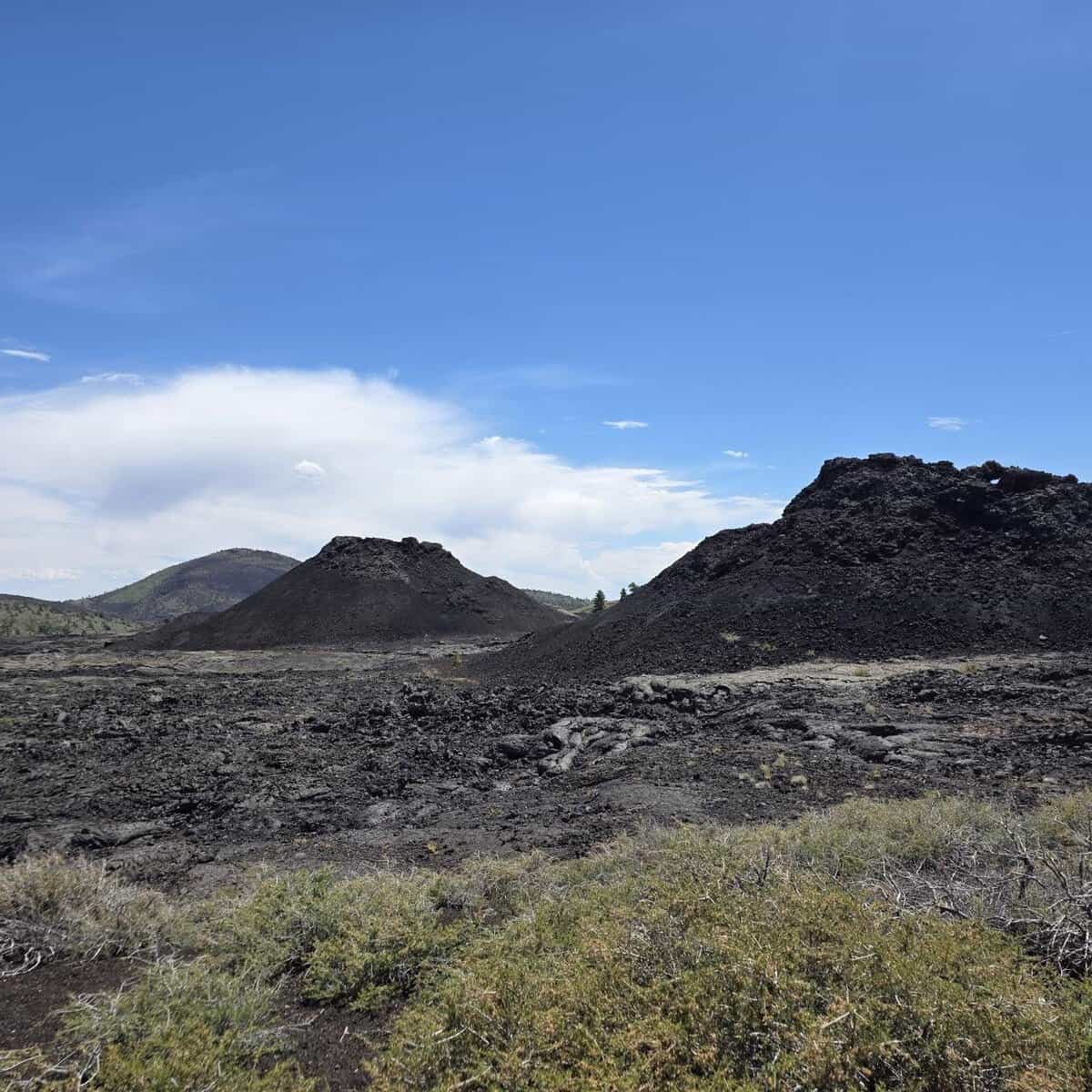
Spread across Idaho’s Snake River Plain, Craters of the Moon looks less like a typical desert and more like a landscape borrowed from another planet entirely, all dark lava fields and jagged cinder cones.
The monument’s name comes from its uncanny resemblance to the lunar surface, a comparison that becomes obvious the moment you step onto its black volcanic rock.
Beneath the surface, lava tube caves wind through the earth, some lined with delicate lava formations that formed as the molten rock cooled and hardened centuries ago.
Despite its harsh, rocky terrain, the monument still supports sagebrush and seasonal wildflowers, along with wildlife that has adapted to thrive in one of the most unusual landscapes in the country.
NASA astronauts once trained here to study volcanic geology, drawn by terrain so alien-looking that it remains one of the closest earthly stand-ins for another planet’s surface.
10. Red Desert, Wyoming
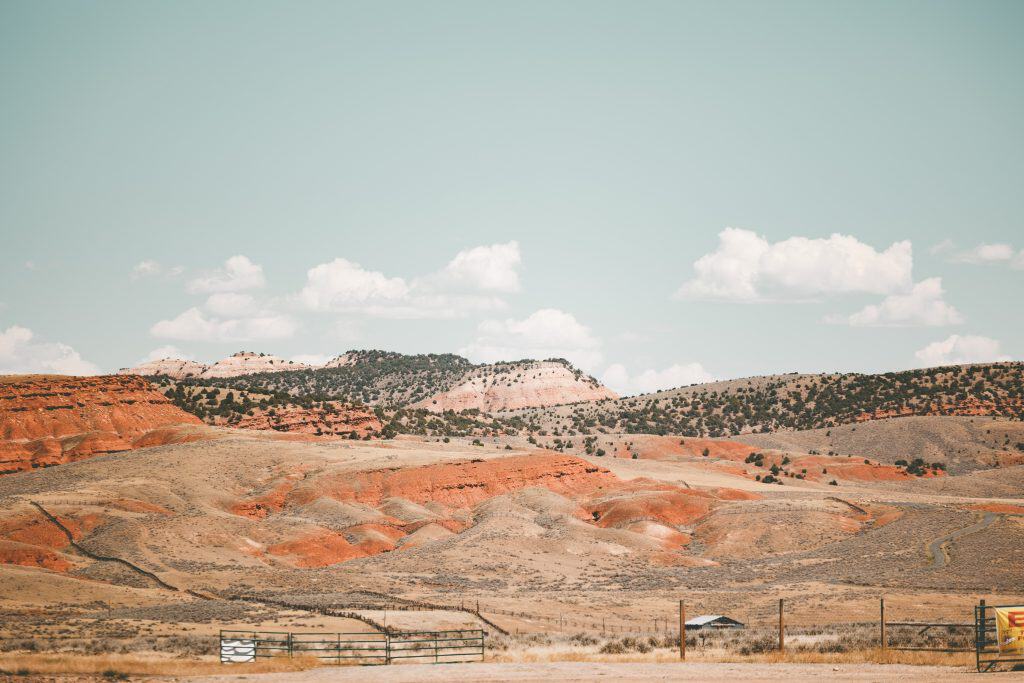
Spanning more than 9,000 square miles of south-central Wyoming, the Red Desert is a high-altitude expanse of sagebrush steppe that remains one of the largest unfenced landscapes in the entire country.
At its heart lies the Killpecker Sand Dunes, the largest living dune system in North America, stretching for miles across a landscape shaped by ancient rivers and centuries of shifting wind.
Despite its dry, rugged appearance, the Red Desert supports an astonishing range of wildlife, including the largest migratory pronghorn herd in the lower 48 states and the world’s largest desert elk herd.
Historic wagon ruts from the Oregon and Mormon Trails are still visible here, carved into the earth by tens of thousands of pioneers who once crossed this same rugged stretch of land.
Because so much of the Red Desert remains public, undeveloped land, it offers a rare kind of solitude, the sense of standing somewhere genuinely wild and largely untouched by modern development.
The Desert Rewards Anyone Willing to Look Twice
What ties these ten places together isn’t sand or heat, since several of them barely have either in the way most people picture. It’s that unmistakable sense of vast, quiet scale that only a desert can offer.
Some of these landscapes reward a quick stop and a photo. Others ask for a full day, a sturdy pair of shoes, and a willingness to feel genuinely small against the horizon for a while.
A few will trick you into forgetting you’re even in the desert at all, whether that’s thanks to snow-capped peaks, hot springs, or a floor made entirely of cooled lava rock.
That’s really the gift these places offer. They ask you to slow down, look a little closer, and reconsider everything you thought “empty” was supposed to mean.
The next time your route takes you through a stretch of desert, resist the urge to just power through it on the way to somewhere else. Some of the country’s best surprises are waiting right there on the shoulder of the road.
More stories


Share this story