10 of the Oldest Restaurants in America That Are Still Worth Making the Trip For

What I love most about very old restaurants isn’t nostalgia — you can’t be nostalgic for something that predates you. It’s the physical awareness of time. The weight of how many people have sat in the same chair and eaten from the same menu.
Some places hold that weight lightly, letting the food be the point and the history the bonus.
Others lean into it, with rooms unchanged for a century and waitstaff who can tell you what Theodore Roosevelt ordered, which table Daniel Webster preferred, or when the regulars first started carving their names into the wood.
The ten restaurants below have all been open long enough to develop their own versions of that story. Several have been serving the same dishes since before the American Civil War.
All of them have outlasted every trend that passed through their city without ever particularly noticing any of them.
1. White Horse Tavern, Rhode Island
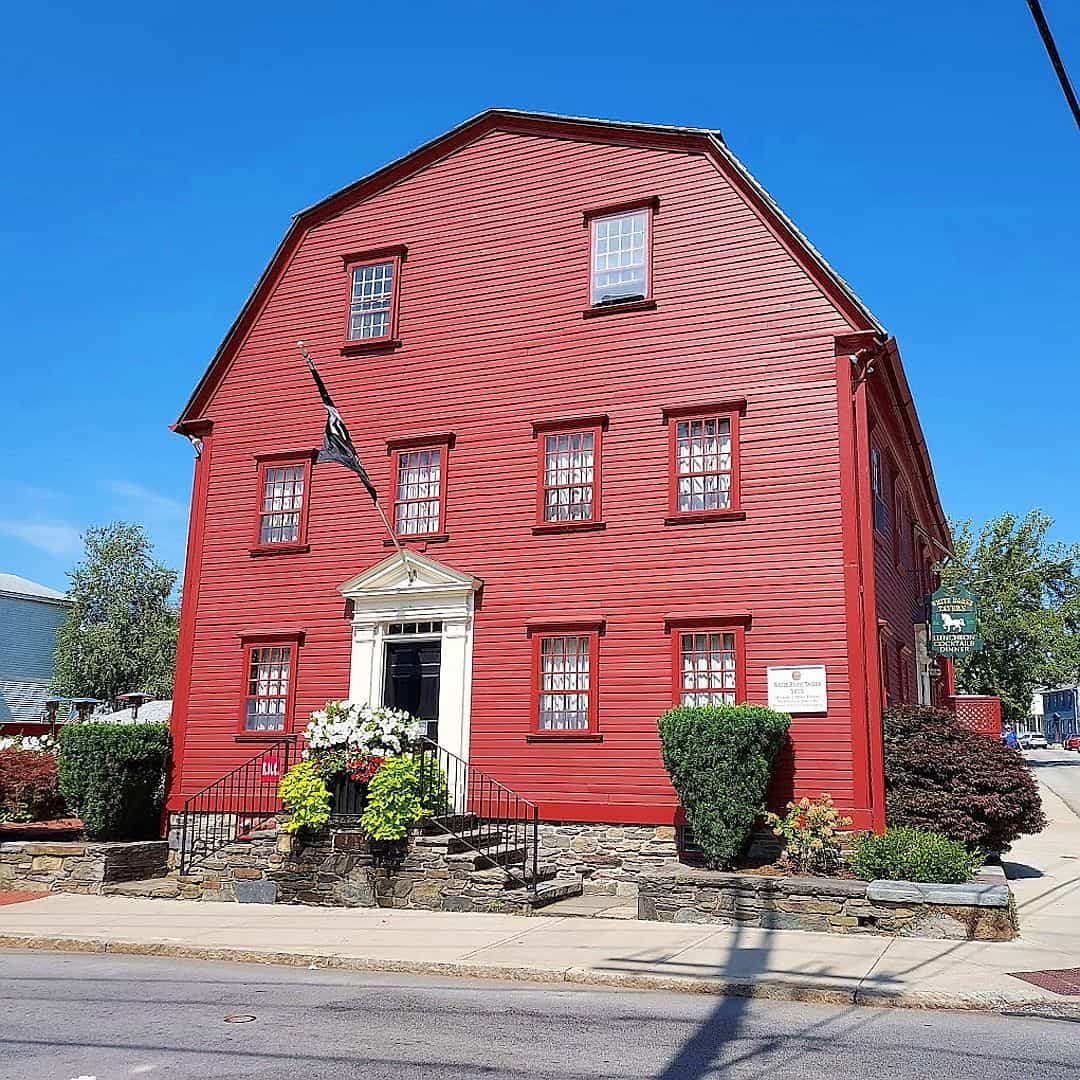
The White Horse Tavern in Newport is the oldest restaurant building in the country, with a history stretching back to 1673 — before the Revolution, before the Constitution.
The structure predates the tavern’s licensing by a couple of decades, making the Colonial-era architecture feel entirely appropriate to its purpose.
The building has served as a tavern, a courthouse, and British soldiers’ barracks at various points across three and a half centuries. Its current life as a fine dining restaurant preserves the original dark-beamed interior in a way that turns dinner into a genuinely sensory experience of the past.
New England dishes anchor the menu in a setting where a fire crackling in the hearth reads as historically accurate rather than decorative.
Newport’s historic district surrounds the tavern on every side, making it a natural centerpiece for any visit to one of New England’s most architecturally preserved cities.
Where: White Horse Tavern, 26 Marlborough St, Newport, RI 02840
2. Fraunces Tavern, New York
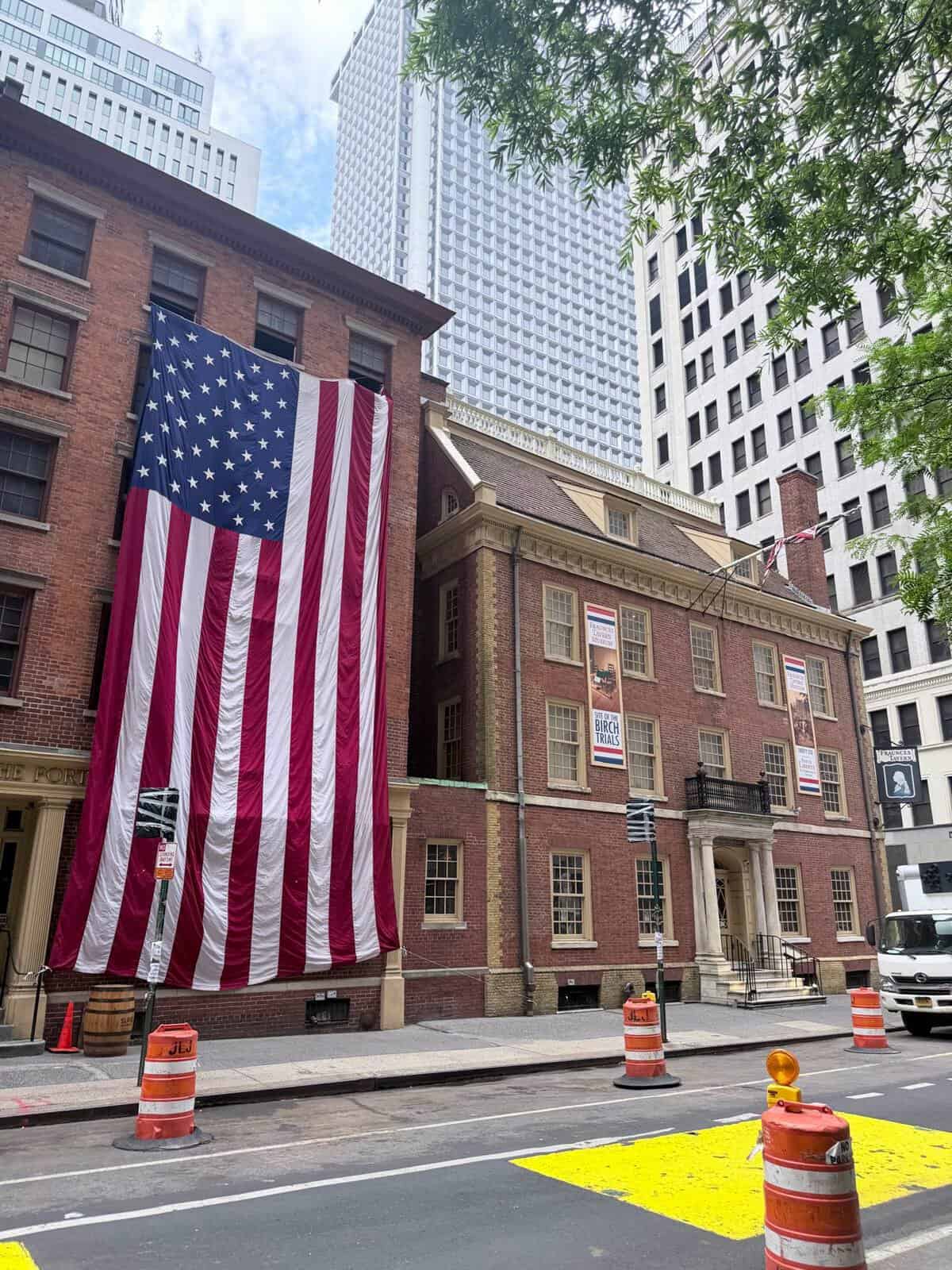
Fraunces Tavern in Lower Manhattan carries one of the most significant moments in American history.
In December 1783, Washington held his farewell to his officers in the Long Room — a speech those present described as one of the most moving events of the entire Revolutionary period.
The building was constructed in 1719 as a private home, became a tavern in 1762 under the ownership of Samuel Fraunces, and was partially destroyed and rebuilt multiple times before the Sons of the Revolution purchased and restored it in 1904.
Today it operates as both a museum on its upper floors and a working restaurant serving American and Colonial-inspired dishes on the ground floor — a combination that makes any meal here feel like eating inside a preserved chapter of the country’s founding.
The Financial District location means Fraunces Tavern stands as an almost impossible counterpoint to the towers that surround it.
Where: Fraunces Tavern, 54 Pearl St, New York, NY 10004
3. Union Oyster House, Massachusetts
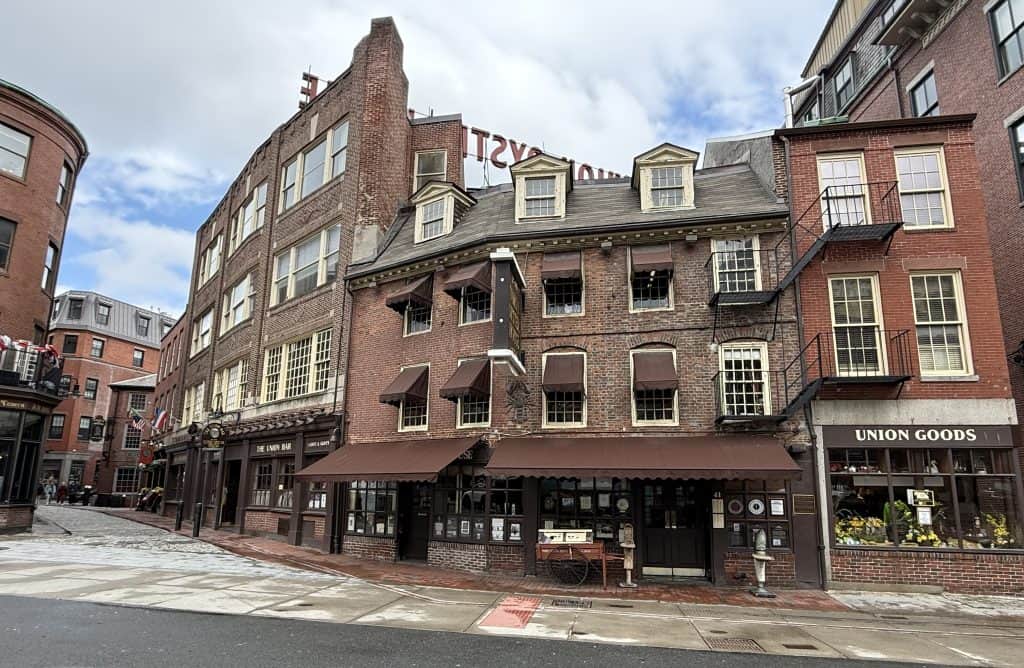
The Union Oyster House in Boston has been serving oysters since 1826, a claim made official through the Guinness World Records designation as America’s oldest continuously operating restaurant.
The semicircular oyster bar at its entrance has been shucking since the beginning, reflecting nearly two centuries of practiced efficiency.
Daniel Webster, the Massachusetts senator and celebrated orator, was among the early regulars who made the oyster bar a fixture of their routine. He reportedly consumed significant quantities of oysters washed down with brandy over the course of many visits.
John F. Kennedy had a specific booth, number 18 on the upper level, where he regularly dined. A plaque marks it today, and the booth remains in active service for anyone willing to make the reservation.
The Boston Freedom Trail runs just outside, placing the Union Oyster House in direct proximity to the city’s most concentrated collection of Revolutionary-era landmarks.
Where: Union Oyster House, 41 Union St, Boston, MA 02108
4. Antoine’s Restaurant, Louisiana
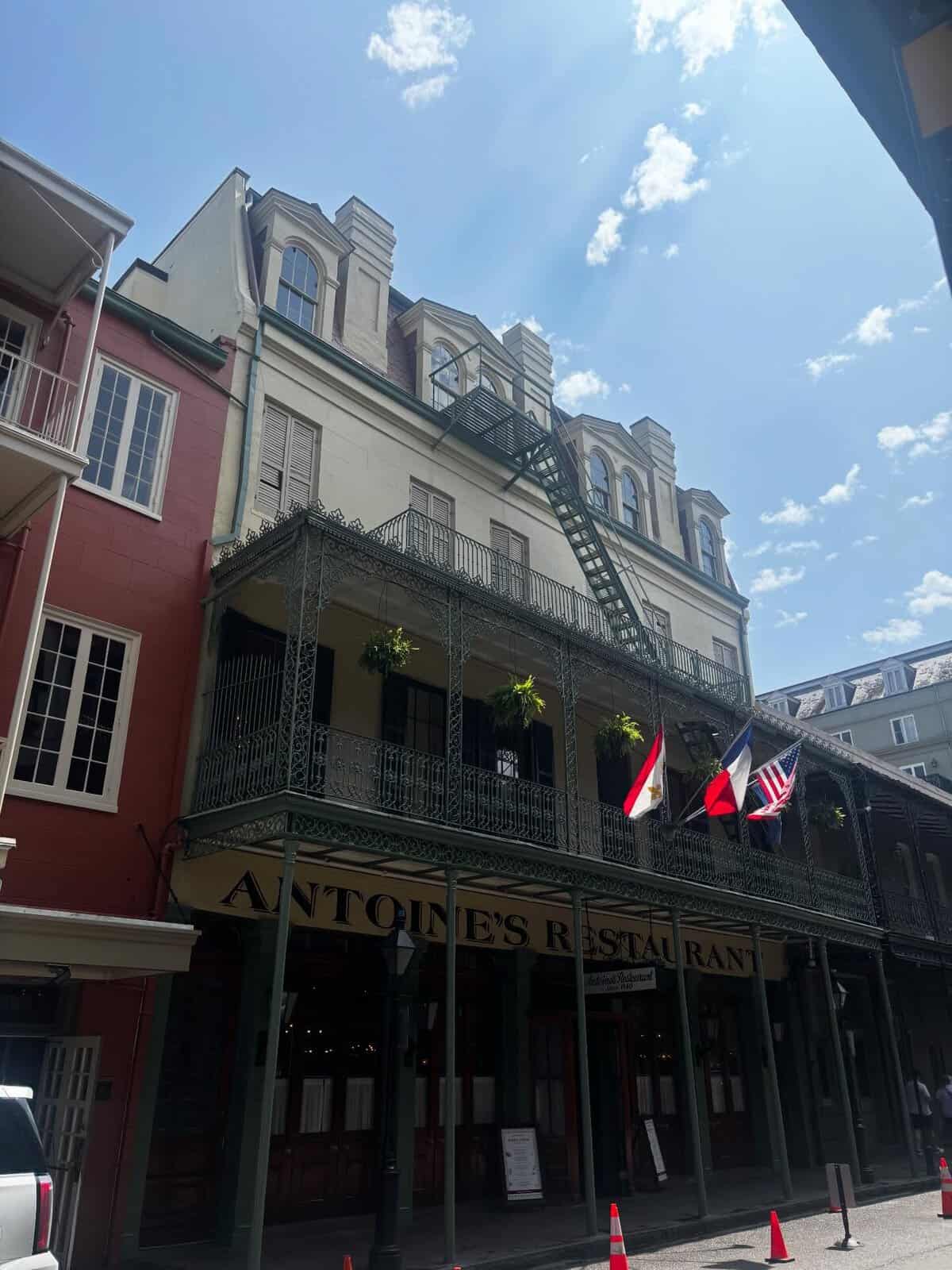
Antoine’s in New Orleans has been in the same family since Antoine Alciatore opened it in 1840, making it the oldest continuously family-operated restaurant in the United States.
Five generations of the Alciatore family have presided over the same French Creole kitchen across fourteen distinct dining spaces.
The restaurant’s most famous invention is Oysters Rockefeller, created in 1899 by Jules Alciatore.
The recipe has never been publicly released, and the restaurant still prepares the original version — a baked oyster preparation so rich that Jules named it after the wealthiest man in America at the time.
The dining rooms at Antoine’s retain the particular atmosphere of a restaurant that has decided its identity long ago and has no interest in revising it. Tuxedoed servers, white tablecloths, and formal French service remain unchanged.
Over the course of its history, Antoine’s has served every American president who visited New Orleans during their term.
Where: Antoine’s Restaurant, 713 St. Louis St, New Orleans, LA 70130
5. Tadich Grill, California
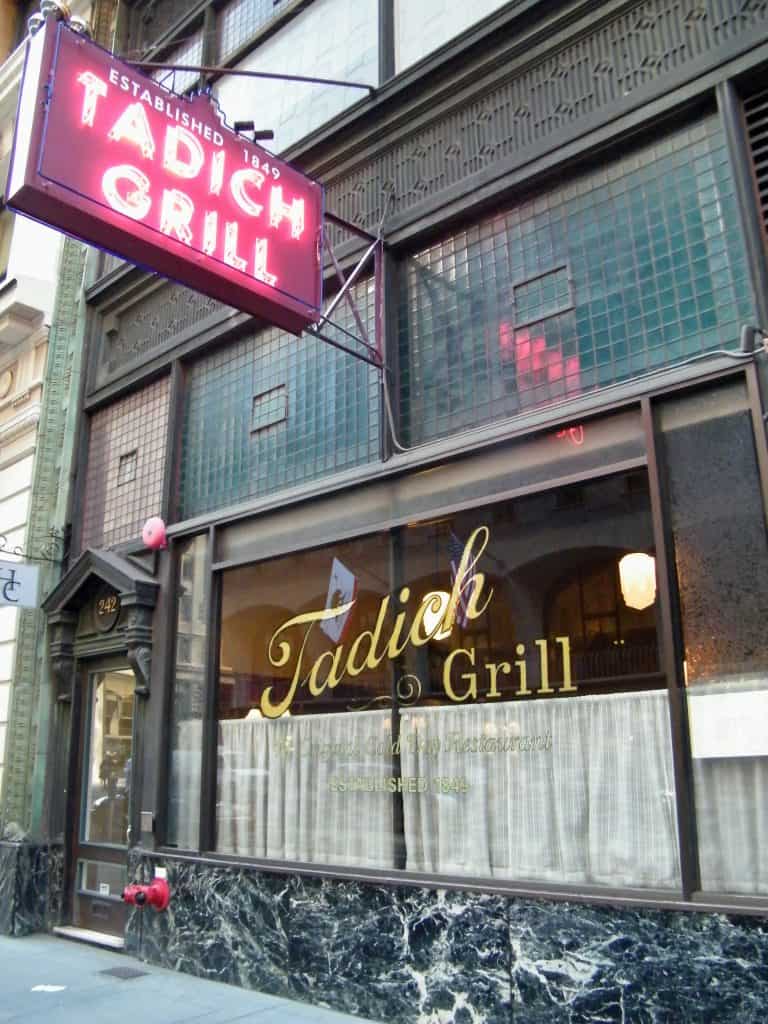
Tadich Grill started in 1849 as a coffee stand during the California Gold Rush — a business that opened during the country’s most feverish period of expansion and simply kept going while San Francisco built itself into a city around it.
The restaurant moved through several owners before the Buich family acquired it in 1928 and has remained in family hands since.
The long mahogany bar, the private wooden booths, and the pressed tin ceiling represent a Victorian-era California interior that downtown San Francisco has otherwise almost entirely demolished.
The menu centers on California seafood — Pacific halibut, crab cioppino, sand dabs — prepared in the straightforward, butter-forward style of a kitchen that trusts its ingredients rather than its technique to carry the meal.
The financial district location means the lunch crowd at Tadich reflects the full span of San Francisco’s working identity, from attorneys to traders to the tourists who discover it by accident and then make reservations for dinner.
Where: Tadich Grill, 240 California St, San Francisco, CA 94111
6. Old Ebbitt Grill, Washington, D.C.
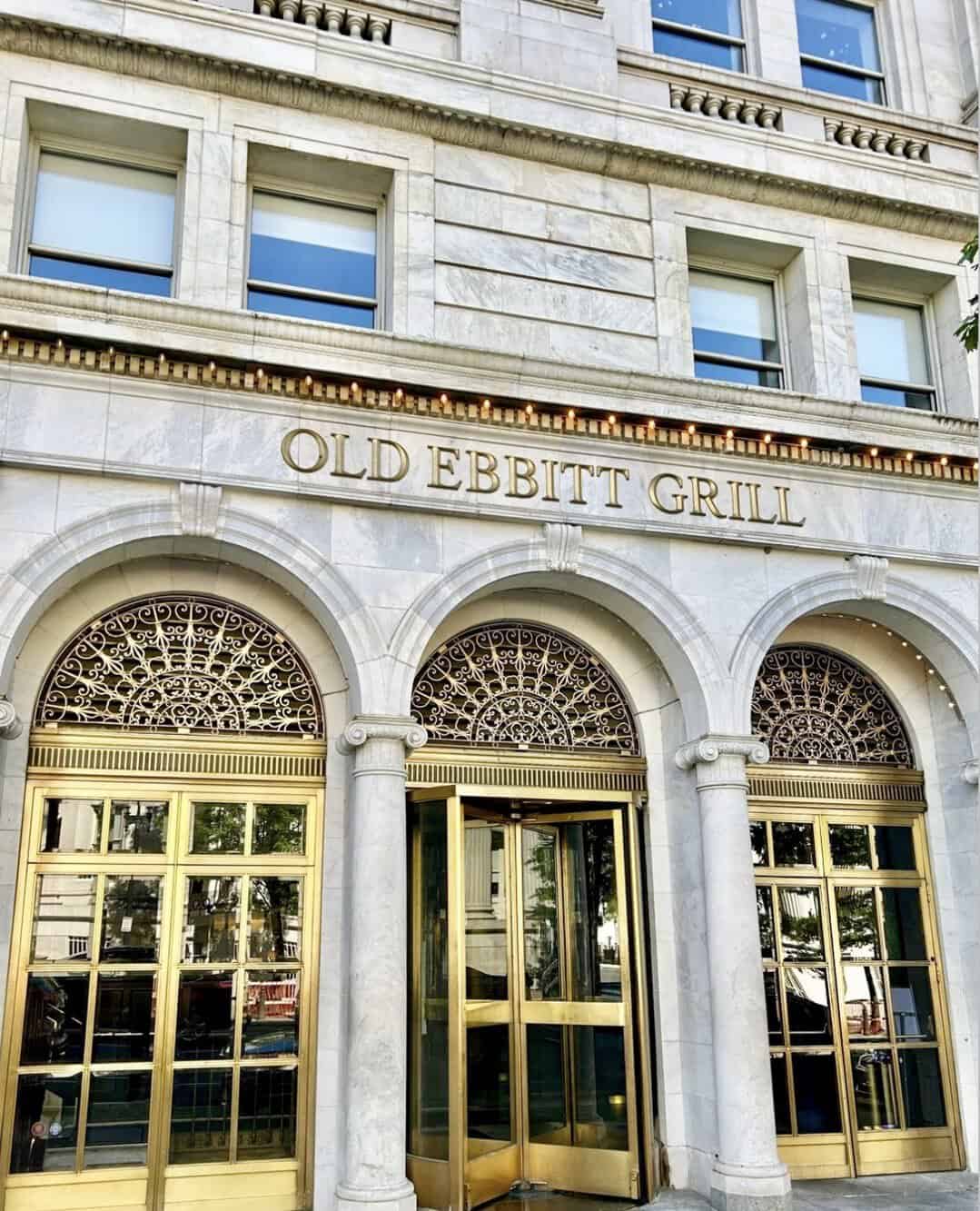
The Old Ebbitt Grill near the White House dates to 1856 — the oldest saloon in Washington and one of the institutions that defines the city’s political culture.
The restaurant’s guest book reads as a compressed history of American power: Grant, McKinley, and Theodore Roosevelt were all regulars.
The mahogany bar, the gas lighting, and the taxidermy mounts from Theodore Roosevelt’s own hunting expeditions give the interior the feel of a gentleman’s club from the era when Washington was still figuring out what kind of city it wanted to be.
The oyster bar is the most popular section, running a menu of East Coast and Pacific oysters alongside the broader American menu that covers the full range of the dining day.
The breakfast service at Old Ebbitt Grill, a Washington institution in its own right, draws a morning crowd that reflects the city’s early-rising political character.
Where: Old Ebbitt Grill, 675 15th St NW, Washington, DC 20005
7. Keens Steakhouse, New York
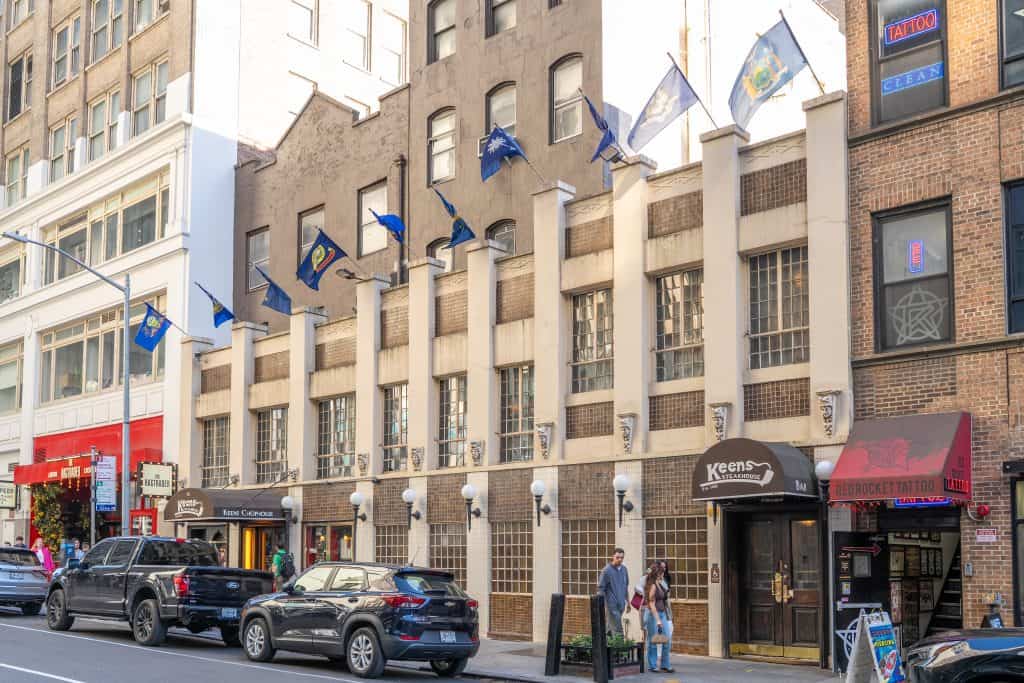
Keens Steakhouse opened in 1885 in Midtown’s theater district, when the surrounding blocks were home to the actors and writers who defined New York’s entertainment culture.
That original clientele left something behind: over 90,000 clay churchwarden pipes hanging from the ceiling of every room, each registered to a past regular.
The pipe collection includes specimens belonging to Buffalo Bill, Babe Ruth, Albert Einstein, and Teddy Roosevelt — a guest list that makes the dining room function as an accidental archive of American celebrity across a century and a half.
The mutton chop is Keens’ most famous dish, a preparation that has been on the menu since the restaurant’s opening and has never been reduced to a footnote by any chef’s innovation.
The dining room feels entirely unchanged from photographs taken decades ago, which is either the most reassuring thing about it or the second most reassuring thing, after the steak itself.
Where: Keens Steakhouse, 72 W 36th St, New York, NY 10018
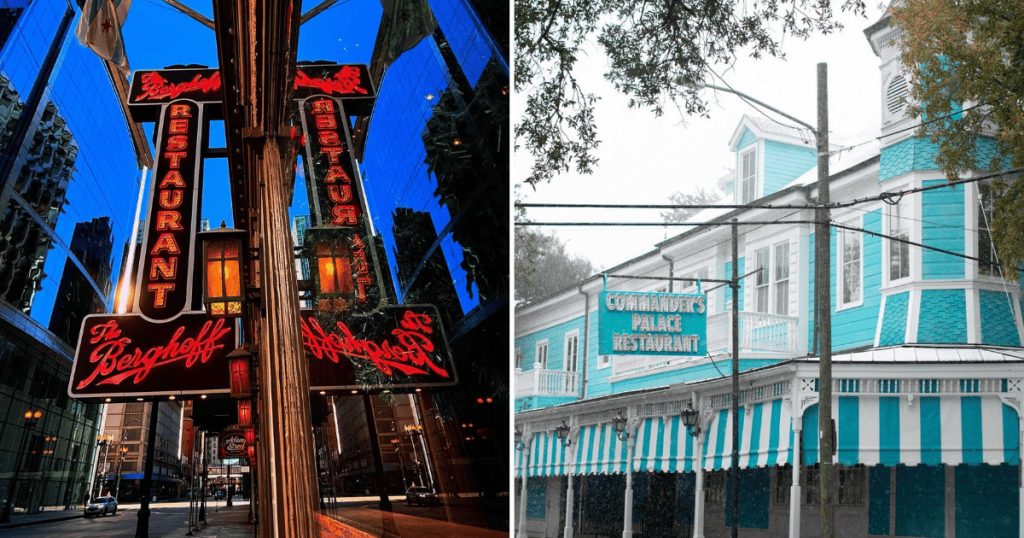
8. Commander’s Palace, Louisiana
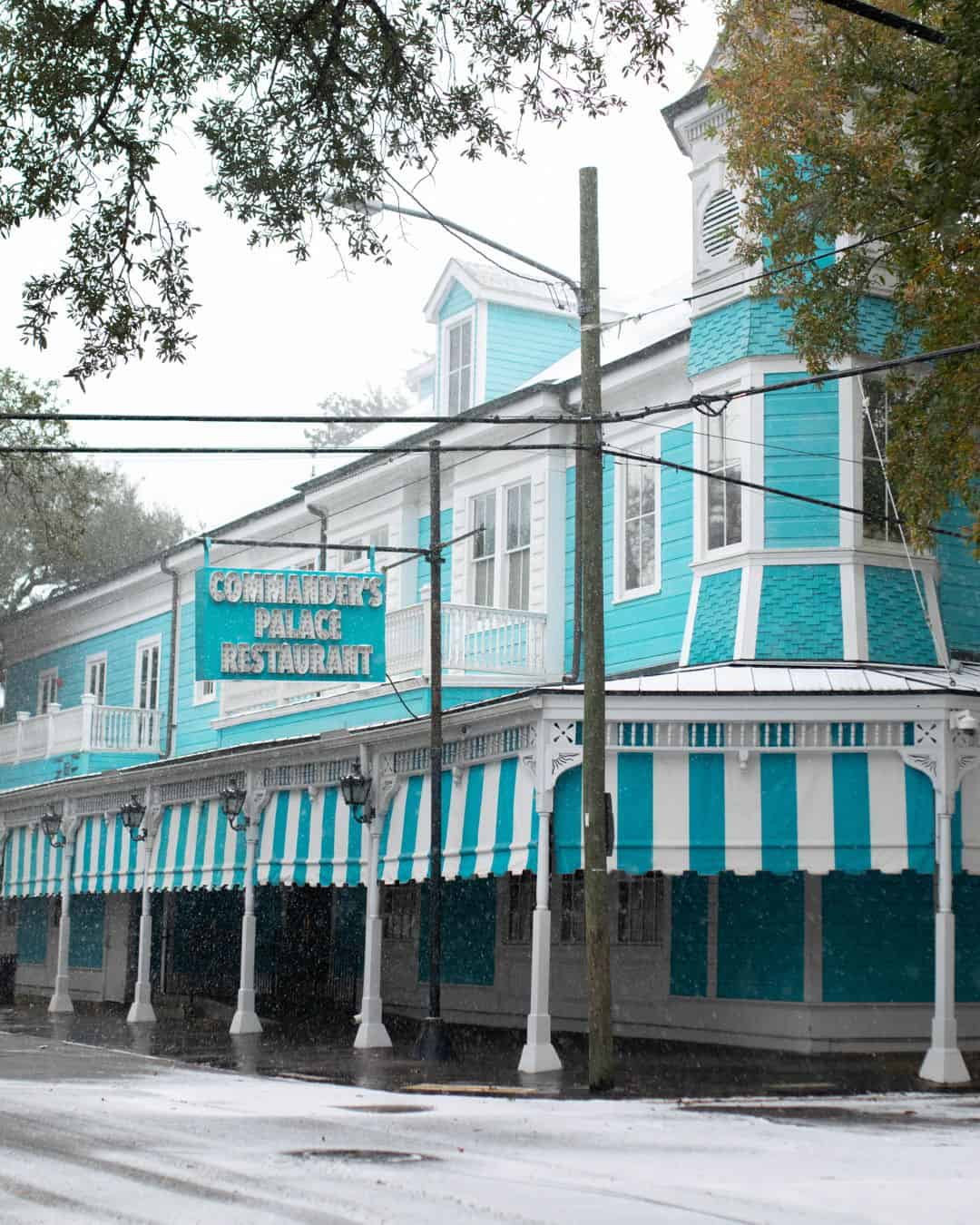
Commander’s Palace in the Garden District opened in 1893 and has spent the years since becoming one of the most influential restaurants in American culinary history.
The kitchen trained a generation of chefs who shaped Louisiana and national cuisine — Paul Prudhomme and Emeril Lagasse among them.
The turquoise Victorian building sits on the corner of Washington and Coliseum in the Garden District, and the dining room has the warm, eccentrically decorated energy of a restaurant that takes its food very seriously and its atmosphere with only slight irony.
The Saturday and Sunday jazz brunch is the most celebrated meal Commander’s offers, combining Creole dishes with live jazz in a format that operates as both a meal and an event.
The family that owns Commander’s Palace also operates several other New Orleans restaurants, and their approach to hospitality has defined what high-end New Orleans dining looks and feels like across multiple generations.
Where: Commander’s Palace, 1403 Washington Ave, New Orleans, LA 70130
9. The Berghoff, Illinois
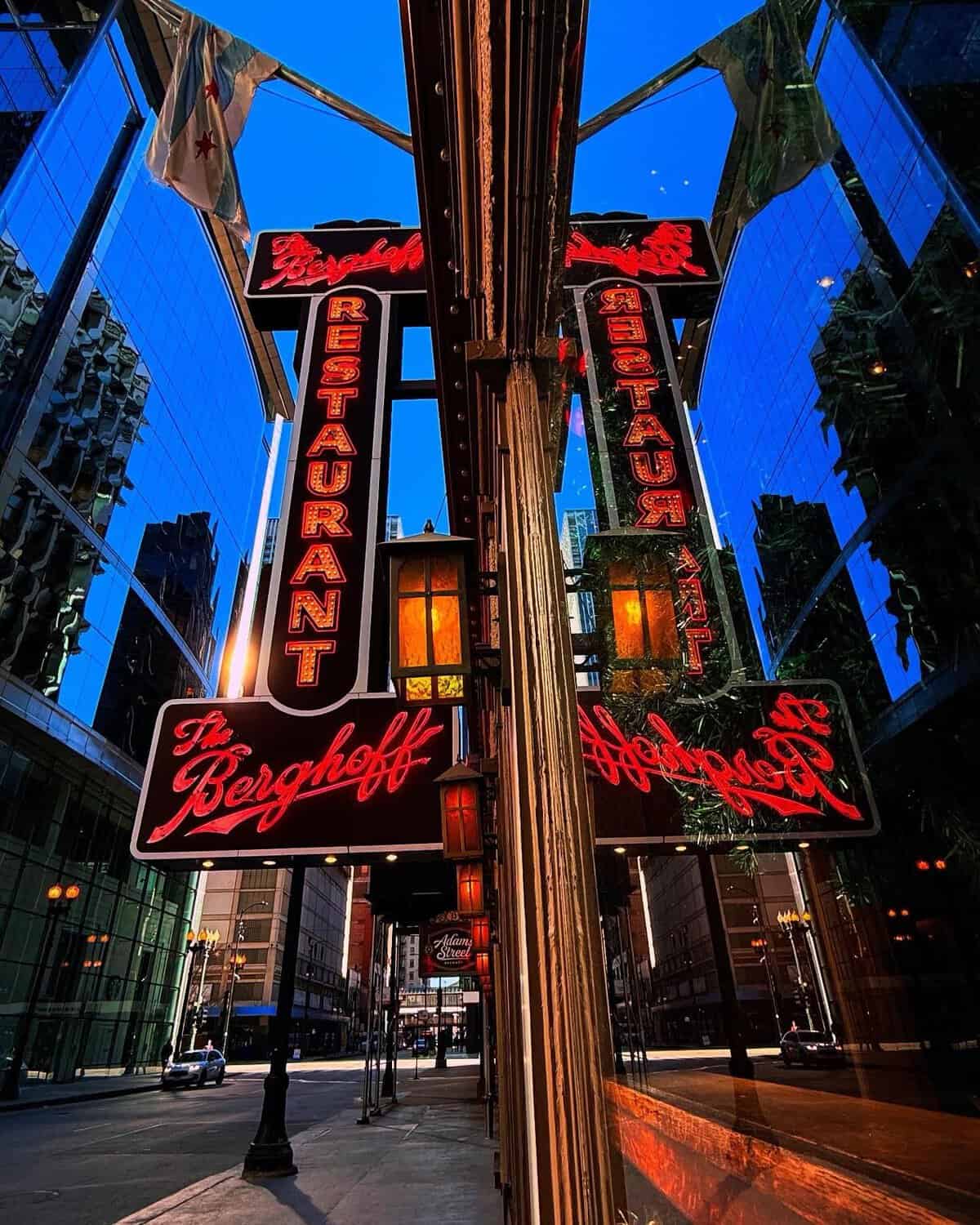
The Berghoff opened in Chicago in 1898 and holds a specific place in the city’s history that goes beyond its age.
When Prohibition ended in 1933, the Berghoff was granted Chicago’s first liquor license — number one — and the restaurant has displayed that license with justifiable pride ever since.
The building houses a German-American restaurant that has operated across two world wars, Prohibition, the Great Depression, multiple Chicago political administrations, and every food trend the city has absorbed and shed over 125 years. None of these events changed the schnitzel.
The dark wood interior, the formal Germanic service, and the house-brewed beer have remained constants through a history that resists revision. The dining room feels like it has always been exactly this old.
The downtown Loop location makes the Berghoff a natural stop during any day spent in Chicago’s architectural core, surrounded by buildings that opened in the same decade as the restaurant itself.
Where: The Berghoff, 17 W Adams St, Chicago, IL 60603
10. St. Elmo Steak House, Indiana
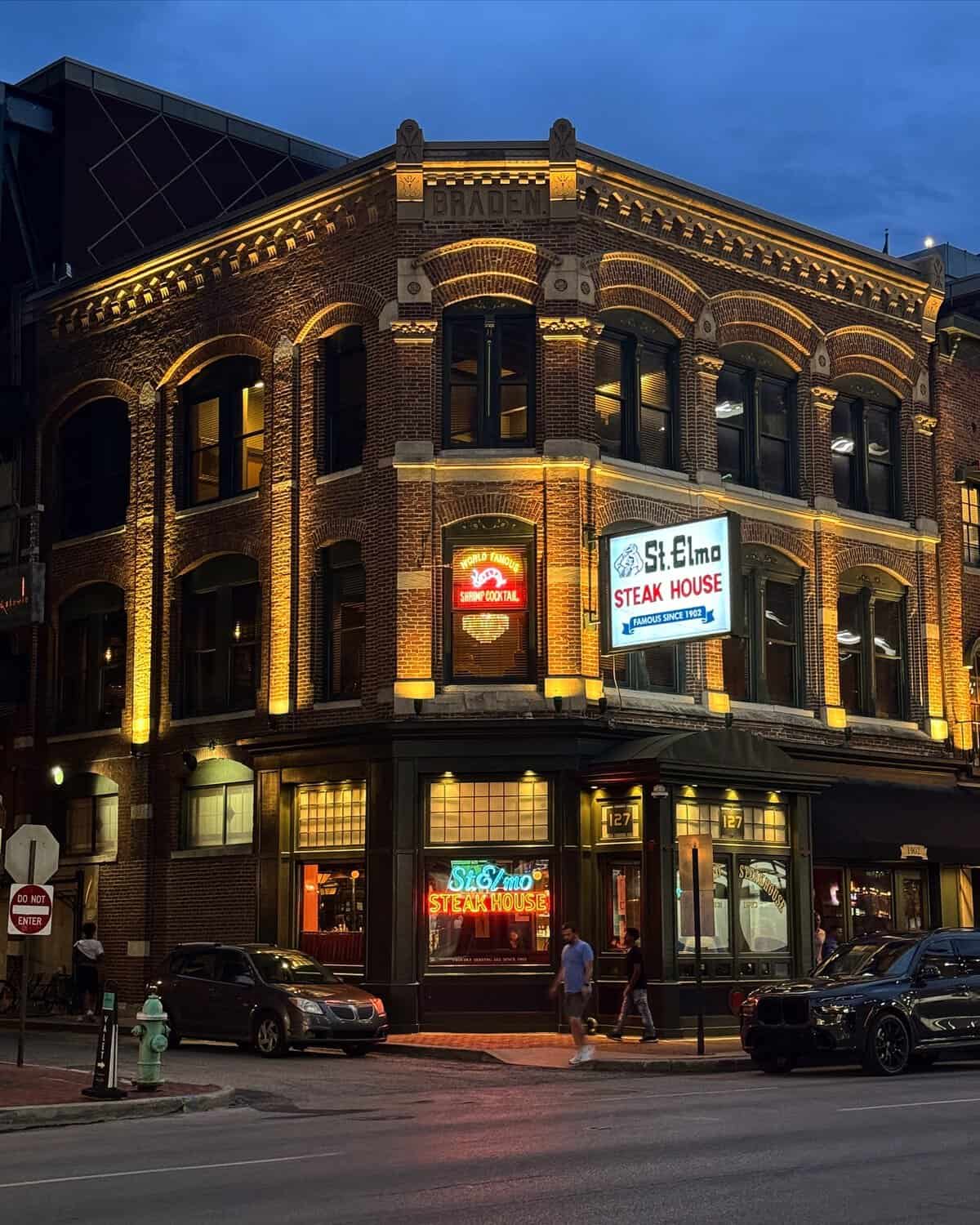
St. Elmo Steak House earns its place not just through longevity but through a singular dish: the shrimp cocktail. It’s the most famous appetizer in Indiana and possibly the most intensely spiced in the country — a rite of passage for anyone with something to prove.
The horseradish-heavy cocktail sauce has caused tears, involuntary gasping, and what regulars describe as a brief but complete inability to think about anything other than one’s own sinuses. First-timers are warned. They order it anyway. That is the point.
The steak program is world-class, and the wine list is among the finest in the Midwest, but the shrimp cocktail is what people mention in the parking lot afterward.
The Victorian-era interior has been maintained with care, and the photographs covering the walls trace 120 years of Indianapolis history through the faces of the regulars who made St. Elmo a second home.
Where: St. Elmo Steak House, 127 S Illinois St, Indianapolis, IN 46225
The Table Was Already Set
Very old restaurants don’t survive by accident. Fires, floods, Prohibition, recessions, pandemics, changing tastes — the obstacles between an 1840 restaurant and a 2026 restaurant are genuinely staggering.
Every place on this list navigated all of it, and most of them did it without changing the menu.
What that navigation required was usually some combination of a stubborn family, a dish nobody could find a reason to change, and regulars who showed up decade after decade expecting to find exactly what they’d left.
The restaurant kept its end of the arrangement, and the regulars kept theirs.
Eating in a place like this is not quite like eating anywhere else. The food is the point, always. But behind the food is the accumulation of every meal that preceded yours, stretching backward in decades that your own life doesn’t contain.
The table was already set long before you arrived. It will be set again long after you leave. That should change how you sit at it, even slightly.
More stories

Share this story