10 Mind-Blowing US Science Museums Worth Building a Trip Around

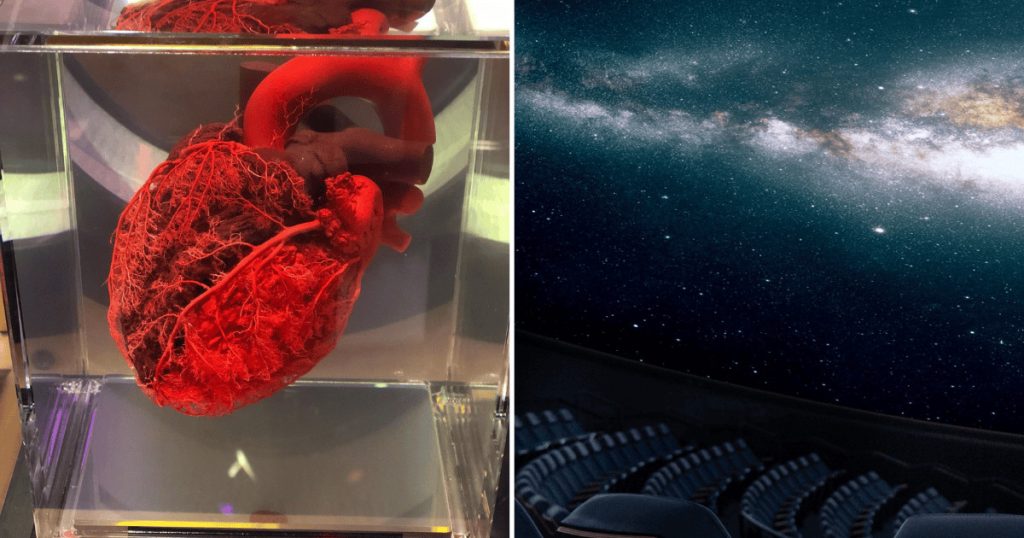
As a kid, I was the type to press every single button in a museum, whether it was labeled “Do Not Touch” or not. My parents spent more time apologizing to security guards than admiring the exhibits.
Science museums were always my favorite offenders. There’s something about a giant lever, a working model, or a button that triggers an explosion of light and sound that no painting or artifact case could ever compete with.
Looking back, I think that early impulse to touch everything was really just an early form of scientific curiosity, however chaotic it looked to the poor guards trailing behind me.
That fascination never really faded. Even now, walking into a great science museum feels like being handed permission to play, poke, question, and marvel, all in the name of learning.
The best science museums in America understand this. They’re not quiet, hushed places. They’re loud, hands-on, occasionally chaotic spaces built for genuine curiosity, whether you’re seven years old or seventy.
Below, I’ve rounded up ten of the most impressive science museums across the country, each one worth a special trip of its own.
What ties these ten together isn’t geography or subject matter. It’s that same spark I felt as a kid, the moment a hands-on exhibit turns a dry fact into something you’ll actually remember.
None of these museums asks you to simply look and move on. They ask you to touch, question, and sometimes get a little bit lost in wonder, exactly the way a great science museum should.
1. Museum of Science, Boston, Massachusetts
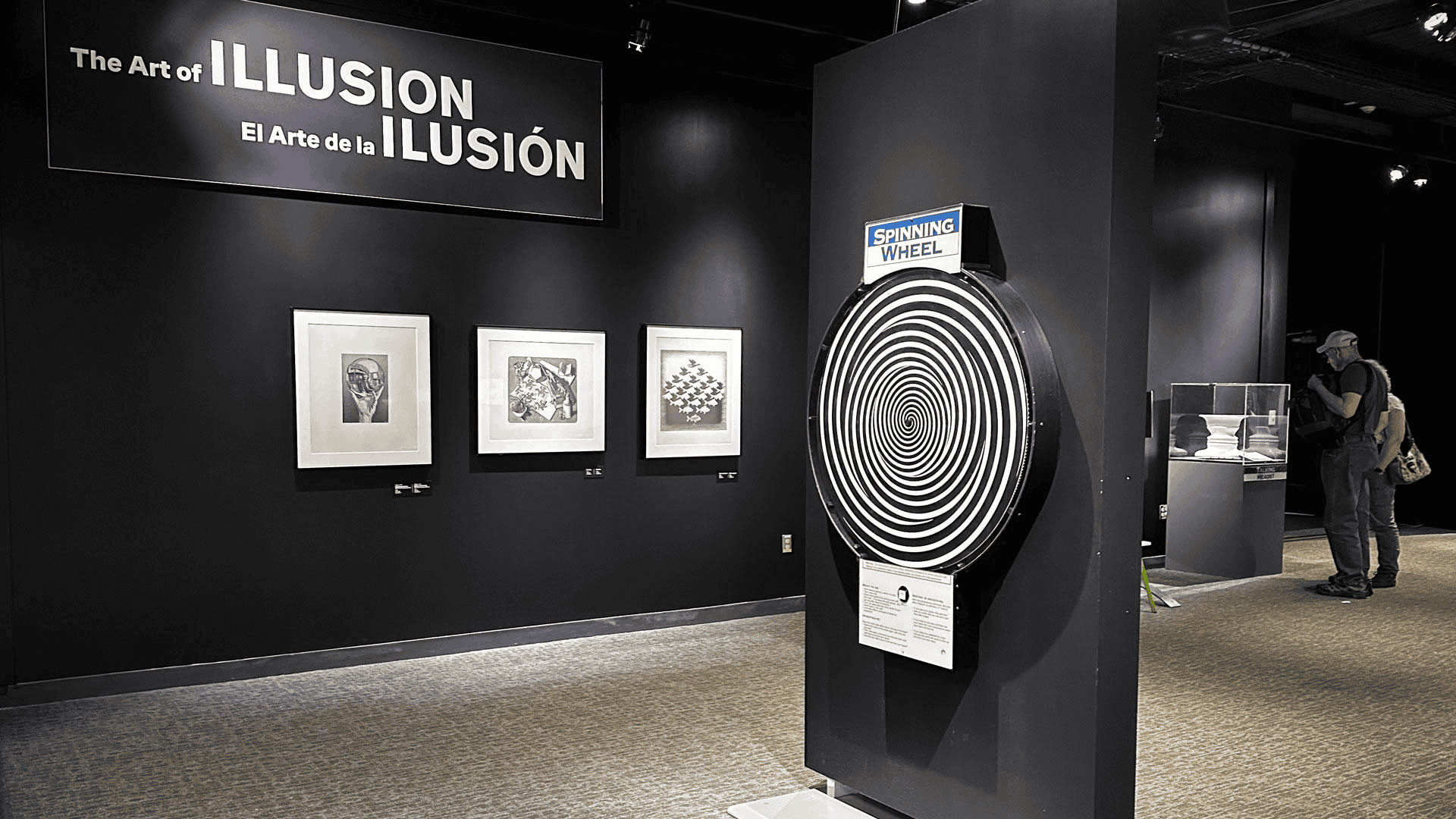
Straddling the border between Boston and Cambridge, the Museum of Science has been sparking curiosity since 1951, when it opened as one of the country’s first all-encompassing science museums.
With more than 700 interactive exhibits, this is a place built for exploring at your own pace, whether that means marveling at fossils or watching a live science demonstration unfold.
The Theater of Electricity is a can’t-miss stop, home to one of the world’s largest indoor Van de Graaff generators, where massive man-made lightning bolts crackle to life right in front of you.
New England’s only domed IMAX theater and the Charles Hayden Planetarium round out the experience, giving visitors plenty of reasons to spend an entire day wandering the museum’s halls.
The museum is also an accredited zoo, home to more than a hundred live animals, adding an unexpected layer of natural history to its already packed roster of exhibits.
Where: 1 Science Park, Boston, MA 02114
2. Exploratorium, San Francisco, California

Founded by physicist Frank Oppenheimer in 1969, the Exploratorium was built on a simple idea: that science, art, and human perception are deeply connected, and that curiosity deserves a hands-on home.
Now located along San Francisco’s waterfront at Pier 15, the museum houses over a thousand participatory exhibits spread across several themed galleries facing the bay.
The famous Tactile Dome challenges visitors to navigate a completely dark space using only their sense of touch, a genuinely disorienting and unforgettable experience unlike anything else on this list.
Don’t miss the MIND exhibits, which dive into the cognitive science of emotion, perception, and communication in ways that make abstract psychology feel wonderfully tangible.
The museum’s Tinkering Studio invites visitors to build and experiment with their hands, reflecting Oppenheimer’s original belief that understanding often comes through doing rather than watching.
Where: Pier 15, The Embarcadero, San Francisco, CA 94111
3. COSI, Columbus, Ohio

Officially known as the Center of Science and Industry, COSI has been named the nation’s top science museum multiple times by USA Today’s Readers’ Choice Awards, and it’s easy to see why.
The museum’s 300-plus hands-on exhibits span themed areas from Ocean to Space to Gadgets, each one designed to turn abstract scientific concepts into something you can touch, test, and try.
A standout partnership with the American Museum of Natural History brought a permanent Dinosaur Gallery to COSI, featuring a full-sized Tyrannosaurus Rex cast that stops visitors in their tracks.
Adventurous guests can even try the museum’s high-wire unicycle, a genuinely unexpected addition that turns a physics lesson about balance into a memorable, slightly nerve-wracking spectacle.
COSI also hosts an annual Science Festival, drawing crowds from across Ohio for four days of programming that spills out beyond the museum walls and into the surrounding neighborhoods.
Where: 333 W Broad St, Columbus, OH 43215
4. Museum of Science and Industry, Chicago, Illinois
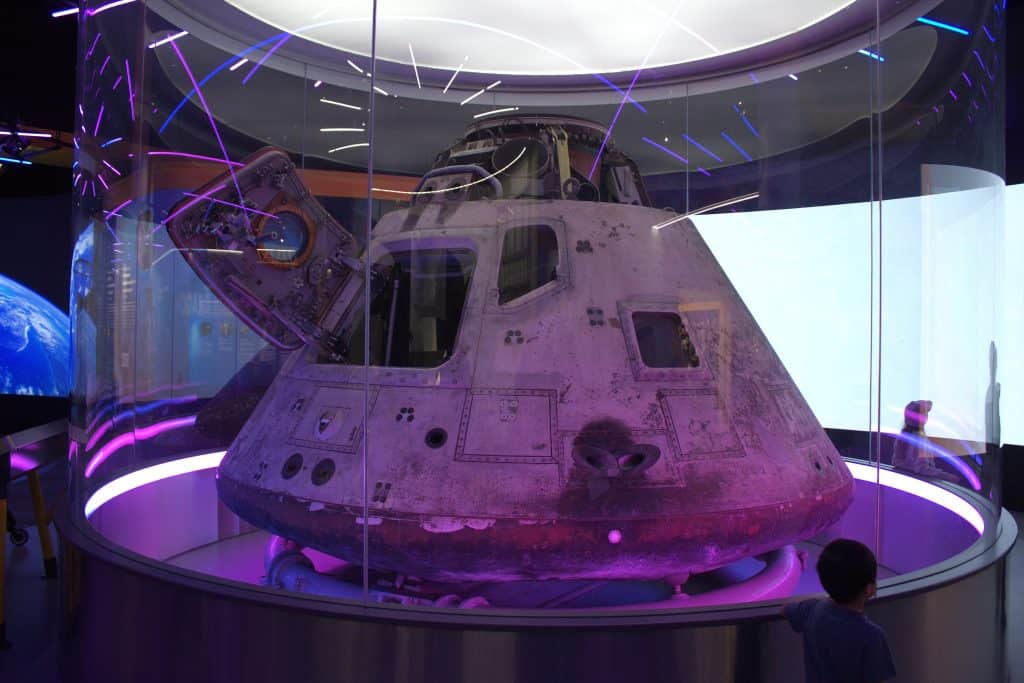
Housed in the only surviving building from the 1893 World’s Columbian Exposition, the Museum of Science and Industry stands as the largest science museum in the entire Western Hemisphere.
Its most famous artifact is the U-505, a genuine German submarine captured during World War II, one of only two ever captured and the only one on display anywhere in the Western Hemisphere.
Other highlights include a real, walk-through coal mine recreated inside the museum and a full-sized Boeing 727 suspended overhead that visitors can actually board and explore.
With over 2,000 exhibits spread across 75 major halls, this is the kind of museum that genuinely rewards a full-day visit, since there’s simply too much here to see in an afternoon.
The Great Train Story, a sprawling model railroad depicting the journey from Seattle to Chicago, is another favorite, especially among visitors who appreciate small, meticulous details.
Where: 5700 S DuSable Lake Shore Dr, Chicago, IL 60637
5. Steven F. Udvar-Hazy Center, Chantilly, Virginia

Just outside Washington Dulles International Airport, the Steven F. Udvar-Hazy Center serves as the companion facility to the Smithsonian’s National Air and Space Museum on the National Mall.
This massive hangar-style building displays thousands of aviation and space artifacts too large for the main museum, arranged in what feels like a carefully choreographed ballet of aircraft.
Icons on display include the Space Shuttle Discovery, the legendary SR-71 Blackbird, and the Enola Gay, the B-29 bomber that carried the first atomic bomb used in warfare.
The Donald D. Engen Observation Tower offers sweeping views of real air traffic landing at Dulles, a fitting final stop after exploring decades of aviation and space history under one roof.
Because the center sits within a working airport, visitors get the rare thrill of watching modern jets take off just beyond the same windows framing decades-old warbirds and rockets.
Where: 14390 Air and Space Museum Pkwy, Chantilly, VA 20151
6. Science Museum of Minnesota, St. Paul, Minnesota
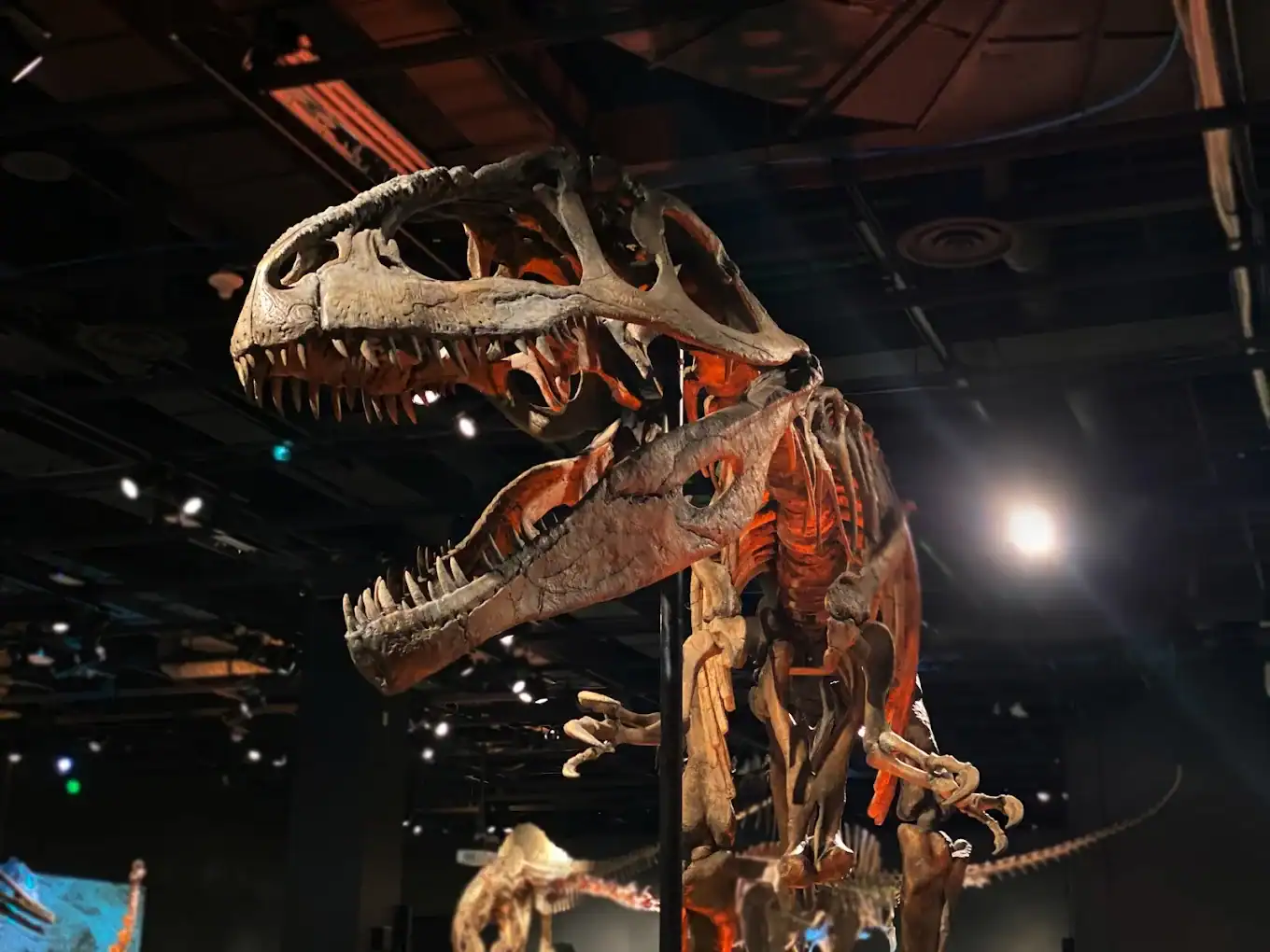
Perched right on the banks of the Mississippi River in downtown St. Paul, the Science Museum of Minnesota blends natural history, physical science, and a genuine sense of regional pride.
The Mississippi River Gallery offers a distinctly local take on the waterway just outside its windows, connecting the museum’s exhibits directly to the landscape surrounding it.
A five-story floating Giant Astronaut greets visitors near the entrance, an interactive exhibit that immediately signals this isn’t a museum content with quiet, static displays.
The Dinosaurs and Fossils Gallery is another standout, featuring a Diplodocus skeleton that was actually discovered by a group of local high school students, a detail that never fails to delight visitors.
The museum’s Omnitheater rounds out the experience, showing large-format films that have been distributed to science centers around the world for their vivid, immersive storytelling.
Where: 120 W Kellogg Blvd, St. Paul, MN 55102
7. Science Museum Oklahoma, Oklahoma City, Oklahoma

Spanning roughly 390,000 square feet, Science Museum Oklahoma ranks among the largest science museums in the entire country, offering an almost overwhelming amount to explore in a single visit.
The museum’s newly opened Love’s Planetarium uses a hybrid optical and digital projection system to recreate the night sky with roughly eight million stars, a genuinely awe-inspiring upgrade to stargazing.
CurioCity, a miniature town built specifically for younger visitors, lets kids explore careers and creativity through playful, hands-on activities scaled just for them.
In an unexpected twist, the museum also houses the International Gymnastics Hall of Fame, a quirky addition that adds an extra layer of surprise to an already packed visit.
Outdoor botanical gardens showcasing native Oklahoma plants give visitors a chance to step outside between exhibits, blending natural science with the museum’s larger hands-on mission.
Where: 2020 Remington Pl, Oklahoma City, OK 73111
8. Discovery Place Science, Charlotte, North Carolina

Right in the heart of Uptown Charlotte, Discovery Place Science has spent decades turning STEM concepts into genuinely fun, hands-on experiences for visitors of every age.
The Charlotte IMAX Dome Theatre serves as the museum’s centerpiece, offering the largest screen in the Carolinas and an immersive way to end a day full of interactive exploration.
Live science demonstrations and animal encounters keep the museum feeling dynamic, ensuring that even repeat visitors will find something new happening on any given day.
Recognized as a top science museum in the country by National Geographic, Discovery Place Science has earned a reputation that stretches well beyond the borders of North Carolina.
The museum’s roots trace back to 1946, giving it decades of history behind its modern, hands-on approach to teaching STEM concepts to curious visitors of every age.
Where: 301 N Tryon St, Charlotte, NC 28202
9. Denver Museum of Nature & Science, Denver, Colorado

With roots tracing back to a naturalist’s log cabin collection in the 1860s, the Denver Museum of Nature & Science has grown into one of the largest institutions of its kind between Chicago and the West Coast.
Its collection includes more than a million objects, ranging from natural history specimens to anthropological artifacts, spread across a sprawling, 716,000-square-foot building in City Park.
Space Odyssey invites visitors to explore the universe up close, including a full-scale replica of a Mars Exploration Rover that makes the red planet feel a little more within reach.
The museum’s dazzling gem and mineral collection is another favorite, alongside dinosaur exhibits and an all-digital planetarium that rounds out an easy full day of exploration.
Nearly ninety detailed wildlife dioramas, featuring specimens from six continents, offer a quieter counterpoint to the museum’s more high-tech, interactive attractions.
Where: 2001 Colorado Blvd, Denver, CO 80205
10. Saint Louis Science Center, Missouri

Tucked into the southeastern corner of Forest Park, the Saint Louis Science Center offers over 700 hands-on exhibits spread across a sprawling campus, with general admission that’s always free.
The museum covers an impressively wide range of topics, from agriculture and aviation to ecology and space science, giving visitors of every interest something worth lingering over.
An enclosed walkway crossing the interstate connects the main building to the James S. McDonnell Planetarium, where visitors can experience a high-tech view of thousands of stars.
The four-story OMNIMAX Theater rounds out the visit, showing nature, wildlife, and adventure films that make an already impressive science center feel even more expansive.
Sensory-friendly hours offered on Sunday mornings make the center especially welcoming for visitors who benefit from a quieter, less overwhelming environment to explore.
Where: 5050 Oakland Ave, St. Louis, MO 63110
Curiosity Doesn’t Have an Age Limit
What strikes me most about all ten of these museums isn’t just the scale of their exhibits or the size of their buildings. It’s how stubbornly they resist the idea that learning has to be quiet or passive.
Somewhere between the flashing lights, the working models, and the buttons practically begging to be pressed, these museums manage to make science feel less like a subject and more like an adventure.
Each one carries its own personality, too. Some lean into scale and spectacle, while others favor quiet wonder, like a dinosaur skeleton unearthed by teenagers or a room built entirely for the dark.
Whether it’s a submarine you can walk through, a lightning bolt crackling overhead, or a dark room you have to navigate by touch, each of these ten places proves that wonder doesn’t require an explanation, just an invitation to explore.
So next time you’re planning a trip, consider letting your inner button-pusher take the lead. Somewhere in one of these museums, there’s an exhibit just waiting for you to get your hands on it.
More stories




Share this story