10 Legendary Seafood Shacks Across America Worth Every Mile of the Drive

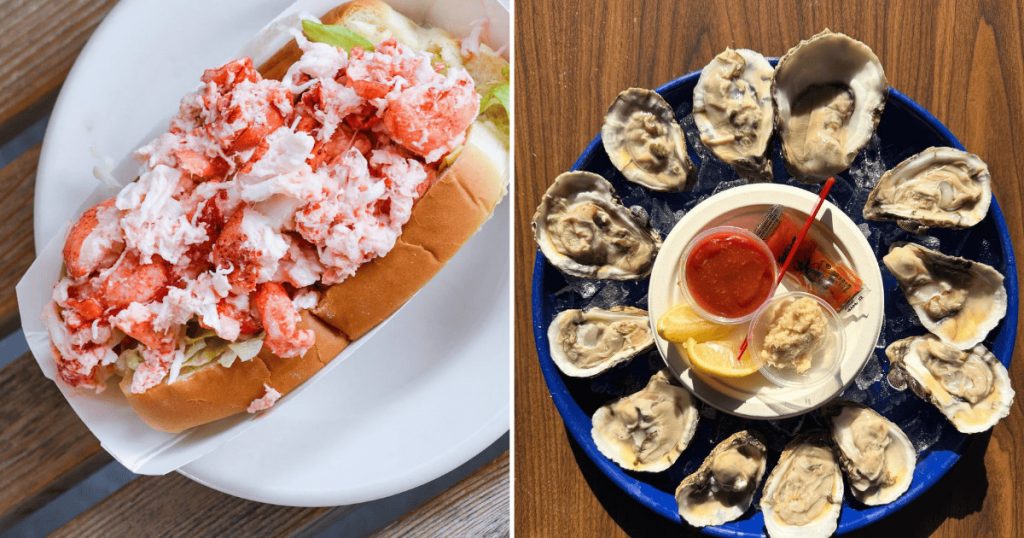
Seafood only makes sense to me when it smells like the ocean — salt water, something just caught, ice still melting. That’s when I trust it.
I didn’t fully understand that until I ate a lobster roll standing on a dock in the summer wind. Everything about it clicked: the setting, the freshness, the taste.
The best seafood in America isn’t served in the fanciest dining rooms. It’s in the shacks with mismatched chairs, handwritten menus, and lines that tell you everything before you even order.
These ten seafood shacks, from the coast of Maine to the waterways of Seattle, are built for that rule. Each one earns it differently, with a different catch, in a different corner of the American coastline.
1. Red’s Eats, Maine
The line outside Red’s Eats in Wiscasset is both its most famous feature and its most honest advertisement. People wait an hour or longer on a narrow sidewalk along the Sheepscot River — and they keep coming back because what comes out of that kitchen is genuinely worth it.
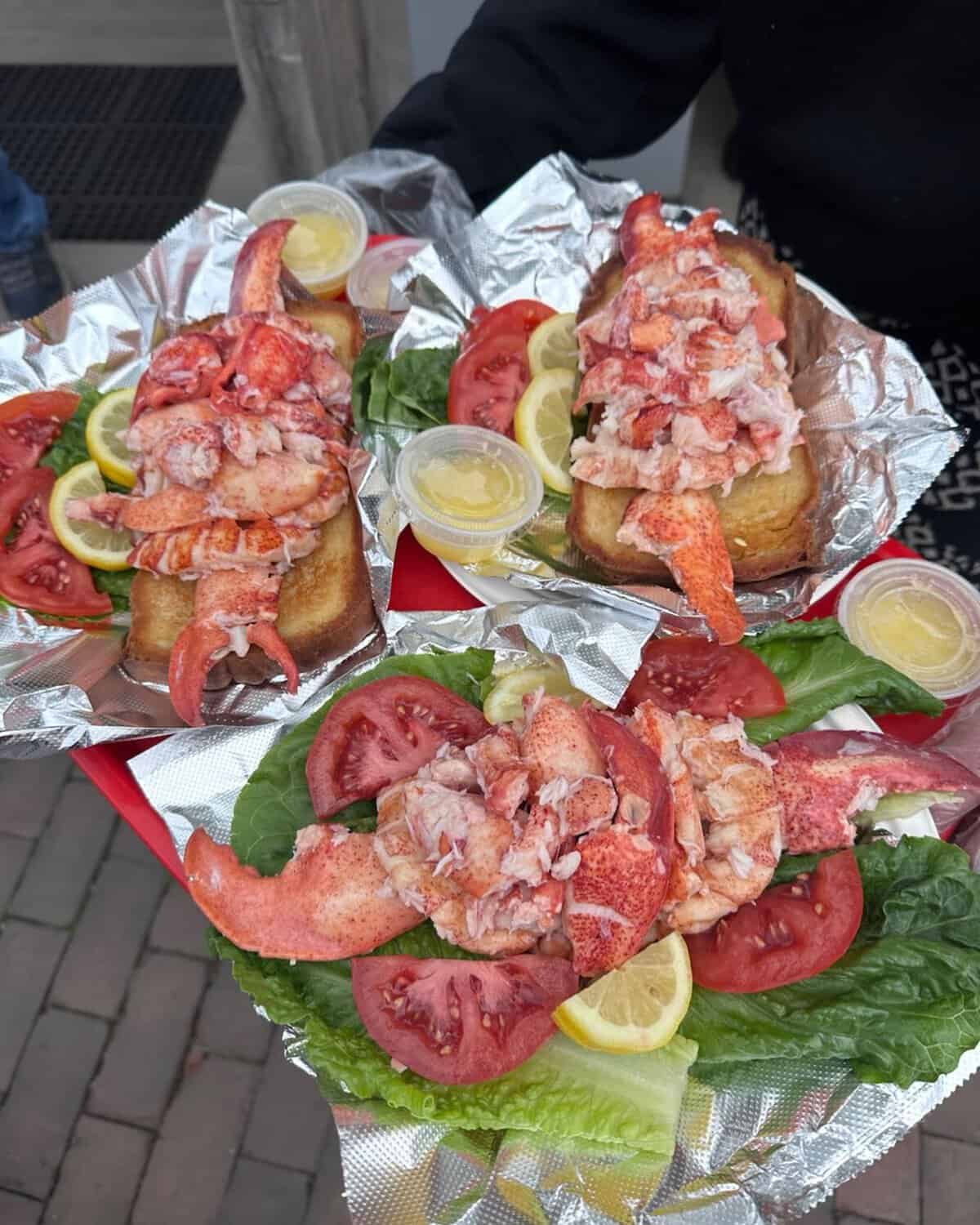
The lobster roll here is the kind that redefines what you thought a lobster roll could be. An entire lobster is stuffed into a split-top bun, with the meat piled so generously that it takes both hands and a certain amount of commitment to eat without losing half of it.
Red’s is a seasonal operation, open roughly from spring through fall, which gives every visit an urgency that restaurants open year-round simply can’t replicate. You eat it while you can, because the window closes.
The shack itself has no pretension — a small walk-up window, a few picnic tables, and a river view that makes the wait feel almost intentional.
Where: Red’s Eats, 41 Water St, Wiscasset, ME 04578
2. The Clam Box, Massachusetts
There are buildings that become landmarks, and then there is The Clam Box in Ipswich, which is literally shaped like a takeout clam box. The architecture announces the purpose before you’re even out of the car, and that clarity is part of its charm.
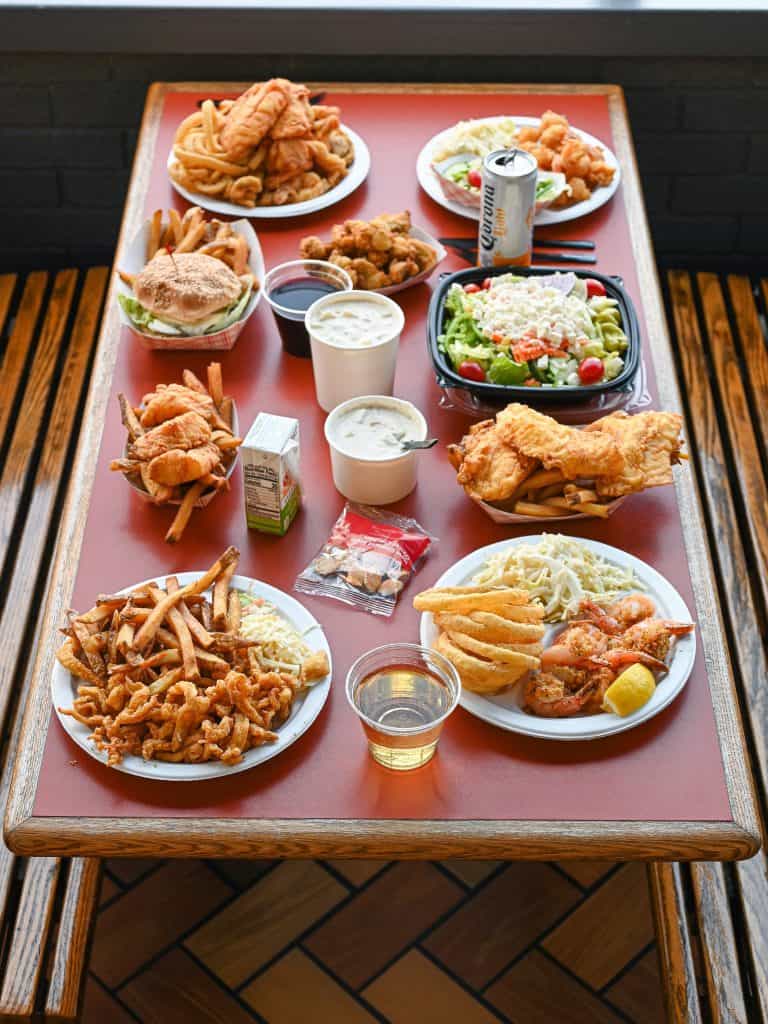
Ipswich is considered the fried clam capital of the world, and The Clam Box has been making the argument since 1935. The clams here are whole-belly, which is the detail that separates serious fried clam enthusiasts from everyone else — the briny, soft belly is the whole point.
The batter is light and crispy in a way that holds its texture for an impressively long time, which is fortunate since the line often means eating in the parking lot while still in earshot of the fryers.
The onion rings and fish and chips share the menu with equal confidence, but the fried clams are why Ipswich has the reputation it does, and The Clam Box is where that reputation lives.
Where: The Clam Box, 246 High St, Ipswich, MA 01938
3. Hog Island Oyster Co., California
Tomales Bay is an unusual body of water — a long, narrow saltwater estuary separated from the Pacific by the Point Reyes Peninsula, its sheltered waters producing oysters with a flavor that reflects the specific salinity and mineral content of this particular corner of Northern California.
Hog Island Oyster Co. farms those oysters directly in the bay and serves them at a simple outdoor setup in Marshall, where visitors sit at picnic tables within sight of the water the oysters came from. That proximity is something that no restaurant in a city can manufacture.
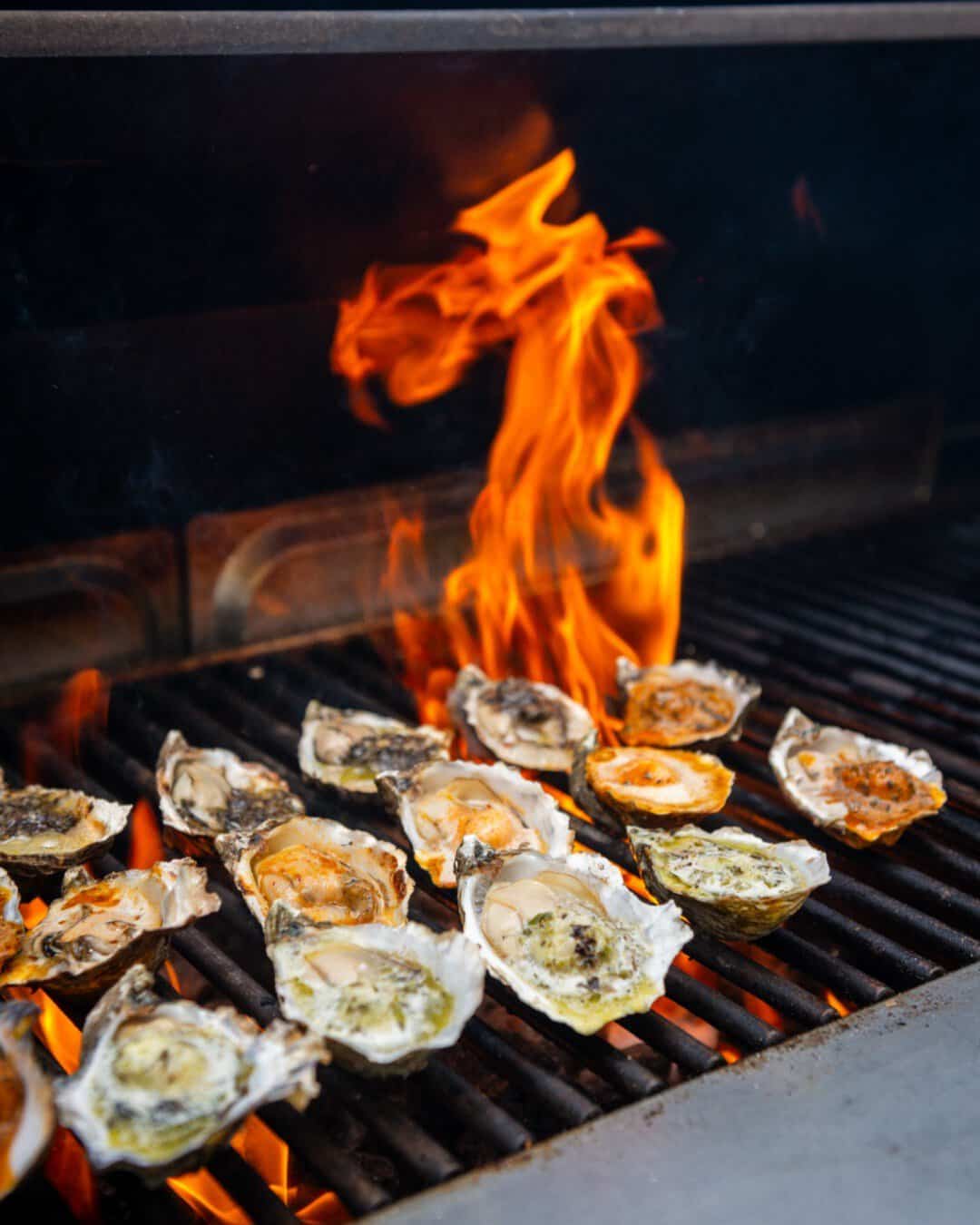
Freshly shucked West Coast oysters, barbecued oysters in butter and garlic, and oyster stew are the pillars of a menu built around the idea that what grows here should be eaten here.
Weekend visits require advance reservations for the barbecue areas, and the drive along Highway 1 to reach Marshall is itself worth the trip — a winding coastal road through one of the most dramatic stretches of California.
Where: Hog Island Oyster Co., 20215 CA-1, Marshall, CA 94940
4. Bowens Island Restaurant, South Carolina
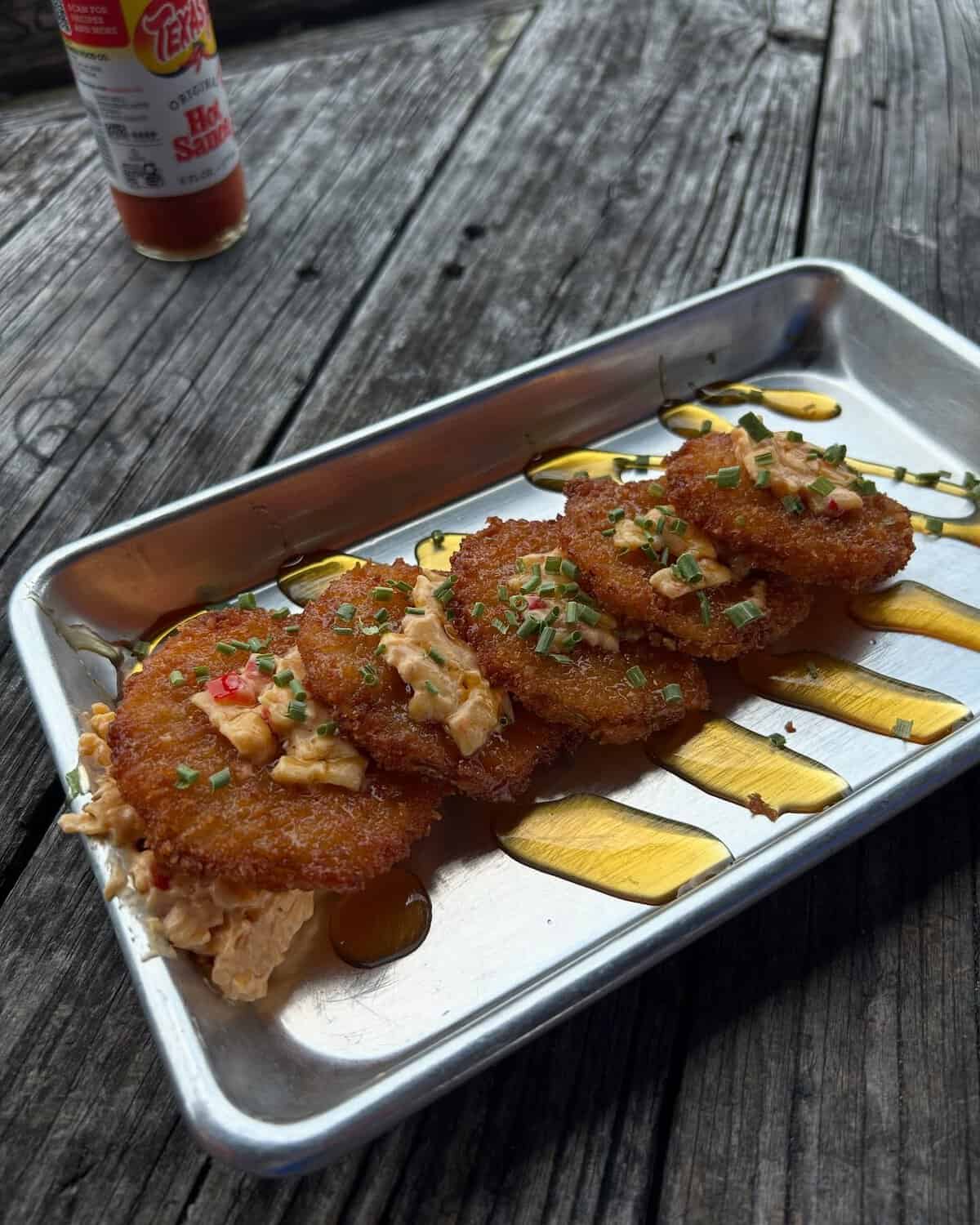
Bowens Island Restaurant sits at the end of a dirt road in the marsh outside Charleston, and the approach tells you something important: this is not a place that works to attract attention.
It has been drawing crowds anyway since 1946, because word travels when something is genuinely exceptional.
The restaurant specializes in oyster roasts — bushels of local oysters steamed over a fire and poured directly onto a communal table, shucked by hand with a knife and eaten with hot sauce and saltines. It is a profoundly social way to eat, informal and loud and honest.
The walls inside are covered in the signatures and graffiti of decades of visitors, creating an accidental archive that gives the place a layered, living-history quality unlike anywhere else on the East Coast.
The marsh view at dusk, the fire burning in the pit, and the smell of steam rising from fresh oysters make Bowens Island a complete sensory experience that Charleston’s more celebrated restaurants rarely match.
Where: Bowens Island Restaurant, 1870 Bowens Island Rd, Charleston, SC 29412
5. Casamento’s Restaurant, Louisiana
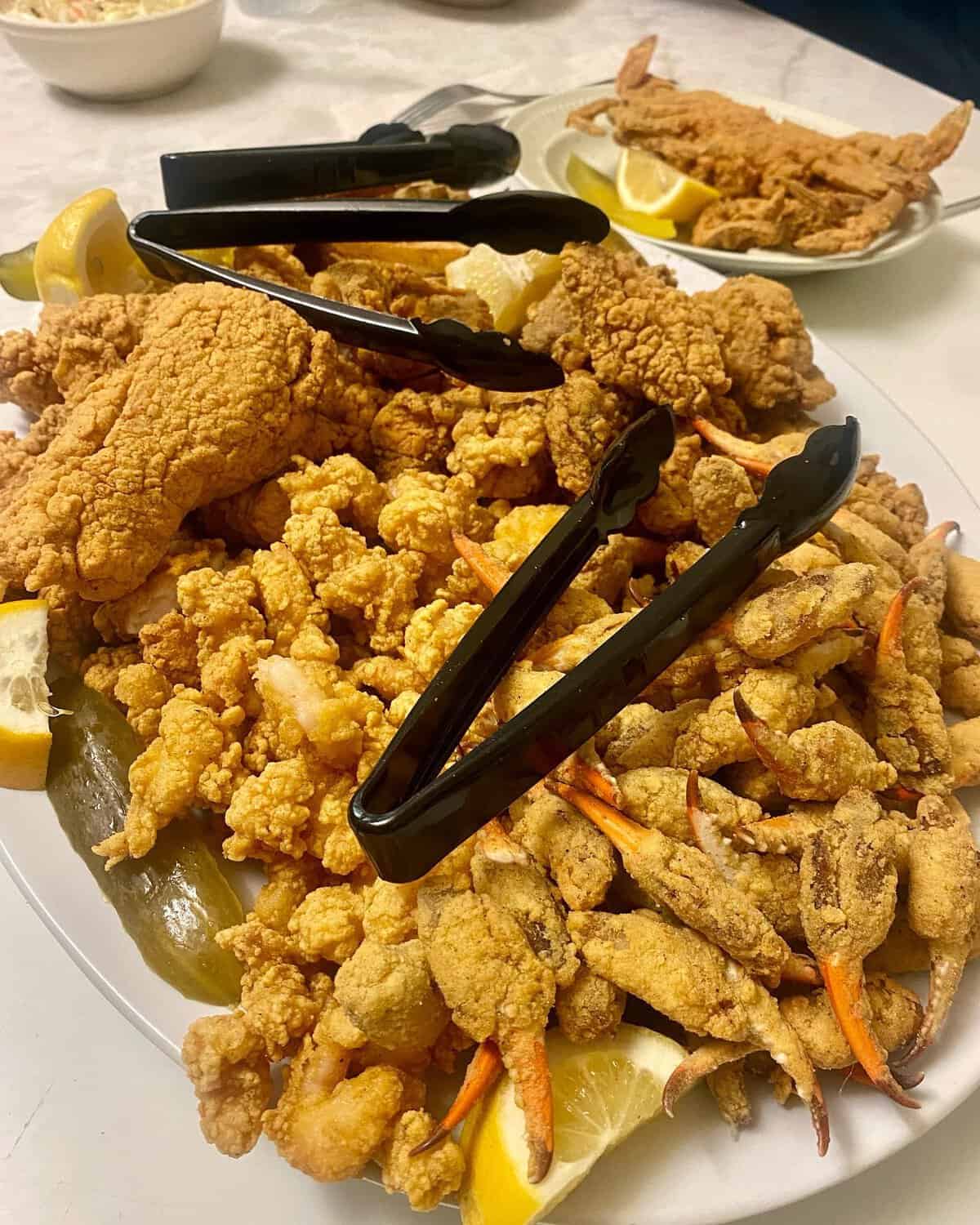
New Orleans has a particular relationship with oysters that stretches back generations, rooted in the Gulf’s extraordinary productivity and the city’s Italian immigrant heritage. Casamento’s in the Magazine Street corridor has been at the center of that relationship since 1919.
The oyster loaf is the signature dish — fried oysters packed into a hollowed loaf of French bread, with nothing but hot sauce and the bread’s own toasted interior serving as the only condiments. It is simple in a way that requires complete confidence in the quality of the oyster.
Casamento’s is famously closed during the summer months when Gulf oysters are out of season, a practice the restaurant has maintained for over a century. That seasonal integrity is the kind of commitment to quality that can’t be faked.
The white tile interior and counter seating give the place the feel of a different era entirely, and the generations of New Orleans families who have made it a regular stop reflect a loyalty that most restaurants can only dream about.
Where: Casamento’s Restaurant, 4330 Magazine St, New Orleans, LA 70115
6. Stinky’s Fish Camp, Florida
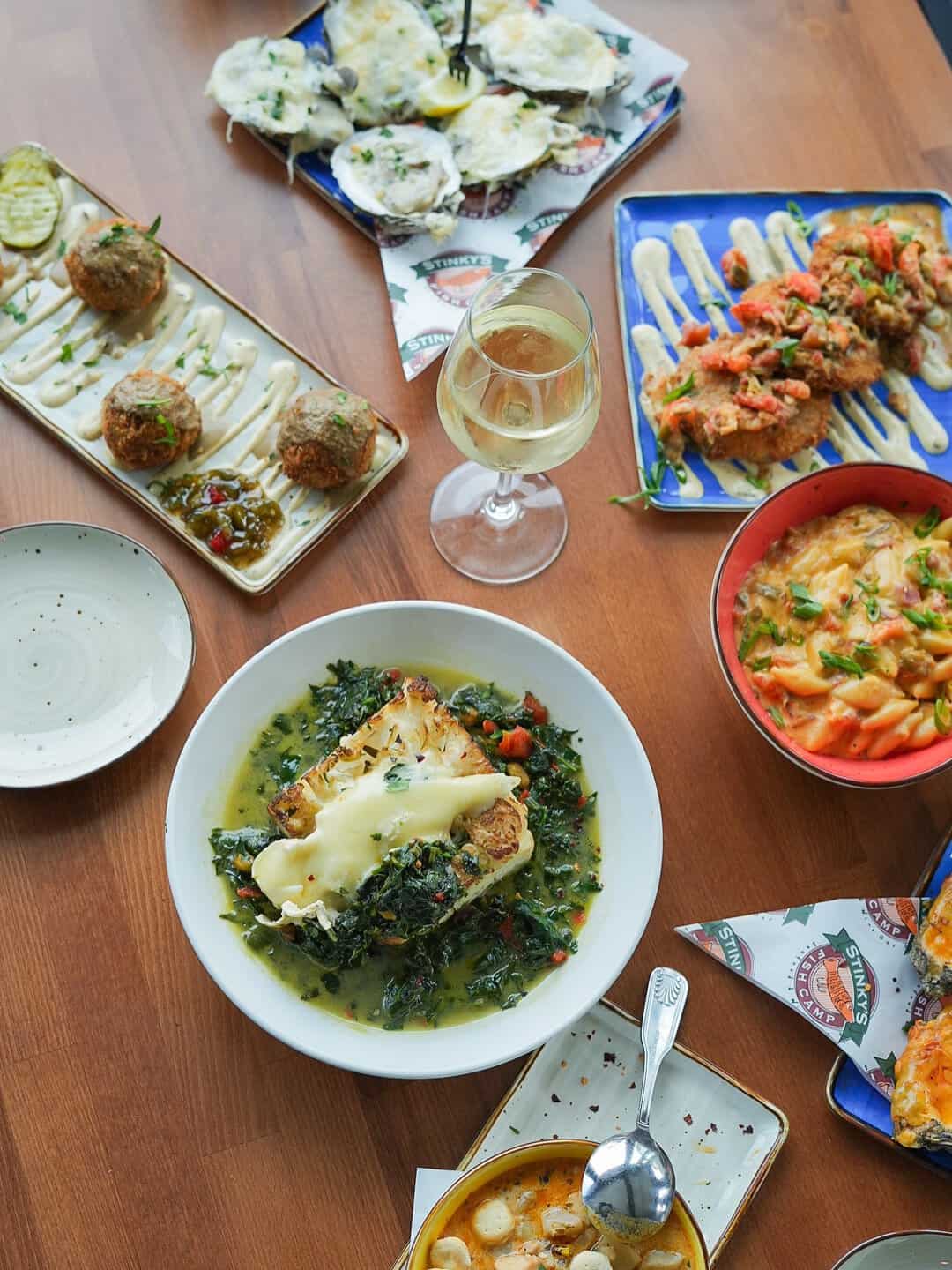
The name alone earns a second look, and the food at Stinky’s Fish Camp along Florida’s 30A corridor earns everything that follows.
This Gulf Coast institution has developed a devoted following among year-round residents and seasonal visitors who discover it and rearrange their vacation schedules around a return trip.
Gulf seafood has a sweetness and freshness that differs from Atlantic species, and Stinky’s treats it with the kind of respect that means the menu changes based on what’s actually running.
Amberjack, snapper, grouper, and Gulf shrimp appear when they’re available and are replaced when they aren’t.
The waterfront setting and open-air dining area make the experience feel connected to the water in a way that even good seafood restaurants in landlocked cities can’t replicate. The surroundings are part of the dish.
The grilled and fried options both have vocal advocates among regulars, but the fish tacos have developed their own particular following along this stretch of the Florida Panhandle.
Where: Stinky’s Fish Camp, 5960 W County Hwy 30A, Santa Rosa Beach, FL 32459
7. The Crab Pot, Washington
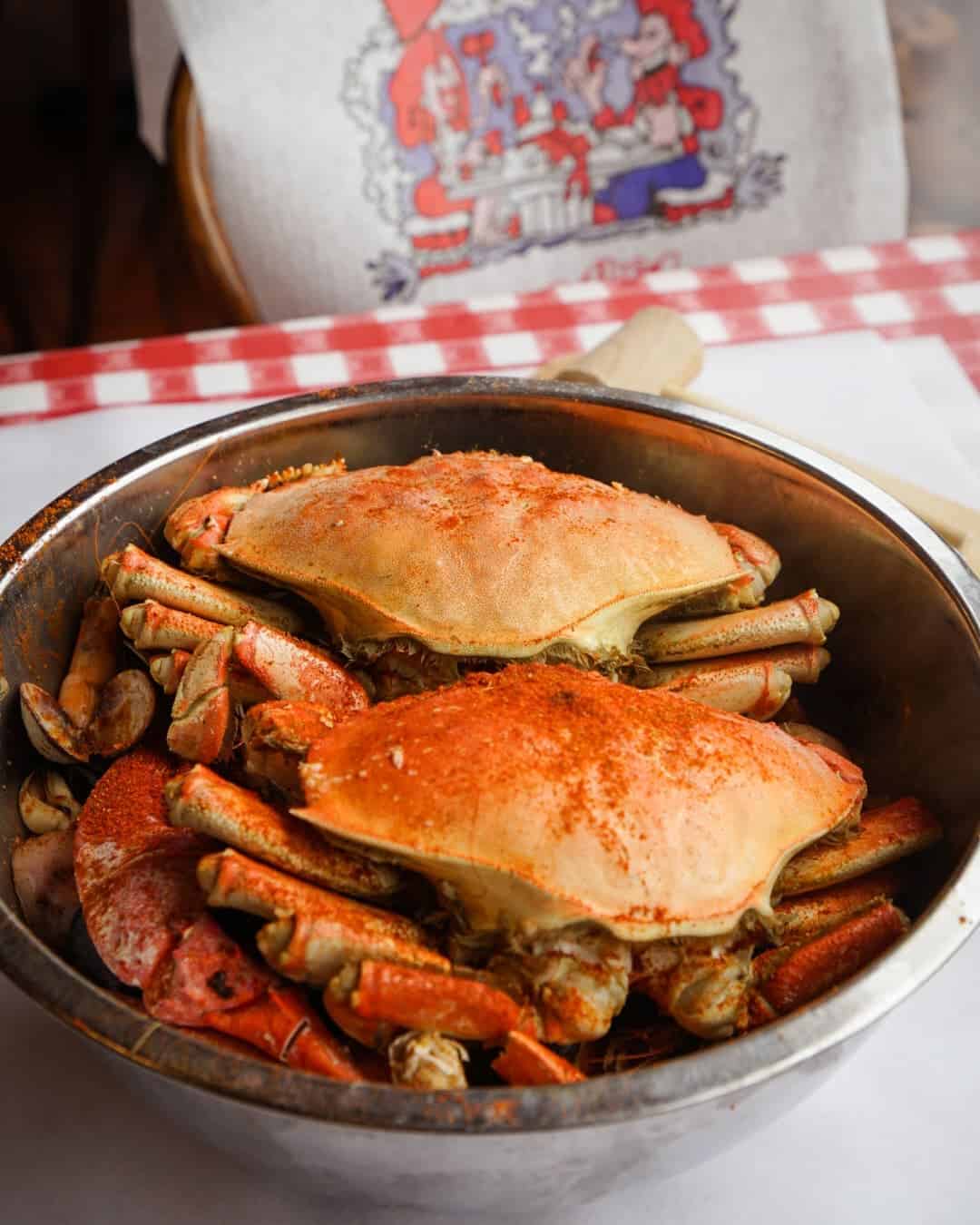
Seattle’s Pike Place Market gets most of the city’s seafood attention, but The Crab Pot on the waterfront offers an entirely different kind of experience — one built around the theatrical, gloriously messy tradition of the Pacific Northwest seafood feast.
The Crab Pot’s signature is the Seafeast, a collection of crab, clams, shrimp, corn, and sausage dumped directly onto the butcher-paper-lined table in front of you. Mallets are provided. Bibs are strongly recommended. The approach is less restaurant and more communal event.
Dungeness crab is the centerpiece, and the Pacific Northwest produces Dungeness with no real equivalent anywhere else in the country.
The cold, clean water of Puget Sound gives the meat a sweetness and firmness that makes it difficult to eat Dungeness anywhere else without feeling slightly disappointed.
The Elliott Bay views from the waterfront add a backdrop that makes even the messiest meal feel atmospheric.
Where: The Crab Pot, 1301 Alaskan Way, Seattle, WA 98101
8. Mike’s Crab House, Maryland
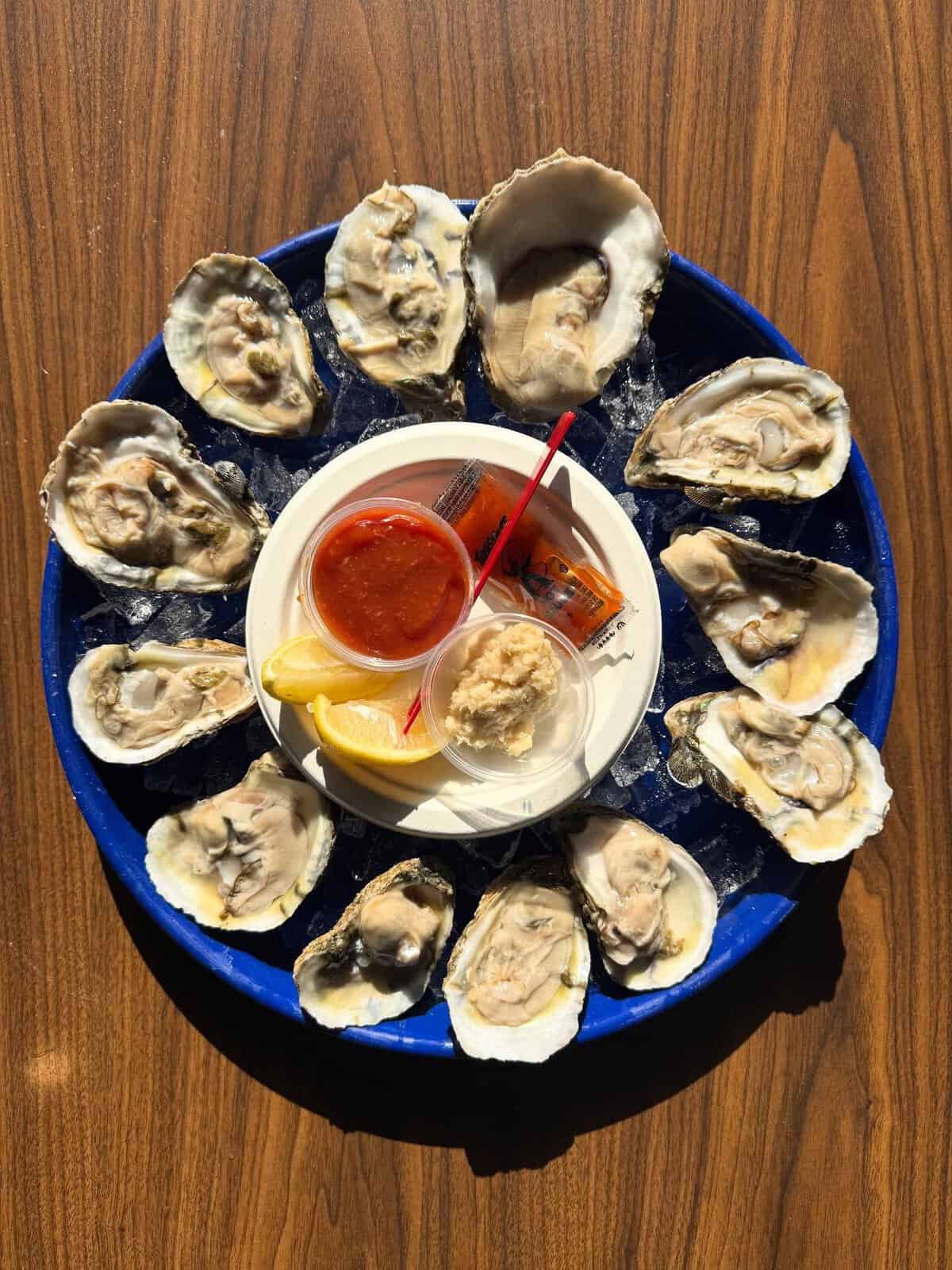
The blue crab is Maryland’s most beloved ingredient, and the ritual of eating it — a paper-covered table, a mallet and a knife, a pile of steamed crabs dusted in Old Bay — is one of the most deeply local food experiences in the country.
Mike’s Crab House in Pasadena sits on the water with a view of the Magothy River, and it executes that ritual as well as anywhere in the Chesapeake region. The crabs are sourced locally when available, their quality reflecting the estuary’s seasonal cycles.
The labor involved in eating a steamed blue crab is itself part of the point. You slow down because the crab insists on it, taking your time to extract the sweet, briny meat from each chamber while conversation fills the spaces between.
Sides like cream of crab soup and corn on the cob keep the table occupied between rounds, and the cold drinks that go alongside all of it reflect exactly why Marylanders treat blue crab season as a genuine occasion.
Where: Mike’s Crab House, 3030 MD-2, Pasadena, MD 21122
9. Aunt Carrie’s, Rhode Island
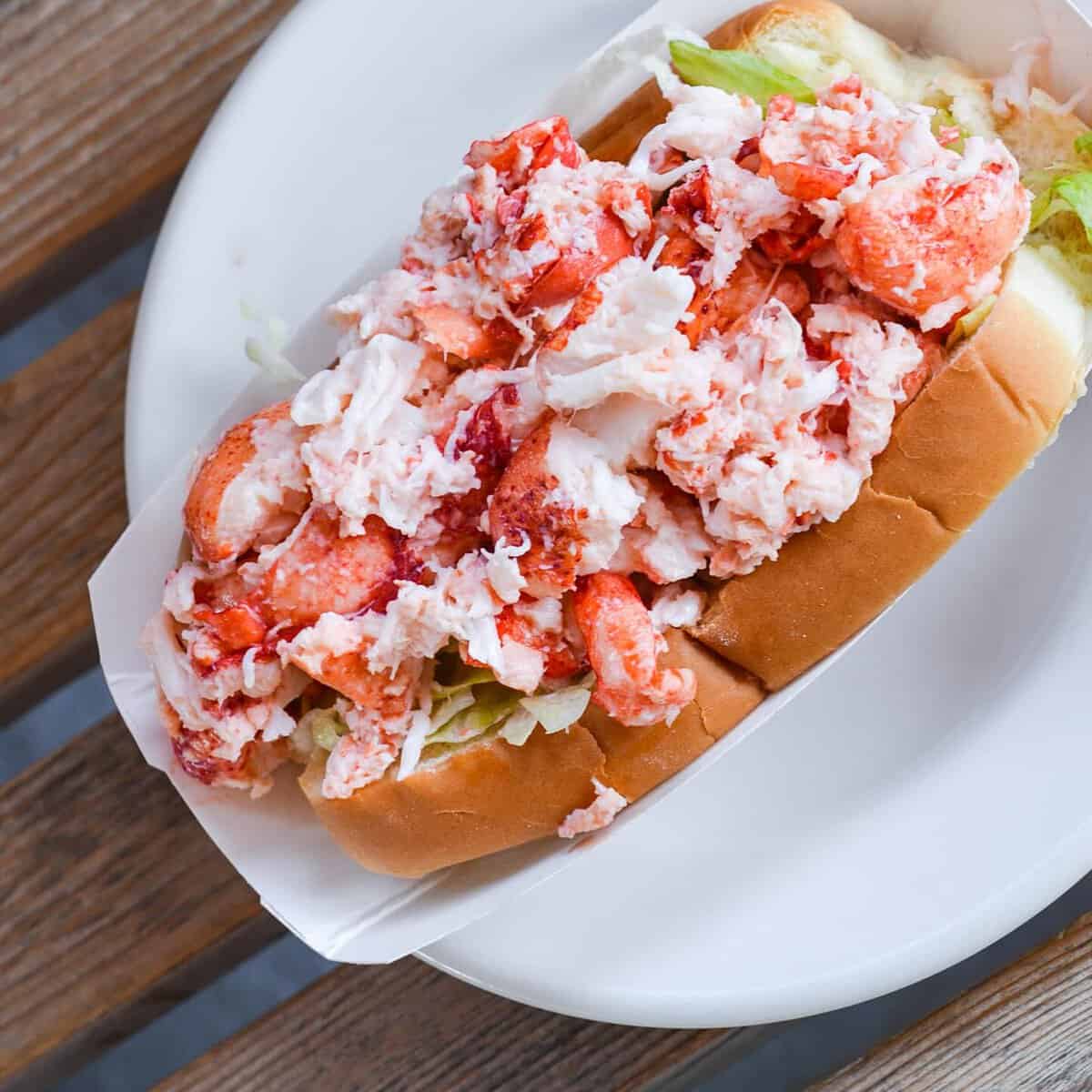
Aunt Carrie’s in Narragansett has been feeding Rhode Islanders since 1920, which makes it one of the oldest continuously operating seafood restaurants in the country. The family that founded it still runs it today, and the menu reflects over a century of doing one thing very well.
Rhode Island-style clam cakes — fried fritters of dough packed with clam — are the dish that defines this corner of New England’s seafood culture, and Aunt Carrie’s version sets the regional standard. They arrive hot, with a crispy exterior and a yielding, intensely flavored interior.
New England clam chowder, lobster rolls, and fresh fish platters round out a menu that resists the temptation to modernize past what already works. That consistency is earned rather than lazy.
The proximity to Narragansett Town Beach means the restaurant carries a summery, salt-air quality even on days when the ocean is out of sight, and the outdoor tables fill quickly on any afternoon when the weather cooperates.
Where: Aunt Carrie’s, 1240 Ocean Rd, Narragansett, RI 02882
10. The Sanitary Fish Market, North Carolina
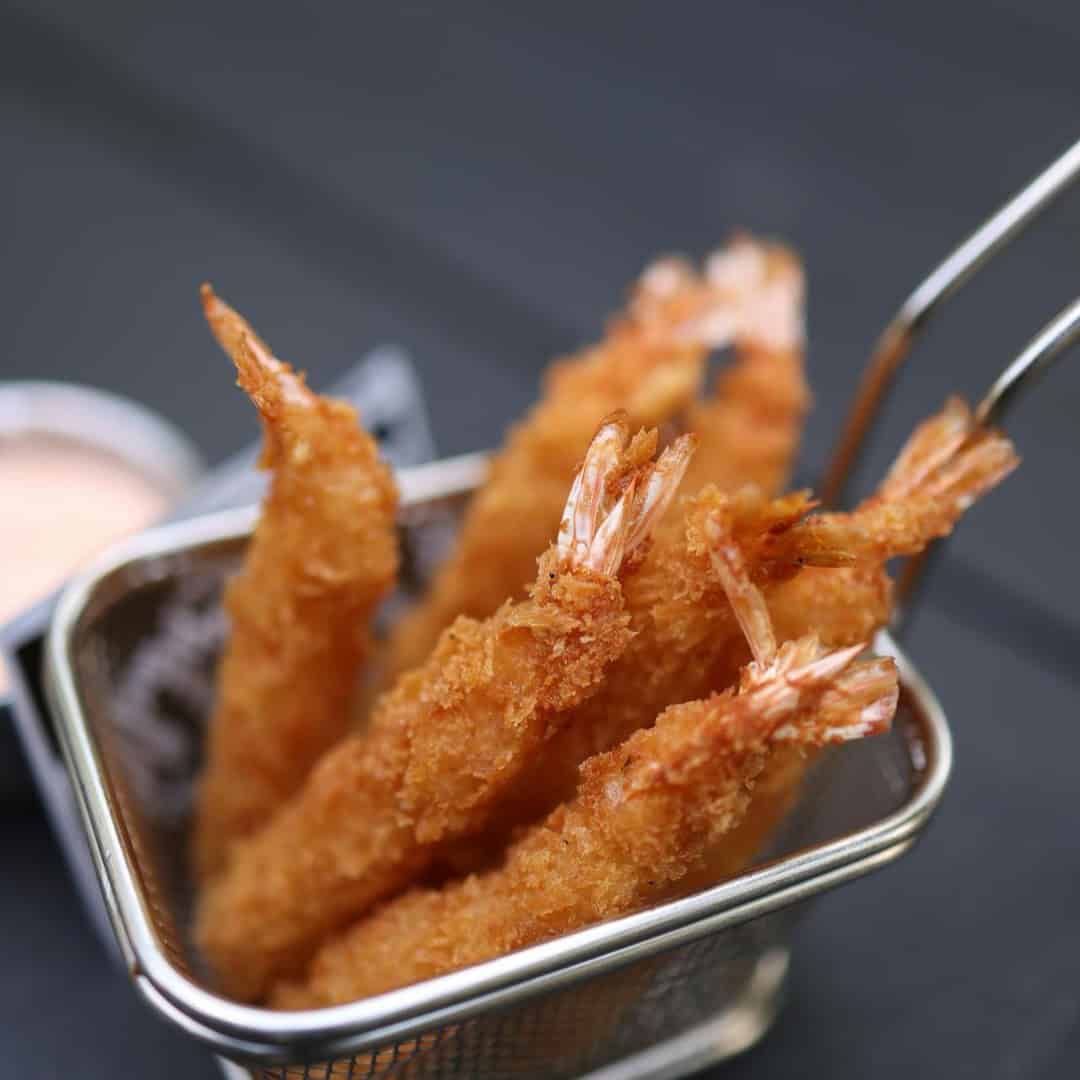
Despite the name, The Sanitary Fish Market has become one of the most beloved seafood restaurants on the Carolina coast since opening in Morehead City in 1938.
The name was chosen to distinguish it from less scrupulous establishments of the era. A century’s worth of loyal regulars confirms it worked.
The location on the Morehead City waterfront puts the restaurant directly in the path of the commercial fishing fleet that supplies it. The connection between boat and table is about as short as it gets anywhere on the East Coast outside of a fish auction.
Eastern Carolina seafood has its own character — flounder, shrimp, blue crab, and scallops from the nearby Outer Banks waters — and The Sanitary prepares each with the simplicity that fresh fish deserves rather than the complication it doesn’t need.
The hush puppies that arrive alongside every platter have developed their own loyal following, described by regulars as the ideal version of what a hush puppy can be when made with genuine care.
Where: The Sanitary Fish Market, 501 Evans St, Morehead City, NC 28557
The Ocean Always Shows Up in the Food
There is something irreplaceable about eating seafood at the source. Not because the fish can’t travel — it can, and does, to restaurants everywhere. But because sitting near the water that produced it changes the way it tastes, or at least the way it registers.
My father’s rule is really about attention. He’s not describing a literal smell test. He’s describing the feeling of eating somewhere that hasn’t lost track of where the food came from and why it matters.
These ten shacks haven’t lost track. Some have been making the same case since before most of their regulars were born. They serve their catch with the confidence of places that built their own reputation — one basket of fried clams and one pile of steamed crabs at a time.
Find one that’s near your next trip to the coast. Bring napkins. Eat something that arrived this morning. You’ll understand the rule.
More stories

Share this story