10 Iconic American Landmarks That Deserve a Spot on Every U.S. Bucket List

Some places don’t need an introduction. You’ve seen them on postcards, in movies, printed on t-shirts sold in airport gift shops. You think you already know what they look like, what they mean, what standing in front of them must feel like.
And then you actually get there, and it turns out you had no idea.
That’s the thing about America’s most iconic landmarks. The photographs are everywhere, but the photographs leave out the scale, the atmosphere, the particular quality of the light on a Tuesday afternoon when you’re standing closer than you expected to something genuinely historic.
I’ve always believed that familiarity is one of the strangest excuses not to see something. Just because a place is famous doesn’t mean it’s been overrated. Sometimes the most celebrated things earned that celebration honestly, one visitor at a time over many decades.
The ten places below have all done exactly that. Some carry the weight of American history. Others are feats of architecture or engineering that still seem improbable. All of them are worth seeing for yourself, not just in photographs.
1. Statue of Liberty, New York
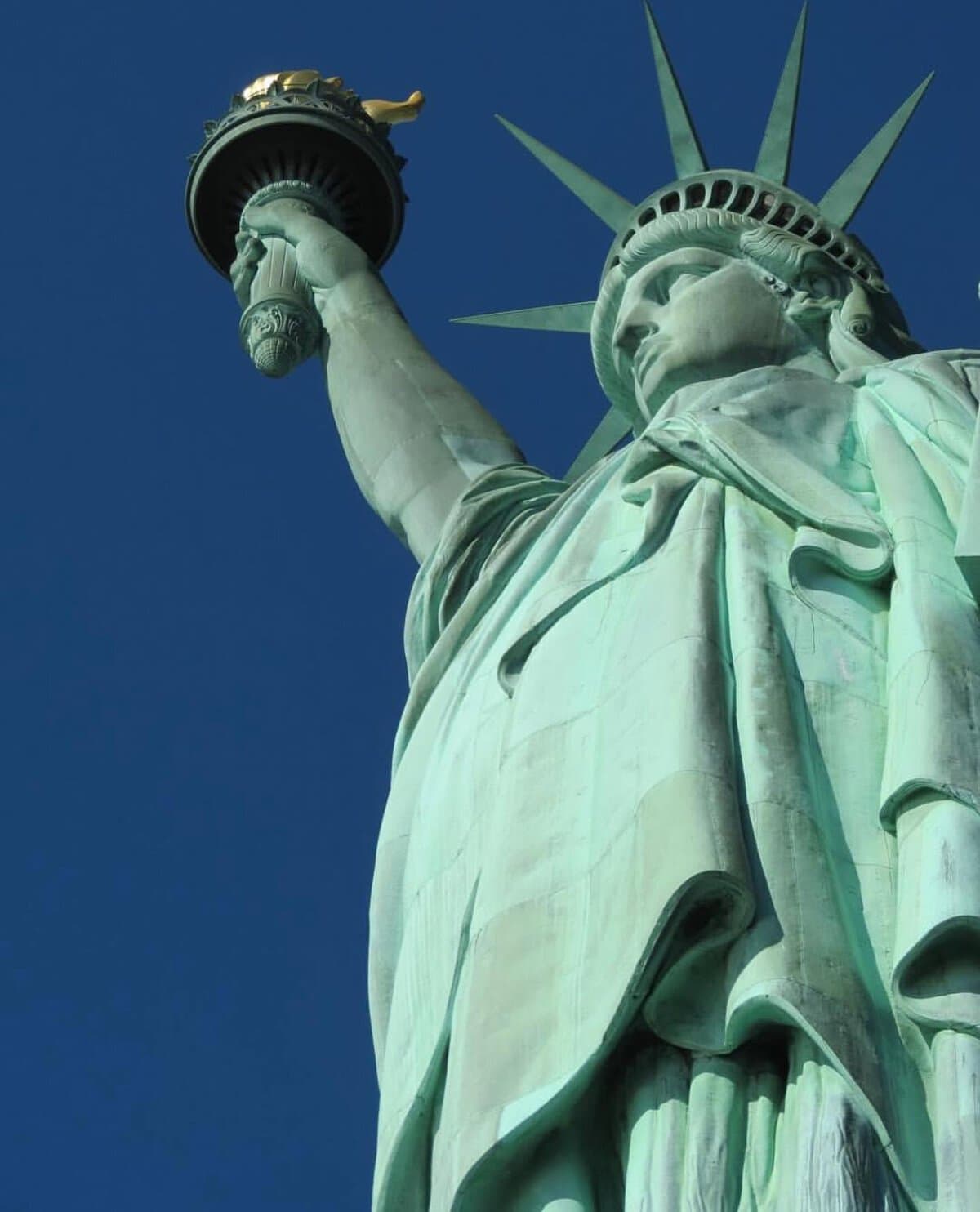
There’s something quietly moving about the fact that the Statue of Liberty was a gift, given to the United States by France in 1886 as a symbol of the shared democratic ideals between the two nations. She’s been standing in New York Harbor ever since, torch raised, facing the open Atlantic.
Up close, the scale of her is startling. Lady Liberty stands 305 feet tall from the base of her pedestal to the tip of her torch, and her copper exterior has weathered over the decades into the distinctive verdigris green that’s become as iconic as the figure itself.
A ferry ride to Liberty Island gives visitors the chance to walk around her base and explore the museum inside the pedestal, which traces her construction and meaning through the decades. For those who book well in advance, access to the crown rewards with sweeping views of New York Harbor.
Ellis Island sits nearby and is included in the ferry trip, offering an equally powerful experience through its immigration museum, where the records of over twelve million arrivals have been preserved and made searchable for descendants today.
Where: Statue of Liberty National Monument, Liberty Island, New York, NY 10004
2. The Golden Gate Bridge, California
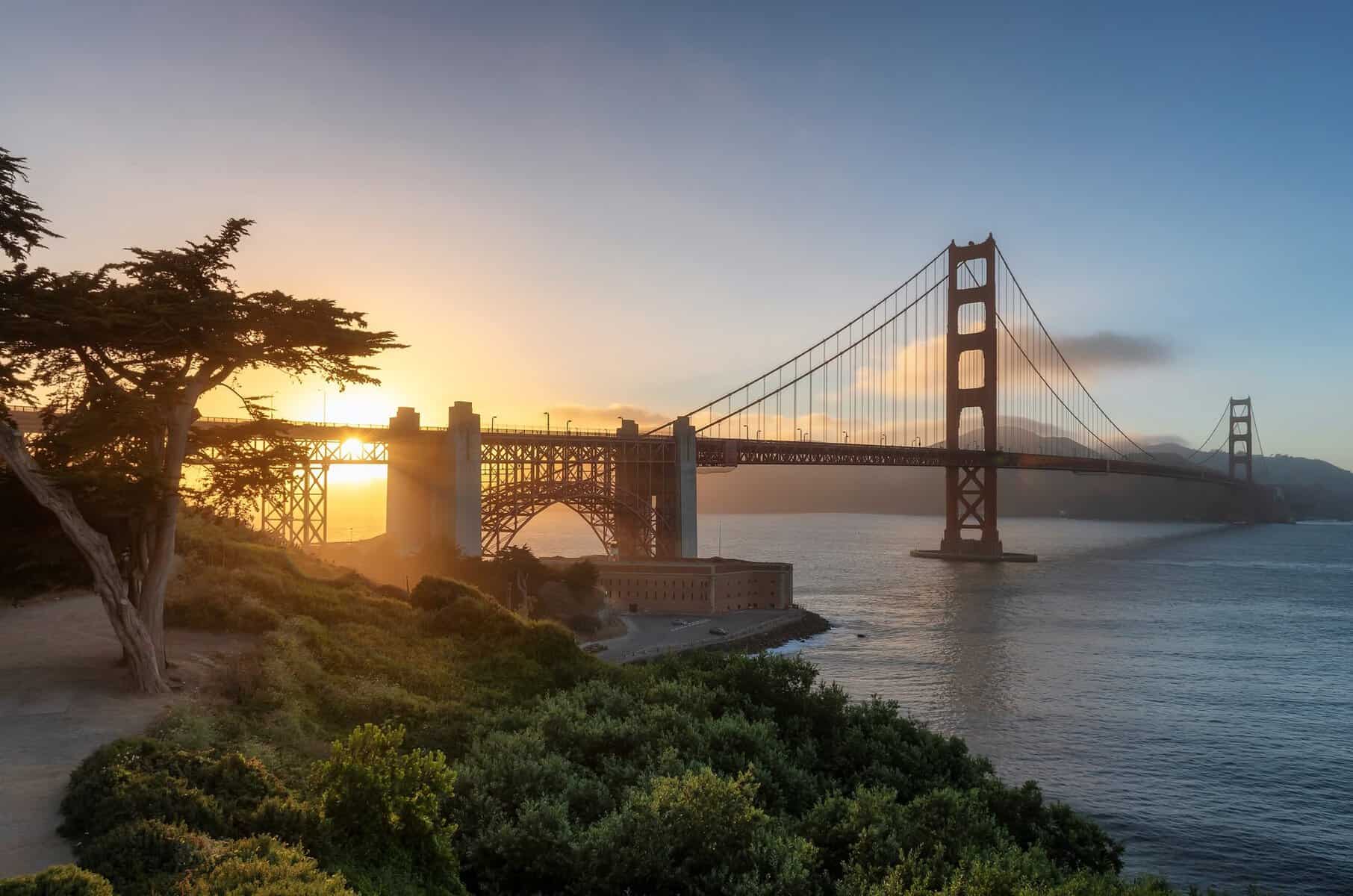
San Francisco’s most recognized structure has appeared in so many films and photographs that seeing it for the first time in person still catches people off guard.
The bridge stretches 1.7 miles across the mouth of San Francisco Bay, painted in its signature International Orange, a color chosen specifically to remain visible through the famous Bay Area fog.
Completed in 1937, the Golden Gate held the title of the world’s longest suspension bridge for nearly three decades. Its two towers rise 746 feet above the water, and the deck sits high enough above the bay that large ships pass beneath it with ease.
Walking or cycling across the bridge is one of the most satisfying ways to experience it, offering panoramic views of the city skyline, Alcatraz Island, and the surrounding headlands that no car window replicates quite the same way.
The Marin Headlands on the northern side of the bridge provide some of the most photographed views of the structure from outside, with trails that wind to overlooks framing the bridge against the San Francisco skyline behind it.
Where: Golden Gate Bridge, San Francisco, CA 94129
3. Mount Rushmore, South Dakota
There’s something both audacious and oddly intimate about Mount Rushmore.
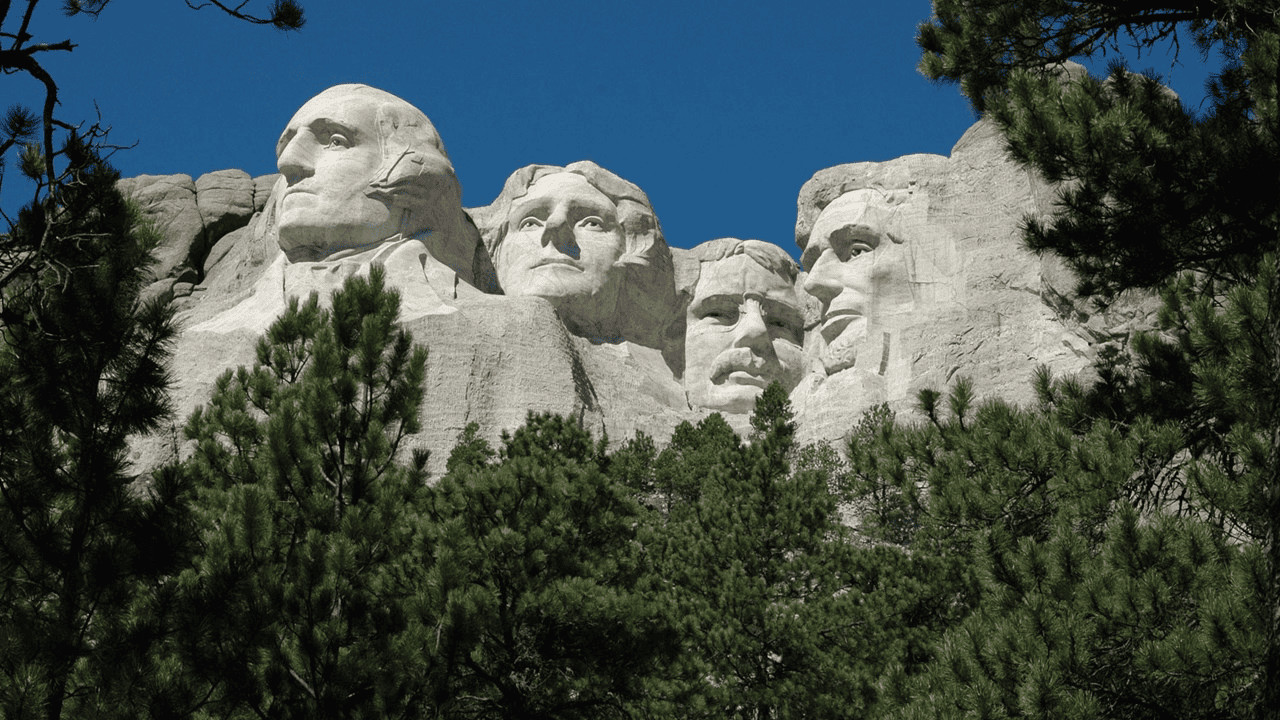
The idea that four presidential faces — Washington, Jefferson, Theodore Roosevelt, and Lincoln — were carved directly into the granite of the Black Hills of South Dakota between 1927 and 1941 still feels almost improbable when you’re standing in front of it.
Sculptor Gutzon Borglum led the project alongside his son Lincoln, with the work completed by a crew of hundreds of workers who used dynamite and pneumatic drills to remove roughly 450,000 tons of granite. The faces themselves each stand about 60 feet tall.
The Avenue of Flags leading to the main viewing area is lined with flags representing all fifty states and U.S. territories, giving the approach a ceremonial quality even before the sculpture comes into view. Evening lighting programs illuminate the monument after dark during the summer months.
The surrounding Black Hills offer additional context, with Crazy Horse Memorial under ongoing construction nearby and Custer State Park’s wildlife loop adding a natural counterpoint to the man-made spectacle.
Where: Mount Rushmore National Memorial, 13000 SD-244, Keystone, SD 57751
4. The Lincoln Memorial, Washington, D.C.
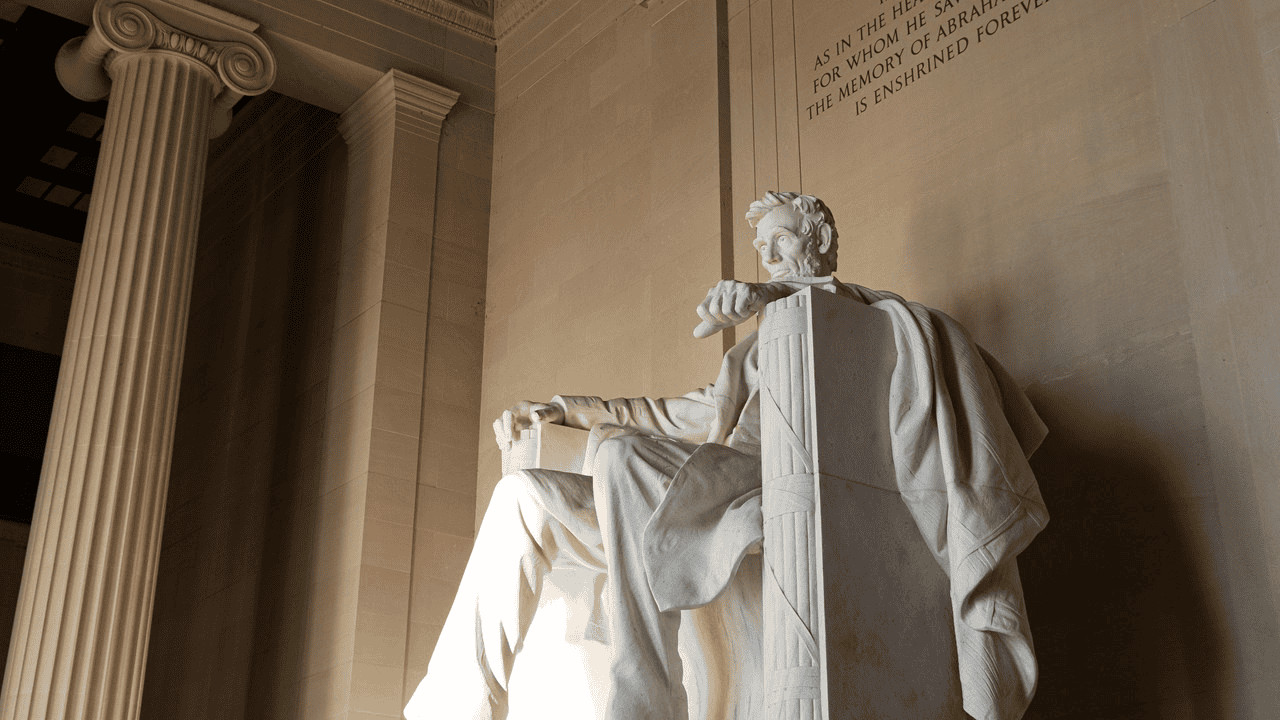
No matter how many photographs you’ve seen of it, the Lincoln Memorial has a solemnity that photographs simply cannot convey. The 19-foot marble statue of Abraham Lincoln sits inside a columned Greek temple overlooking the National Mall, facing east toward the Capitol.
Daniel Chester French sculpted the figure, which was completed in 1920. Lincoln’s hands rest on the arms of his throne-like chair, his expression a careful balance of weariness and resolve that reflects the burden of the Civil War years his presidency carried.
The memorial’s interior walls are inscribed with the Gettysburg Address and Lincoln’s Second Inaugural Address in full, their words cut directly into the stone. Reading them in context, inside the building, feels different from reading them on a page.
The Reflecting Pool stretches between the Lincoln Memorial and the Washington Monument, its long, still surface offering one of the most famous mirror images in the American landscape.
The view from the top of the memorial’s steps, looking east down the full length of the Mall, is worth taking a moment to absorb quietly.
Where: Lincoln Memorial, 2 Lincoln Memorial Cir NW, Washington, DC 20037
5. The Gateway Arch, Missouri
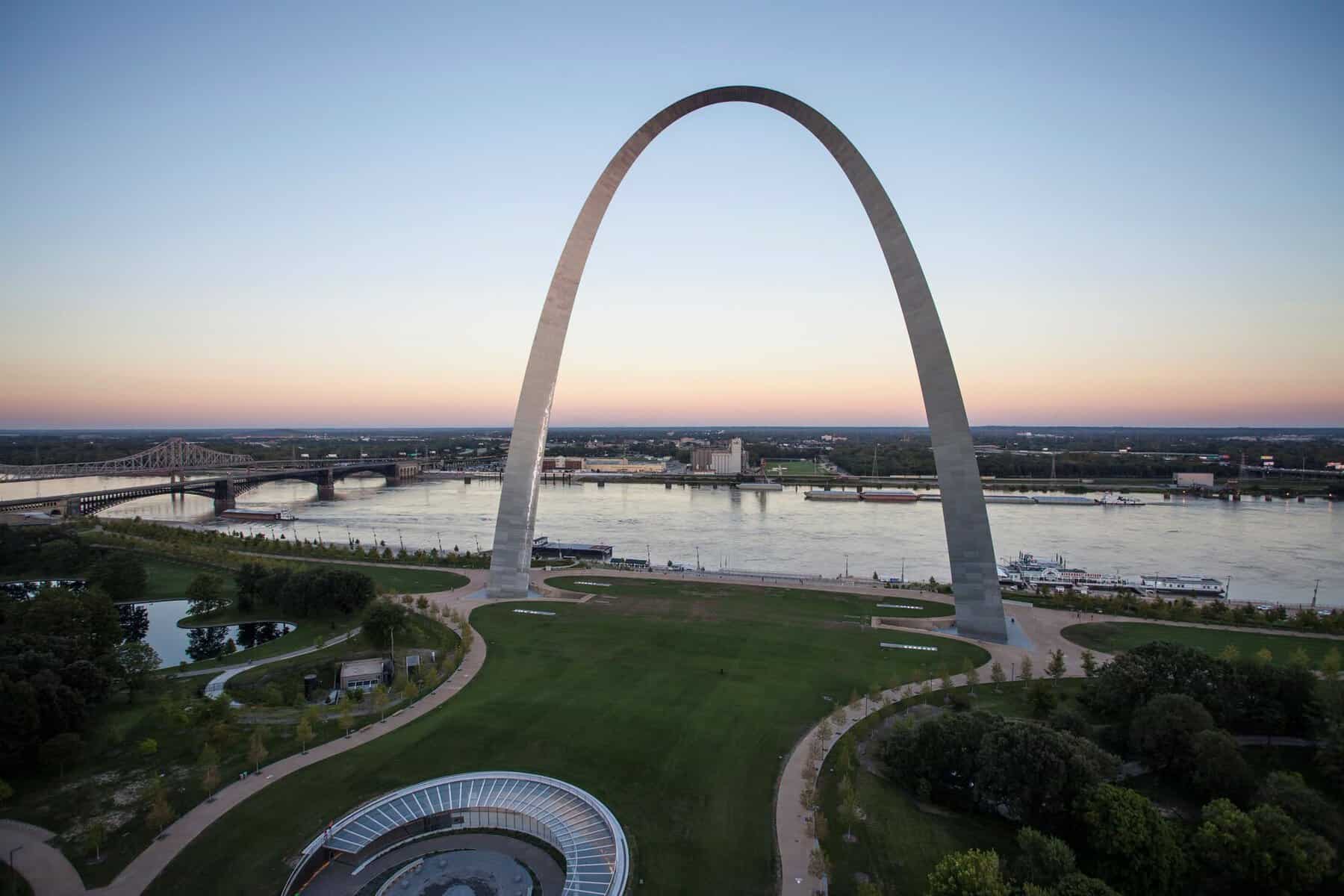
St. Louis’s Gateway Arch is one of those structures that makes more architectural sense from a distance than it does up close, and both perspectives are worth seeking out.
From across the Mississippi River, the stainless steel curve rises 630 feet above the riverbank in a perfect catenary arc that seems almost too elegant to be practical.
Up close, the legs of the arch are far more massive than they appear in photographs, triangular in cross-section and wider at the base than many houses.
The tram system that carries visitors to the observation deck at the top climbs through the interior of the arch in barrel-shaped pods that rotate to stay upright as the curve shifts.
From the observation deck, the city of St. Louis spreads to the west and the Mississippi River rolls south below, giving visitors a view that makes the arch’s nickname — the Gateway to the West — immediately legible.
The underground museum beneath the arch traces the story of westward expansion from the Louisiana Purchase through the frontier era, providing a full day’s worth of context for visitors willing to explore beyond the monument itself.
Where: Gateway Arch National Park, 11 N 4th St, St. Louis, MO 63102
6. Independence Hall, Pennsylvania
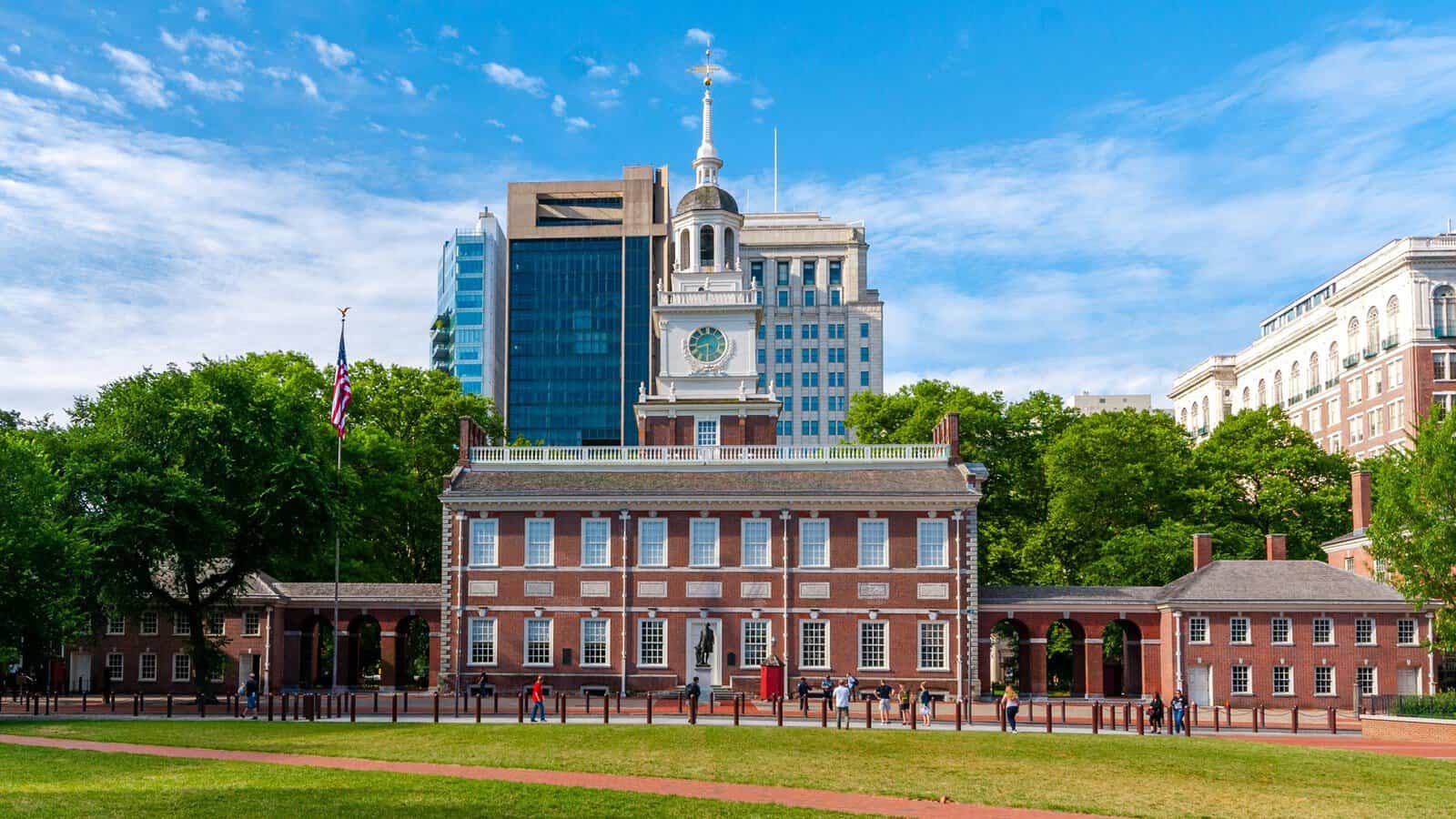
Independence Hall in Philadelphia is one of those places where the distance between reading about history and physically standing inside it collapses completely.
The red-brick building where both the Declaration of Independence and the U.S. Constitution were debated and signed still stands much as it did in the late 18th century.
The Assembly Room, where delegates gathered in the summer of 1776, has been restored to reflect its original appearance, including the chair from which George Washington presided over the Constitutional Convention.
The details are specific and small in a way that makes the events feel suddenly, unexpectedly close.
Timed entry tickets are required to enter the building, and ranger-led tours walk visitors through the rooms with enough context to bring the events to life beyond what a placard alone could accomplish.
The Liberty Bell, relocated to its own pavilion across the street, adds another layer to the visit.
The surrounding Independence National Historical Park encompasses several other historic buildings and sites in the immediate area, making the neighborhood itself a walkable lesson in the early American republic.
Where: Independence Hall, 520 Chestnut St, Philadelphia, PA 19106
7. Alcatraz Island, California
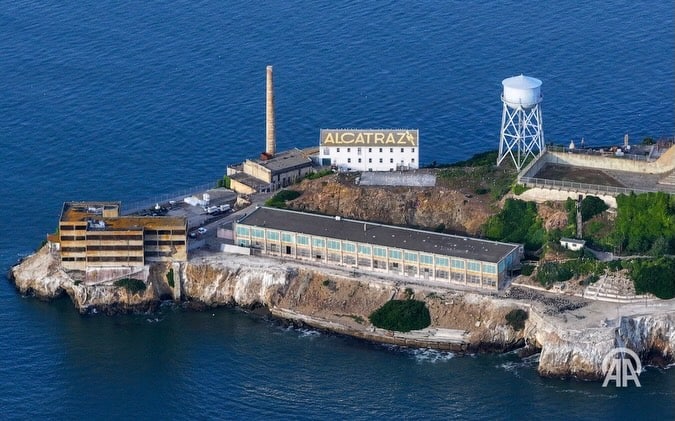
Alcatraz carries more stories per square foot than almost any building in America, and the audio tour narrated partly by former inmates and guards makes those stories feel immediate in a way that most museum experiences don’t manage.
The federal penitentiary operated on this island in San Francisco Bay from 1934 to 1963, housing some of the country’s most notorious prisoners.
Al Capone, George “Machine Gun” Kelly, and Robert Stroud, known as the Birdman of Alcatraz, all served time here.
The isolation of the island, combined with the cold, swift currents of the bay, was considered sufficient deterrent to escape, though several inmates famously tried and their fates were never conclusively determined.
The cellblock tour winds through the long rows of small cells, the dining hall, the exercise yard, and the isolation cells used for punishment, each space evoking the austere reality of the place without dramatizing it unnecessarily.
Beyond the prison history, the island supports one of the largest waterbird nesting colonies on the West Coast, and the gardens planted by inmates and later by guards’ families have been partially restored by volunteers. It’s a stranger, more layered place than its reputation suggests.
Where: Alcatraz Island, San Francisco, CA 94133. Ferry departs from Pier 33, San Francisco.
8. The Space Needle, Washington
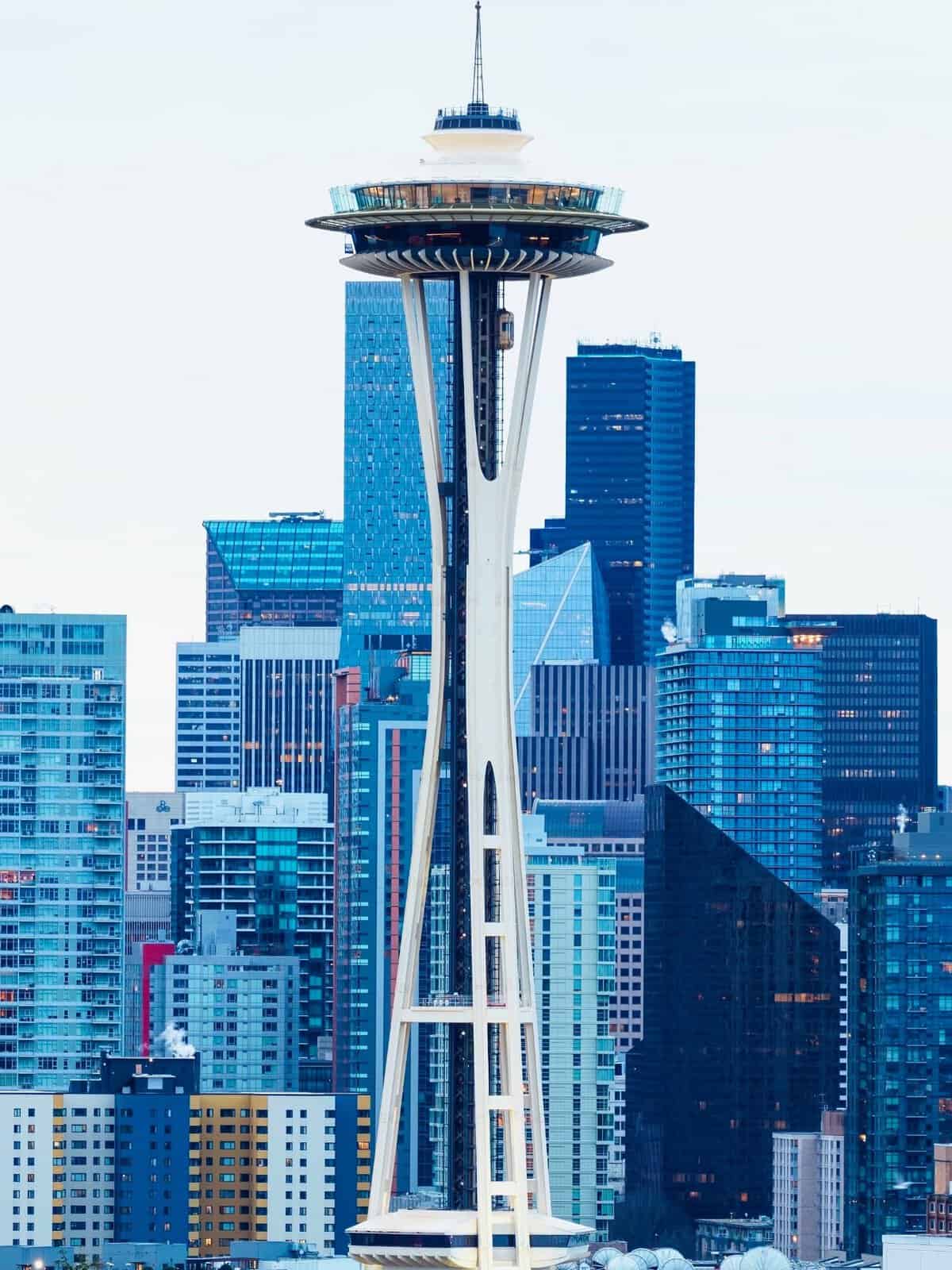
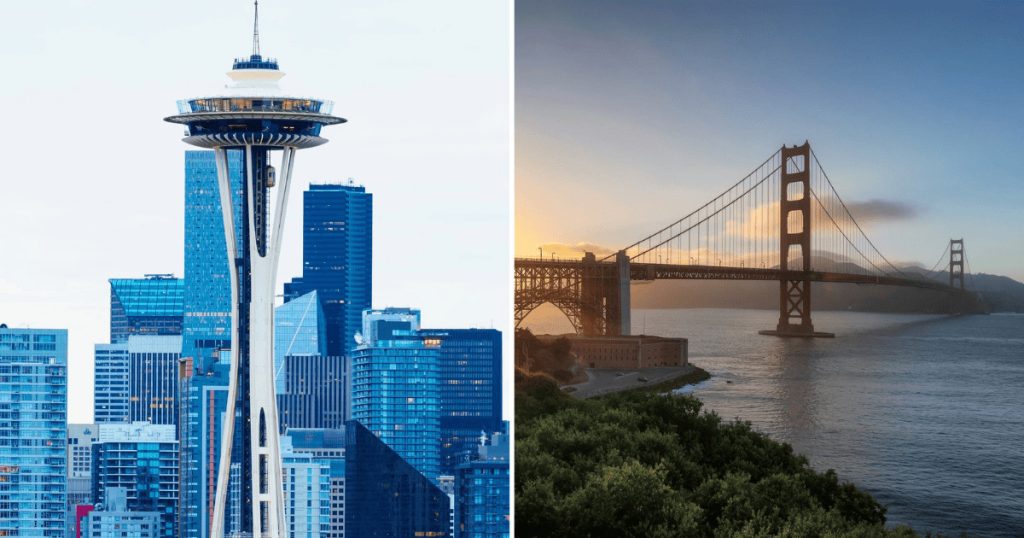
Seattle’s Space Needle was built for the 1962 World’s Fair, which carried the theme of science and space in keeping with the era’s excitement about the future.
More than six decades later, it still looks like something designed with tomorrow in mind, its flying saucer observation deck perched 520 feet above the city on a slender concrete column.
The tower was engineered to withstand winds of up to 200 miles per hour and earthquakes registering up to 9.1 magnitude, a necessary consideration given Seattle’s seismic activity.
It has since been retrofitted to meet modern safety standards while preserving its original midcentury silhouette.
The observation deck underwent a major renovation completed in 2018, replacing its floors with glass panels that allow visitors to look directly down at the streets below.
The combination of the city’s skyline, Elliott Bay, and the surrounding mountain ranges on clear days makes the view exceptional.
The Space Needle sits within the Seattle Center campus, which also includes the Museum of Pop Culture and Chihuly Garden and Glass, making it easy to extend a visit into a full day of exploration.
Where: Space Needle, 400 Broad St, Seattle, WA 98109
9. Hoover Dam, Nevada and Arizona
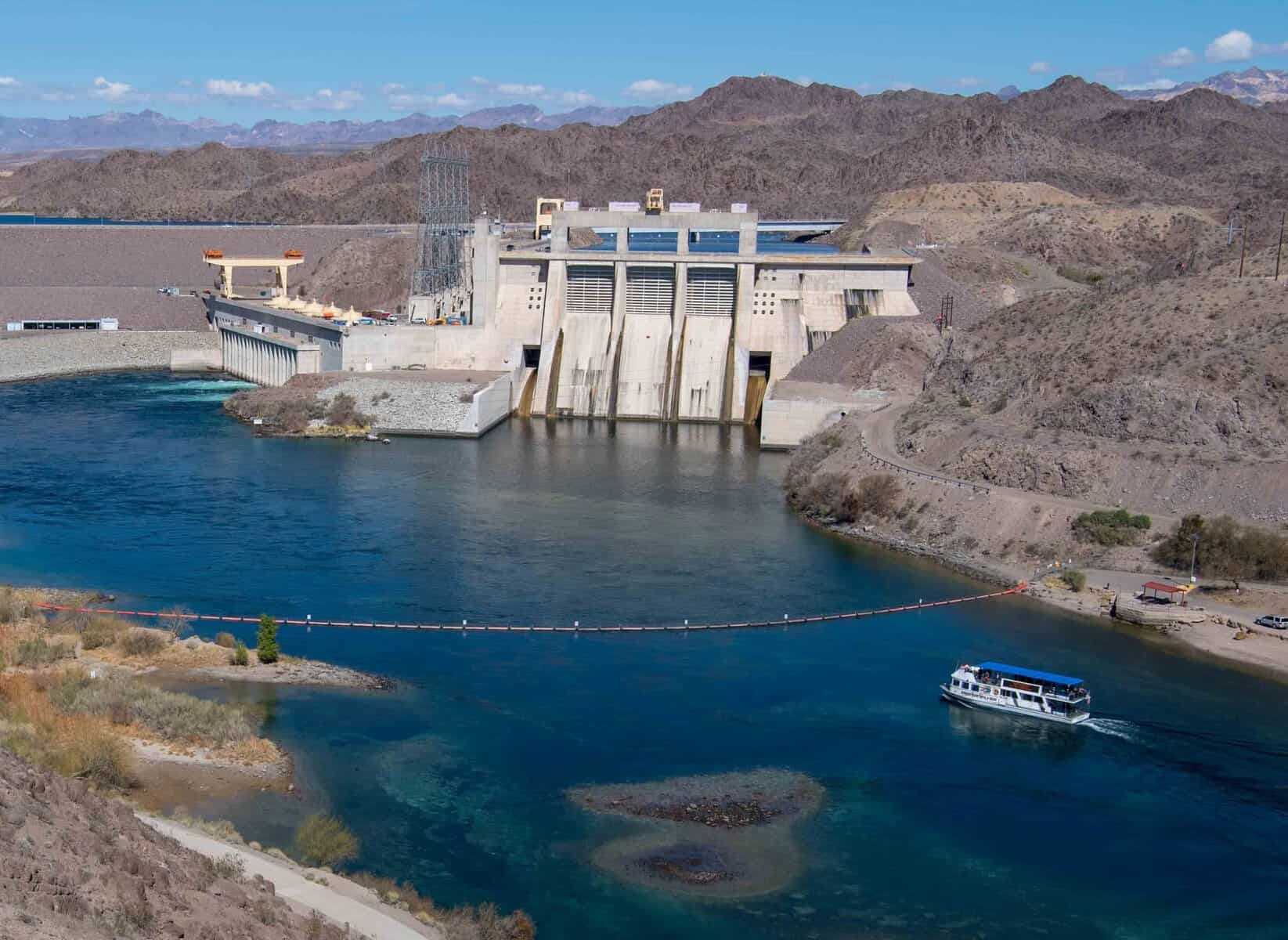
Hoover Dam sits on the border between Nevada and Arizona, straddling the Colorado River with a concrete arch-gravity structure so massive that it still holds records nearly a century after its completion in 1936.
At 726 feet tall and 1,244 feet across, it was the largest dam in the world when it was built, and it remains one of the most impressive feats of American engineering.
The dam was constructed during the Great Depression by thousands of workers, and the human cost of the project — the lives lost during construction — is acknowledged openly in the visitor center, alongside the engineering achievements that drew the world’s attention at the time.
Guided tours take visitors inside the dam itself, descending into the powerhouse where generators still produce electricity for millions of homes across three states. The scale of the turbines, seen from the walkway above, is genuinely surprising.
Lake Mead, formed by the dam’s construction, stretches behind it for 112 miles and offers boating, fishing, and hiking on its own.
Standing on top of the dam and looking both directions — at the wide artificial lake and then at the deep, narrow canyon below — is one of those rare views that captures both what was built and what it changed.
Where: Hoover Dam, US-93, Boulder City, NV 89005
10. The National Mall, Washington, D.C.
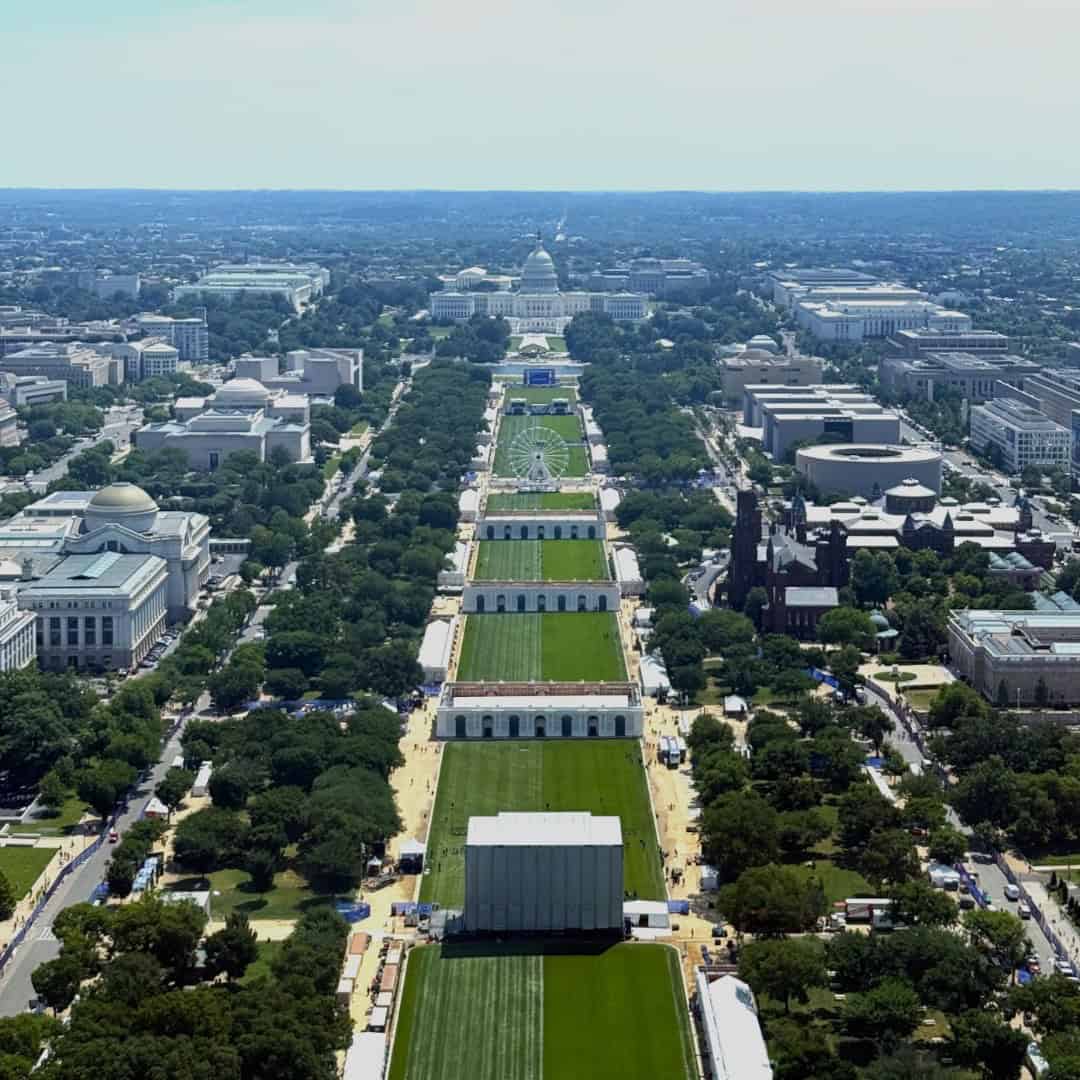
The National Mall isn’t a single landmark so much as an outdoor museum two miles long, lined with some of the most significant monuments, memorials, and museum buildings in the country.
Walking its full length from the Capitol steps to the Lincoln Memorial is an experience that can fill an entire day without exhausting what’s available.
The Smithsonian Institution’s museums line both sides of the Mall and are free to enter, covering everything from natural history and American art to aerospace and African American history.
The National Museum of African American History and Culture, opened in 2016, has become one of the most visited and most discussed museums in the country.
War memorials punctuate the landscape throughout, from the Vietnam Veterans Memorial’s reflective black granite wall, where visitors leave flowers and photographs, to the Korean War Veterans Memorial’s haunting cluster of stainless steel soldiers frozen mid-patrol.
The Mall hosts major national events throughout the year, from Fourth of July celebrations to presidential inaugurations, giving it a living, ceremonial role in American public life that few outdoor spaces anywhere in the world can match.
Where: National Mall, Washington, DC 20024. The Mall stretches between the Lincoln Memorial and the U.S. Capitol.
The Icons Earned It
It’s easy to dismiss famous places as crowded, overexposed, or somehow less meaningful than the hidden gems that require more effort to find. And there’s real value in seeking out the overlooked. But that logic shouldn’t talk us out of the obvious ones.
The Statue of Liberty doesn’t become less powerful because millions of people have stood where you’re standing. Alcatraz doesn’t lose its strange grip because it’s been in documentaries.
If anything, the fact that so many people have been moved by these places is part of what they’re offering you, a shared experience in a country where those are easy to miss.
Go see the famous things. Stand in front of them without your phone for a moment. Let the scale land. That’s the part the photographs always forget to mention, and it turns out to be the whole point.
Where: National Mall, Washington, DC 20024
More stories

Share this story