10 Charming Small Towns Across the U.S. That Deserve More Than a Drive-Through

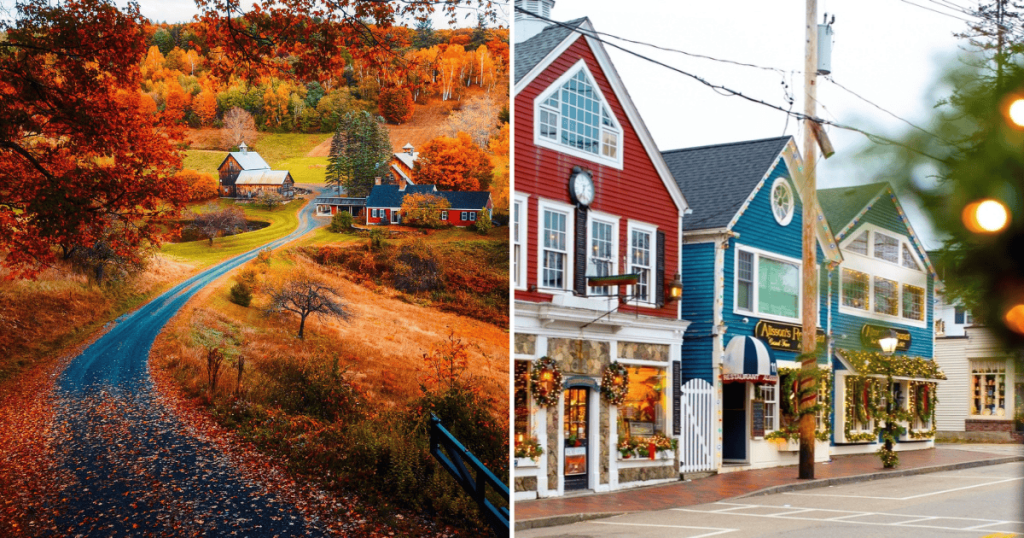
I’ve lost count of how many times I’ve ended up in a town I never meant to visit — a wrong turn, a gas stop, a friend insisting, “You have to see this place.” I never believed them until I was standing on the main street, realizing it’s exactly the kind of discovery I’ll remember.
Big cities rarely give me that feeling. They announce themselves loudly, with billboards and skylines. Small towns whisper it instead, letting their character unfold slowly, one afternoon at a time.
What I’ve come to love is how much of America’s personality lives in these places.
The independent bookshops tucked into old buildings, the diners where the owner knows every regular, the festivals that have been running longer than anyone can remember — all of it adds up to something you can’t fake.
Here are ten small towns across the United States that reward anyone willing to linger. They prove the best discoveries aren’t planned; they’re stumbled into.
1. Marfa, Texas
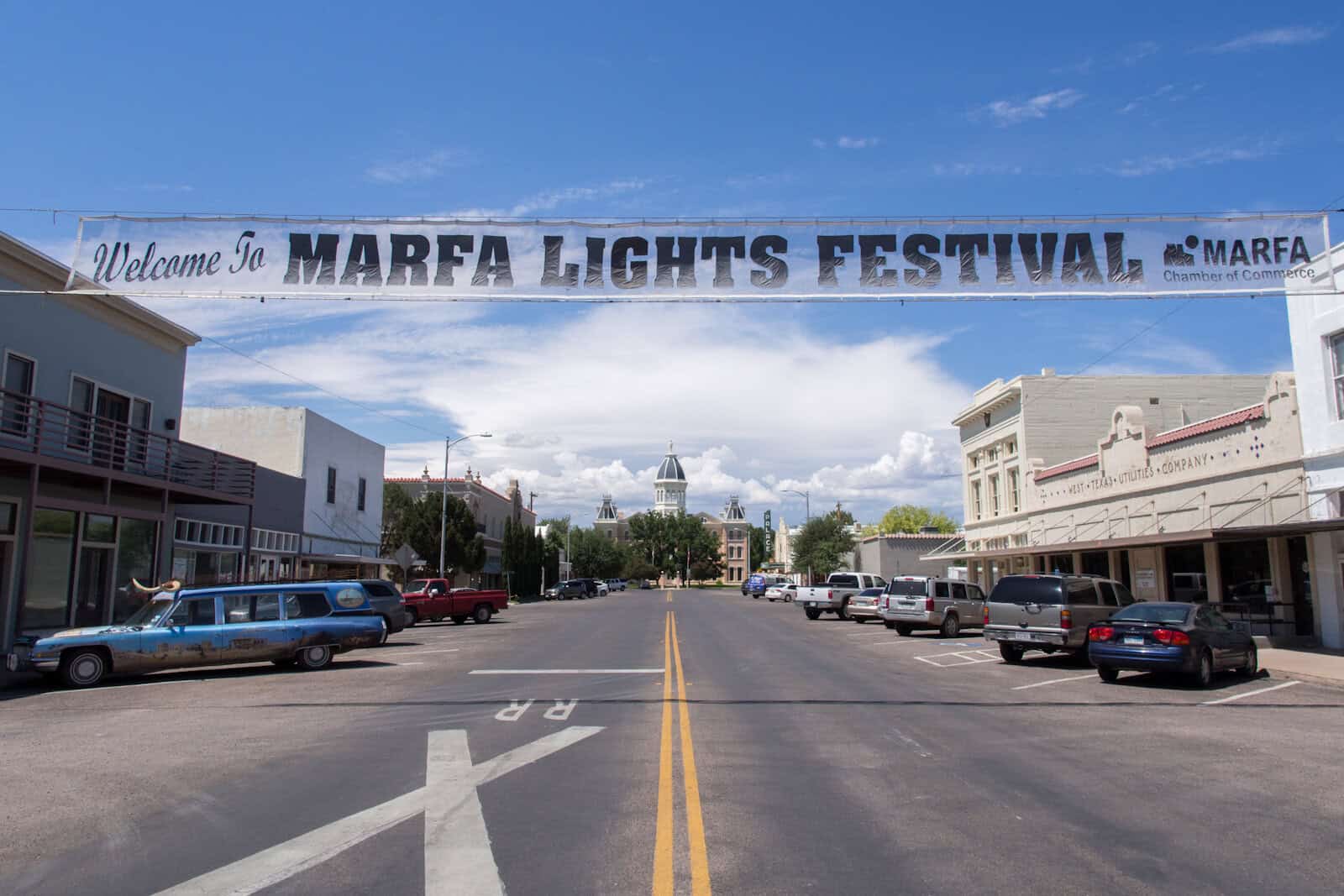
Marfa shouldn’t exist the way it does. A tiny desert town in Far West Texas with a population just over 1,800, it somehow became one of the most talked-about art destinations in the country — thanks largely to minimalist artist Donald Judd, who moved here in the 1970s.
The Chinati Foundation, Judd’s lasting legacy, now occupies a former military fort and houses permanent installations from a small group of artists whose work responds directly to the West Texas light and space.
Beyond the art world, Marfa has an unmistakable atmosphere — dry heat, wide open skies, and the kind of quiet that makes city dwellers feel slightly disoriented at first, then deeply grateful.
The Marfa Lights, mysterious glowing orbs that appear southeast of town on certain nights, have never been conclusively explained. They’ve been observed since at least the 1880s and remain one of the region’s most captivating curiosities.
Where: Marfa Visitor Center, 302 S Highland Ave, Marfa, TX 79843
2. Carmel-by-the-Sea, California
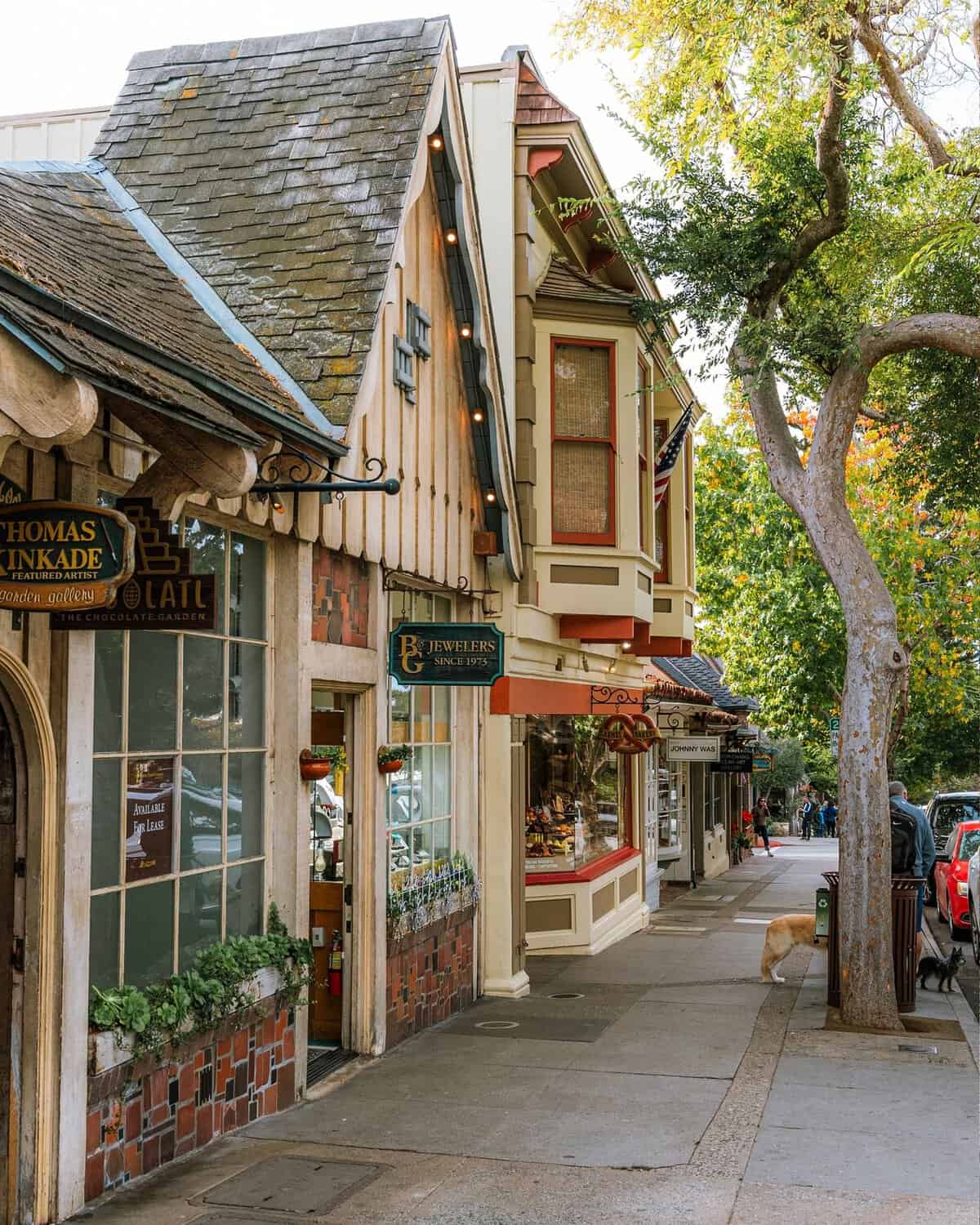
Carmel-by-the-Sea looks like a town designed by someone who loved fairy tales and had access to unlimited stone and cypress wood.
Cottages with storybook rooflines and hobbit-style arched doors line streets without sidewalks, where pedestrians and cars share the road at a pace that encourages slowing down.
The town has no street addresses — mail is collected at a central post office, and buildings are identified by their appearance rather than numbers. It’s an intentional quirk that reinforces Carmel’s commitment to its own unhurried identity.
The beach at the end of Ocean Avenue is white sand flanked by wind-sculpted Monterey cypress trees, with the Santa Lucia Mountains visible behind the town on clear days.
Art galleries are woven into the fabric of the town, a tradition that stretches back to the early 20th century when artists and writers first colonized the area.
Where: Ocean Ave & San Carlos St, Carmel-by-the-Sea, CA 93921
3. Eureka Springs, Arkansas
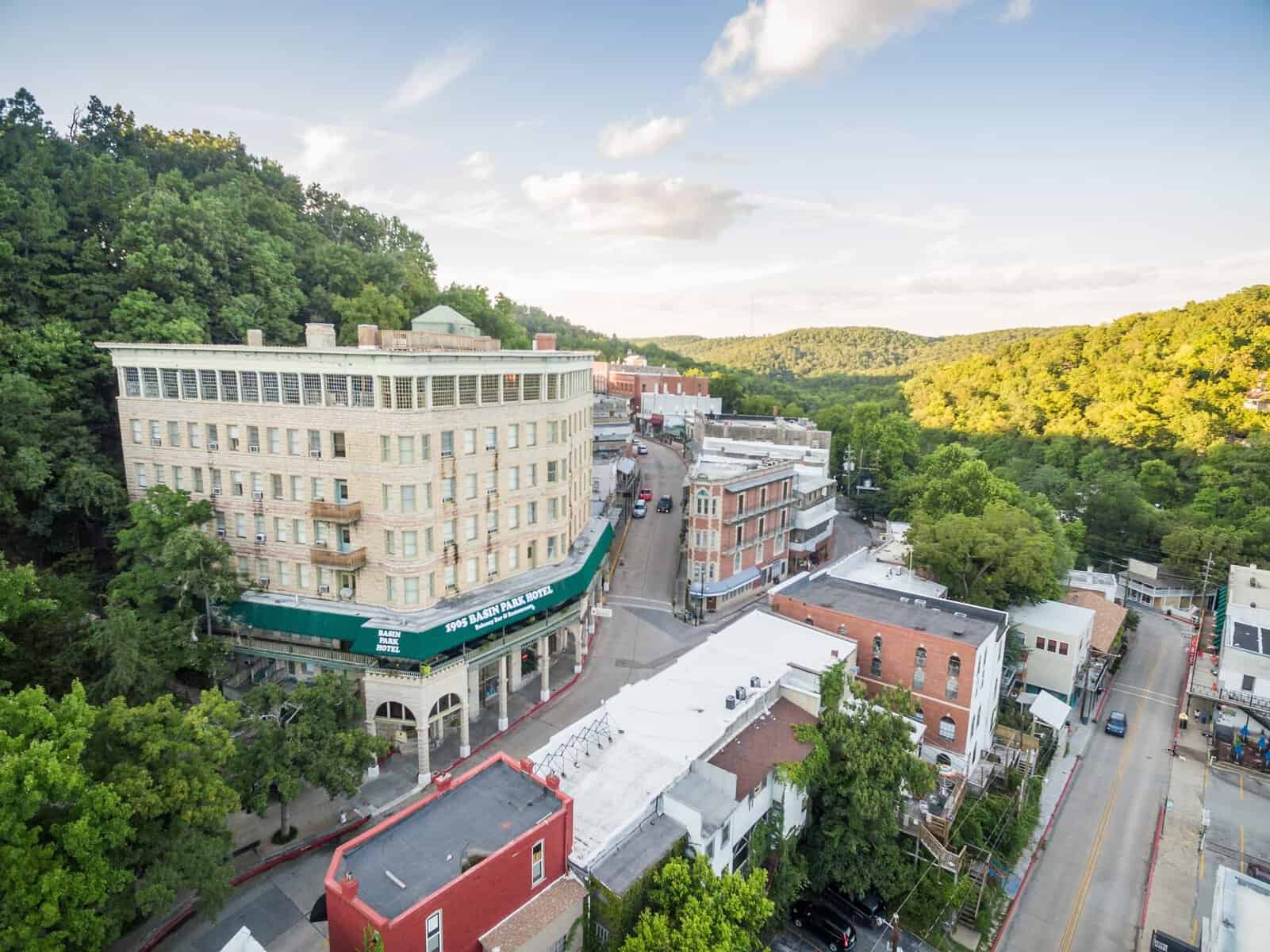
Perched in the Ozark Mountains of northwest Arkansas, Eureka Springs follows no conventional grid. Its streets wind uphill and downhill through Victorian architecture so dense and well-preserved that the entire downtown is listed on the National Register of Historic Places.
The town grew up around its natural springs in the 1870s, when visitors arrived seeking the waters’ supposed healing properties. That origin story still shapes the place — there’s a therapeutic, restorative quality to the narrow streets and the surrounding forest.
Artists and craftspeople have claimed Eureka Springs for generations, filling its galleries with work that ranges from traditional Ozark craft to contemporary studio art.
The 1886 Crescent Hotel, perched high above the town, is one of the most storied buildings in Arkansas and reportedly one of the most haunted, a detail the town leans into with theatrical enthusiasm during certain times of year.
Where: Eureka Springs Visitor Center, 516 Village Cir Dr, Eureka Springs, AR 72632
4. Beaufort, South Carolina
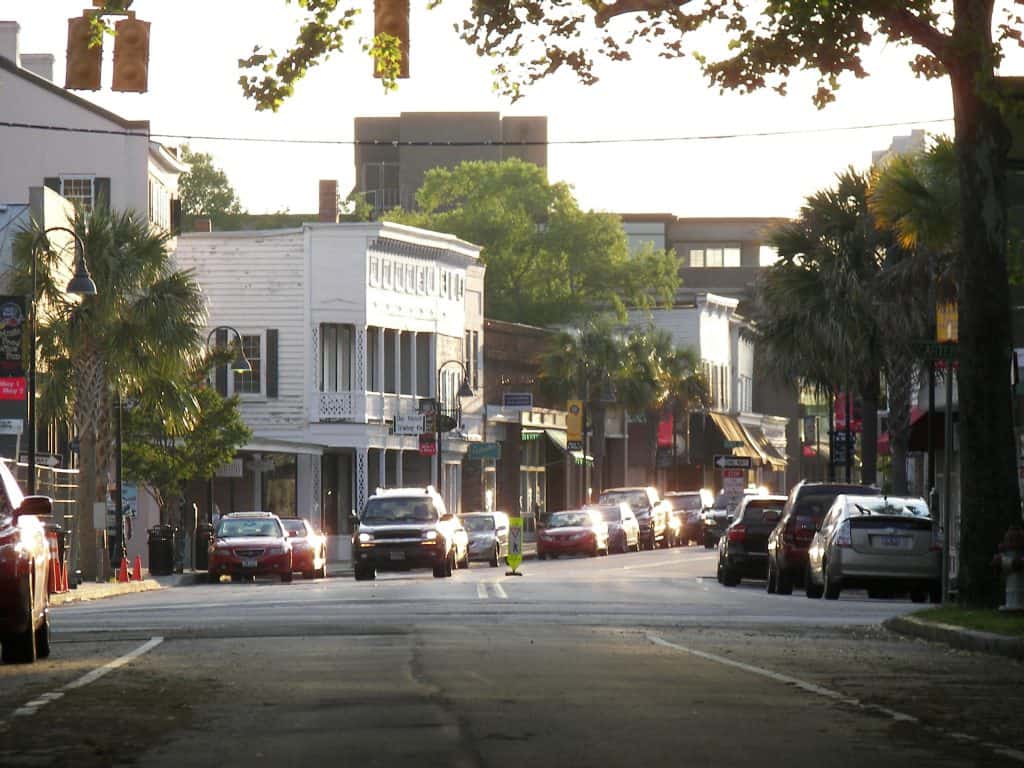
Beaufort is the kind of Southern coastal town that takes its time with everything, including its own history. Antebellum homes draped in Spanish moss line streets largely unchanged for over a century, giving the town a quiet, cinematic quality that has drawn film crews as often as tourists.
The town sits on Port Royal Island, surrounded by the salt marshes and tidal creeks of the South Carolina Lowcountry. Kayaking through those waterways reveals a landscape that looks and sounds almost prehistoric.
Downtown Beaufort’s waterfront park offers views across the Beaufort River and easy access to the town’s restaurants, galleries, and shops without the crowded energy of larger coastal destinations.
The Penn Center on nearby St. Helena Island, one of the first schools for freed enslaved people after the Civil War, adds a layer of deep historical significance to the surrounding area.
Where: Beaufort Visitor Center, 713 Craven St, Beaufort, SC 29902
5. Telluride, Colorado
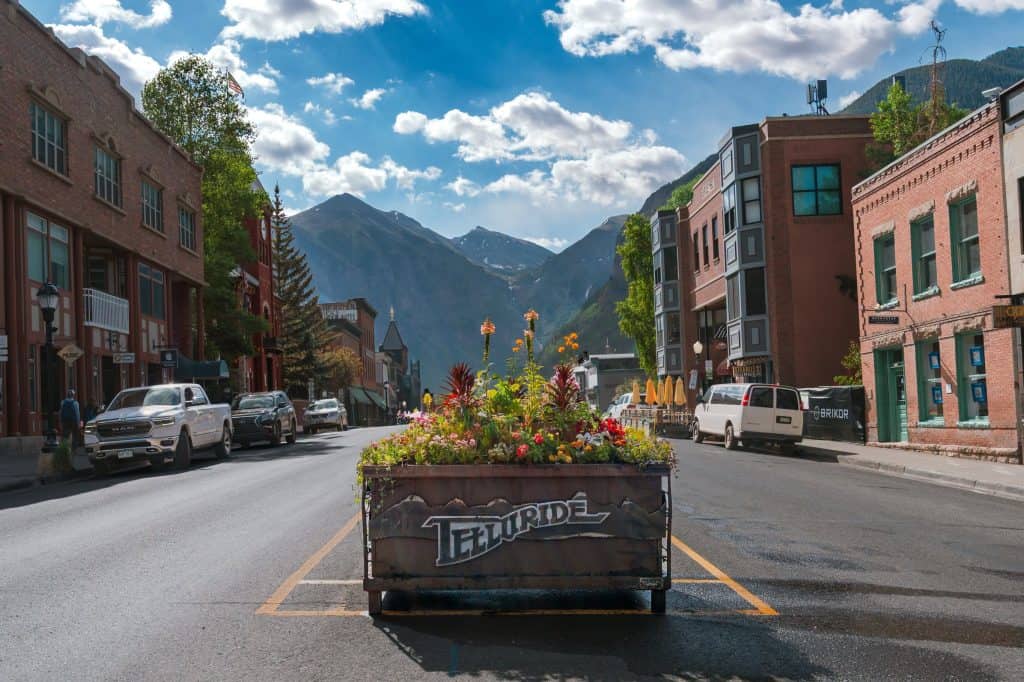
Telluride sits at the end of a box canyon in the San Juan Mountains of southwest Colorado, which means you can only enter from one direction. The mountains form three walls around the town, and the fourth opens to a valley view that stops people mid-sentence.
It was a silver mining town in the late 1800s, and the Victorian commercial district at its core has survived with enough integrity to give the place a genuine sense of its origins.
Bridal Veil Falls, the tallest free-falling waterfall in Colorado at 365 feet, drops at the far end of the canyon, directly visible from town. The gondola connecting Telluride to the ski village above runs year-round, making the high mountain scenery accessible even in summer.
A rotating calendar of festivals brings the town to life throughout the warmer months, from its celebrated film festival to bluegrass, jazz, and mushroom-foraging weekends.
Where: Telluride Visitor Center, 236 W Colorado Ave, Telluride, CO 81435
6. Galena, Illinois
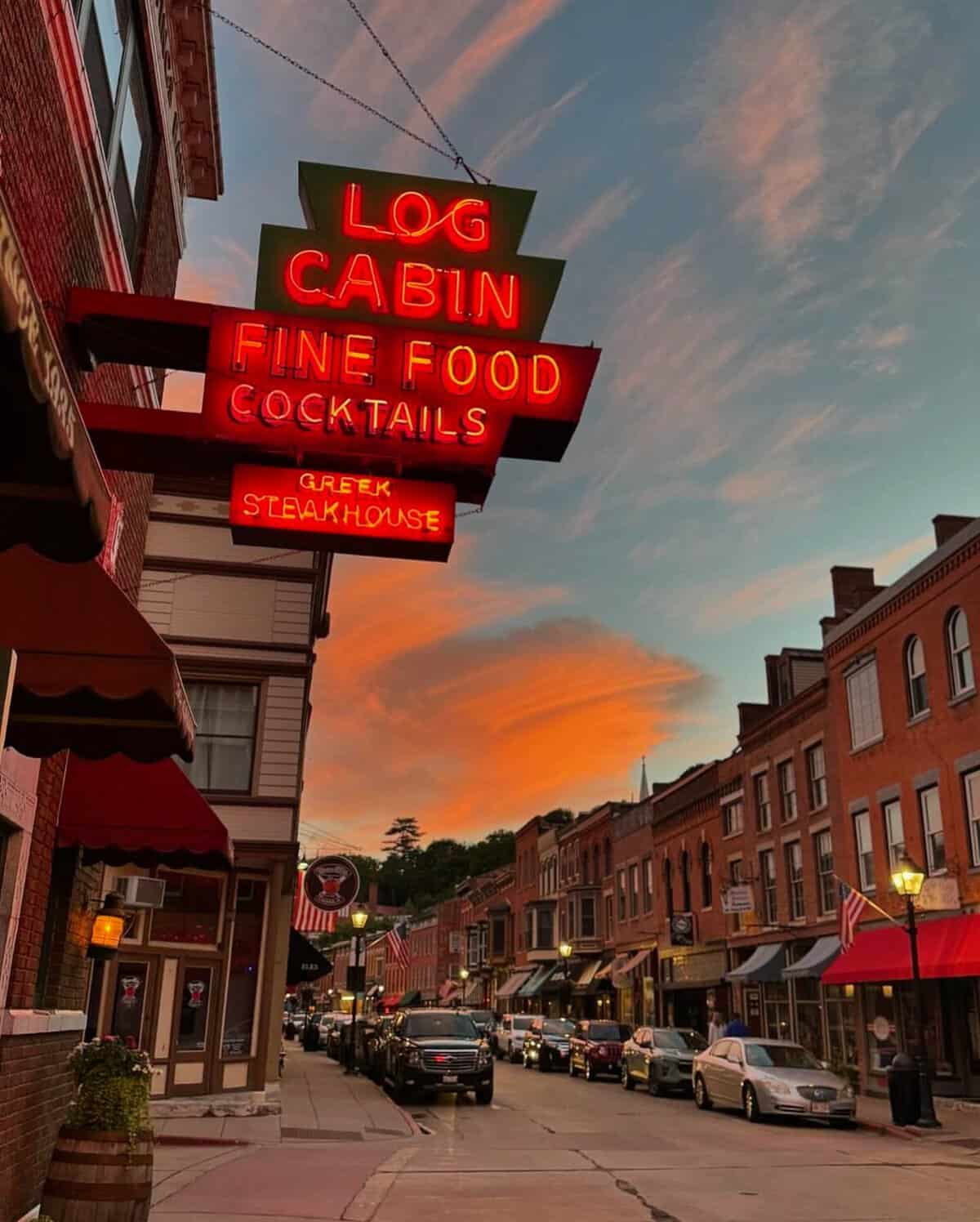
Galena looks like a movie set for the American 19th century, its Main Street rising steeply from the Galena River, lined with red-brick buildings housing antique dealers, wine bars, and restaurants in spaces that have been commercial properties since the 1840s.
The town was once one of the most important cities in the Midwest. At its peak, Galena controlled nearly 85 percent of the world’s lead production, a fact that explains the grand scale of its architecture relative to its current modest population.
Ulysses S. Grant lived here before and after the Civil War, and his home, preserved by the state of Illinois, is one of several historic sites that trace the town’s outsized role in American history.
The surrounding Jo Daviess County offers rolling hills that turn vivid with color in autumn, drawing visitors from Chicago and beyond for weekend drives through countryside that feels genuinely off the beaten path.
The steamboat era gave Galena its wealth, and the river still defines the town’s eastern edge today, offering a quiet reminder of the commerce that built everything standing along Main Street.
Where: 101 Bouthillier St, Galena, IL 61036
7. Taos, New Mexico
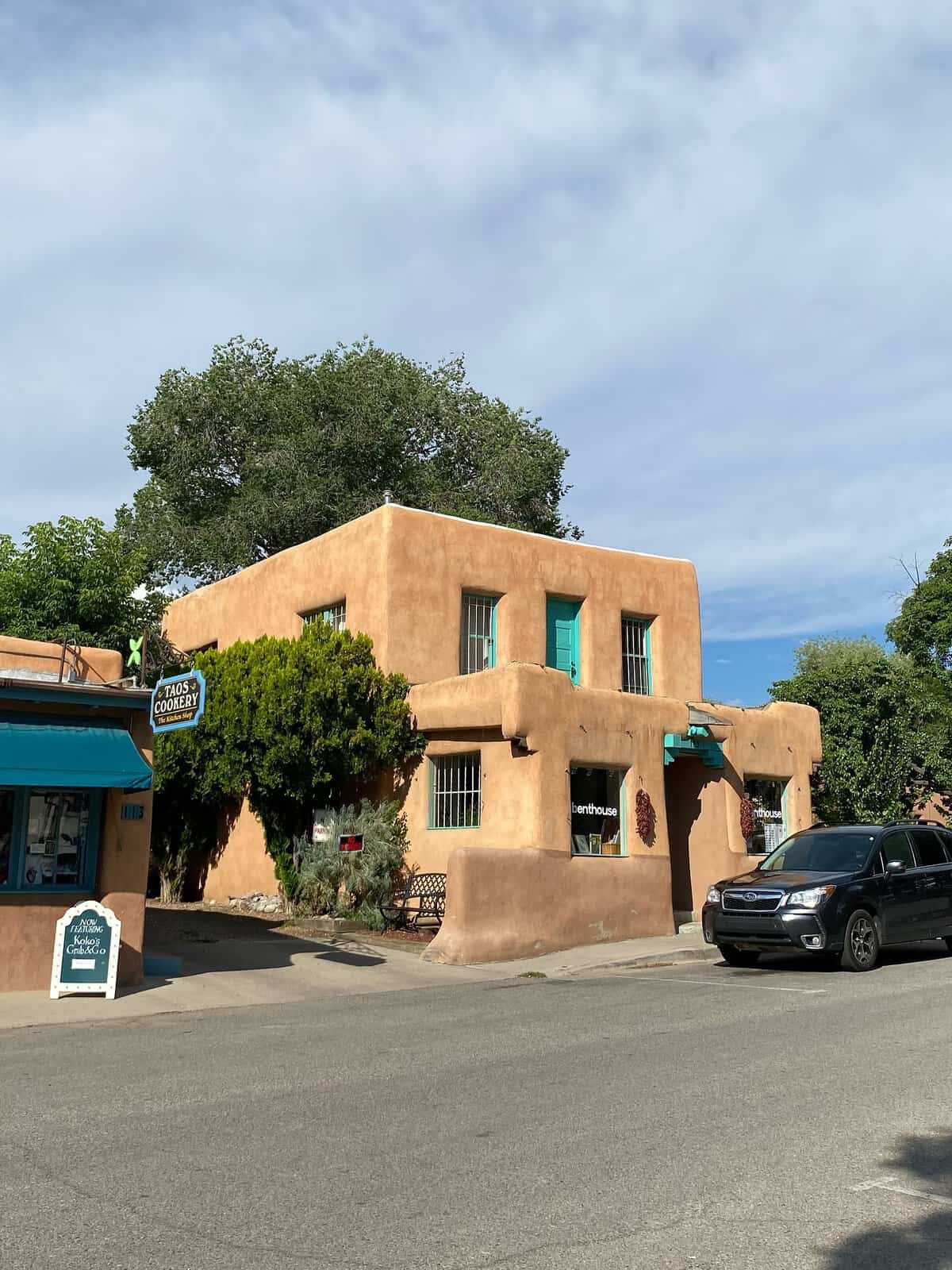
Taos is one of the oldest continuously inhabited places in North America. Taos Pueblo, the ancient adobe community on the town’s northern edge, has been home to the Taos people for over a thousand years and remains a living, occupied village today.
The town itself has a distinct visual identity built from adobe and earth tones, where art galleries cluster around a central plaza and the surrounding high desert landscape bleeds directly into the edges of downtown.
Georgia O’Keeffe painted the landscape around Taos and helped introduce it to the wider art world, a legacy the town carries proudly without letting it dominate the contemporary creative scene.
The Rio Grande Gorge Bridge, about twelve miles west of town, spans a dramatic 650-foot-deep chasm cut by the river through the surrounding plateau — one of the most striking viewpoints in the Southwest.
Where: Taos Visitor Center, 1139 Paseo del Pueblo Sur, Taos, NM 87571
8. Fredericksburg, Texas
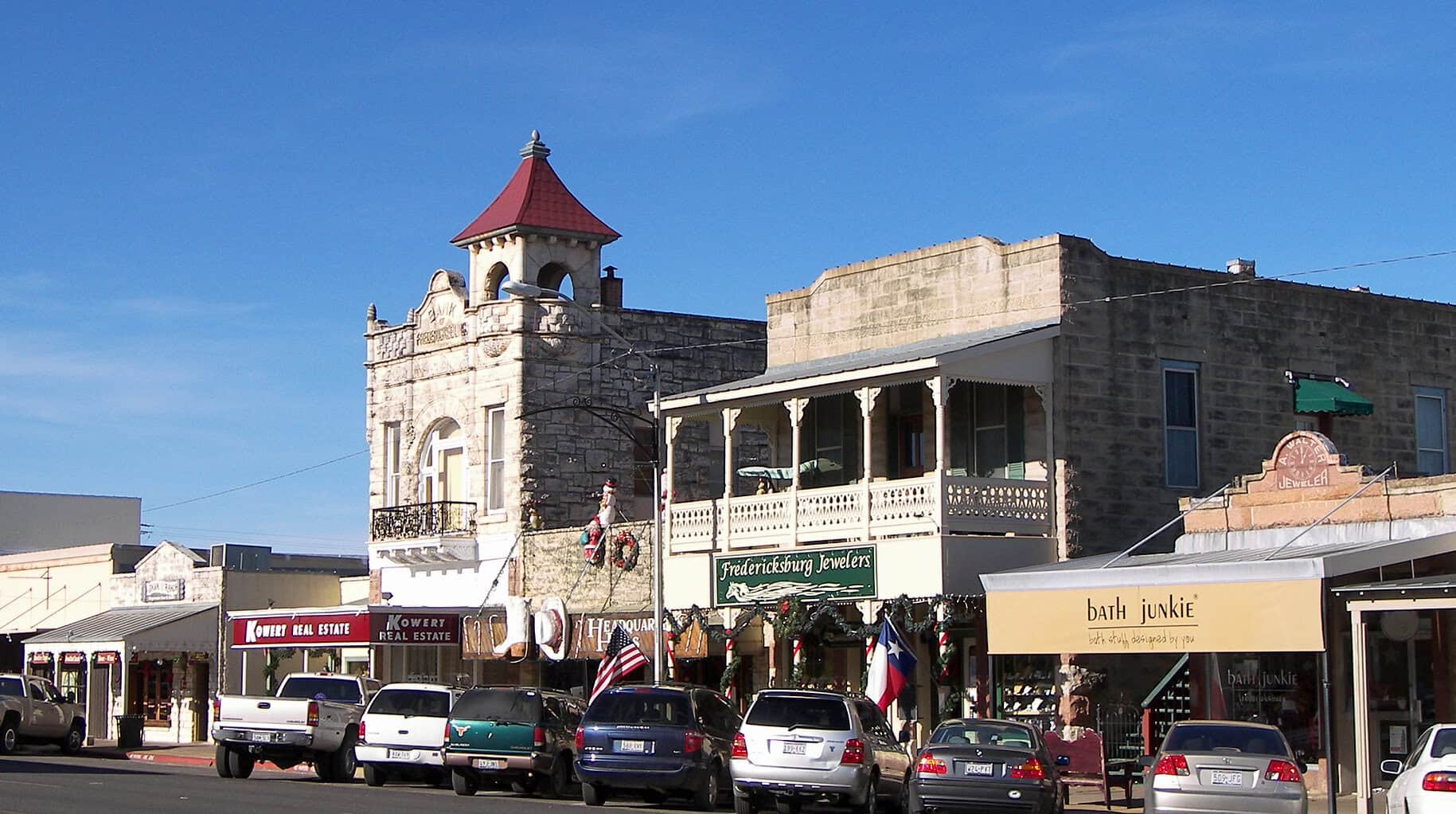
In the heart of the Texas Hill Country, Fredericksburg was founded in 1846 by German immigrants, and that heritage has never fully receded.
Biergartens sit alongside Texas barbecue joints on Main Street, and the architecture still carries European influences in a setting that is unmistakably Texas.
The surrounding Hill Country has become one of Texas’s most celebrated wine regions, with dozens of family-owned vineyards tucked into the rolling landscape within a short drive of town.
Wildflower season in spring, when bluebonnets and Indian paintbrush cover the roadside meadows, draws visitors from across the state who make the drive specifically for the blooms visible between the vineyards and cedar-covered hills.
The National Museum of the Pacific War, located here because Admiral Chester Nimitz was born in Fredericksburg, is one of the finest World War II museums in the country.
Where: Fredericksburg Visitor Center, 302 E Austin St, Fredericksburg, TX 78624
9. Kennebunkport, Maine
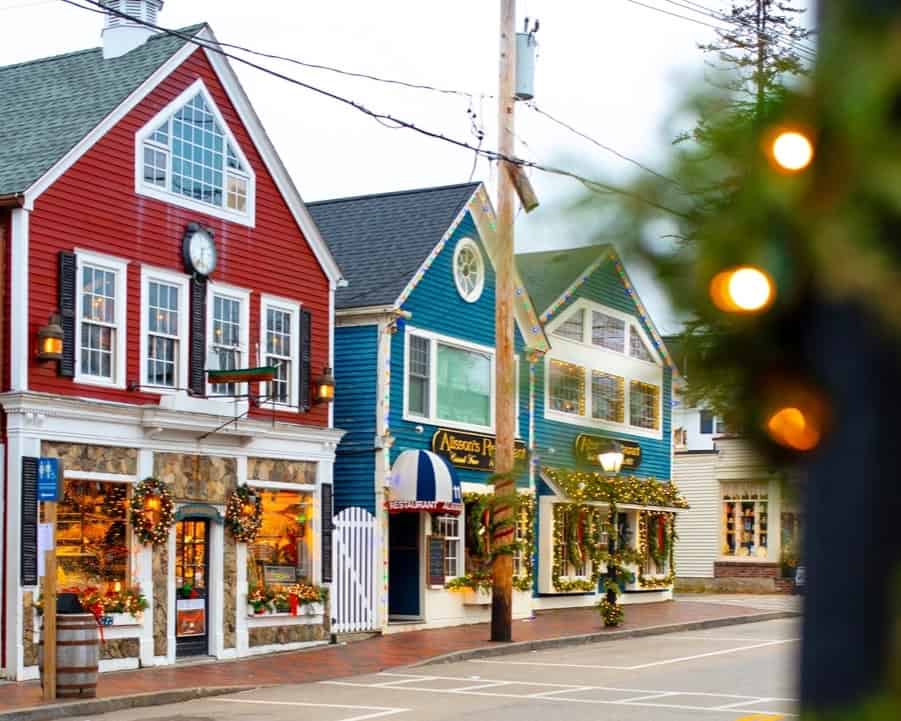
Kennebunkport is the version of coastal Maine that appears in the imagination of people who have never been to coastal Maine. White clapboard houses, lobster boats in the harbor, rocky shoreline, and salt-spray air — it’s all here, without feeling like a performance of itself.
Dock Square, the town’s compact center, offers a walkable cluster of shops, galleries, and restaurants that stay unhurried even in the height of summer compared to more heavily promoted destinations further south.
The Cape Porpoise neighborhood, a short drive from the town center, provides an even quieter version of the Maine coast, with working lobster docks and views across a harbor that sees more fishing boats than pleasure craft.
The Bush family compound at Walker’s Point, perched on a rocky promontory at the edge of town, has been visible from the shore for decades and adds an unexpected presidential footnote to an otherwise storybook seaside setting.
Where: Kennebunkport, ME 04046. Dock Square serves as the center of town.
10. Woodstock, Vermont
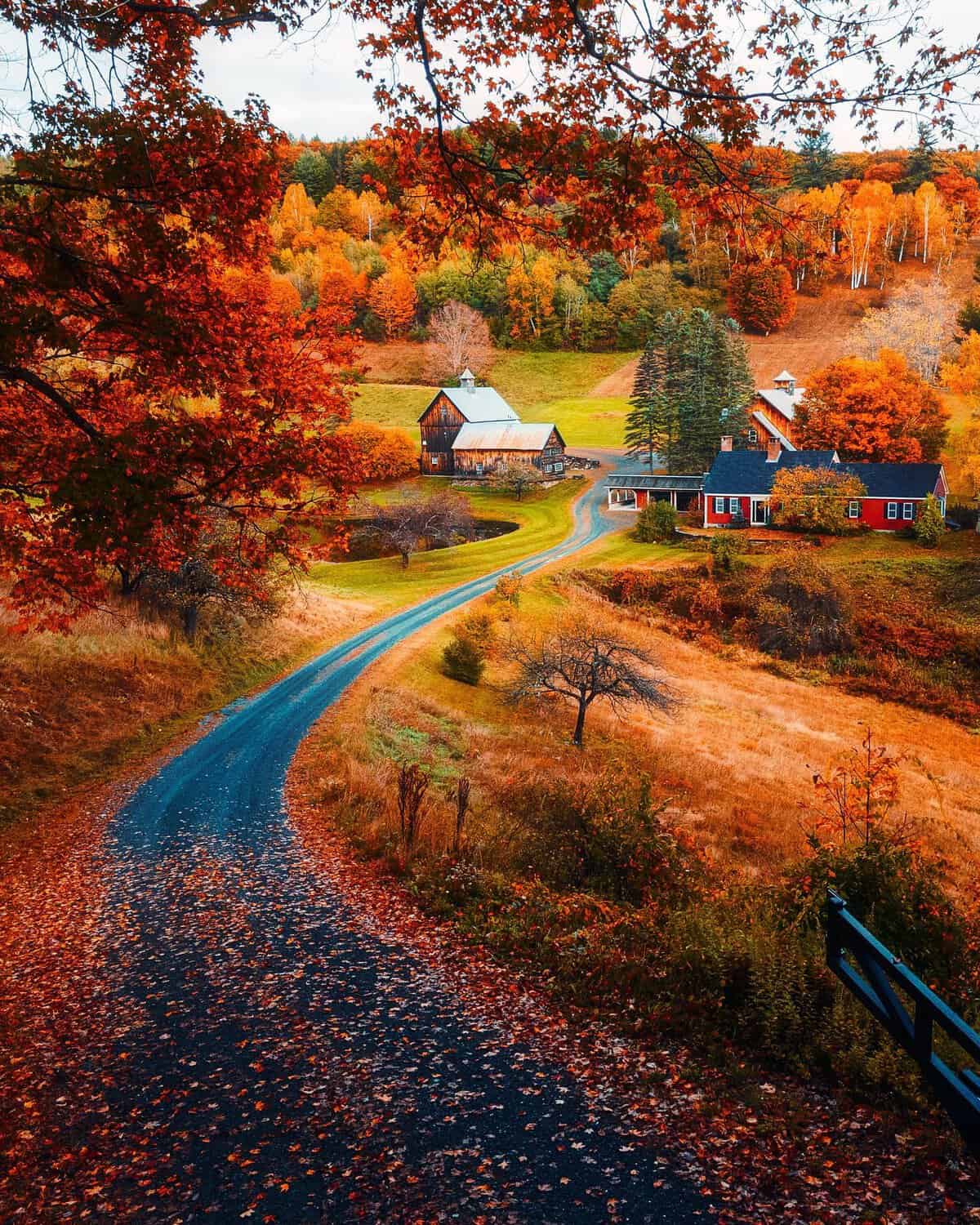
If New England has a postcard town, Woodstock, Vermont, makes a strong argument for the title.
A covered bridge, a village green lined with Federal and Georgian architecture, and a surrounding landscape of rolling farmland and maple-forested hills create a setting that seems almost too complete to be real.
The Marsh-Billings-Rockefeller National Historical Park, the only national park in Vermont, sits at the edge of town and traces the history of American conservation through three generations of owners who shaped the surrounding land deliberately and thoughtfully.
Billings Farm & Museum, adjacent to the park, operates as both a working dairy farm and a living history museum where visitors can watch cheese-making, farming demonstrations, and seasonal celebrations rooted in Vermont agricultural tradition.
Winter brings cross-country skiing and the particular quiet of a small New England town under snow, while foliage season in October turns the surrounding hills into something almost unreasonably beautiful.
Where: Woodstock Welcome Center, 3 Mechanic St, Woodstock, VT 05091
Small Towns, Big Impressions
There is a rhythm to small-town America that takes a day or two to fully settle into. The pace feels wrong at first, too slow, like something is missing. Then gradually you realize that what’s missing is noise — the constant ambient pressure of somewhere larger.
Small towns ask something different of you than cities do. They ask you to notice things. A hand-lettered sign in a bakery window. The way the afternoon light hits a particular building. A conversation with a stranger that goes nowhere useful and somehow stays with you.
These ten towns offer that kind of experience in ten different accents — desert, coastal, mountain, Victorian, Southern, Southwestern. The details change, but the invitation is always the same: slow down, look around, and let the place show you what it’s actually about.
Some of the best small-town experiences don’t make it into any guidebook at all. They happen in passing — a local who points you toward a back road, a lunch counter where the specials are written in marker, a view at the end of a street you almost didn’t take.
The country has thousands of towns like this, and most of them are still waiting to be discovered by someone willing to take the long way there.
More stories


Share this story