10 Beautiful U.S. Beach Towns That Prove the Coast Is Always the Right Answer

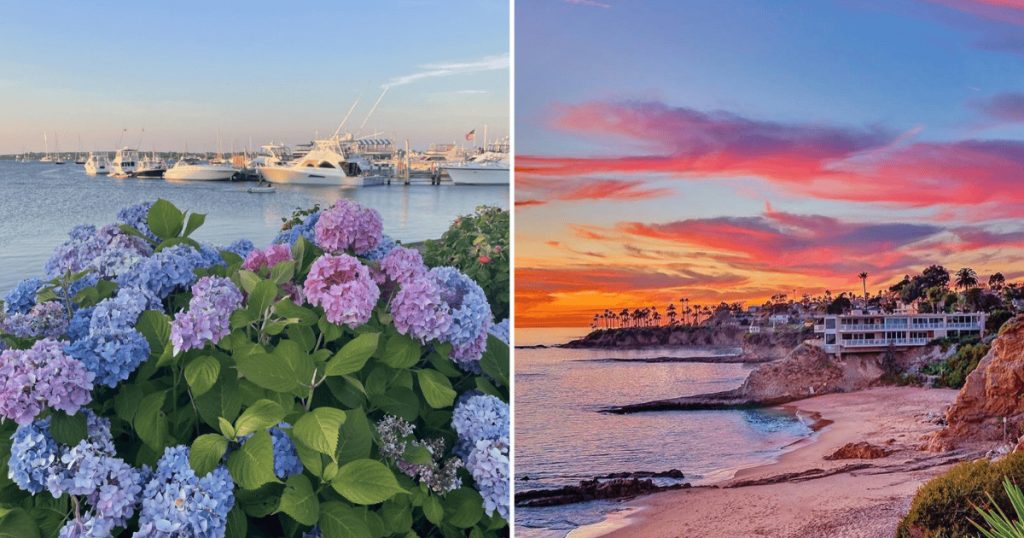
I’ve lost count of how many times I’ve lived two hours from the ocean and acted like it was on another planet. The coast becomes a once‑a‑year event when it should be a weekend habit.
The towns that get it right build their identities around the idea that the ocean belongs in daily life — morning walks on empty sand, dinners with windows open, evenings that end when the tide decides.
They remind you how long you’ve been waiting between visits.
America’s coastline offers some of the most varied beach towns in the world, from wind‑swept Maine shores to sugar‑white Gulf sands in Alabama.
Below are ten that consistently earn the detour, the long weekend, and sometimes the excuse to plan a full vacation around nothing but the coast.
1. Nantucket, Massachusetts
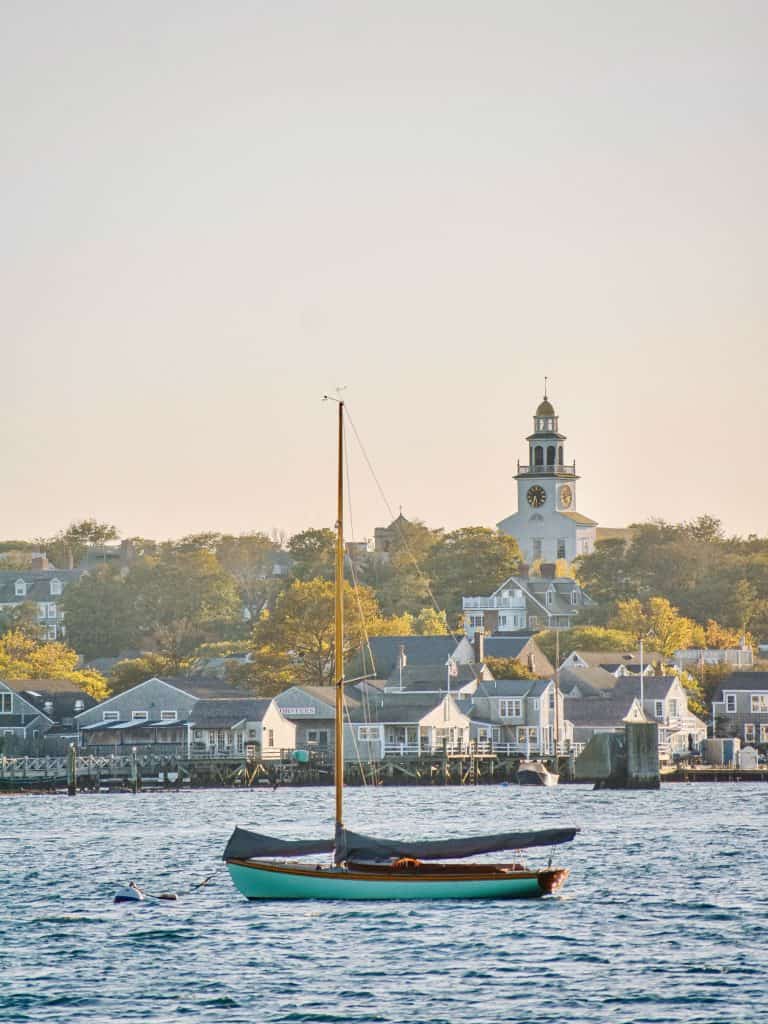
Nantucket sits thirty miles off Cape Cod, accessible only by ferry or small aircraft, and that isolation is very much the point.
The island’s separation from the mainland has preserved it almost deliberately — cobblestone streets, cedar-shingled cottages weathered silver by salt air, hydrangeas in every shade of blue.
The Main Street shopping district connects the ferry dock to the town center through a passage of independent shops and restaurants that feel genuinely rooted in the island rather than designed for tourism, even in July when the population swells considerably.
Children’s Beach and Jetties Beach offer the protected, calmer waters that families prefer, while Surfside Beach on the Atlantic-facing side delivers the full open-ocean experience for those who came for waves.
The Nantucket Whaling Museum traces the island’s history as one of the most important whaling ports in the world — a past that explains both its wealth of 19th-century architecture and the particular swagger it has never entirely lost.
2. Cape May, New Jersey
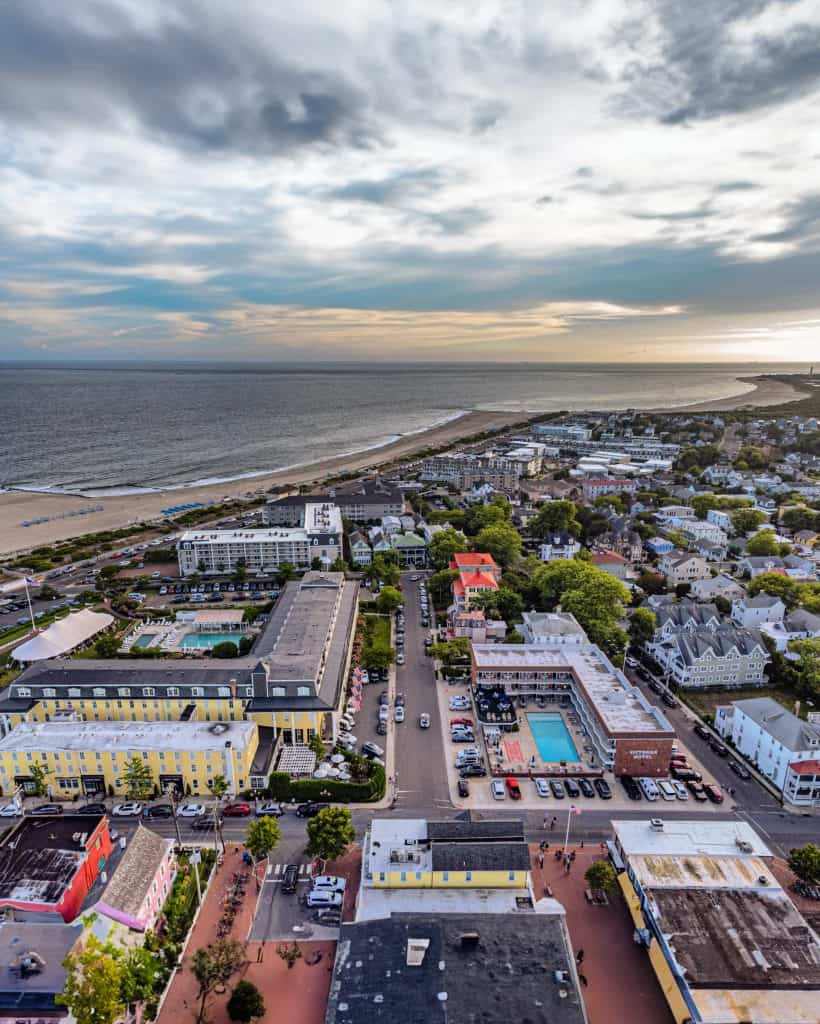
Cape May is the oldest seaside resort in the United States — with the largest collection of Victorian architecture in the country and a beach drawing visitors since before the Civil War. Grand painted-lady homes and ocean access make it one of the East Coast’s most visually cohesive beach towns.
The beach is wide and well-maintained, and the boardwalk runs alongside it with the expected mix of shops, ice cream, and the particular ambiance of a place that takes its Victorian character seriously enough to maintain it.
Cape May’s position at the southernmost tip of New Jersey also makes it one of the premier birding destinations in North America — millions of migratory birds funnel through the cape each spring and fall, drawing birders who consider the phenomenon as much a destination attraction as the Victorian houses.
The Washington Street Mall, a pedestrian-only shopping area, provides the town’s social center, particularly on evenings when the wide brick promenade fills with visitors who have spent the day on the beach and aren’t quite ready for it to be over.
3. Seaside, Florida
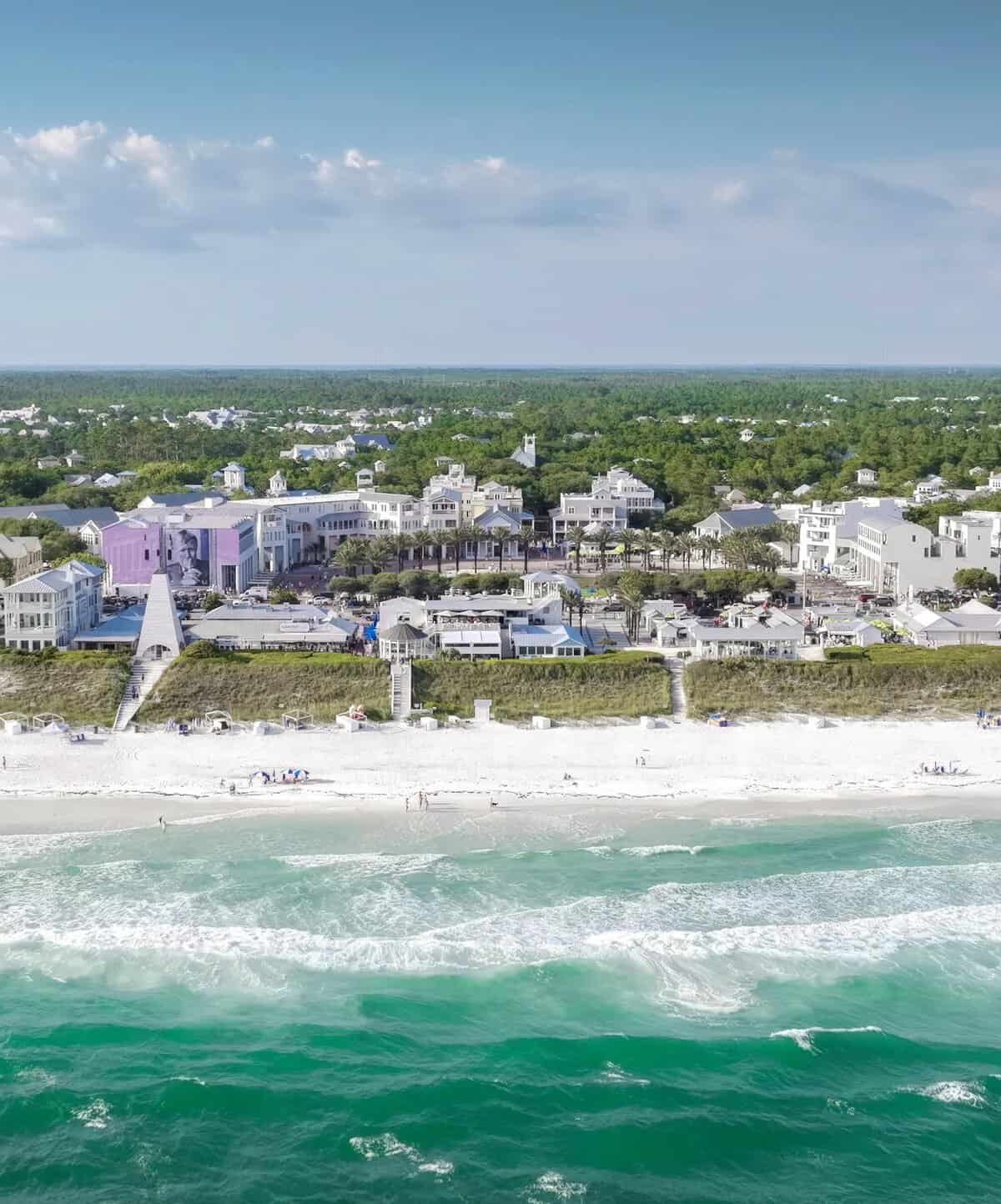
Seaside on the Florida Panhandle looks like someone designed it for summer photographs — and in a way, someone did.
Built beginning in 1981 as a planned Gulf community, its architecture and streets were laid out according to New Urbanist principles that prioritized walkability and human scale over car-centric convenience.
The result is genuinely beautiful.
Pastel cottages with white picket fences line streets that all eventually lead to the water, and the Gulf-facing town green hosts farmers markets, outdoor concerts, and the kind of casual social gathering that most planned communities aspire to and rarely achieve.
The beach here is part of the Emerald Coast, where the sand is quartz-white, and the water is a vivid teal that looks borrowed from the Caribbean rather than the Florida coast.
Seaside’s Central Square food and retail pavilions operate out of quirky structures that have become their own attractions — the Airstream trailer food court in particular draws visitors who arrive for lunch and stay well into the afternoon.
4. Ogunquit, Maine
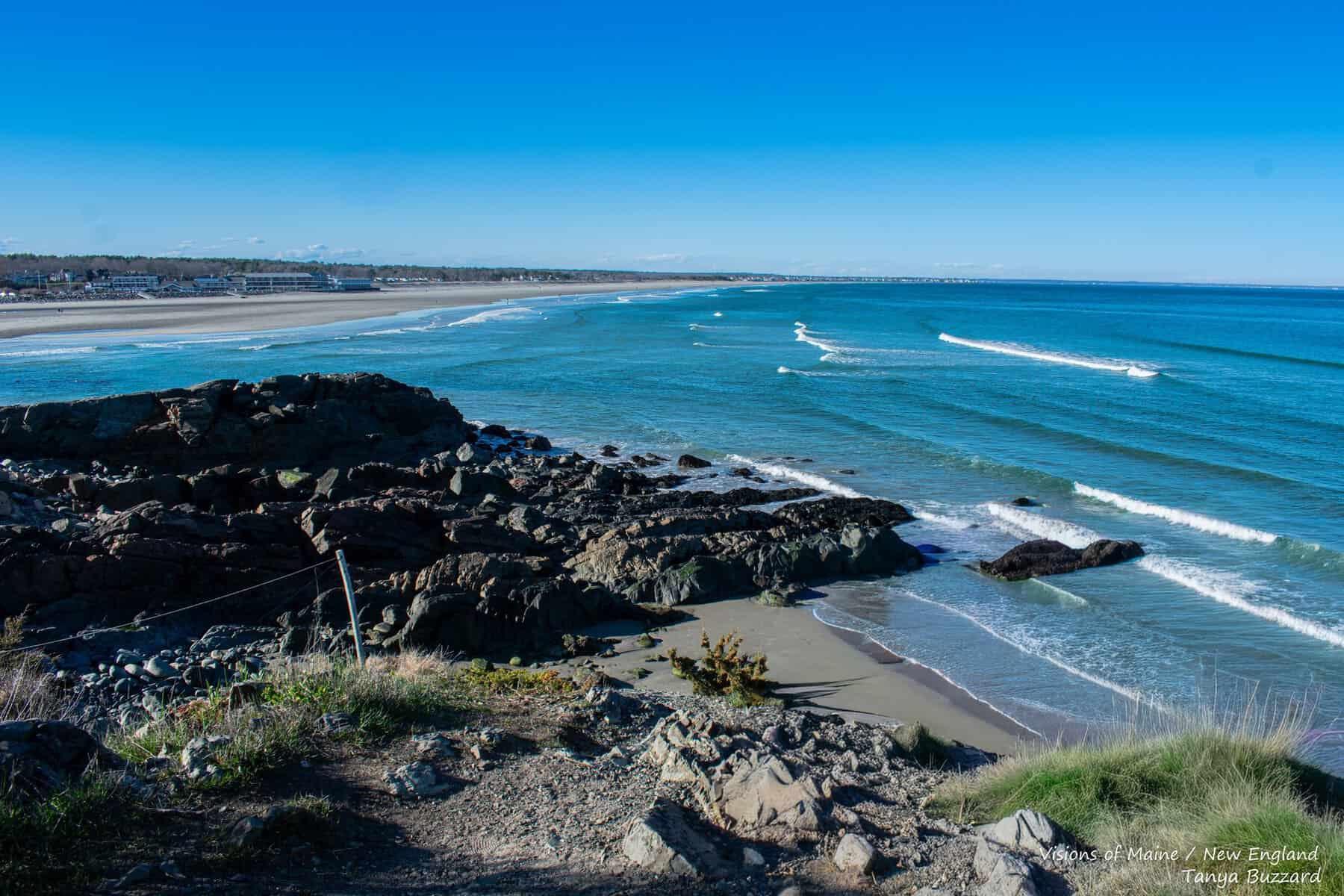
Ogunquit means “beautiful place by the sea” in the Abenaki language, an expectation the town has been meeting since before anyone thought to market it.
The beach — barrier sand backed by dunes, facing a tidal river on its landward side — ranks consistently among the finest in New England.
Perkins Cove, a working harbor accessible by footbridge from the beach, offers galleries, restaurants, and lobster shacks where boats still come in each morning.
The contrast between the open beach and the water-surrounded cove gives Ogunquit two completely different versions of the Maine coast within walking distance.
The Marginal Way, a cliff-edge walking path that connects the downtown to Perkins Cove, follows the rocky coastline with views that have been inspiring painters since the town established itself as an artists’ colony in the early 20th century.
The seasonal calendar here is compressed and intense — most visitors come between Memorial Day and Columbus Day — which gives the shoulder months of June and September a particular calm that summer regulars guard closely.
5. Cannon Beach, Oregon
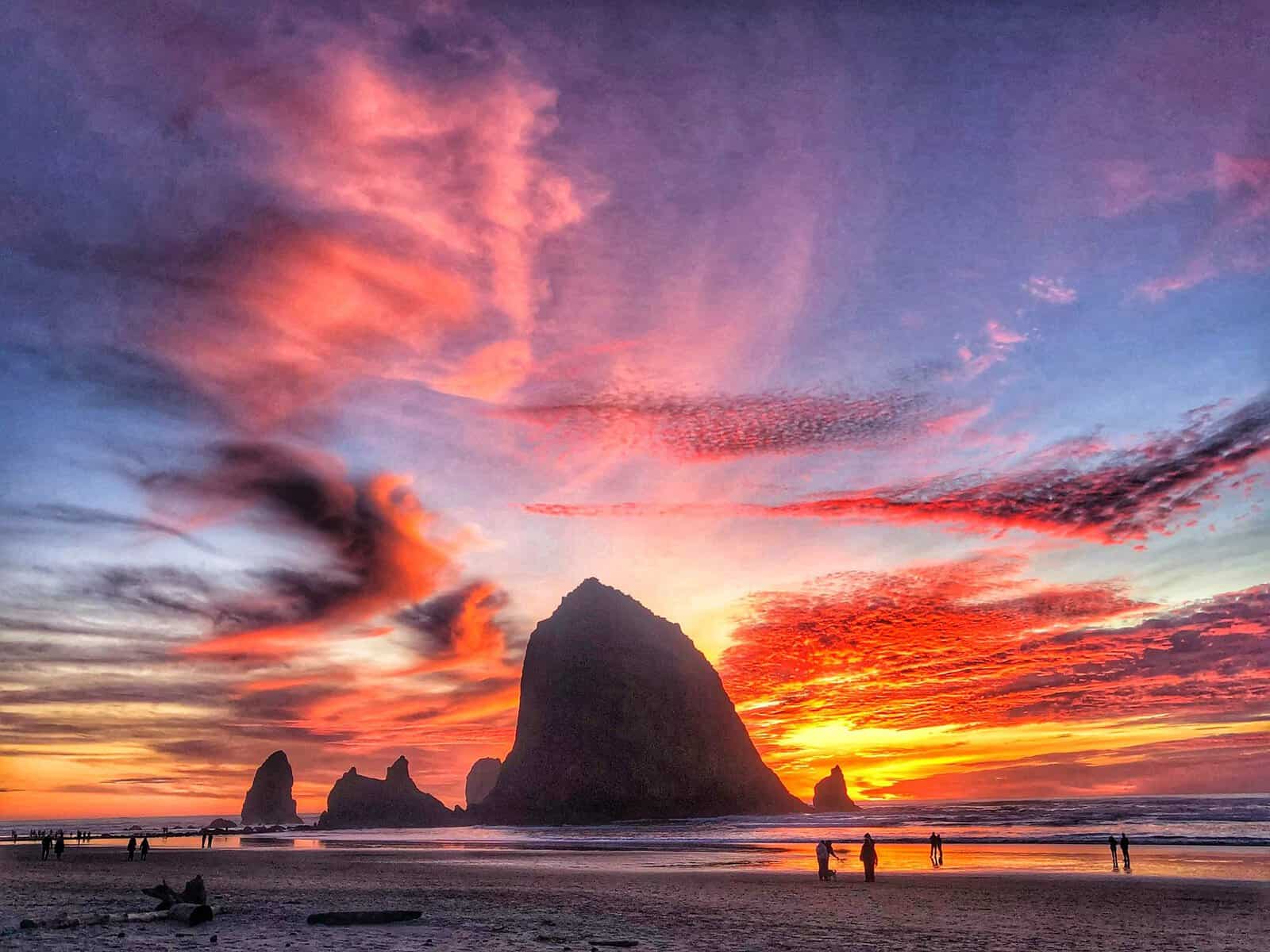
Cannon Beach is the Pacific Northwest’s most iconic coastal destination, organized around a single extraordinary feature: Haystack Rock, a 235-foot sea stack that rises from the surf with the quiet authority of something that has been there since before the land around it had a name.
The beach itself extends for miles in both directions from the rock, wide and flat at low tide, with tide pools at the rock’s base that expose sea stars, anemones, and shore crabs to anyone willing to time their visit to the tidal schedule.
The town’s gallery district runs along Hemlock Street, two blocks from the ocean, with independent art galleries that have been part of the community since Cannon Beach developed its reputation as an arts-focused coastal destination in the mid-20th century.
Fog is a regular presence here, particularly in the mornings, and regulars have made their peace with it — the mood it creates over the dark sand and the monolithic rock is one of the most atmospheric landscapes on the entire American coast.
6. Chincoteague Island, Virginia
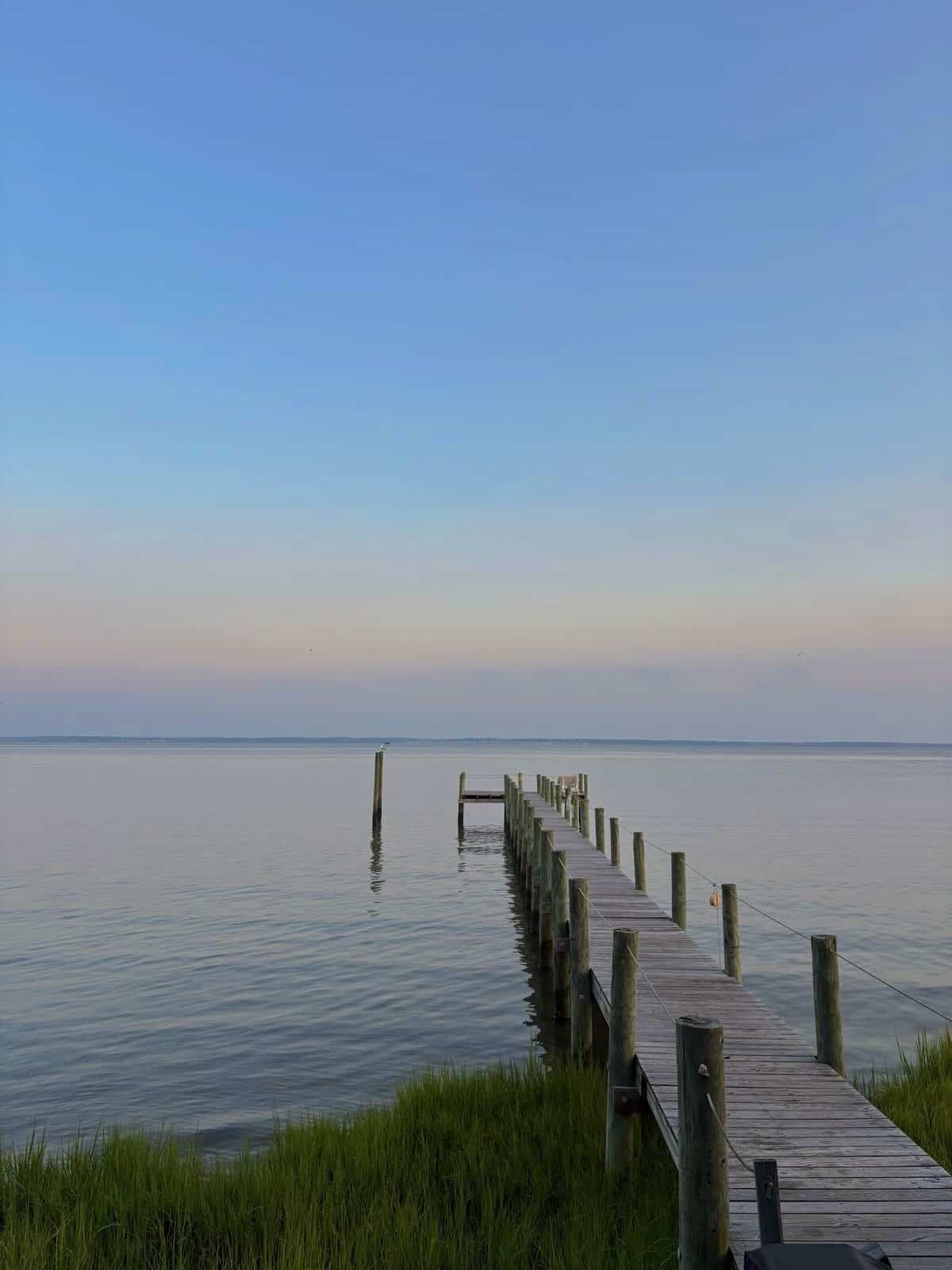
Chincoteague Island sits off Virginia in a landscape of salt marsh and tidal flat belonging to a different era of the American East.
The town is small and genuinely working-class — watermen still work the oyster beds, and the island’s relationship to the water is functional as well as scenic.
The wild ponies of Chincoteague are the most famous attraction — a herd of feral horses that has lived on the neighboring Assateague Island for centuries, rounded up each summer in the iconic Pony Penning tradition where foals are auctioned to support the local volunteer fire department.
Assateague Island National Seashore, accessible by bridge from Chincoteague, provides the primary beach access — undeveloped, wide, and backed by dunes and maritime forest in a setting that feels completely removed from resort beach culture.
Birders and wildlife photographers treat the Chincoteague National Wildlife Refuge as a destination in its own right, with migrating waterfowl, shorebirds, and occasional sightings of rare species rewarding those who arrive with binoculars and patience.
7. Block Island, Rhode Island
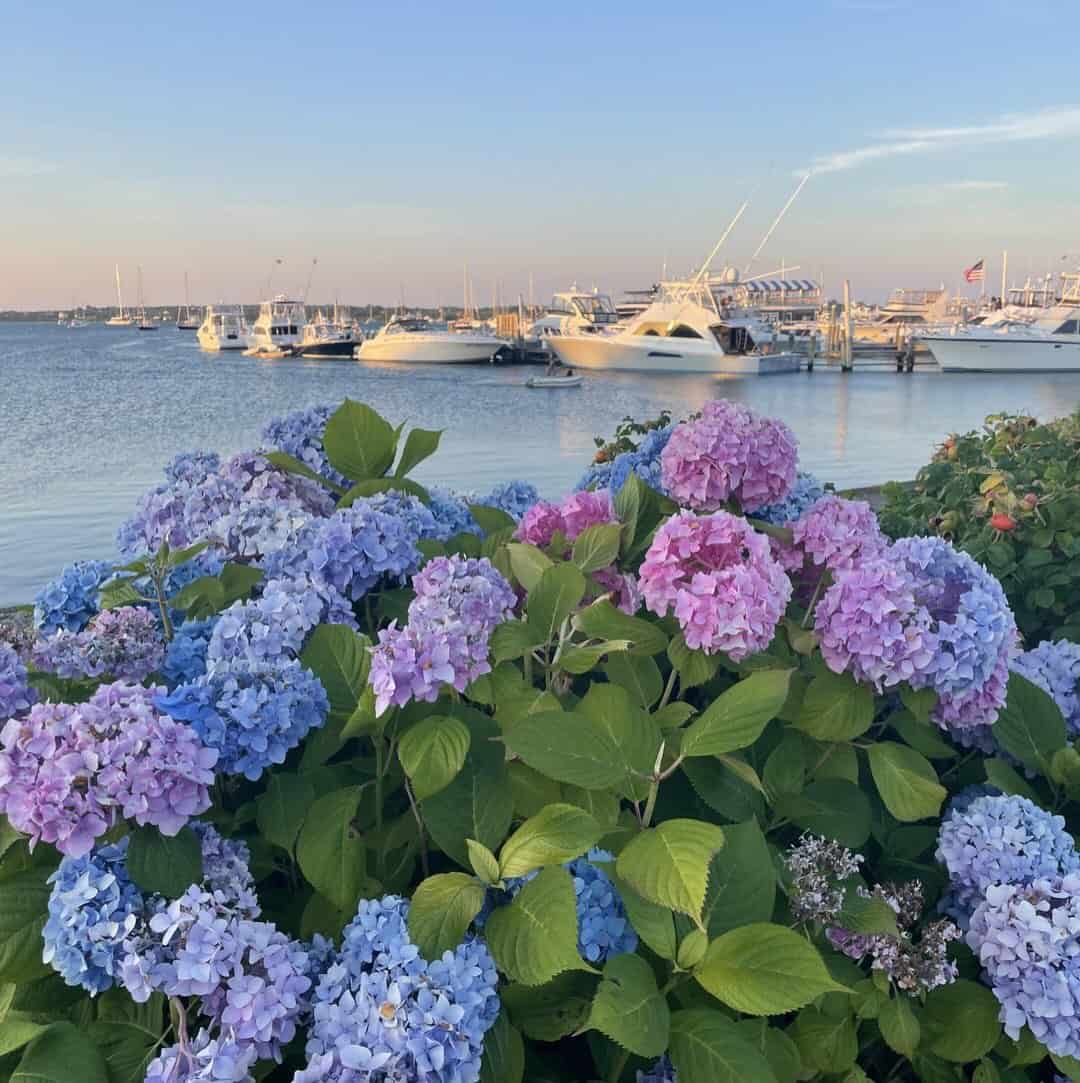
Block Island sits twelve miles off Rhode Island, reached by ferry in a stretch of Atlantic water that makes the arrival feel genuinely different.
The island has no traffic lights, limited vehicle access, and a landscape of rolling hills, freshwater ponds, and clay bluffs unlike any other East Coast destination.
Mohegan Bluffs rise 150 feet above the Atlantic in a sheer face of rust-colored clay, with a staircase leading down to a beach accessible only from the water or the trail above. The view from the top is one of the most dramatic on any American coastline.
The town of Old Harbor maintains a Victorian commercial district that looks largely as it did when it was photographed for tourism purposes a century ago — not as a preservation project but simply because no one found sufficient reason to change it.
The island’s commitment to open space preservation means over 40 percent of the land is permanently protected, giving Block Island a natural quality that development-heavy beach destinations can no longer offer.
8. Gulf Shores, Alabama
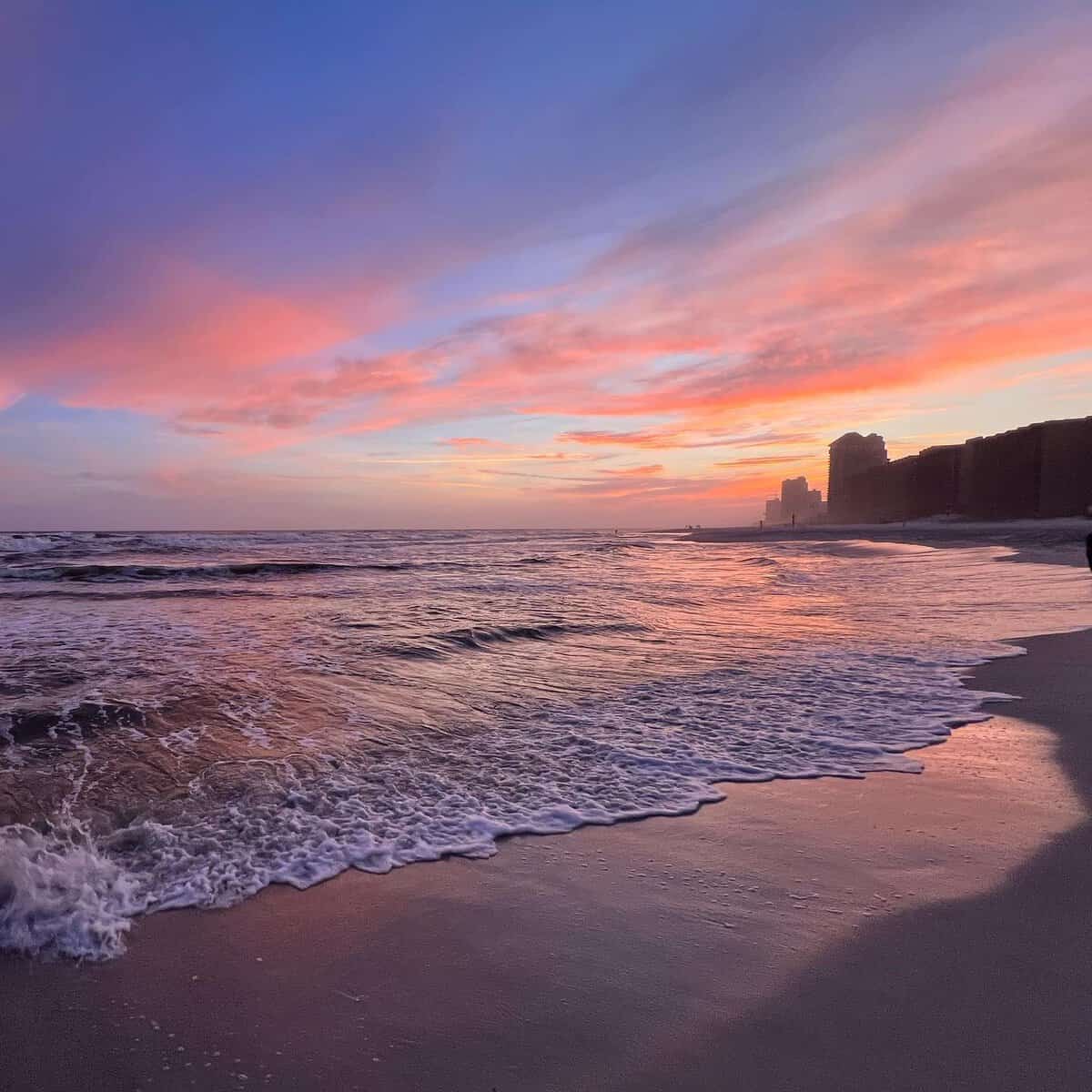
Alabama has only 32 miles of Gulf Coast, and Gulf Shores sits at the heart of it. The beach is the signature feature — sugar-white quartz sand and shallow emerald-green water that owes its color to the Gulf’s particular blend of depth and light.
Gulf State Park, which anchors the eastern end of the beach town, provides miles of undeveloped shoreline alongside the commercial stretch, giving visitors the full range from family resort amenities to natural beach access within a single visit.
The downtown area has grown considerably in recent years, with a restaurant and music scene that reflects the broader Gulf Coast culture — fresh seafood caught locally, laid-back outdoor dining, and live music that runs from blues to country without much distinction between them.
The proximity to Mobile Bay on the town’s western edge adds an ecological dimension that strictly oceanfront resorts don’t offer, with birding opportunities at Bon Secour National Wildlife Refuge drawing serious naturalists alongside the beachgoers.
9. Beaufort, North Carolina
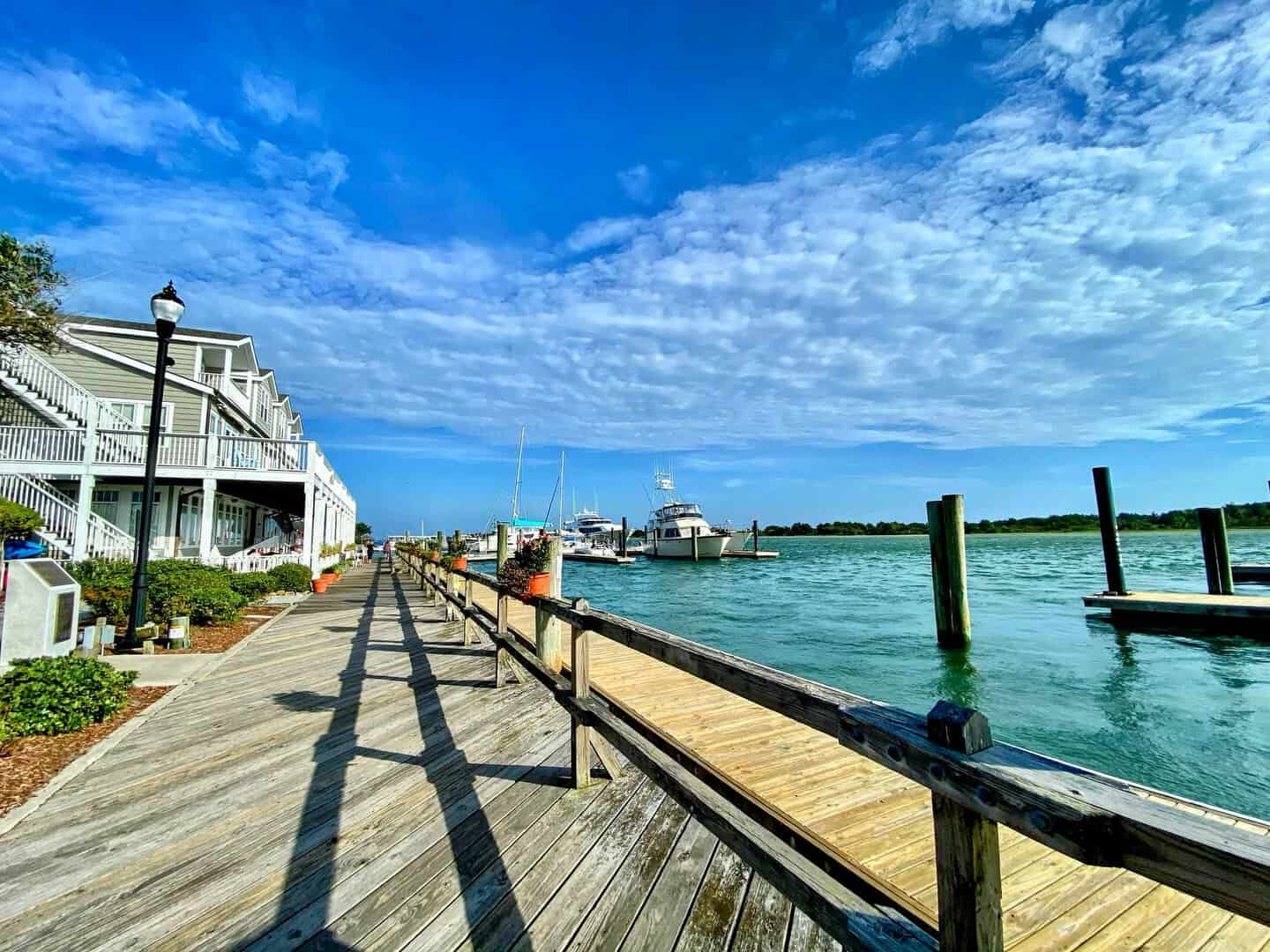
Beaufort, North Carolina, sits at the end of the Crystal Coast, where the waters are calm, the towns are small, and the maritime heritage runs centuries deep.
The waterfront boardwalk looks directly onto Taylor Creek, where wild horses from Cape Lookout are sometimes visible grazing on the Rachel Carson Reserve.
The North Carolina Maritime Museum downtown traces the history of coastal commerce and seafaring from the era of Blackbeard — who used these waters as an operating base — through the commercial fishing industry that still defines much of the region’s economy.
Beaufort’s Front Street is the kind of waterfront commercial district that makes visitors immediately want to sit down somewhere with an ice-cold drink and decide that the rest of the afternoon has no obligations attached to it.
The outdoor tables and harbor views cooperate fully with that impulse.
Ferry access to Cape Lookout National Seashore, with its famous black-and-white diamond lighthouse and miles of pristine undeveloped barrier island, extends any Beaufort visit with a destination that feels genuinely removed from the modern world.
10. Laguna Beach, California
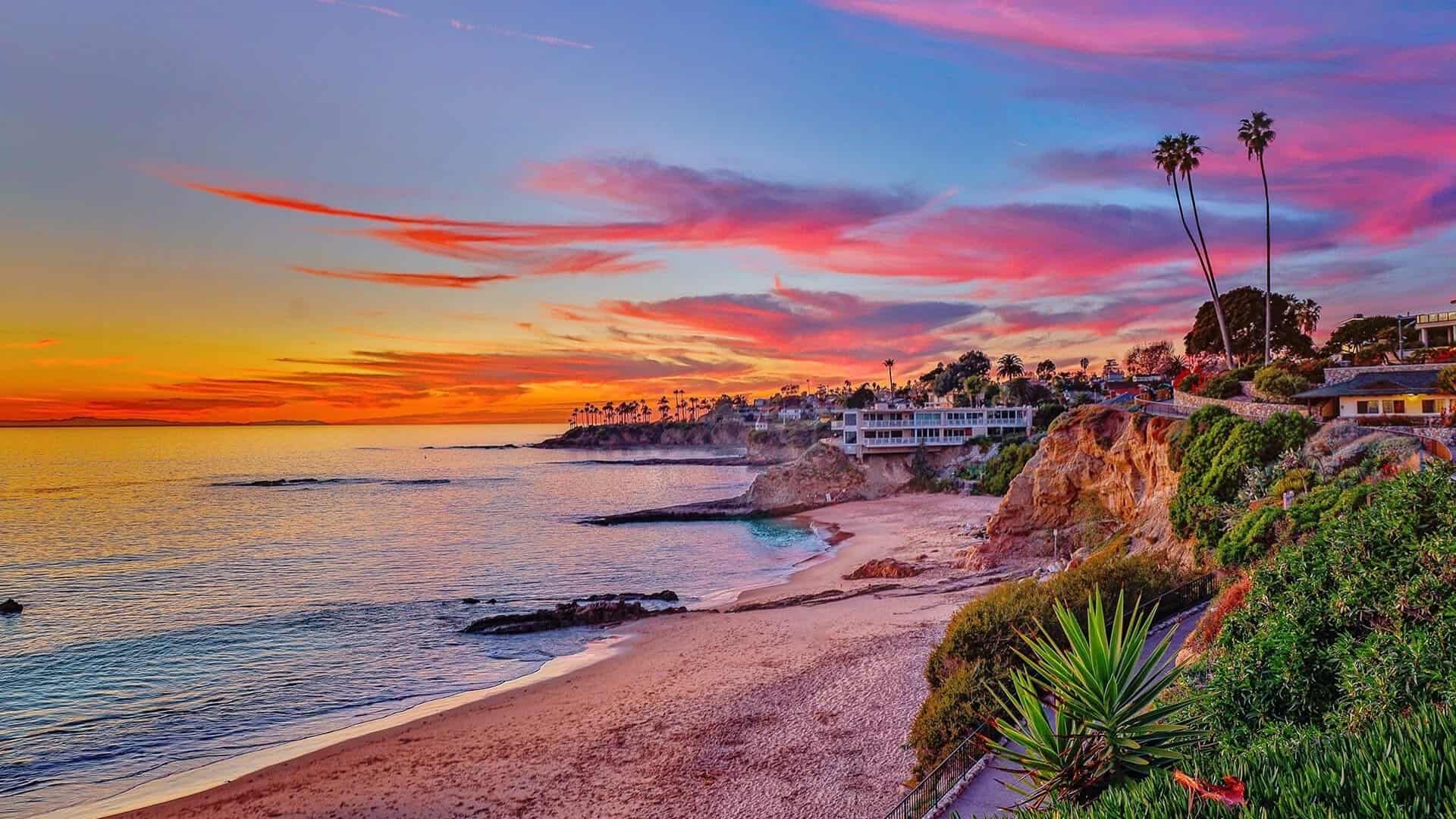
Laguna Beach has been an artists’ colony since the early 20th century, when painters came for the quality of light — the way it falls on golden cliffs, dark kelp beds, tide pools between the coves. That original relationship between the town and visual art has never entirely left.
The beaches here are cove beaches rather than the long, flat stretches typical of Southern California — smaller, enclosed by rocky headlands, with the distinct personality of each cove giving the town a series of micro-destinations rather than a single main beach.
The Laguna Beach Arts District runs through a downtown that takes its gallery culture seriously, with the Festival of Arts and Pageant of the Masters each summer drawing visitors who arrive specifically for the visual arts in a beach setting that most cities would trade for immediately.
The cliff-top parks and walking paths that run between the beach access points provide elevated perspectives over the Pacific that photographers treat as their own operating area during golden hour, when the California light does exactly what it was doing when the first painters arrived over a century ago.
The Coast Is Closer Than You’re Treating It
There’s something particular about coastal living that non-coastal people sometimes find difficult to articulate when they return from a beach trip. The pace changed. The proportions felt different. The water made everything else seem slightly less urgent.
That’s what these ten towns offer in different accents — Maine’s cedar-and-salt quiet, Oregon’s fog and sea stacks, Florida’s Gulf teal, Alabama’s white sugar sand, the Victorian porch light of Cape May at dusk. Each place has its own version of what it means to be next to the water.
The American coast is long and varied enough that no single trip covers it, no single summer resolves it. That’s not a problem — that’s the whole point. There’s always a new cove to find, a new harbor to sit beside, a new morning where nothing else feels very important.
Pick the coast that’s closest. Start there. Let the water do what water always does.
More stories


Share this story