10 Awe-Inspiring Aquariums Across America That Will Make You Fall in Love With the Ocean

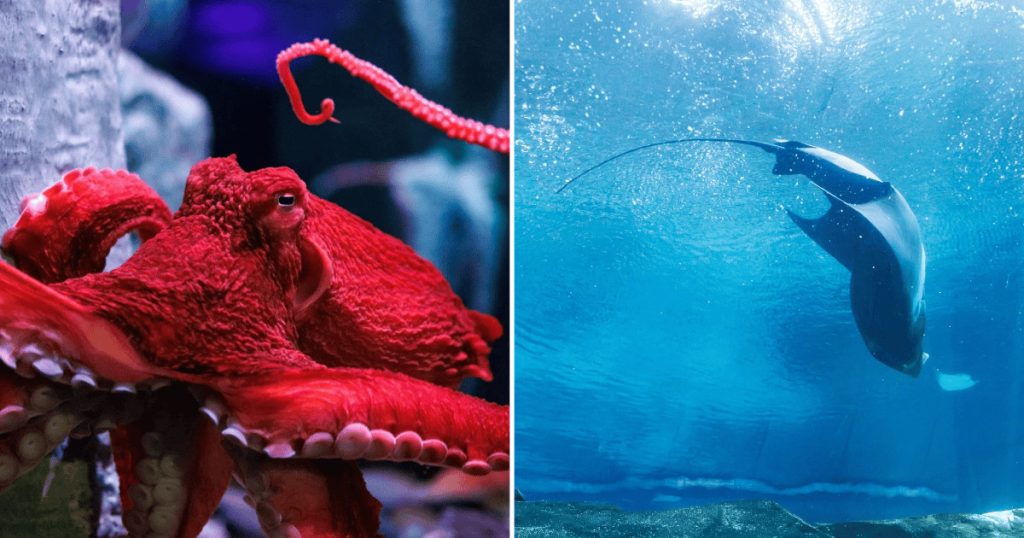
Aquariums stay with me because of the silence they create. Not the hush of a library, but the pause that happens when a crowd stands in front of something massive and slow and completely indifferent to us.
I’ve felt it watching a whale shark glide past, a thousand sardines wheel in unison, a cuttlefish shift colors while nobody can find words for what they’re seeing. That silence is why aquariums are worth the trip.
It’s not just the fish — it’s the scale, the beauty, the stillness that turns strangers into people sharing the same private moment.
America has some extraordinary aquariums, from the largest in the Western Hemisphere to intimate Pacific Coast institutions that focus as much on conservation as on spectacle.
Below are ten of the best — each one worth building a trip around.
1. Georgia Aquarium, Georgia
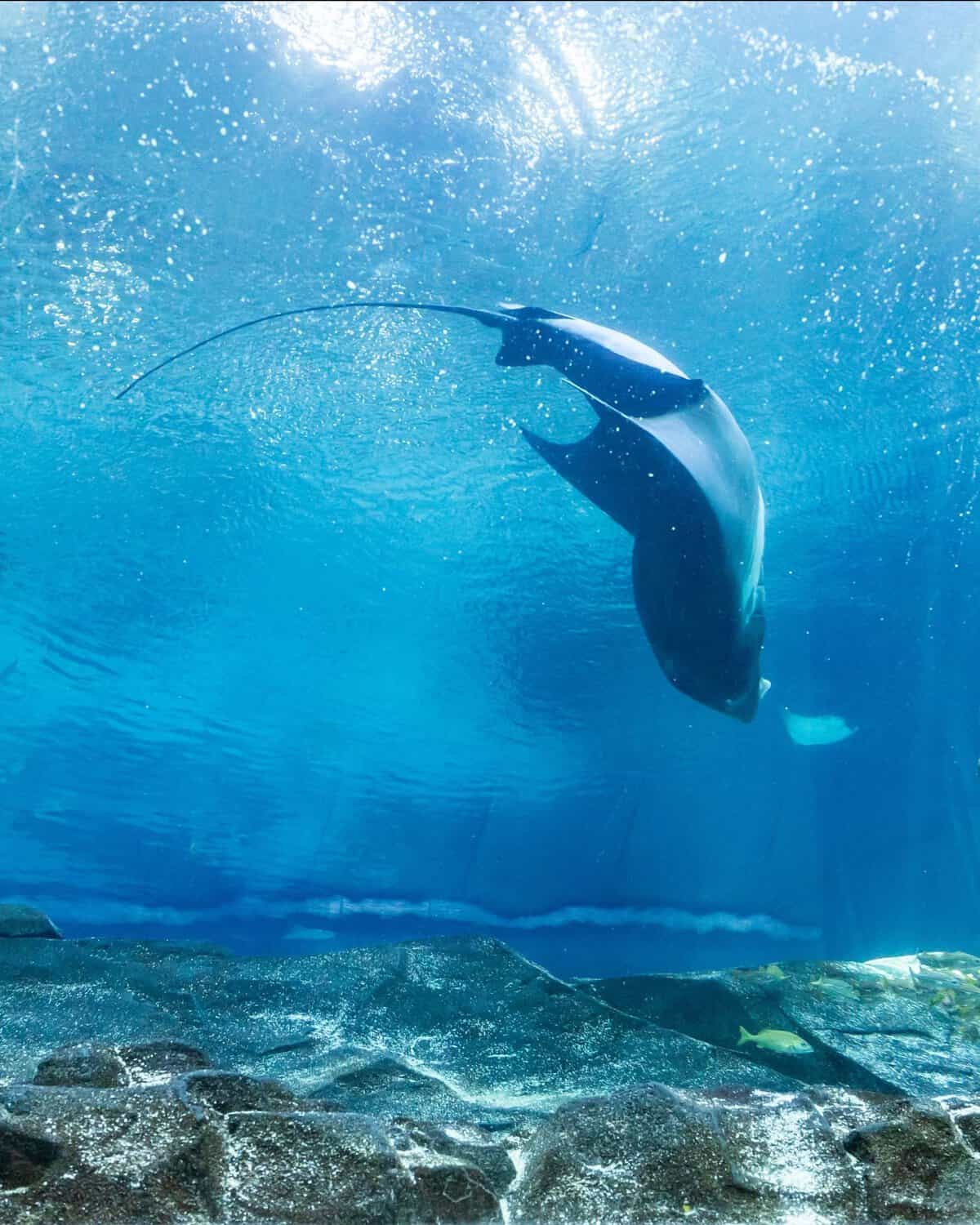
The Georgia Aquarium in Atlanta is the largest aquarium in the Western Hemisphere and the only place in the U.S. where you can watch whale sharks in person. Four of these enormous, gentle filter feeders share the Ocean Voyager exhibit with thousands of other marine animals.
The Ocean Voyager tank holds more than ten million gallons of water, and the viewing tunnel that passes through it puts you directly beneath the whale sharks as they move overhead. The effect, even for people who thought they were prepared for it, tends to stop them mid-step.
The aquarium’s exhibits extend well beyond the main tank, with dedicated spaces for beluga whales, African penguins, sea otters, and a coral reef gallery that rivals anything outside of the natural reef itself.
The location in downtown Atlanta means the aquarium sits within walking distance of the World of Coca-Cola and the National Center for Civil and Human Rights, making it a natural anchor for a full day in the city.
Where: Georgia Aquarium, 225 Baker St NW, Atlanta, GA 30313
2. Monterey Bay Aquarium, California
The Monterey Bay Aquarium exists in its own category — not just as a destination but as one of the world’s most respected marine research institutions. It opened in 1984 in a converted sardine cannery on Cannery Row, and its relationship to the bay outside has always been entirely serious.
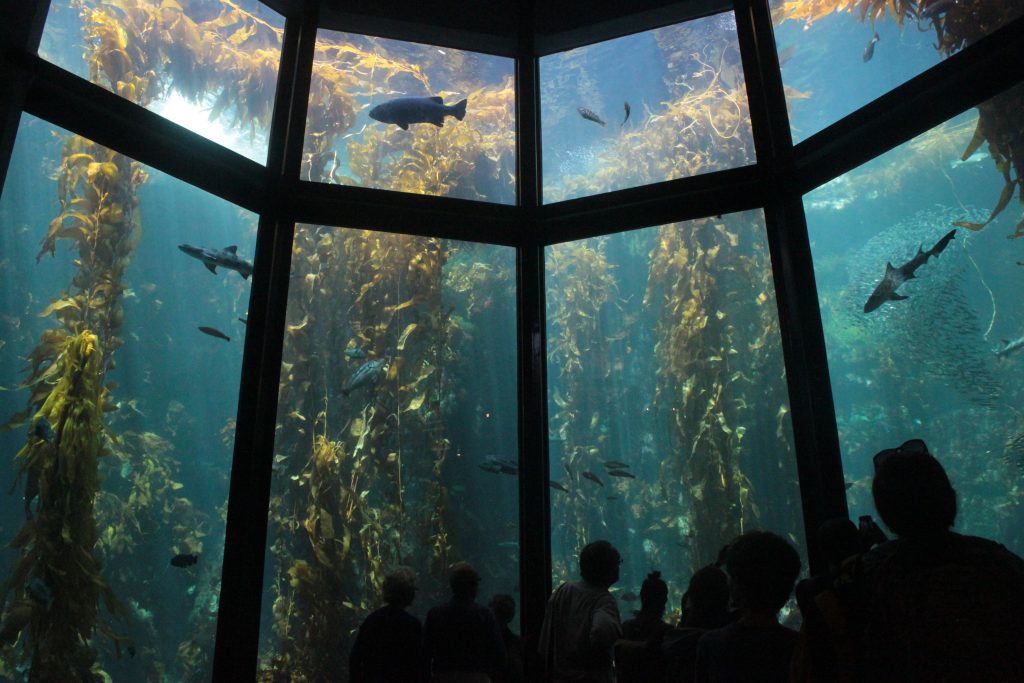
The three-story kelp forest exhibit holds an 18-foot column of living kelp with sunfish, leopard sharks, and schooling fish moving through its fronds under natural light filtered from above. Watching it sway is hypnotic in a way that indoor environments rarely achieve.
The Open Sea gallery houses ocean sunfish, which can exceed a thousand pounds and look like something that shouldn’t exist, alongside hammerhead sharks and the kind of Pacific pelagic life that almost nobody sees outside of a documentary.
A sea otter rehabilitation program operates on-site, and the animals recovered there occasionally appear in exhibits before being returned to the wild — giving the whole institution a purpose that goes beyond display.
Where: Monterey Bay Aquarium, 886 Cannery Row, Monterey, CA 93940
3. Shedd Aquarium, Illinois
Chicago’s Shedd Aquarium has been one of the most beloved institutions in the city since it opened in 1930, and it has evolved considerably from its origins as a freshwater fish collection into one of the most comprehensive aquatic institutions in the country.
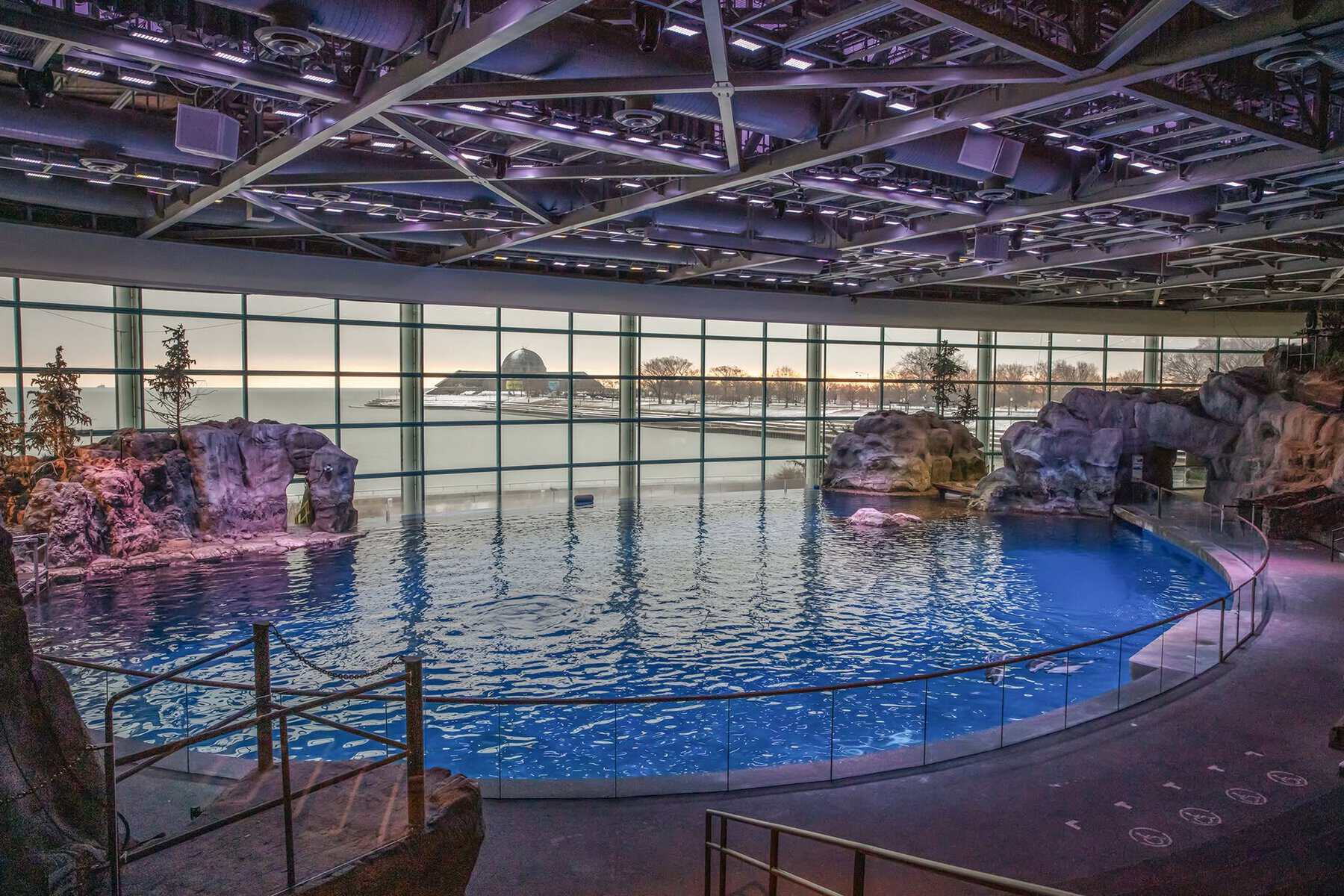
The Oceanarium is the Shedd’s most celebrated exhibit — a vast indoor habitat replicating the Pacific Northwest coast, with beluga whales and Pacific white-sided dolphins in pools connected to an indoor sea, surrounded by coastal forest and framed against the Chicago skyline through floor-to-ceiling windows.
Caribbean Reef, the Shedd’s centerpiece exhibit, holds a 90,000-gallon cylinder visible from multiple floors, with a rotating roster of sharks, rays, and tropical fish in a circular tank that encourages visitors to slow down and watch rather than move through quickly.
Abbott Oceanarium’s dolphin and whale presentations focus on the animals’ natural behaviors and the science of their biology, giving every show an educational dimension alongside the spectacle.
Where: Shedd Aquarium, 1200 S DuSable Lake Shore Dr, Chicago, IL 60605
4. National Aquarium, Maryland
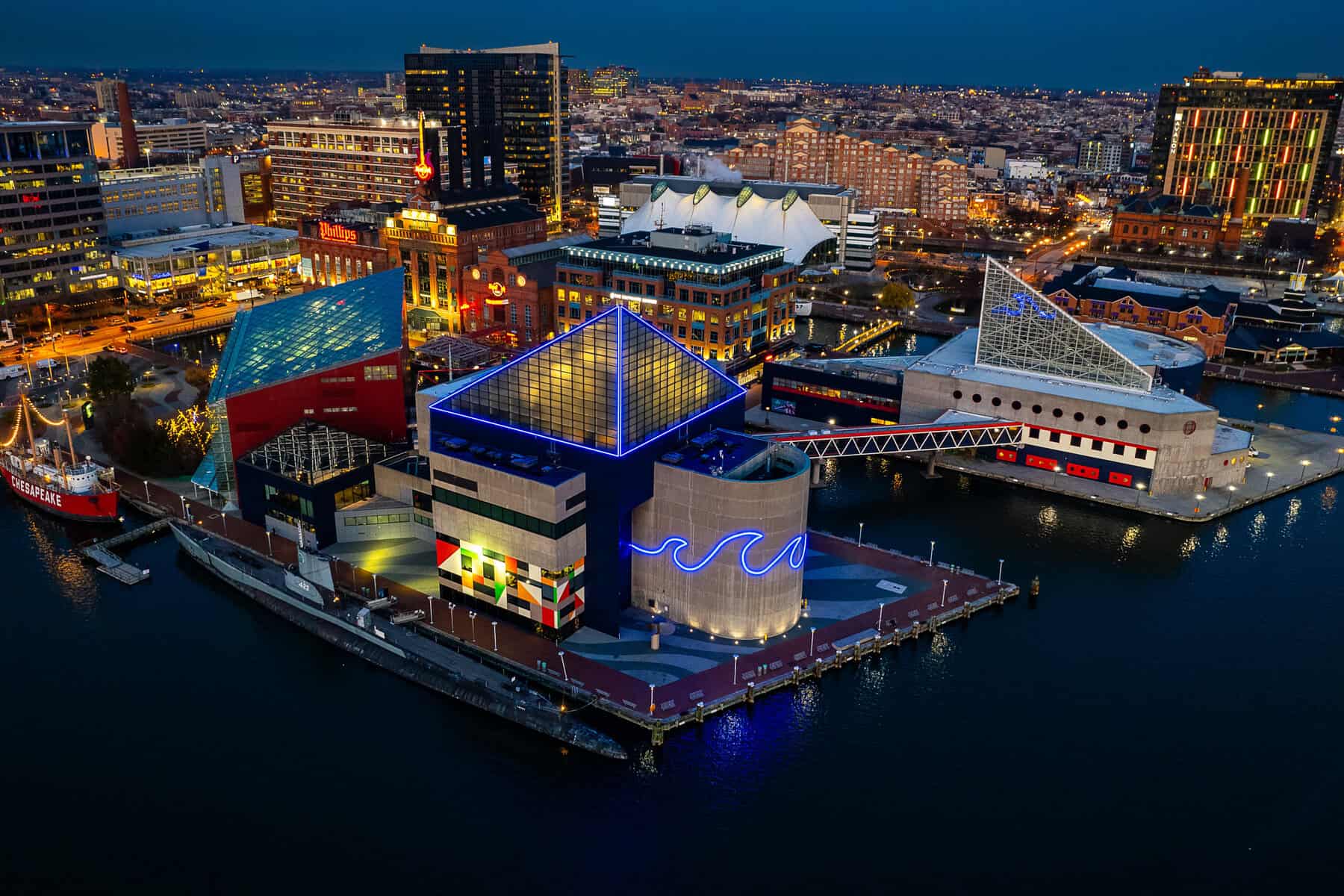
The National Aquarium in Baltimore sits on the Inner Harbor waterfront, and the building itself — stepped glass pyramids descending to the water — has been a defining feature of the harbor’s skyline since 1981.
It houses more than 20,000 animals across connected wings and multiple immersive ecosystems.
The Pacific Coral Reef exhibit recreates a living reef that visitors descend into from above, moving through three floors from surface to depth. The sandbar and sand tiger sharks circle through coral with the patience of animals that have dominated their ecosystem for hundreds of millions of years.
Australia: Wild Extremes focuses on the continent’s distinctive freshwater and ocean habitats, with animals found nowhere else in any other American aquarium.
The experience of moving from an Australian river ecosystem to a coastal habitat without leaving the building reflects the National Aquarium’s commitment to context over spectacle.
The aquarium also operates an Animal Care and Rescue Center, where sick and injured marine mammals receive treatment before being returned to the wild.
Where: National Aquarium, 501 E Pratt St, Baltimore, MD 21202
5. Tennessee Aquarium, Tennessee
The Tennessee Aquarium is built around a premise most coastal aquariums never consider: the extraordinary diversity of freshwater ecosystems.
The River Journey building traces the Tennessee River from mountain headwaters to the ocean, introducing remarkable life that inhabits American freshwater systems before most visitors have thought to wonder about it.
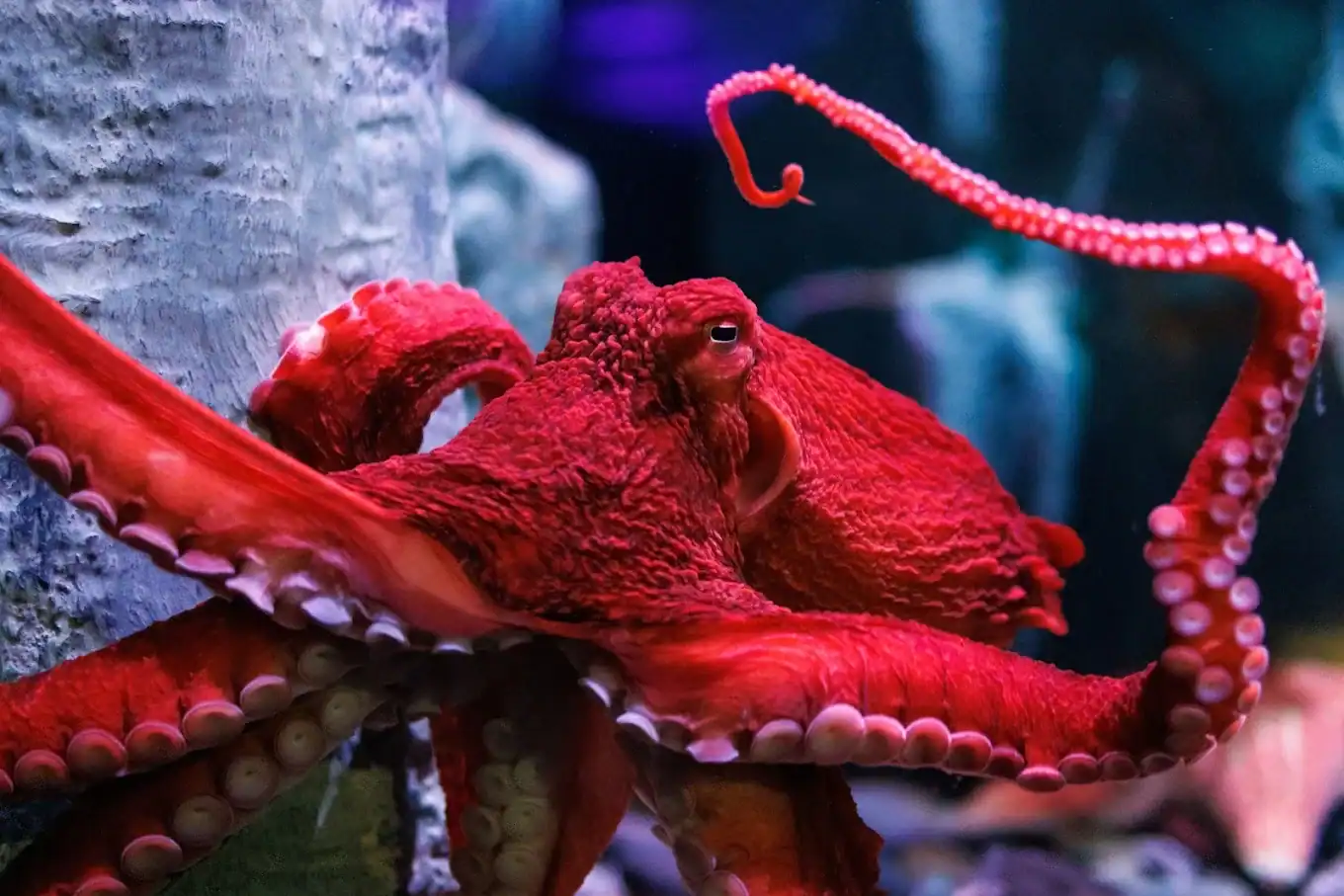
The sturgeon gallery holds paddlefish and lake sturgeon — prehistoric-looking fish that can exceed five feet in length — in tanks that give visitors a close look at creatures most of them have never encountered outside the pages of a nature guide.
The Ocean Journey building provides the counterpoint, with a coral reef, jellyfish gallery, and butterfly garden that expand the aquarium beyond its freshwater identity without abandoning it.
The location on the banks of the Tennessee River adds a specific resonance to the freshwater exhibits that coastal aquariums simply can’t replicate. You are looking at animals that live in the water, visible just outside the building.
Where: Tennessee Aquarium, 1 Broad St, Chattanooga, TN 37402
6. New England Aquarium, Massachusetts
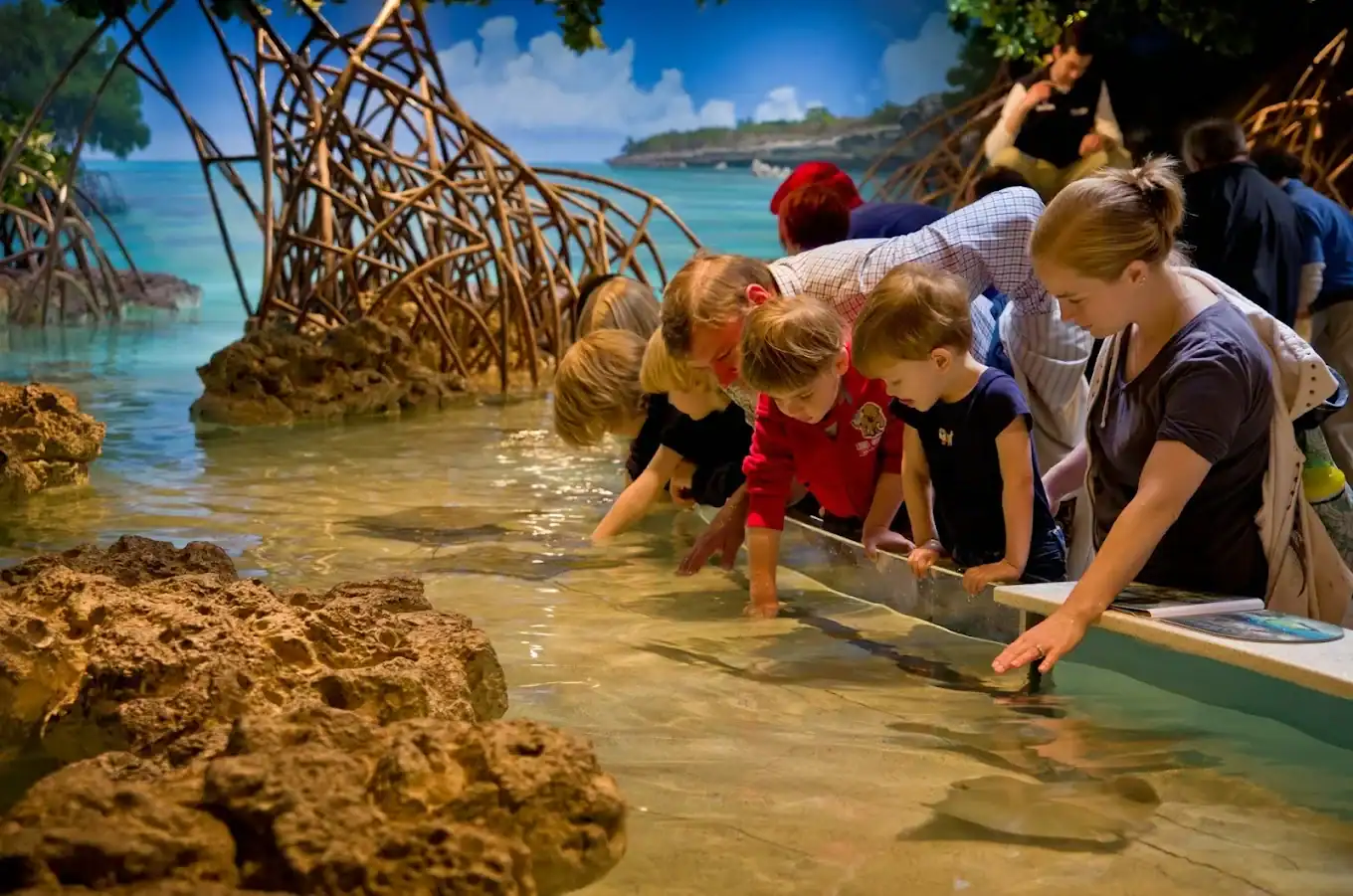
The New England Aquarium on the Boston waterfront has been making the case for marine conservation since 1969, and its Giant Ocean Tank — a 200,000-gallon coral reef habitat rising four stories through the center of the building — is one of the great aquarium exhibits in the country.
The tank is built as a spiral ramp that visitors descend from the top, encountering different reef levels at each turn. Sharks, sea turtles, and hundreds of tropical fish share the space with living coral in a presentation that changes on every visit as the animals move freely.
Harbor seals in the outdoor exhibit greet visitors before they even enter the building, establishing an informal and slightly theatrical welcome that sets the aquarium’s character early.
The aquarium’s whale watching programs, run on boats departing from the same dock, extend the experience into the actual ocean and provide some of the most reliable whale encounters on the East Coast during the right months.
Where: New England Aquarium, 1 Central Wharf, Boston, MA 02110
7. Seattle Aquarium, Washington
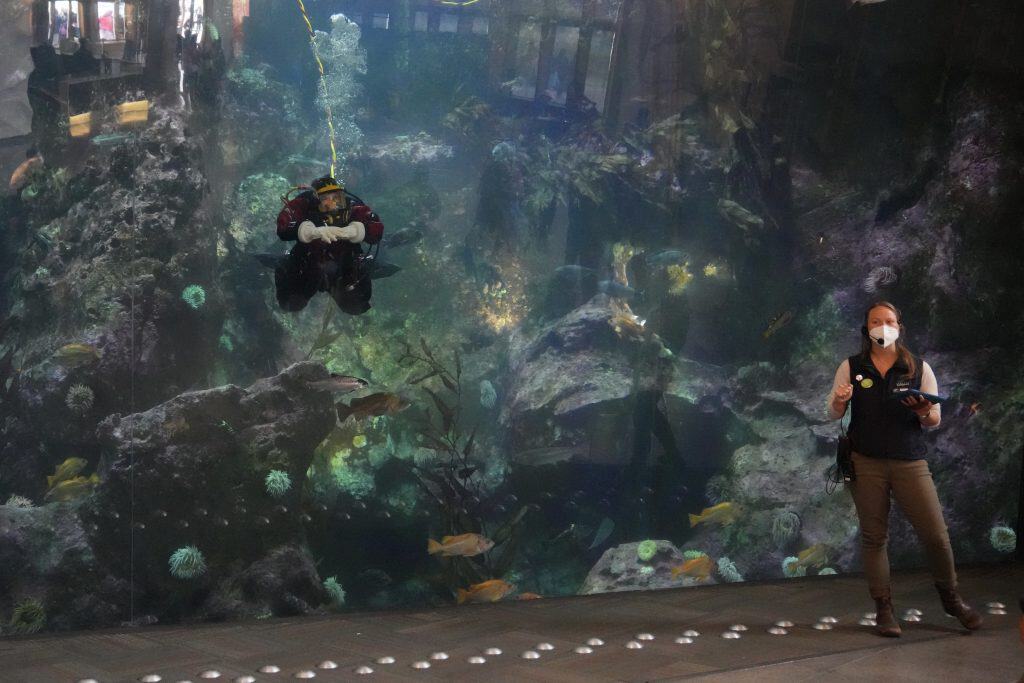
The Seattle Aquarium sits directly on Pier 59 along the Elliott Bay waterfront, which means its relationship to the Pacific Ocean isn’t metaphorical — the water outside the building is the water inside the tanks, connected in a way that most landlocked aquariums can’t claim.
The Window on Washington Waters exhibit holds a 120,000-gallon tank representing a local rock reef. Wolf eels, giant Pacific octopus, and rockfish share a preserved slice of the seafloor just outside the pier.
The giant Pacific octopus draws visitors who stand at the glass longer than they planned.
Marine mammal exhibits featuring harbor seals and sea otters populate the outdoor section, and the feeding demonstrations there give younger visitors the tactile, close-up encounter that makes aquarium animals feel genuinely real rather than decorative.
The aquarium recently completed a significant expansion, adding new exhibits and significantly improving the visitor experience while maintaining the waterfront character that has always been the institution’s most distinctive quality.
Where: Seattle Aquarium, 1483 Alaskan Way, Seattle, WA 98101
8. Texas State Aquarium, Texas
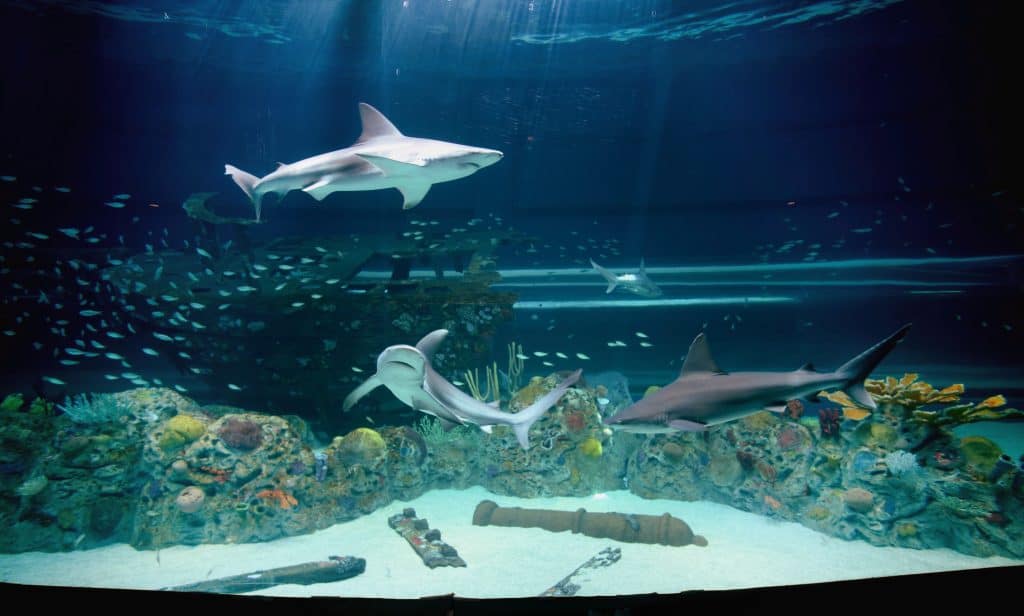
The Texas State Aquarium sits on Corpus Christi Bay, and its focus on the Gulf of Mexico ecosystem gives it a regional identity most aquariums don’t attempt. The goal is to make the Gulf legible — to explain what lives in these specific waters and why it matters.
The Caribbean Journey exhibit, the aquarium’s largest, holds a Gulf coral reef environment with more than thirty species of sharks and rays moving through living coral alongside the thousands of smaller reef fish that depend on that structure for survival.
A dolphin exhibit features Atlantic bottlenose dolphins in a large outdoor habitat with a rolling wave machine, and the aquarium’s rescue and rehabilitation work with wild dolphins gives the program a mission that goes beyond the usual show format.
The Otter Space exhibit houses North American river otters with the kind of playful, interactive design that tends to produce longer visits than any other animal habitat in the building.
Where: Texas State Aquarium, 2710 N Shoreline Blvd, Corpus Christi, TX 78402
9. Downtown Aquarium, Colorado
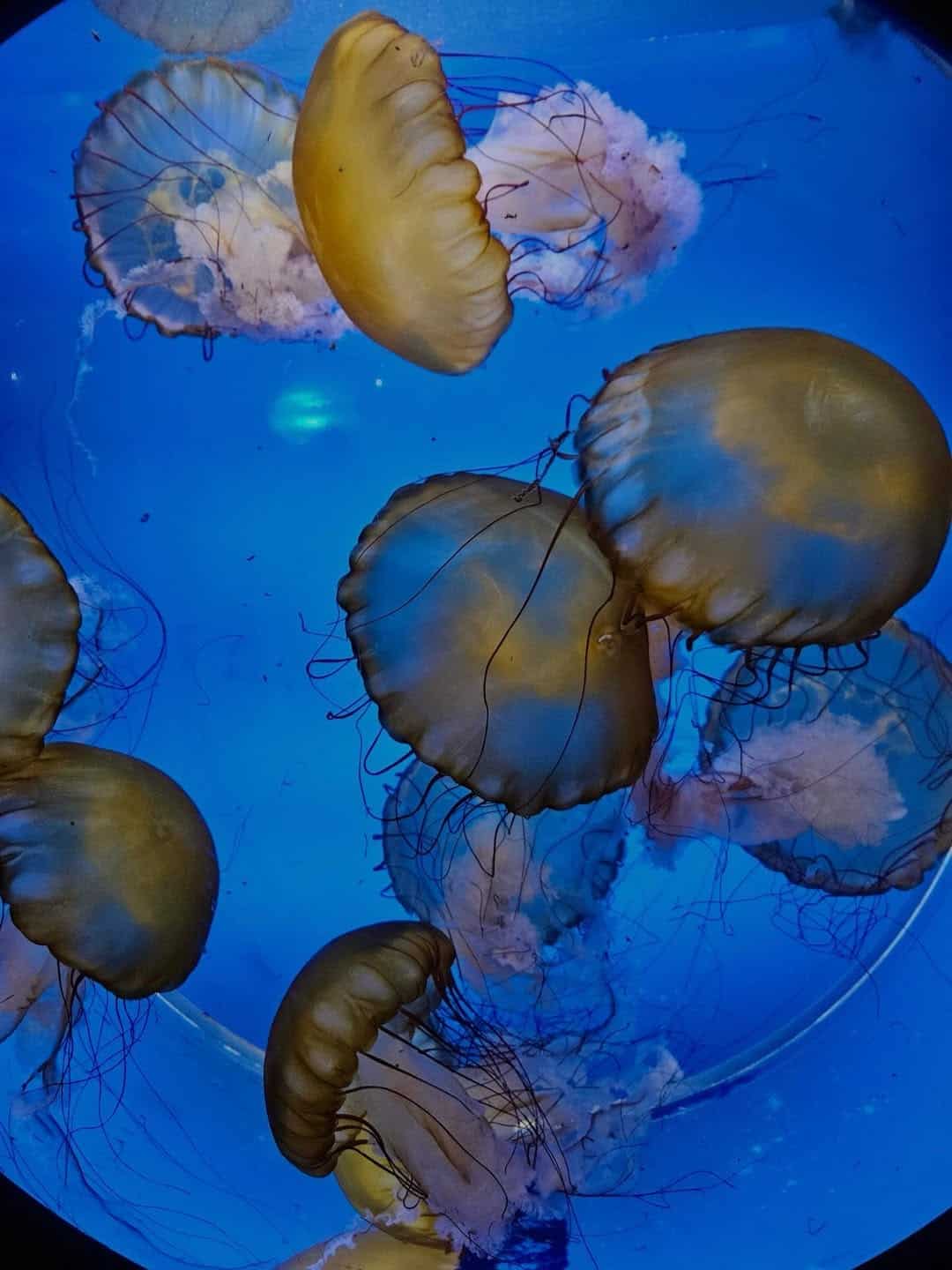
Denver’s Downtown Aquarium is genuinely unusual in the world of American aquariums, not just for its landlocked location but for the way it integrates its aquatic exhibits with a full restaurant, carnival rides, and an entertainment district that makes it function as both a serious aquarium and an all-day destination.
The aquarium holds more than 500 species across several distinct ecosystems, including a rainforest exhibit with exotic birds moving freely through the canopy overhead, a stingray touch tank, and an exhibit devoted to the white tigers that have become the institution’s most talked-about residents.
Sunken Statues of Easter Island houses moray eels and tropical fish in a setting that turns cultural history into an underwater tableau — an unusual approach that younger visitors tend to find particularly memorable.
The aquarium restaurant offers dining directly adjacent to the fish tanks, turning the meal itself into an extension of the aquarium experience in a way that most visitors describe as unexpectedly enchanting.
Where: Downtown Aquarium, 700 Water St, Denver, CO 80211
10. Florida Aquarium, Florida
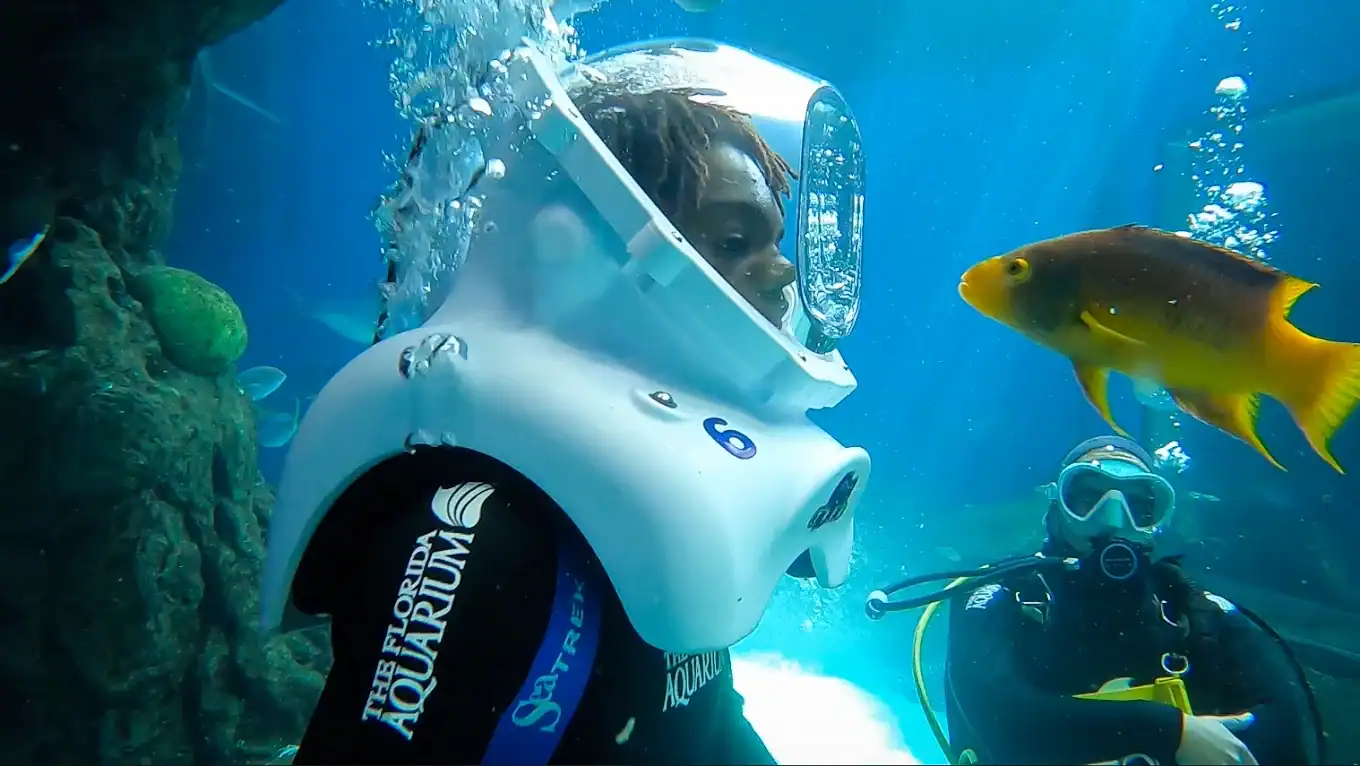
Tampa’s Florida Aquarium focuses its attention on the ecosystems of Florida specifically — the mangroves, the coral reef, the freshwater springs, the open Gulf — and the depth of that regional focus gives even visitors who thought they knew Florida something genuinely new to discover.
The Coral Reef gallery reproduces a Florida Keys reef ecosystem with nurse sharks, loggerhead sea turtles, and the reef fish community that depends on coral structure for survival.
The aquarium’s conservation program grows new coral for transplanting onto degraded natural reefs, making the exhibit actively connected to real restoration work.
Wild Florida, an outdoor wetland exhibit, introduces alligators, river otters, herons, and shorebirds in a re-created Florida ecosystem that reminds visitors that the state’s extraordinary wildlife extends well beyond its beaches.
The aquarium’s swim-with-the-fishes programs and scuba dive experiences in the shark tank offer closer encounters for visitors who want something more active than observation.
Where: Florida Aquarium, 701 Channelside Dr, Tampa, FL 33602
The Tank Is Never Just the Tank
There’s a reason children go quiet at the glass of a large aquarium exhibit. Something in the scale of it — the volume of water, the volume of life, the silence — bypasses whatever ordinary social behavior they arrived with and replaces it with pure, unguarded attention.
Adults do the same thing when they let themselves. The whale shark is overhead at the Georgia Aquarium. The kelp forest is swaying in California. The giant Pacific octopus is considering you from two feet away through cold glass in Seattle.
These ten aquariums span the country — from the Gulf Coast to the Pacific Northwest, from Chicago to Boston to the Colorado mountains. Each has its own ecosystem and identity, but all offer the same essential experience: the particular quiet of being in the presence of life that doesn’t know you’re there.
Go looking for that quiet. It has a way of staying with you considerably longer than the exhibit itself.
More stories




Share this story