7 U.S. Destinations That Make Solo Travel Feel Like the Best Decision You’ve Ever Made

The first time I traveled alone, I spent the first evening in the hotel room second-guessing every decision I’d made. The restaurant downstairs sounded crowded, and I didn’t want to eat at a table meant for two. I turned on the TV and thought about going home.
Then I went down anyway, sat at the bar, and had the best conversation of that entire trip.
The food was fine. The conversation was what made the evening worth writing about.
Solo travel has a learning curve, but most of it is emotional rather than logistical. The hardest part isn’t finding things to do. It’s giving yourself permission to enjoy them without someone else’s schedule to align with and someone else’s preferences to accommodate.
Once that permission clicks into place, solo travel becomes something else entirely — not an absence, but a presence.
The right destination helps enormously. Some cities are built for going alone. Walkable, curious, full of counter seating and communal tables and public spaces that feel genuinely welcoming rather than exclusively couple-oriented.
The seven destinations below are exactly that kind of city. Each one has a different character and a different version of the welcome — but all of them make going it alone feel less like a gap in the plans and more like the plan itself.
Below are seven of the best places in the country to experience that — cities and towns where going solo feels like a feature, not a compromise.
1. Portland, Oregon
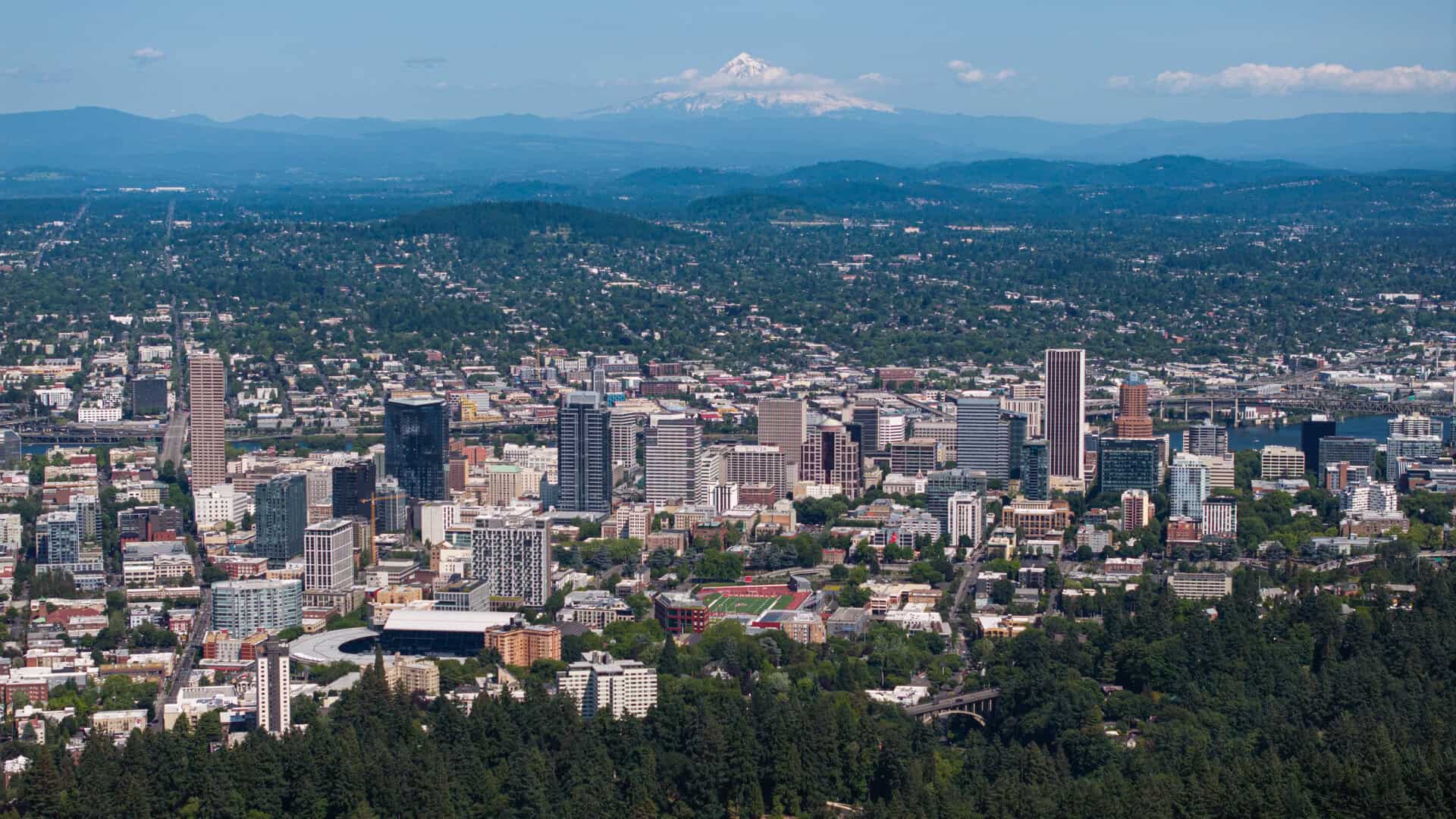
Portland was practically designed for the independent traveler.
The city rewards walking in every direction, with neighborhoods that shift character block by block — from the bookshops and coffee roasters of the Pearl District to the Saturday market that draws artisans, food vendors, and anyone with nowhere specific to be.
The food cart culture here is a solo traveler’s particular gift. A city block filled with a dozen different cuisines, eaten outdoors at communal picnic tables, removes every awkwardness of dining alone. You just pick something, find a seat, and join whoever else is eating.
Portland’s independent spirit extends to its social culture. Strangers talk to each other in line, at brewery taprooms, at bookstore events that seem to happen constantly.
The city has the particular energy of a place where people arrived specifically because they were looking for something, and haven’t stopped looking.
Powell’s Books, the largest independent bookstore in the country, is the kind of place where an afternoon disappears without warning — which, for a solo traveler, is exactly the kind of afternoon worth looking for.
The city’s coffee culture means there are dozens of excellent places to sit alone with something to read and feel entirely at home in doing so.
2. Savannah, Georgia
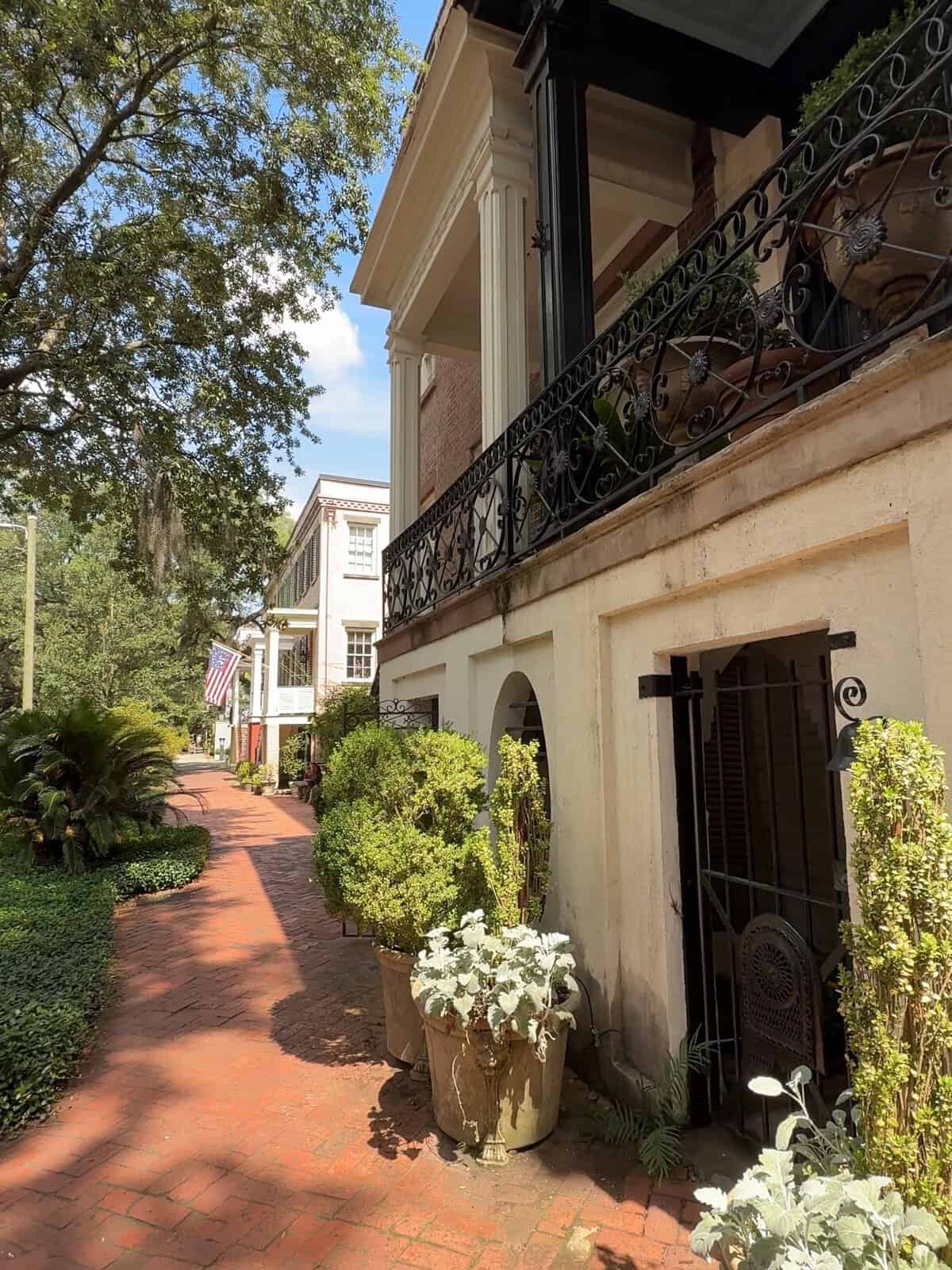
Savannah is the most naturally suited Southern city for walking alone and feeling entirely at ease.
Twenty-two historic squares are arranged through the city like rooms in a very large house, each offering shade, benches, and the unhurried atmosphere that makes simply sitting and watching feel like a legitimate activity.
The city’s food and drink scene has a relaxed, come-as-you-are quality that makes solo dining feel comfortable at almost any establishment.
The bars along River Street and the wine bars tucked into the downtown historic district both have the counter-facing seating culture that solo travelers find welcoming.
Ghost tours run every evening and draw mixed groups of visitors and curious locals — the kind of organized activity that naturally creates conversation without requiring any particular social effort from anyone involved.
The Savannah College of Art and Design has embedded a creative energy throughout the city that shows up in unexpected galleries, public installations, and the general aesthetic sensibility of the downtown.
The squares themselves are the real feature. A city where you can eat something good, find a shaded bench, and watch the city move around you without anyone expecting you to be anywhere else is a rare and genuinely restorative thing.
3. New Orleans, Louisiana
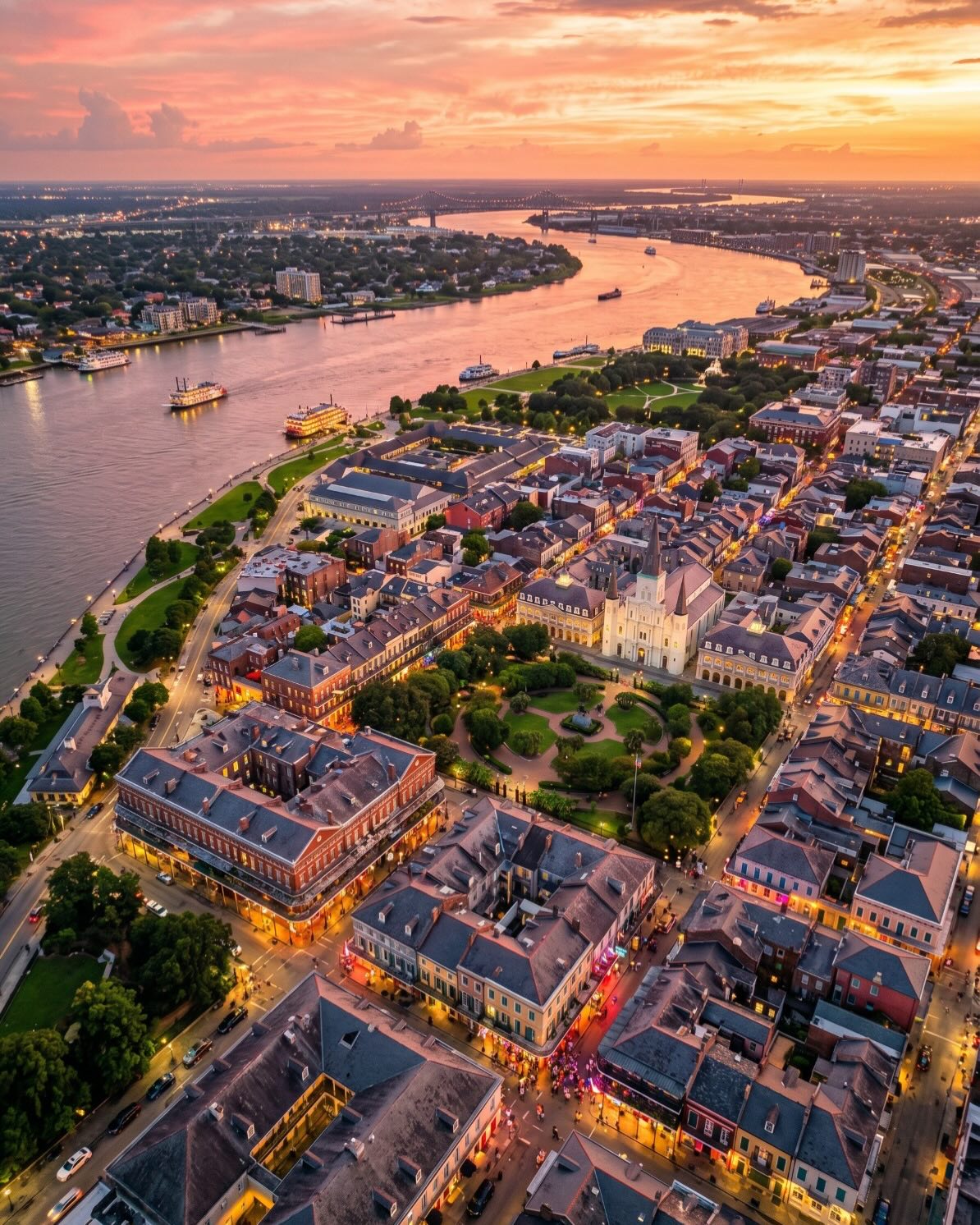
New Orleans asks less of solo travelers than almost anywhere. The city’s culture is communal and exuberant in a way that absorbs individuals into the collective experience without requiring much effort on the part of the individual. You show up, you walk, things happen.
The French Quarter’s open-container policy means the entire neighborhood functions as an outdoor social space, and the live music drifting from open doorways creates a soundtrack that follows you wherever the evening leads.
Nobody is waiting for a party to start. The party is already running.
Beyond the Quarter, neighborhoods like the Garden District, the Bywater, and Frenchmen Street offer quieter, more local versions of the city’s hospitality.
Frenchmen Street in particular has a late-night jazz scene where strangers stand shoulder to shoulder in small clubs, and the music makes conversation unnecessary.
The food here is reason enough to go alone. Without anyone else’s appetite to negotiate, you can eat the turtle soup at one spot, the cochon de lait at another, and the beignets whenever the afternoon demands it.
The city’s museum culture, from the National WWII Museum to the Ogden Museum of Southern Art, gives quieter afternoons the kind of depth that solo travelers tend to appreciate most.
4. Santa Fe, New Mexico
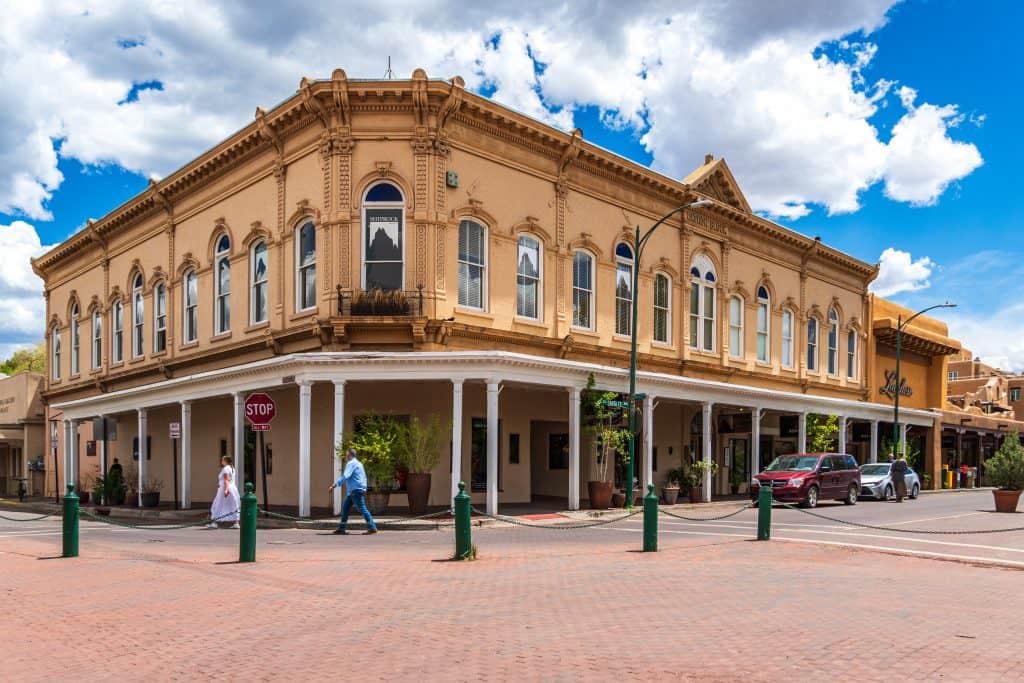
Santa Fe operates at a pace that solo travelers tend to find immediately comfortable. The city moves slowly by design, shaped by centuries of adobe architecture that keeps temperatures cool and by a gallery culture that encourages looking carefully and taking your time.
The Plaza at the city’s center anchors a walkable downtown that rewards exploration in any direction. Canyon Road alone — a narrow, winding street lined with over one hundred galleries, studios, and gardens — can fill an entire unhurried morning without repeating a single experience.
The food scene carries the influence of Pueblo, Spanish colonial, and Mexican culinary traditions — a combination that makes Santa Fe one of the most distinctive dining destinations in the Southwest.
The Saturday farmers market has the warm, unhurried energy that most markets aspire to and few actually achieve.
Hiking trails reach the Sangre de Cristo Mountains directly from the city, and solo hikers on those trails tend to find a particular kind of company — the type that nods, says something briefly about the view, and leaves you comfortably to your own thoughts.
The city’s long history as an arts colony means the creative community is visible and accessible, with studio tours, opening receptions, and gallery walks available to anyone curious enough to look.
5. Minneapolis, Minnesota
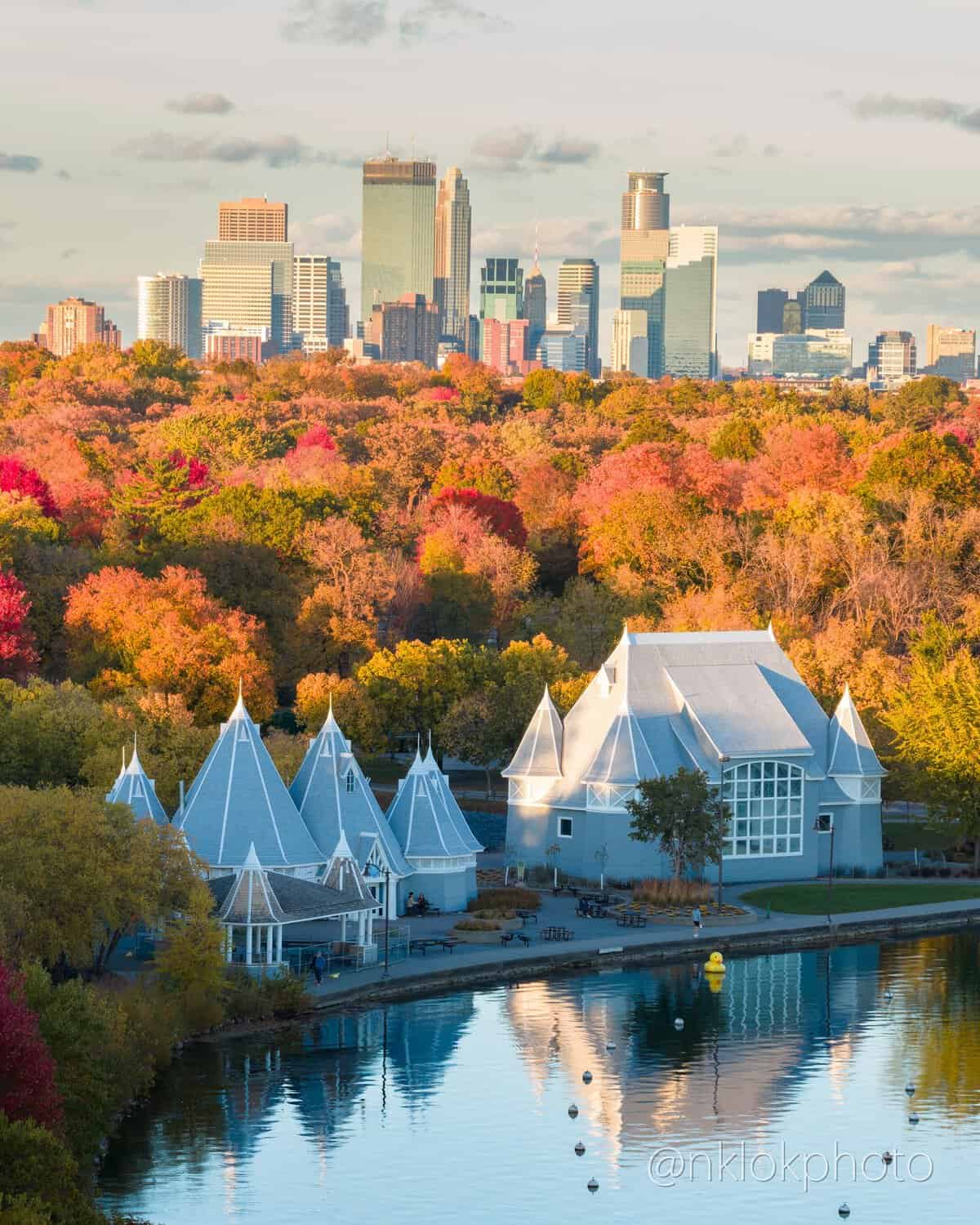
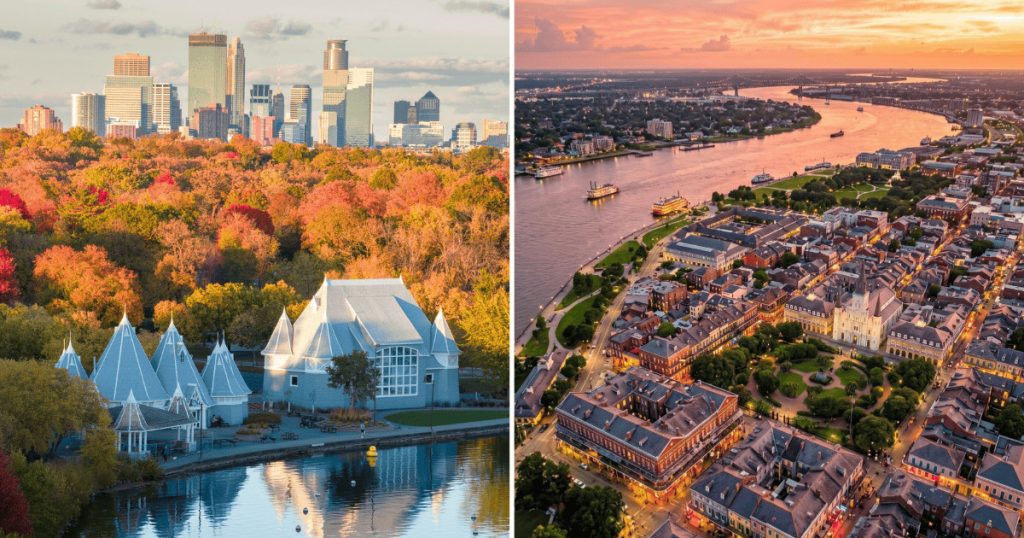
Minneapolis consistently surprises people who haven’t spent time there. The city has a robust food and arts scene, a genuinely walkable urban core, and the particular warmth of a place that has been accused of cold insularity and decided to prove the accusation wrong.
The skyway system — miles of enclosed second-story walkways connecting downtown buildings — gives the city a unique indoor urban landscape to explore during winter months, though the summers here are expansive and active in a way that renders the skyways mostly unnecessary.
The lakes within the city limits are a genuine urban luxury. Bde Maka Ska, Lake Harriet, and the chain of lakes connected by a paved trail system provide an effortlessly beautiful outdoor circuit that solo walkers, runners, and cyclists share in a comfortable community of movement.
First Avenue, the legendary music venue that launched Prince’s career, still hosts shows most nights of the week, and the bar culture surrounding the Warehouse District gives solo evenings the social energy that music venues almost always provide better than restaurants.
The Minneapolis Institute of Art is one of the finest encyclopedic art museums in the Midwest, and it’s free to visit — the kind of resource that turns a rainy afternoon into something unexpectedly memorable.
6. Austin, Texas
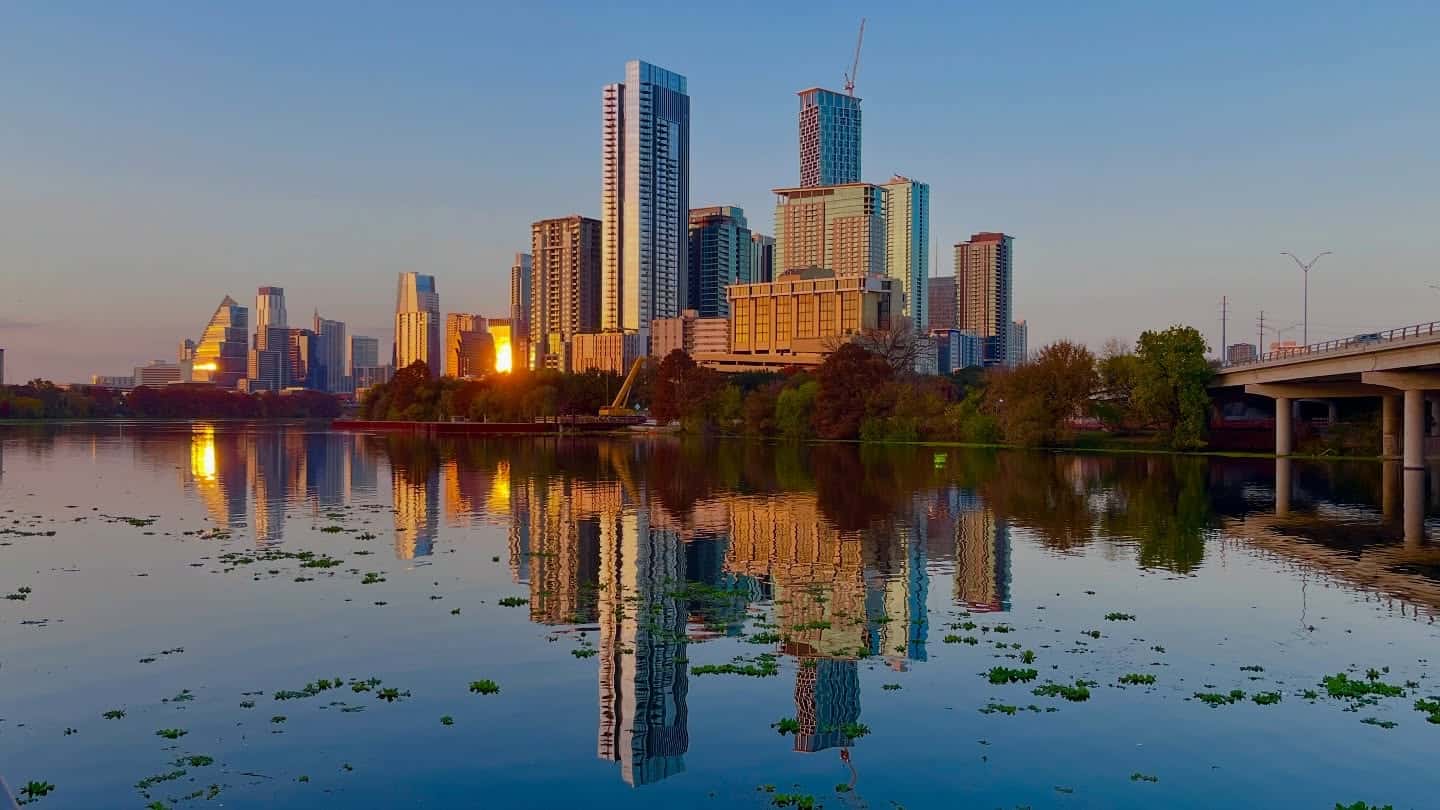
Austin’s identity is built on live music, outdoor space, and an anything-goes social culture that extends a genuine welcome to whoever shows up, regardless of whether they showed up with anyone.
The city has been absorbing transplants and visitors for long enough that “just arrived” is practically a permanent demographic.
Sixth Street and the Rainey Street bar district provide the loud, social end of the evening spectrum.
But Austin’s outdoor culture — Barton Springs Pool, the hike-and-bike trail around Lady Bird Lake, the Greenbelt in the summer heat — offers a quieter, more restorative version of the same openness.
The food truck clusters scattered through the city remove every pressure of solo dining. You order at a window, find a picnic table, eat at whatever pace feels right, and nobody is calculating how long you’ve been occupying a table meant for revenue optimization.
The music venues here range from the enormously famous to the completely unknown, which gives any solo evening the particular pleasure of wandering until something sounds right and going in.
The South Congress neighborhood, lined with independent shops and restaurants from top to bottom, is the kind of street that solo travelers can wander for hours without running out of things to look at.
7. Boulder, Colorado
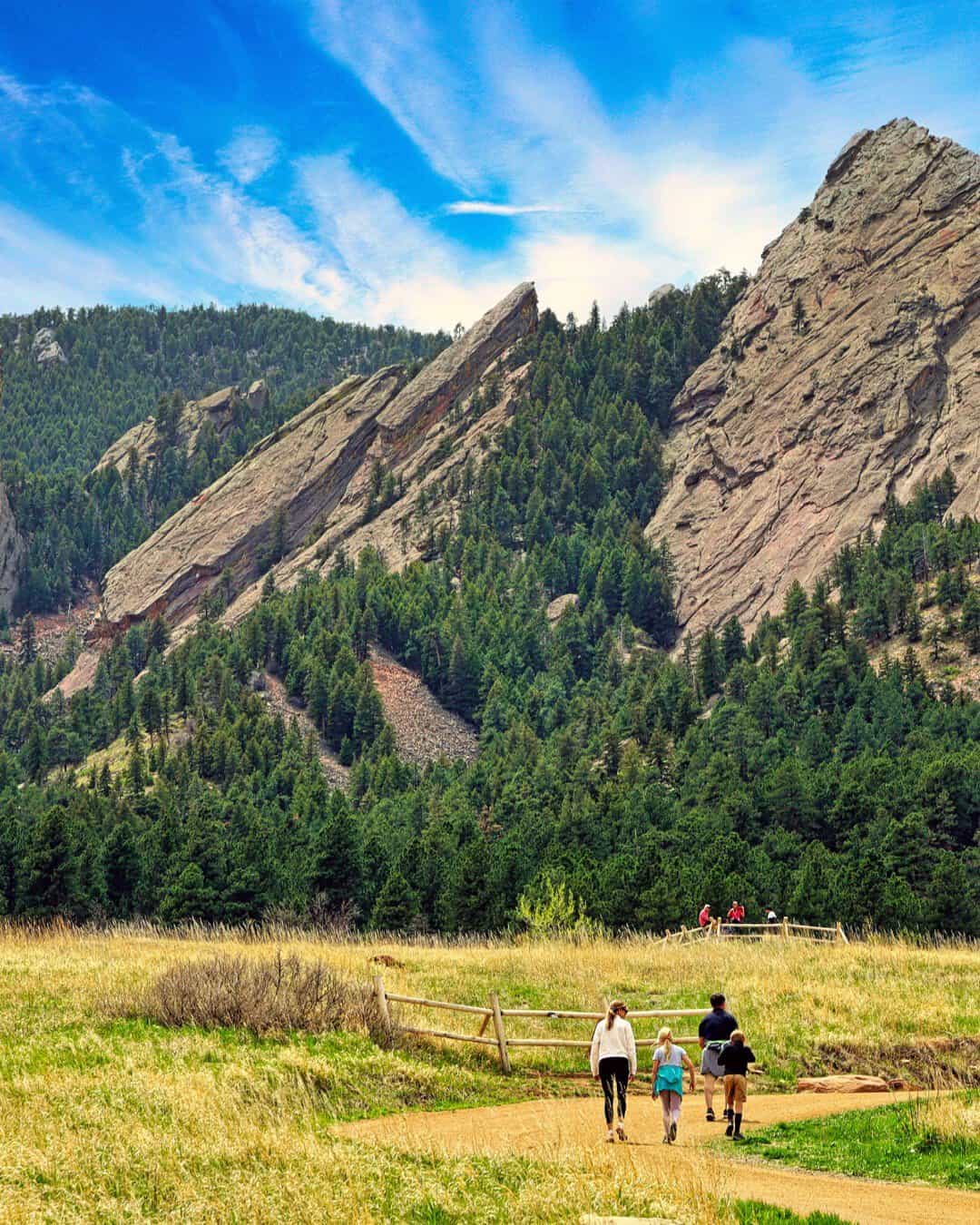
Boulder offers solo travelers something most cities don’t deliver: the sense that you are welcome whether you’re trying to accomplish something or not.
The outdoor orientation means solitary activity — a long hike, a bike ride, a coffee shop afternoon overlooking the Flatirons — is essentially the local default.
The Pearl Street Mall, a pedestrian-only stretch of historic downtown, is the kind of walkable gathering place that American cities rarely manage this well.
Street performers, outdoor dining, independent retailers, and people watching it all from the sidewalk create a social energy that requires nothing from any individual participant.
Chautauqua Park at the base of the Flatirons is one of the most beautiful city-adjacent hiking destinations in the country. Trails leave the meadow and climb into the rock formations, offering both technical challenges and gentler walks depending on what the morning calls for.
The concentration of independent coffee shops, the brewery culture, and the general athleticism of the city all reflect a place where solo time is well spent — outdoors, in motion, or somewhere quiet with a very good cup of coffee and something worth reading.
The weekly farmers market on Pearl Street draws locals with the kind of communal Saturday morning energy that solo travelers find easy and pleasant to move through.
On Going Somewhere Alone
Solo travel has a particular relationship with confidence that most people notice only in retrospect. You make decisions without consultation and live with them entirely. You eat what you want, at whatever hour. You stay longer at what interests you and leave early from what doesn’t.
Over the course of even a long weekend, those small freedoms accumulate into something that feels genuinely clarifying.
None of these seven cities requires you to be an experienced solo traveler or a particularly social one. They just require you to show up and let the place do what it does. The bar seat is there. The trail is there. The window table with the view is there.
Going somewhere alone isn’t the consolation prize version of travel. For a certain kind of trip, at a certain kind of moment, it’s the only version that makes complete sense. Any one of these seven places will make that case convincingly from the first afternoon.
The world is considerably more interesting when you’re moving through it at your own pace, without explanation or compromise.
Pick one. Book it. Bring only what you actually need, which turns out to be less than you think.
And when you sit down somewhere alone for the first time and the evening opens up in a direction you didn’t plan, remember that the second-guessing was the only thing that was ever in the way. It gets easier every time.
More stories
Share this story