10 Three-Michelin-Star Restaurants in America That Represent the Country’s Most Extraordinary Dining Experiences

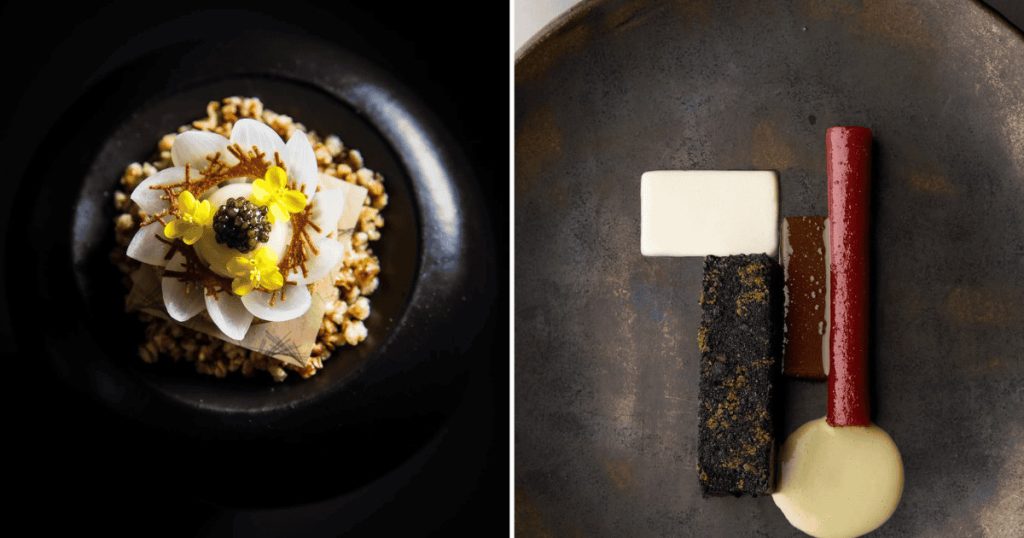
I keep a mental list of meals I want to have before I die. Most of them aren’t at fancy restaurants. They’re a specific slice of pizza in a city I haven’t been to yet, or a dish I ate once and have never been able to recreate.
But somewhere near the top of that list is always a seat at a restaurant that has genuinely earned three Michelin stars.
The Michelin Guide, started by the French tire company in 1900 to encourage road travel, became the world’s most respected restaurant rating system almost by accident.
Three stars is its highest designation — awarded only to restaurants offering what the guide describes as “exceptional cuisine worth a special journey.”
There are fewer than a dozen restaurants in the United States holding that distinction at any given time. Below are ten of them, each one representing a completely different vision of what the highest level of American dining can look and taste like.
1. The French Laundry, California
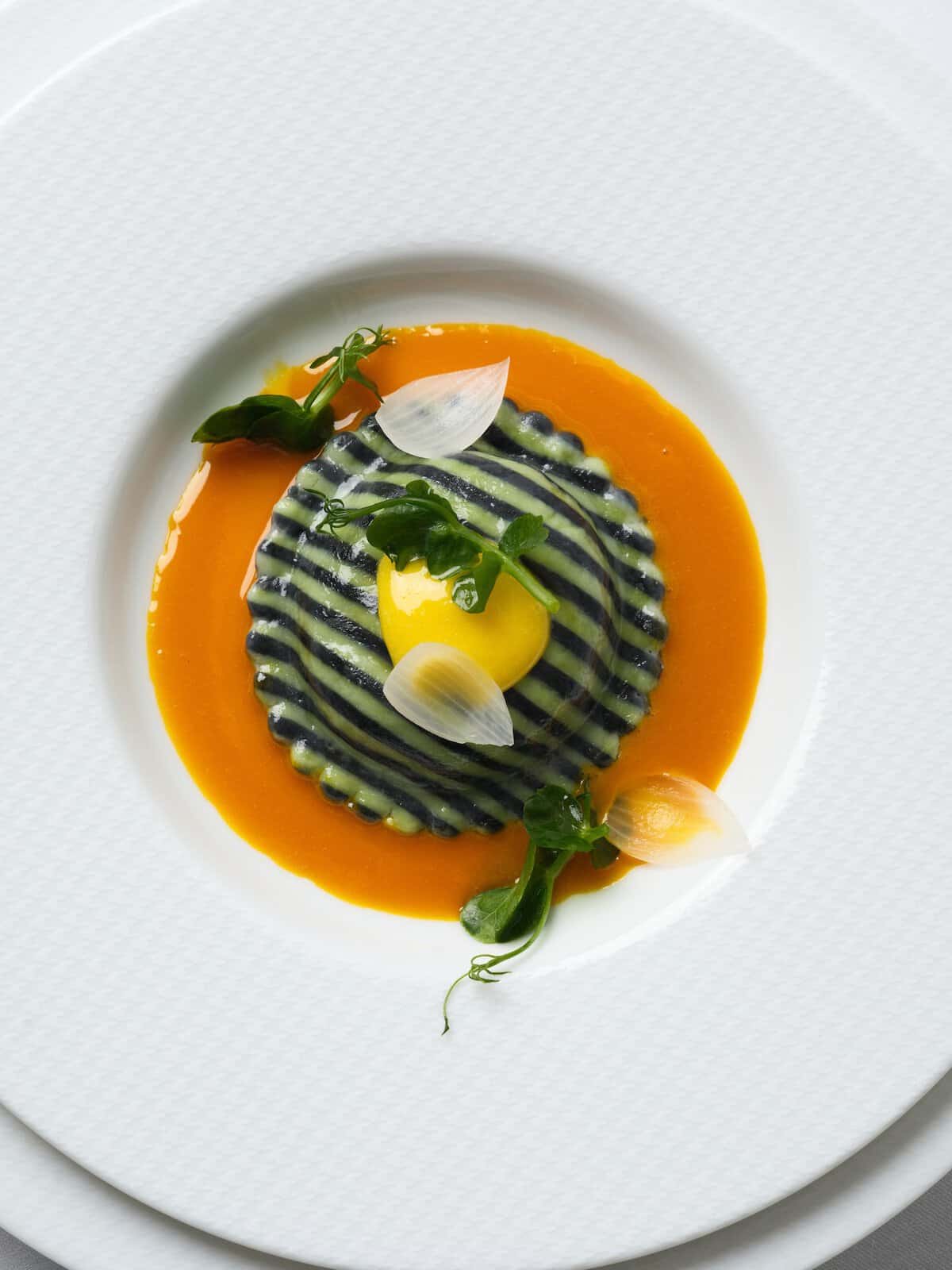
If there is one restaurant that changed American fine dining’s trajectory, most food historians point to The French Laundry.
Thomas Keller opened it in 1994 in a former stone laundry building in Yountville, California, and within a decade, it had become the most influential restaurant in the country.
The tasting menu rotates entirely, built around what’s best on a given day from Keller’s extensive network of farmers and foragers. The kitchen produces two separate tasting menus each service — the chef’s tasting and a vegetable-focused menu — so no two tables are eating the same meal.
“Oysters and Pearls,” a dish of tapioca, Island Creek oysters, and caviar in a sabayon sauce, has appeared on the menu for decades and is considered one of the great dishes in American culinary history.
The restaurant’s culinary garden sits across the road, providing herbs and vegetables harvested the same morning they appear on the table. The surrounding Napa Valley adds a landscape that would make any meal feel like an occasion.
Where: The French Laundry, 6640 Washington St, Yountville, CA 94599
2. Alinea, Illinois
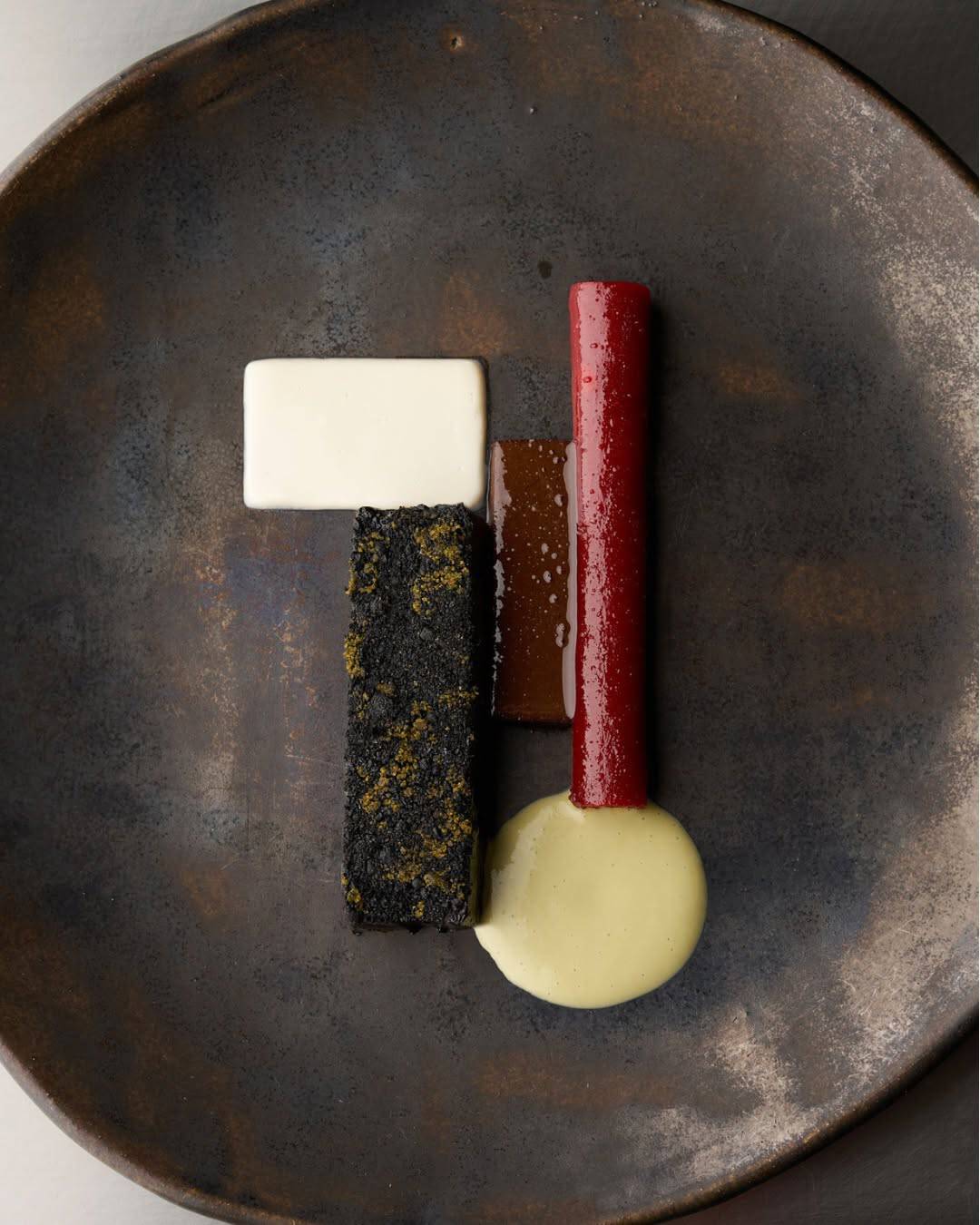
Grant Achatz opened Alinea in Chicago in 2005, and what he built there has never quite been replicated anywhere.
The restaurant treats dining as a performance, producing dishes that arrive in formats that challenge everything you thought you knew about how food could be presented and experienced.
A helium-inflated edible balloon made from green apple taffy. A tableside dessert painted directly onto the table surface. Dishes that disappear as you eat them, or arrive as a single perfect bite suspended from a wire above the plate.
None of it is a gimmick for its own sake. The flavors in each creation are as carefully constructed as the theater around them, which is what makes the experience genuinely stunning rather than merely clever.
Alinea underwent a full renovation and reopening in 2016, and Achatz’s battle with tongue cancer — a diagnosis that threatened to end his ability to taste — gives the restaurant’s commitment to flavor an additional layer of meaning that many diners carry with them to the table.
Where: Alinea, 1723 N Halsted St, Chicago, IL 60614
3. Le Bernardin, New York
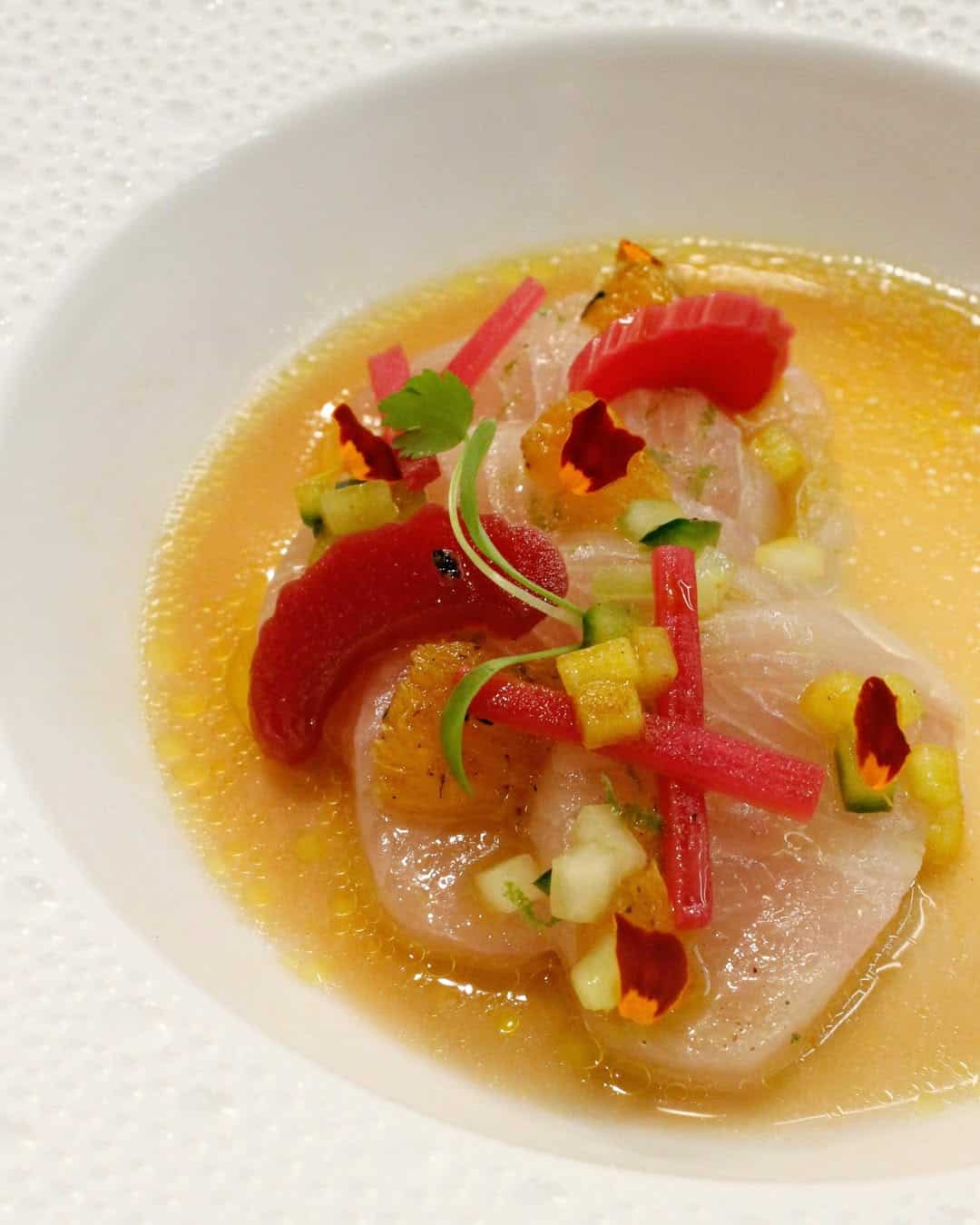
Eric Ripert has been cooking seafood at Le Bernardin in Midtown Manhattan since 1994, and the restaurant has held three Michelin stars for as long as the guide has operated in New York. The premise is simple: serve the finest possible seafood with the restraint the ingredient deserves.
“Barely touched” is the descriptor that appears most often on the menu — fish cooked to temperatures that seem impossible, textures that border on raw without being raw, sauces that amplify rather than compete with the ocean flavors underneath.
The dining room carries the quiet confidence of a restaurant that has nothing left to prove. Burgundy banquettes, soft lighting, and a service team that anticipates without hovering create an atmosphere that makes extraordinary cooking feel effortless.
Ripert trained at Jamin in Paris under Joël Robuchon and at Tour d’Argent before bringing that classical French foundation to New York, where he has spent his entire American career perfecting one of the most focused menus in the country.
Where: Le Bernardin, 155 W 51st St, New York, NY 10019
4. Eleven Madison Park, New York
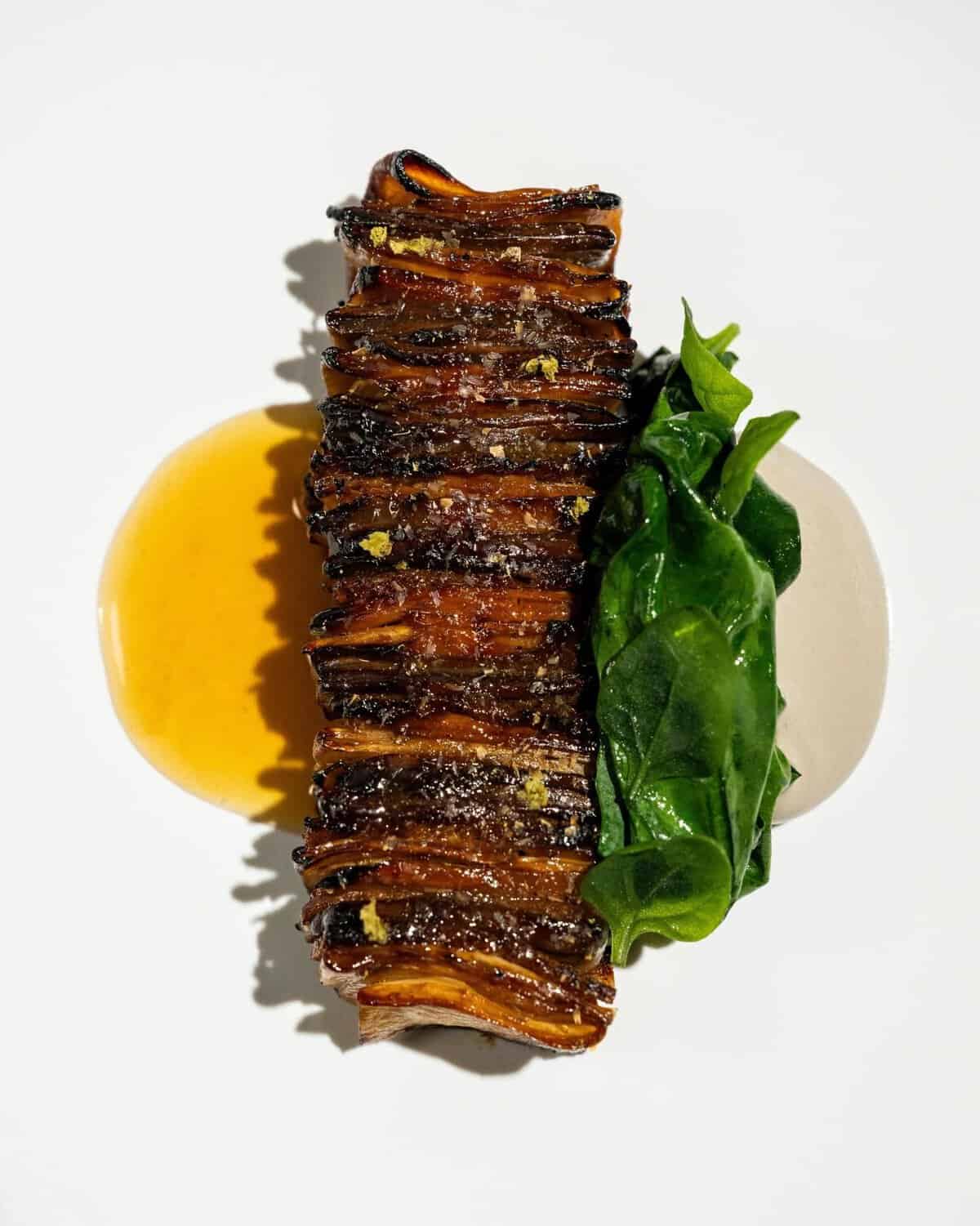
Daniel Humm’s Eleven Madison Park occupies a soaring Art Deco dining room overlooking Madison Square Park in Manhattan. Its journey over the past two decades has been one of the most dramatic in American restaurant history — in 2017, it was named the best restaurant in the world.
In 2021, Humm converted the menu entirely to plant-based cooking — no meat, no seafood, no animal products — and the tasting menu retained its three Michelin stars. It became the first fully plant-based restaurant in the country to hold that distinction.
The decision emerged from Humm’s belief that the most rigorous creative challenge in contemporary cuisine lies in coaxing the same luxury and depth from vegetables, grains, and legumes that classical cooking derived from animal products.
The result — deeply technical, visually extraordinary, rooted in New York’s agricultural seasons — is a different kind of meal than almost anything else available at this level.
Where: Eleven Madison Park, 11 Madison Ave, New York, NY 10010
5. Inn at Little Washington, Virginia
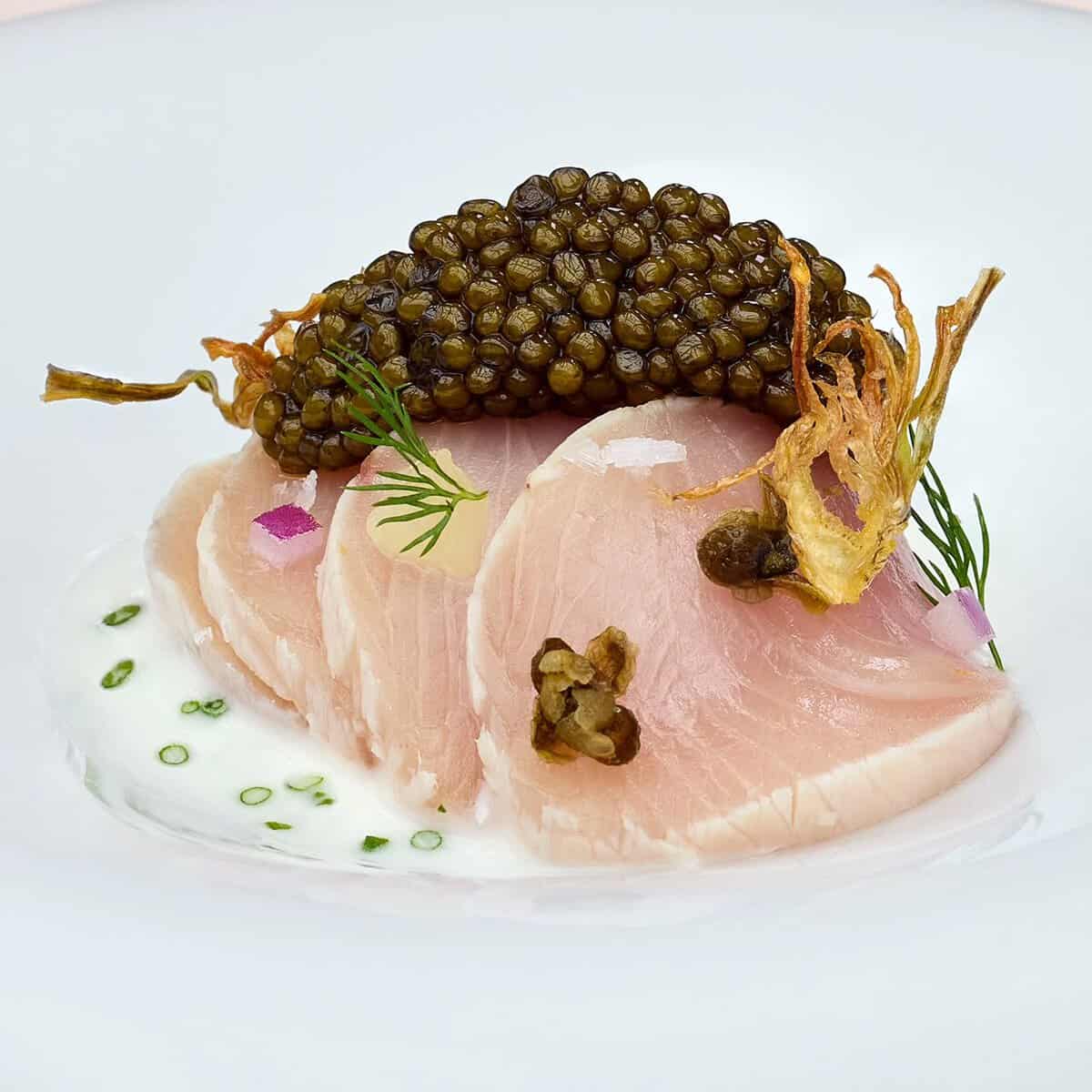
Patrick O’Connell has cooked in the village of Washington, Virginia, since 1978, building one of the most decorated restaurants in the country in a location that made almost no conventional sense.
The Inn at Little Washington earned three Michelin stars and proved extraordinary dining doesn’t require a metropolitan zip code.
The dining room is theatrical in the best way — draped in rich fabrics, warmed by soft light — with a setting that feels transported from another era and continent. Guests who arrive treating it as a destination rather than just a dinner tend to experience it most fully.
O’Connell’s cooking draws from the Rappahannock County farms and gardens that surround the restaurant, interpreting Virginia’s seasonal pantry through a lens shaped by decades of French classical training and a deep, personal eccentricity that shows up on every plate.
The inn itself accommodates overnight guests, and the experience of waking up in the Blue Ridge foothills the morning after dinner adds a dimension no city restaurant can match.
Where: The Inn at Little Washington, 309 Middle St, Washington, VA 22747
6. Atelier Crenn, California
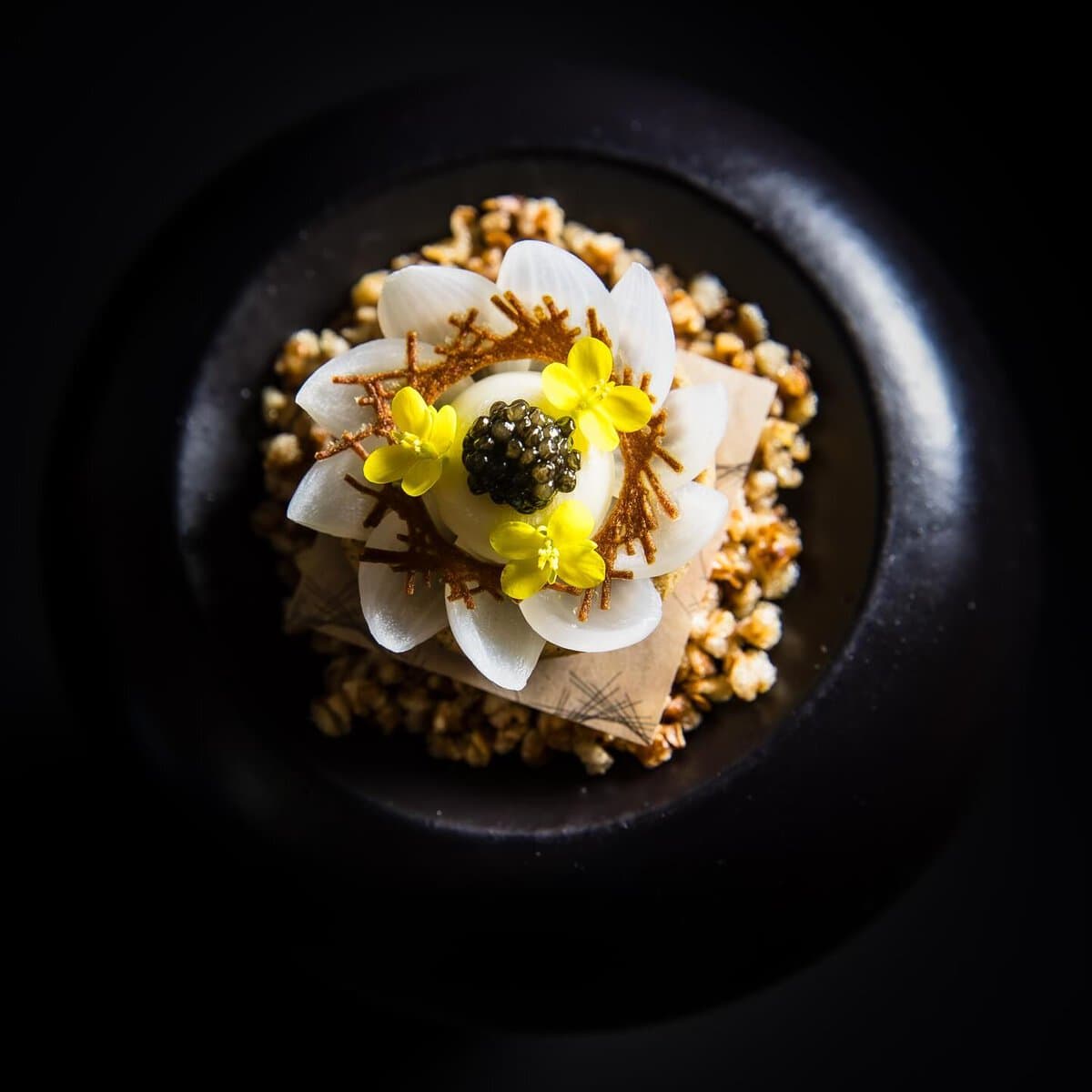
When Dominique Crenn earned her third Michelin star in 2018, she became the first female chef in the U.S. to hold that distinction. Her restaurant occupies a small space in San Francisco’s Cow Hollow neighborhood, and the menu reads not as a list of dishes but as a poem.
Each course is announced by a line of verse, and the food that arrives is Crenn’s interpretation of those words — abstract, emotional, rooted in her childhood memories of the Brittany coast in France.
The cooking is technically extraordinary, but the driving force is feeling rather than spectacle.
Atelier Crenn committed to eliminating meat from the menu in 2018, predating Eleven Madison Park’s similar decision by three years and making it among the earliest fine dining establishments to reorient around fish, seafood, and vegetables at this level.
Crenn’s personal story — including a breast cancer diagnosis that she navigated publicly while continuing to lead her restaurants — gives the experience of dining here a weight that menus alone cannot carry.
Where: Atelier Crenn, 3127 Fillmore St, San Francisco, CA 94123
7. Addison, California
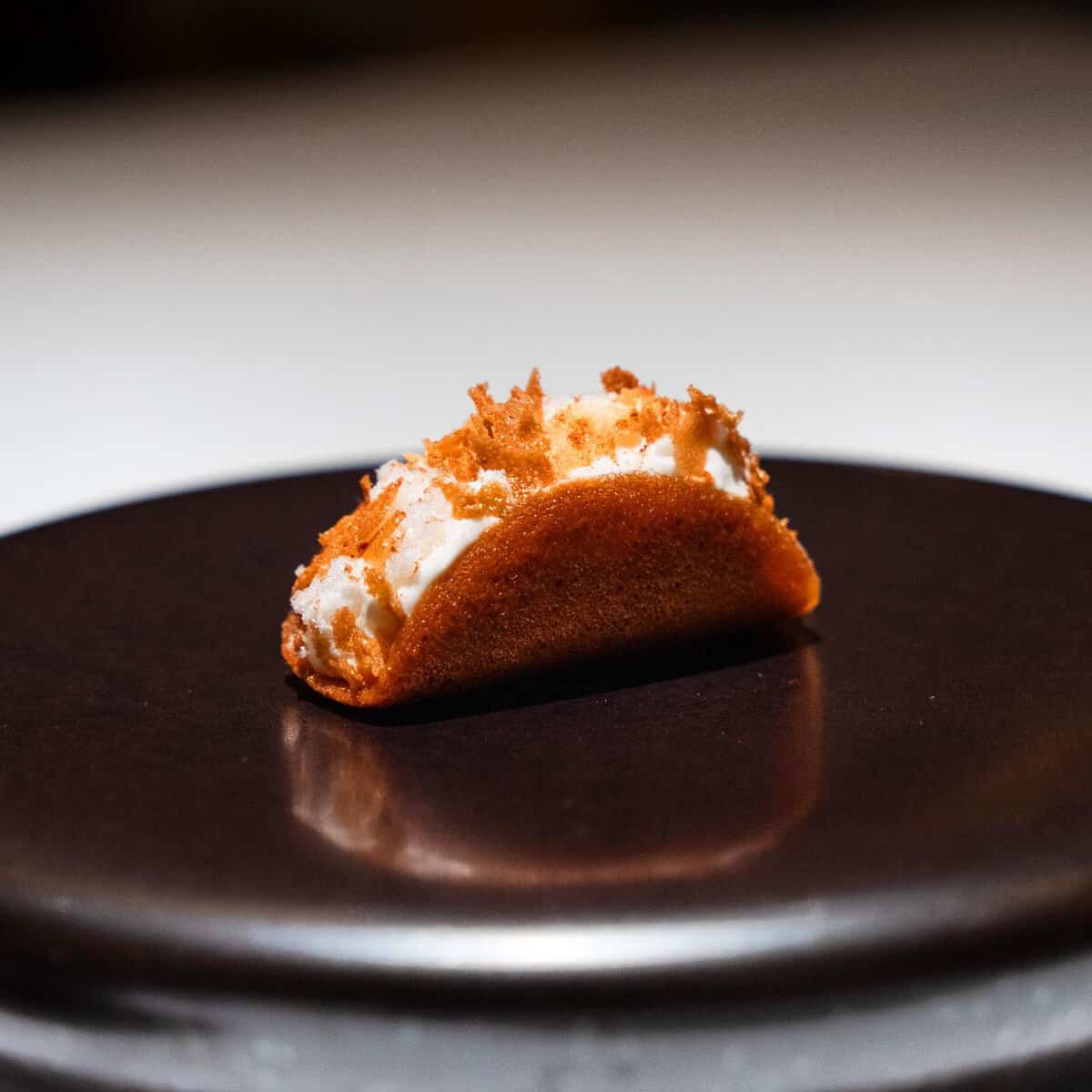
The first restaurant in San Diego to receive three Michelin stars, Addison represents something rare in American fine dining: a resort restaurant that genuinely justifies its place at the highest level.
Located within the Fairmont Grand Del Mar, it operates with an independence of vision that transcends its setting.
Chef William Bradley has spent his entire career at Addison, building a cuisine over two decades that draws from Southern California’s extraordinary pantry — Pacific seafood, desert-adjacent produce, and the agricultural abundance of San Diego County — while pulling from both French classical technique and broader global influences.
The dining room looks out over the resort’s canyon and gardens, and the sense of being in a landscape specific to this corner of the country informs every course.
Bradley’s decision to build his career in one place rather than moving through the conventional progression of celebrated kitchens gives Addison a rootedness that translates directly into the food.
Where: Addison at Fairmont Grand Del Mar, 5200 Grand Del Mar Ct, San Diego, CA 92130
8. Masa, New York
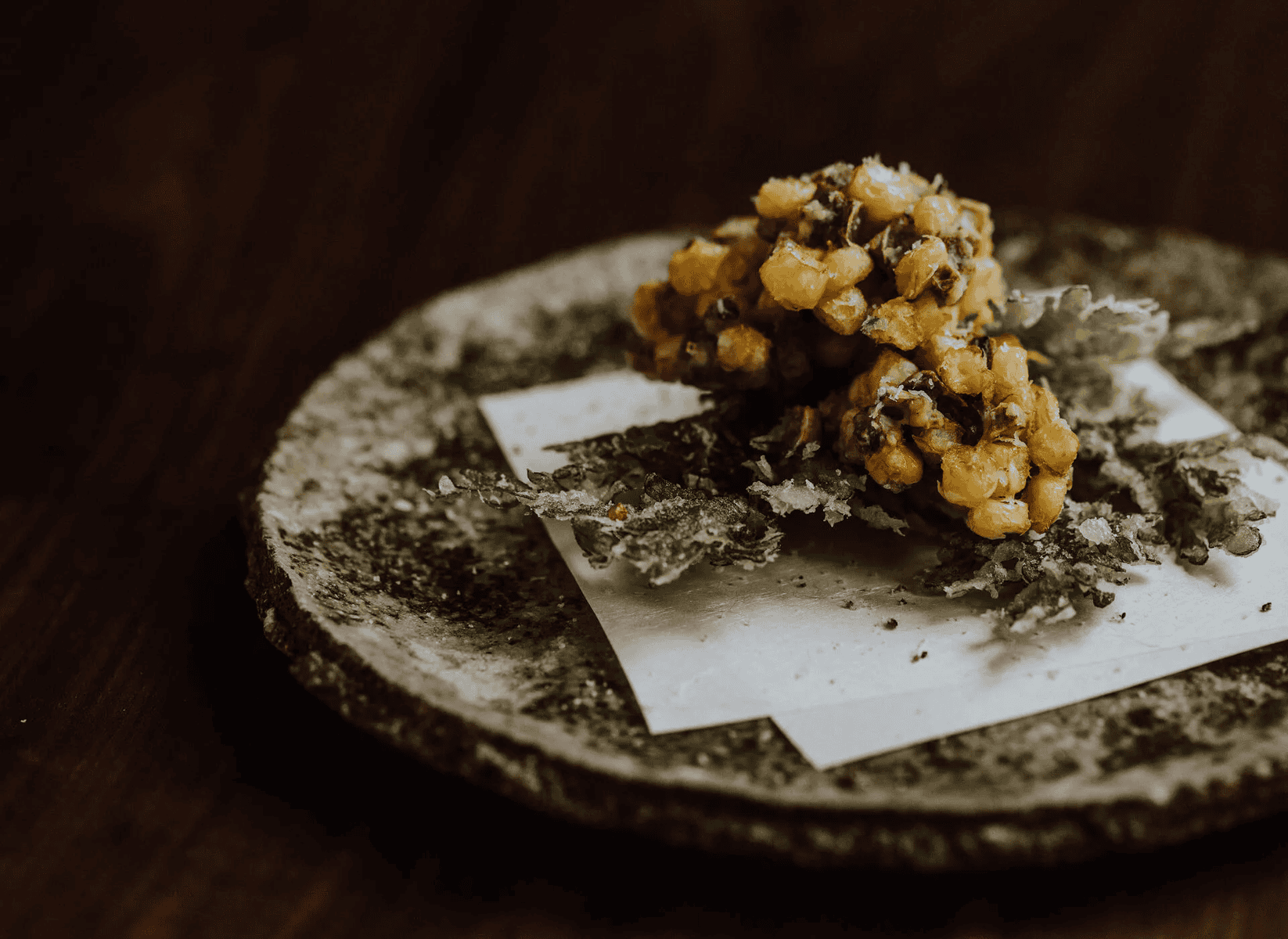
Masa may be the most intimate fine dining experience in the U.S. — ten seats at a single hinoki cypress counter in the Time Warner Center, where Masayoshi Takayama prepares an omakase meal of extraordinary Japanese cuisine.
No other New York restaurant operates at quite this scale of intimacy.
The intimacy is not incidental. Takayama designed the experience specifically around the relationship between chef and diner, with the counter positioning every guest close enough to watch each piece of fish being prepared, seasoned, and placed.
The fish is sourced globally, with Takayama maintaining relationships with suppliers in Japan, the United States, and elsewhere to ensure that each day’s selection represents the highest quality available. Tuna, uni, and seasonal preparations rotate with what’s arrived and what’s best.
Dining at Masa asks something of its guests — full attention, genuine curiosity, and the willingness to let the chef determine entirely what the evening will be — and in return delivers an experience difficult to replicate anywhere in the world.
Where: Masa, 10 Columbus Cir, 4th Floor, New York, NY 10019
9. SingleThread Farm, California
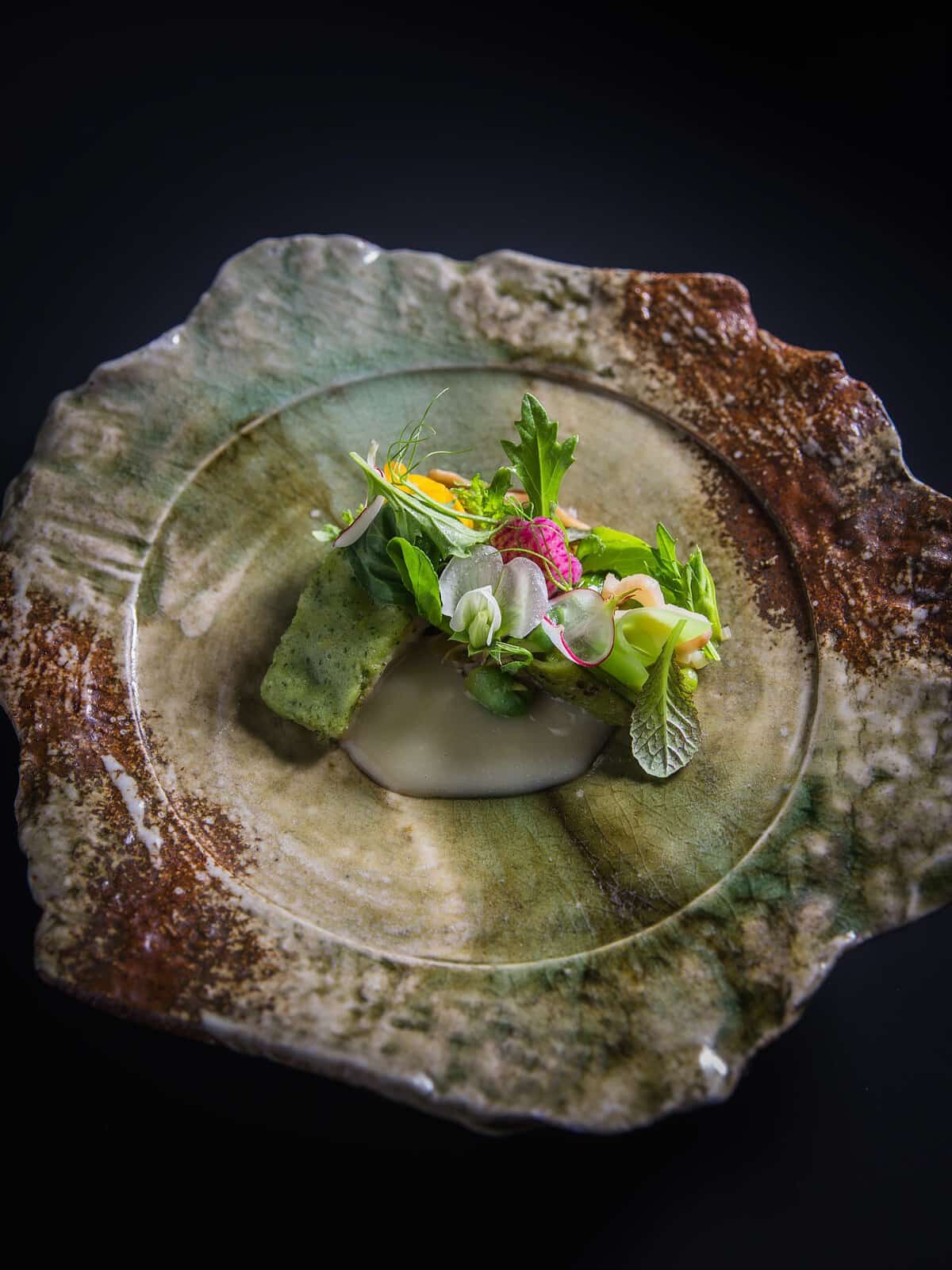
SingleThread in Healdsburg is among the few restaurants in the world operating as a fully integrated farm-restaurant-inn system.
Kyle and Katina Connaughton farm eleven acres in the Alexander Valley, supplying the restaurant with produce harvested each morning, and accommodate overnight guests in five carefully designed rooms.
Kyle trained extensively in Japan under the traditions of kaiseki — a multi-course Japanese cuisine rooted in seasonality, restraint, and the careful sequencing of flavors and textures — and that influence is visible throughout the meal without dominating it.
The result is something genuinely its own.
The menu at SingleThread changes entirely with each season and within each season as harvests shift. Katina’s farming decisions shape Kyle’s cooking in real time, creating a feedback loop between field and kitchen that most restaurants can only approximate.
Healdsburg itself, surrounded by the wine country of Sonoma County, provides a setting that makes a two-day stay feel less like an indulgence and more like the minimum the experience deserves.
Where: SingleThread Farm Restaurant Inn, 131 North St, Healdsburg, CA 95448
10. Per Se, New York
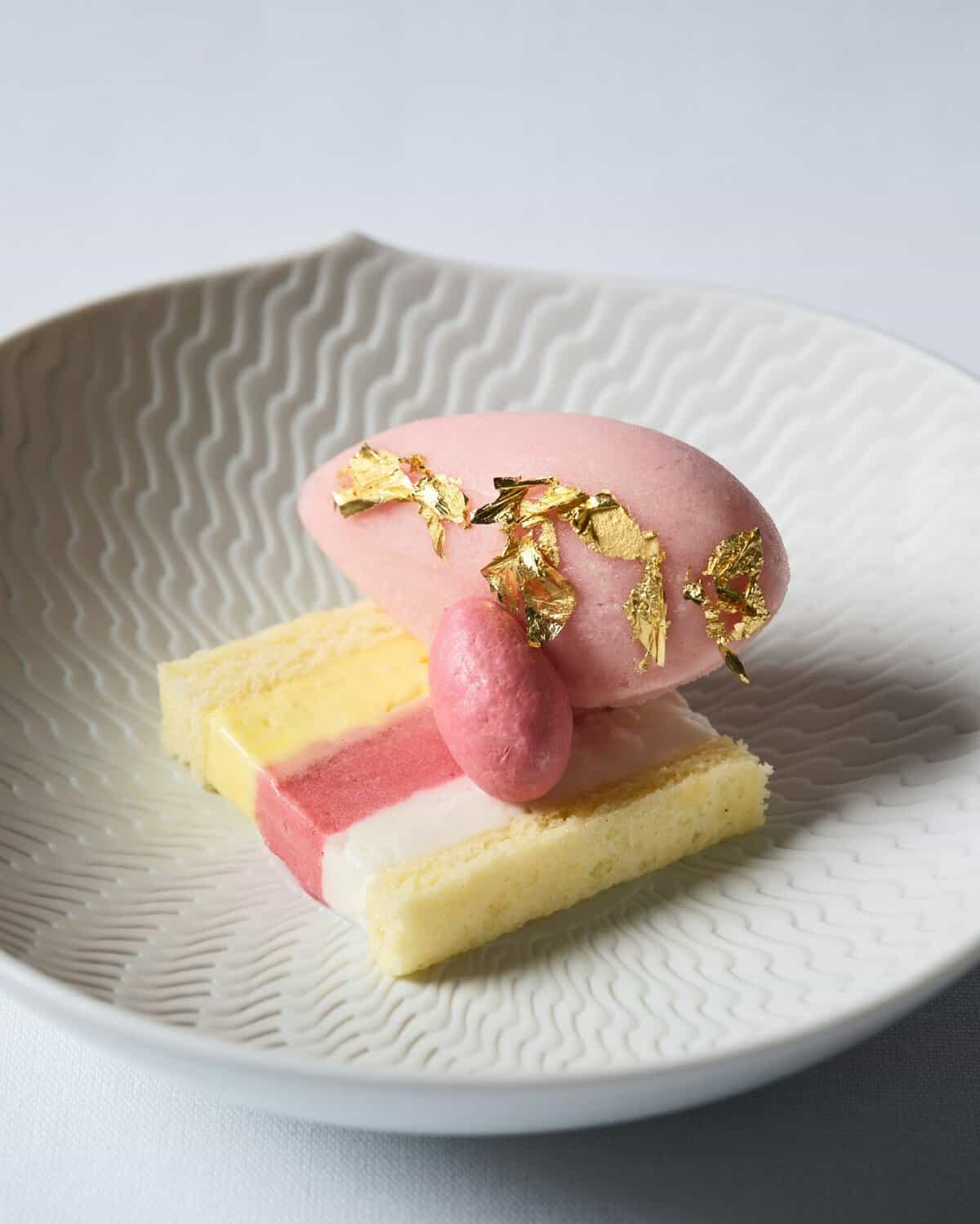
Thomas Keller’s New York counterpart to The French Laundry, Per Se, occupies the fourth floor of the Time Warner Center, its salon-blue dining room windows overlooking Columbus Circle and Central Park.
The views alone would justify the address; the cooking makes the reservation obligatory.
Per Se serves two separate tasting menus each evening — a chef’s menu and a vegetable menu, mirroring the format at The French Laundry — building nine courses around ingredients sourced from relationships Keller has cultivated over thirty years of cooking at the highest level.
Formal service here is part of the experience rather than a backdrop to it. The staff-to-guest ratio approaches one-to-one, and every detail of the evening — the pace of the courses, the temperature of the room, the moment the cheese cart arrives — has been considered in advance.
Per Se has held three Michelin stars since 2006, a consistency that reflects not just the quality of the cooking but the discipline required to maintain it across hundreds of services every year.
Where: Per Se, 10 Columbus Cir, New York, NY 10019
A Seat at the Table
Three stars mean a special journey. That’s the Michelin Guide’s own language, and it’s worth taking literally.
These restaurants are not meant to be convenient. They are meant to be sought out, planned around, and remembered. The best ones generate memories that don’t fade — details staying vivid long after the ordinary evenings of the same year have blurred together.
What’s most interesting about this list is how different these restaurants are from each other. A ten-seat sushi counter in Manhattan. A farm-restaurant on the Sonoma Coast. A Victorian inn in a Virginia village.
A Chicago kitchen where a chef who nearly lost his sense of taste makes dining feel like an event worth planning a life around.
They share a Michelin rating and almost nothing else, which is the most encouraging thing about what American fine dining has become. There is no single answer here, no house style, no unified vision of what three stars have to look like.
Just restaurants, each extraordinary in its own particular way, each worth planning a trip around — whether that trip takes you to wine country, to Midtown Manhattan, or down a winding country road toward the Blue Ridge Mountains.
The reservation is the hardest part. Everything after that is the meal.
More stories

Share this story