10 Unforgettable Route 66 Stops That Prove the Journey Really Is the Destination

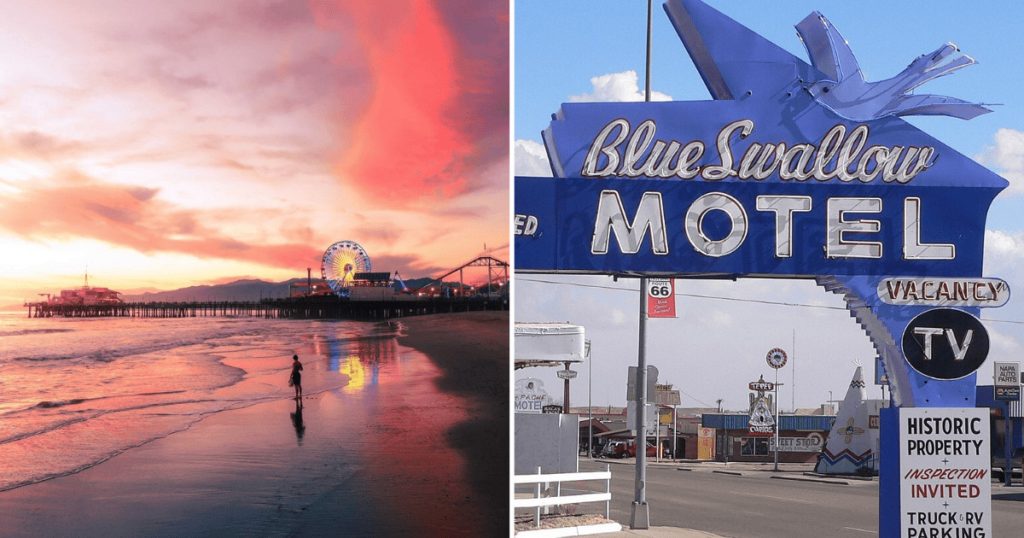
Somewhere in a box of old family photos, there’s a picture of me as a kid, squinting into the sun beside some giant roadside statue nobody in the frame can quite remember the name of anymore.
That’s the thing about a good road trip. It’s rarely the destination you remember years later. It’s the strange, wonderful detour, the giant fiberglass animal, the diner that’s been slinging the same recipe since your grandparents were young.
I think about that photo every time someone tells me they’re planning to fly instead of drive, just to save a little time on the way to somewhere. Time was never really the point of a trip like this.
The whole appeal lies in what you stumble across when nobody’s rushing you toward an arrival time, and Route 66 has nearly a century of practice rewarding exactly that kind of patience.
No road in America does that better than Route 66. Stretching from Chicago to Santa Monica, the Mother Road has spent nearly a century collecting exactly this kind of roadside magic.
Below, I’ve gathered ten stops along the route that capture everything wonderful about slowing down and taking the scenic way. Buckle up.
Some of these are quiet, family-run holdouts. Others are pure roadside spectacle. All of them explain exactly why this stretch of asphalt refuses to be forgotten, decade after decade.
1. Cozy Dog Drive In, Illinois
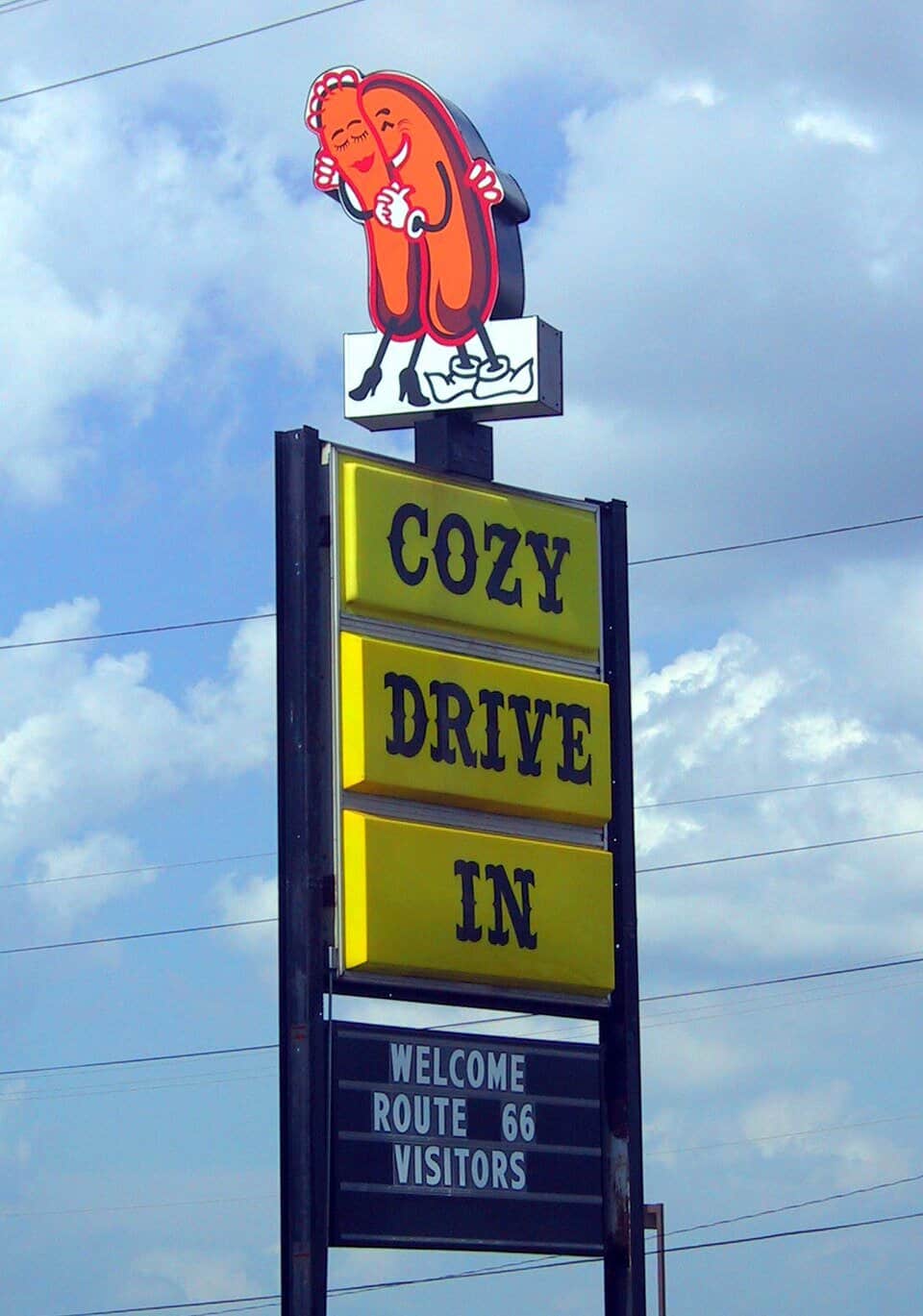
Springfield’s Cozy Dog Drive-In holds a genuinely delicious claim to fame: it’s widely credited as the birthplace of the corn dog, a batter-dipped hot dog invented by Ed Waldmire back in 1946.
The restaurant has moved locations a few times over the decades, but the recipe hasn’t budged, still using Ed’s original secret batter recipe more than seventy-five years later.
Memorabilia lines nearly every wall inside, celebrating both the restaurant’s own history and Route 66’s broader legacy as America’s most famous highway.
Ed’s grandson Josh now runs the place, keeping the same “we’re all family here” atmosphere that’s made this a required stop for generations of road trippers passing through central Illinois.
The restaurant has appeared on national television more than once, including a memorable, widely watched episode of “Man v. Food,” but the atmosphere still feels more neighborhood diner than tourist trap.
Where: 2935 S 6th St, Springfield, IL 62703
2. Meramec Caverns, Missouri
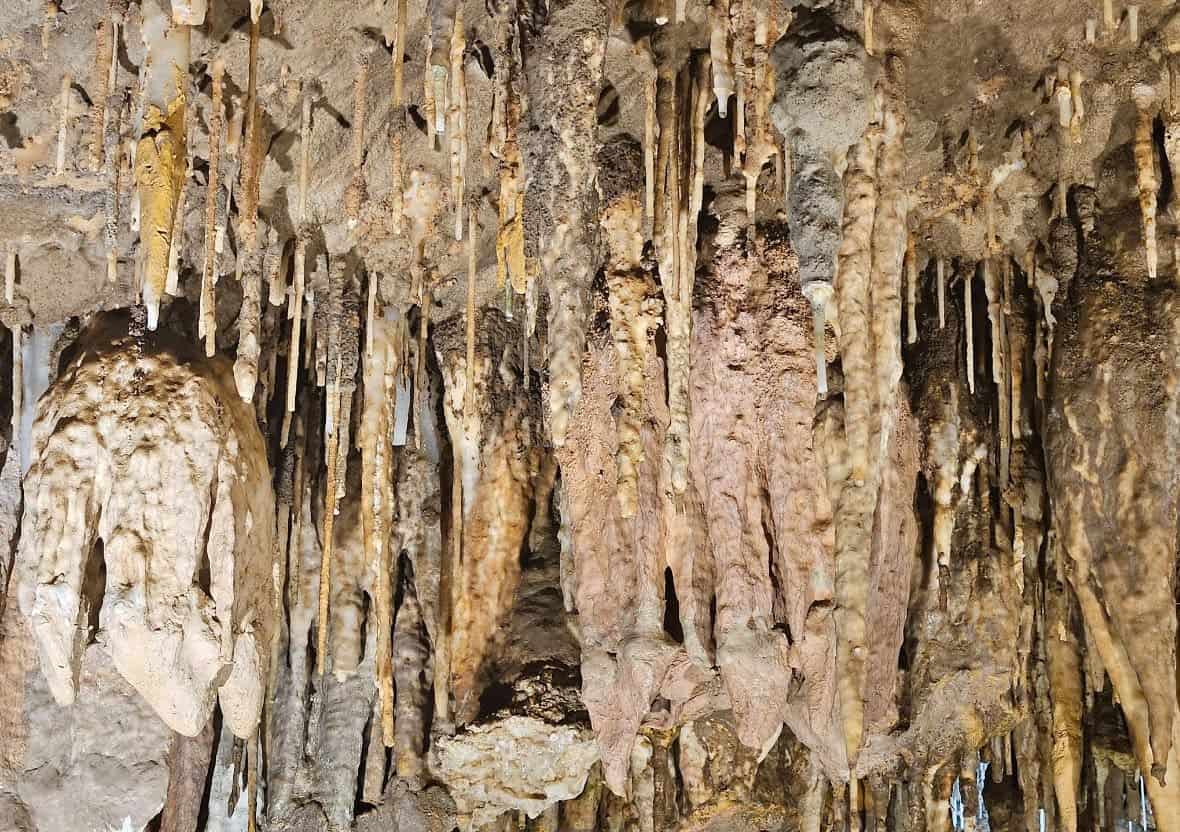
Advertised on barns and billboards across the Midwest for nearly a century, Meramec Caverns has been drawing curious travelers off Route 66 since it first opened in 1933.
The cave system stretches 4.6 miles through the Ozarks, with dramatic limestone formations shaped by millions of years of erosion, including a rare, six-foot-tall aragonite formation known as the Wine Table.
Local legend claims outlaw Jesse James once used the caverns as a hideout, escaping pursuers through a hidden underground passage that leads out along the Meramec River.
Beyond the guided cave tour, the property includes a zipline, canoe rentals, and a campground, making it easy to turn a quick stop into a full afternoon.
The cave stays a steady, cool temperature year-round, offering a genuinely refreshing break for anyone road-tripping through Missouri during the peak heat of summer.
Where: 1135 Highway W, Sullivan, MO 63080
3. Cars on the Route, Kansas
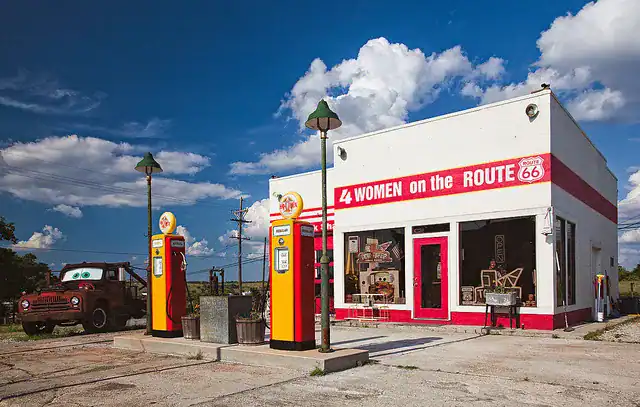
Kansas only claims about thirteen miles of Route 66, but this restored 1934 service station in Galena packs an outsized amount of charm into that short stretch.
Originally a gas station called Kan-O-Tex, the building briefly operated as “Four Women on the Route” before its current owners renamed it Cars on the Route, embracing its unexpected pop culture connection.
Parked outside sits a rusty old tow truck that helped inspire Tow Mater, the beloved character from Pixar’s “Cars,” complete with cartoon eyes added for visitors who need help spotting the resemblance.
Inside, a small cafe and gift shop keep the stop practical as well as photogenic, serving simple sandwiches alongside Route 66 souvenirs and memorabilia.
Nearby, Kansas’s short stretch of the Mother Road also holds the last remaining Marsh Arch bridge on the entire route, another worthy detour before crossing into neighboring Oklahoma.
Where: 119 N Main St, Galena, KS 66739
4. Blue Whale of Catoosa, Oklahoma
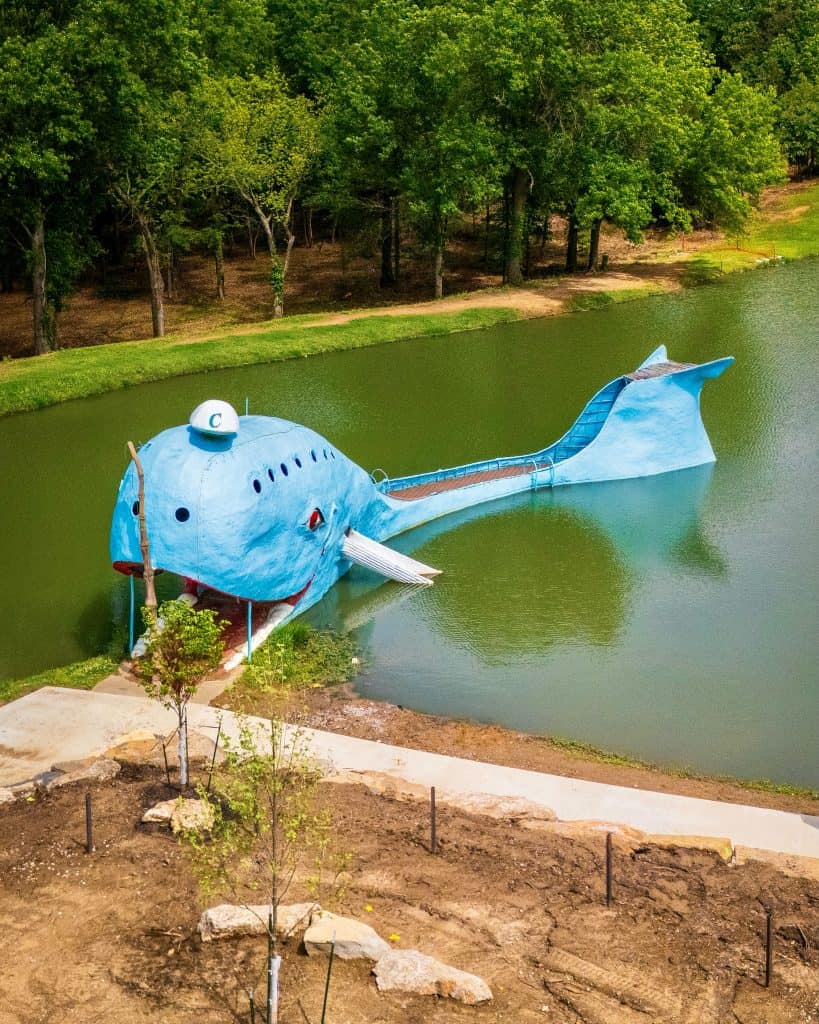
Few roadside attractions capture Route 66’s homemade charm quite like the Blue Whale of Catoosa, a grinning, 80-foot-long concrete whale built as an anniversary gift in the early 1970s.
Zoologist Hugh Davis built the whale for his wife Zelta, an avid collector of whale figurines, spending two years hand-mixing concrete with his friend Harold Thomas to bring the sculpture to life.
After decades of use as a beloved swimming hole, the whale fell into disrepair following Davis’s death until the Catoosa community rallied to restore it in the 1990s.
A brand-new visitor center opened in 2026, adding fresh amenities to this free, family-friendly stop that remains one of the most photographed landmarks on the entire route.
Inside the whale’s head, a small ladder leads to a hidden compartment, a detail generations of curious kids have delighted in discovering for themselves.
Where: 2600 US Rt 66, Catoosa, OK 74015
5. Cadillac Ranch, Texas
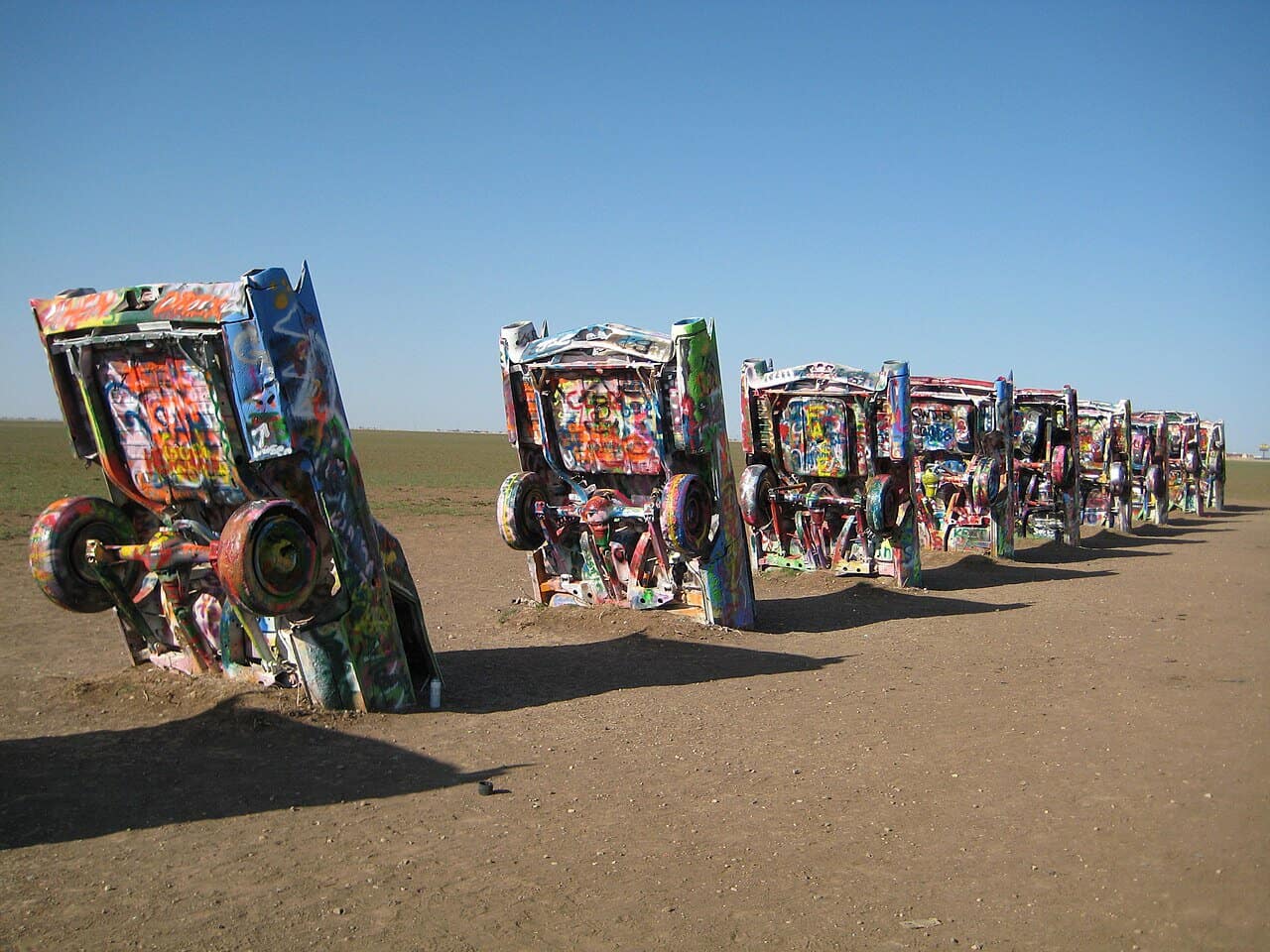
Just west of Amarillo, ten vintage Cadillacs stand nose-down in a dusty field, their tailfins pointing skyward in one of the most instantly recognizable art installations in the country.
The art collective Ant Farm created Cadillac Ranch in 1974, arranging the cars to trace the evolution of Cadillac tailfin design from 1949 through 1963.
Visitors are actively encouraged to leave their mark, spray-painting the cars in layers of ever-changing graffiti that make each visit here look completely different from the last.
Golden hour is the best time to visit, when the low Texas sun throws long shadows across the field, and the painted cars practically glow against the open plains.
Bring your own spray paint if you want to leave a mark, since the on-site vendor doesn’t always keep consistent hours, and half the fun is contributing to the ever-changing artwork yourself.
Where: 13651 I-40 Frontage Rd, Amarillo, TX 79124
6. Blue Swallow Motel, New Mexico
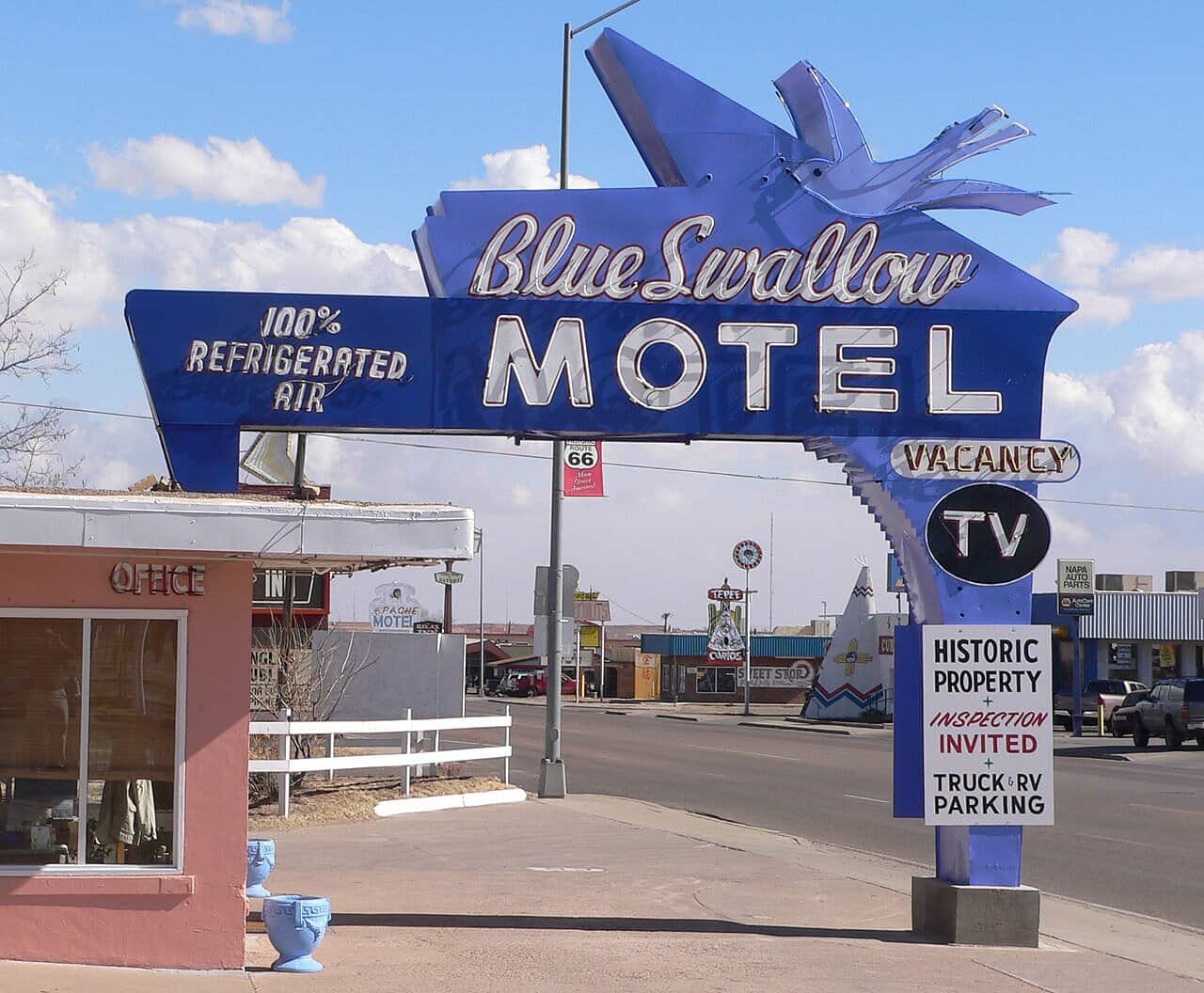
Glowing with vintage neon each evening, the Blue Swallow Motel in Tucumcari has been welcoming Route 66 travelers since 1939, making it one of the longest continuously operating motels on the entire highway.
Floyd Redman purchased the motel in 1958 as an engagement gift for his wife Lillian, who went on to run the property for four decades and became something of a local legend herself.
Each of the twelve rooms comes with its own attached garage, a detail dreamed up long before drive-up convenience became standard at modern hotels.
Current owners Dawn and Robert have carefully preserved the original 1939 fixtures and furnishings, giving guests a genuinely authentic mid-century stay rather than a modern reproduction.
At dusk, the motel’s neon sign lights up Tucumcari Boulevard in a wash of pink and blue, considered by many longtime Route 66 travelers to be one of the best photo opportunities on the entire highway.
Where: 815 E Route 66 Blvd, Tucumcari, NM 88401
7. Wigwam Motel, Arizona
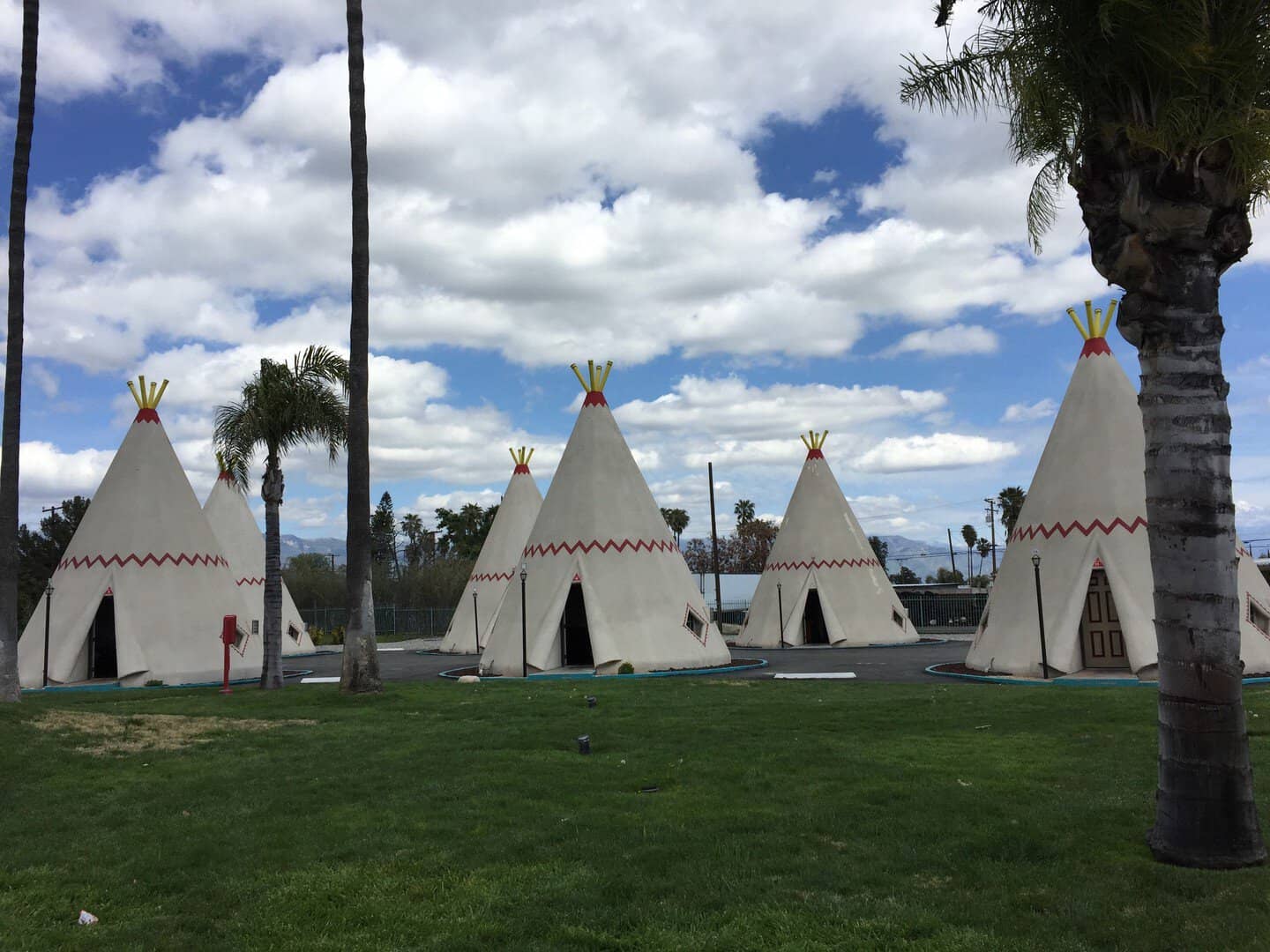
Sleeping in a concrete teepee might sound like a novelty, but the Wigwam Motel in Holbrook has been offering exactly that experience since 1950, and it remains one of the most beloved stops on Route 66.
Fifteen freestanding wigwams, each 21 feet wide and 28 feet tall, circle the property alongside vintage cars parked permanently outside each unit for the ultimate photo opportunity.
The Lewis family has owned and operated the motel since Chester Lewis built it, later reopening it in 1988 after Interstate 40 briefly bypassed the town and slowed business to a crawl.
Listed on the National Register of Historic Places, this is one of only three surviving Wigwam Villages left in the entire country, and one of just two still located directly on Route 66.
Nearby attractions like Petrified Forest National Park make Holbrook an easy, worthwhile overnight stop rather than just a quick photo detour along the highway.
Where: 811 W Hopi Dr, Holbrook, AZ 86025
8. Standin’ on the Corner Park, Arizona
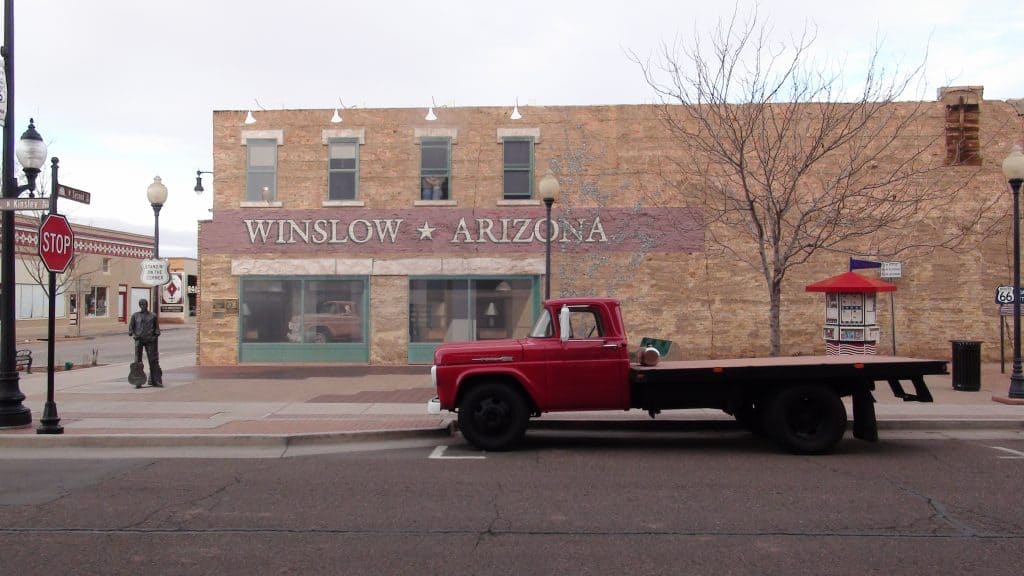
Music fans will recognize Winslow, Arizona instantly thanks to one famous lyric, and this small downtown park leans fully into its unexpected fame with genuine charm.
Standin’ on the Corner Park commemorates the Eagles song “Take It Easy,” complete with a mural, a bronze statue, and a flatbed Ford parked nearby for the full photo experience.
Beyond the park, Winslow’s slower pace rewards a longer visit, especially at the historic La Posada Hotel, known for its gardens and Southwestern-inspired architecture just a short walk away.
The town’s understated charm feels like a fitting tribute to the song itself, a reminder that sometimes the best moments on a road trip happen while you’re simply standing still.
It’s a small park, easily explored in twenty unhurried minutes, but it’s exactly the kind of quick, meaningful detour that Route 66 seems to specialize in offering travelers.
Where: Corner of Historic Route 66 and N Kinsley Ave, Winslow, AZ 86047
9. Santa Monica Pier, California
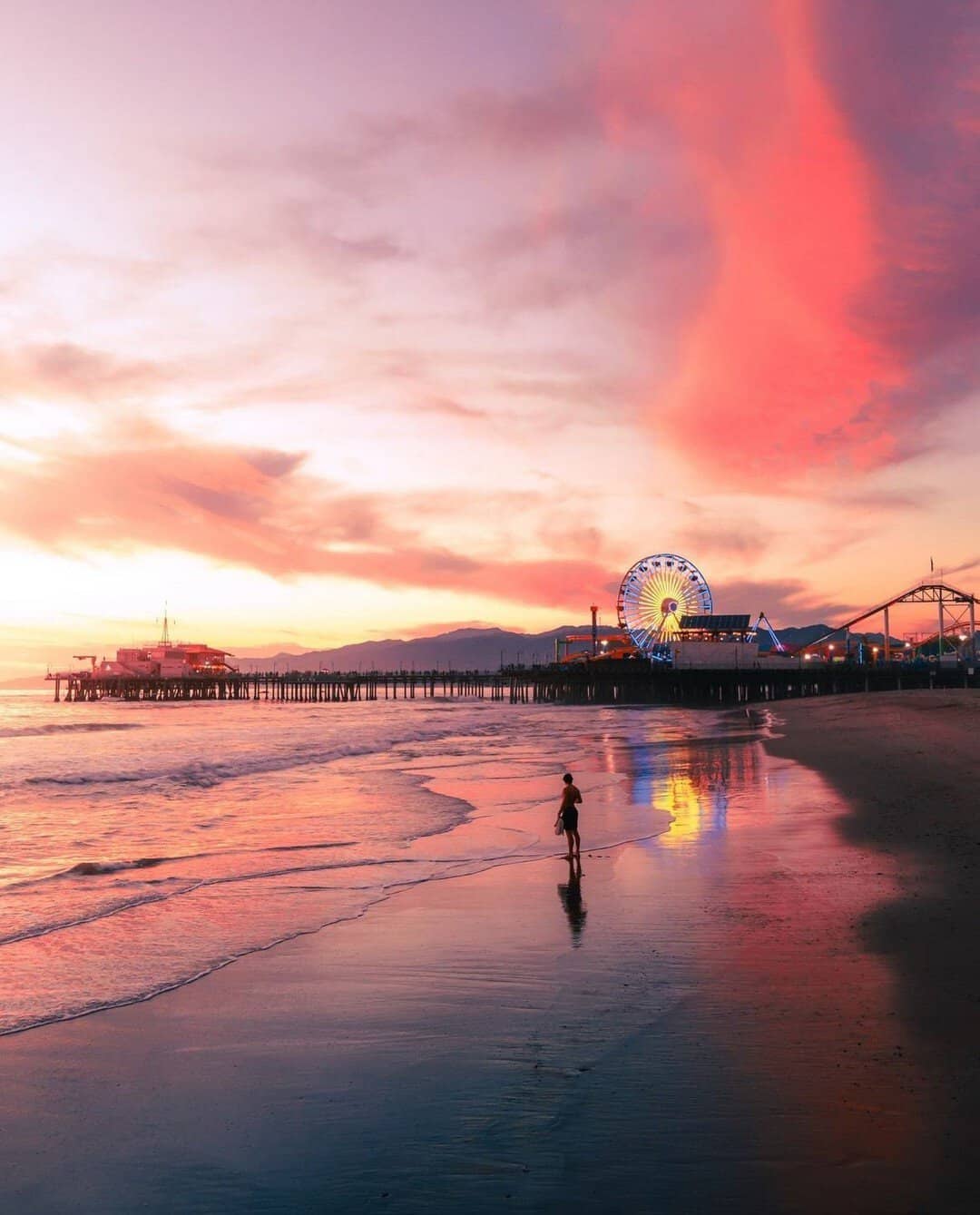
After thousands of miles from Chicago, Route 66 officially reaches its end at the Santa Monica Pier, where the Pacific Ocean finally comes into view.
A commemorative “End of the Trail” sign marks the spot, giving road trippers a well-earned, celebratory photo opportunity after completing one of America’s most iconic drives.
Beyond the sign, the pier itself offers an amusement park, an aquarium, and sweeping ocean views, a lively final stop after so many quiet desert stretches along the way.
Sunset here draws crowds for good reason, painting the Ferris wheel and surrounding coastline in warm gold light that feels like a fitting finale to the entire journey.
Dipping your toes in the cold Pacific water afterward feels like the only reasonable, fitting way to close out thousands of miles of desert, prairie, and roadside Americana.
Where: 200 Santa Monica Pier, Santa Monica, CA 90401
10. Elmer’s Bottle Tree Ranch, California
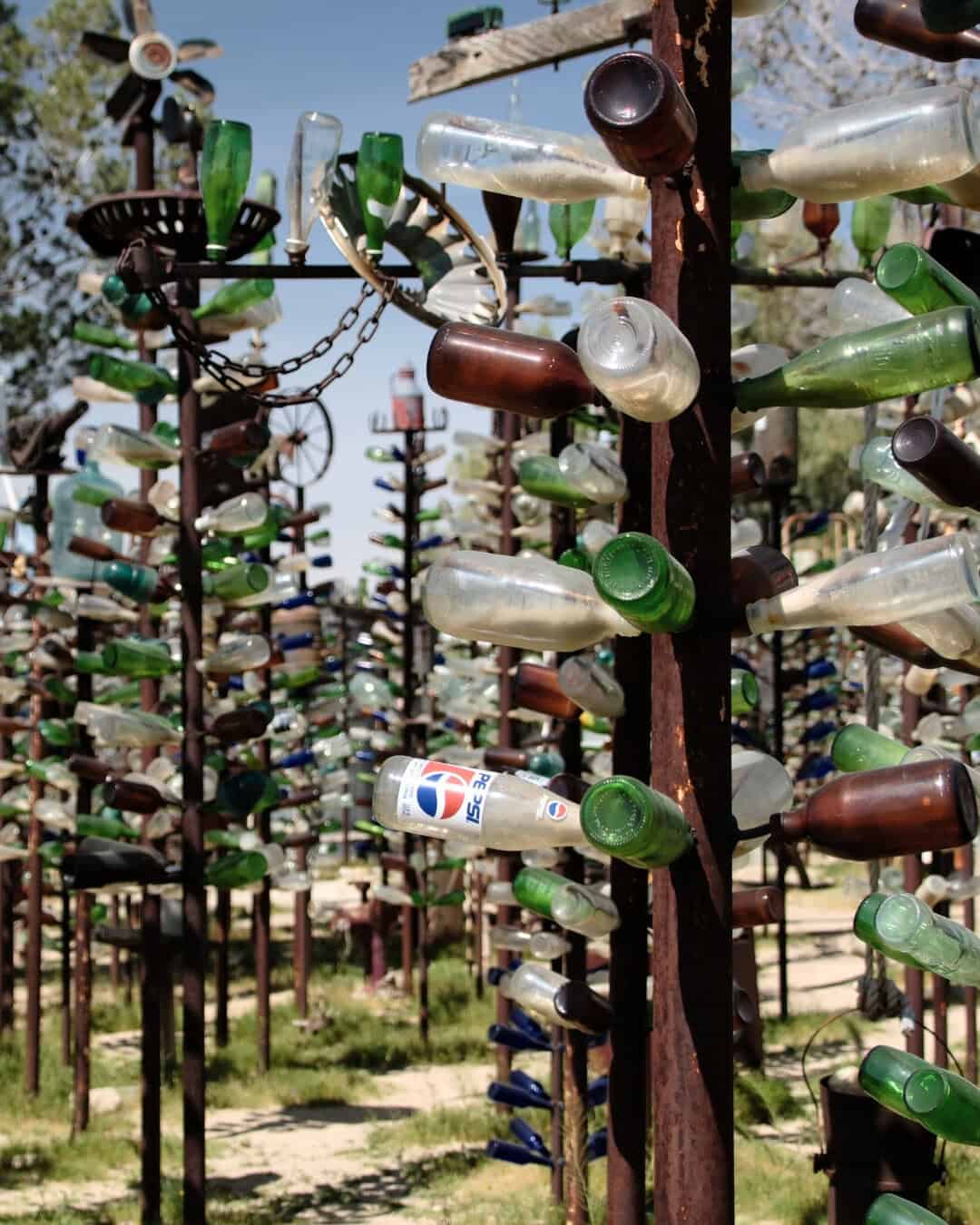
Just north of Victorville, more than 200 shimmering bottle trees rise from the desert at Elmer’s Bottle Tree Ranch, one of Route 66’s most unexpectedly beautiful stops.
Elmer Long began the collection as a tribute to childhood camping trips with his father, eventually turning found bottles and scrap metal into a sprawling, two-acre outdoor art installation.
Sunlight catches the colored glass throughout the day, casting shifting patterns of color across the desert floor as you wander between the towering, clinking sculptures.
Since Long’s passing in 2019, his son has continued caring for the ranch, ensuring this quietly magical roadside stop remains free and open to curious travelers.
Give yourself at least a half hour to wander, since the trees stretch across two full acres, each one built from a slightly different mix of bottles, hubcaps, wheels, and found desert treasures.
Where: 24266 National Trails Hwy, Oro Grande, CA 92368
The Road Was Always the Point
There’s a reason Route 66 has held onto its nickname, the Mother Road, decades after faster interstates made it technically unnecessary. Nobody drives it because it’s efficient. They drive it because it’s alive.
Every stop on this list survives because someone, somewhere, decided a giant whale or a field of buried Cadillacs was worth building, and then worth saving when the interstate tried to make it obsolete.
That stubborn devotion is really what Route 66 sells better than any single attraction. It’s proof that a road trip can still surprise you, decades after GPS made getting lost almost impossible.
Each stop carries its own small act of preservation, a family that kept the neon lit, a community that repainted a fading whale, a son who kept his father’s bottle trees standing tall against the desert wind.
So when you finally make the drive, resist the urge to rush toward the ocean. The good stuff, as it turns out, was scattered along the shoulder the entire time, waiting patiently for someone willing to pull over.
More stories
Share this story