8 Incredible US Spots Where You Can Actually See the Northern Lights

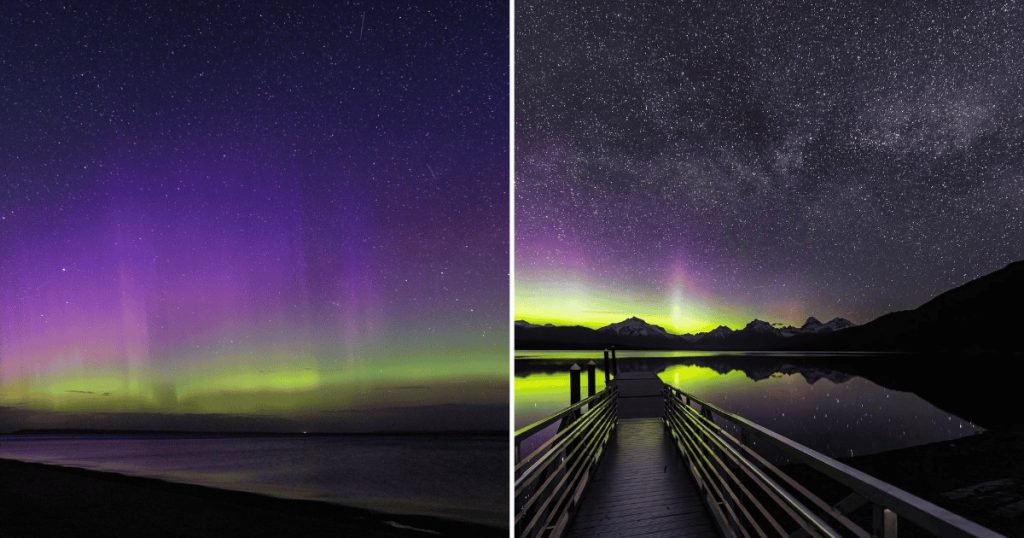
I used to assume the northern lights were strictly an Iceland-or-bust kind of experience, something that required a passport, a puffer coat rated for the Arctic, and a plane ticket most of us couldn’t casually justify.
Then I learned that swirling green sky doesn’t stop politely at the Canadian border. On the right night, with the right conditions, you can catch the aurora borealis without ever leaving the United States.
There’s something almost unbelievable about that first glimpse, a pale green ribbon stretching across the horizon, then another, until the whole sky seems to be breathing in slow motion above you.
Seeing it requires a bit of patience and a lot of dark sky. The aurora forms when charged particles from the sun collide with gases in Earth’s atmosphere, glowing green, pink, and sometimes deep red depending on the altitude.
Solar activity has been especially strong lately, which means the aurora oval, the ring of highest activity around the magnetic pole, has been dipping further south than usual, giving more of the country a real shot at seeing it.
Below, I’ve gathered eight of the best places across the country to go chasing that same experience, no overseas flight required.
Some of these spots practically guarantee a show if you stay long enough. Others require a bit of luck, a clear night, and a willingness to wait it out under the stars.
A Few Tips Before You Go Chasing Lights
Timing matters more than almost anything else. Aim for the darkest hours of the night, ideally away from a full moon, since even moonlight can wash out a fainter aurora display.
Cloud cover is the real enemy here, not daylight. Check a clear-sky forecast alongside any aurora forecast, since even a strong geomagnetic storm won’t help if clouds are blocking the view.
Patience matters too. Give yourself several hours, and ideally several nights, rather than expecting the lights to appear on command during a single quick stop outside.
A red flashlight is worth packing as well, since it lets you see your surroundings without ruining your night vision or the vibrant colors of the display itself.
1. Fairbanks, Alaska
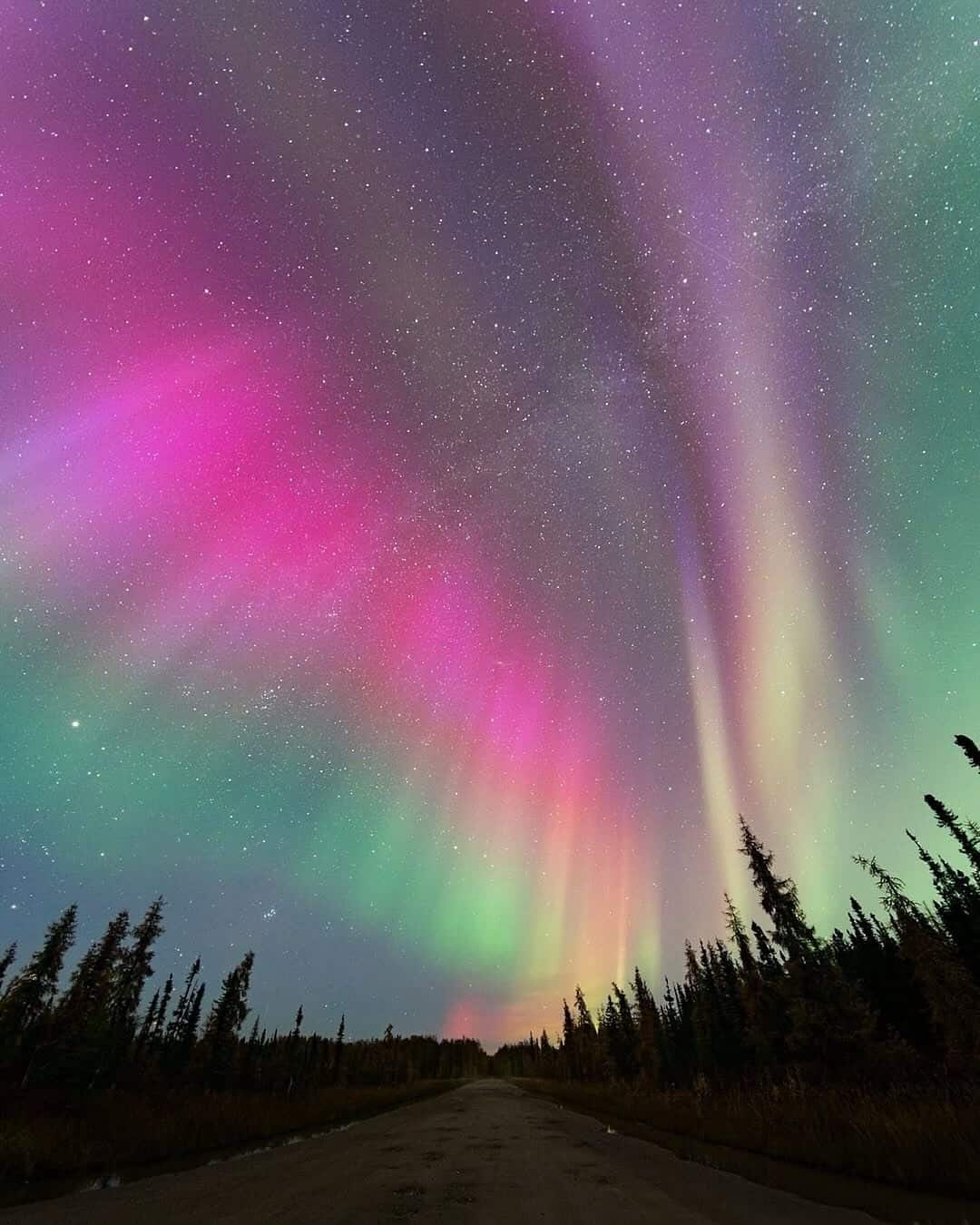
If you want the closest thing to a guaranteed show, Fairbanks is where serious aurora chasers head first. Sitting almost directly beneath the aurora oval, the city sees northern lights on more than 200 nights a year.
Winter here means brutally short days and long, dark nights, exactly the conditions that make Fairbanks such reliable aurora territory between late August and early April.
Chena Hot Springs Resort has become a favorite basecamp for visitors, letting guests soak in geothermal-heated pools while scanning the sky for the first hint of green.
Murphy Dome and Cleary Summit offer elevated, easily reached viewpoints just outside the city, both popular for their wide horizons and distance from downtown light pollution.
Many local hotels have leaned into the city’s reputation, offering aurora wake-up calls that alert guests the moment the lights start to appear, so no one sleeps through the show.
During years of peak solar activity, the lights here have been known to start earlier in the season and linger for months, giving visitors an especially wide window to plan around.
2. Voyageurs National Park, Minnesota
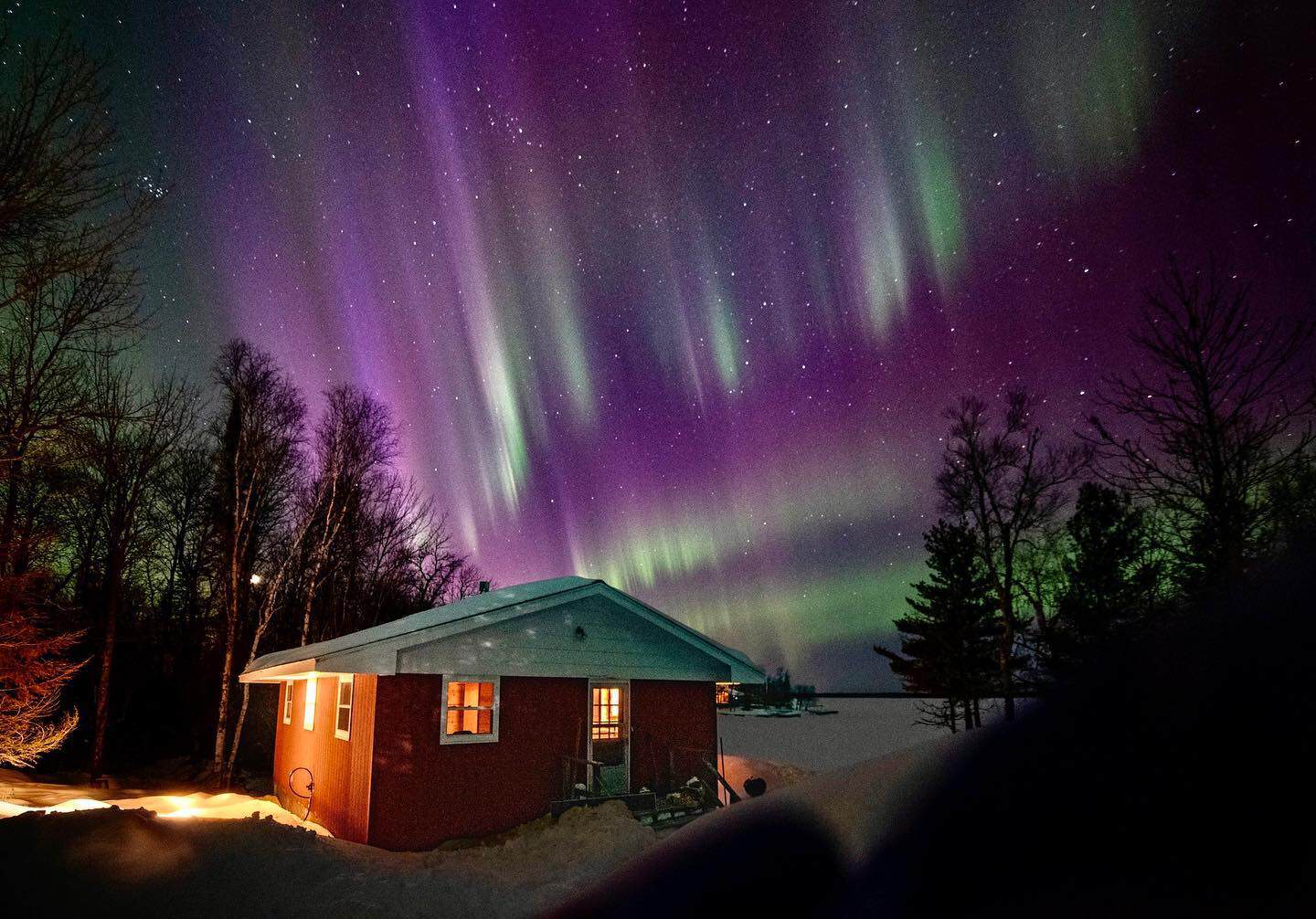
Tucked along the Canadian border, Voyageurs National Park ranks among the darkest places in the entire contiguous United States, making it one of the best mainland spots to catch the aurora.
The park can see northern lights displays as often as 200 nights a year during active solar periods, a surprising statistic for a destination so far south of Alaska.
The Ojibwe people call the aurora “Wawatay,” believing the lights represent the spirits of ancestors dancing across the sky, a piece of folklore that adds real depth to the experience.
Ash River Visitor Center and the upper parking lot at Rainy Lake Visitor Center are favorite viewing spots, especially when the lights reflect off calm water for a doubled, mirrored effect.
Voyageurs earned an official International Dark Sky Park designation in 2020, a recognition that only confirmed what aurora chasers in the region had already known for years.
Winter doesn’t slow the park down either. Visitors can pair aurora watching with cross-country skiing or snowshoeing across the park’s frozen lakes, turning a single night into a full weekend adventure.
3. Isle Royale National Park, Michigan
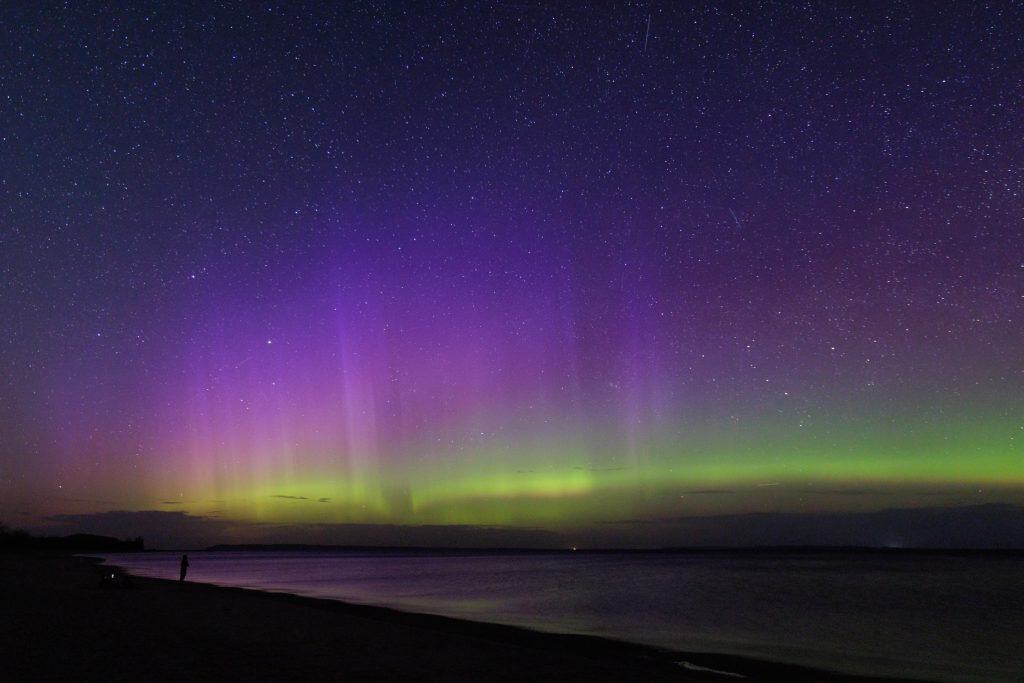
Surrounded entirely by Lake Superior, Isle Royale National Park offers some of the darkest, most remote skies in the Midwest, with virtually no light pollution to compete with the aurora.
Because the island has no permanent residents and is accessible only by ferry or seaplane, the sense of isolation here only adds to the magic of a clear aurora night.
Late fall and early spring tend to offer the best viewing windows, particularly around the new moon, when the sky gets darker and the lights stand out even more vividly.
Lane Cove Campground and Huginnin Cove Campground both offer clear northern shoreline views, thanks to gaps in the island’s otherwise dense tree cover.
The park only operates from April through October, so visitors chasing the aurora here will want to target the earliest and latest stretches of that window, when nights run longest.
Beyond the lights themselves, the island’s isolation makes for a genuinely peaceful trip, with rugged hiking trails and open water views that reward the extra effort it takes to get there.
4. Glacier National Park, Montana
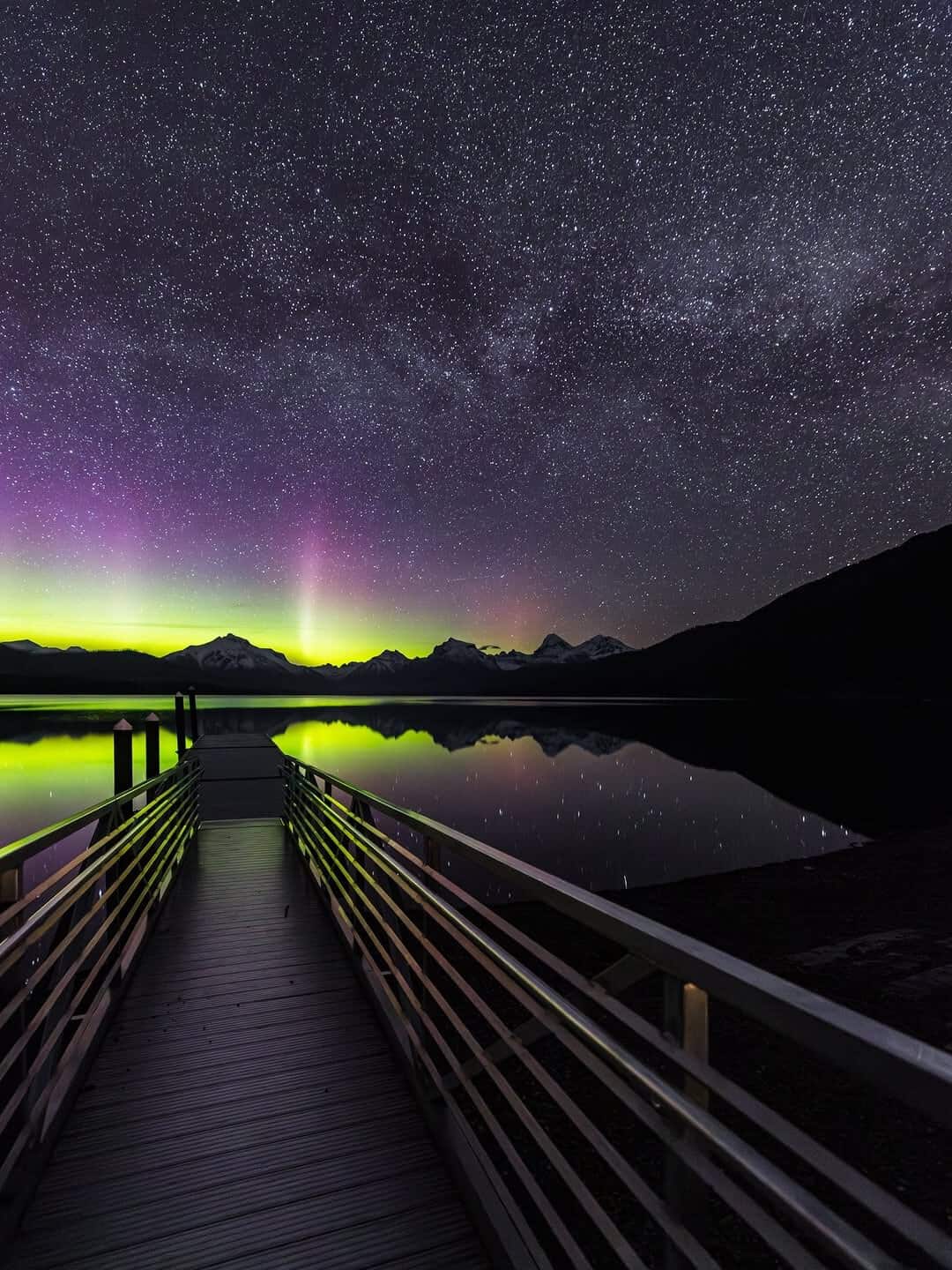
Montana’s Glacier National Park pairs dramatic mountain scenery with genuinely dark skies, giving aurora chasers a backdrop most other viewing spots simply can’t match.
While sightings here aren’t guaranteed every year, strong solar activity can send the aurora dancing across the park’s jagged peaks in a scene that looks almost too dramatic to be real.
Nearby Flathead Lake offers another favorite vantage point, especially from the small town of Bigfork, where the lights can appear to hang just above the hills across the water.
Winter visitors willing to brave the cold are typically rewarded with the clearest skies, since Montana’s long, dark nights this time of year create ideal viewing conditions.
Because sightings depend so heavily on solar activity, it helps to track space weather forecasts before planning a trip, giving yourself the best possible odds of catching a display.
Even without the aurora, a clear night in Glacier rewards patient stargazers with some of the most dramatic, unobstructed views of the Milky Way found anywhere in the Lower 48.
5. Aroostook County, Maine
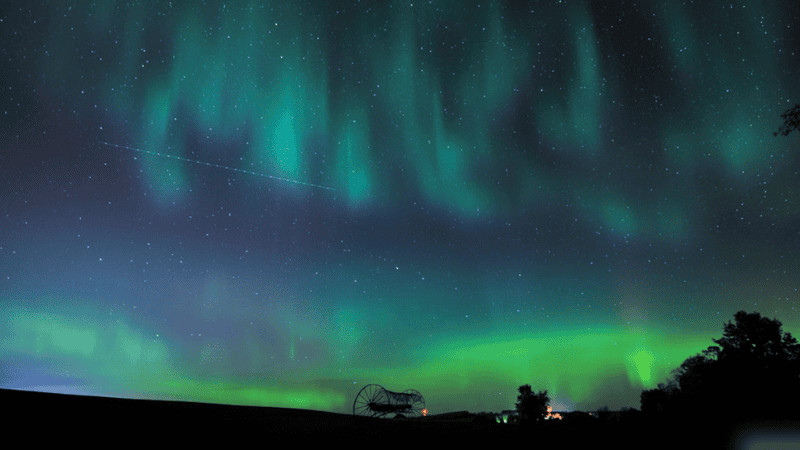
Bordering Canada in Maine’s northernmost reaches, Aroostook County offers some of the darkest skies in all of New England, making it a genuine sleeper pick for aurora hunting.
Aroostook State Park and the nearby Aroostook National Wildlife Refuge both provide open, low-light settings ideal for camping out and watching the sky for the first sign of color.
Baxter State Park, roughly 80 miles south and home to Maine’s highest peak, offers another reliable option for visitors chasing the lights against a mountainous backdrop.
Even Acadia National Park, further south along the coast, occasionally catches a glimpse of the aurora glowing above its famous Jordan Pond during especially strong solar activity.
October through April tends to offer the best chances here, when longer nights and the region’s naturally low light pollution combine to create genuinely excellent viewing conditions.
The area’s remote, sparsely populated landscape adds to the appeal too, offering wide-open terrain and a quiet kind of solitude that’s increasingly hard to find in New England.
6. Northern North Dakota
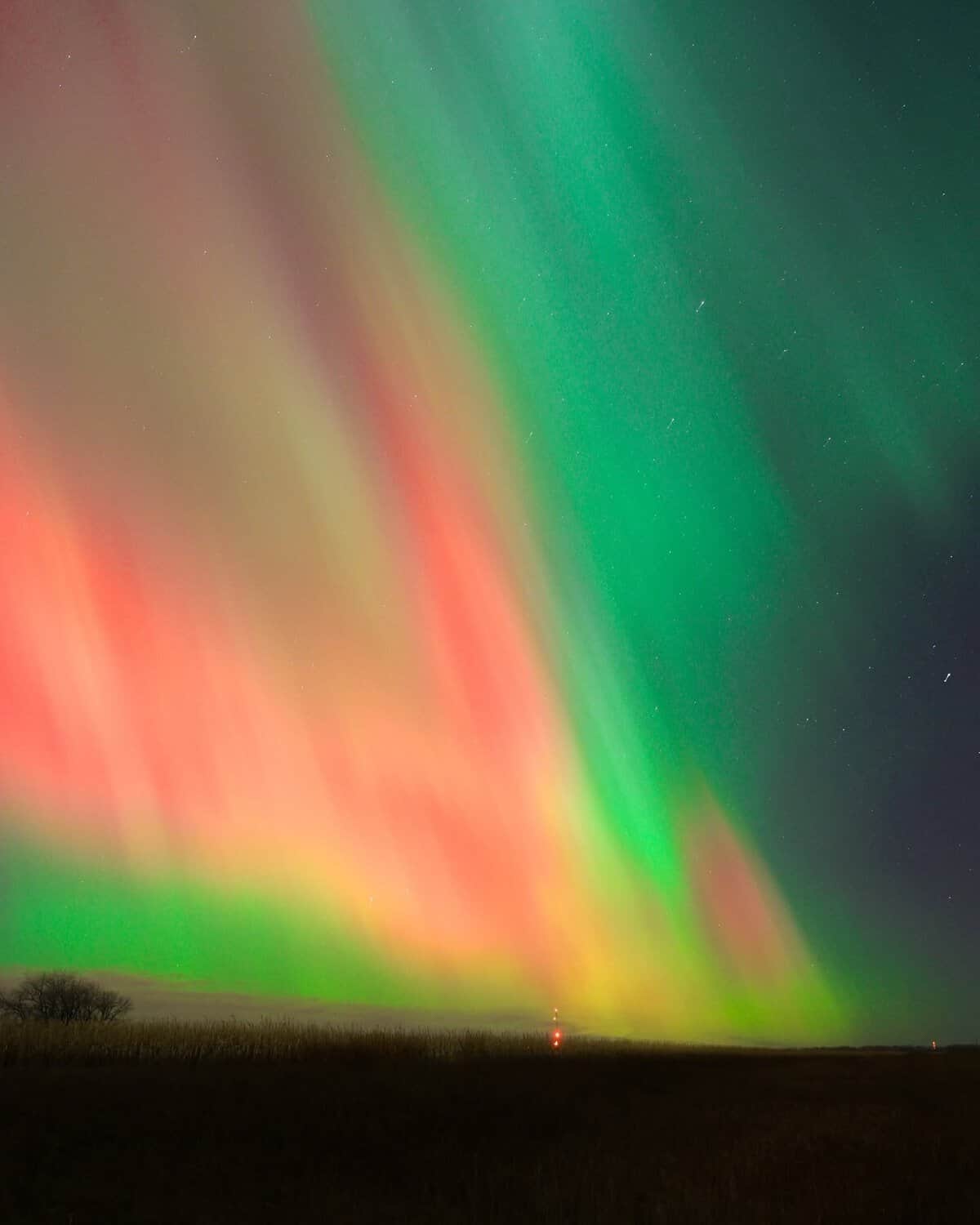
Far from the glow of any major city, Northern North Dakota offers wide-open prairie skies that make for an unexpectedly excellent northern lights destination.
The region’s flat, unobstructed horizon means almost nothing stands between you and the sky, a rare advantage for anyone hoping to take in the full scale of an active aurora display.
Late autumn through early spring tends to bring the best conditions here, when longer nights and clear, cold air combine for some of the year’s darkest skies.
Beyond the aurora itself, the area offers a quieter kind of charm, from small-town hospitality to the simple, sweeping beauty of the open prairie after dark.
Because this part of the state sees relatively few visitors compared to more famous aurora destinations, chasers here often find themselves with an entire horizon practically to themselves.
Layering up matters more here than almost anywhere else on this list, since the open prairie offers little shelter from the wind on an already cold winter night.
7. Priest Lake, Idaho
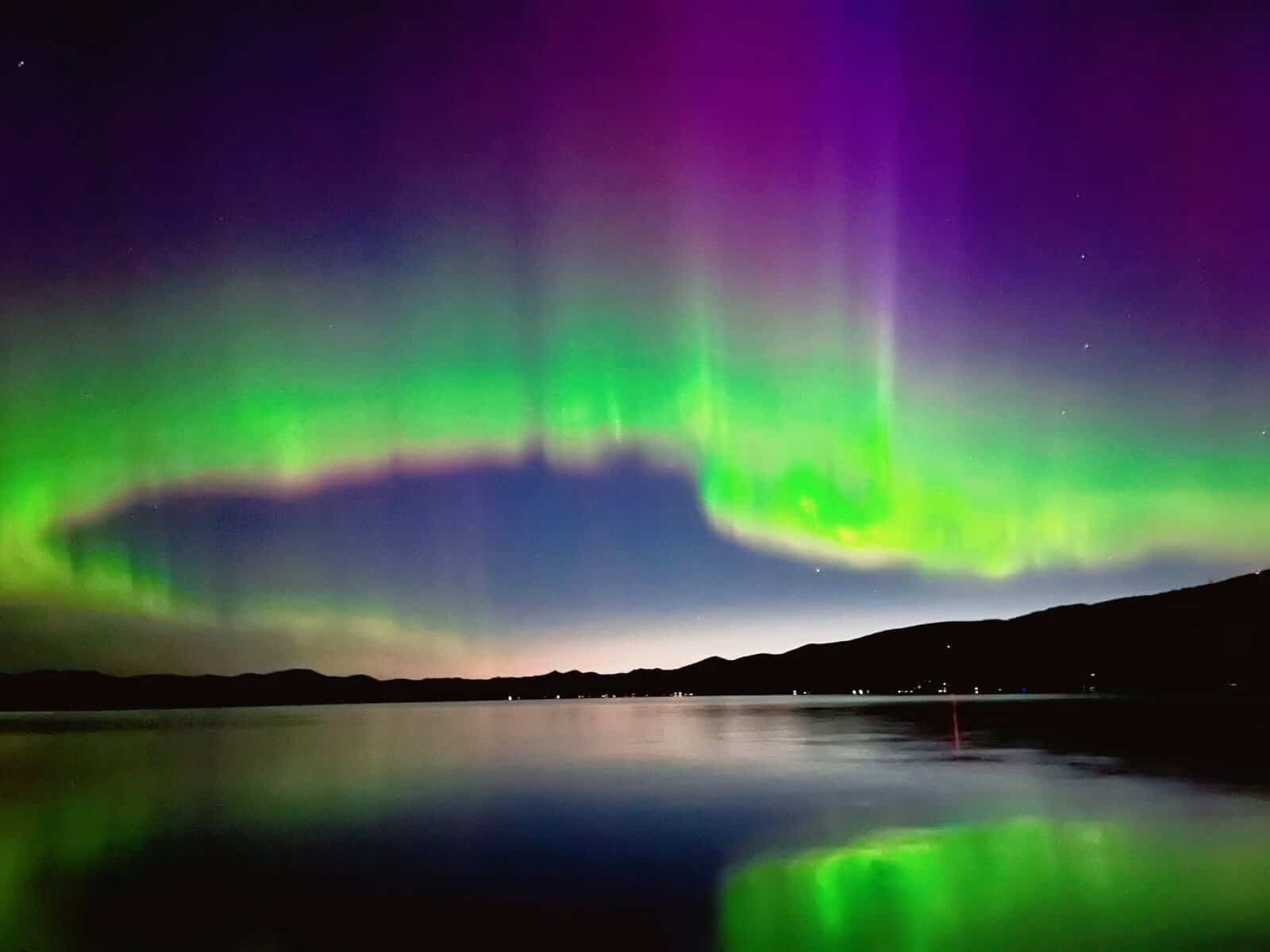
Tucked into Idaho’s northern panhandle, Priest Lake sits within a vast stretch of largely undeveloped wilderness shared with neighboring Washington, ideal territory for aurora watching.
The area’s many lakes give this region a particular advantage, since calm water can reflect the northern lights and effectively double the visual impact of any given display.
Nearby Lake Pend Oreille offers another excellent vantage point, its expansive shoreline providing plenty of open space to settle in and watch the sky without much competition from artificial light.
Winter nights here can be genuinely cold, but the payoff, a sky full of shifting green and pink light mirrored across still water, tends to make the chill worth it.
This stretch of wilderness spans roughly five thousand square miles across Idaho and Washington, giving aurora chasers plenty of room to find their own quiet, unobstructed viewing spot.
Revett Lake rounds out the trio of favorite viewing points in the area, offering yet another calm, reflective surface for anyone hoping to double their view of an active display.
8. North Cascades Region, Washington
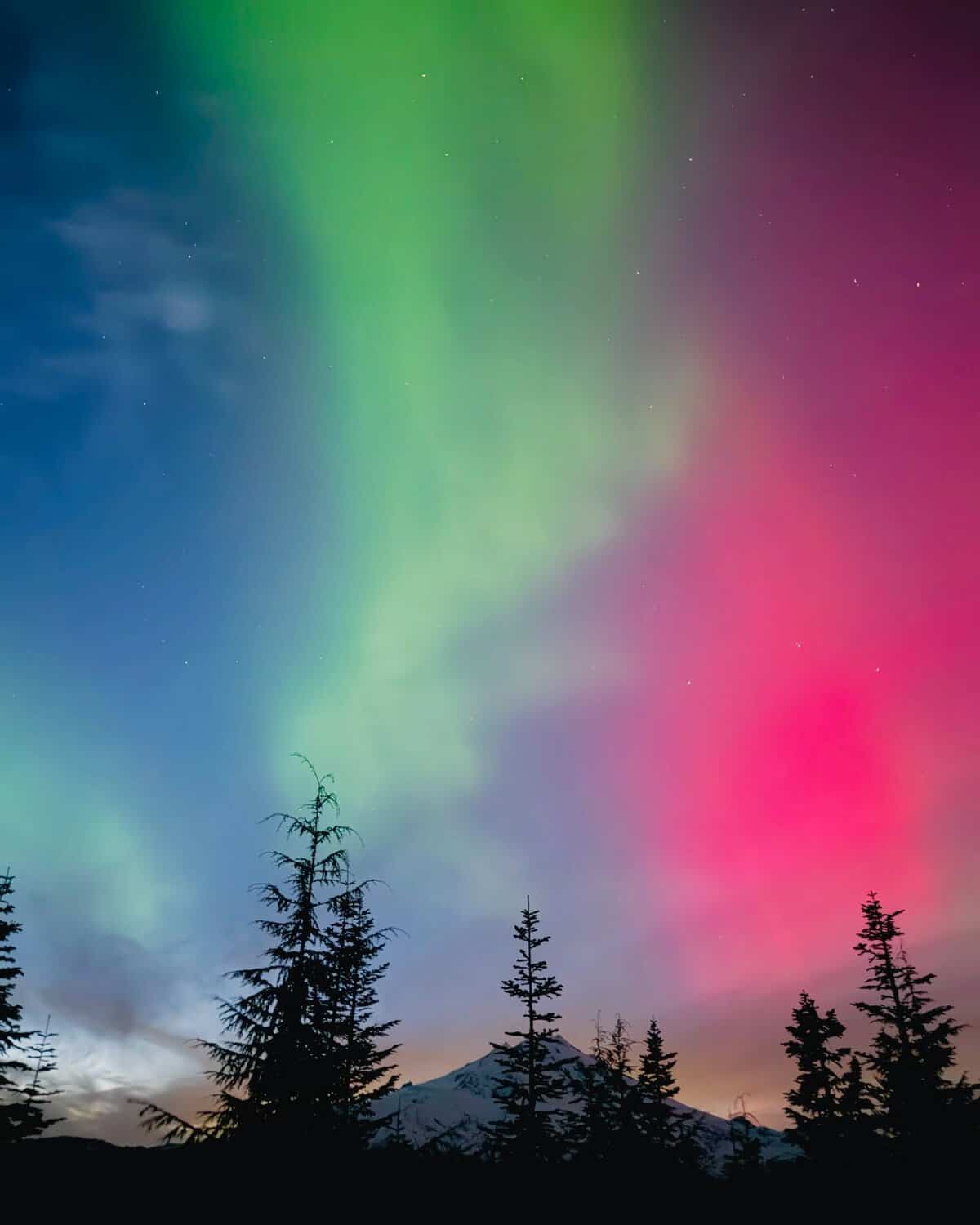
Northern Washington might not be the first place that comes to mind for aurora hunting, but its high latitude and remote mountain terrain make it a legitimate contender.
Lake Wenatchee has become a favorite among Washington-based aurora photographers, offering both dark skies and a scenic mountain backdrop for anyone lucky enough to catch a strong display.
Because much of this region sits further north than most people realize, geographically farther north than parts of Maine, it benefits from genuinely favorable aurora conditions during active solar periods.
Pairing an aurora chase here with a stop in the North Cascades makes for an easy add-on, especially for travelers already exploring the Pacific Northwest’s mountain scenery.
Clear, cold nights offer the best odds, and getting well away from Seattle’s city lights makes a noticeable difference in how vivid any display appears against the dark sky.
Combining a lakeside view with the surrounding mountain silhouettes gives this region a distinct advantage over flatter aurora destinations, adding scale and drama to an already rare sight.
Some Things Are Worth the Cold
There’s a reason aurora chasing tends to turn casual travelers into obsessive ones. You can’t schedule it, buy a ticket for a guaranteed seat, or count on it showing up simply because you showed up first.
That unpredictability is exactly what makes it special. Every one of these eight destinations asks for a little patience, a lot of layers, and a willingness to stand outside in the dark hoping the sky delivers.
Solar activity is expected to stay especially strong over the next couple of years, which means now might be as good a time as any to start planning that late-night vigil.
Some trips will end in disappointment, a cloudy sky or a quiet night with nothing to show for the cold. That’s simply part of the deal, and most aurora chasers will tell you it only makes the eventual payoff feel bigger and more hard-earned.
There’s a particular kind of bonding that happens standing outside in freezing temperatures with strangers, all of you craning your necks upward, all hoping for the exact same thing to happen at the exact same moment.
So pack the warmest coat you own, find the darkest sky you can, and look north. You might just witness one of nature’s most spectacular light shows without ever needing a passport.
More stories


Share this story