10 Blissfully Lazy Rivers Across the US That Turn Summer Into One Long Float

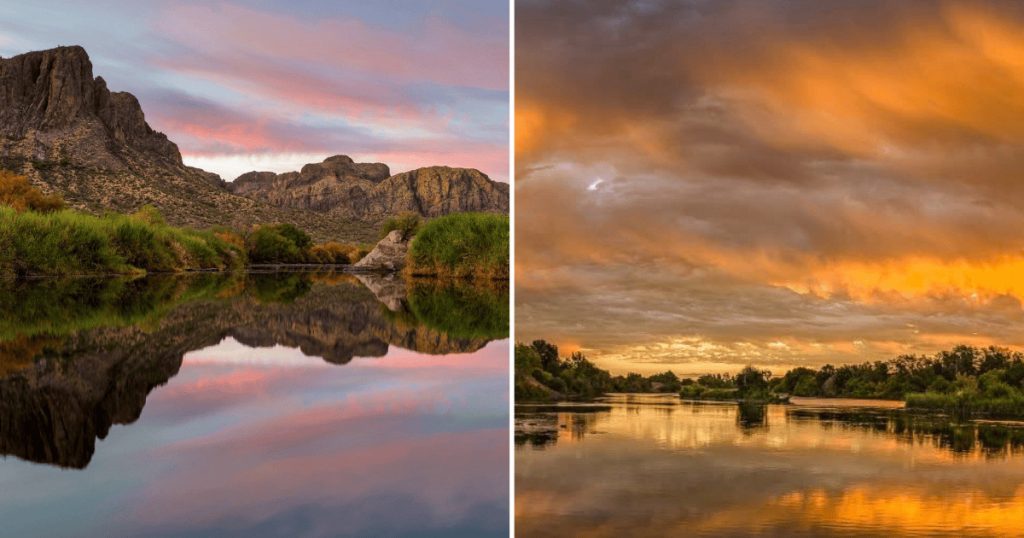
Somewhere around the third scorching week of July, every summer of my childhood, my family made the same pilgrimage: cooler packed, sunscreen slathered, inner tubes squeaking in the trunk. We didn’t need a fancy vacation. We just needed a river.
There’s something almost meditative about tubing. You can’t rush it, you can’t steer much, and you definitely can’t check your phone. You just drift, toes in the water, sky overhead, and let the current decide your pace for the day.
It’s one of the rare vacations where doing absolutely nothing counts as doing it right.
Across the country, rivers of every temperament are made for exactly this kind of afternoon. Some are spring-fed and glass-clear. Others wind through desert canyons or beneath thick Appalachian forest canopies.
A handful even come with their own quirky bit of local lore, the kind of detail that turns a simple float into a story worth retelling long after the trip ends.
Below, I’ve rounded up ten of the very best rivers in America for a lazy day of tubing. Grab a tube, and let’s go with the flow.
Some of these floats last a lazy hour, others stretch into a full afternoon adventure, but every single one promises the same simple reward: nowhere to be and nothing to do but drift.
What Makes a River Perfect for Tubing?
Not every river is built for floating. The best ones share a few qualities that make for an easy, worry-free day on the water.
Look for a gentle, predictable current, one that carries you along without requiring much paddling. A comfortable depth of three to five feet is ideal, with shallow spots where kids can stand if needed.
Scenery matters, too. Whether it’s mountain views, spring-fed forest, or desert canyon walls, the best floats feel like part of the adventure, not just a way to cool off.
Finally, look for easy access points and a nearby outfitter that can supply tubes, life jackets, and a shuttle back to your car. It takes all the logistical guesswork out of the day.
With those basics in mind, here are ten rivers that check every one of those boxes, each with its own personality worth discovering.
1. Niobrara River, Nebraska
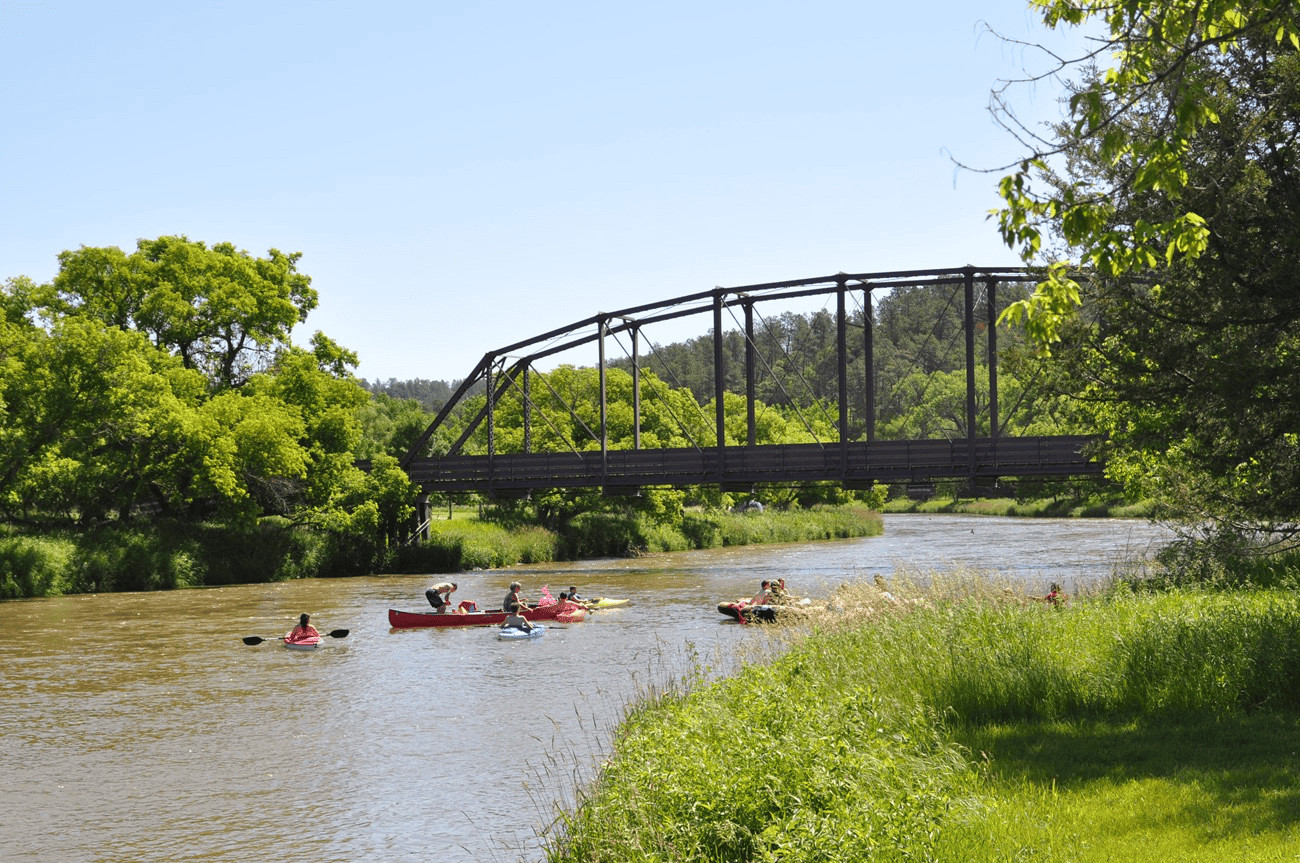
Mention Nebraska, and most people picture endless cornfields. But tucked into the state’s northern reaches is a 76-mile stretch of the Niobrara River, designated a National Scenic River back in 1991.
The river winds gently through sandstone canyons, rolling sandhills, and forests of aspen and birch. It’s a landscape that feels entirely unexpected for the Great Plains.
The best stretch runs about 12 miles, from the Fort Niobrara National Wildlife Refuge down to Smith Falls State Park. Expect a full day of easy paddling, with the occasional playful ripple to keep things interesting.
Keep your eyes open along the way. Eagles, herons, otters, deer, and even the occasional elk make appearances along the riverbanks and grassy meadows.
Two waterfalls make this float extra special. Fort Falls tumbles 30 feet over an exposed canyon wall, while Smith Falls, Nebraska’s tallest waterfall, drops an impressive 63 feet. Both are worth a short hike from the water.
2. Ichetucknee River, Florida
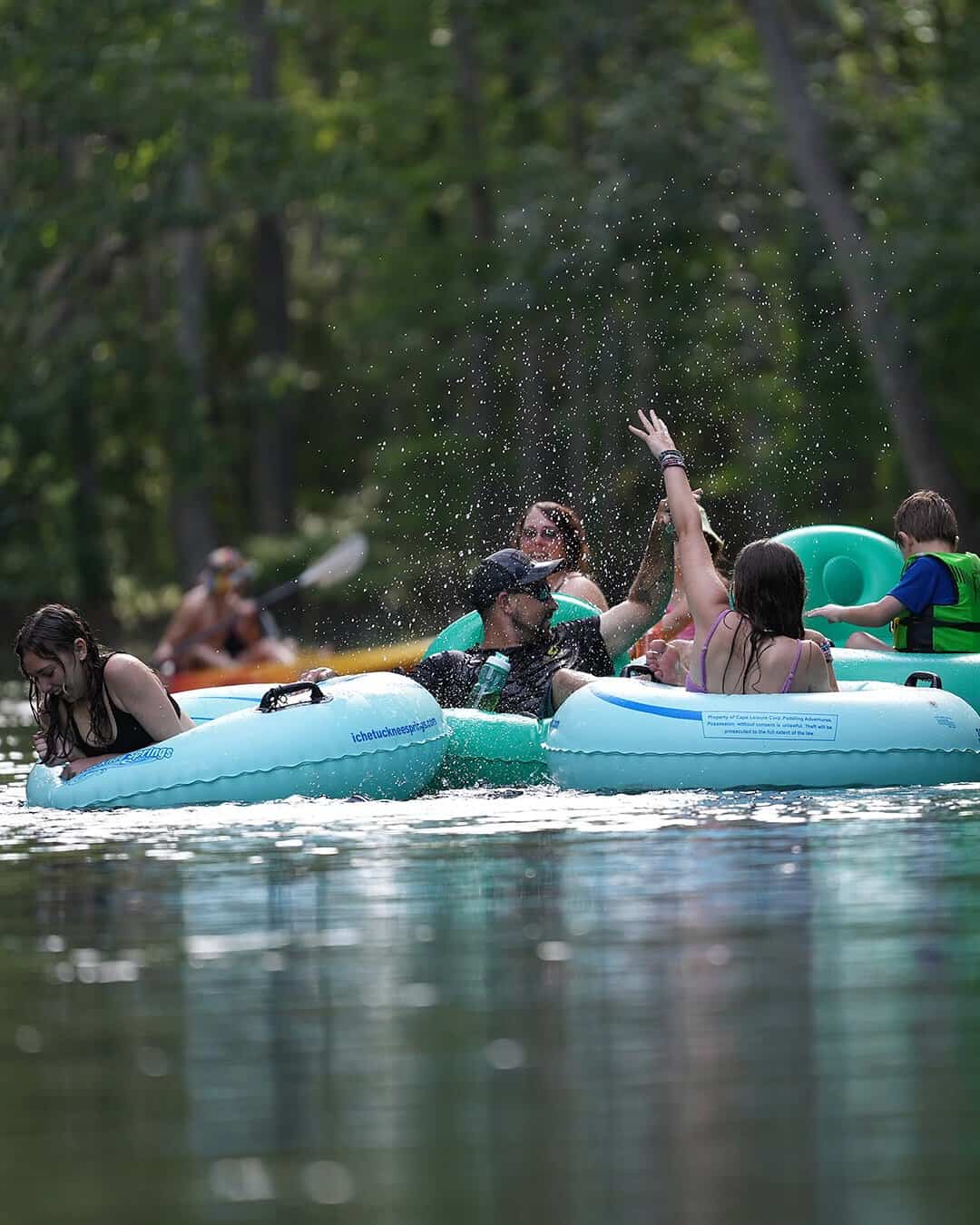
If you’ve ever wanted to float through water so clear you could count individual fish swimming beneath you, head to the Ichetucknee River in northern Florida.
The river bubbles up entirely from natural springs, staying refreshingly cool even in the height of a Florida summer. Aquatic plants sway gently in the current, and lush greenery arches overhead.
Floating the Ichetucknee feels less like a typical lazy river and more like gliding through a tropical postcard. It’s one of those rare rivers where the water itself is the main attraction.
The spring-fed clarity also means excellent wildlife viewing. Turtles sun themselves on fallen logs, while wading birds patrol the shallows for their next meal.
Because the river runs through protected parkland, the surrounding forest stays wonderfully undeveloped, giving the whole float a hushed, almost untouched feeling from put-in to take-out.
3. Frio River, Texas
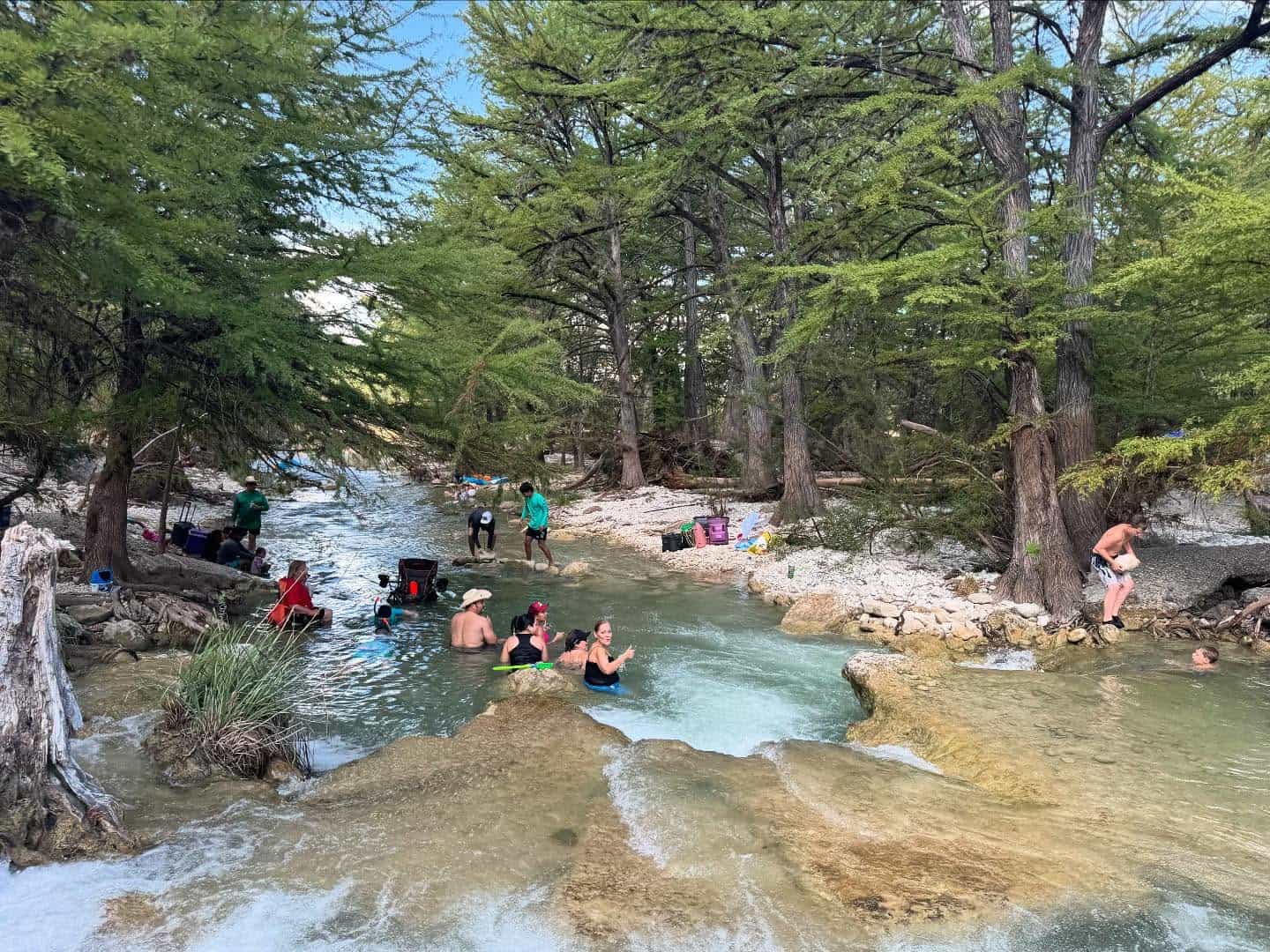
Frio means “cold” in Spanish, and this Texas Hill Country river lives up to its name, staying a crisp 68 degrees Fahrenheit even on the hottest August afternoons.
The spring-fed water winds beneath towering cypress trees and past dramatic limestone bluffs. It’s a remote, 47-mile stretch of scenery that feels a world away from the Texas heat.
Birdwatchers will love this float. Keep an eye out for wood ducks, anhinga (sometimes nicknamed “water turkeys”), and the occasional flash of a vermilion flycatcher darting overhead.
Garner State Park offers access to nearly three miles of the Frio, along with a beloved local tradition: nightly summer dance parties on the park’s outdoor pavilion, complete with jukebox tunes, a custom dating back to the 1940s.
Even on a crowded summer weekend, the shade from those towering cypress trees keeps the whole float feeling cool, cheerful, and about as classic a Texas summer scene as you’ll find.
4. Delaware River, Pennsylvania & New Jersey
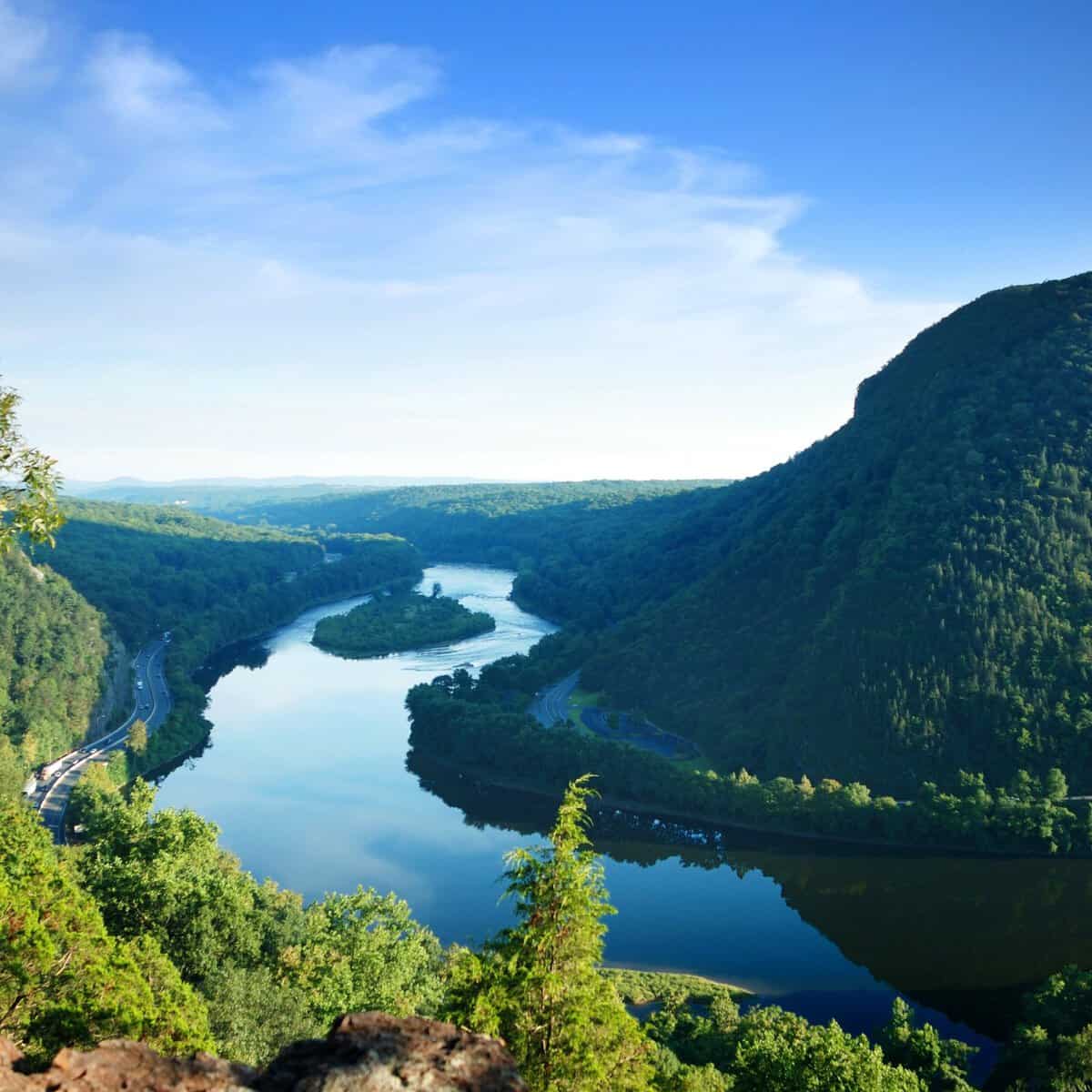
Tracing the border between Pennsylvania and New Jersey, the Delaware River offers a calm, scenic float through dense forest and dramatic riverside cliffs.
Bald eagles and herons have a habit of appearing without warning along quieter stretches, rewarding patient floaters with a genuine wildlife encounter.
Sandy riverbank stops pop up throughout the route, perfect for pulling your tube ashore for a picnic, a quick swim, or simply stretching out in the sun for a while.
This is one of the most popular tubing destinations on the East Coast, with hundreds of floaters taking to the water on a typical summer day, especially near Point Pleasant in Bucks County.
Because the river forms the state line, you technically get to say you tubed through two states in one lazy afternoon, a fun bit of trivia for anyone keeping score.
5. Salt River, Arizona
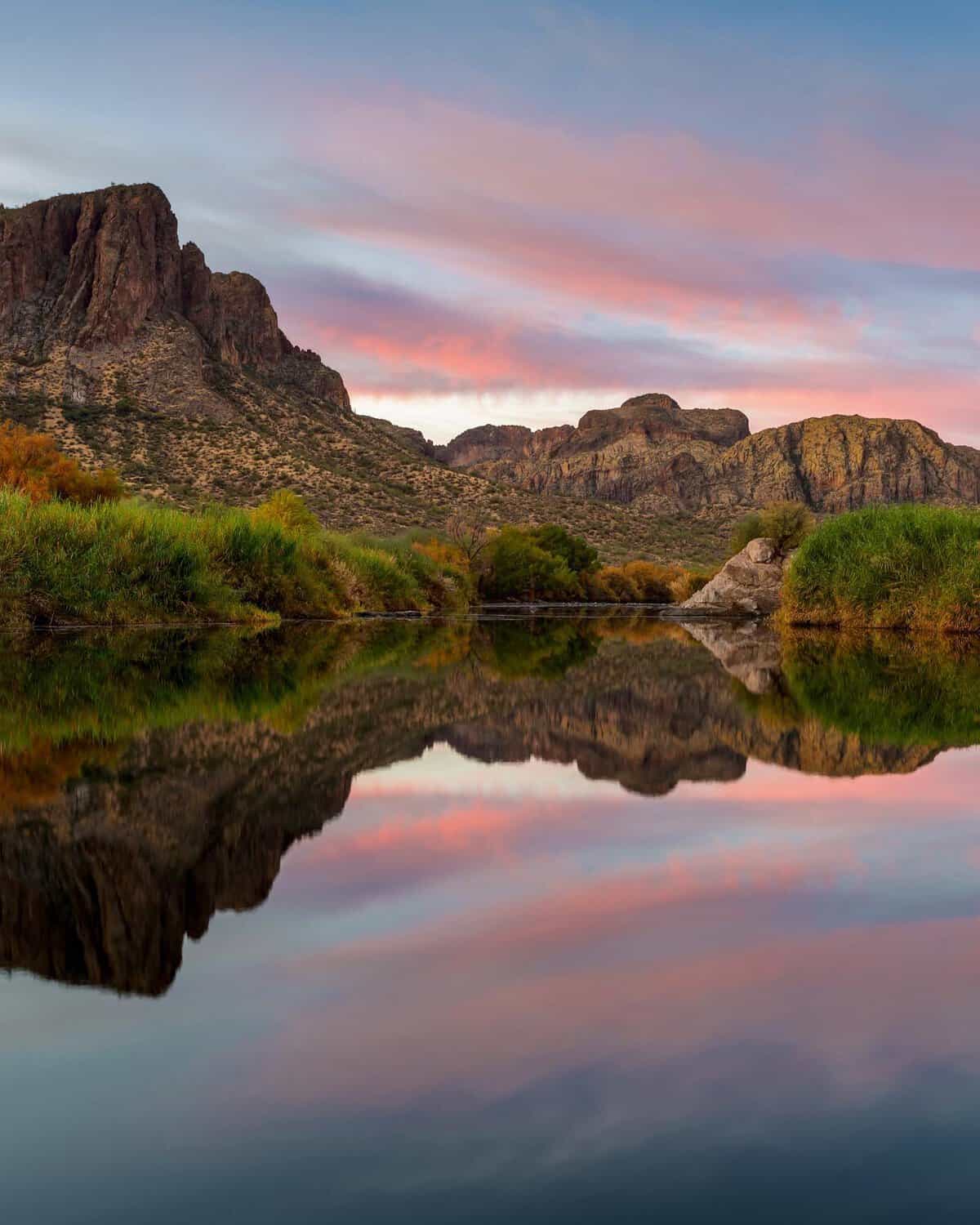
Just outside Mesa, the Salt River winds around the base of Red Mountain, offering desert dwellers a much-needed escape when the thermometer climbs into triple digits.
The scenery here is pure desert paradise: rugged mountains, sun-bleached boulders, and wide-open sky, all set against a backdrop that feels distinctly Southwestern.
Because it’s such a popular summer destination, the river is thoughtfully divided into sections dedicated to different users, so anglers, private boaters, and tubers can all enjoy the water without crowding each other.
Tubing season typically runs into August, though water levels can shift the timeline. It’s worth checking conditions before you head out, since the flow can vary from week to week.
Wild horses are sometimes spotted grazing along the riverbanks here, a genuinely memorable sight for floaters who happen to catch them at just the right bend in the river.
6. Harpeth River, Tennessee
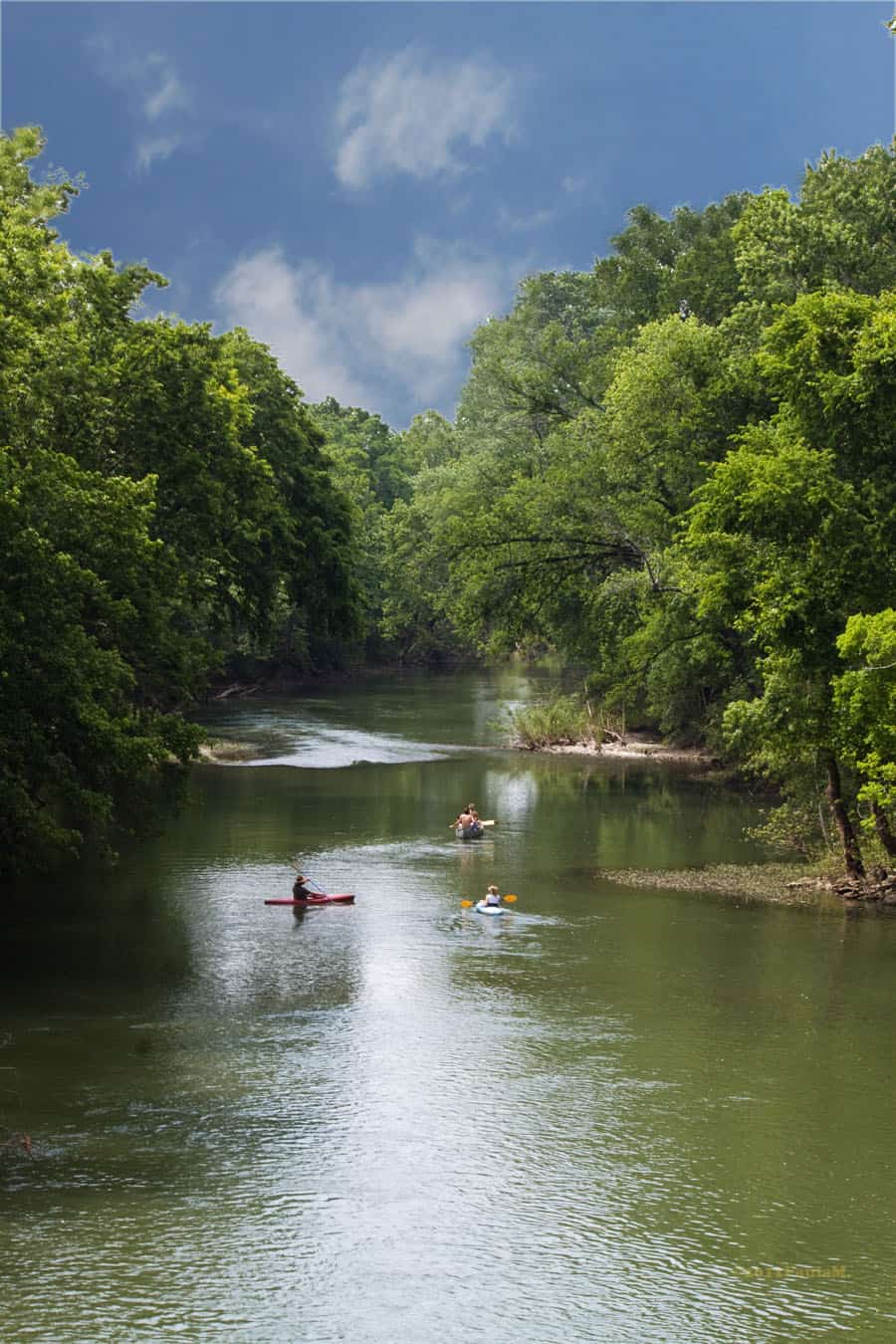
Just west of bustling Nashville, the Harpeth River offers a peaceful, unhurried retreat that feels miles removed from the city’s honky-tonk energy.
Towering limestone bluffs rise along the banks, framing a calm, slow-moving current that’s ideal for beginners and families alike.
Wildlife sightings are practically guaranteed. Herons stalk the shallows, deer graze near the water’s edge, and turtles line up on sunny logs like they’re posing for a photo.
It’s the kind of float where the loudest sound is birdsong, a welcome contrast for anyone who’s just spent a few days exploring Music City.
Several access points along the river make it easy to customize your trip, whether you’re looking for a quick hour-long paddle or a longer, more leisurely afternoon.
7. Shenandoah River, Virginia
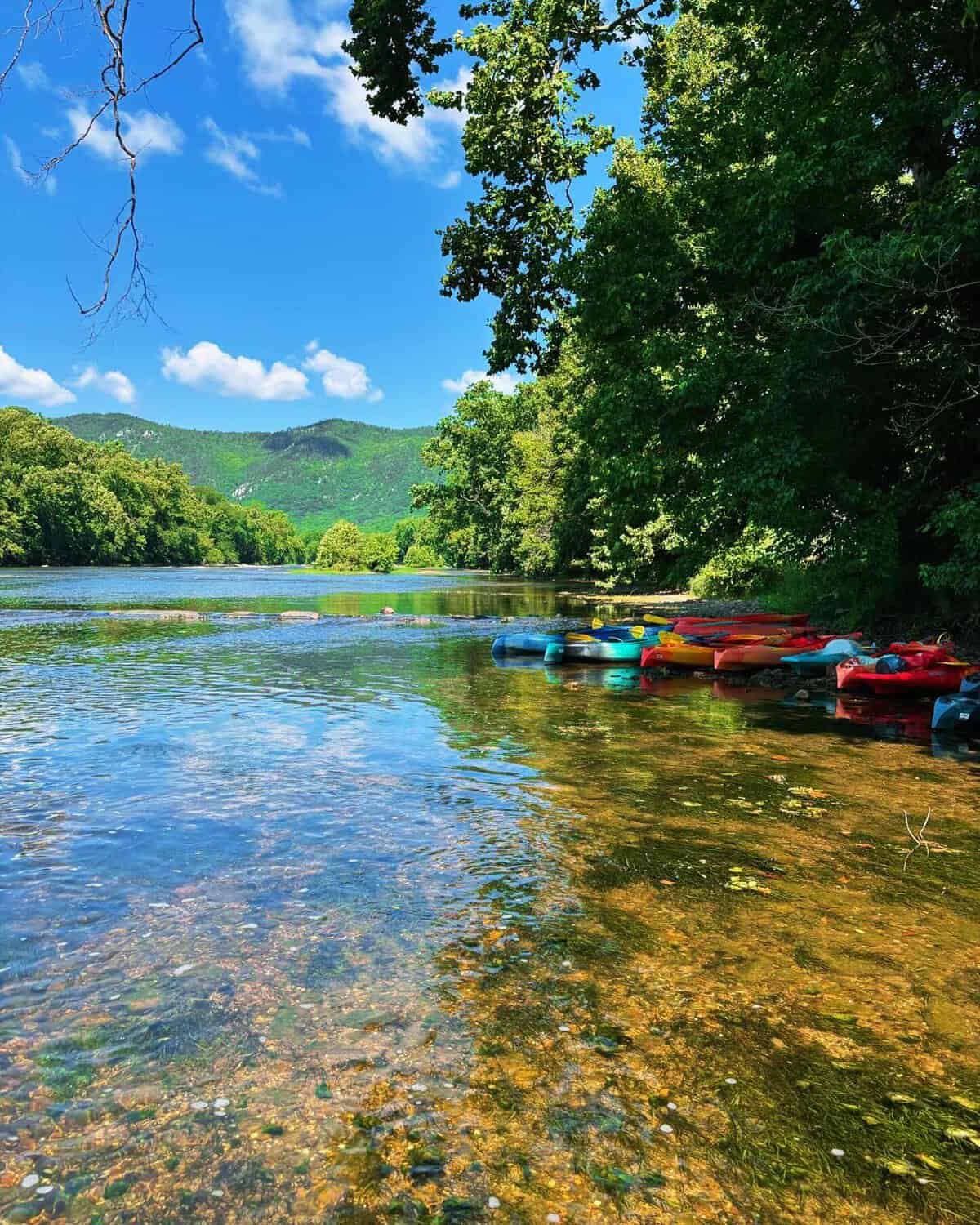
Cutting through Virginia’s stunning Blue Ridge country, the Shenandoah River widens into long, lazy stretches of calm water that seem to beg for a tube.
Sweeping mountain views accompany you for nearly the entire float, making this one of the more visually spectacular tubing rivers on the East Coast.
Both the North and South Forks of the Shenandoah offer easy outfitter access, making this a go-to pick for groups, families, and weekend day-trippers exploring Appalachia.
The gentle current means you won’t have to do much work. Just lean back, watch the mountains roll by, and let the Shenandoah do the rest.
History buffs will appreciate the setting, too, since this same valley played a significant role during the Civil War, adding a quiet layer of story to an already scenic float.
8. Snoqualmie River, Washington
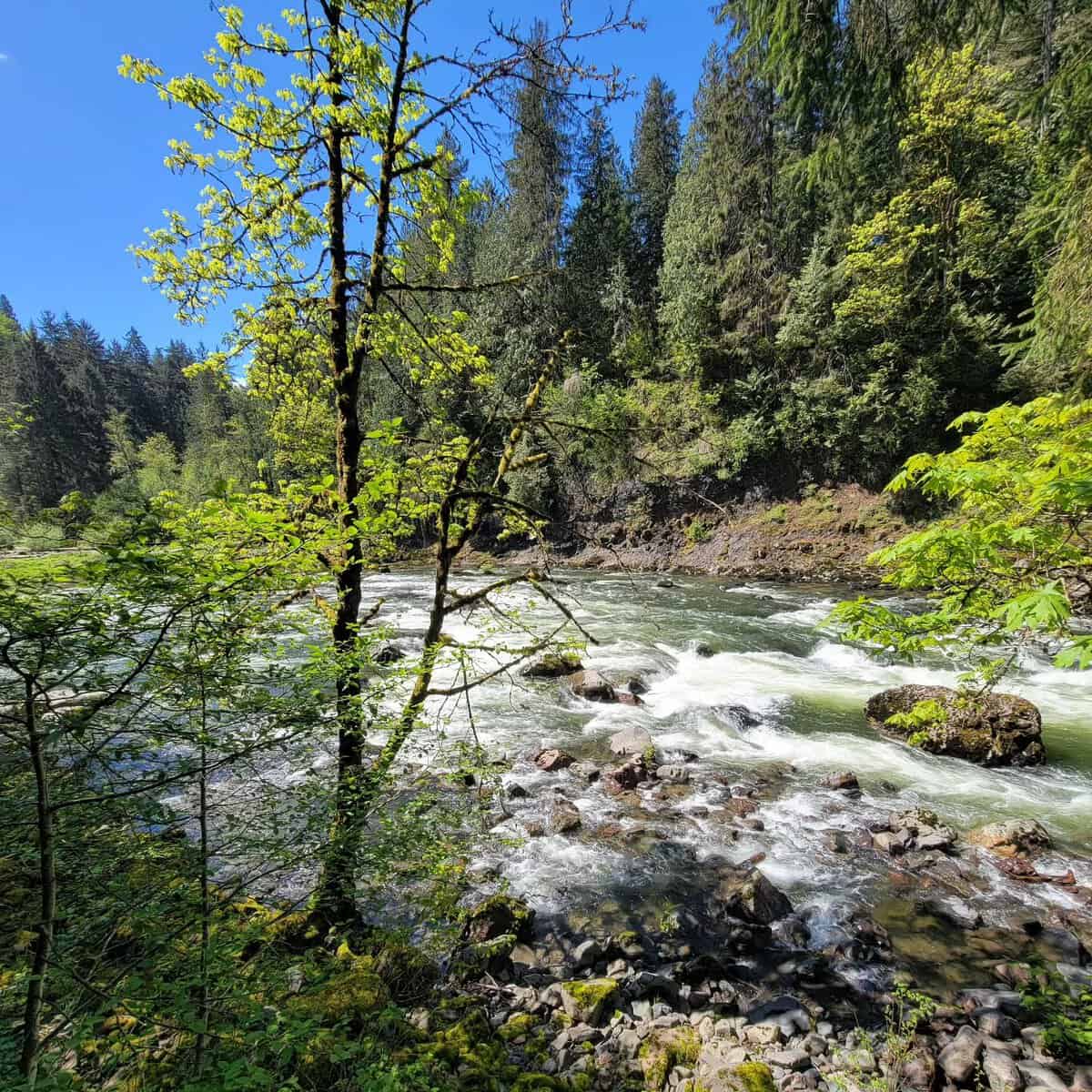
About 30 minutes east of Seattle, the Snoqualmie River offers a decidedly different tubing experience: cool, snowmelt-fed water framed by towering evergreens.
The best stretch runs from Snoqualmie Falls down to Fall City, a float that typically takes about four hours from start to finish.
The scenery is spectacular, with tall pines and rocky outcroppings lining the shore. Adventurous floaters can even find a rope swing or two tucked along the riverbank.
Because the water stays chilly even in summer, this float is best suited for folks who don’t mind a refreshing (rather than warm) dip. It’s a wonderfully scenic way to beat a Pacific Northwest heatwave.
The nearby falls themselves are worth a stop before or after your float, tumbling 268 feet over a rocky ledge in a scene that looks almost too dramatic to be real.
9. American River, California
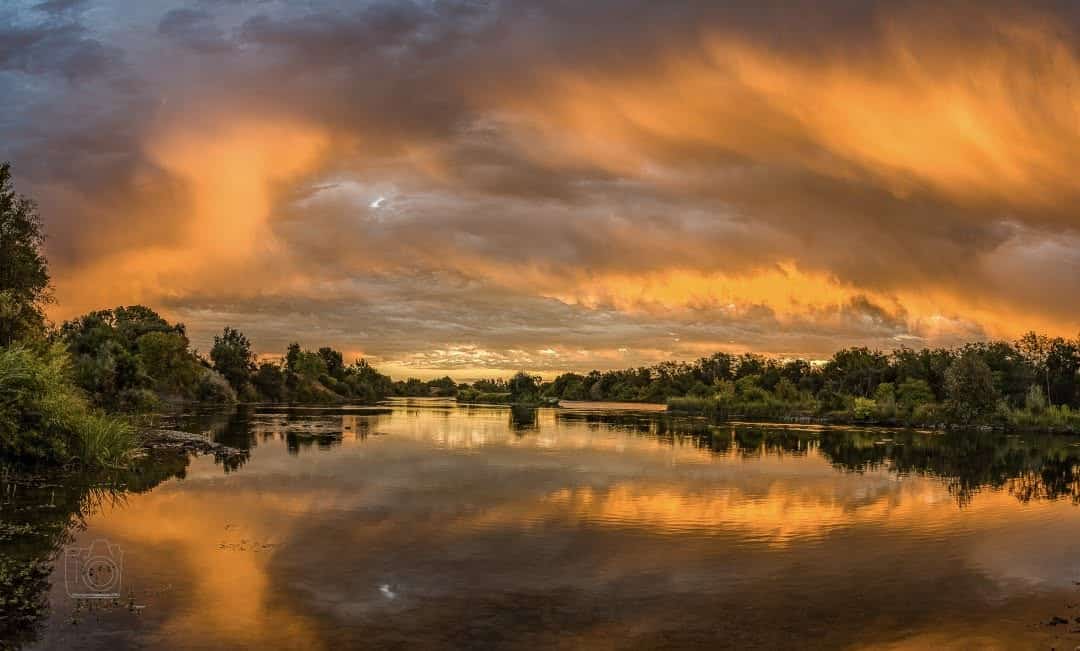
Sacramento may not be the first city that comes to mind for outdoor adventure, but this river city has one of the most underrated floats in the country.
The American River winds through the city on waters typically too shallow for larger boats, leaving the current free for tubers, kayakers, and paddleboarders.
Green trees line the banks, and the water carries a clear, cool blue-green hue that feels miles removed from the nearby urban skyline.
It’s an easy, accessible float for both locals and visitors, proof that you don’t have to leave the city behind entirely to find a genuinely relaxing river day.
Several parks dot the riverbanks along the way, offering shaded spots to take out early or simply relax on the grass once your float wraps up for the day.
10. Kauaʻi Backcountry Tubing, Hawaii
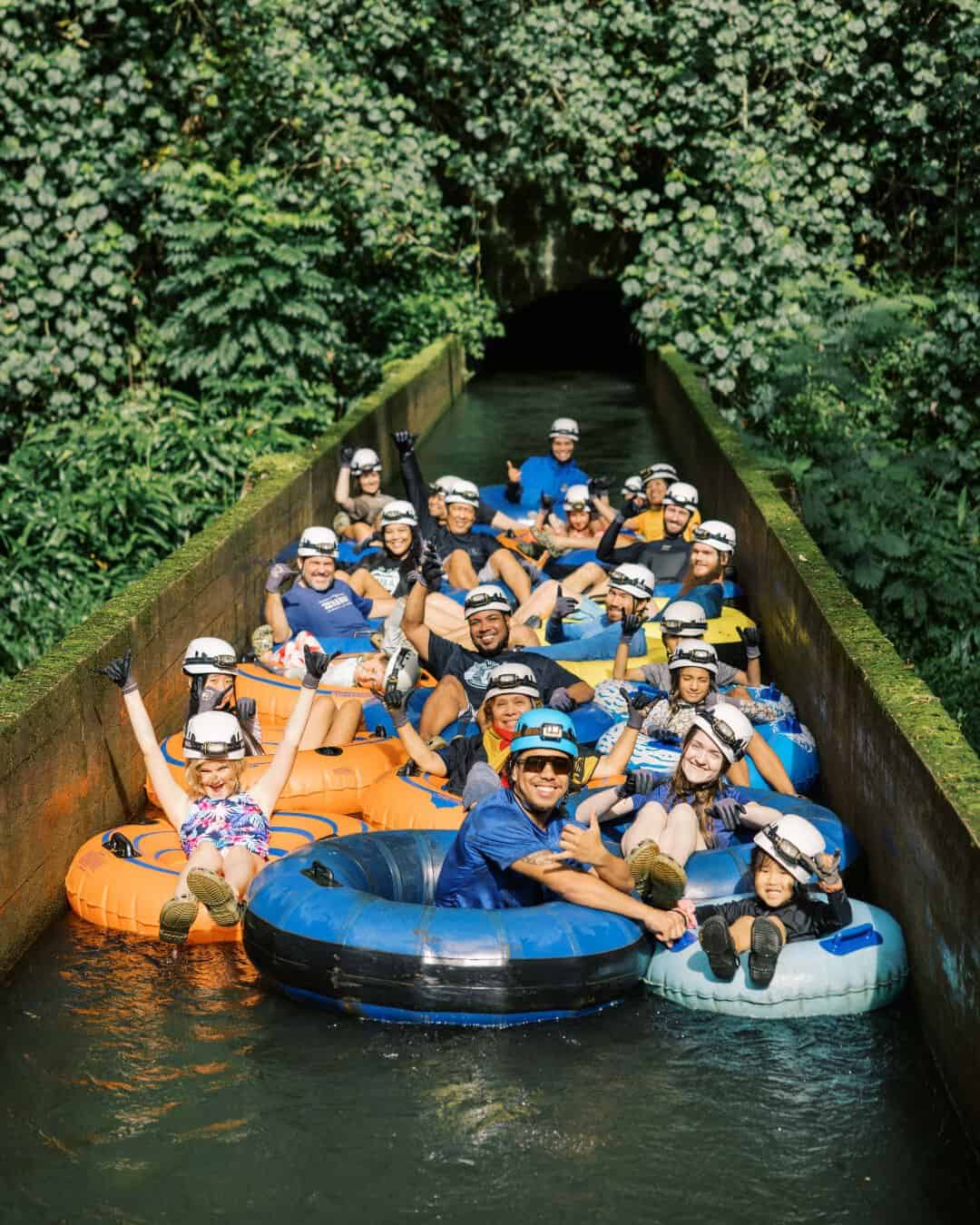
Here’s one that breaks all the rules of a traditional river float, and I love it for that reason. On the island of Kauaʻi, tubing takes place not on a river, but through a former sugar plantation’s irrigation system.
Kauaʻi Backcountry Adventures guides tubers along open canals, through hand-dug tunnels, and down a few gentle flumes, all originally carved by plantation workers in the late 19th century.
Along the way, you’ll catch views of Mount Waialeale, one of the wettest spots on the entire planet, along with glimpses of Kauaʻi’s dramatic coastline in the distance.
Headlamps are provided for the tunnel sections, adding a genuinely adventurous twist to an otherwise mellow float. The outing wraps up with a picnic lunch and a dip in a natural swimming hole.
It’s proof that “tubing” doesn’t always mean a lazy river bend. Sometimes it means floating through a slice of plantation history, tunnels and all, on an island most visitors never expect to offer this kind of adventure.
Time to Find Your Float
Ten rivers, ten completely different moods: desert canyons, spring-fed springs, mountain valleys, even a century-old irrigation canal in the middle of the Pacific.
What ties them all together isn’t geography. It’s that particular, unhurried joy of letting a current carry you somewhere, with nowhere else you need to be.
No itinerary, no rushing, no real plan beyond staying afloat and soaking up the scenery. Sometimes that’s exactly the kind of vacation a person needs.
Some of these floats will have you watching for wild horses or bald eagles. Others will hand you a headlamp and send you drifting through a hand-dug tunnel in near total darkness.
Pick the one that matches your mood, whether that’s total tranquility or a splash of adventure. Pack sunscreen, grab a tube, and let the water do the planning for you.
Summer moves fast enough as it is. For one afternoon, let it slow all the way down to the speed of the river.
More stories


Share this story