10 Iconic American Sandwiches and the Legendary Spots Where You Need to Try Them

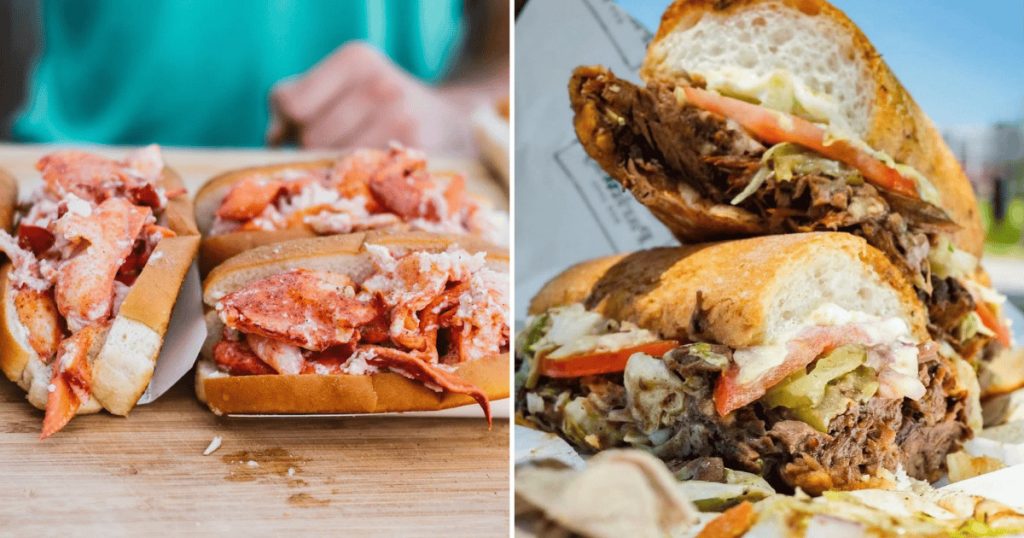
The women in my family believed that you could learn everything about a city by finding its best sandwich. The bread, the filling, the way it was assembled — all of it told a story about the people who made it.
I’ve never been able to shake that idea. America has built some of its most beloved traditions between two slices of bread. The cheesesteak, the po’boy, the lobster roll — these aren’t just menu items. They’re regional identities pressed into edible form.
Each one has a home, a history, and a right way to eat it. Stray too far from the original, and something important gets lost. And like most things worth caring about, they taste completely different when eaten in the place they were born.
The following ten sandwiches each have a hometown, a story, and a restaurant that still does the original version justice. Bring your appetite — this is a list worth eating your way through.
1. The Cheesesteak at Pat’s King of Steaks, Pennsylvania
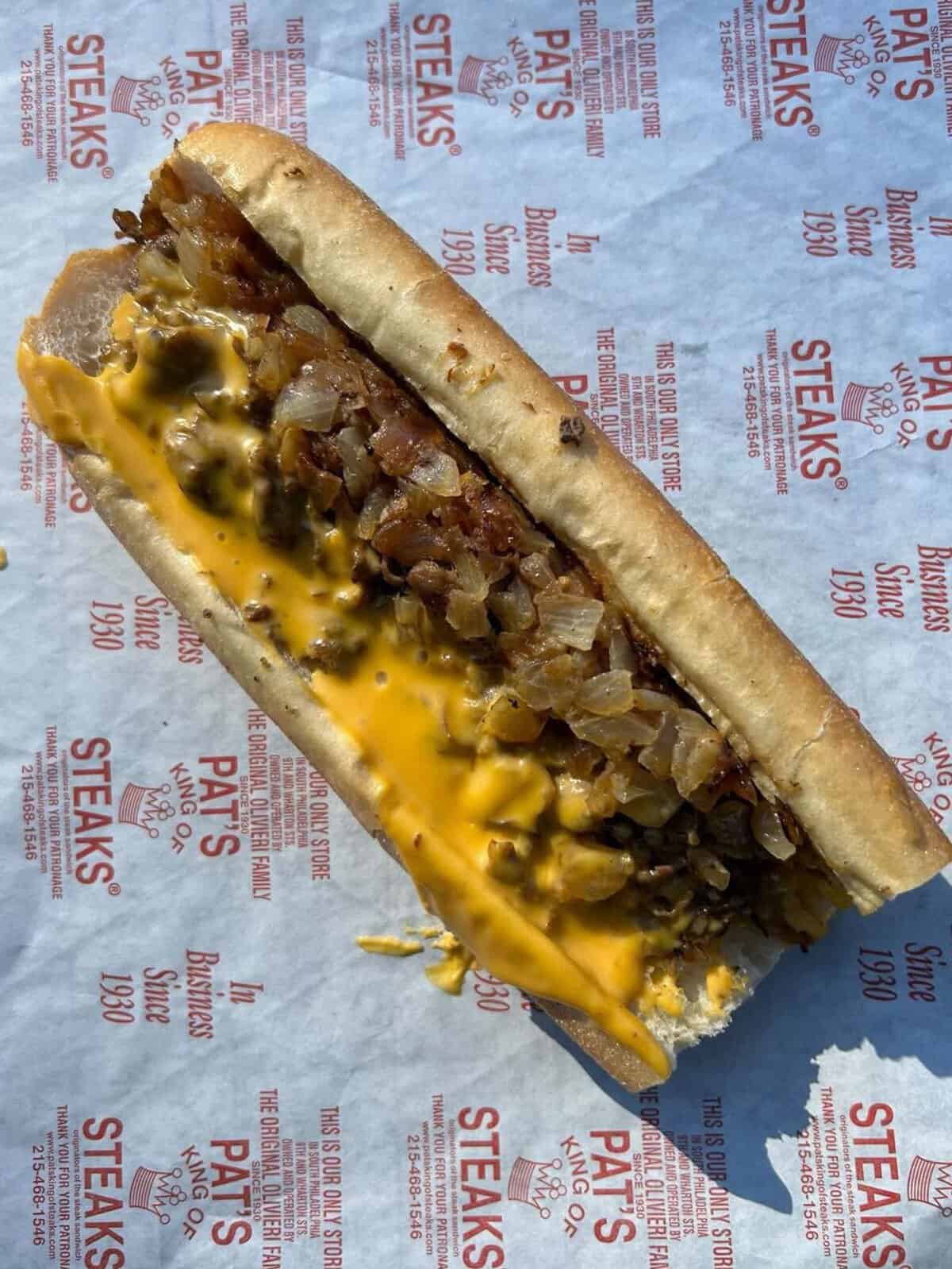
Philadelphia has argued about cheesesteaks for generations, and the debate starts right here. Pat’s King of Steaks is widely credited as the birthplace of the sandwich itself, opened by Pat Olivieri in 1930 when he reportedly threw some beef on a hot dog roll.
Thin-shaved ribeye, cooked on a flat-top griddle, gets piled into a long Amoroso roll. The great cheese debate — Whiz, provolone, or American — is settled entirely by personal preference.
Ordering correctly is considered part of the experience. Locals say it fast: “Whiz wit” means Cheez Whiz with onions. Any hesitation in line is noted. It’s a rite of passage with a very short grace period.
Pat’s operates 24 hours a day, seven days a week, a detail that tells you everything about how seriously this city takes its cheesesteaks.
Geno’s Steaks sits directly across the intersection and has been Pat’s chief rival for decades. Visiting both in a single afternoon is a Philadelphia tradition that many locals consider a civic duty.
Where: Pat’s King of Steaks, 1237 E Passyunk Ave, Philadelphia, PA 19147
2. The Po’boy at Parkway Bakery & Tavern, Louisiana
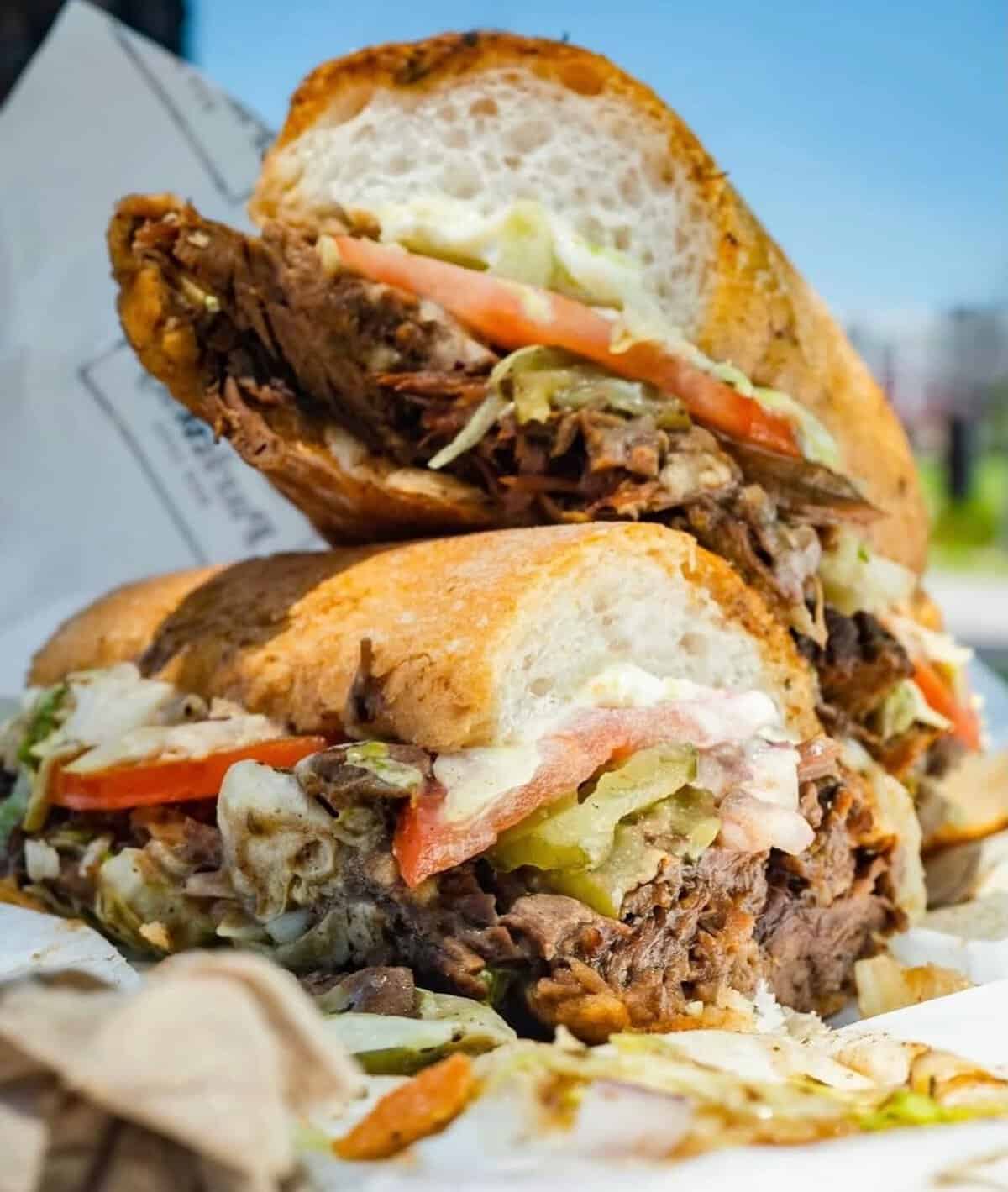
New Orleans has a sandwich built for the heat, the hunger, and the humidity. The po’boy is a Louisiana institution, stuffed into crispy French bread that shatters when you bite it and somehow holds everything together at the same time.
Parkway Bakery & Tavern has been feeding New Orleans since 1911, and its roast beef po’boy in particular has become a local legend. The debris — loose shreds of beef cooked in its own drippings — is what converts people on the first bite.
“Dressed” means lettuce, tomato, pickles, and mayo. First-timers are always slightly unprepared for the size of the thing. The bread is non-negotiable: only New Orleans French bread, with its distinctive crispy crust and cottony interior, holds up to the generous fillings.
Parkway closed for years after Hurricane Katrina before being lovingly restored and reopened. That comeback story alone has earned it a special kind of loyalty among New Orleans regulars.
Where: Parkway Bakery & Tavern, 538 Hagan Ave, New Orleans, LA 70119
3. The Reuben at Katz’s Delicatessen, New York
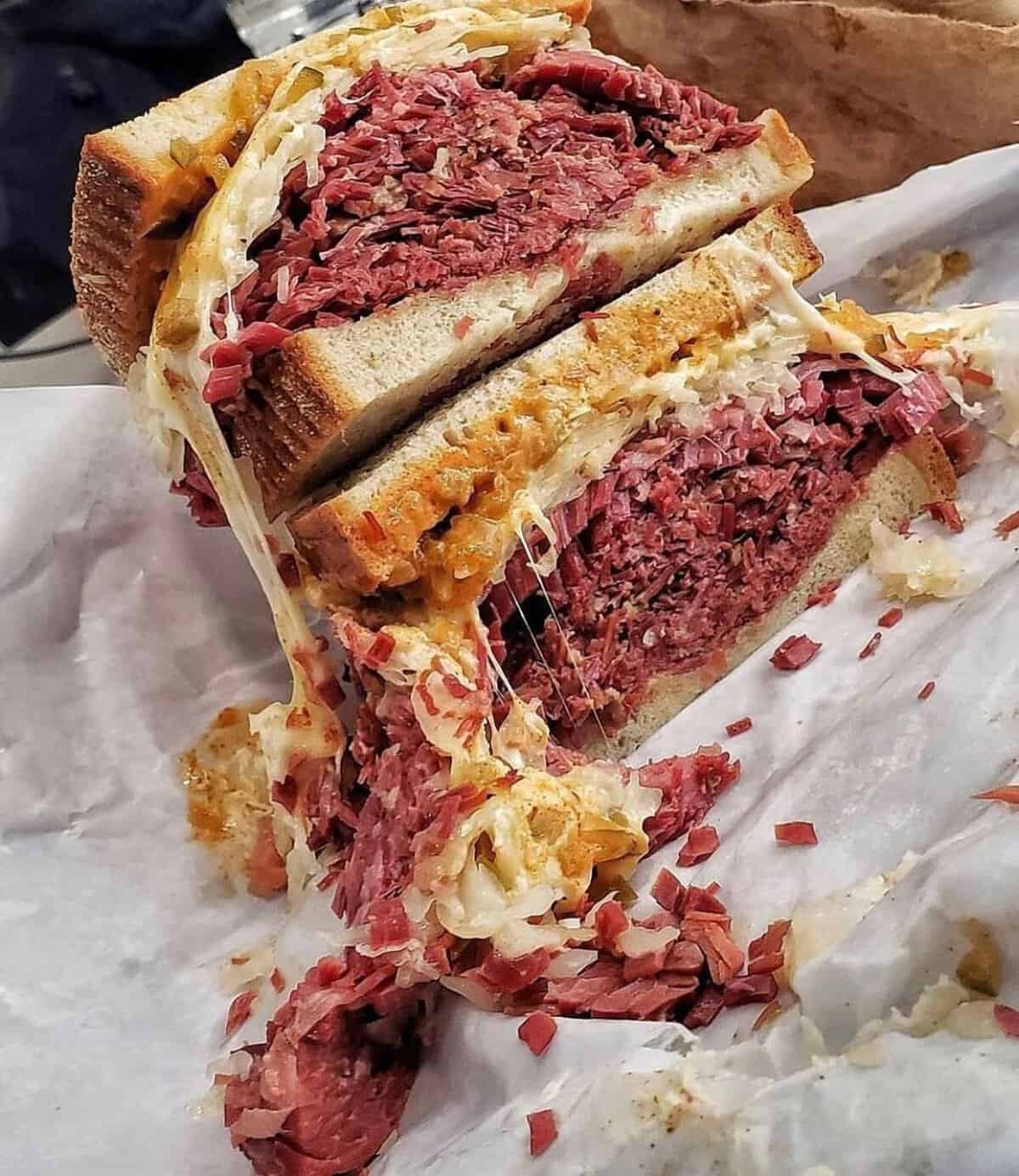
New York’s deli culture has produced many great things, but the Reuben might be its most enduring contribution to the sandwich canon. Corned beef or pastrami, Swiss cheese, sauerkraut, and Russian dressing on rye bread — it’s a study in contrasts that somehow works perfectly.
Katz’s Delicatessen on the Lower East Side has been slicing pastrami since 1888. The ticket system, the long counters, the sawdust-on-the-floor energy — none of it has changed much, and that’s entirely the point.
The pastrami is hand-sliced, generously portioned, and piled high enough that eating it neatly is basically impossible. Katz’s has been called home by generations of New Yorkers who treat it less like a restaurant and more like a landmark that happens to serve lunch.
The deli ticket system — hand it in when you order, lose it at your peril — is one of New York’s more endearing quirks, and Katz’s enforces it with cheerful seriousness.
Where: Katz’s Delicatessen, 205 E Houston St, New York, NY 10002
4. The Lobster Roll at Luke’s Lobster, Maine
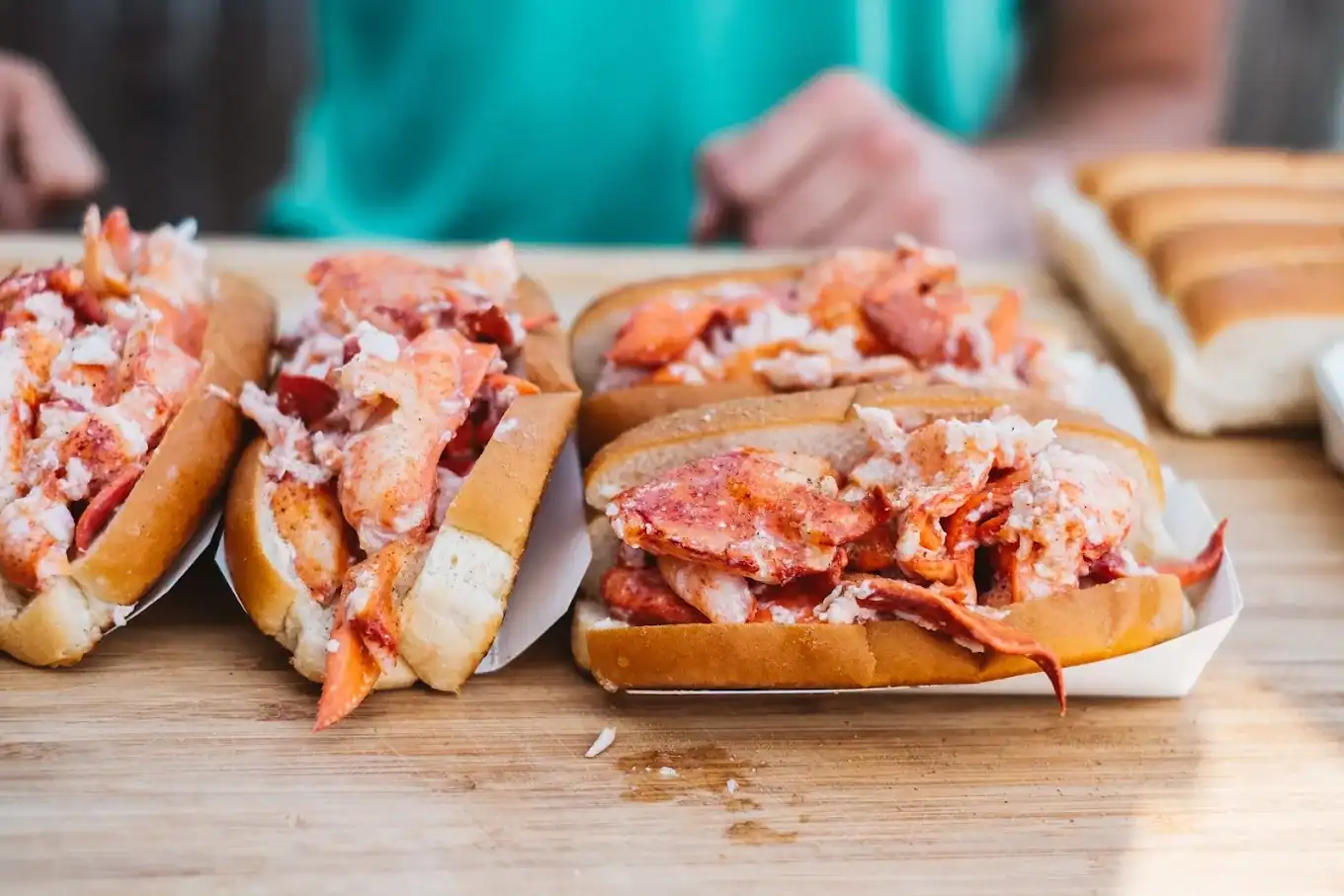
Maine lobster roll debates center on one key question: mayo or butter? Luke’s Lobster in Portland keeps it simple and purposeful — cold, lightly dressed lobster in a knuckle-to-tail mix, barely touched with mayo, lemon butter, and seasoning.
The roll itself is a split-top hot dog bun, toasted until golden. It exists entirely to support the lobster rather than compete with it, which is exactly as it should be.
Luke’s sources are directly from Maine lobstermen, a supply chain that keeps the quality consistent and the connection to the source transparent. For a state that considers the lobster roll practically sacred, that kind of integrity matters.
The Portland Pier location puts you steps from the working waterfront, which adds something to the experience that’s hard to articulate but impossible to ignore.
Where: Luke’s Lobster, 60 Portland Pier, Portland, ME 04101
5. The Italian Beef at Al’s #1 Italian Beef, Illinois
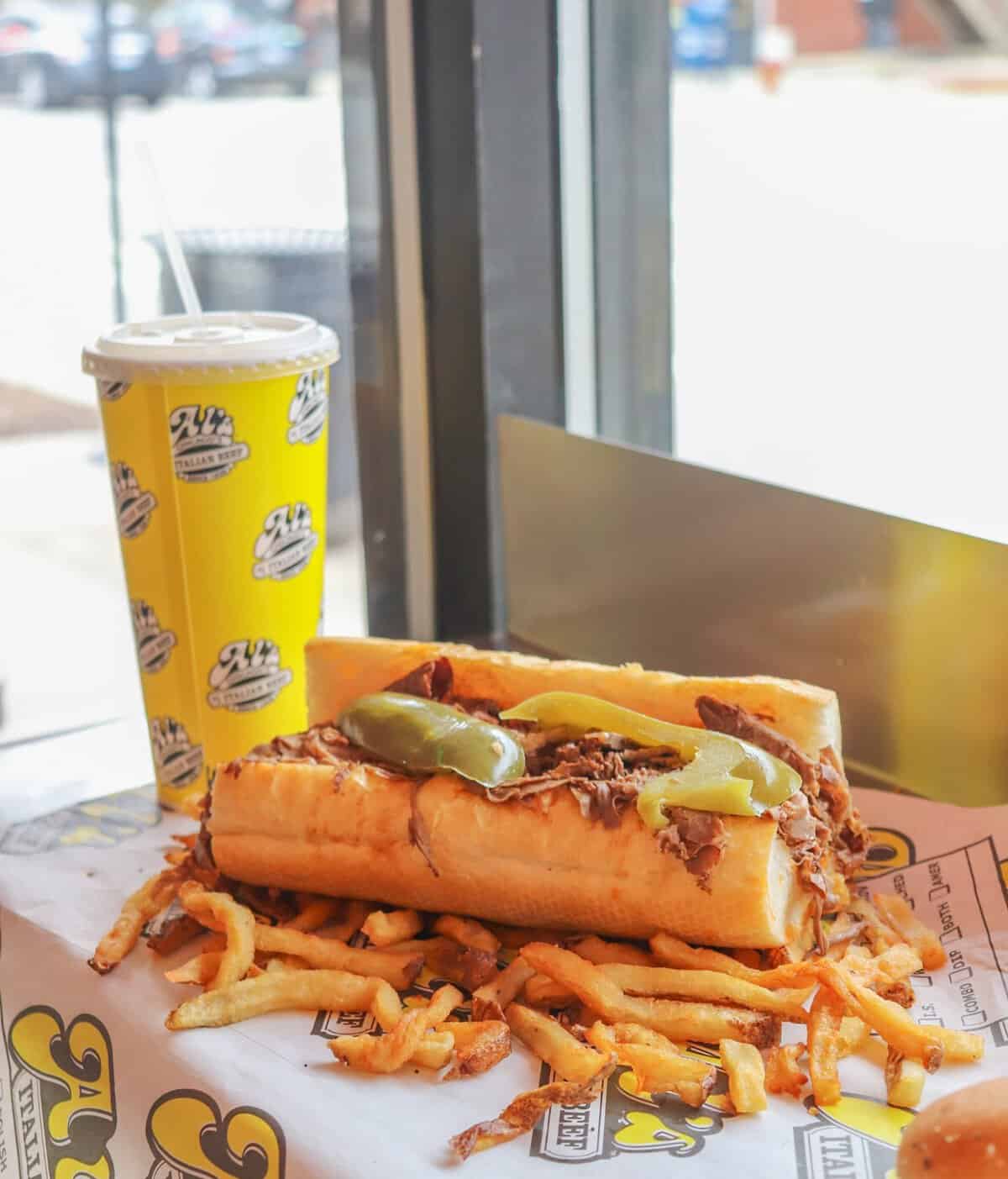
Chicago’s Italian beef sandwich was born from Italian immigrant communities in the early 20th century, a way of stretching tougher cuts of beef into something deeply flavorful. Thin-sliced beef, slow-cooked in its own spiced juices, gets piled onto a long Italian roll.
The defining moment is the dip. “Dipped” means the entire roll gets submerged briefly in the cooking liquid before serving, resulting in something that soaks through the bread entirely. It’s gloriously messy and completely intentional.
Al’s #1 Italian Beef has been a Chicago institution since 1938. The addition of giardiniera — Chicago’s signature hot pickled vegetable mix — adds the heat and crunch that completes the sandwich.
The sweet pepper alternative exists for those who prefer less heat, but regulars tend to look at that choice with polite skepticism. The hot giardiniera is considered the correct answer.
Where: Al’s #1 Italian Beef, 1079 W Taylor St, Chicago, IL 60607
6. The Cuban Sandwich at Columbia Restaurant, Florida
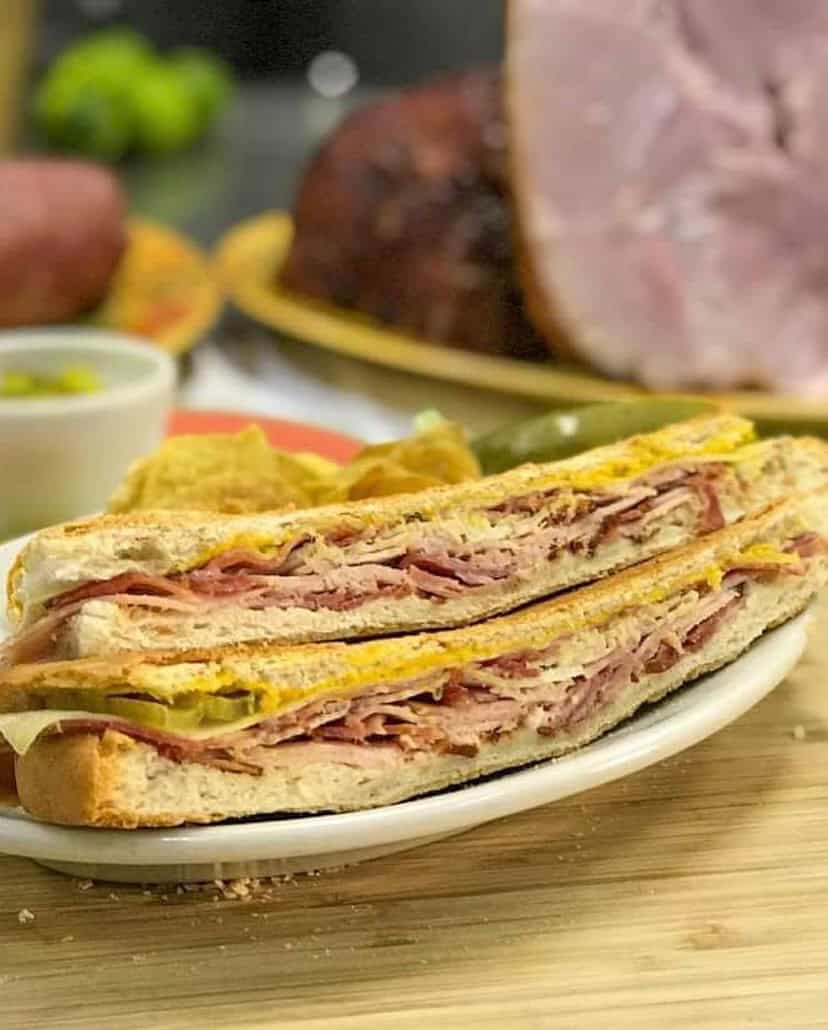
Tampa has one of the strongest claims to the Cuban sandwich’s American origin, and the Columbia Restaurant makes that argument beautifully. Founded in 1905 in the Ybor City neighborhood, it’s Florida’s oldest restaurant and has been serving its version of the Cubano for generations.
Ham, roasted pork, salami, Swiss cheese, pickles, and mustard on Cuban bread, pressed flat until the outside is golden and the inside is melted together — that’s the Tampa-style Cuban.
The salami is the detail that distinguishes Tampa’s version from Miami’s. It reflects the Italian immigrant influence on Ybor City’s culture, where Cuban and Italian communities shared the neighborhood for decades. That history is packed into every pressed sandwich.
The Columbia’s dining room, full of hand-painted tiles and flamenco performances on weekend evenings, makes the whole experience feel bigger than just lunch.
Where: Columbia Restaurant, 2117 E 7th Ave, Tampa, FL 33605
7. The Primanti Sandwich at Primanti Brothers, Pennsylvania
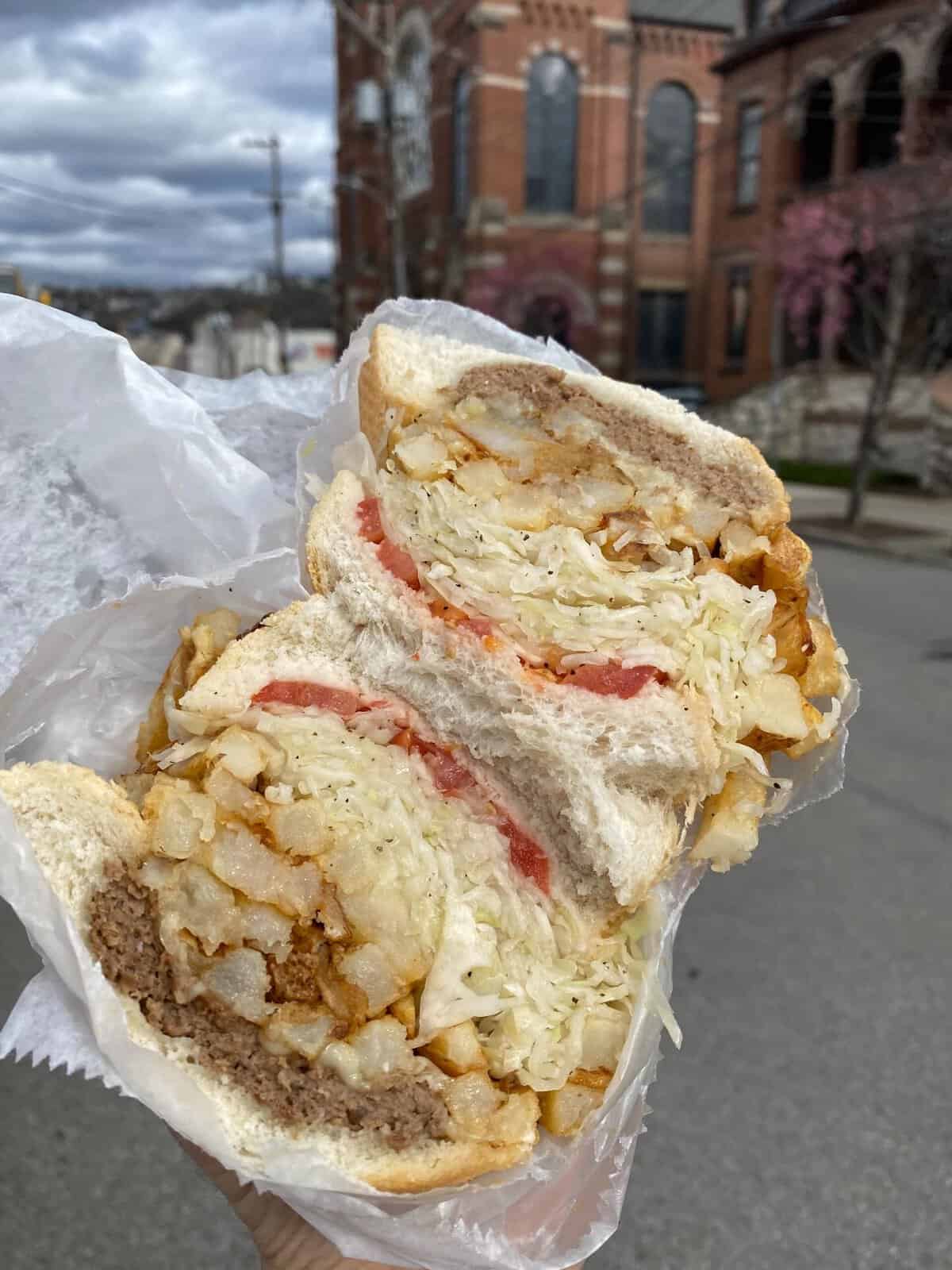
Pittsburgh’s contribution to sandwich culture breaks practically every conventional rule. The Primanti Brothers sandwich is served with its French fries and coleslaw already inside, stacked directly on the filling between two thick slices of Italian bread.
The story goes that the original shop catered to truck drivers working through the night who needed a full meal they could eat with one hand. The everything-in-one construction was a practical solution that became a Pittsburgh institution.
The original Strip District location, open since 1933, still feels like a working-class tavern rather than a tourist attraction, which is exactly what keeps it credible.
The capicola and egg version remains a morning favorite among locals who stop in before work, making this one of the rare sandwiches that works at any hour of the day.
Where: Primanti Brothers, 46 18th St, Pittsburgh, PA 15222
8. The French Dip at Philippe the Original, California
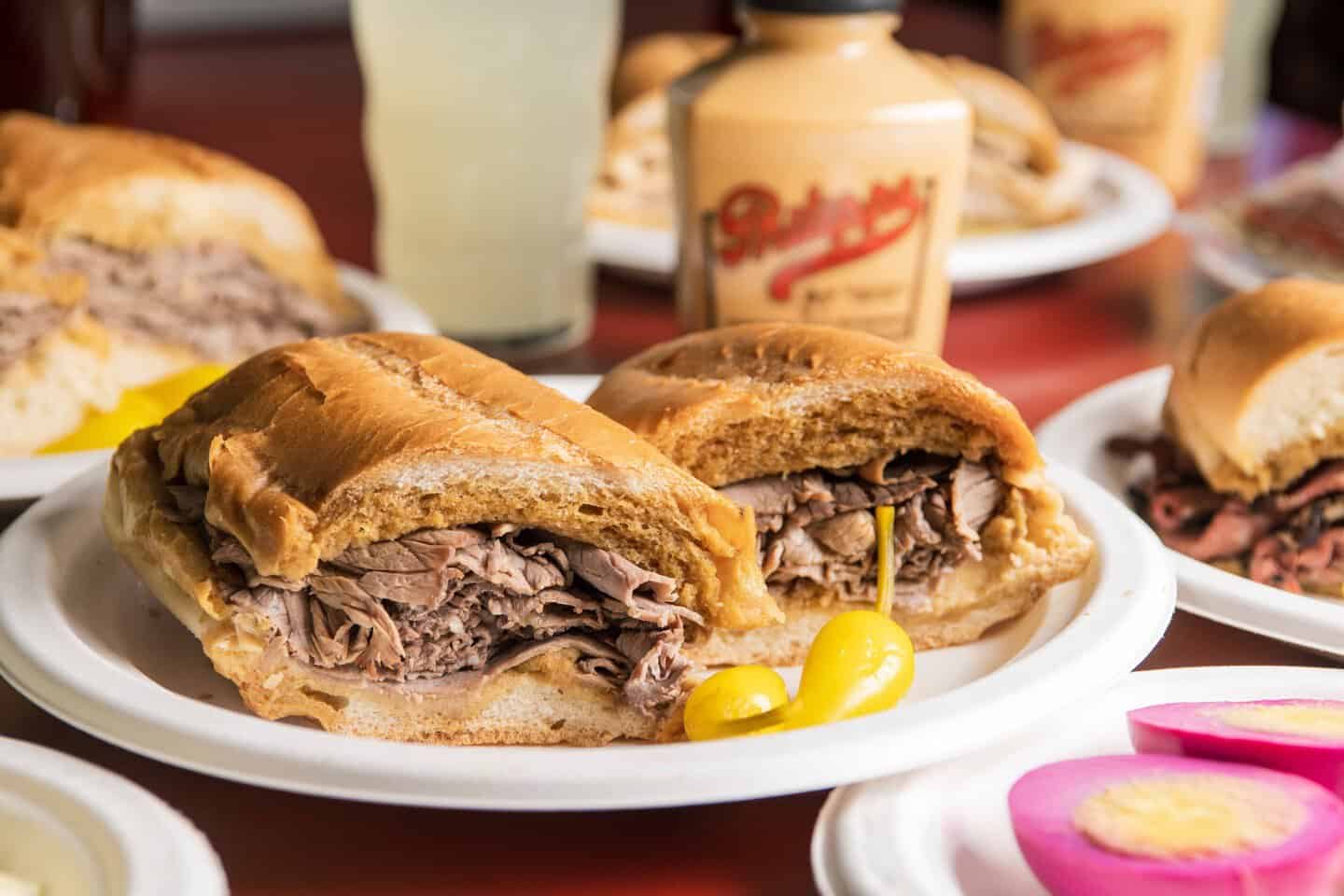
Los Angeles has its own sandwich origin story, and Philippe the Original has been telling it since 1908. The French dip — roast beef served with a bowl of beef au jus for dipping — is credited to this downtown restaurant, though another LA spot claims the same invention.
Philippe’s still uses sawdust on the floor and long communal tables, details that feel unchanged since the early 20th century. The rolls are baked daily, the beef is slow-roasted, and the dip is the full point.
Mustard is a religion here. Locals apply Philippe’s house-made hot mustard liberally, and first-timers are usually warned that it’s significantly spicier than they’re expecting.
The double-dipped option — where the sandwich takes a second plunge into the au jus before serving — is the move for anyone who wants their bread fully saturated and doesn’t mind the glorious mess that follows.
Philippe’s has fed Dodgers fans, early-morning market workers, and late-night wanderers for over a century. That mix of people, all eating at the same long counters, is half the experience.
Where: Philippe the Original, 1001 N Alameda St, Los Angeles, CA 90012
9. The Pulled Pork Sandwich at Lexington Barbecue, North Carolina
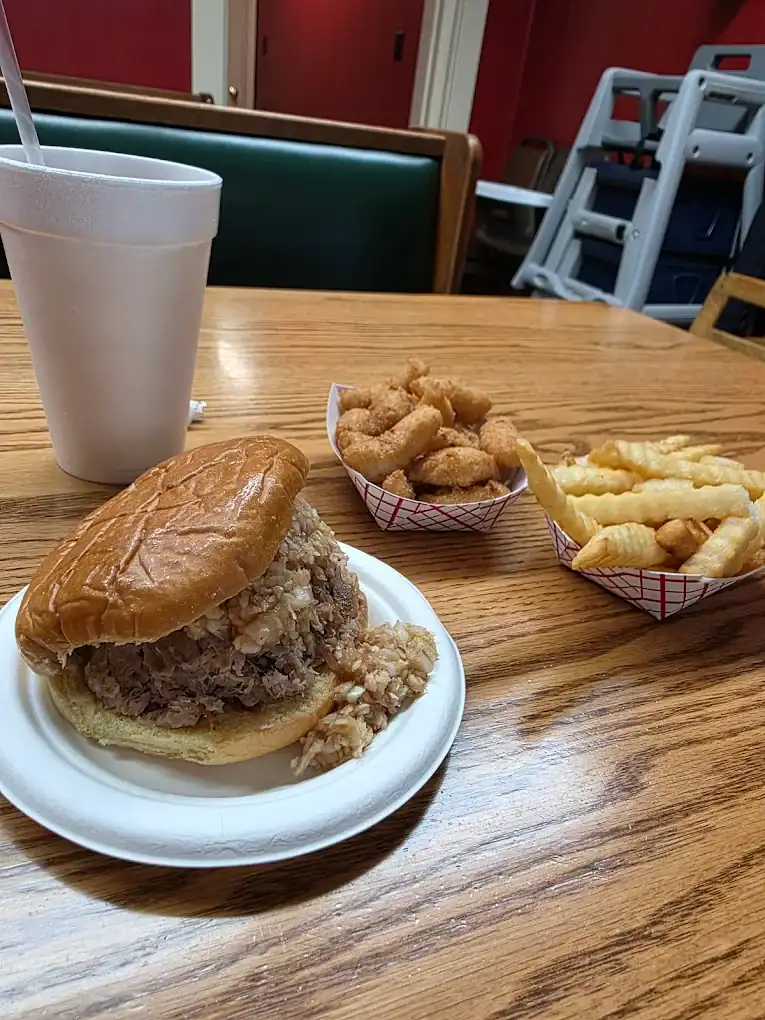
North Carolina takes its barbecue arguments seriously, and the Lexington style — pork shoulder smoked over hickory wood, chopped fine, and finished with a thin, vinegar-and-tomato-based sauce — has its most devoted home right here.
Lexington Barbecue, open since 1962, serves its chopped pork on a plain bun with red slaw, a coleslaw made with the same vinegar-based sauce rather than mayo. The simplicity is deliberate.
The hush puppies served alongside are crispy, golden, and made fresh in-house without shortcuts. Lexington itself calls itself the “Barbecue Capital of the World,” and the line outside most mornings suggests the locals aren’t wrong.
Hundreds of thousands of people descend on this small city each October for the Lexington Barbecue Festival, proof that one sandwich, done right, can define an entire community’s identity.
Where: Lexington Barbecue, 100 Smokehouse Ln, Lexington, NC 27295
10. The Hot Brown at The Brown Hotel, Kentucky
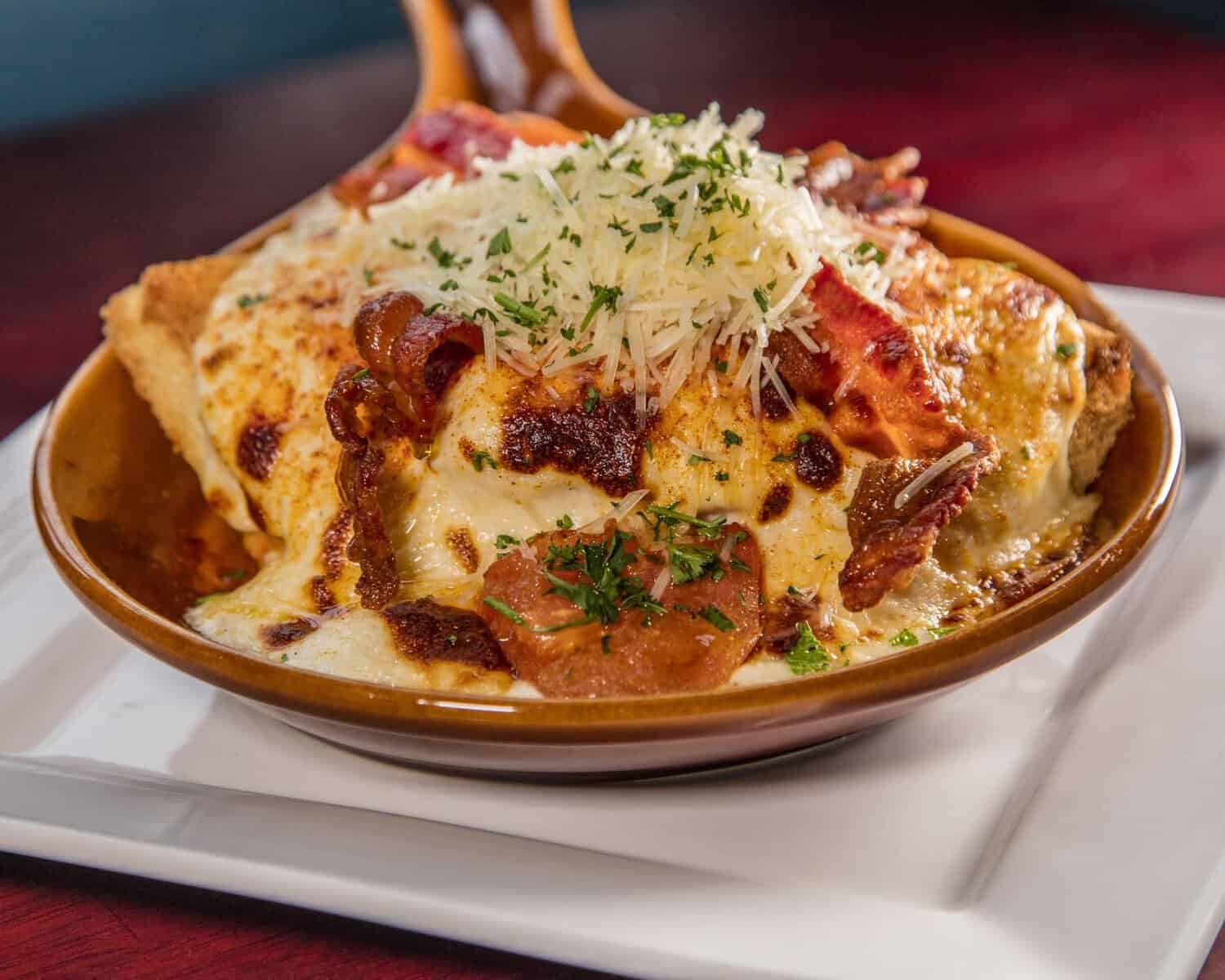
Louisville’s contribution to the sandwich world isn’t served cold or pressed. The Hot Brown is an open-faced creation born at The Brown Hotel in 1926, originally dreamed up as a late-night option for guests who’d been dancing all evening and needed something substantial.
Thick-sliced turkey and crispy bacon are layered over toast, then blanketed in Mornay sauce — a rich, creamy béchamel enriched with cheese — and run under a broiler until bubbly and golden.
It’s indulgent in a way that feels entirely appropriate for a hotel that carries genuine historic grandeur. The Brown Hotel still serves the original recipe in its dining room today, and it hasn’t changed much since 1926.
The Hot Brown never really left Louisville, but food media has spent the last decade rediscovering it, giving the rest of the country a long-overdue reason to pay attention.
Where: The Brown Hotel, 335 W Broadway, Louisville, KY 40202
The Best Sandwich Is Always Somewhere Specific
What these ten sandwiches prove is that food tied to a place tastes different than food that exists everywhere. A cheesesteak eaten in Philadelphia is not the same sandwich eaten anywhere else, and the same is true for every entry on this list.
Part of it is the ingredients. Part of it is the recipe. But part of it is simply being somewhere that has cared about one specific thing for a very long time.
The people behind the counter at these restaurants have made their sandwiches thousands of times. They’ve developed opinions about it, refined it, and defended it. That devotion ends up in the food, whether anyone intends it to or not.
There’s no ranking here, no winner, no wrong choice. There’s only the next road trip and the question of which sandwich you want to eat first.
Pack napkins. You’re going to need them, and you’re going to be glad you made the trip.
More stories


Share this story