10 History Museums Across the U.S. That Are Worth Traveling Specifically to See

My eighth-grade history teacher had a habit of stopping mid-lecture and saying, “Stop. Think about the fact that this actually happened.” He wanted us to feel the realness of it, not just memorize dates. Most of us were too busy doodling to appreciate it then.
I appreciate it now, every time I stand in front of something in a museum that makes history suddenly stop feeling like a textbook.
A great history museum does exactly what my teacher was trying to do. It makes the past real. Not as a string of events but as a human story — complicated, continuous, and far more specific than any summary can hold.
America has some of the finest history museums in the world, each approaching the country’s story from a different angle and depth.
Below are ten that stand above the rest, each worth traveling to specifically and capable of leaving you standing before a glass case thinking: this actually happened.
1. National Museum of American History, Washington, D.C.
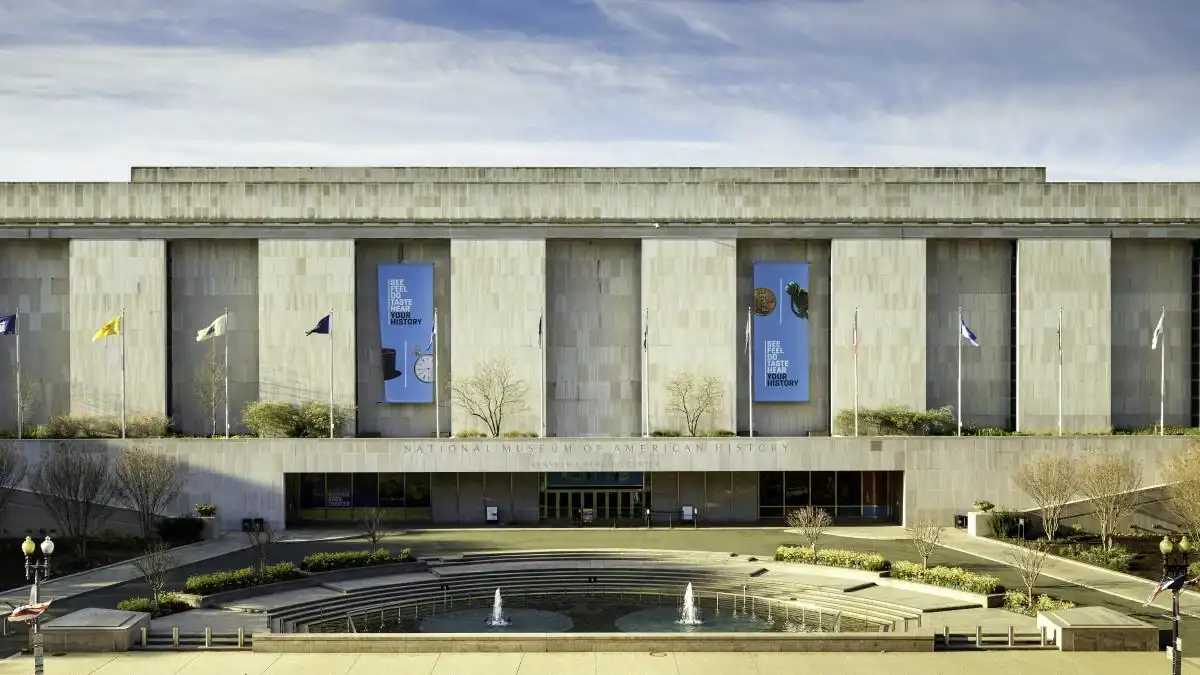
The National Museum of American History is part of the Smithsonian Institution on the National Mall, which means it is free to enter and open to everyone — a fact that still manages to feel remarkable given the scope of what it holds.
The museum’s collection includes over three million objects from American history — from the original Star-Spangled Banner that flew over Fort McHenry in 1814 to Julia Child’s kitchen, relocated and reconstructed exactly as it stood.
The distance between those two objects says more about American breadth than most summaries manage.
The American Stories gallery gathers objects from across the national collection into a single narrative about the country’s identity — Kermit the Frog, Abraham Lincoln’s top hat, and a fragment of Plymouth Rock share space in a way that feels deliberately American.
First Ladies, innovation, popular culture, science, and war each have dedicated exhibition spaces, making the museum genuinely difficult to see in a single visit, no matter how long that visit is.
Where: National Museum of American History, 14th St & Constitution Ave NW, Washington, DC 20001
2. National Civil Rights Museum, Tennessee
The National Civil Rights Museum in Memphis is built around the Lorraine Motel, where Dr. Martin Luther King Jr. was assassinated on April 4, 1968. Room 306 — where Dr. King spent his final hours — remains visible as it was that day, preserved within the museum complex.
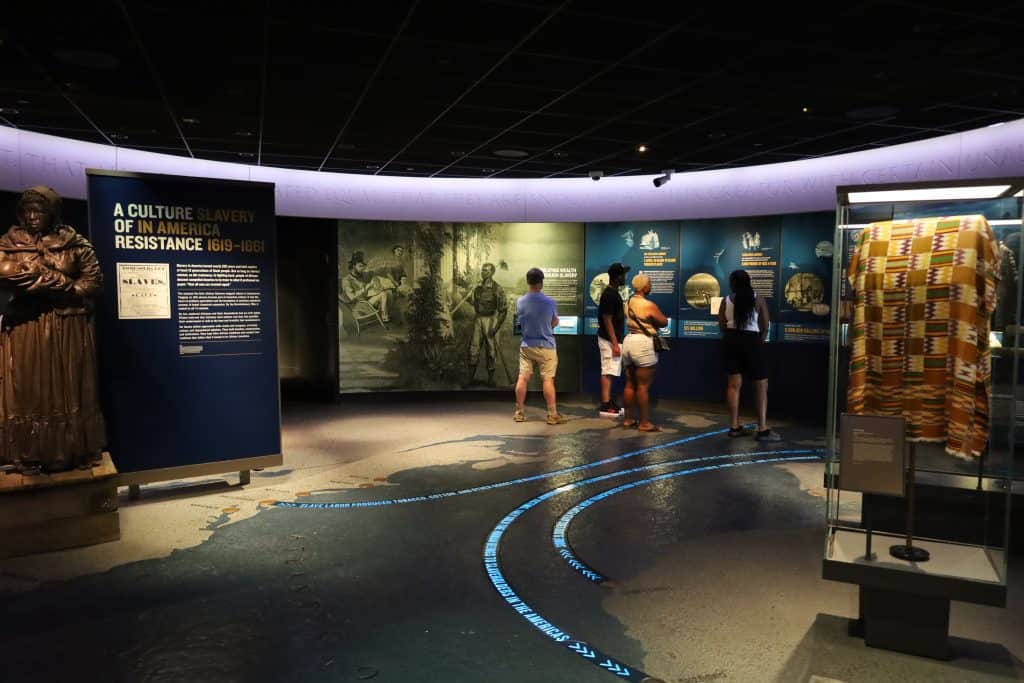
The museum traces the full arc of the civil rights movement, from the era of slavery through the legal struggles of the 20th century and into present-day conversations.
The physical presence of the preserved motel gives the experience a weight that no purely informational exhibit can achieve.
Recreations of key moments — the Montgomery Bus Boycott, sit-in demonstrations, Freedom Rides — are constructed with enough detail to convey the experience rather than merely describing it.
Memphis itself deepens any visit. The surrounding environment of Beale Street and the broader history of the city provide context that the museum alone can only partially supply.
Where: National Civil Rights Museum, 450 Mulberry St, Memphis, TN 38103
3. The Henry Ford, Michigan
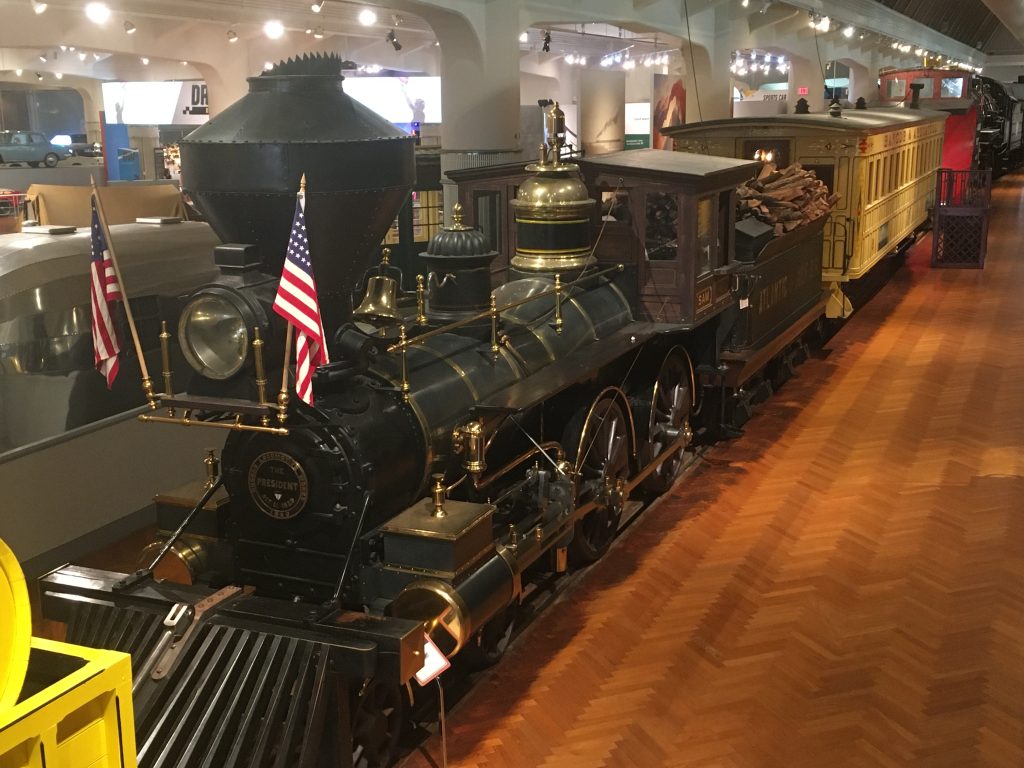
The Henry Ford in Dearborn sounds contained by its name, and turns out to be enormous. A museum of American innovation, Greenfield Village, a working factory tour, and a historic cinema — covering over 250 acres and representing one of the most ambitious history projects in the country.
Greenfield Village is the most extraordinary component: a collection of historic structures relocated from their original sites across America, including Thomas Edison’s Menlo Park laboratory, the Wright Brothers’ bicycle shop, and the Rosa Parks bus on which Parks refused to give up her seat in 1955.
Walking through Greenfield Village means walking through a compressed version of American invention and culture, from colonial farmhouses to Abraham Lincoln’s Illinois courthouse to Henry Ford’s childhood home, all within a single navigable landscape.
The main museum’s Driving America collection traces the automobile’s impact on American life with the particular authority of an institution that understands cars are not just transportation but a complete reorganization of the national landscape.
Where: The Henry Ford, 20900 Oakwood Blvd, Dearborn, MI 48124
4. National Constitution Center, Pennsylvania
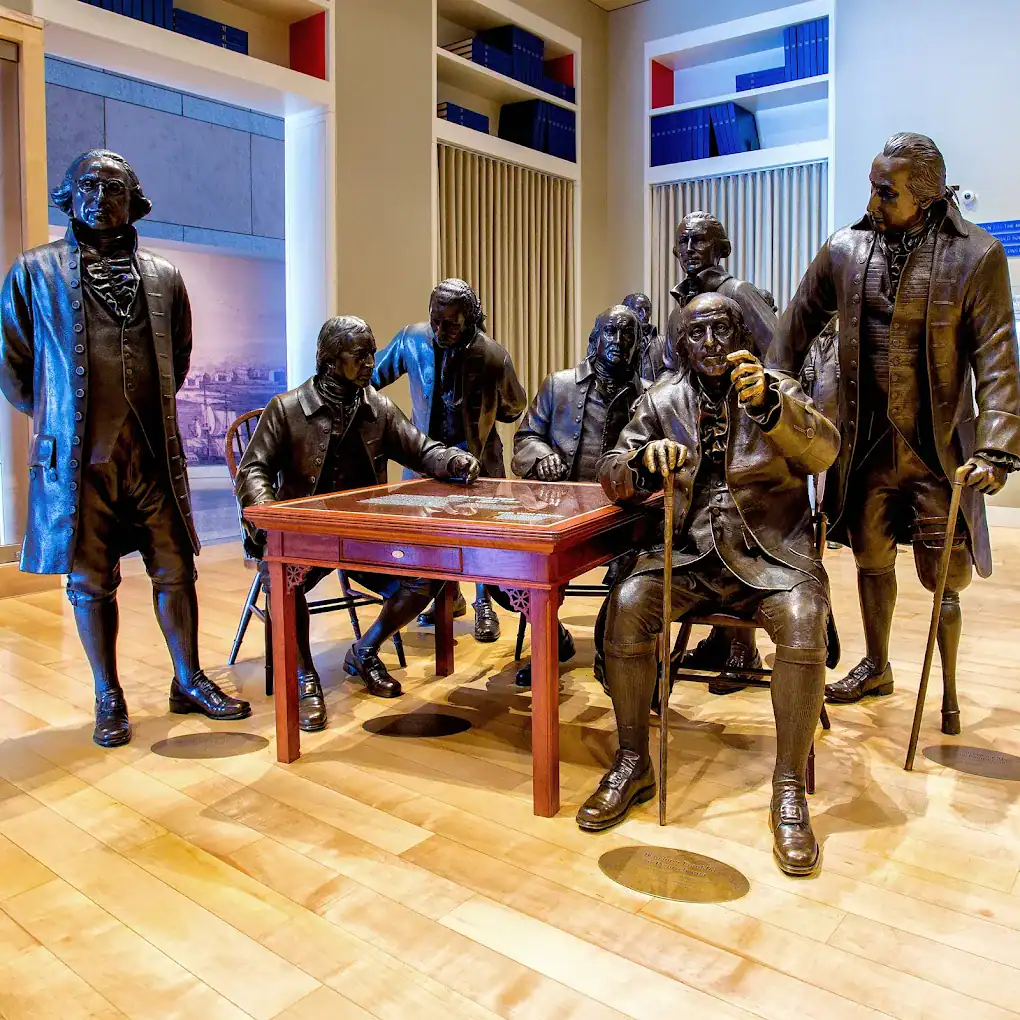
The National Constitution Center sits one block from Independence Hall in Philadelphia, and the proximity is intentional — the museum exists to bring the document signed nearby into ongoing, living conversation rather than relegating it to a historical footnote.
The Freedom Rising theatrical presentation opens every visit with a circular stage, dramatic lighting, and a narrator conveying the Constitution’s full sweep — emotionally affecting for adults and engaging for children. It is one of the most effective museum presentations in the country.
The Signers’ Hall contains life-sized bronze statues of all 39 men who signed the Constitution, positioned as they were on the day of the signing. Walking among them produces a surprisingly immediate feeling of being inside a specific historical moment.
The museum’s changing exhibitions connect constitutional questions directly to current events, giving the visit an urgency that purely historical presentations rarely achieve.
Where: National Constitution Center, 525 Arch St, Philadelphia, PA 19106
5. Colonial Williamsburg, Virginia
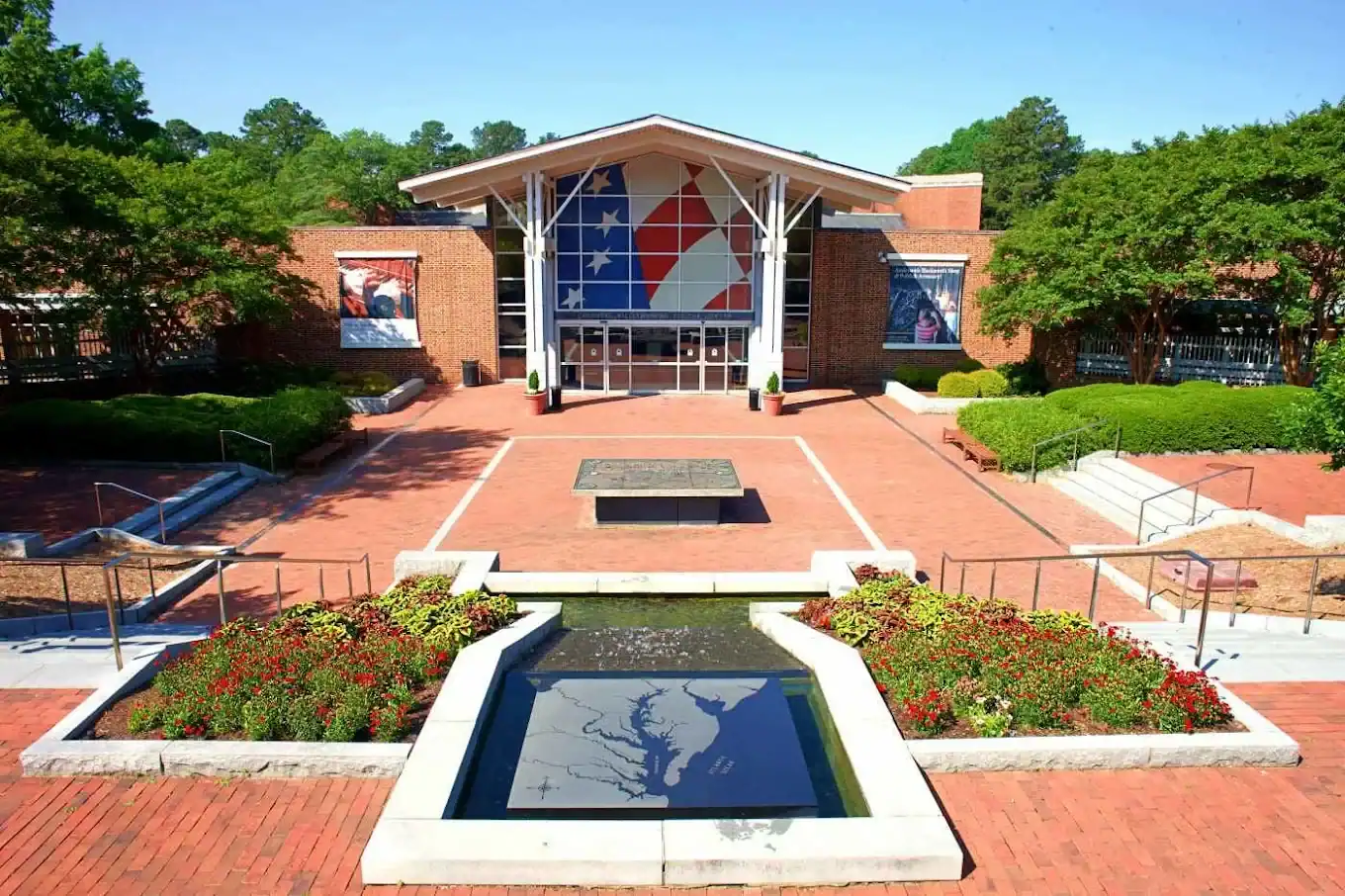
Colonial Williamsburg is neither a museum in the conventional sense nor a theme park, though it has elements of both. It’s a reconstructed 18th-century town where interpreters occupy working trades, hold public debates, and walk the streets Virginia colonists walked in the years before the Revolution.
Over 600 acres, 88 original buildings, and dozens of reconstructed structures make Colonial Williamsburg an immersive environment rather than a series of exhibits.
The Governor’s Palace, the Capitol, and the Magazine each hold period furnishings and interpreters who bring colonial Virginia’s daily life into direct conversation with visitors.
The program extends beyond buildings. Trades — blacksmithing, bookbinding, wigmaking, weaving — are practiced publicly by artisans who explain their craft in its historical context.
The programming changes with the season, and evening events often bring a different dimension to the experience than the daytime visit, giving repeat visitors a reason to return across years.
Where: Colonial Williamsburg Visitor Center, 101 Visitor Center Dr, Williamsburg, VA 23185
6. National WWII Museum, Louisiana
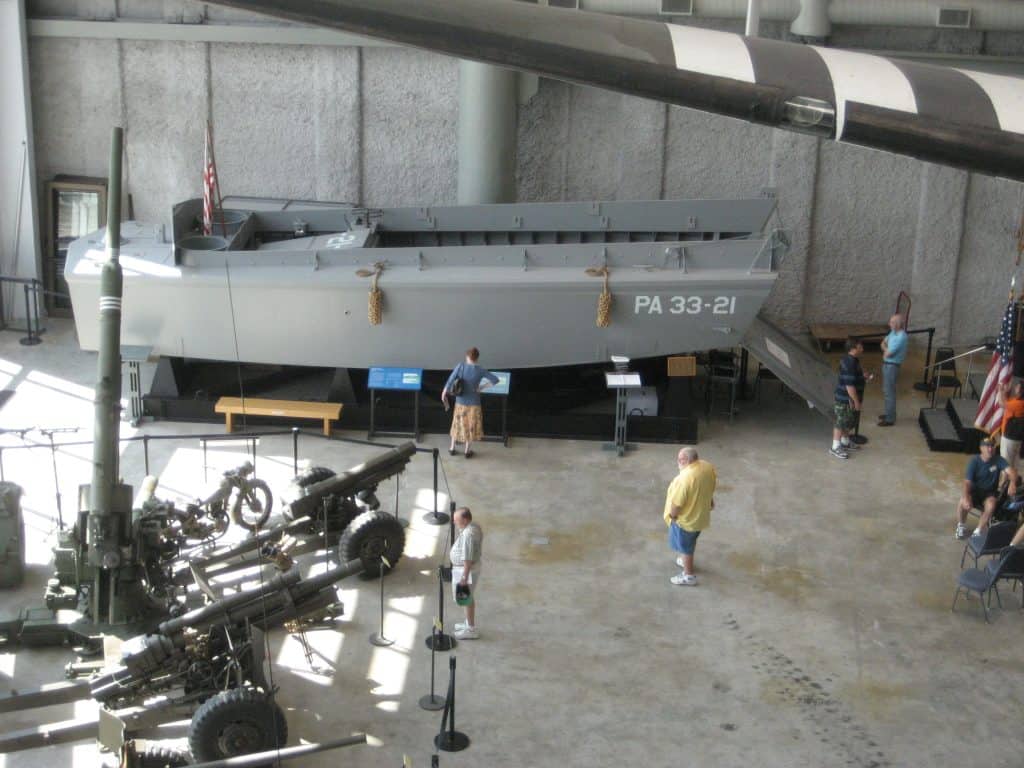
The National WWII Museum in New Orleans was designated by Congress as the official museum of the Second World War in the United States.
The complex spans multiple pavilions that cover the war in the Pacific and European theaters, as well as the home front experience and the war’s broader global context.
The Road to Berlin and Road to Tokyo pavilions are each immersive environments that convey the scale and geography of the war through objects, firsthand accounts, and original equipment.
Tanks, aircraft, landing craft, and weapons are displayed in the full context of the campaigns they participated in.
Beyond the War galleries, the museum’s personal histories — drawn from hundreds of oral history interviews with veterans and civilians — give the vast military narrative a human dimension that statistics alone cannot provide.
The Tom Hanks-narrated 4D film experience, Beyond All Boundaries, provides an orientation to the full sweep of the war that prepares visitors for the depth of what follows throughout the museum’s pavilions.
Where: National WWII Museum, 945 Magazine St, New Orleans, LA 70130
7. American Museum of Natural History, New York
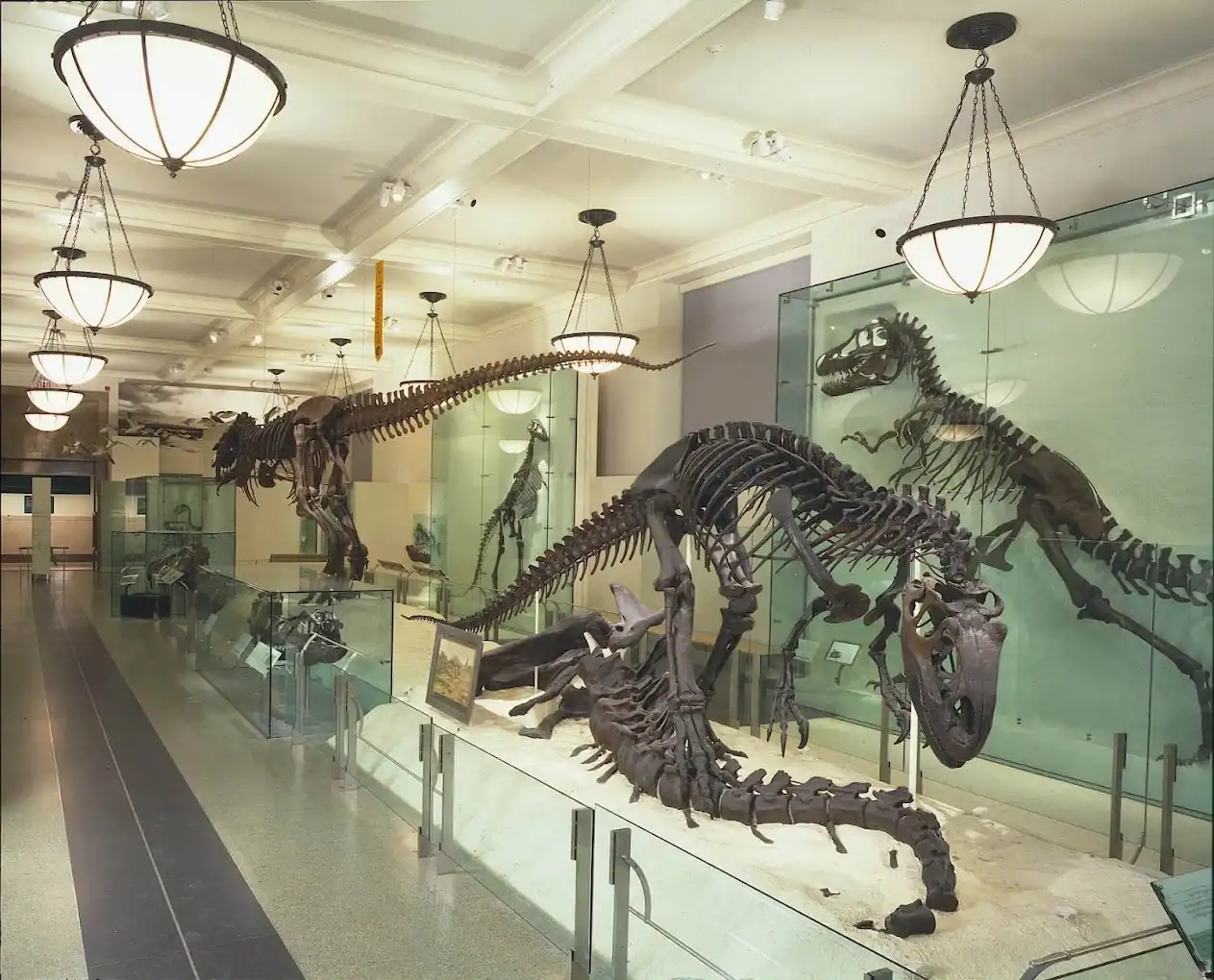
The American Museum of Natural History on Central Park West has been one of the country’s most important scientific institutions since 1869.
The building — a Victorian natural history palace expanded continuously for over 150 years — contains 45 permanent exhibition halls across more than a million square feet.
The Theodore Roosevelt Rotunda, where a massive Barosaurus skeleton rears up to protect its young from an attacking Allosaurus, establishes the museum’s scale immediately upon arrival.
What follows is a walk through deep time, human prehistory, cultures from every inhabited continent, and the outer reaches of the known universe.
The Hall of Ocean Life, with its 94-foot blue whale model suspended from the ceiling, and the Rose Center for Earth and Space, with the Hayden Planetarium at its center, are among the most visited rooms in any museum in the country.
The diversity of subjects — anthropology, paleontology, geology, astronomy, and ecology — makes the museum less a history museum than a complete portrait of existence, with human history as one thread among many.
Where: American Museum of Natural History, Central Park West at 79th St, New York, NY 10024
8. Mystic Seaport Museum, Connecticut
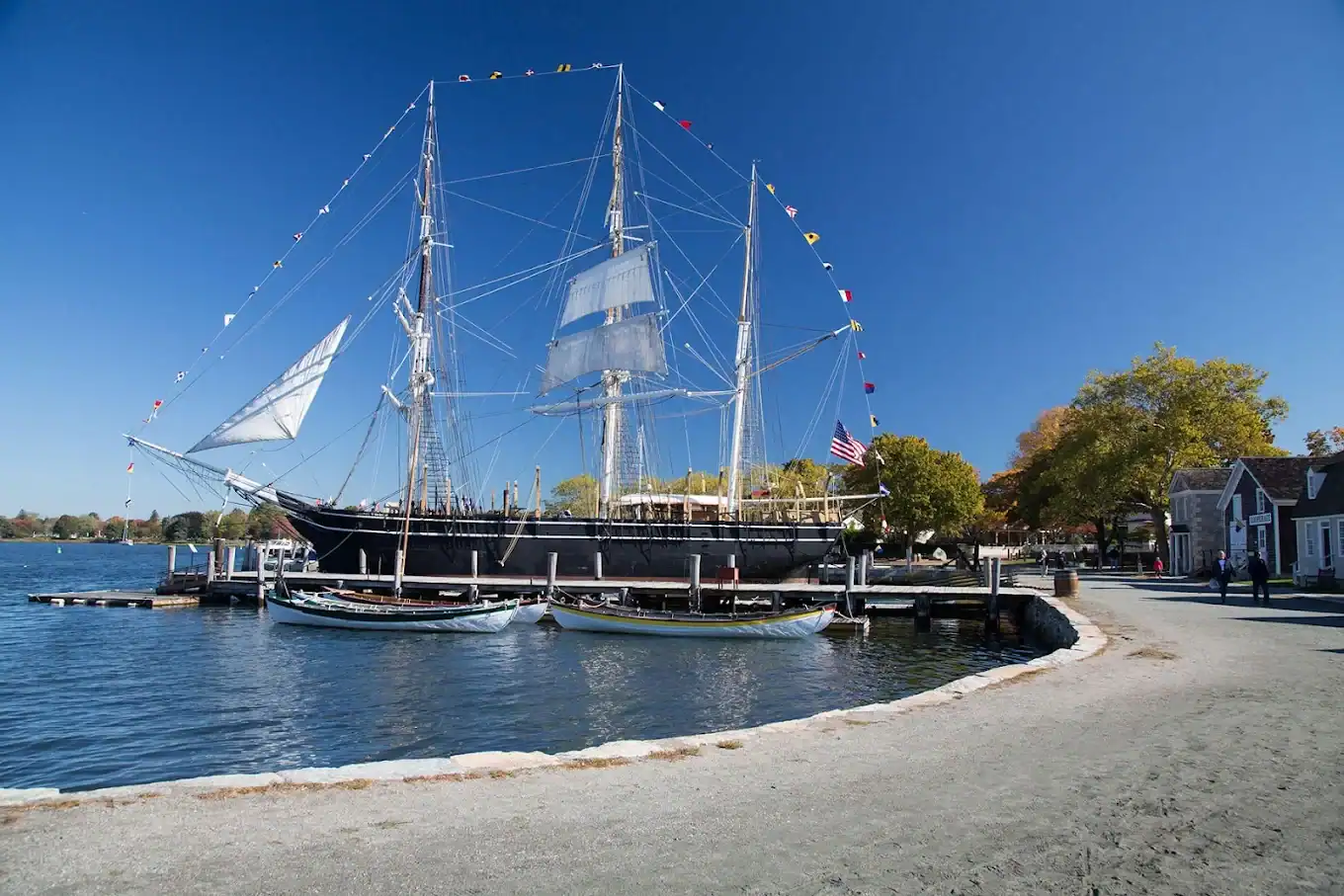
The Mystic Seaport Museum on the Mystic River in Connecticut is the largest maritime museum in the United States, and it preserves the history of American seafaring with a depth and specificity that reflects the country’s long, essential relationship with the ocean.
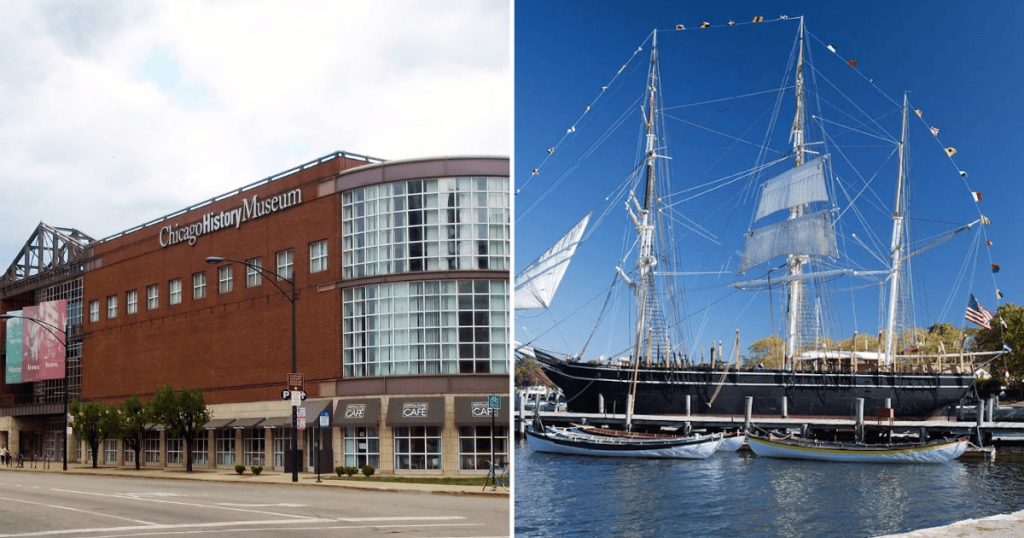
The centerpiece is the Charles W. Morgan, the last surviving wooden whaleship in the world, built in 1841. Visitors can board the ship and move through its quarters, understanding the physical reality of a 19th-century whaling voyage in a way no exhibit behind glass can replicate.
Mystic Seaport is also a living museum in the tradition of Colonial Williamsburg — a recreated 19th-century seafaring village where shipwrights, riggers, and caulkers practice their trades in working shops alongside the waterfront.
The Mayflower II, the 1957 replica of the original Pilgrim ship, is also part of the Seaport’s collection and is presented alongside the Henry B. du Pont Preservation Shipyard, where historic vessels undergo ongoing restoration work visible to visitors.
Where: Mystic Seaport Museum, 75 Greenmanville Ave, Mystic, CT 06355
9. Chicago History Museum, Illinois
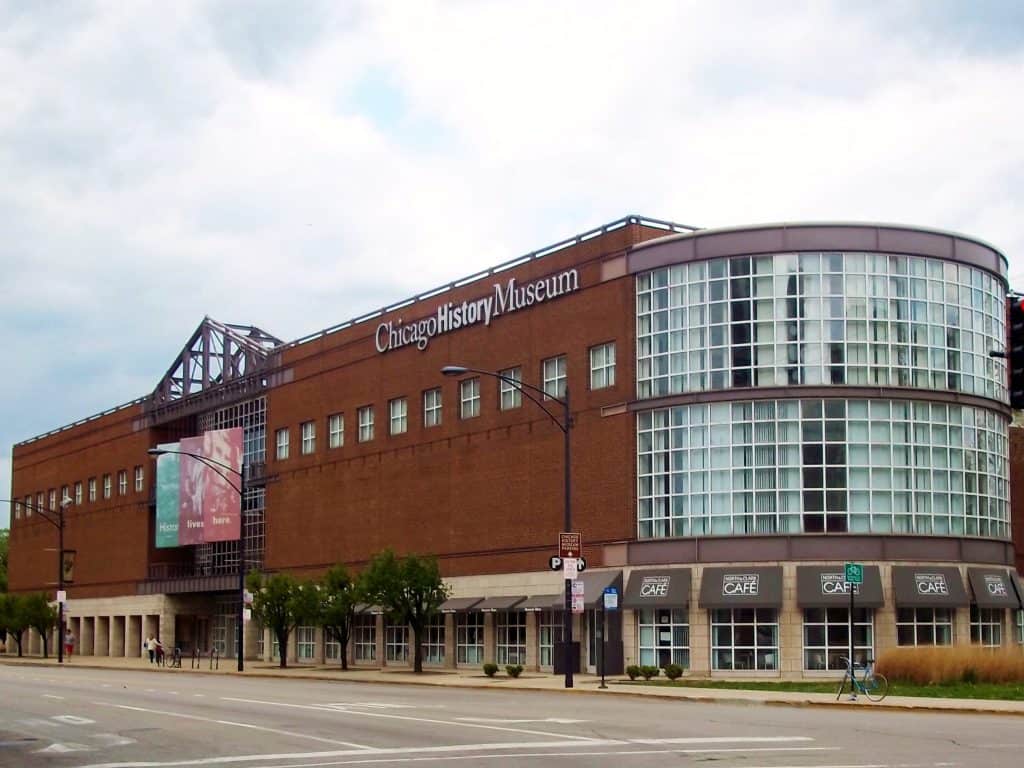
The Chicago History Museum sits at the southern edge of Lincoln Park, documenting Chicago’s history since 1856 — one of the oldest historical societies in the country. It holds over 22 million objects, photographs, and documents related to the city and its role in American life.
Chicago Fire, the Pullman Strike, the 1893 World’s Columbian Exposition, the Great Migration, and the architecture that rebuilt the city after 1871 — each major thread of Chicago’s history is represented with a primary material depth that makes the museum essential for understanding how the city became what it is.
The Diorama Gallery, one of the museum’s oldest features, presents the city’s growth in large-scale models that give the story a physical, spatial dimension that photographs alone cannot provide.
The museum’s location in Lincoln Park makes it a natural complement to the broader neighborhood’s parkland, walking paths, and the Chicago lakefront that the city’s founders set aside for public use more than a century ago.
Where: Chicago History Museum, 1601 N Clark St, Chicago, IL 60614
10. National Cowboy & Western Heritage Museum, Oklahoma
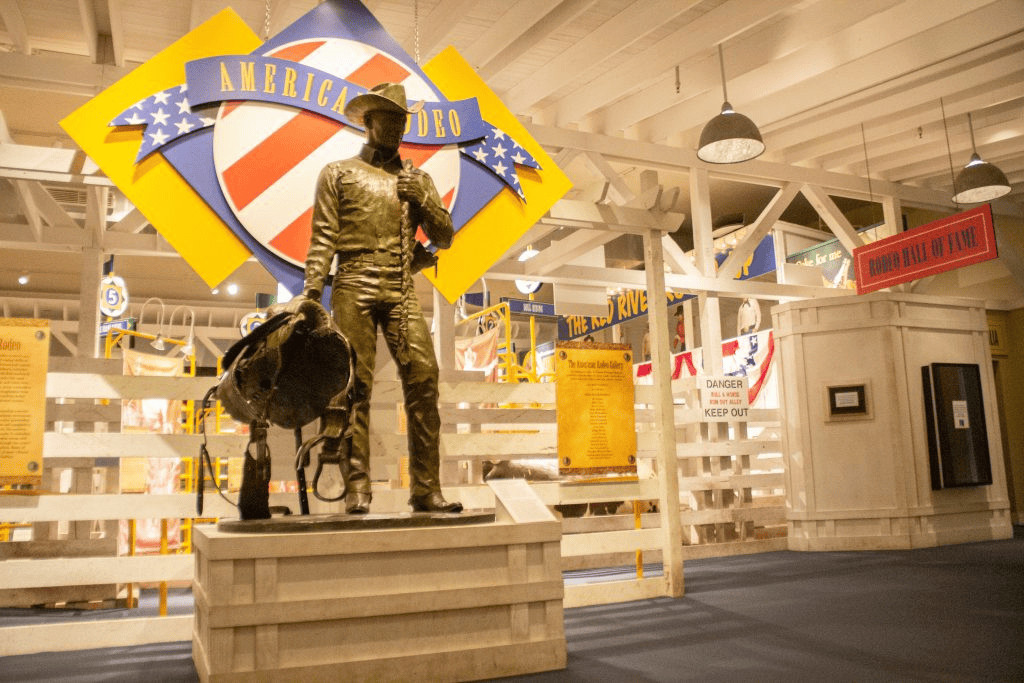
The National Cowboy & Western Heritage Museum in Oklahoma City is the premier institution for the history and culture of the American West, and it approaches that subject with a seriousness that the romanticization of cowboy mythology often obscures.
The museum holds the world’s largest collection of Western art — Frederic Remington and Charles Russell alongside contemporary artists engaging the Western landscape’s complex history.
The Prosperity Junction indoor recreation of a turn-of-the-century cattle town gives the museum a living history dimension within its main building.
The Weitzenhoffer American Indian Gallery provides substantial context for the Indigenous history of the Plains and Southwest, presenting the perspectives of the people who lived on the land before and alongside the ranching and cattle culture the museum is primarily known for celebrating.
The Western Performers Gallery, which traces the history of the rodeo and the entertainers who brought the West to a national audience, reflects the full sweep of what “Western heritage” actually contains — not just cowboys and cattle drives but the stories, songs, and performances that shaped American mythology.
Where: National Cowboy & Western Heritage Museum, 1700 NE 63rd St, Oklahoma City, OK 73111
History Isn’t Over
There’s a version of history that feels settled — something that happened, was recorded, and now sits behind glass waiting to be studied. The museums on this list have a different relationship with the past.
The Lorraine Motel is a crime scene, a monument, and a classroom. The Charles W. Morgan is a working ship that sailed real seas for a century. The bronze signers in Philadelphia stand where an argument still unresolved first reached a temporary resolution.
These aren’t places where history sits still. They’re places where it breathes, where the distance between that and now compresses into something you can almost touch.
That feeling — of understanding why something matters, not just that it matters — is what the best museums deliver. It’s what my eighth-grade teacher was trying to give us. He was right; it was worth stopping for. It just took standing in the right room to understand why.
More stories


Share this story