15 All-American Dishes Every Food Lover Should Try at Least Once in Their Life

Every July Fourth, without fail, my family argues about potato salad.
Not whether to make it. It’s always made. The argument is about which version is correct — mustard-based or mayo-based, with celery or without, my aunt’s recipe or the one my grandmother clipped from a magazine in 1978 that nobody can find anymore.
That argument, repeated at every table across the country, is exactly what American food culture is.
It’s regional, personal, inherited, and fiercely defended. It looks different in Louisiana than it does in Maine than it does in New Mexico. But it’s connected by the same thing: food that tells you something true about where it came from and who made it first.
Below are fifteen dishes that have earned their place in the American food story — not just because they’re delicious, but because they carry something bigger than flavor.
1. Apple Pie
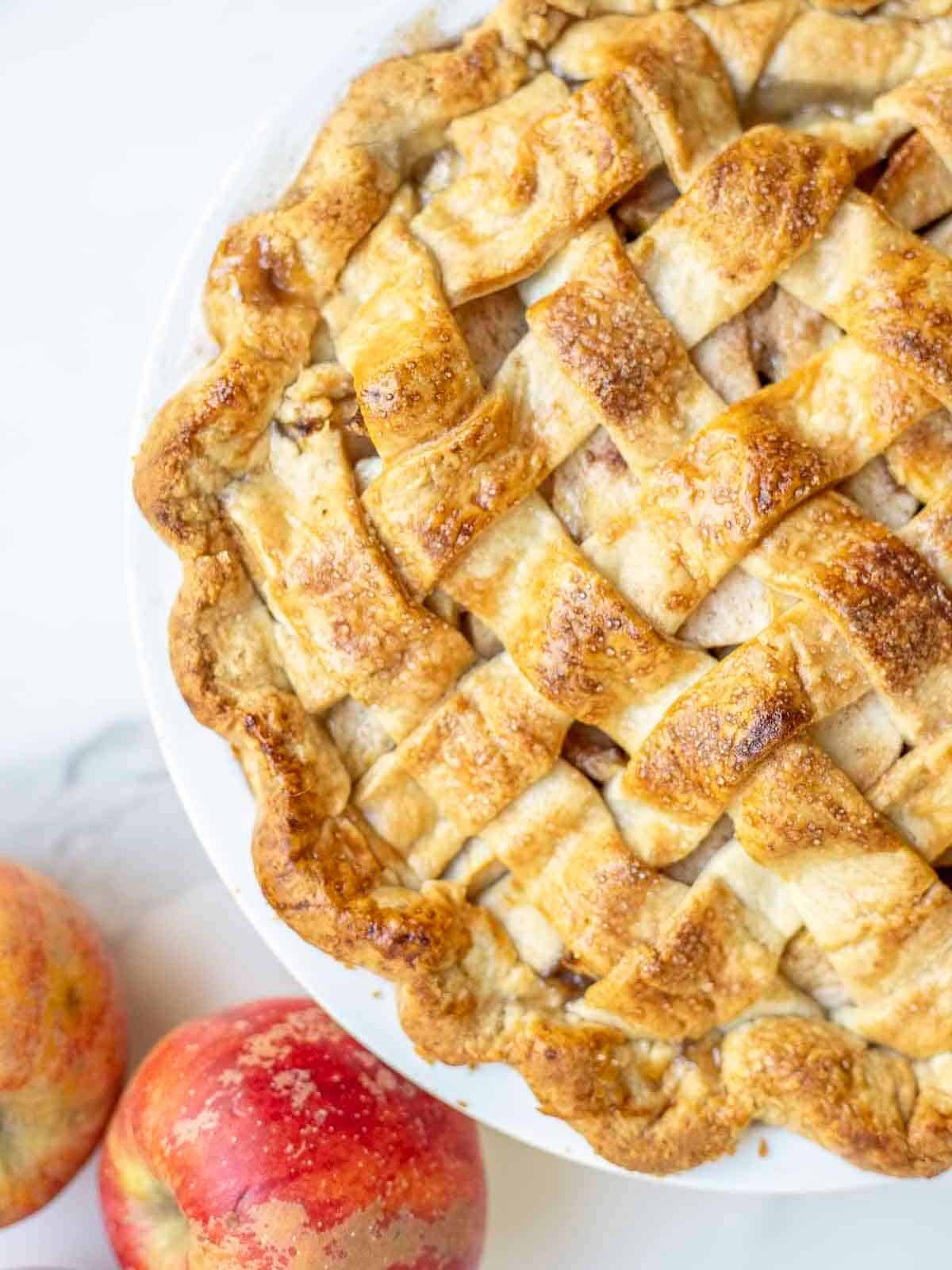
There is no dish more associated with American identity than apple pie, which makes it worth noting that neither apples nor pastry dough are native to this continent. Both came from Europe. America made them its own anyway — which is, in a way, the whole story.
The version that became iconic features tart apples, spiced with cinnamon, baked beneath a double crust until golden. Served warm with vanilla ice cream, it completes a ritual that has been repeated at American tables for over two centuries.
Every region has a preferred apple variety, every family a preferred spice ratio. None of them are wrong. That’s the point.
2. Southern Fried Chicken
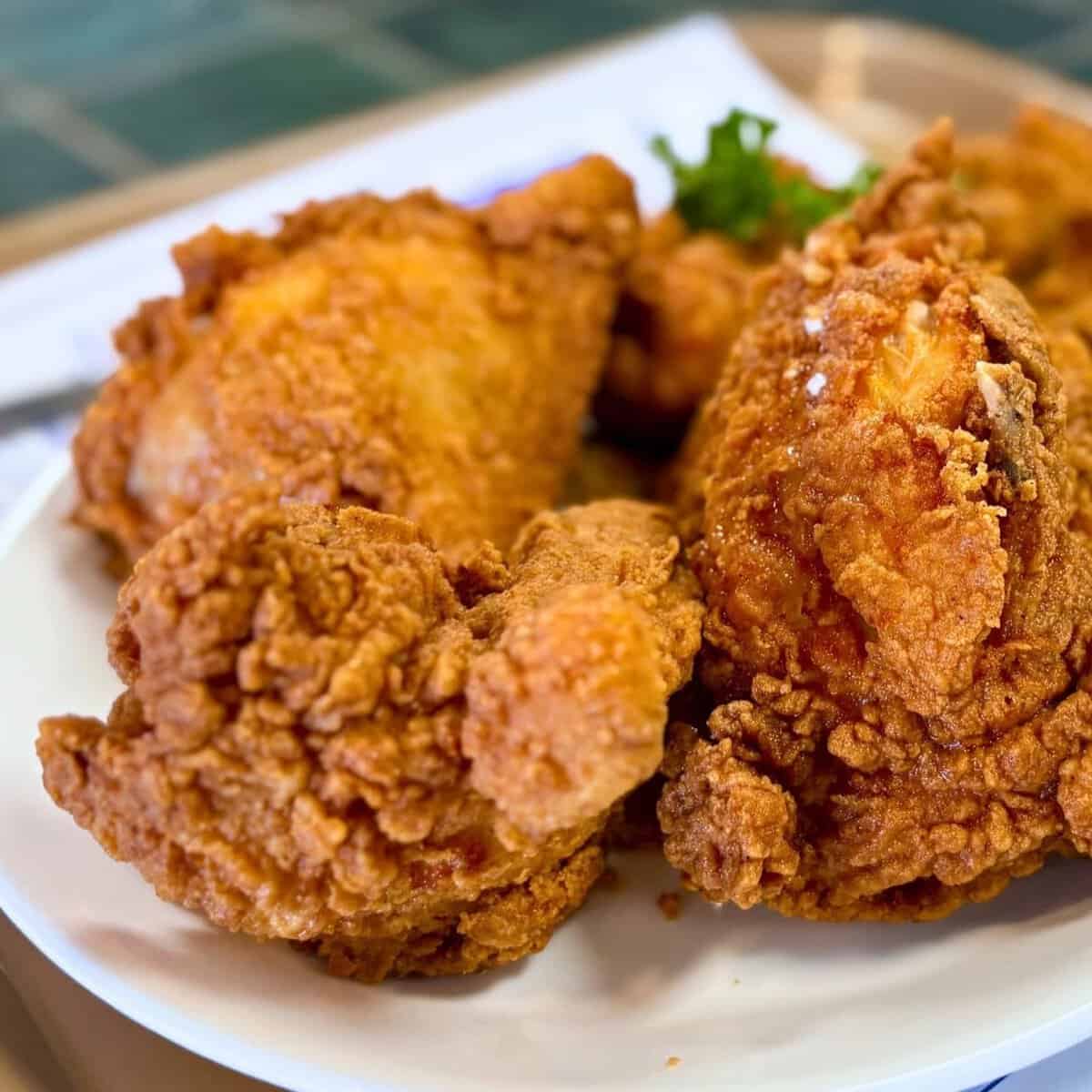
Fried chicken has a complex and important history in America, shaped significantly by the cooking traditions of enslaved African Americans in the antebellum South. What became one of the country’s most beloved dishes carries that history with it, whether acknowledged or not.
At its best — buttermilk-brined, seasoned deeply, fried in well-seasoned oil until the crust shatters — fried chicken is an exercise in controlled perfection. The difference between good fried chicken and great fried chicken is felt in the first bite.
It appears at church picnics, roadside stands, high-end restaurants, and kitchen tables across the South and well beyond, adapted endlessly without ever fully leaving its roots.
3. New England Clam Chowder
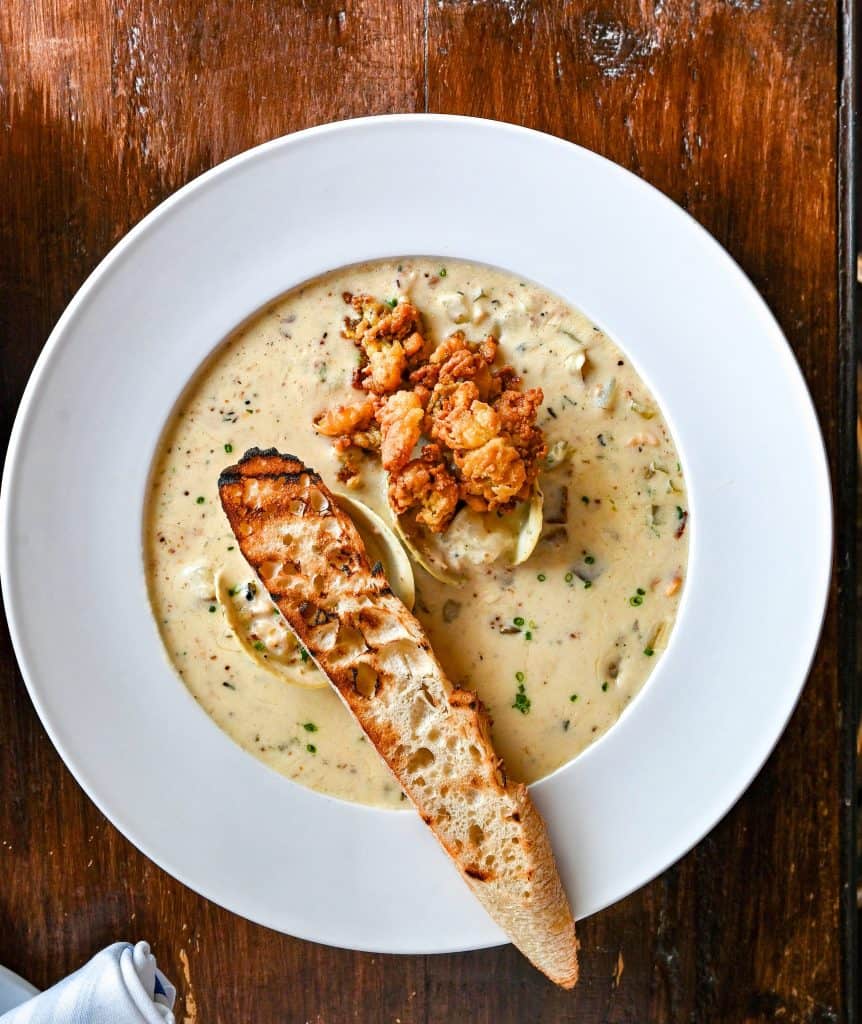
On the northern Atlantic coast, the arrival of colder months has historically signaled the return of clam chowder to the center of the table. New England’s version — cream-based, thick, studded with soft potatoes and briny clams — is deeply specific to a place where the ocean defines daily life.
The original recipe was simpler than modern versions, built by coastal communities who had abundant clams and little else. The cream and potatoes came later, turning a fisherman’s subsistence into a regional institution.
The bread bowl, a practice of serving the chowder inside a hollow round of sourdough, adds a second act to the meal when the soup is gone.
4. Texas-Style Brisket
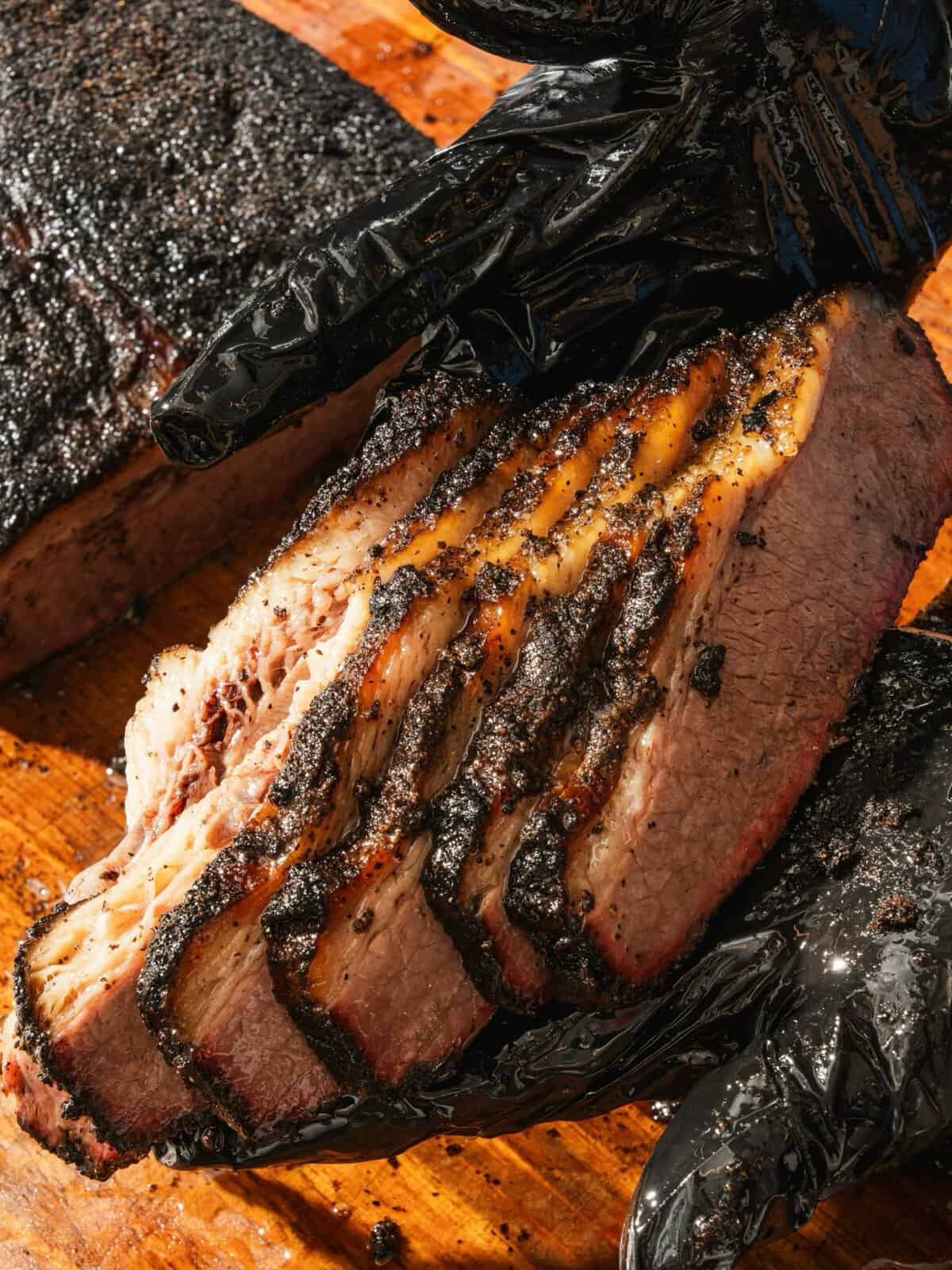
Texas brisket deserves its own conversation, separate from all other barbecue. Low and slow over post oak wood, the brisket is seasoned with nothing more than salt and black pepper and left to develop its own crust — the bark — over twelve to eighteen hours of smoke.
The result is a cut of beef with no business being as tender as it is, given where it comes from on the animal. The fat cap renders into the meat, the smoke penetrates the interior, and the bark provides a savory contrast that makes every slice complete.
It is served on butcher paper, not a plate. That is a feature, not an oversight.
5. New York-Style Pizza
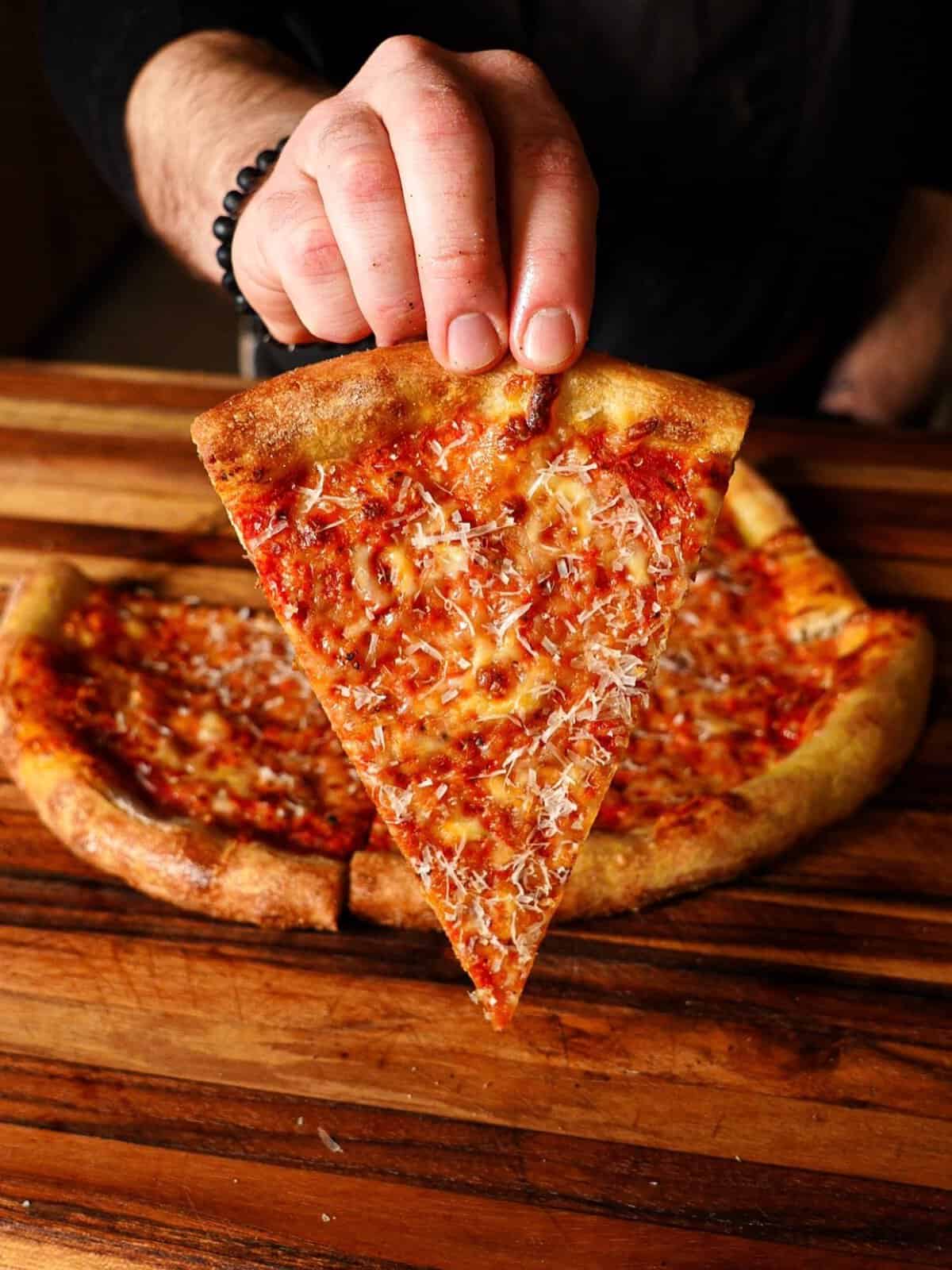
New York-style pizza is defined by its crust: thin enough to fold in half lengthwise for eating on the go, with a slight char on the bottom from a very hot deck oven, and enough structural integrity to hold its own toppings without collapsing.
The sauce is simple and bright. The mozzarella is applied with restraint. The result is a slice that has been replicated in every state and never quite matched outside its home city, partly because of the water, partly because of the ovens, and partly because of something harder to define.
The corner pizzeria slice, eaten standing on a sidewalk with a napkin in hand, is the city’s most democratic meal.
6. Louisiana Gumbo
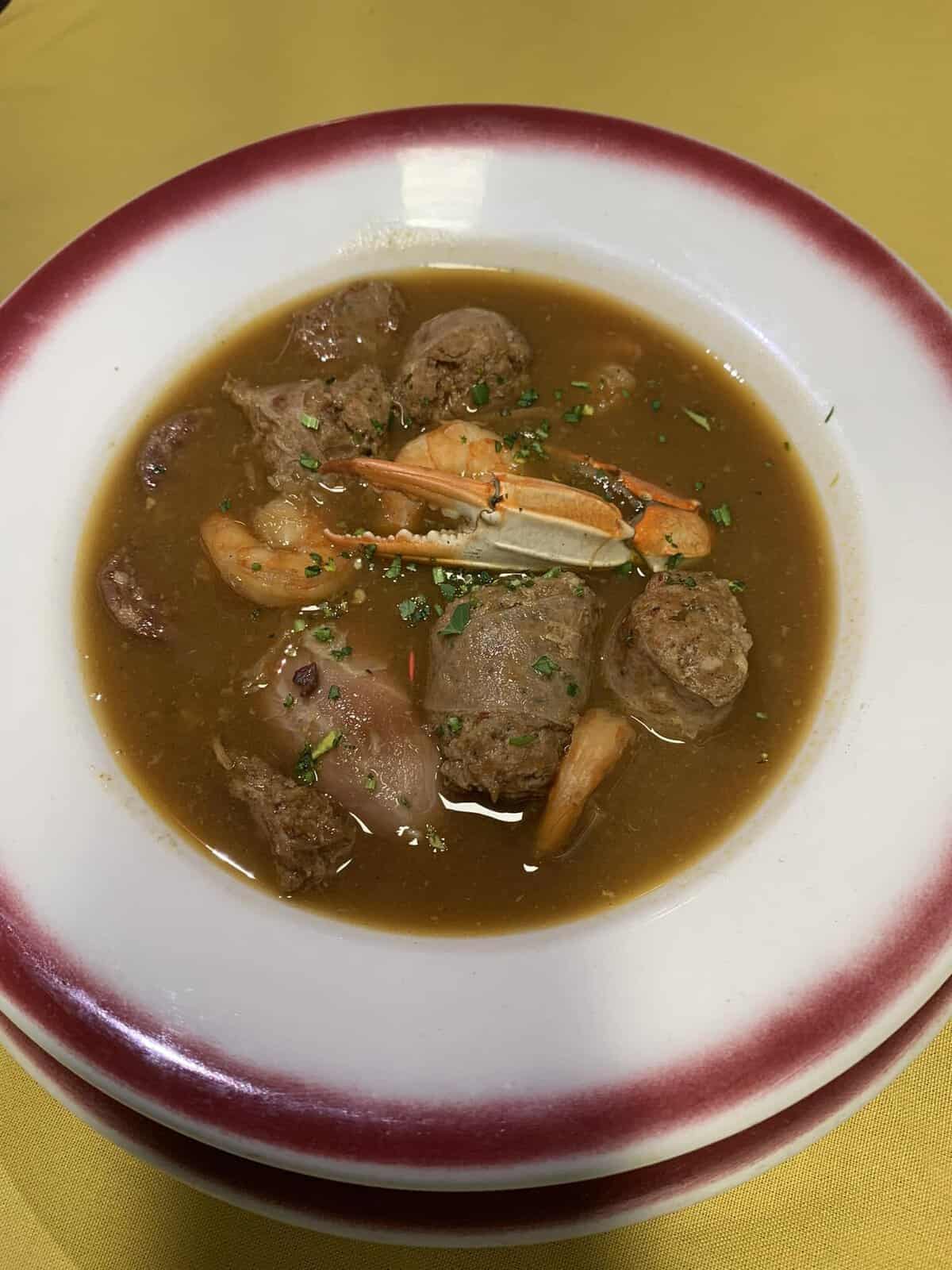
Louisiana gumbo is not one dish — it is an entire argument about heritage, technique, and identity contained within a single pot.
Creole gumbo and Cajun gumbo differ in their approaches. Seafood gumbo and chicken-and-andouille gumbo operate differently again. Each version is defended passionately by its proponents.
What they share is the roux — flour and fat cooked together, slowly and carefully, until it deepens to a brick-red or chocolate brown that smells like toasted nuts and carries the flavor of everything that follows.
Filé powder or okra thickens the final dish. Rice anchors every bowl. The rest is up for debate, which is exactly how Louisiana residents prefer it.
7. Buffalo Wings
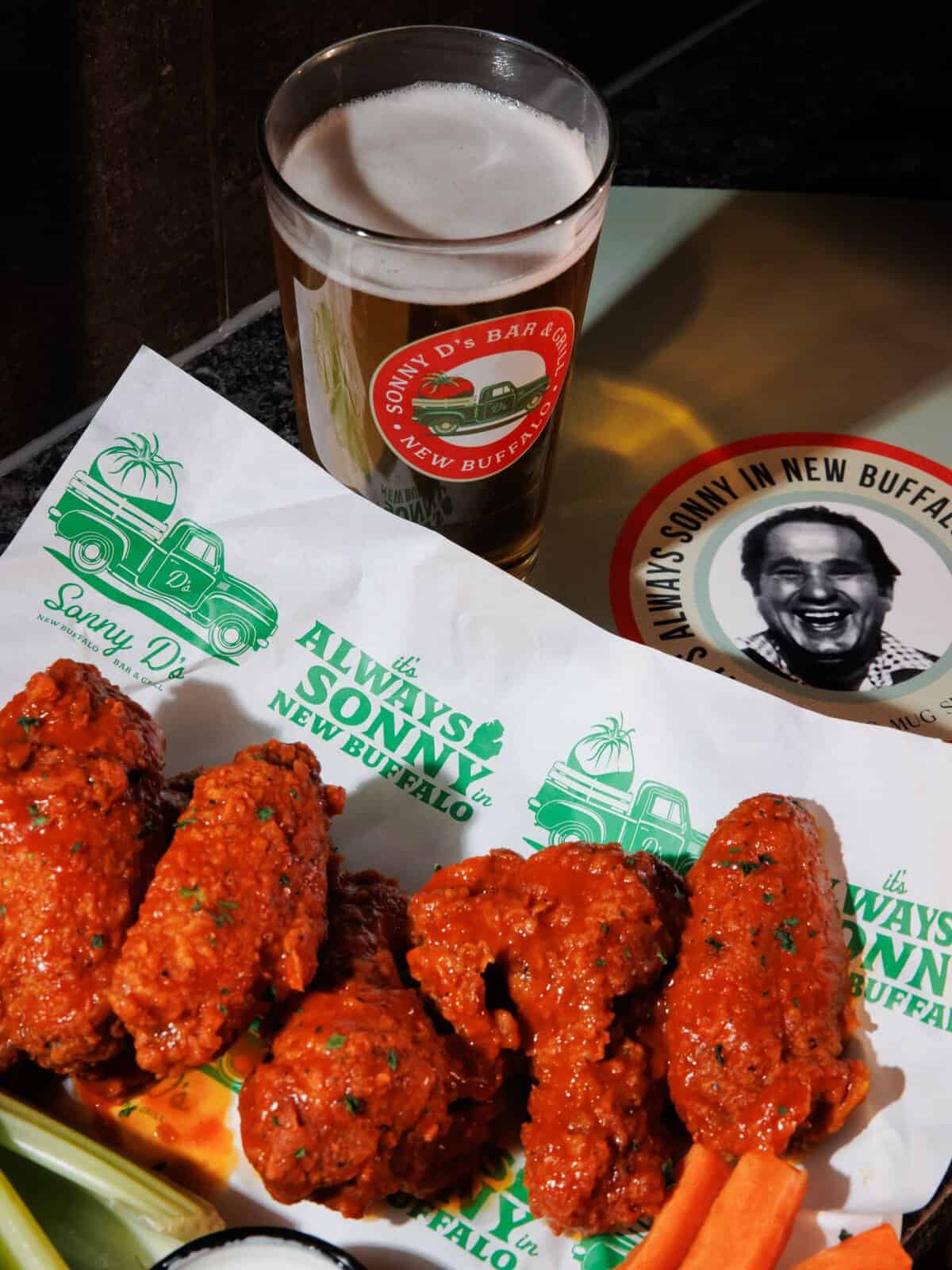
Buffalo wings were born at the Anchor Bar in Buffalo, New York, in 1964, where Teressa Bellissimo reportedly coated chicken wings in hot sauce and butter and served them to her son and his friends late on a Friday night. The specifics are disputed. The result is not.
The combination of crispy skin, hot sauce heat, and the cooling contrast of blue cheese dressing became a fixture at bars, sports gatherings, and Super Bowl parties across the country within two decades.
The wing has since been adapted into every possible flavor profile, but the original Buffalo sauce — hot, buttery, tangy — remains the standard against which all others are measured.
8. Maine Lobster Roll
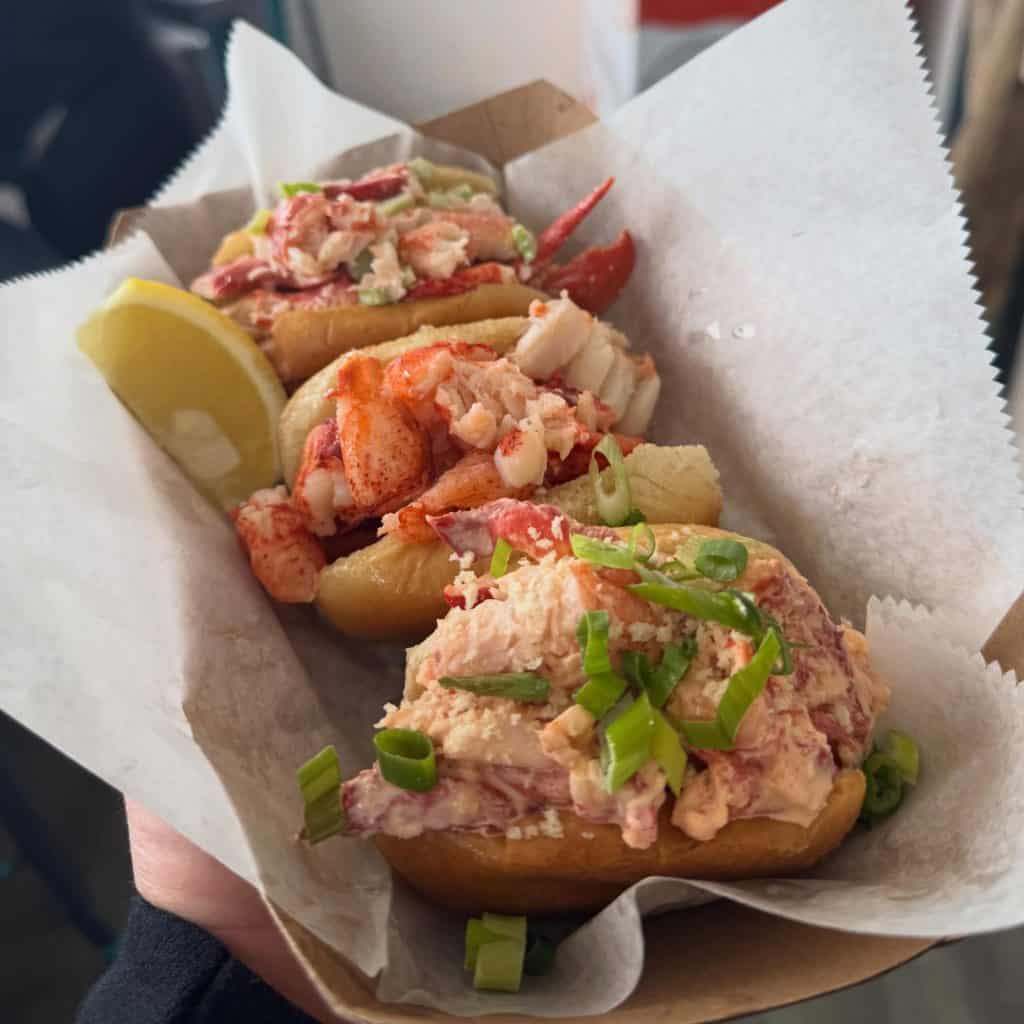
The Maine lobster roll makes an argument for restraint that most American dishes don’t bother with. Cold, lightly dressed lobster — knuckle, claw, and tail — served in a toasted, split-top hot dog bun with a thin application of mayo and maybe a squeeze of lemon. That’s it.
Maine lobster has a sweetness and texture that needs almost nothing, and the best lobster rolls understand this. The bun is there to hold the lobster. The lobster is there to be the lobster.
Summer in Maine is short, and the lobster season follows accordingly, which gives a lobster roll eaten on a dock in July a particular urgency that improves the taste.
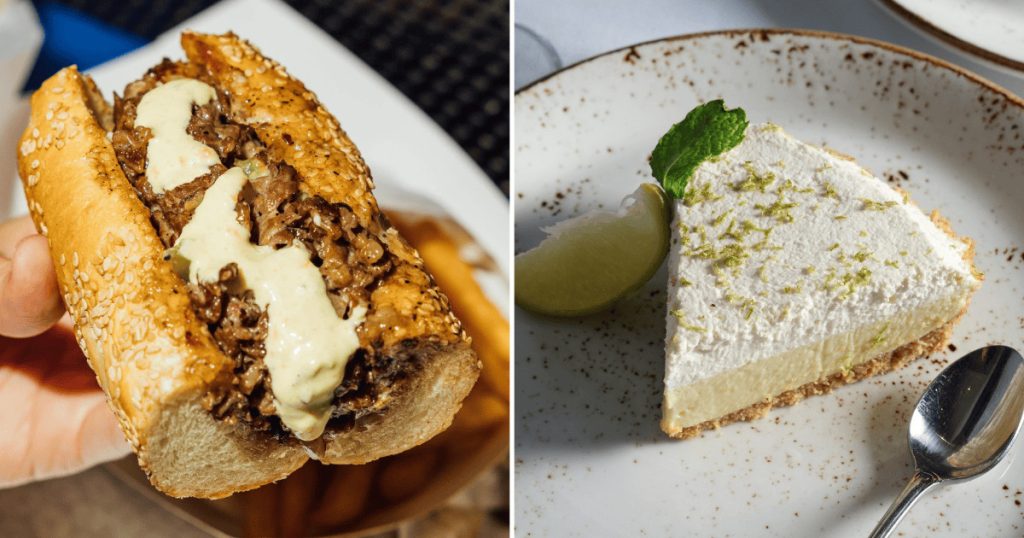
9. Philly Cheesesteak
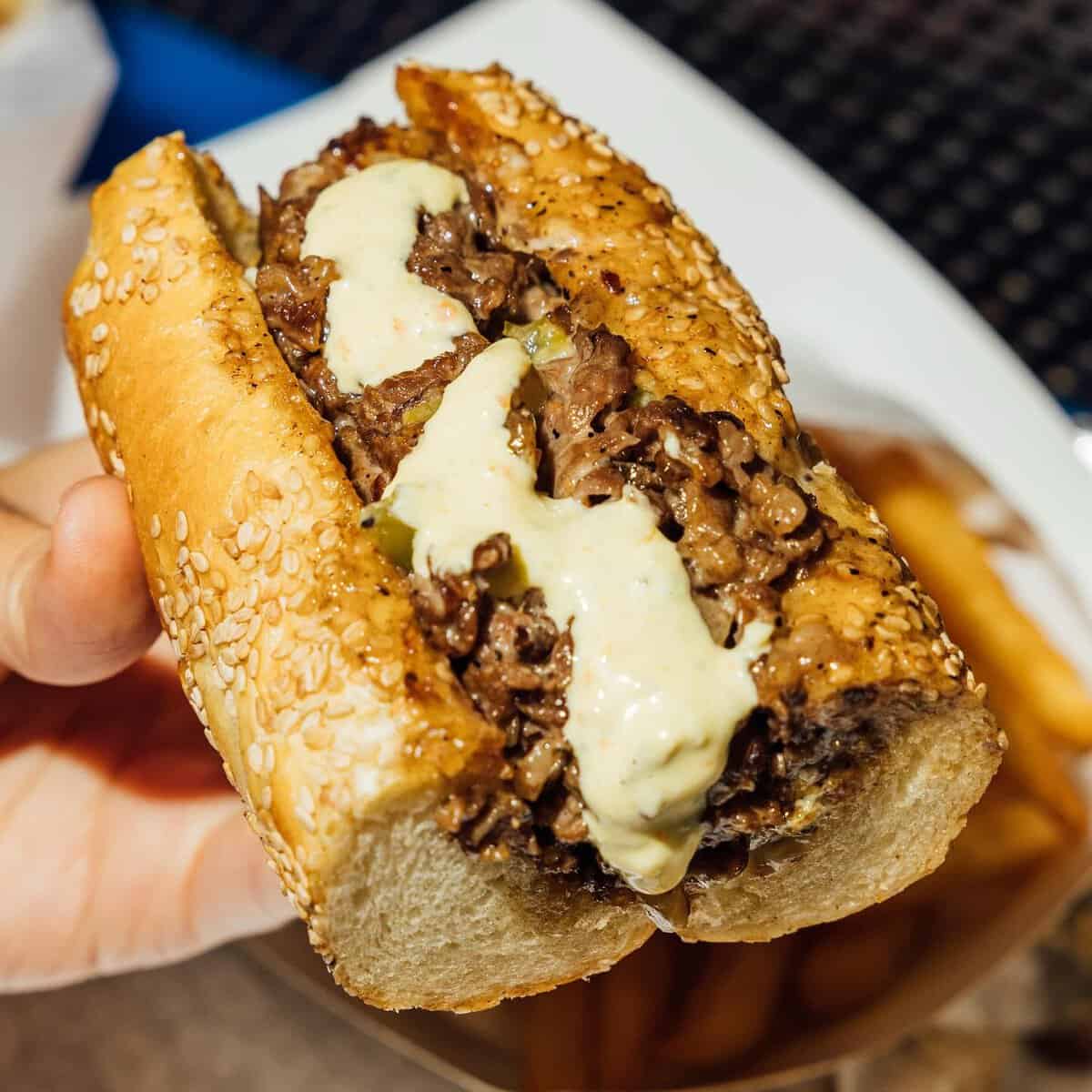
Philadelphia’s signature sandwich was invented by Pat Olivieri in 1930, and the original concept — thinly shaved beef cooked on a flat-top griddle, served in a long roll — hasn’t needed significant revision in the nearly century since.
The cheese question divides opinion along predictable lines: Cheez Whiz for tradition, provolone for those who prefer something more conventional, American for the middle ground. With onions or without is the follow-up negotiation.
Ordering a cheesesteak in Philadelphia carries its own etiquette. You order fast, you say “wit” or “witout,” and you do not hold up the line while deciding.
10. Kansas City Burnt Ends
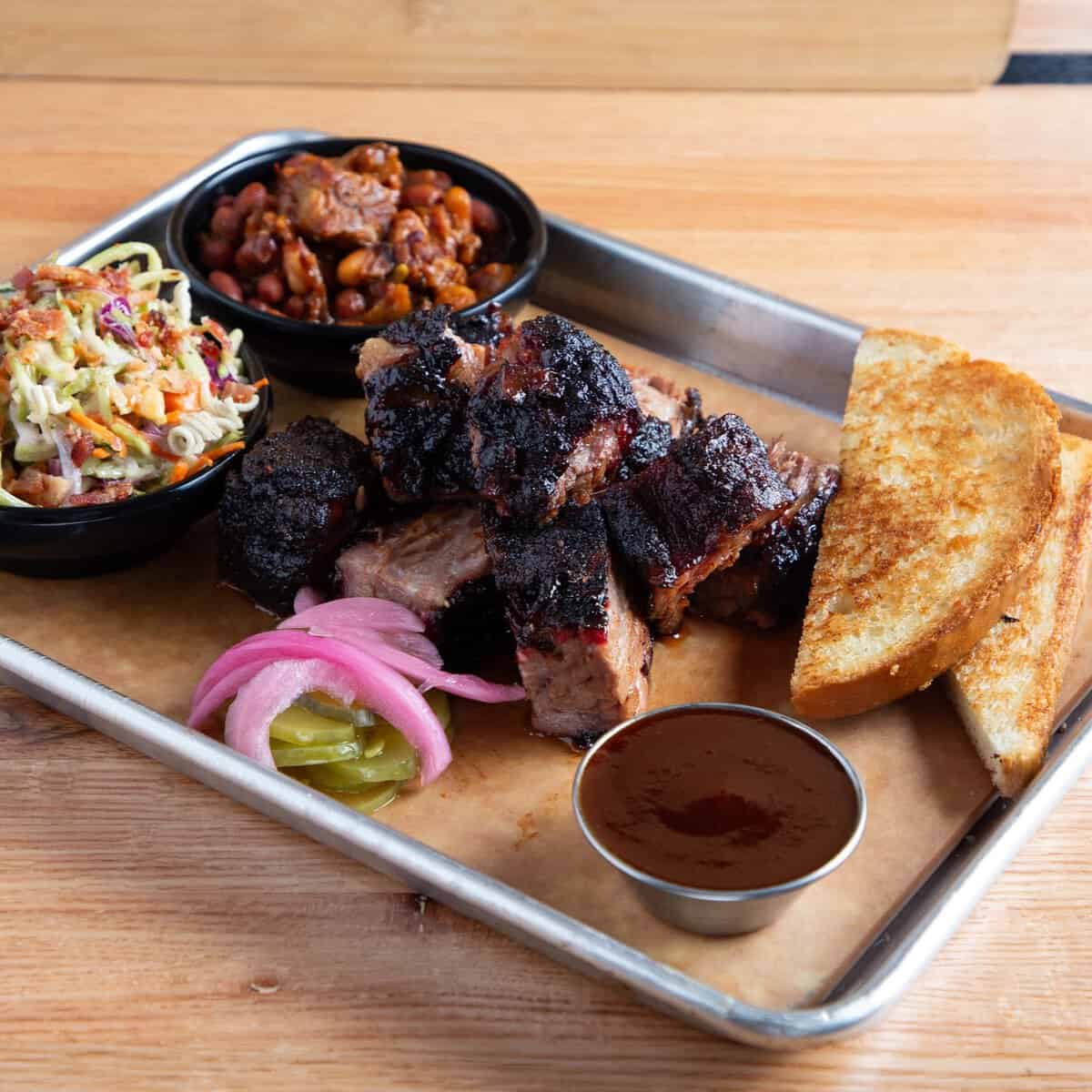
Burnt ends started as something given away for free — the charred, fatty, flavorful tips of the brisket point that were trimmed off before slicing and considered the cook’s snack or a bonus for loyal customers. Kansas City turned them into the most sought-after item on the menu.
Cubed, sauced, and returned to the smoker for an additional cook, burnt ends develop a lacquered crust that contains some of the most concentrated beef flavor available from any cut.
The best versions are simultaneously crispy on the outside, yielding in the middle, and sweet-smoky-sticky in a way that makes the idea of eating anything else afterward seem unnecessary.
11. New Mexico Green Chile Stew
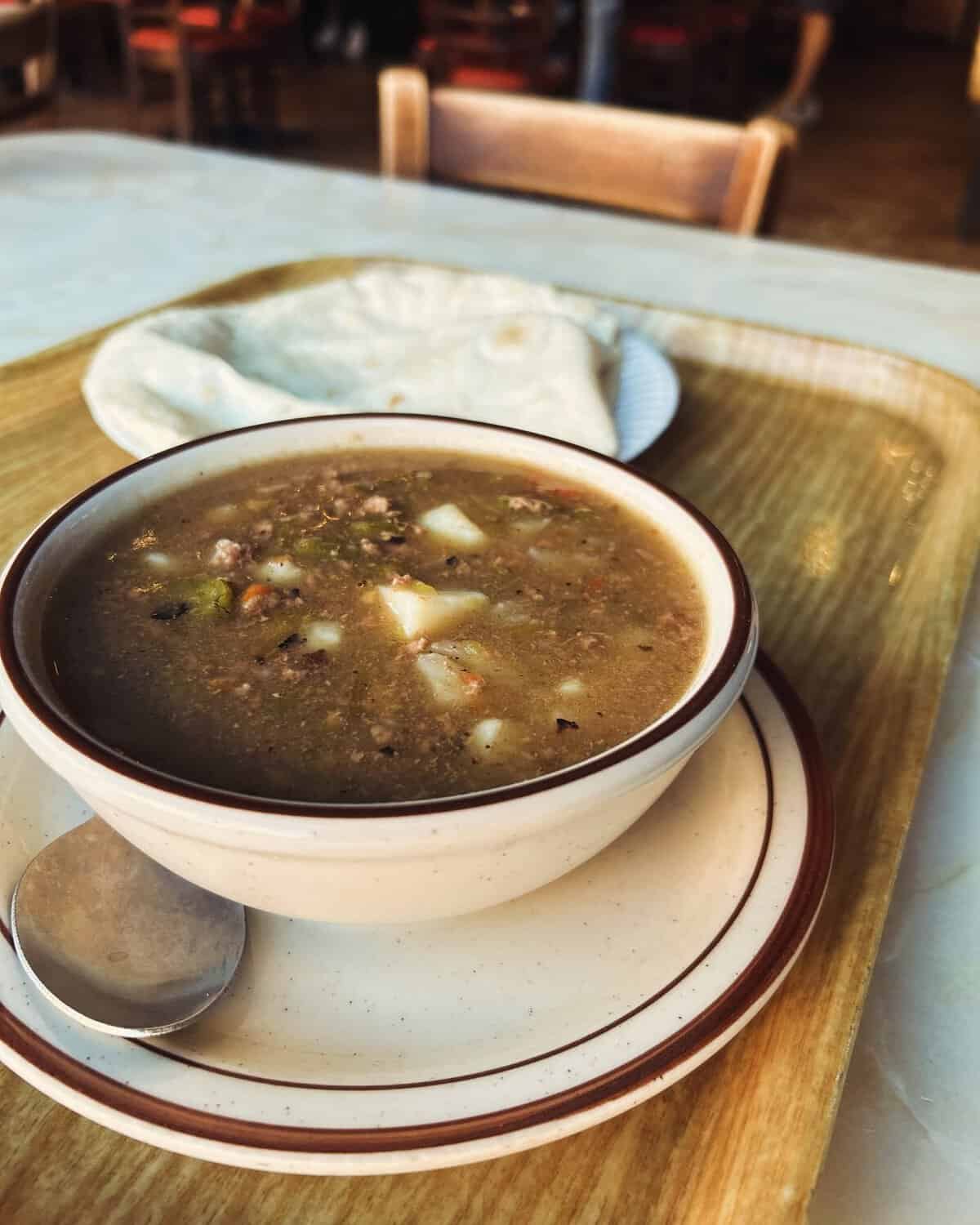
New Mexico’s green chile stew is so embedded in the state’s identity that green chile appears on menus as if the customer already knows why it matters. Roasted Hatch green chiles from the southern part of the state provide a heat and earthiness unlike any commercial pepper.
The stew builds from those chiles alongside pork, potatoes, garlic, and broth in a combination that varies by family but converges on the same earthy, warmly spiced result.
New Mexico cuisine is one of the most distinct regional food cultures in the country, and green chile stew is its most honest expression.
12. San Francisco Cioppino
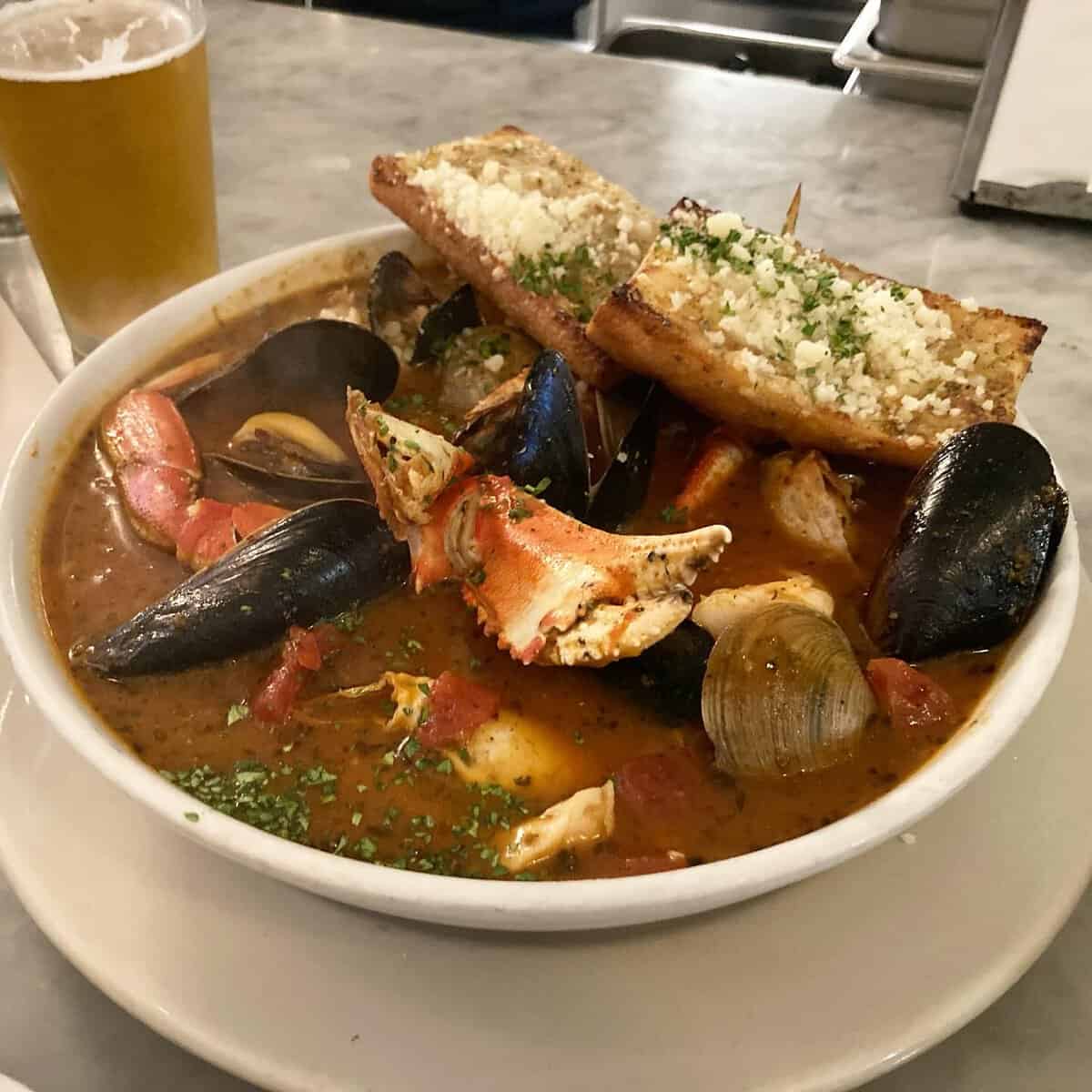
San Francisco’s cioppino was developed by Italian immigrant fishermen in the late 19th century, who combined the day’s less marketable catch with tomatoes, garlic, and wine in a dish that solved the problem of abundance in the most direct way available.
The modern version is a generous seafood stew — Dungeness crab, clams, mussels, shrimp, and fish in a rich tomato broth — served in a deep bowl with sourdough bread for the inevitable work of soaking up what’s left.
It is a dish specific to a particular coast, a particular cultural history, and a particular time of year when the crab is running, and the sourdough is good.
13. Key Lime Pie
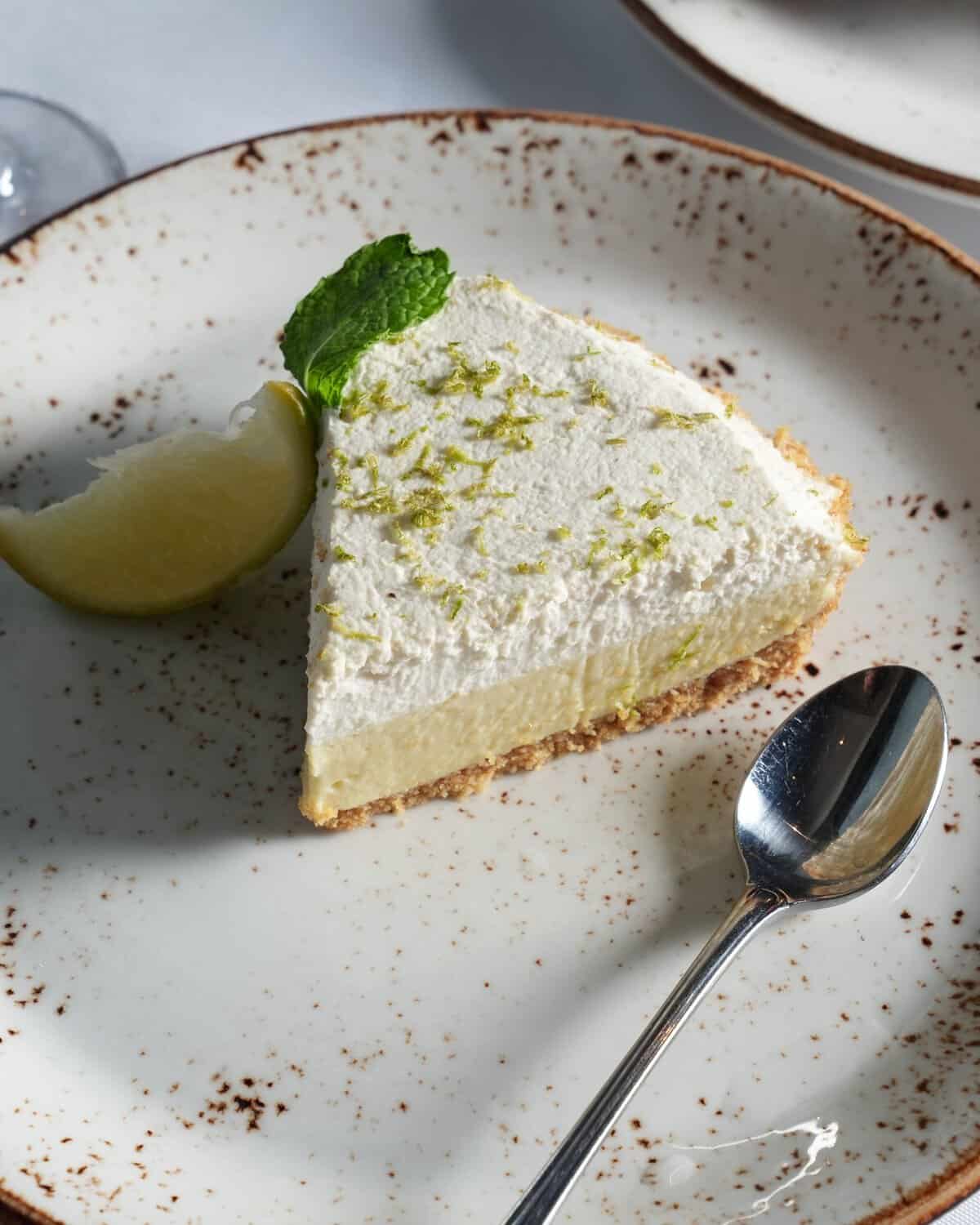
Florida’s contribution to the American dessert canon is a lesson in the power of acidity. Key lime pie depends on the small, intensely flavored Key limes that grow in the Florida Keys, whose juice is tarter and more aromatic than the Persian limes found in most grocery stores.
Combined with sweetened condensed milk and egg yolks in a graham cracker crust, then baked until just set, the result sits at the intersection of sweet, tart, and rich in a balance that few desserts achieve as effortlessly.
The pie should be pale yellow, not green. Food coloring is the first sign that something has gone wrong.
14. Pecan Pie
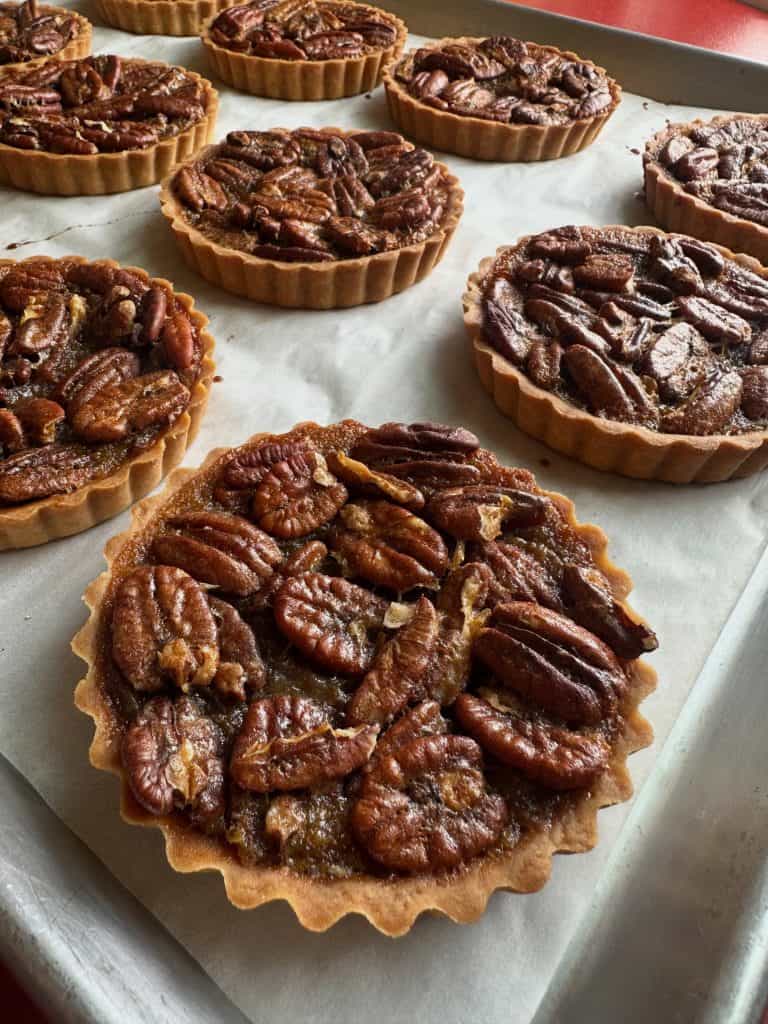
The pecan tree is native to North America, making pecan pie one of the few truly American desserts with no meaningful European ancestor. It emerged from the South in the late 19th century, where pecans grew in abundance, and corn syrup provided the sticky, sweet base.
The filling is dense, almost custardy beneath its pecan surface, with a sweetness that requires the nuts’ slight bitterness to stay in check. Baked until the center is just set, it holds its shape when sliced in a way that makes it look more composed than most pies.
Kentucky, Georgia, and Texas each claim particular authority over their version, which mostly concerns the ratio of nuts to filling and the occasional addition of bourbon.
15. Banana Pudding
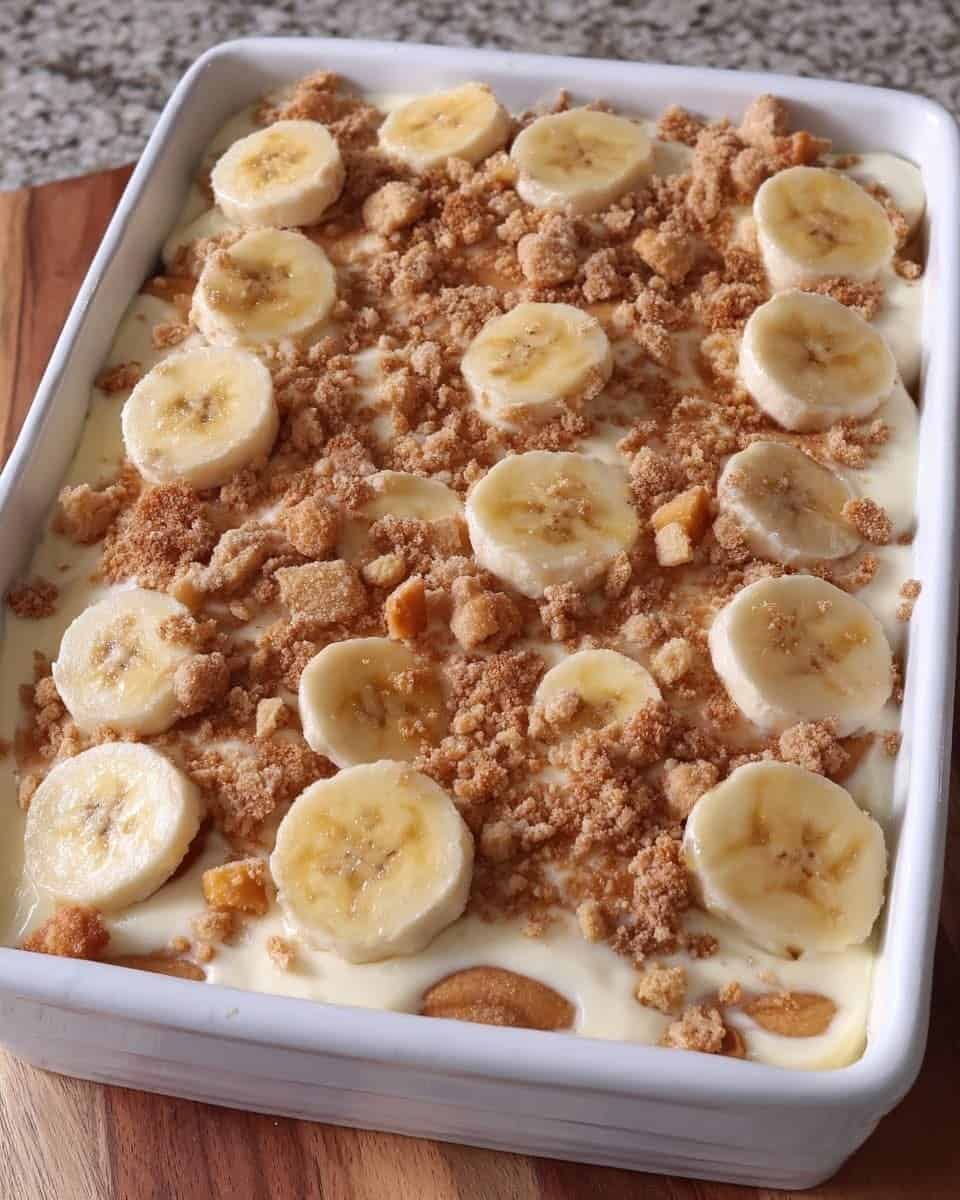
Banana pudding doesn’t require explanation in most of the American South. It exists. It is made for gatherings. It is finished before most other desserts. Its absence at a potluck is noticed.
The classic version layers vanilla wafers, sliced bananas, and vanilla pudding in a deep dish, topped with whipped cream or meringue depending on the cook’s preference. Some versions use homemade custard. Others use instant pudding. Both are correct.
What makes it endure isn’t sophistication — it’s comfort. Banana pudding tastes as if someone made it specifically for you, even when it was made for forty people, and you took the last serving.
Fifteen Dishes, One Country
There’s a temptation, when writing about American food, to resolve it into something neat — a unified cuisine with a clear identity and agreed-upon classics. But American food has never worked that way, and that’s not a failure. It’s the whole point.
What connects these fifteen dishes isn’t a unified flavor or shared technique.
Each one emerged from a specific community — Italian immigrants on a San Francisco wharf, Black cooks in Southern kitchens, Native American and Mexican traditions in the Southwest — and traveled outward until it belonged to everyone.
Food is one of the most honest things a culture produces, and America has been producing honest food, in every region and from every tradition, for a very long time.
The potato salad argument at my family’s table is still unresolved. It probably always will be. But that’s the version of American food culture I understand best — not one right answer, but everyone at the table convinced they have it.
More stories


Share this story