10 Stunning Botanical Gardens Across the U.S. That Will Make You Fall in Love With Plants

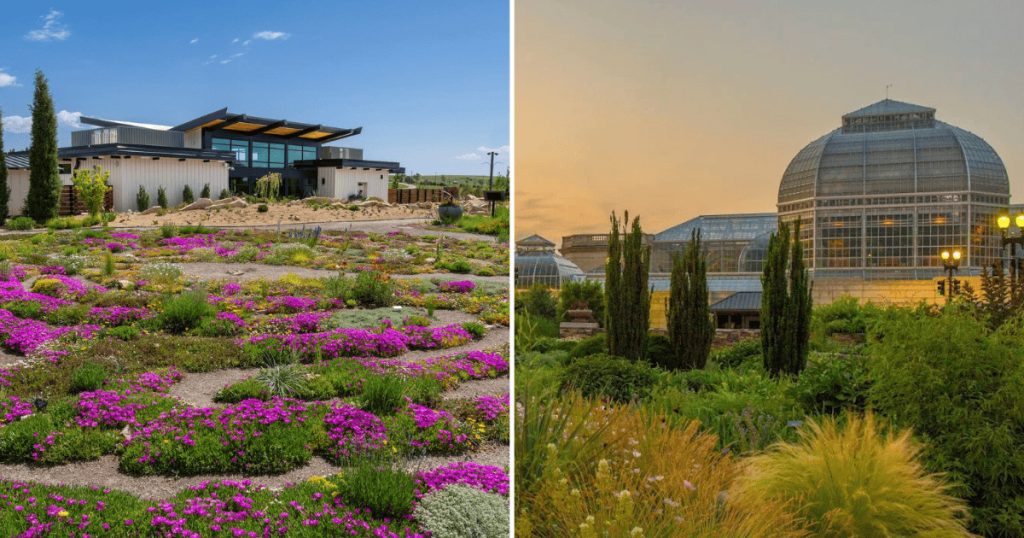
Walking into a botanical garden always slows me down in ways I don’t expect. The path curves and I follow it. Something blooms that wasn’t on the map. I end up staying longer than planned, leaving later than I meant to.
That’s what keeps me coming back.
These places feel less like attractions and more like ongoing projects — living landscapes designed to surprise you if you give them enough time.
America has some extraordinary examples, from desert gardens in Arizona to Victorian glasshouses in the Bronx. Below are ten of the most remarkable, each worth carving out a full afternoon — or even an entire day — to explore.
1. New York Botanical Garden, New York
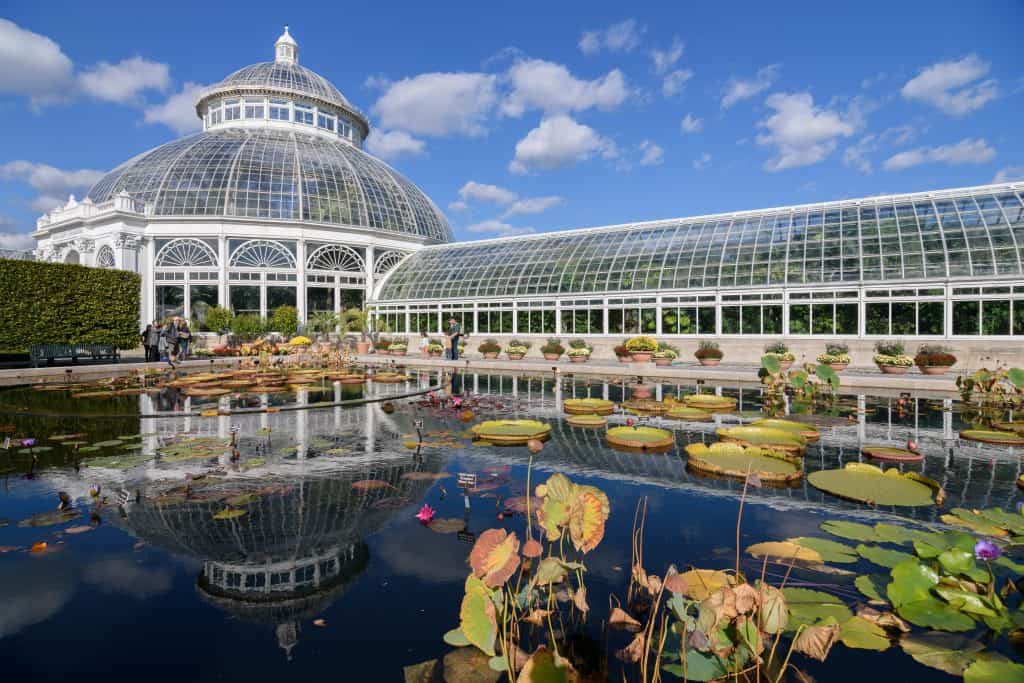
The New York Botanical Garden in the Bronx spans 250 acres and contains over one million living plants, making it one of the largest and most scientifically significant botanical institutions in the world. It opened in 1891 and has been adding to its collection ever since.
The Enid A. Haupt Conservatory is the garden’s most iconic structure — a Victorian glasshouse modeled on the Crystal Palace in London, its glass and ironwork creating an interior environment that feels like stepping into another climate entirely.
Inside the conservatory, tropical rainforest plants grow beside desert cacti, and rotating seasonal exhibitions transform the space throughout the year.
The holiday train show, which runs each winter, draws visitors who have nothing particular to do with botany but return faithfully every season.
Outside, fifty acres of old-growth Thain Family Forest make the NYBG the only place in New York City where you can walk through a forest that predates European settlement.
Where: New York Botanical Garden, 2900 Southern Blvd, Bronx, NY 10458
2. Chicago Botanic Garden, Illinois
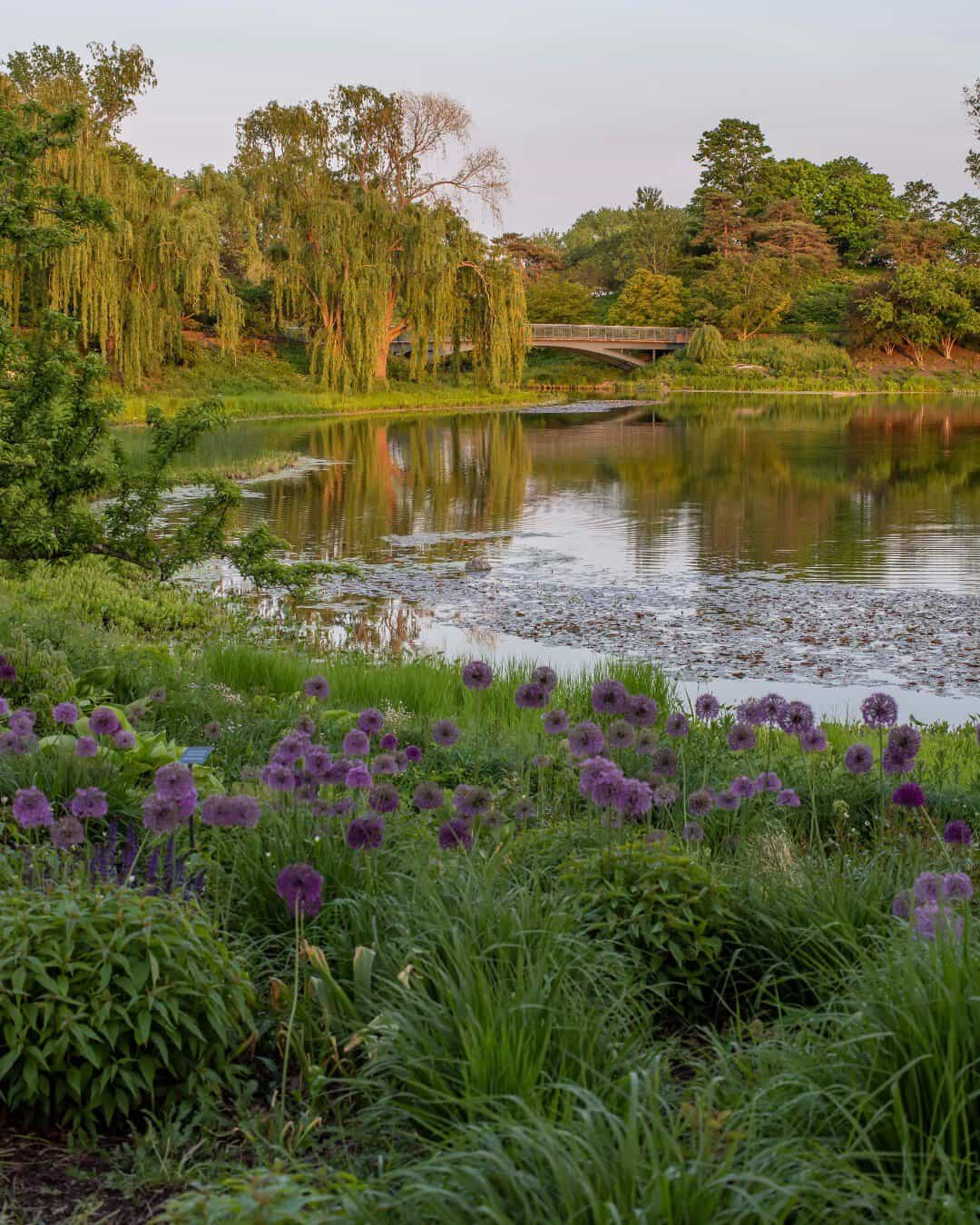
The Chicago Botanic Garden in Glencoe sits across a series of islands and lagoons connected by bridges, giving the 385-acre property a layout that makes walking through it feel more like exploring than touring.
The water views shift constantly as the path winds between the garden’s 26 distinct display areas.
Japanese, English walled, fruit and vegetable, bulb, and rose gardens each offer a completely different atmosphere within a single visit. The Japanese Garden, spread across three islands with stone lanterns and arched bridges, is considered one of the finest of its kind in the country.
The garden maintains an active scientific research program focused on plant conservation, studying rare and threatened species from around the world. That commitment to science gives even a casual stroll a sense of purpose beyond the beauty.
Seasonal programming runs throughout the year, from spring bulb season through winter’s illuminated night walks that transform the lagoons and bridges with colorful light.
Where: Chicago Botanic Garden, 1000 Lake Cook Rd, Glencoe, IL 60022
3. United States Botanic Garden, Washington, D.C.
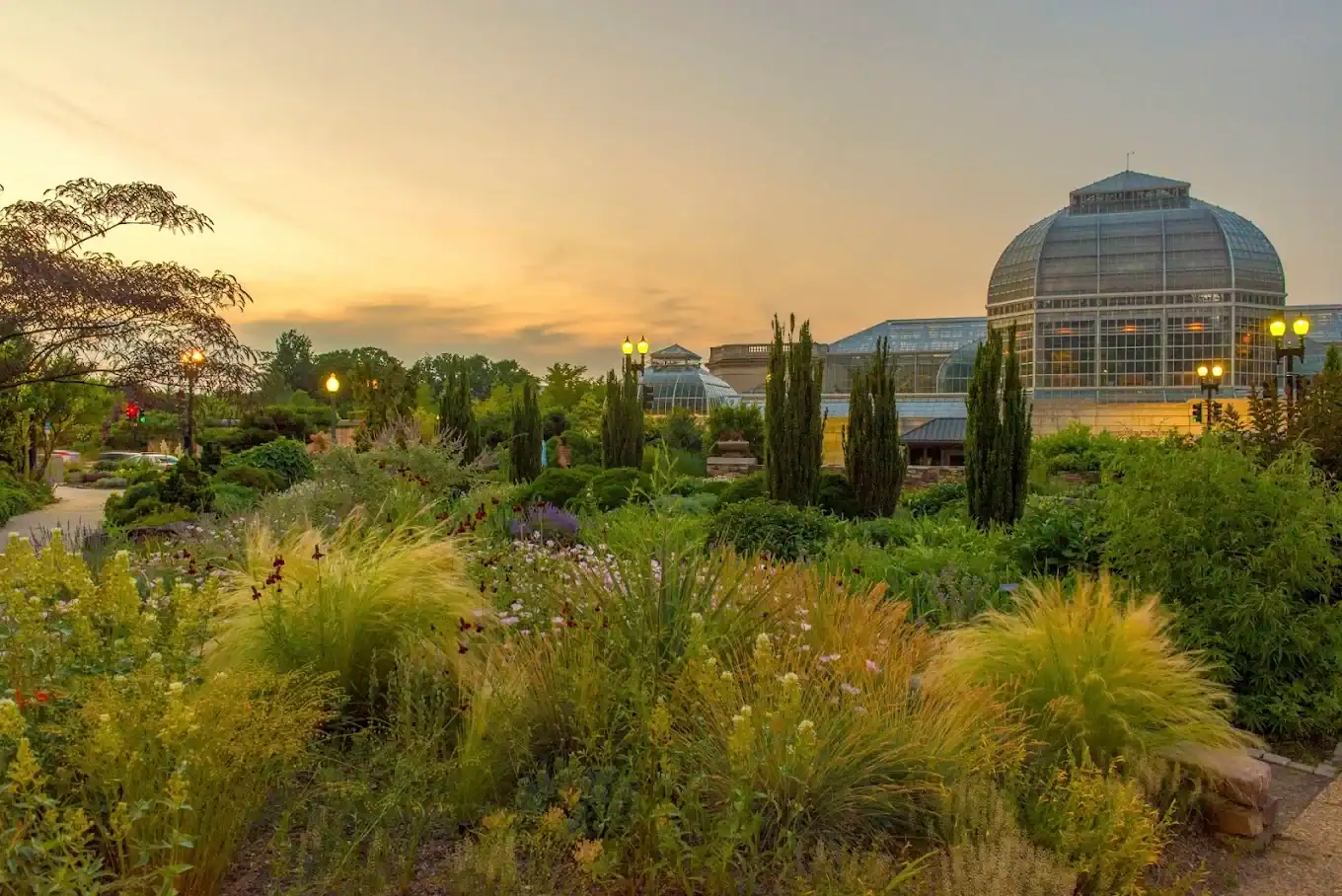
The United States Botanic Garden in Washington, D.C., is the oldest continually operating botanical garden in the country, established by Congress in 1820. It sits at the foot of the Capitol Building, a detail that makes it one of the most historically positioned green spaces in the nation.
The Conservatory, a glass structure that houses both the permanent collection and seasonal exhibitions, is free to enter and open year-round.
Tropicals, succulents, orchids, and medicinal plants fill galleries that flow from one environment to the next in a compact but carefully considered sequence.
The garden maintains a particular focus on plants with human significance — food crops, medicinal species, and plants central to different world cultures — giving every display an educational layer alongside the visual one.
Bartholdi Park, directly across Independence Avenue, extends the experience outdoors with a formal Victorian garden centered on a cast-iron fountain designed by the sculptor of the Statue of Liberty.
Where: United States Botanic Garden, 100 Maryland Ave SW, Washington, DC 20001
4. Longwood Gardens, Pennsylvania
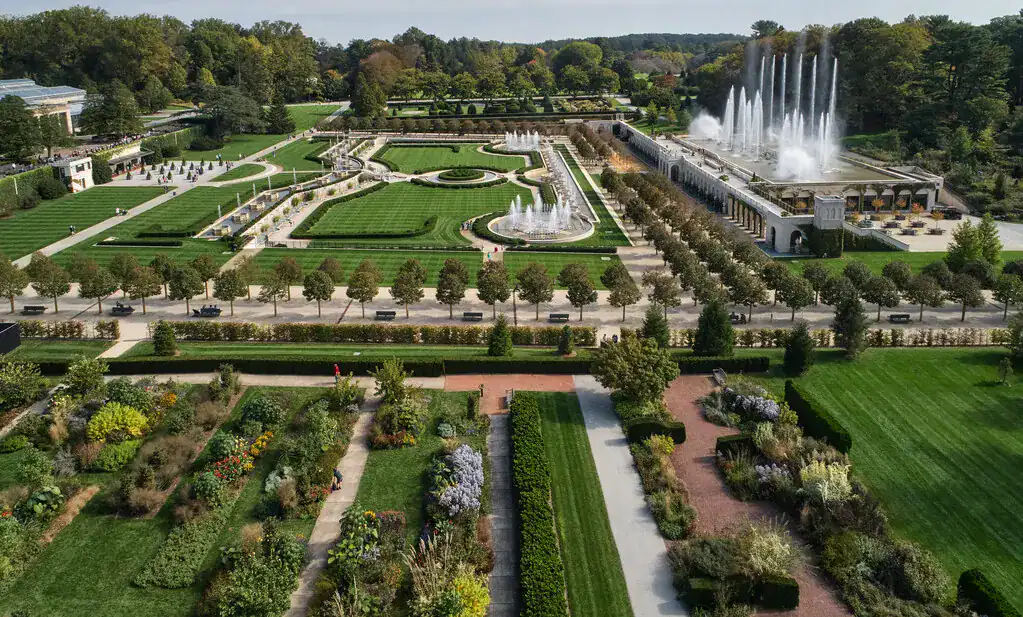
When Pierre du Pont purchased a Pennsylvania farmstead in 1906 to preserve its trees from a lumber company, he likely didn’t anticipate creating one of the most celebrated gardens in the Western Hemisphere.
Longwood Gardens in Kennett Square now spans 1,083 acres and receives over 1.5 million visitors each year.
The conservatory complex covers four and a half acres of indoor gardens under glass — the largest display greenhouse in the world.
The Orangery, the orchid house, and the Exhibition Hall each hold distinct plant collections that make moving between them feel like traveling between climates.
The outdoor gardens are equally remarkable, with fountains designed to rival those at Versailles, meadows of native wildflowers, a spectacular rose garden, and a kitchen garden that grows over 500 varieties of fruits, vegetables, and herbs.
Seasonal events — particularly the Christmas light display and summer fountain shows choreographed to music — draw visitors who might not consider themselves garden enthusiasts but leave planning a return visit.
Where: Longwood Gardens, 1001 Longwood Rd, Kennett Square, PA 19348
5. Missouri Botanical Garden, Missouri
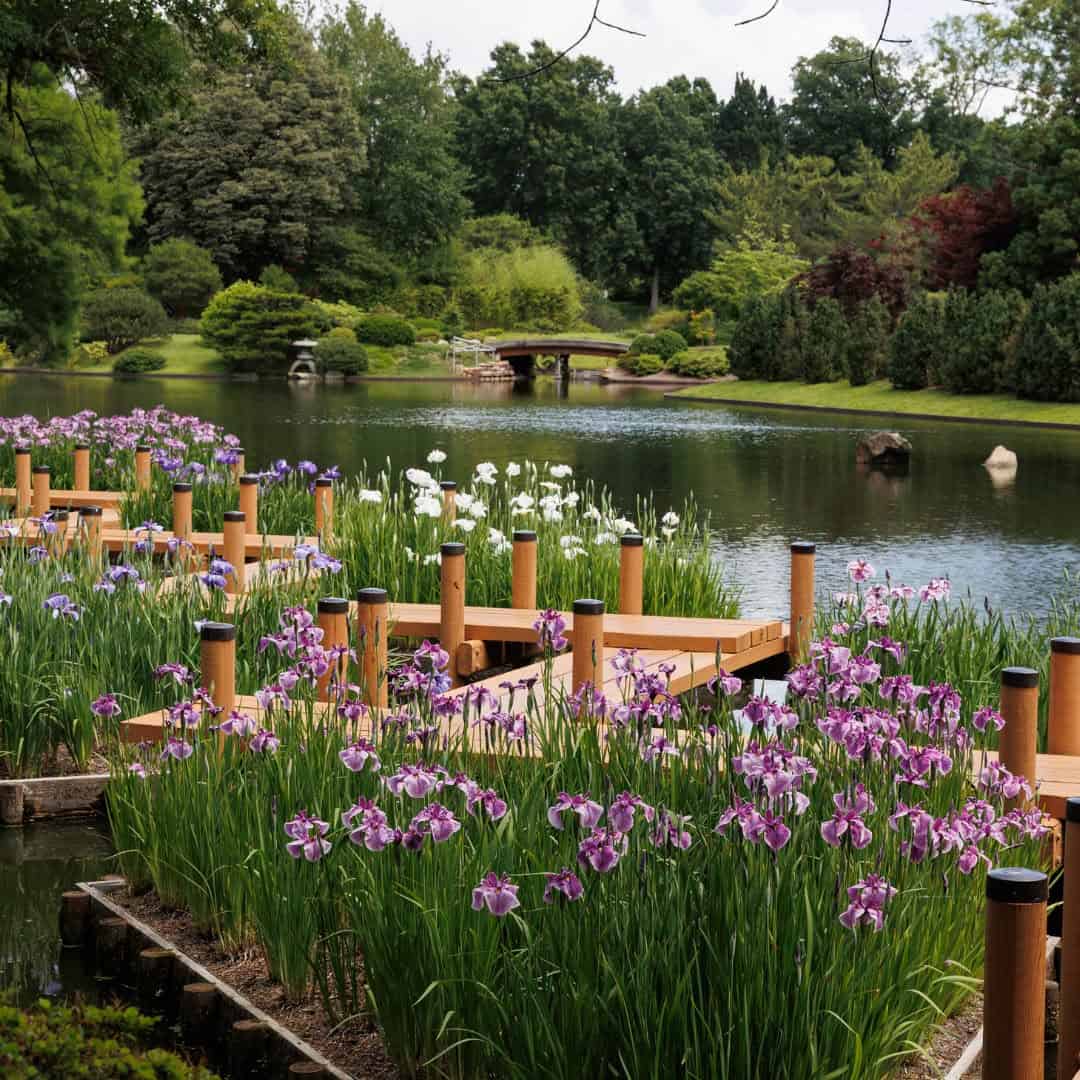
The Missouri Botanical Garden in St. Louis is one of the oldest botanical gardens in the United States, founded in 1859 by Henry Shaw, a British businessman who made his fortune in St. Louis and spent it creating something that would outlast him by centuries.
The Climatron, a geodesic dome greenhouse completed in 1960, was the world’s first fully climate-controlled geodesic dome and remains one of the most architecturally striking greenhouse structures in the country. Inside, a tropical rainforest ecosystem grows beneath its glass panels.
The Japanese strolling garden, Seiwa-en, is among the largest of its kind in North America, designed with the assistance of Japanese experts and refined over decades to achieve a landscape that feels both constructed and deeply natural at the same time.
The garden’s scientific work in plant taxonomy and conservation science gives it a global reputation among botanists that extends well beyond its Midwest setting.
Where: Missouri Botanical Garden, 4344 Shaw Blvd, St. Louis, MO 63110
6. Atlanta Botanical Garden, Georgia
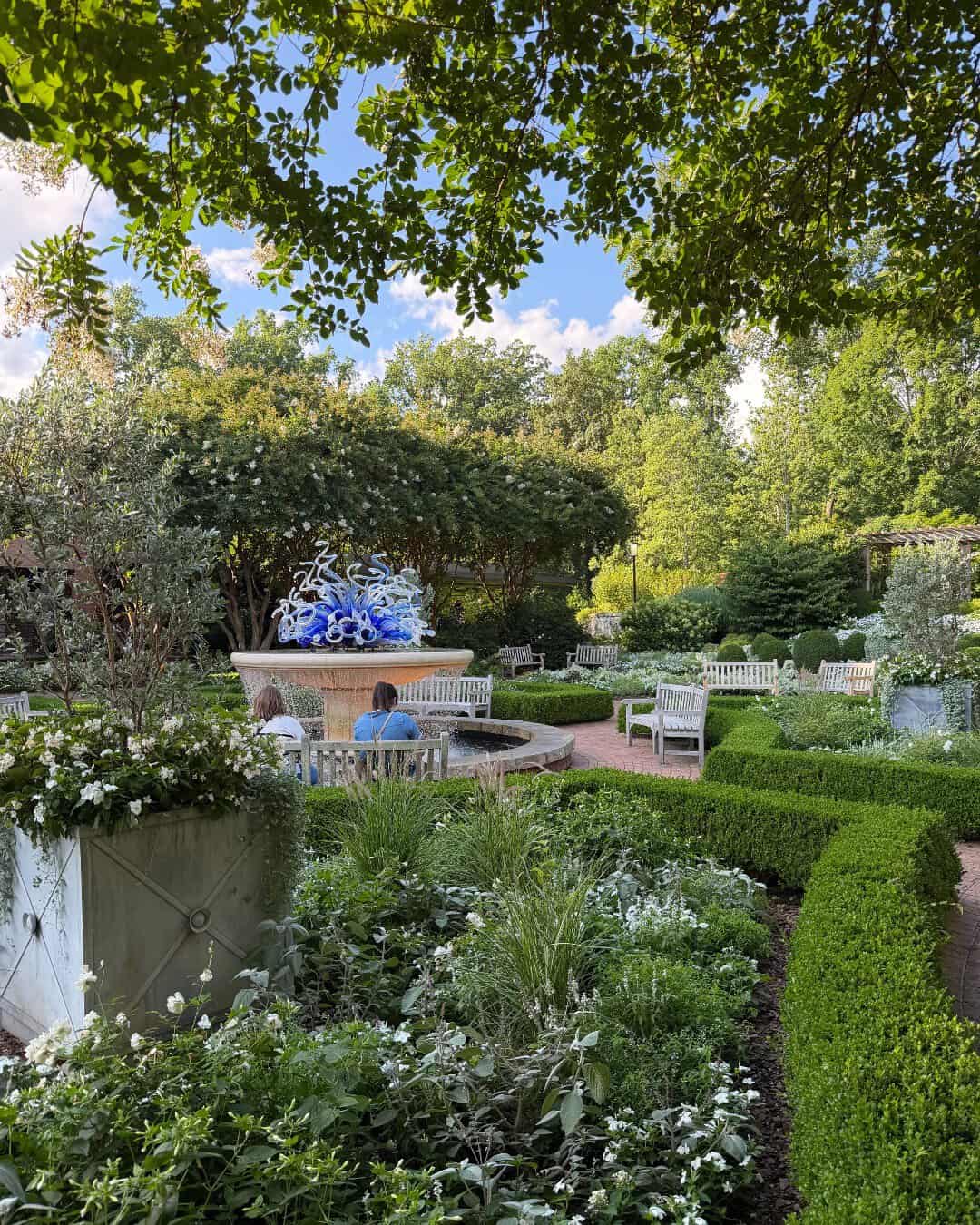
The Atlanta Botanical Garden occupies 30 acres beside Piedmont Park, functioning as both a serious horticultural institution and an accessible urban retreat.
Its canopy walk — elevated 40 feet above the forest floor — is one of the most distinctive features of any botanical garden in the country.
The Dorothy Chapman Fuqua Conservatory houses tropical and desert plants across several connected galleries, with a special endangered plant program working to preserve rare species that have disappeared from their native habitats.
Edible plant gardens celebrate the intersection of food culture and horticulture, with a children’s garden nearby that gets younger visitors hands-on with soil and seeds in a setting designed around curiosity rather than caution.
The garden hosts a popular summer light exhibition each year, transforming the grounds with illuminated sculptures and light installations that make evening visits especially appealing to adults and families alike.
Where: Atlanta Botanical Garden, 1345 Piedmont Ave NE, Atlanta, GA 30309
7. Desert Botanical Garden, Arizona
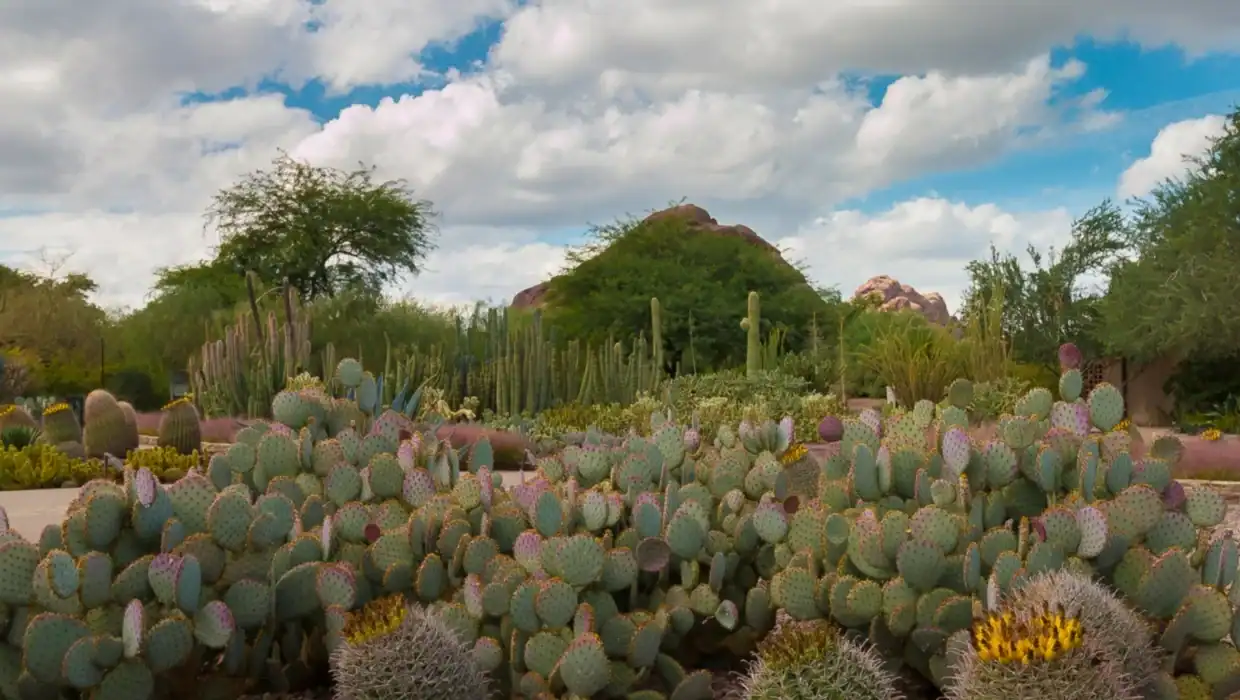
Most botanical gardens work against the surrounding climate in some way — heating tropical plants through a cold New England winter, for instance, or irrigating lush lawns in an arid region.
The Desert Botanical Garden in Phoenix makes no such concession. It celebrates the desert rather than compensating for it.
Founded in 1939, the garden protects one of the world’s finest collections of desert plants across 140 acres in Papago Park. More than 50,000 plants representing over 4,000 species from deserts around the world are arranged along five themed loop trails.
The saguaro cacti here are the silent headliners — some over 150 years old and tall enough to require looking up to see the tips. At sunrise and sunset, the desert light turns the spines and ridges of each plant into something almost sculptural.
Spring wildflower season, typically February through May, draws particularly devoted crowds when the surrounding Sonoran Desert bursts into bloom in colors that contradict every assumption about what a desert landscape can look like.
Where: Desert Botanical Garden, 1201 N Galvin Pkwy, Phoenix, AZ 85008
8. The Huntington, California
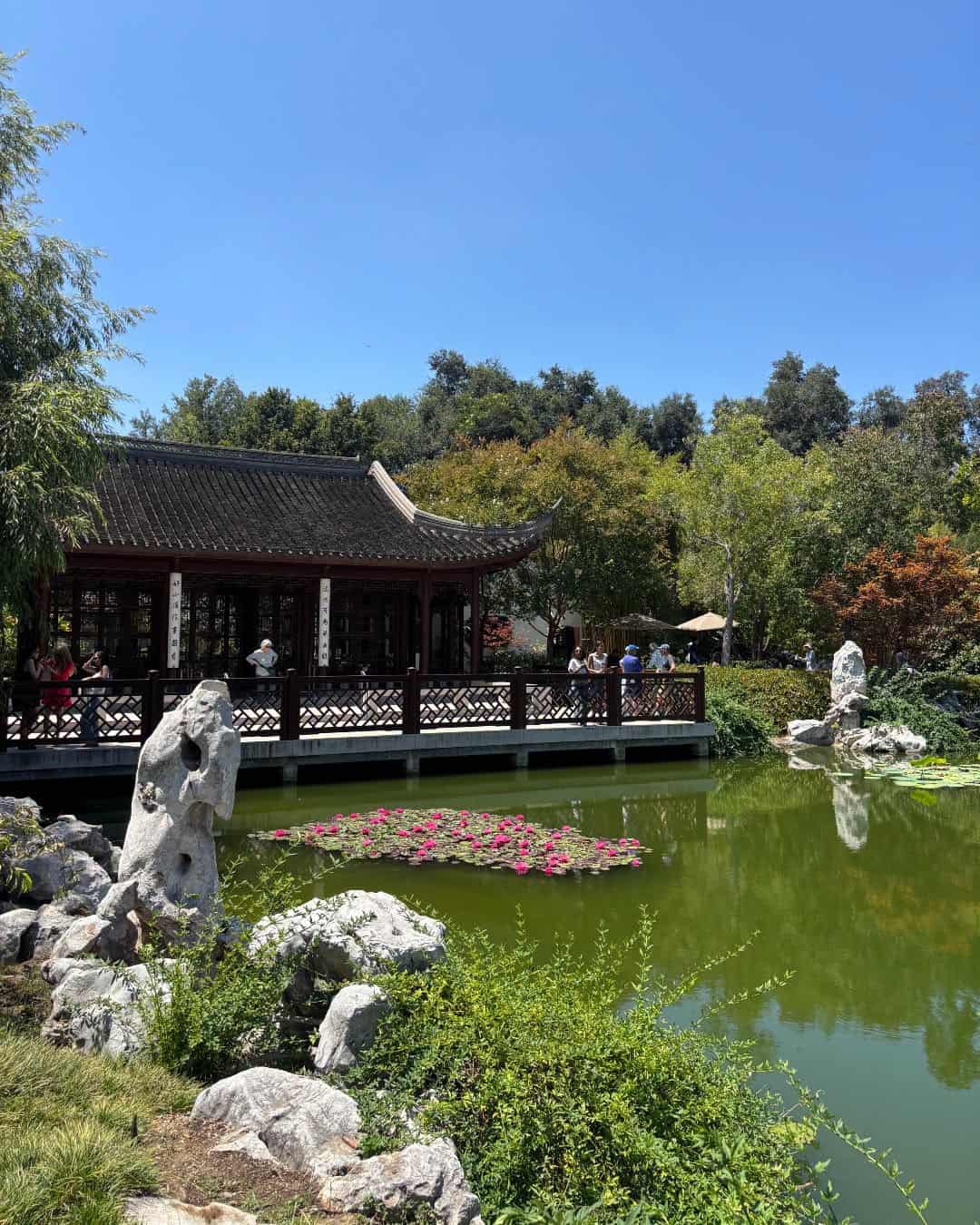
The Huntington Library, Art Museum, and Botanical Gardens in San Marino is one of those places that seems unreasonably good on paper and then somehow exceeds expectations in person.
A world-class research library, a significant art collection, and 130 acres of botanical gardens all share the same property.
The Desert Garden alone, home to the world’s largest outdoor collection of cacti and succulents, could justify the entire visit. Over 5,000 species of desert plants grow across twelve acres in arrangements that range from formal to wild.
The Japanese Garden, the Australian Garden, and the Chinese Garden of Flowing Fragrance each create entirely separate environments, making it possible to move between continents without leaving the property.
The Chinese Garden, completed in 2008, is the largest traditional Chinese-style garden outside China.
The Huntington’s original estate — the home of railroad magnate Henry Huntington — provides a historical backdrop that adds a layer of early 20th-century California grandeur to the horticultural experience.
Where: The Huntington, 1151 Oxford Rd, San Marino, CA 91108
9. Naples Botanical Garden, Florida
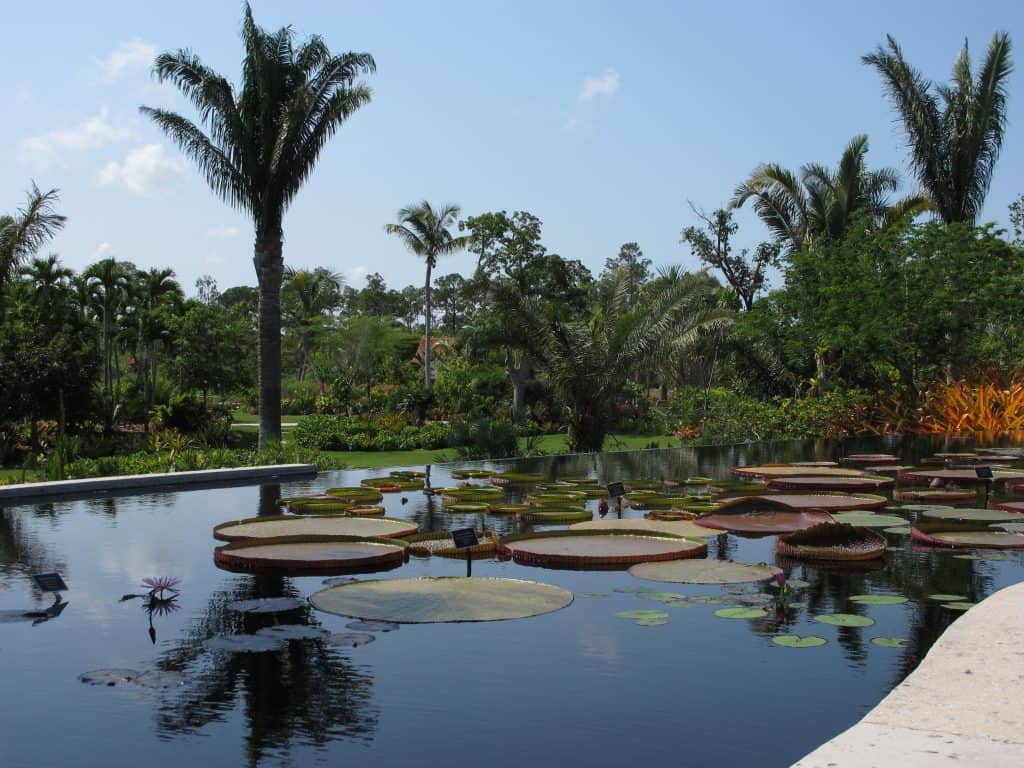
Florida’s Naples Botanical Garden has grown considerably since its founding in the 1990s, becoming one of the most dynamic botanical institutions in the country.
It’s a 170-acre site that celebrates the diverse tropical ecosystems of the western hemisphere, with gardens representing the Caribbean, Southeast Asia, and Central and South America.
The Brazilian Garden contains the largest collection of tropical trees in any botanical garden in the United States. The Caribbean Garden places a working living fence of cacti alongside flowering trees that would look at home in any island landscape.
The Smith Children’s Garden builds a generation of young plant enthusiasts through immersive experiences with water, soil, and living things.
A mangrove boardwalk winds through a natural habitat area at the garden’s edge, where herons and roseate spoonbills are common visitors.
The timing of a visit matters here. Winter visits reward with comfortable temperatures and peak blooms from plants that thrive in the mild Southwest Florida season.
Where: Naples Botanical Garden, 4820 Bayshore Dr, Naples, FL 34112
10. Denver Botanic Gardens, Colorado
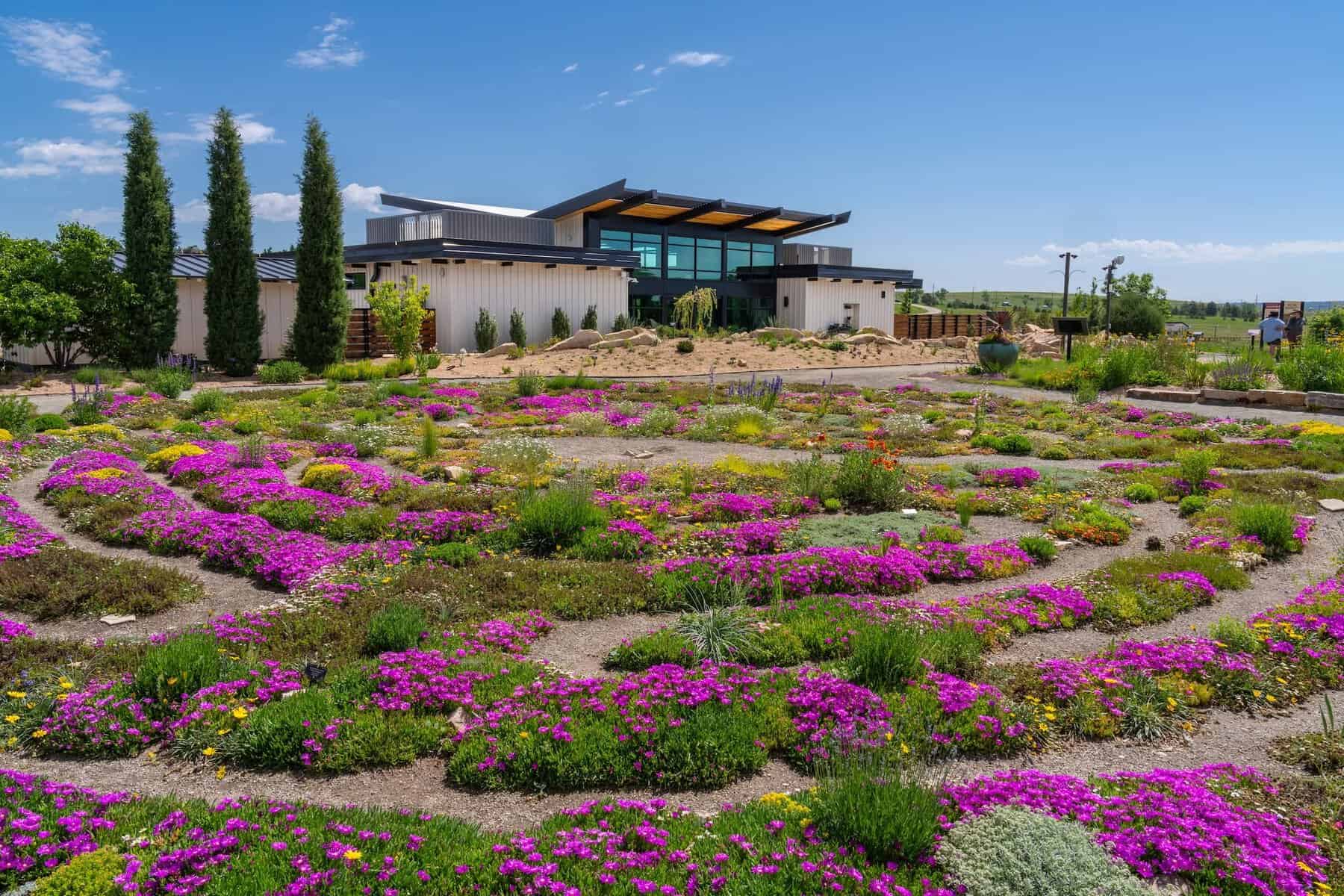
Denver’s Botanic Gardens sit in the Cheesman Park neighborhood close to the city center, offering a garden experience that’s easily worked into a broader Denver day rather than requiring a dedicated excursion. Its 24 acres manage to feel spacious despite being genuinely urban.
The Boettcher Memorial Tropical Conservatory provides a year-round tropical environment that feels especially welcome against a Denver winter, when the contrast between the snow outside and the warmth inside is part of the appeal.
The xeriscape demonstration gardens reflect the garden’s genuine commitment to water-wise landscaping in a climate that demands it, with native grasses and drought-tolerant plants arranged in ways that challenge the assumption that a dry garden has to look sparse.
The international collection includes plants from alpine, Mediterranean, and Asian environments, each section feeling distinct enough to reward visitors who slow down and move through the garden attentively rather than checking off a circuit.
Where: Denver Botanic Gardens, 1007 York St, Denver, CO 80206
Gardens Are Doing Something Quietly Essential
My mother’s garden looks completely different depending on when you see it. In April, it’s all mud and possibility. By July, it’s chaotic and lush. In October, it’s winding down toward winter with a particular kind of exhausted beauty.
That relationship with time is what botanical gardens share with every small backyard garden in the country, just on a scale that requires decades of planning and hundreds of people to maintain.
The ten gardens on this list each track the seasons differently, which means no two visits need to be identical. A desert garden in wildflower season is a different place than the same garden in October. Longwood at Christmas is simply not the same garden as Longwood in May.
If you’ve been giving botanical gardens the drive-past treatment — acknowledging they exist without actually going — consider this a reason to stop. Pick any one of these ten and give it a full afternoon. Bring someone who claims they don’t care about plants. See what happens by the end.
More stories


Share this story