10 Farm-to-Table Restaurants Across the U.S. That Will Change How You Think About Where Food Comes From

Tomatoes are my benchmark for real flavor. When they taste sweet and sharp at the same time, when they taste alive instead of shelf‑stable, that’s when I know they’re right.
That single bite explains farm‑to‑table better than any definition ever could.
Chefs who work directly with farmers, harvest from their own plots, or change the menu based on what came in that morning end up serving food that feels immediate.
It hasn’t sat in storage. It hasn’t been bred to survive shipping. It tastes like it belongs exactly where you’re eating it.
These ten restaurants have built their entire identities around that idea, each in a different corner of the country, each worth the trip for the food alone.
1. Blue Hill at Stone Barns, New York
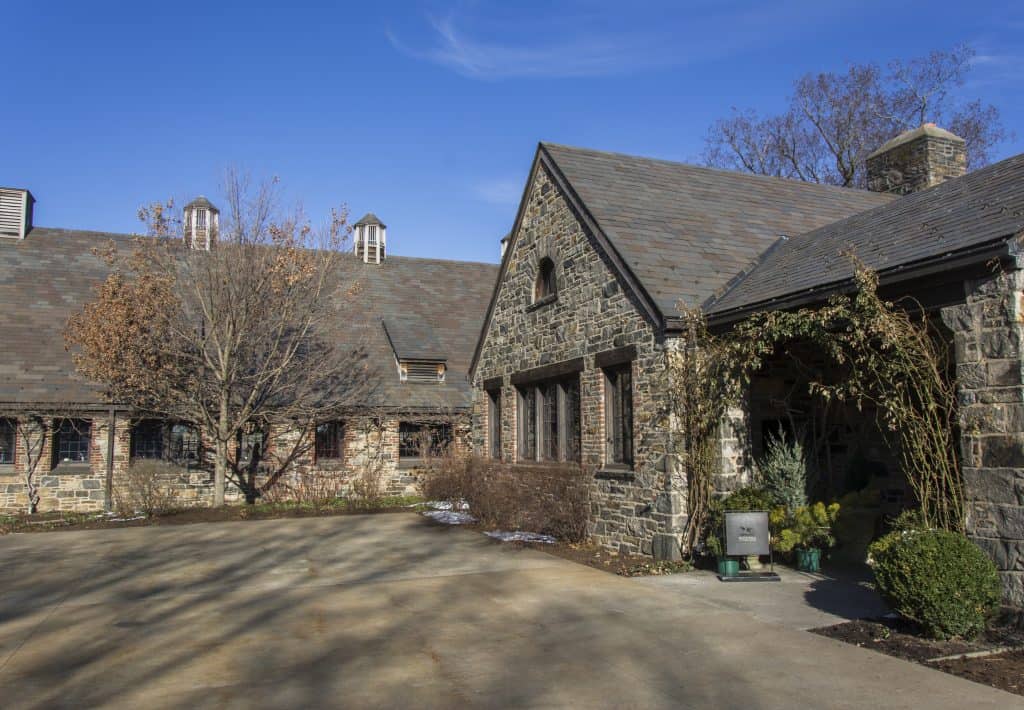
Blue Hill at Stone Barns in Pocantico Hills may be the most influential farm-to-table restaurant in the country.
Chef Dan Barber operates it on the grounds of Stone Barns Center for Food and Agriculture, a working farm raising livestock and growing vegetables across 80 acres of the Hudson Valley.
The menu changes not just with the seasons but with the day, reflecting whatever the farm produced most recently. Diners don’t so much order from a menu as surrender to one, trusting the kitchen to decide what the evening’s meal will include.
Barber has written extensively about sustainable agriculture and the relationship between farming and cooking, and those ideas are present in every plate that leaves the kitchen. The food is serious without being solemn.
The Hudson Valley setting adds a visual dimension to the experience — arriving through farm fields as dusk sets in, before sitting down to eat what those fields produced.
Where: Blue Hill at Stone Barns, 630 Bedford Rd, Pocantico Hills, NY 10591
2. Chez Panisse, California
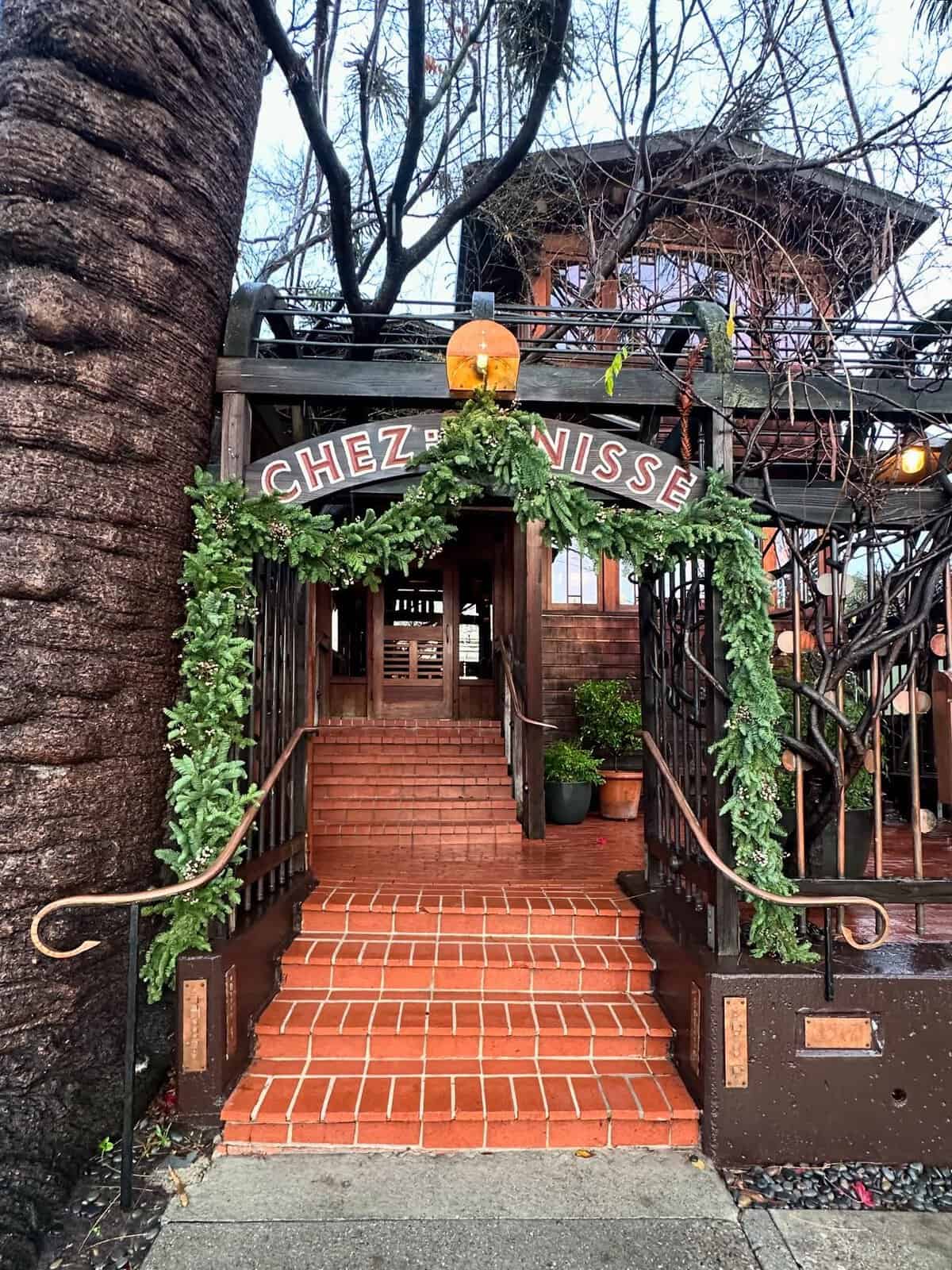
Chez Panisse in Berkeley didn’t just pioneer farm-to-table dining in America — it essentially invented the concept as Americans now understand it.
When Alice Waters opened the restaurant in 1971, she began buying directly from local farms at a time when that was considered eccentric rather than principled.
More than five decades later, the restaurant still operates on that same foundation. The menu changes daily based on what’s available from its network of trusted local farmers, ranchers, and foragers.
The downstairs dining room offers a fixed menu each evening — one seating, one menu, complete trust in the kitchen. The upstairs café offers a rotating à la carte menu with slightly more flexibility.
Waters’ influence on American cooking is difficult to overstate. Generations of chefs trained here before opening their own kitchens, and the restaurant’s commitment to seasonal, local sourcing has shaped how the entire country thinks about where food should come from.
Where: Chez Panisse, 1517 Shattuck Ave, Berkeley, CA 94709
3. The Inn at Little Washington, Virginia
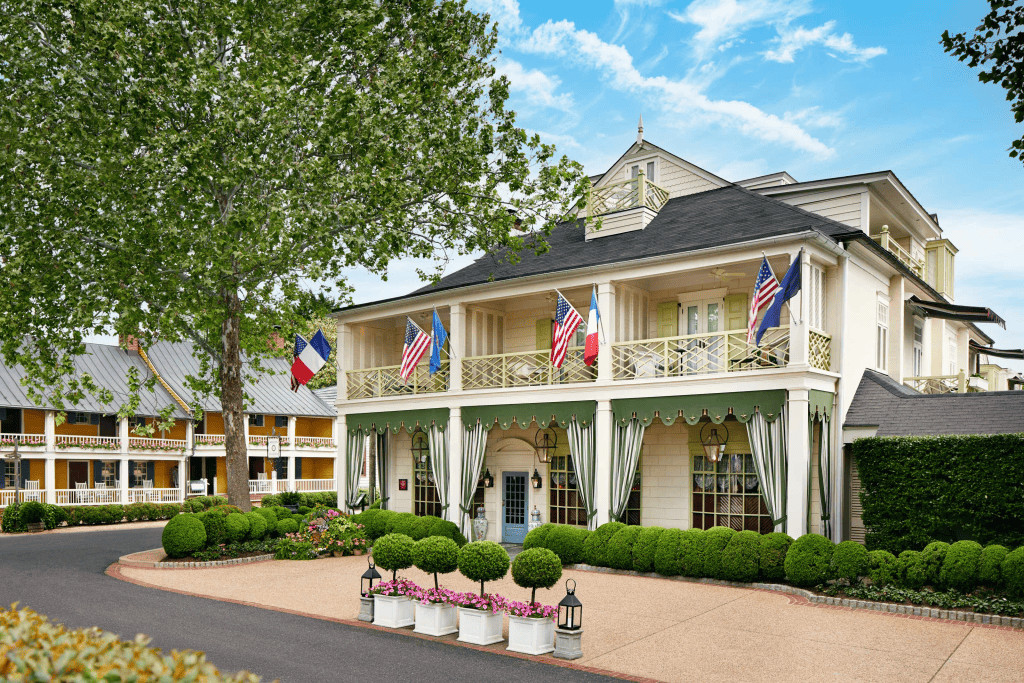
Patrick O’Connell has been cooking in the tiny town of Washington, Virginia, since 1978, and what he built there has become one of the most decorated restaurants in the country.
The Inn at Little Washington holds three Michelin stars — a distinction only a handful of American restaurants have earned.
The kitchen draws from the surrounding Rappahannock County farms and gardens, with many ingredients grown specifically for the restaurant.
O’Connell’s approach is deeply rooted in the Shenandoah Valley landscape, and the menu reflects the seasons of that particular piece of Virginia with unusual specificity.
The dining room itself is a theatrical production — richly decorated, candlelit, and designed to transport guests entirely from the everyday world outside.
Washington, Virginia, sits in the foothills of the Blue Ridge Mountains, and the drive through the countryside to reach the restaurant is part of the experience.
Where: The Inn at Little Washington, 309 Middle St, Washington, VA 22747
4. Farm & Table, New Mexico
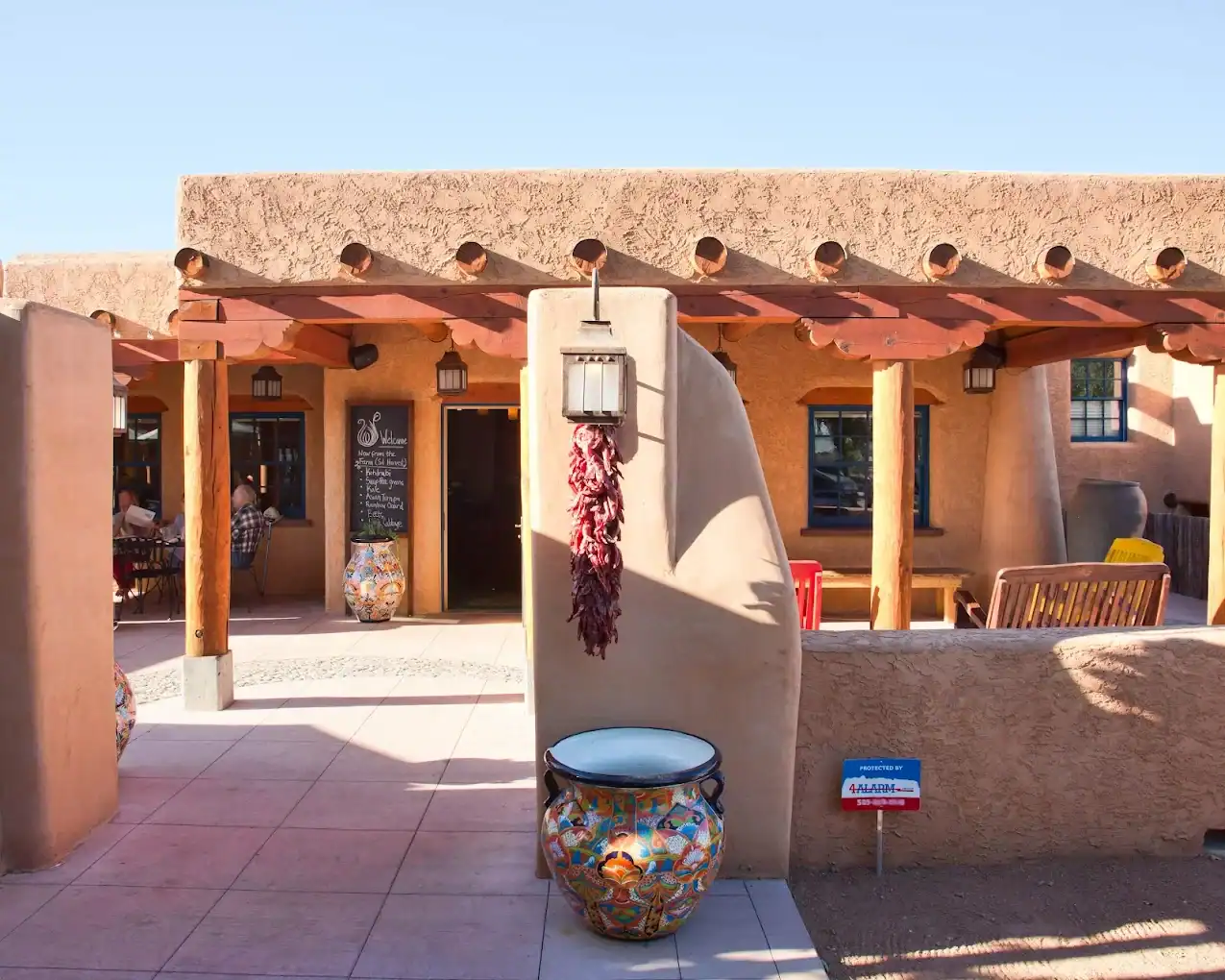
Albuquerque’s Farm & Table takes the farm-to-table concept literally. The restaurant operates its own farm on the property, growing vegetables, herbs, and edible flowers just steps from the kitchen. What gets harvested in the morning often appears on the plate that evening.
The New Mexico landscape — high desert, long growing seasons, and a culinary tradition shaped by Native American, Spanish colonial, and Mexican influences — gives the menu a character that couldn’t be replicated anywhere else.
Green chile shows up in unexpected, thoughtful ways. Local cheeses, heritage grains, and seasonal produce from the on-site farm and neighboring growers form the backbone of a menu that shifts week to week.
The setting, a renovated adobe building surrounded by working garden beds, makes even a weekend brunch feel like a deliberate and unhurried event.
Where: Farm & Table, 8917 4th St NW, Albuquerque, NM 87114
5. The Herbfarm, Washington
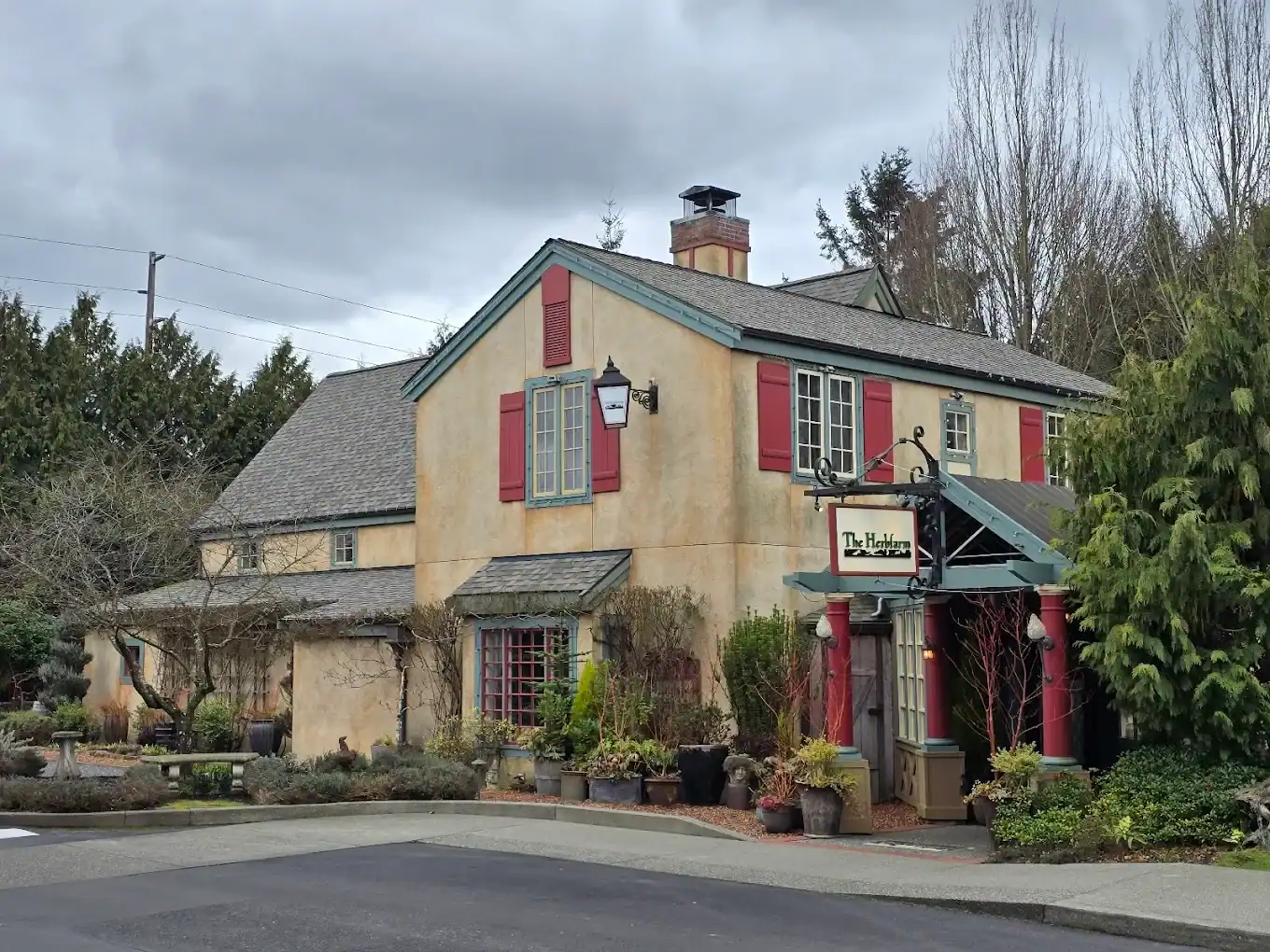
The Herbfarm in Woodinville operates at a scale of ambition that makes it worth traveling to Washington State specifically to experience. The nine-course tasting menu changes with each new seasonal theme, rotating through different regional focuses throughout the year.
The restaurant maintains its own garden and works with farms, fishermen, and foragers across the Pacific Northwest to source ingredients that reflect the season’s most honest expression.
Wild mushrooms, Dungeness crab, heritage pork, and foraged greens appear in combinations that only make sense in this particular corner of the country.
Wine pairings draw from the surrounding Woodinville wine country, one of Washington’s most productive wine regions.
Each dinner at The Herbfarm is designed as a complete evening rather than simply a meal, with the table typically held for four to five hours.
Where: The Herbfarm, 14590 NE 145th St, Woodinville, WA 98072
6. Highlands Bar & Grill, Alabama
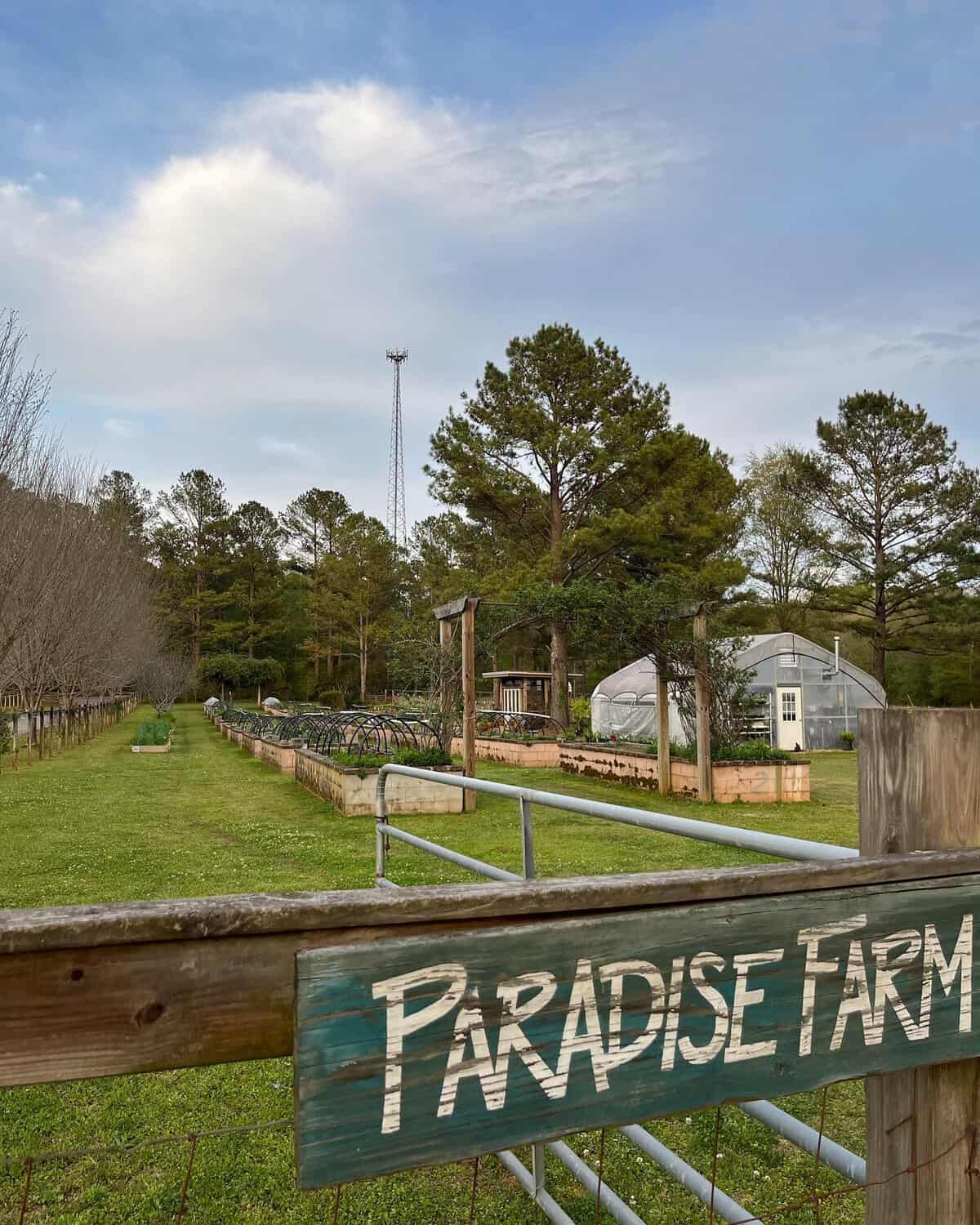
Frank Stitt opened Highlands Bar & Grill in Birmingham in 1982, making it one of the earliest farm-to-table restaurants in the American South.
The James Beard Foundation has since recognized it as an Outstanding Restaurant — one of the most prestigious honors in American dining.
Stitt trained in France under the chefs who shaped nouvelle cuisine, then returned to Alabama and applied those techniques to Southern ingredients: field peas, Gulf seafood, heritage pork, locally milled grains, and vegetables from the farms that surround Birmingham.
The result is a cuisine that feels rooted without being backward-looking — French technique applied to Alabama’s extraordinary pantry, in a dining room that feels elegant and genuinely welcoming at the same time.
Highlands helped establish Birmingham as a serious food city, and the generations of chefs who trained in its kitchen have spread across the South.
Where: Highlands Bar & Grill, 2011 11th Ave S, Birmingham, AL 35205
7. Canoe, Georgia
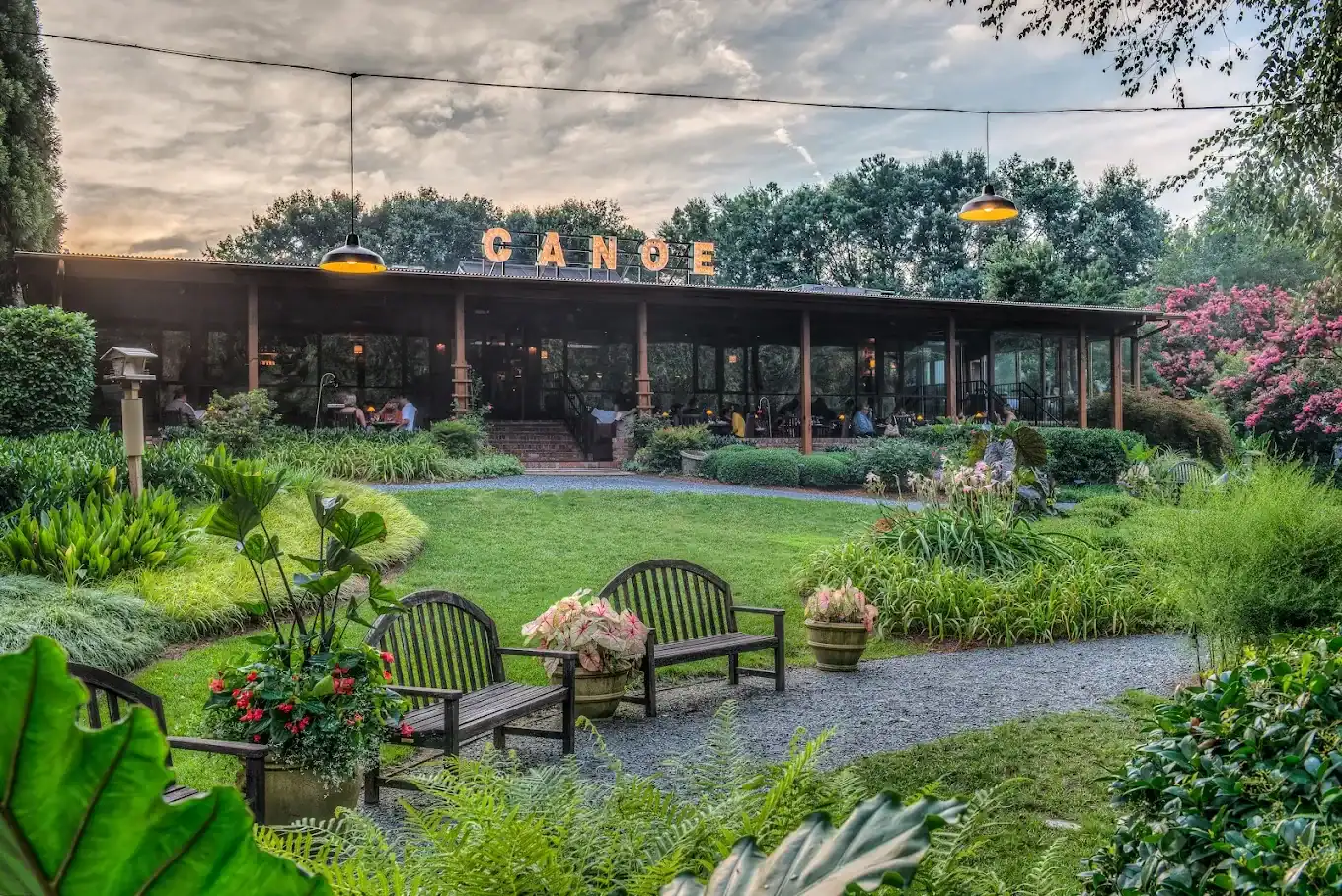
Canoe sits along the Chattahoochee River in Atlanta, its dining room and terrace hovering just above the water. The riverside trees, the slow bend of the river, and the filtered light create an atmosphere that makes seasonal cooking feel entirely natural.
The kitchen draws from farms across Georgia and the broader Southeast, building menus around what’s available rather than what’s convenient. Southern staples like field peas, sweet corn, and Georgia peaches appear alongside Gulf seafood and heritage meats when the season demands it.
The terrace dining at Canoe is particularly sought after, especially in the warmer months when the river view and the outdoor air make the meal feel like an extension of the landscape rather than a departure from it.
Atlanta’s food scene has grown dramatically over the past two decades, and Canoe has remained one of its most consistent anchors throughout that evolution.
Where: Canoe, 4199 Paces Ferry Rd SE, Atlanta, GA 30339
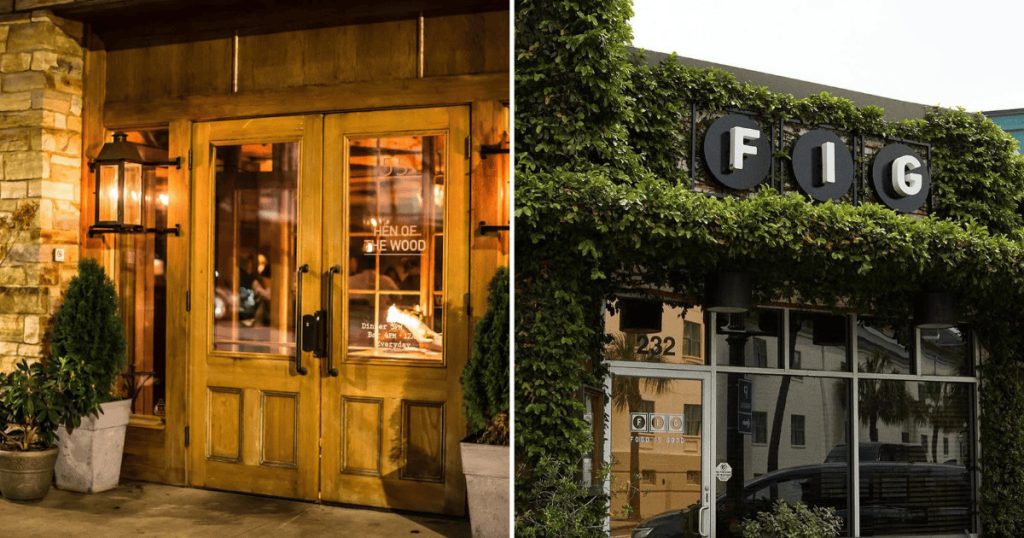
8. Hen of the Wood, Vermont
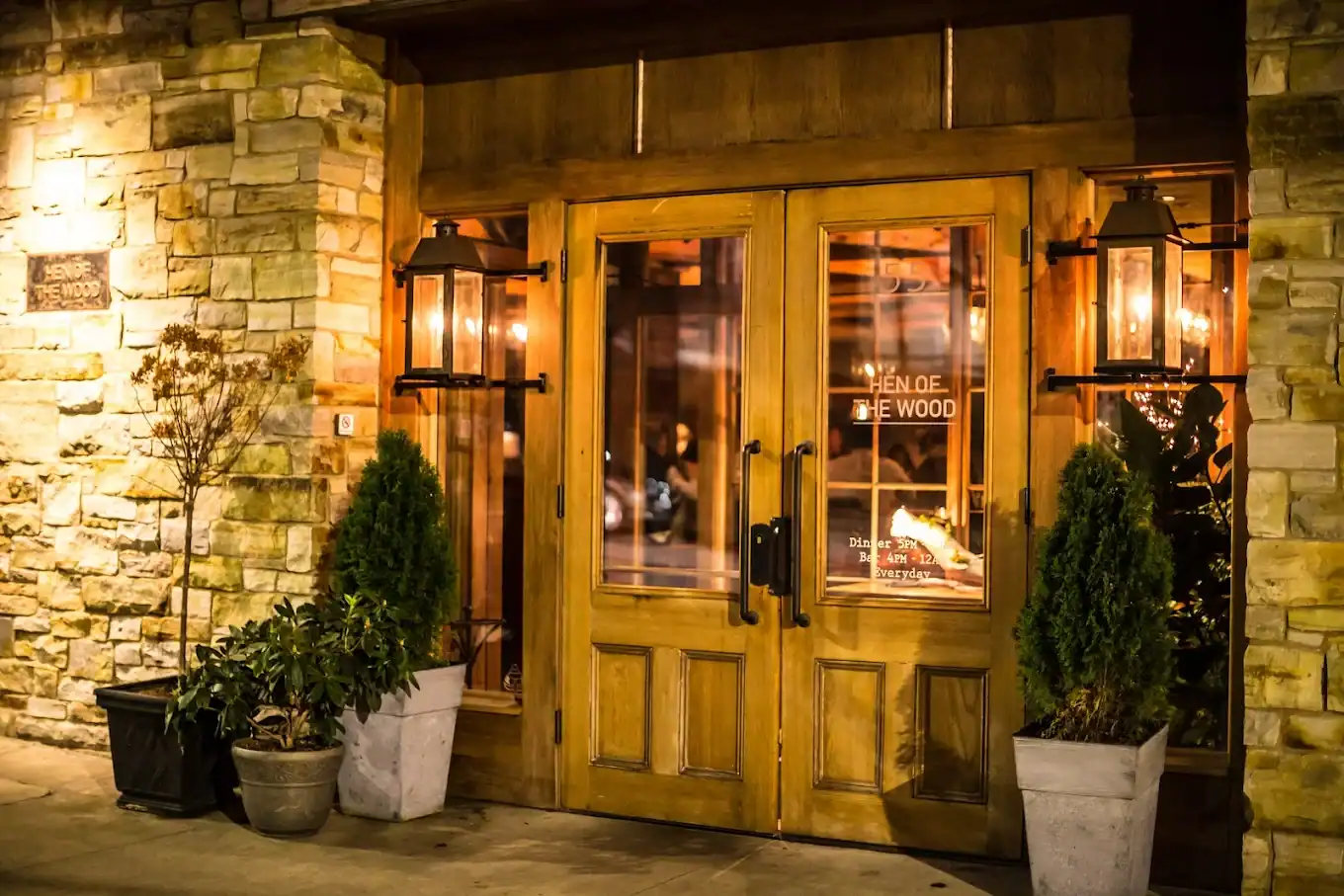
Vermont has more farms per capita than almost any other state, and its dairy, maple, and vegetable production shapes the regional food culture in visible ways. Hen of the Wood in Burlington channels that agricultural identity into a dining room that feels genuinely rooted in its place.
The menu reads like a letter from Vermont’s farms, with ingredients sourced from growers the kitchen maintains long-term relationships with.
Locally foraged mushrooms appear throughout — the name of the restaurant comes from the hen of the woods mushroom found in Vermont’s forests.
Charcuterie made in-house, Vermont cheeses from nearby creameries, and seasonal preparations that shift with the aggressive regularity of New England’s weather cycles give the menu an urgency that static sourcing could never produce.
Burlington’s Church Street neighborhood provides a walkable context before or after dinner, with the Champlain Valley and the Adirondacks visible beyond the lake on clear days.
Where: Hen of the Wood, 55 Cherry St, Burlington, VT 05401
9. FIG, South Carolina
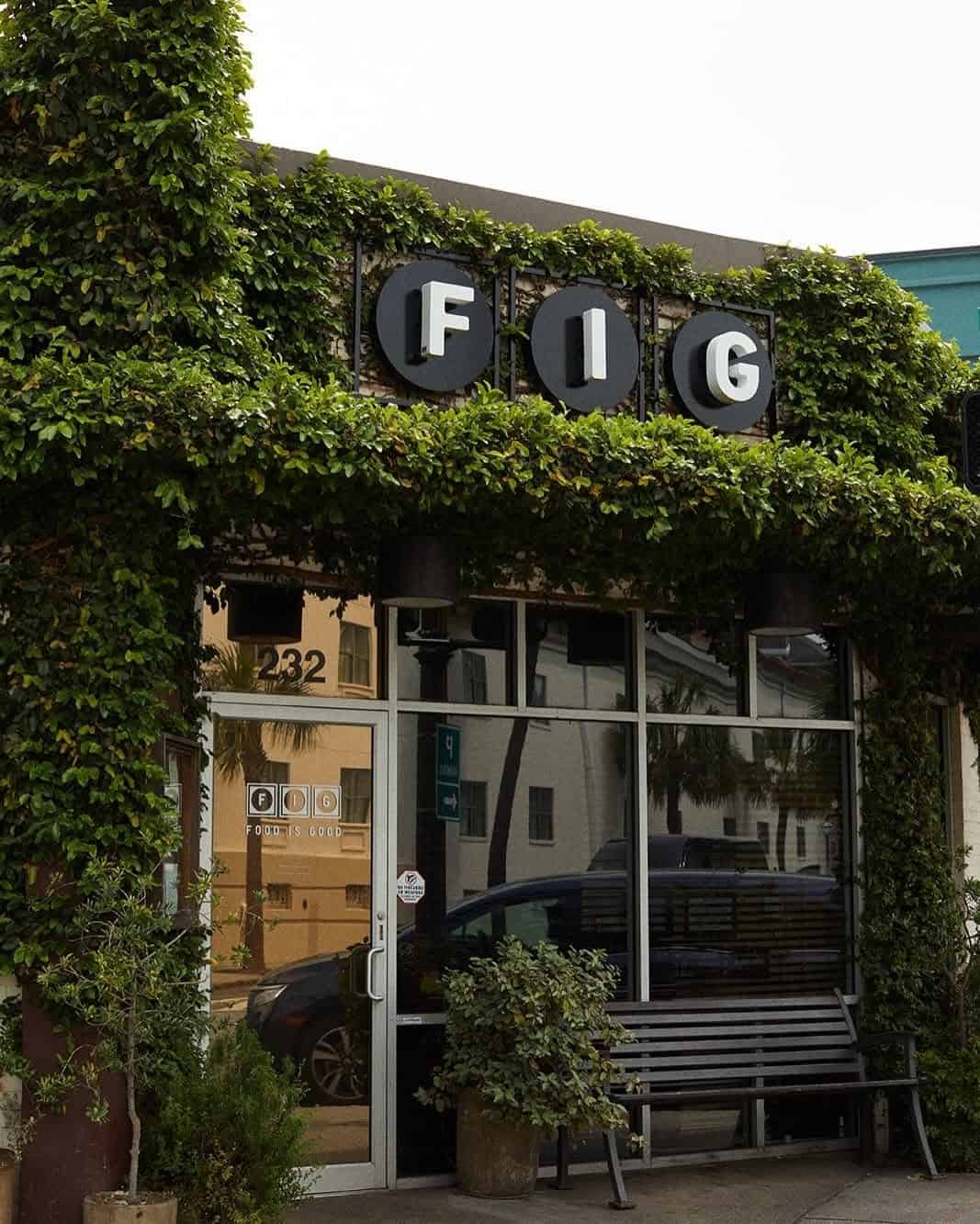
FIG stands for Food Is Good, which turns out to be a useful philosophy for a restaurant that has been one of Charleston’s most consistently admired tables since 2003.
Chef Mike Lata built the restaurant around relationships with Lowcountry farmers and fishermen, and those relationships still shape every menu.
The Lowcountry landscape provides an extraordinary pantry. Blue crabs, fresh-shucked oysters, Heritage pork, and vegetables from the farms that ring Charleston all appear on plates designed to let the ingredients’ quality do most of the talking.
The dining room is warm without being fussy, and the service has a relaxed confidence that reflects how deeply at home the kitchen feels with its sourcing. Nothing on the plate is there to impress — it’s there because it belongs.
Charleston’s food scene has expanded considerably in the years since FIG opened, but the restaurant remains the kind of place that visitors and locals alike return to when they want to eat something that genuinely represents this city.
Where: FIG, 232 Meeting St, Charleston, SC 29403
10. Blackberry Farm, Tennessee
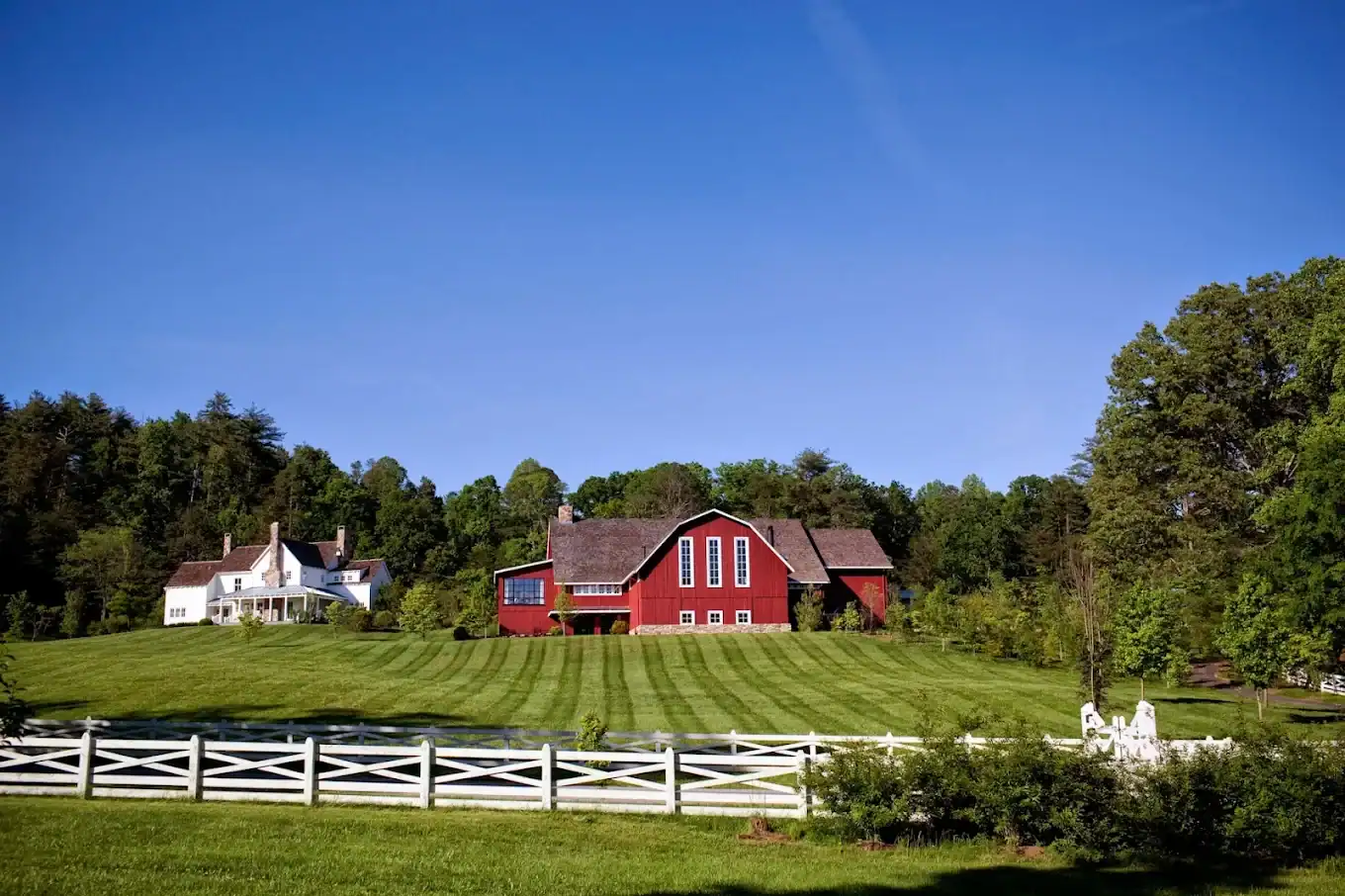
Blackberry Farm in Walland has built its reputation on what it calls Foothills Cuisine — a style of cooking rooted in the traditions and ingredients of the southern Appalachians, where Cherokee, Scots-Irish, and African American food cultures layered together over generations to create something entirely specific to this mountain landscape.
The resort maintains its own working farm, creamery, and gardens, supplying the kitchen with milk, cheese, eggs, vegetables, and herbs. Much of what arrives on the table has been grown or raised within walking distance of the dining room.
Wild ramps in spring, heirloom tomatoes in summer, hickory nuts and persimmons in fall — the menu tracks the mountain seasons with a specificity that a menu written months in advance could never achieve.
The surrounding Great Smoky Mountains add a dimension to the dining experience that extends well beyond the meal itself. Eating food grown in a place while surrounded by that place is exactly what farm-to-table dining was always trying to accomplish.
Where: Blackberry Farm, 1471 W Millers Cove Rd, Walland, TN 37886
What a Meal Can Mean
Here is the thing about farm-to-table dining at its best: the food tastes different because the story behind it is different. When a farmer and a chef are in an ongoing conversation about what gets planted and harvested and cooked, something of that conversation ends up in the food.
It’s not magic. It’s just attention — the kind that industrial food systems were designed to make unnecessary, but that turns out to be irreplaceable once you’ve actually tasted the difference.
My aunt doesn’t call her tomatoes farm-to-table. She’d probably roll her eyes at the phrase. But she’d understand immediately why a restaurant built around that idea might be worth driving several hours to find.
She’d also probably want to see the menu. Then argue about which dish she could make better at home. Then go back the following year anyway.
These ten restaurants each made that argument differently — different landscapes, different ingredients, different guests who drove however far they needed to taste honest cooking.
Find the one closest to your next trip. Make a reservation. Then see if you notice what all that attention was for.
More stories

Share this story