10 Breathtaking Lighthouses Across America That Are Worth Every Mile of the Drive

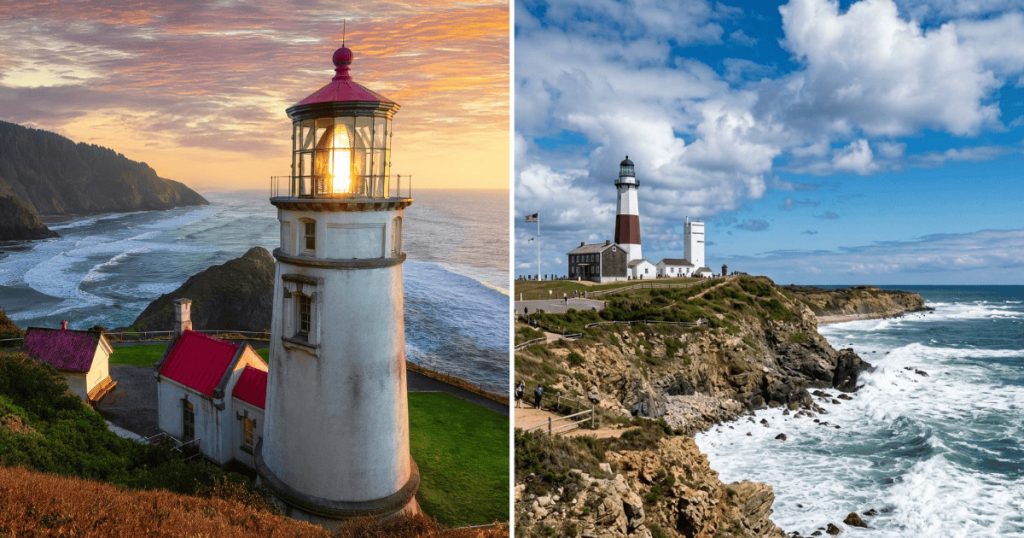
When I was a child, I was convinced lighthouses were a thing of magic. Something about the idea of a single beam sweeping through complete darkness, guiding strangers safely to shore, felt more meaningful than most things adults tried to explain to me.
I’ve never quite outgrown that feeling.
There’s something about lighthouses that holds onto us long past the age when we should have moved on to more sophisticated obsessions.
Maybe it’s the combination of isolation and purpose. Maybe it’s the architecture. Maybe it’s simply that they’re usually standing somewhere extraordinarily beautiful.
America has over 700 lighthouses still standing, scattered along coastlines, lakeshores, and river mouths from Maine to Hawaii. Below are ten of the most remarkable — each one worth making a specific trip to see.
1. Cape Hatteras Lighthouse, North Carolina
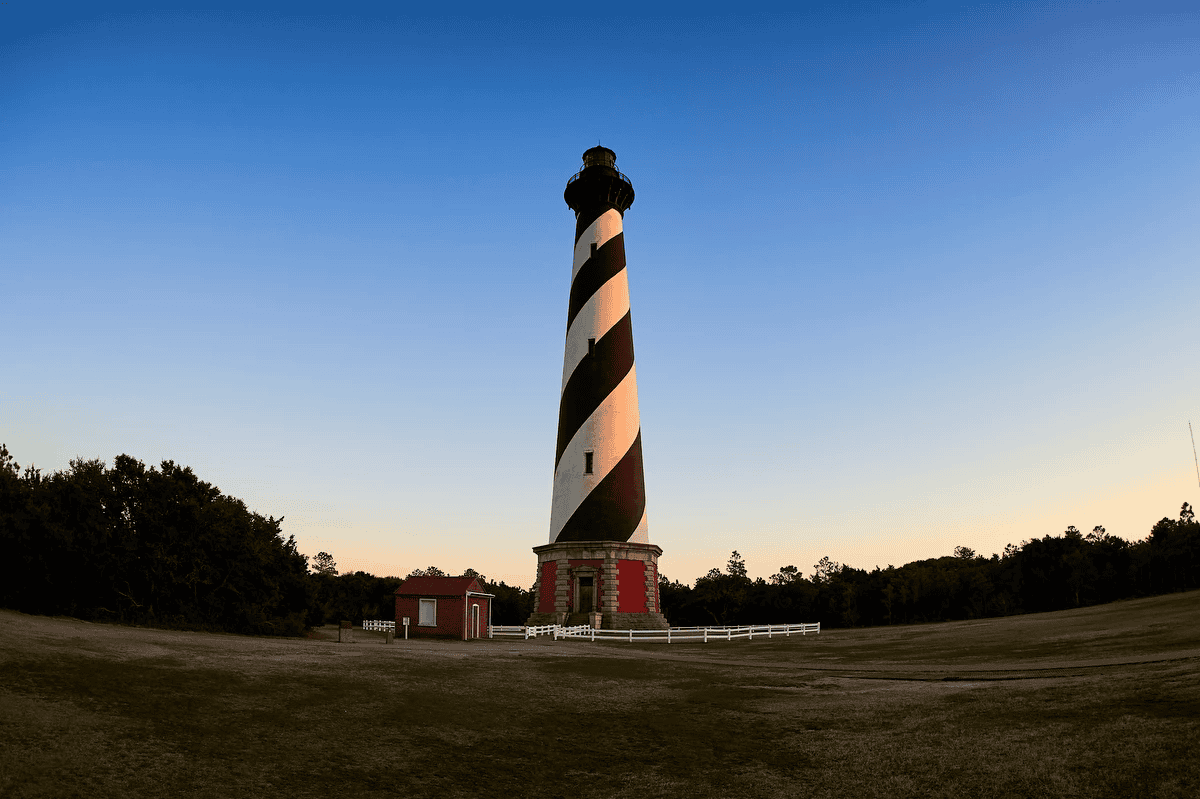
Cape Hatteras is the tallest brick lighthouse in the United States, rising 198 feet above the Outer Banks of North Carolina in a black-and-white spiral that has become one of the most recognizable silhouettes on the American coastline.
It was built in 1870 to warn ships away from the Diamond Shoals, a series of shifting offshore sandbars known historically as the Graveyard of the Atlantic. The stretch of ocean off Cape Hatteras has claimed hundreds of ships over the centuries.
The lighthouse nearly claimed itself.
By the 1990s, erosion had brought the shoreline dangerously close to the foundation, and in 1999, the entire structure was moved 2,900 feet inland on a track system — a feat of engineering that still ranks as one of the largest lighthouse relocations ever attempted.
Visitors can climb all 257 steps to the top between mid-April and mid-October, earning a panoramic view of the surrounding barrier islands and the Atlantic spreading out in both directions.
Where: Cape Hatteras Lighthouse, 46379 Lighthouse Rd, Buxton, NC 27920
2. Portland Head Light, Maine
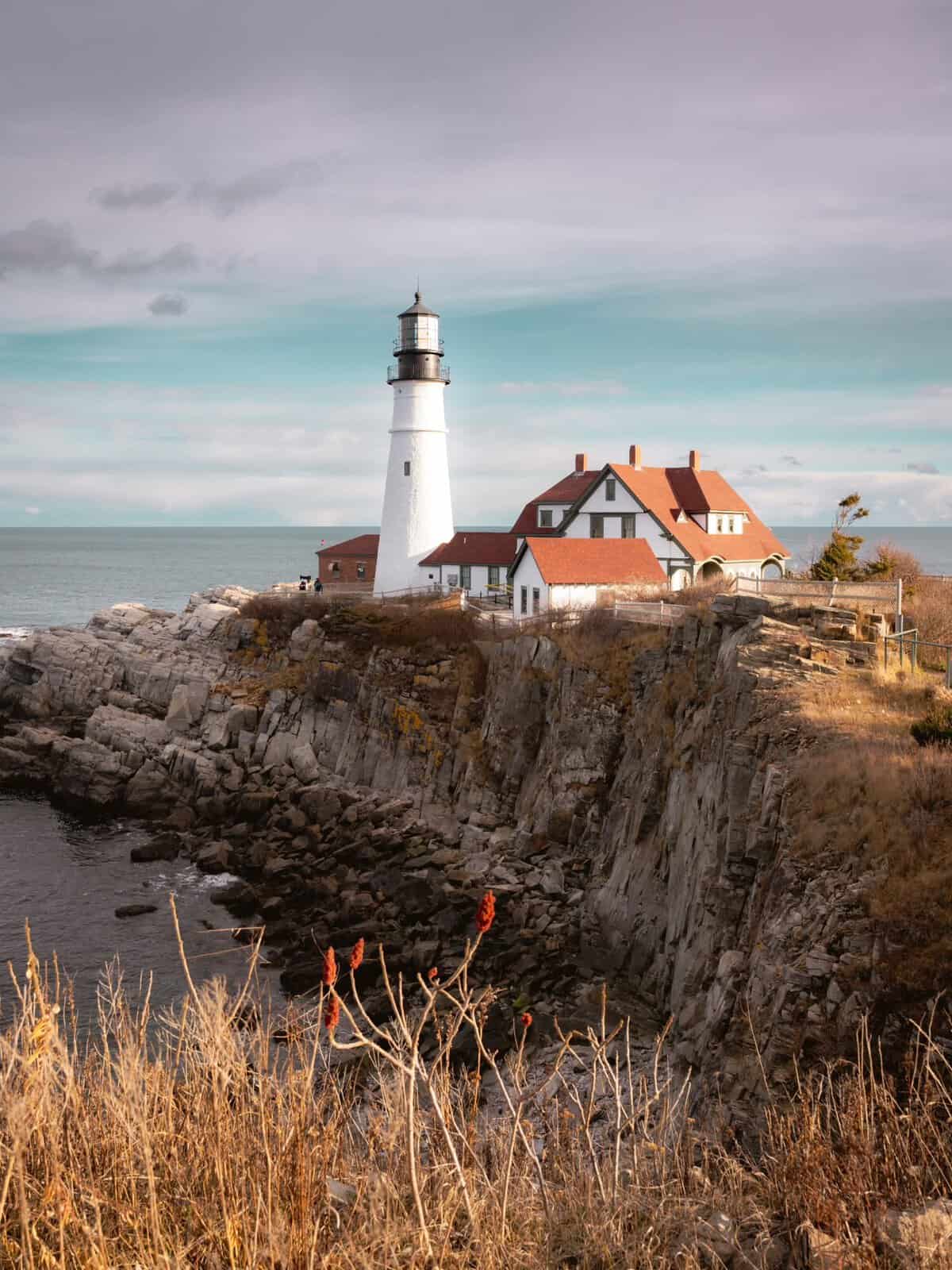
Maine has more lighthouses per mile of coastline than any other state, and Portland Head Light is widely considered its most beautiful. Built in 1791 under orders from George Washington, it is the oldest lighthouse in Maine and one of the oldest still operating in the country.
The lighthouse guards the entrance to Portland Harbor from a rocky headland in Cape Elizabeth, where the Atlantic crashes against granite ledges with a force that makes the tower’s purpose immediately legible.
Fort Williams Park surrounds the lighthouse and offers walking paths along the cliffs, picnic areas, and the kind of coastal scenery that makes you understand why painters kept returning to this part of the world throughout the 19th century.
The keeper’s quarters have been converted into the Museum at Portland Head Light, which traces the history of the lighthouse and the families who maintained it across two centuries of continuous operation.
Where: Portland Head Light, 1000 Shore Rd, Cape Elizabeth, ME 04107
3. Point Reyes Lighthouse, California
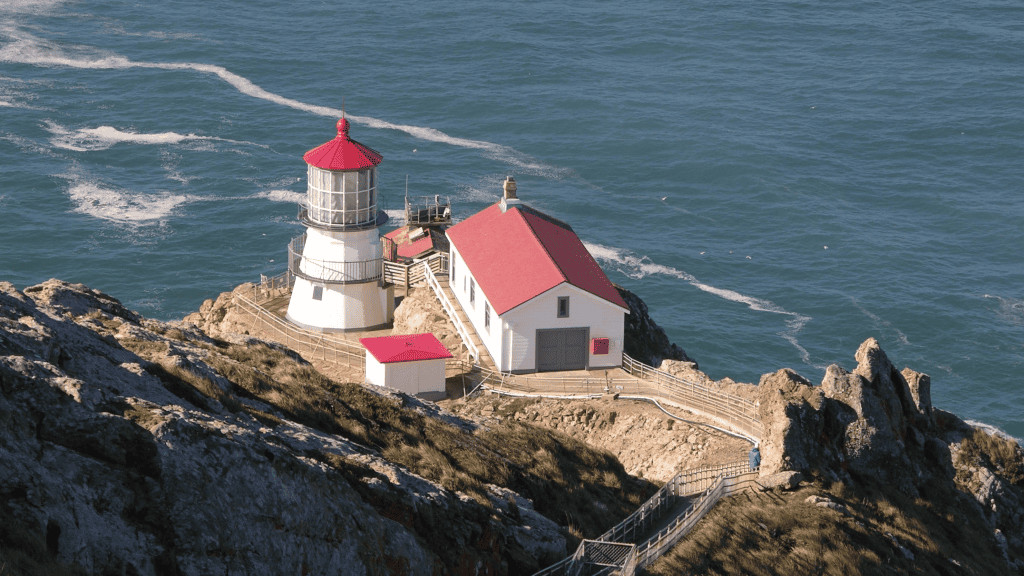
The Point Reyes Lighthouse earns its dramatic reputation honestly. Situated on the tip of the Point Reyes Peninsula in Marin County, it sits at the foggiest point on the entire Pacific Coast, where the headland pushes out into waters that recorded over 300 foggy days in a single year.
Built in 1870, the lighthouse stands not at the top of the cliffs but 294 steps below the surface, mounted on a shelf of rock to position it beneath the persistent coastal fog layer. The descent down those steps is part of the experience.
Gray whales pass by on their annual migration between December and April, visible from the headland on clear days. Elephant seals haul out on the beaches below throughout the winter months, their sounds carrying up to the viewing areas above.
The surrounding Point Reyes National Seashore offers over 150 miles of trails through coastal scrub, bishop pine forest, and open grassland that make the lighthouse just one reason among many to spend a full day here.
Where: Point Reyes Lighthouse, Sir Francis Drake Blvd, Point Reyes Station, CA 94956
4. Cape May Lighthouse, New Jersey
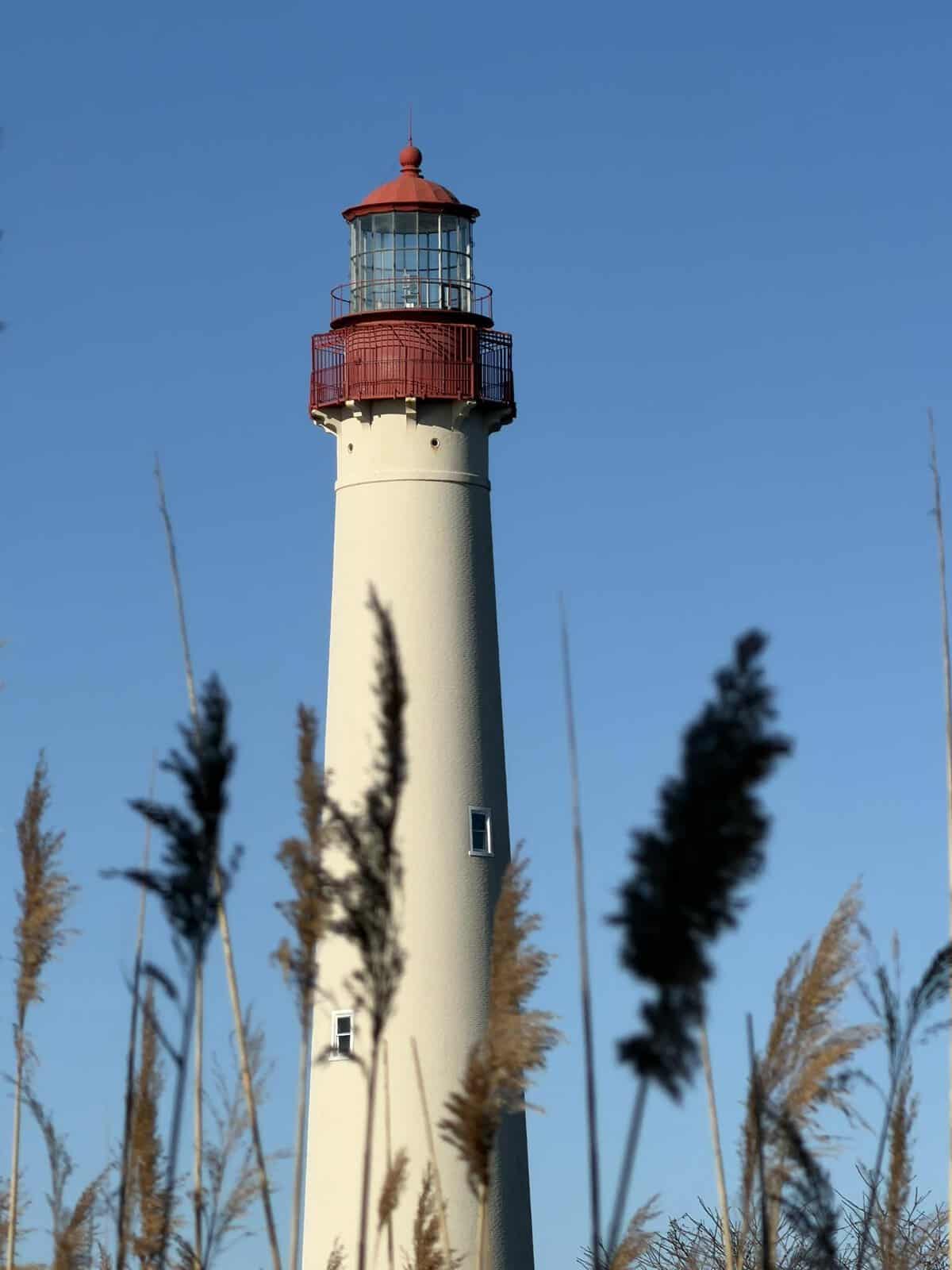
New Jersey’s Cape May Lighthouse has been operating since 1859, one of the oldest active lighthouses in the country.
It stands at the southernmost tip of the state, where Delaware Bay meets the Atlantic in a convergence that required serious navigational help long before electric light existed.
The 157-foot tower is fully climbable, with 199 steps leading to a platform with views spanning the cape in every direction — ocean on one side, bay on the other, and the town of Cape May’s Victorian rooftops visible in the distance.
Cape May itself deepens any lighthouse visit considerably. The surrounding historic district is the largest collection of Victorian architecture in the United States, with over 600 ornate buildings that have survived remarkably intact since the 1870s and 1880s.
Birders also make specific trips to this corner of New Jersey. Cape May is one of the premier bird migration corridors in North America, and the lighthouse grounds sit directly in the path of hundreds of species moving through each spring and fall.
Where: Cape May Lighthouse, 215 Lighthouse Ave, Cape May, NJ 08204
5. Heceta Head Lighthouse, Oregon
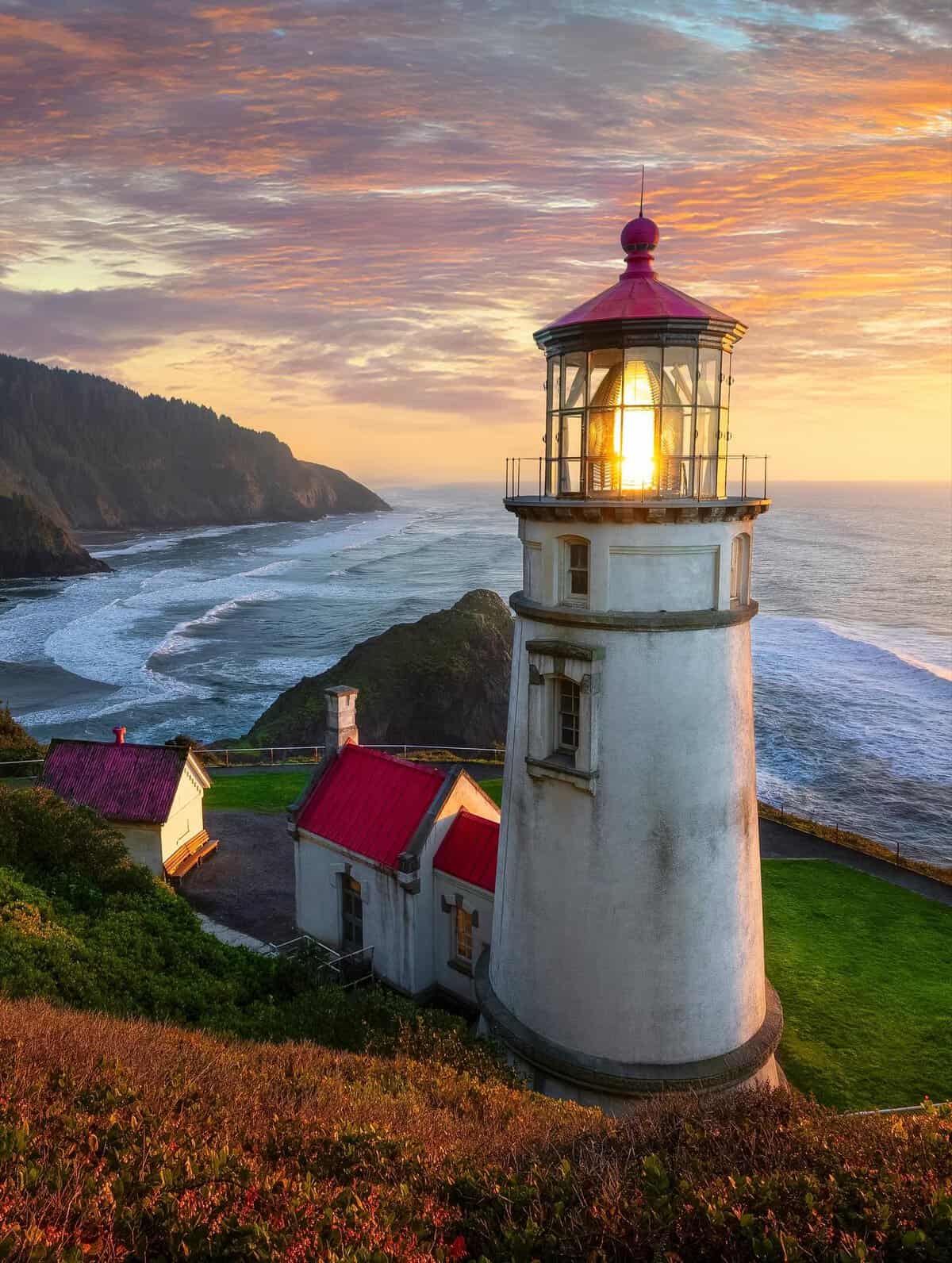
Oregon’s Heceta Head Lighthouse sits on a forested headland above the Pacific, framed by Douglas fir trees that make it look more like a painting than a navigational tool. The white tower and keeper’s house combine into one of the most photographed lighthouse scenes on the West Coast.
Built in 1894, the lighthouse remains active today, its light still visible up to 21 miles offshore on clear nights. The original Fresnel lens, a marvel of 19th-century optical engineering, is still in place inside the tower.
The keeper’s dwelling has been converted into a bed and breakfast, letting guests spend the night in the historic structure above the ocean. Morning fog rolling in from the Pacific and evening light on the headland make this one of the most atmospheric overnight experiences on the Oregon Coast.
A short trail through the forest connects the parking area to the lighthouse, crossing a wooden bridge above a small ravine thick with sword ferns and Sitka spruce.
Where: Heceta Head Lighthouse, 92072 US-101, Florence, OR 97439
6. St. Augustine Lighthouse, Florida
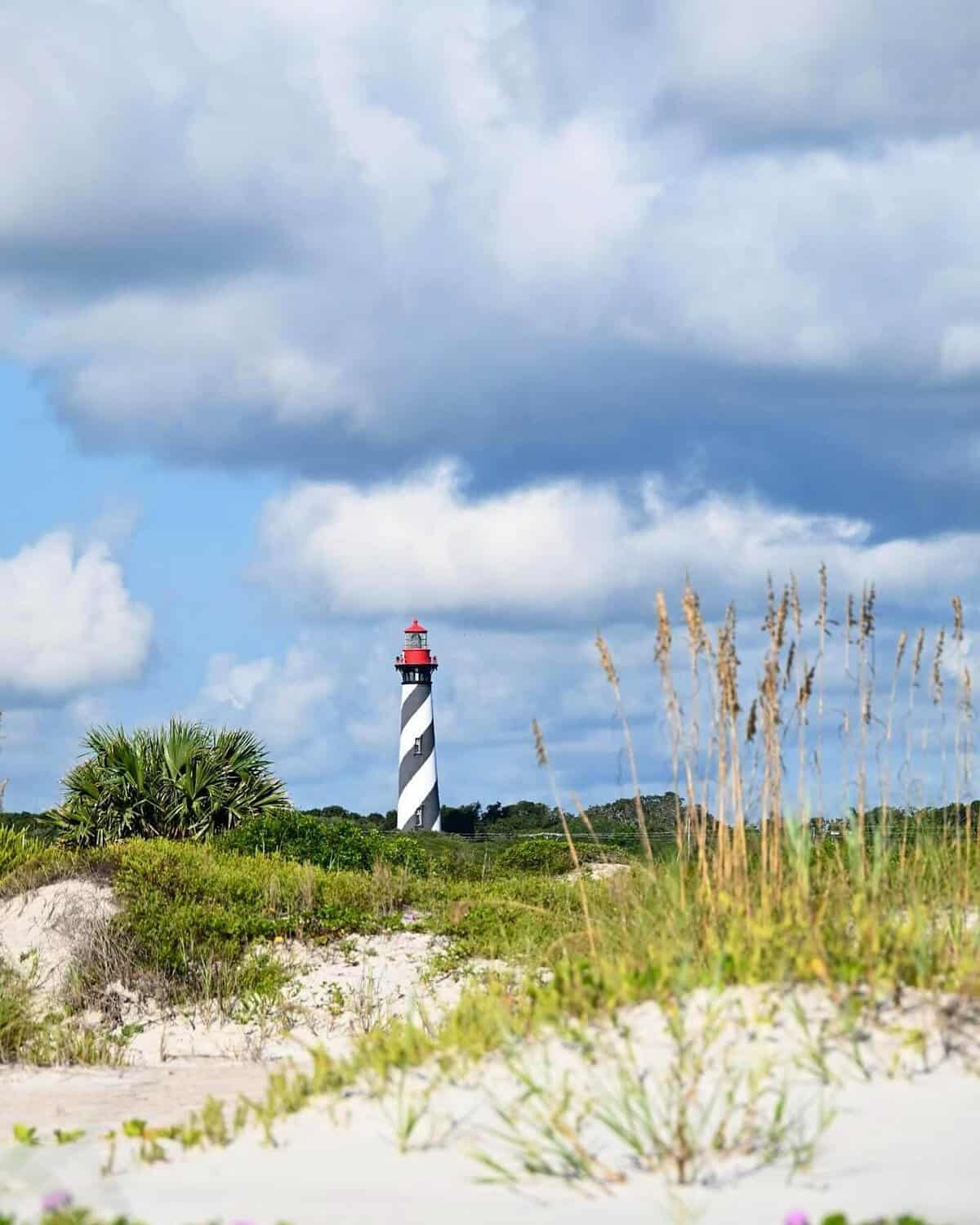
St. Augustine has one of the oldest lighthouses in the country, on a site where a navigational light has guided ships into St. Augustine Inlet since the Spanish colonial era. The current black-and-white spiral tower was completed in 1874 and rises 165 feet above the island.
The climb to the top rewards visitors with a sweeping view of the Matanzas River, the Atlantic, and the historic district of St. Augustine — a view that puts the city’s extraordinary age into physical perspective.
The lighthouse grounds also include the restored keeper’s house, now a maritime heritage museum, and a working maritime archaeology research center where visitors can watch ongoing preservation work in progress.
St. Augustine is the oldest continuously occupied European settlement in the United States, and the lighthouse fits naturally into a city where history shows up in nearly every direction you look.
Where: St. Augustine Lighthouse & Maritime Museum, 81 Lighthouse Ave, St. Augustine, FL 32080
7. Split Rock Lighthouse, Minnesota
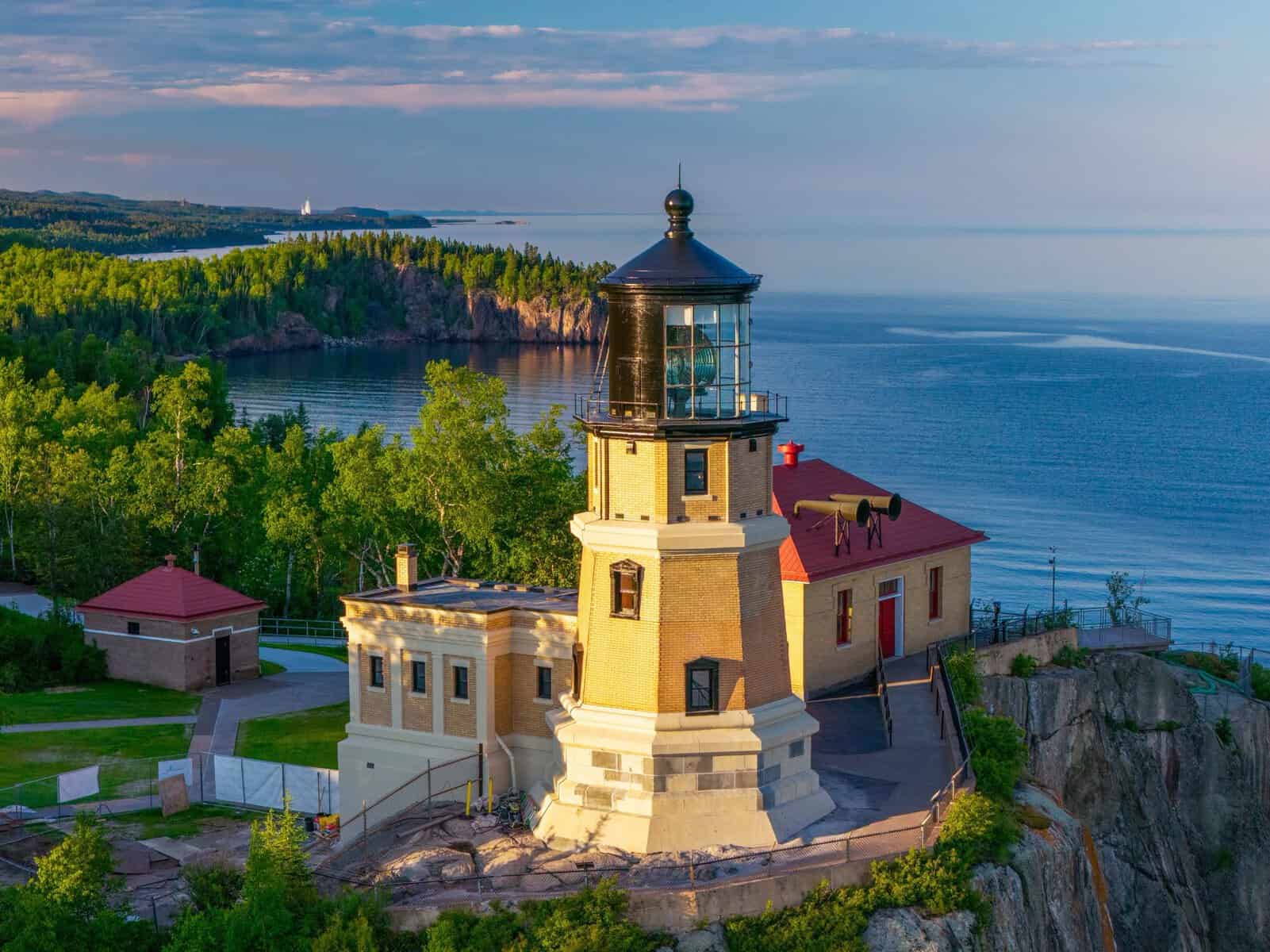
Most lighthouse imagery involves the ocean. Split Rock quietly reminds you that the Great Lakes were also genuinely dangerous waters, responsible for hundreds of shipwrecks before navigational infrastructure caught up with the volume of commercial traffic on the lakes.
Split Rock Lighthouse stands on a 130-foot cliff above Lake Superior in northeastern Minnesota, built in 1910 following a particularly deadly storm that destroyed or damaged nearly thirty ships in a single November gale.
The lighthouse was specifically positioned for maximum visibility across the lake’s most treacherous waters.
Today, it operates as a historic site managed by the Minnesota Historical Society. The original fog signal building, keeper’s house, and oil house all remain, and the site offers an unusually complete picture of what a working lighthouse station looked like a century ago.
On November 10th each year, the lighthouse hosts a memorial lighting to honor the 29 crew members of the Edmund Fitzgerald, lost on Lake Superior in 1975.
Where: Split Rock Lighthouse, 3713 Split Rock Lighthouse Rd, Two Harbors, MN 55616
8. Marblehead Lighthouse, Ohio
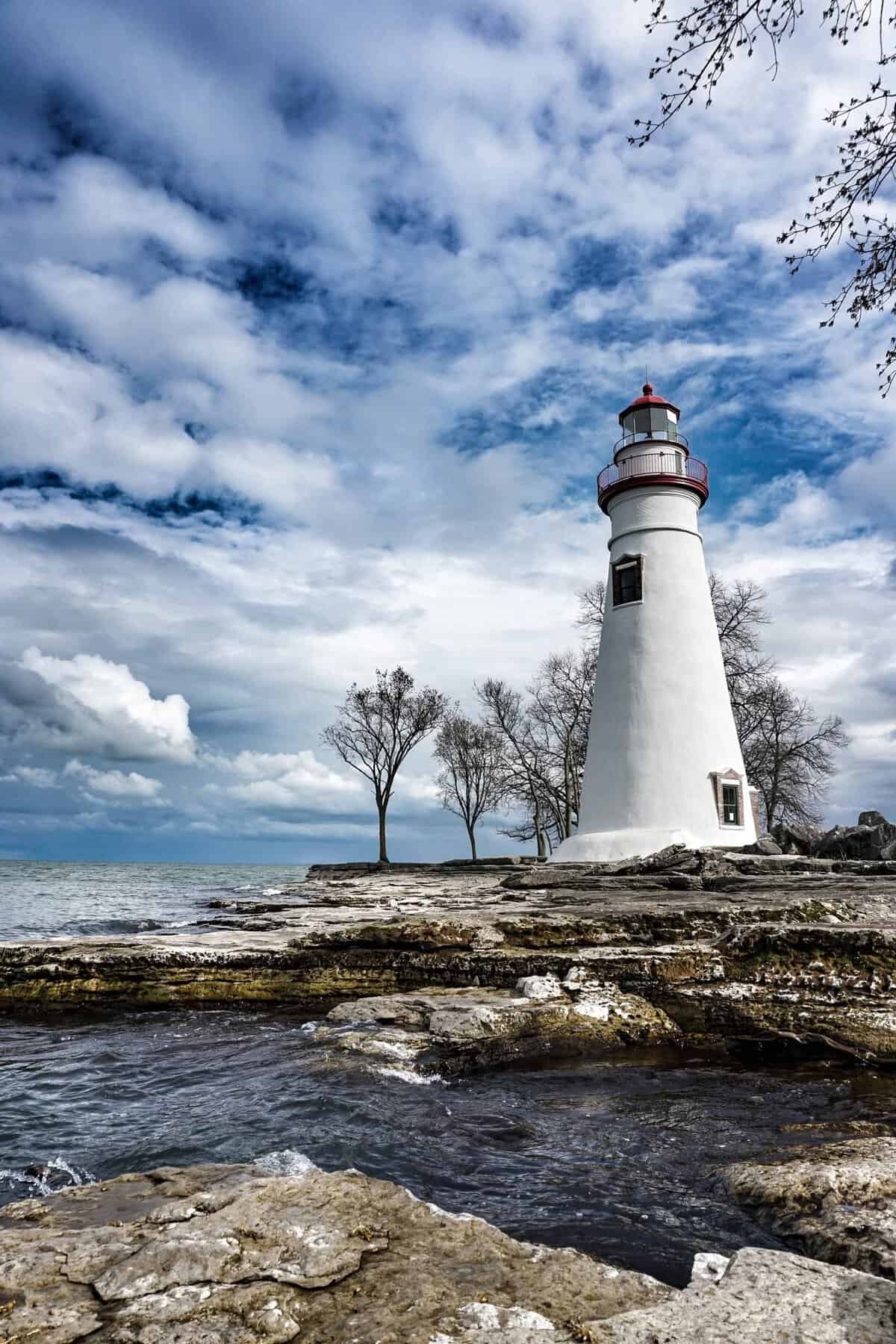
Lake Erie’s Marblehead Lighthouse has been operating continuously since 1822, making it the oldest continuously operating lighthouse on the entire Great Lakes system.
It stands on the Marblehead Peninsula in northern Ohio, its green cast-iron lantern room still visible to vessels crossing the western basin of the lake.
The tower is only 65 feet tall, modest by lighthouse standards, but its position on the rocky tip of the peninsula gives it an elevated presence that makes it feel taller than the numbers suggest.
The surrounding Marblehead Lighthouse State Park offers walking paths along the lakeshore, picnic areas with water views, and one of the most accessible lighthouse experiences in the Midwest. The rocky shoreline and broad expanse of Lake Erie beyond create scenery that surprises visitors expecting something smaller.
Summer weekend programs led by lighthouse volunteers include tower climbs and historical talks that bring the structure’s two centuries of continuous service into vivid detail.
Where: Marblehead Lighthouse, 110 Lighthouse Dr, Marblehead, OH 43440
9. Nauset Light, Massachusetts
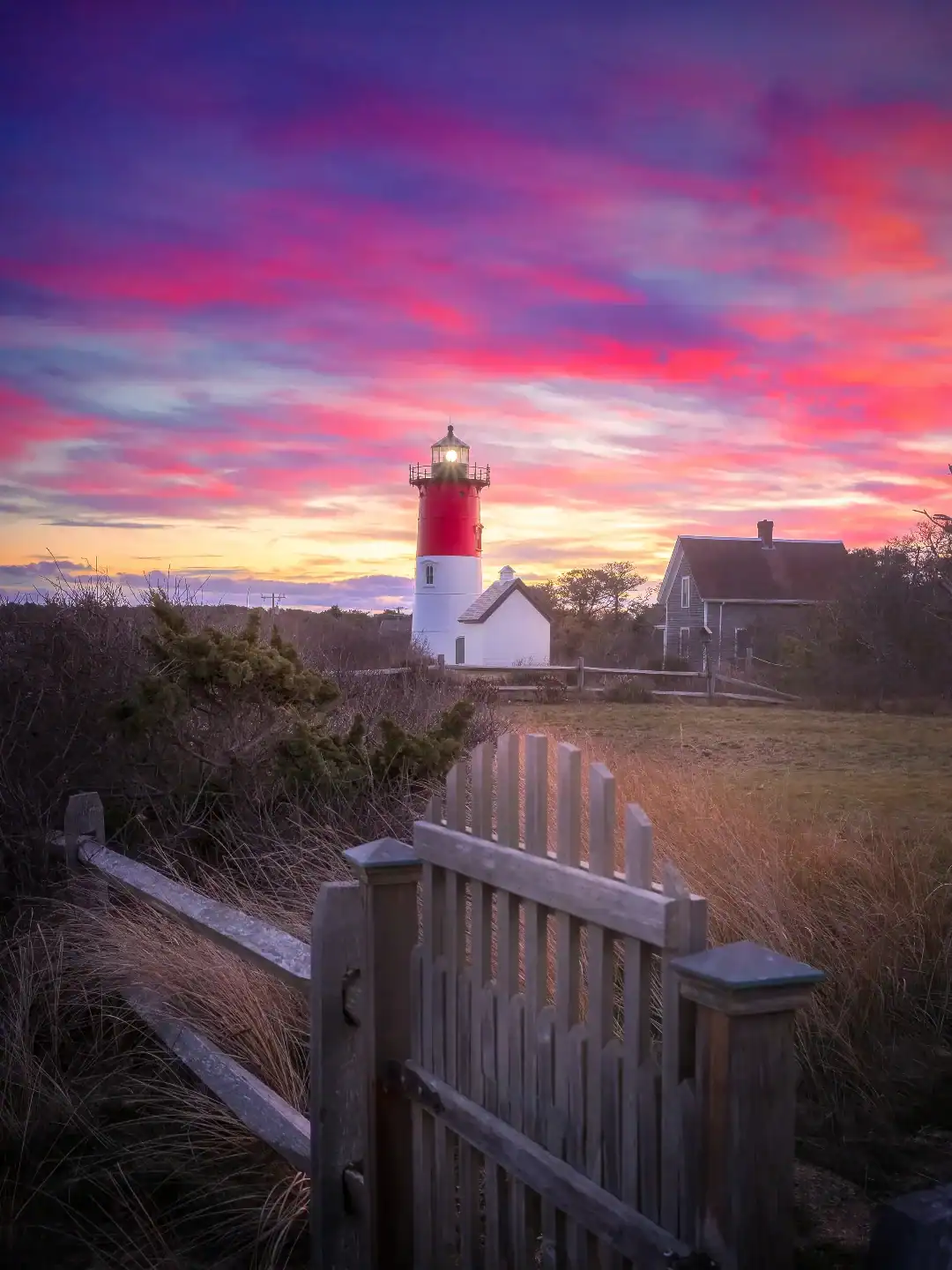
Nauset Light stands on the bluffs of the Outer Cape in Eastham, Massachusetts, its red and white tower visible above a landscape shaped by wind, sea, and constant erosion. The bluffs themselves are dramatic — sheer faces of glacial sediment dropping straight to the beach below.
The lighthouse has been moved twice due to erosion, most recently in 1996, when it was relocated 300 feet inland to preserve it from the retreating cliff edge. The Outer Cape loses land to the sea at a pace that makes lighthouse preservation here a constant act of attention.
The three Nauset Lights that once stood nearby gave way to a single lighthouse in 1911, and the original keeper’s house still stands adjacent to the current tower, available for rental through the National Park Service.
The surrounding Cape Cod National Seashore offers the broader context — miles of protected beach, kettle ponds, and the particular light quality of the Outer Cape that painters have been trying to capture since Winslow Homer first set up an easel on these shores.
Where: Nauset Light, 120 Nauset Light Beach Rd, Eastham, MA 02642
10. Montauk Point Lighthouse, New York
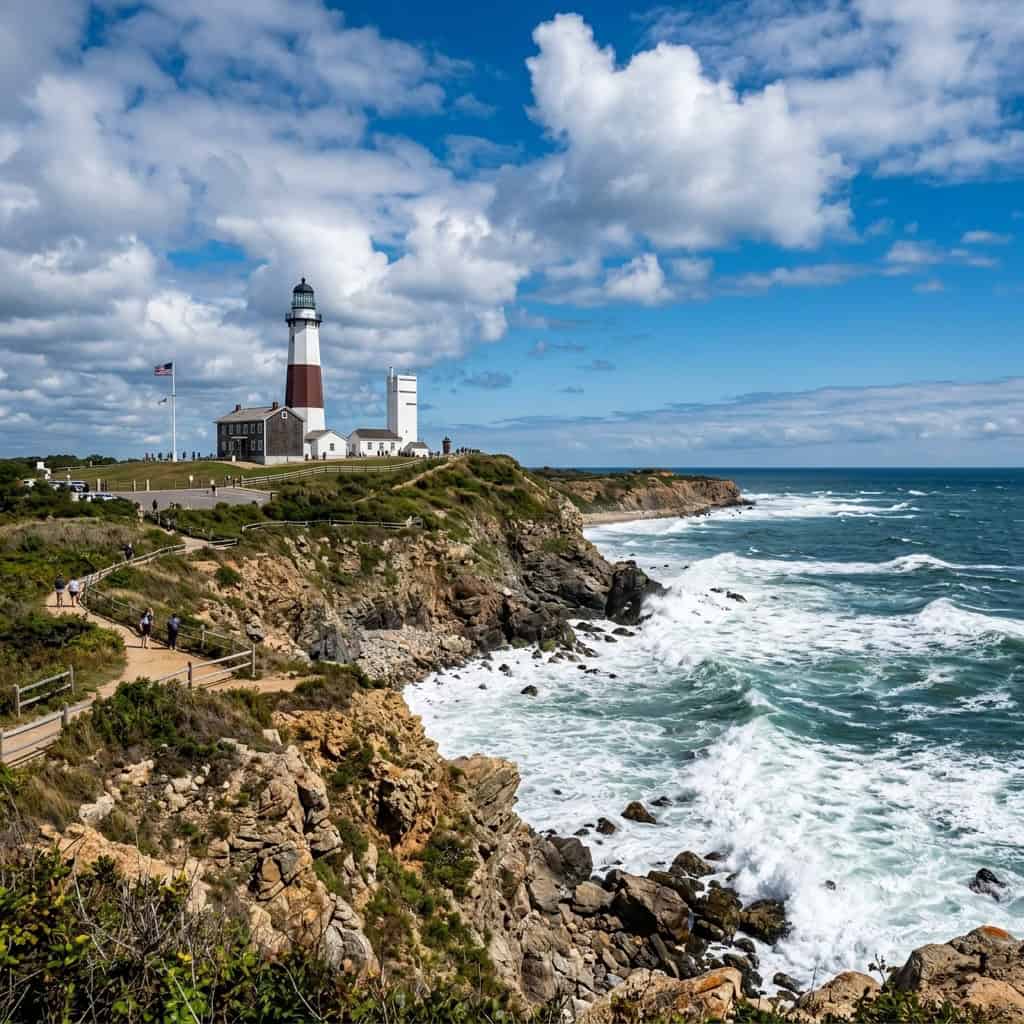
New York’s Montauk Point Lighthouse sits in rarefied company among American landmarks. Authorized by Congress in 1792 and completed in 1796, it is the oldest lighthouse in New York State and the fourth oldest in the country.
George Washington personally approved the appropriation for its construction.
The lighthouse marks the far eastern tip of Long Island, where the Atlantic wraps around the point from both sides, and the currents converge in patterns that made the cape notoriously difficult to navigate before the light was built.
The Museum at Montauk Point, operated inside the historic keeper’s dwelling, covers the lighthouse’s history alongside exhibits on Native American culture, the maritime history of the region, and the military presence at the point during World War II.
The surrounding Montauk Point State Park provides trails along the rocky shoreline and bluff edges, with seals commonly visible offshore during winter months and migrating seabirds passing through in impressive numbers each fall.
Where: Montauk Point Lighthouse, 2000 Montauk Hwy, Montauk, NY 11954
Still Standing, Still Watching
There is something quietly radical about a lighthouse that has stood in the same place for two hundred years, doing the same job, through storms and wars and every version of the world that came and went in the meantime.
We don’t need them the way we once did. GPS has made them functionally redundant for most modern navigation. And yet we preserve them, climb them, photograph them, and drive hours to stand at their bases — because they hold something that satellites can’t replace.
Each lighthouse on this list is a surviving piece of a time when the relationship between human beings and the sea was rawer and more consequential. Standing at the base of one, especially at dusk when the light begins its rotation, makes that history feel close enough to touch.
Go find one this year. Climb the steps if it’s open. Watch the light come on. Then look out at the water and imagine what it once meant to see it.
More stories




Share this story