These 10 Free Summer Activities Across America Feel Anything But Cheap

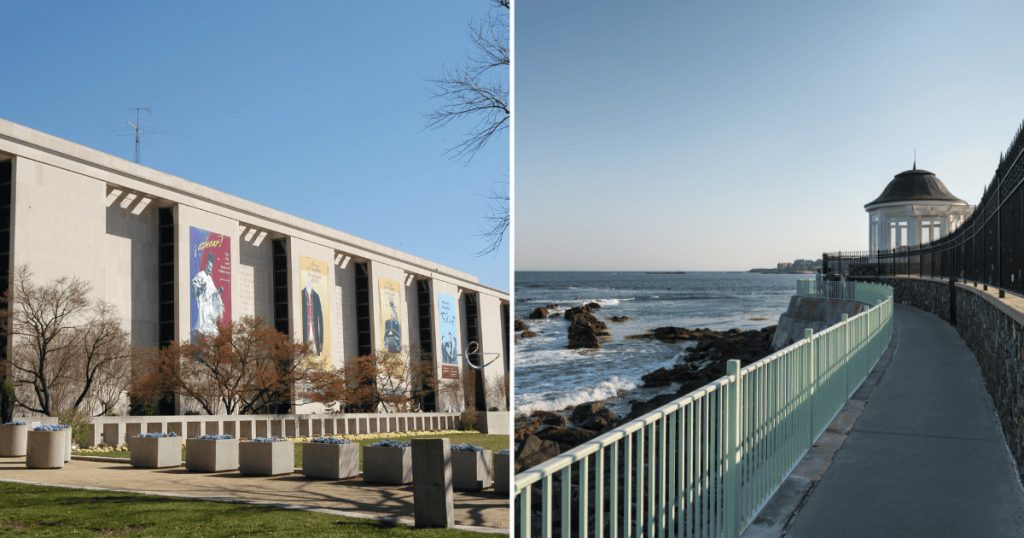
Growing up, my family’s idea of a “vacation” most summers was a cooler full of sandwiches and whatever was within driving distance that didn’t charge admission.
I used to feel a little embarrassed about that, until I got older and realized those were the trips I actually remembered best.
Turns out, some of the very best things this country has to offer were never going to cost you anything in the first place. No ticket booth, no parking fee disguised as a “convenience charge,” just a genuinely great way to spend a summer evening.
So here are ten free activities scattered across ten different states, each one proving that “free” and “forgettable” don’t have to mean the same thing.
A few of these started as someone’s stubborn passion project. Others exist purely by accident, the kind of happy mistake nobody could have ever planned for, even if they had genuinely tried. Either way, not one of them will ask you for a credit card.
1. Catch a Concert in Millennium Park, Illinois
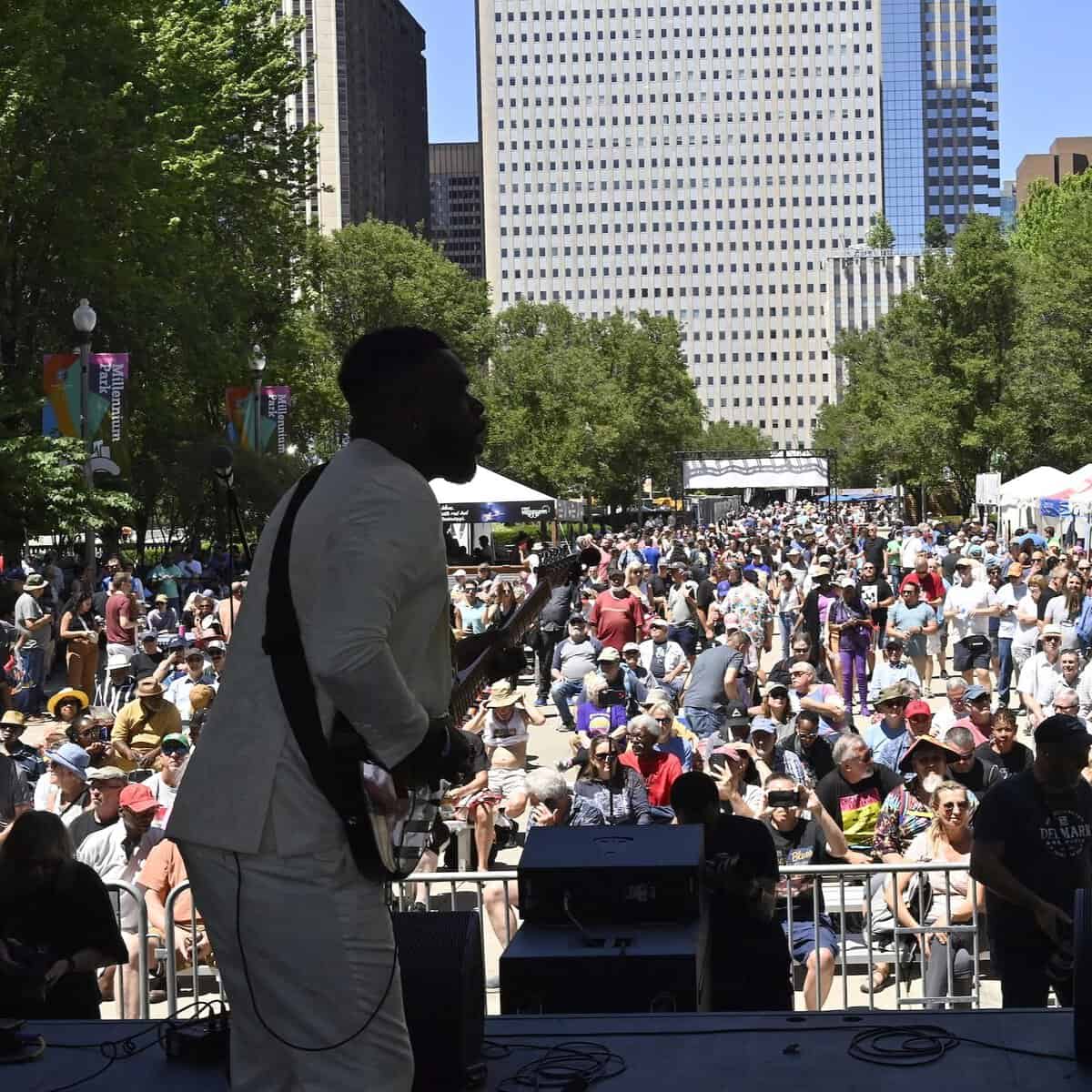
Chicago’s Jay Pritzker Pavilion exists largely because Cindy Pritzker once told architect Frank Gehry his original design was “a wow, but not a wow-wow,” and then personally donated $15 million to make sure he tried again.
That demand resulted in a soaring stainless steel bandshell that now anchors all of Millennium Park, hosting the Grant Park Music Festival, one of the country’s last remaining free outdoor classical music series, dating back to 1935.
Genres rotate between house, jazz, disco, country, and more.
This year’s series runs select Monday evenings from June 15 through August 6. Arrive early if you want real estate on the Great Lawn, pack a picnic if you’d like, and just know that alcohol isn’t permitted on the grass itself.
The whole pavilion technically sits atop a three-story underground parking garage, making it one of the largest green roofs anywhere in the country, a detail most concertgoers never even notice while they’re busy enjoying the music.
Where: 201 East Randolph Street, Chicago, IL 60602
2. Watch a Million Bats Take Flight, Texas
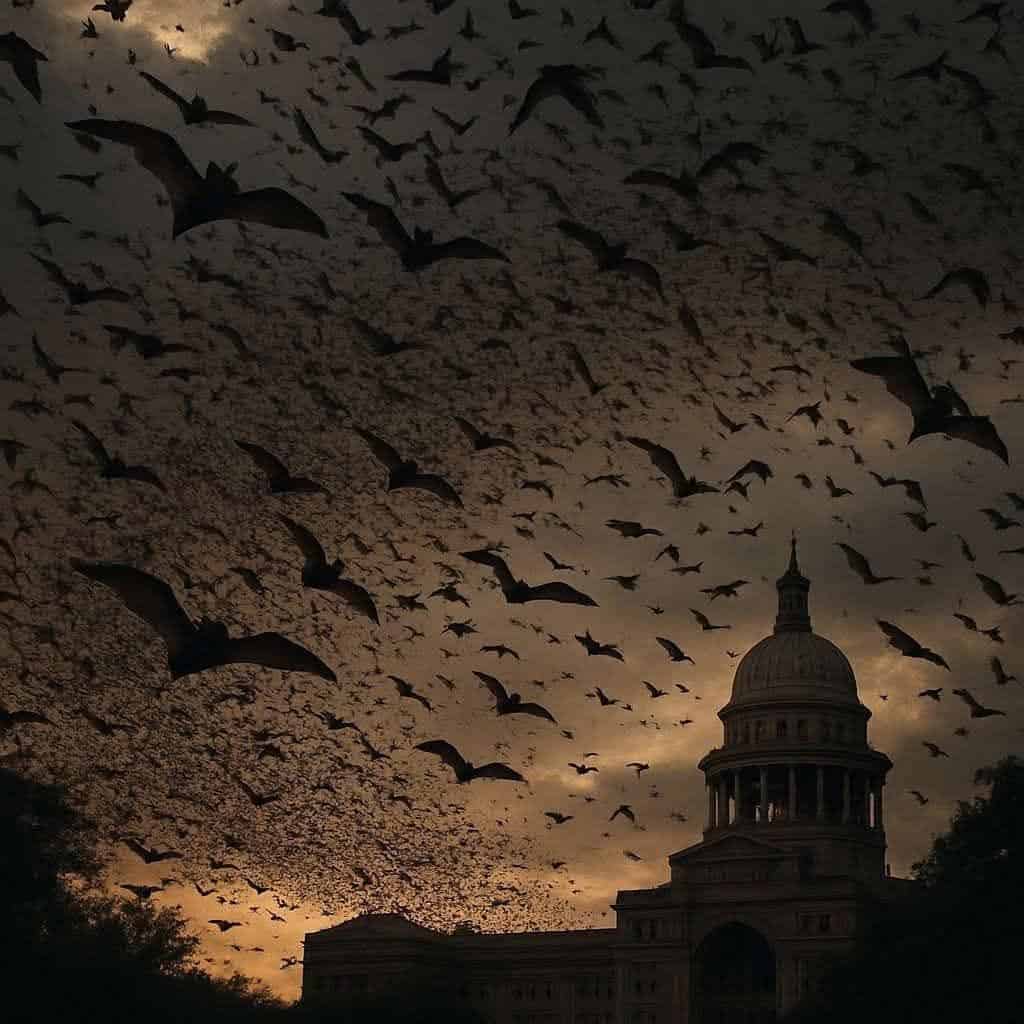
Nearly 1.5 million Mexican free-tailed bats spend their summers roosting in narrow crevices beneath Austin’s Congress Avenue Bridge, making it the largest urban bat colony anywhere in the world, all thanks to a 1980 bridge renovation nobody planned around wildlife.
Engineers had no idea those quarter-inch gaps would become ideal maternity roosts. Female bats arrive each spring to give birth, and the colony eats an estimated 10,000 to 20,000 pounds of insects nightly, protecting local crops in the process.
Locals weren’t always fans. Petitions once called for the bats’ removal until conservationist Merlin Tuttle’s patient public education campaign in the 1980s flipped public opinion entirely, turning a feared nuisance into one of Austin’s signature summer attractions.
The colony now brings in an estimated $10 million annually in tourism alone, and Austin even renamed the bridge in 2006 to honor former Governor Ann Richards, a longtime resident who appreciated the spectacle as much as anyone in town.
A free viewing area sits on the southeast side of the bridge near the Austin American-Statesman building, staffed on weekend evenings by volunteer educators who can answer questions while everyone waits for the nightly emergence to begin around dusk.
Where: Congress Avenue Bridge, Austin, TX 78704
3. Take the Cliff Walk, Rhode Island
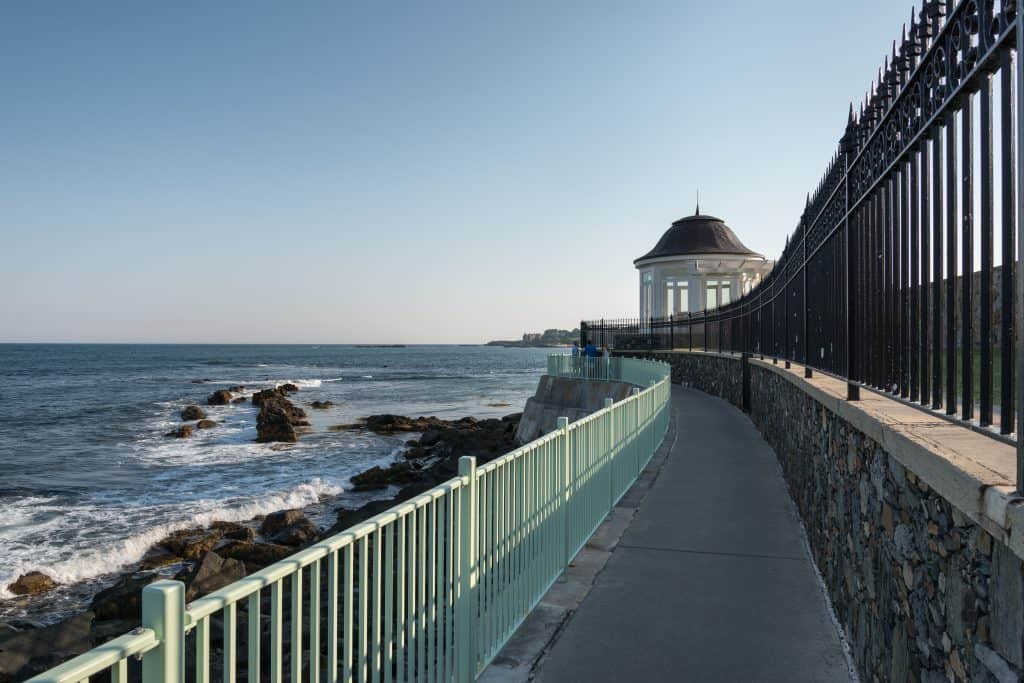
Newport’s Cliff Walk stretches 3.5 miles along the Atlantic, and it holds a rare double distinction: it’s both a National Recreation Trail, the first ever designated in New England, and part of a National Historic District lined with Gilded Age mansions.
Wealthy families like the Vanderbilts and Astors built their summer “cottages” facing this exact shoreline more than a century ago, and many remain visible from the path today, including The Breakers and Marble House with its ornate Chinese Tea House.
The trail itself traces a route used for centuries, first by the Narragansett people and colonial fishermen exercising rights granted under a 1663 royal charter. Most of the northern stretch is paved and flat, while the southern half turns rocky and rugged.
A stone stairway known as the Forty Steps, originally built in the 1830s so a local family could reach the beach below, became a favorite gathering spot for Gilded Age servants, who would dance jigs to accordion music on their rare time off.
The whole trail welcomes more than 750,000 visitors annually and remains open 365 days a year from sunrise to sunset, free of charge, though sturdy shoes are genuinely worth packing once the pavement gives way to bare rock further south.
Where: Memorial Blvd, Newport, RI 02840
4. Explore the Smithsonian Museums, Washington, D.C.
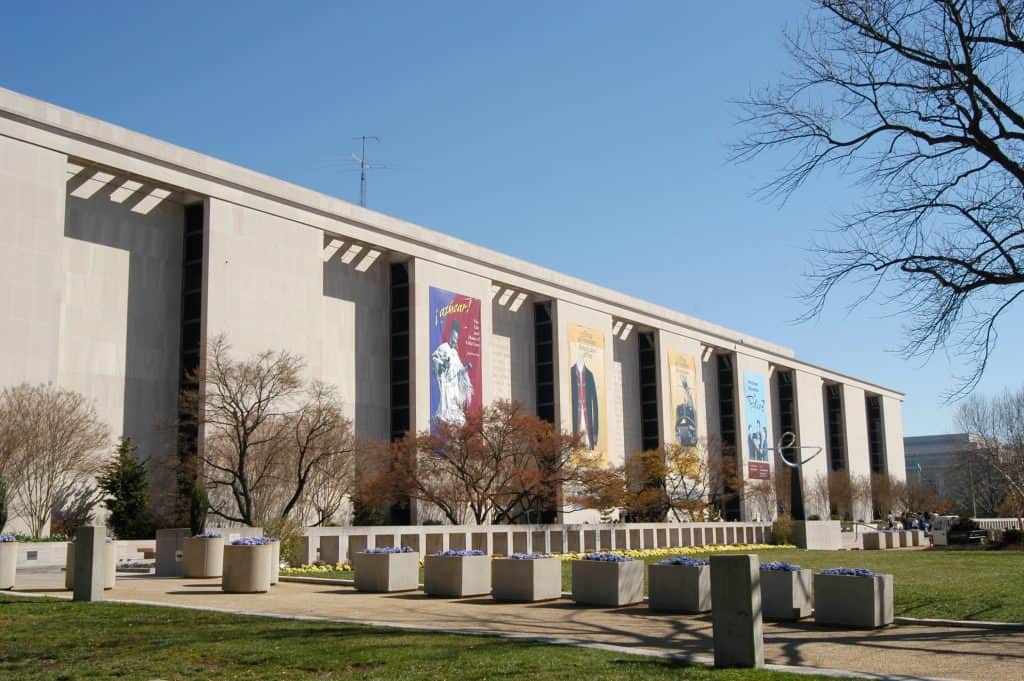
British scientist James Smithson never once set foot in the United States, yet his will left an entire fortune to a country he’d never visited, “to found at Washington, under the name of the Smithsonian Institution, an establishment for the increase and diffusion of knowledge.”
Congress spent eight years arguing over what to do with that money before finally founding the institution in 1846. Today, it spans 17 museums and the National Zoo in D.C. alone, every single one free to enter, no exceptions, and no donation required at the door.
The Smithsonian Castle, completed in 1855, still serves as the visitor center and holds Smithson’s own crypt near its north entrance. Most visitors manage one or two museums per day, so pace yourself and lean into the air conditioning while you’re at it.
Counting the affiliated facilities in New York and Virginia, the institution now spans more than 150 million objects in its combined collections, everything from Neil Armstrong’s spacesuit to the original Star-Spangled Banner flag that inspired the national anthem.
Congress eventually invested Smithson’s entire bequest, more than half a million dollars at the time, in bonds that briefly defaulted before former president John Quincy Adams fought hard to restore the money, with interest, ensuring the gift survived long enough to matter.
Where: 1000 Jefferson Dr SW, Washington, DC 20560
5. Attend the Sunset Celebration, Florida
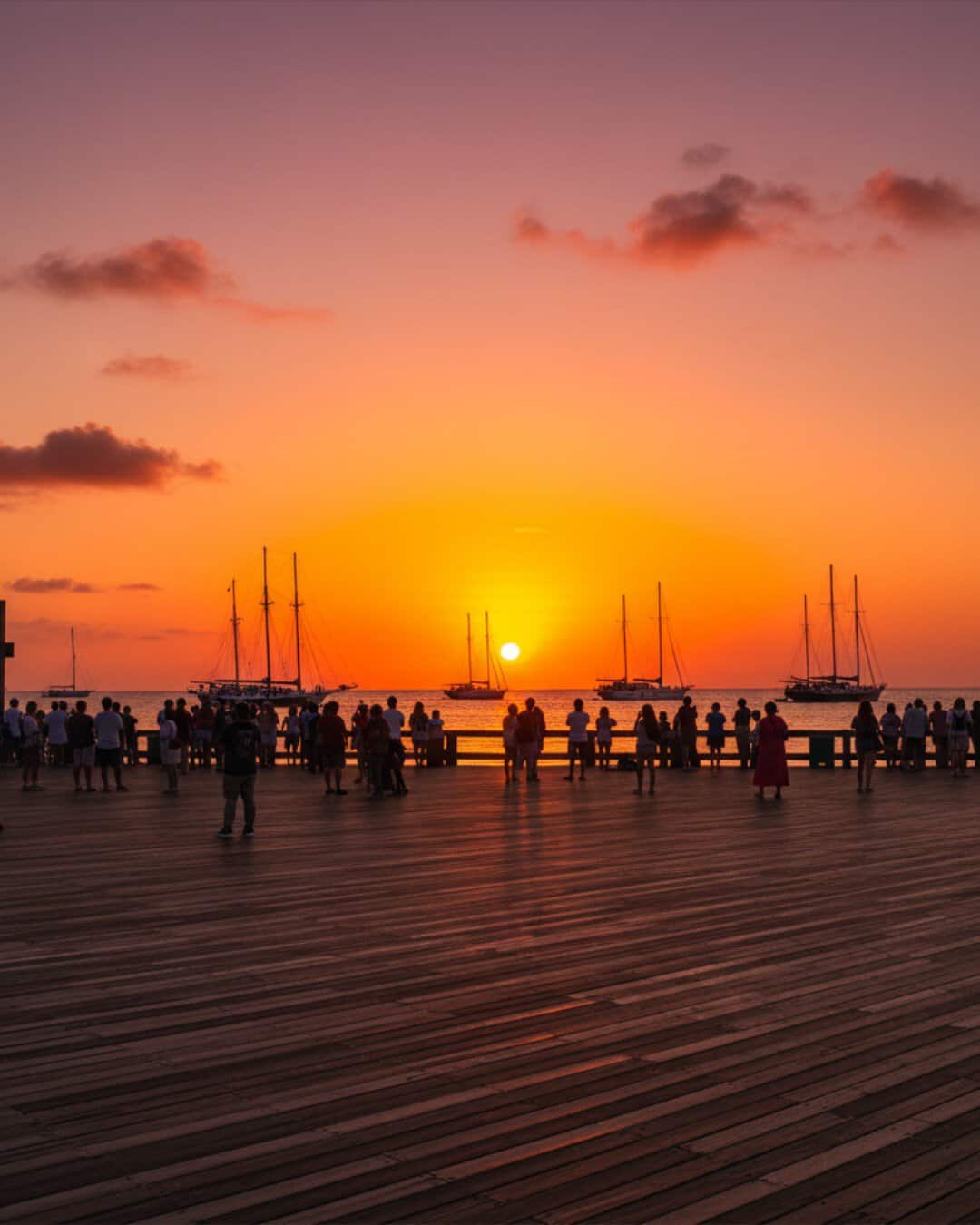
Key West’s nightly Sunset Celebration at Mallory Square traces its modern roots to the late 1960s, when a loose gathering of free spirits started showing up at the dock simply to applaud the sun as it dropped into the Gulf of Mexico.
By 1984, the unofficial ritual had grown chaotic enough that participants organized themselves into the Key West Cultural Preservation Society, a nonprofit that still leases the square nightly and screens performers to keep the event authentic rather than purely commercial.
Jugglers, sword swallowers, musicians, and local artisans now set up roughly two hours before sunset every single evening of the year. Admission costs nothing, though bringing a little cash for food vendors or street performers is considered good island etiquette.
Naturalist John James Audubon wrote admiringly about these same sunsets back in the early 1800s, long before anyone thought to applaud them. Mallory Square itself has served as a working waterfront since the 1820s, named for a U.S. senator’s family.
Where: 400 Wall St, Key West, FL 33040
6. Stroll the Historic Squares, Georgia
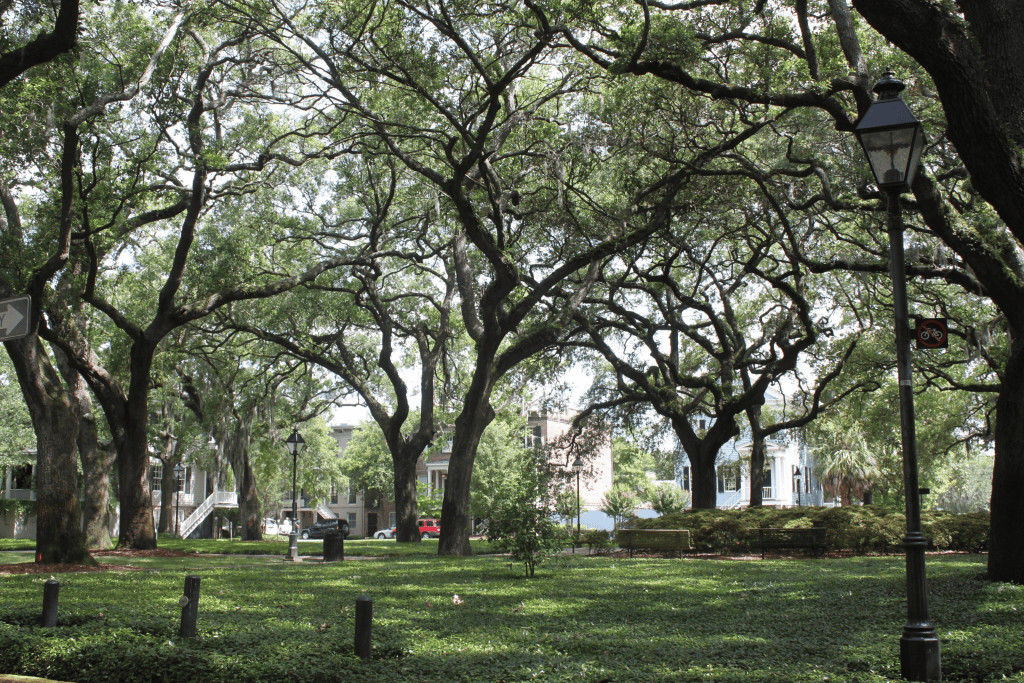
When General James Oglethorpe founded Savannah in 1733, he laid out the entire city around a grid of public squares, originally intended for militia drills and community gatherings rather than the shaded, oak-draped parks they’ve become.
Only four squares existed at first, but city planners kept following Oglethorpe’s template for over a century, eventually reaching 24. Twenty-two survive today, each one different, some holding centuries-old monuments and others famous simply for appearing in beloved films.
Chippewa Square once held the bench where Forrest Gump told his life story, while Monterey Square faces the Mercer-Williams House made famous by “Midnight in the Garden of Good and Evil.” Spanish moss does the rest of the work for free.
Wright Square contains the burial site of Tomochichi, a Creek leader who befriended Oglethorpe and helped negotiate the land that became Savannah, a quiet detail easy to miss among the grander monuments scattered throughout the rest of downtown.
Where: Bull St & Bryan St, Savannah, GA 31401
7. Attend a Bluegrass Shindig, North Carolina
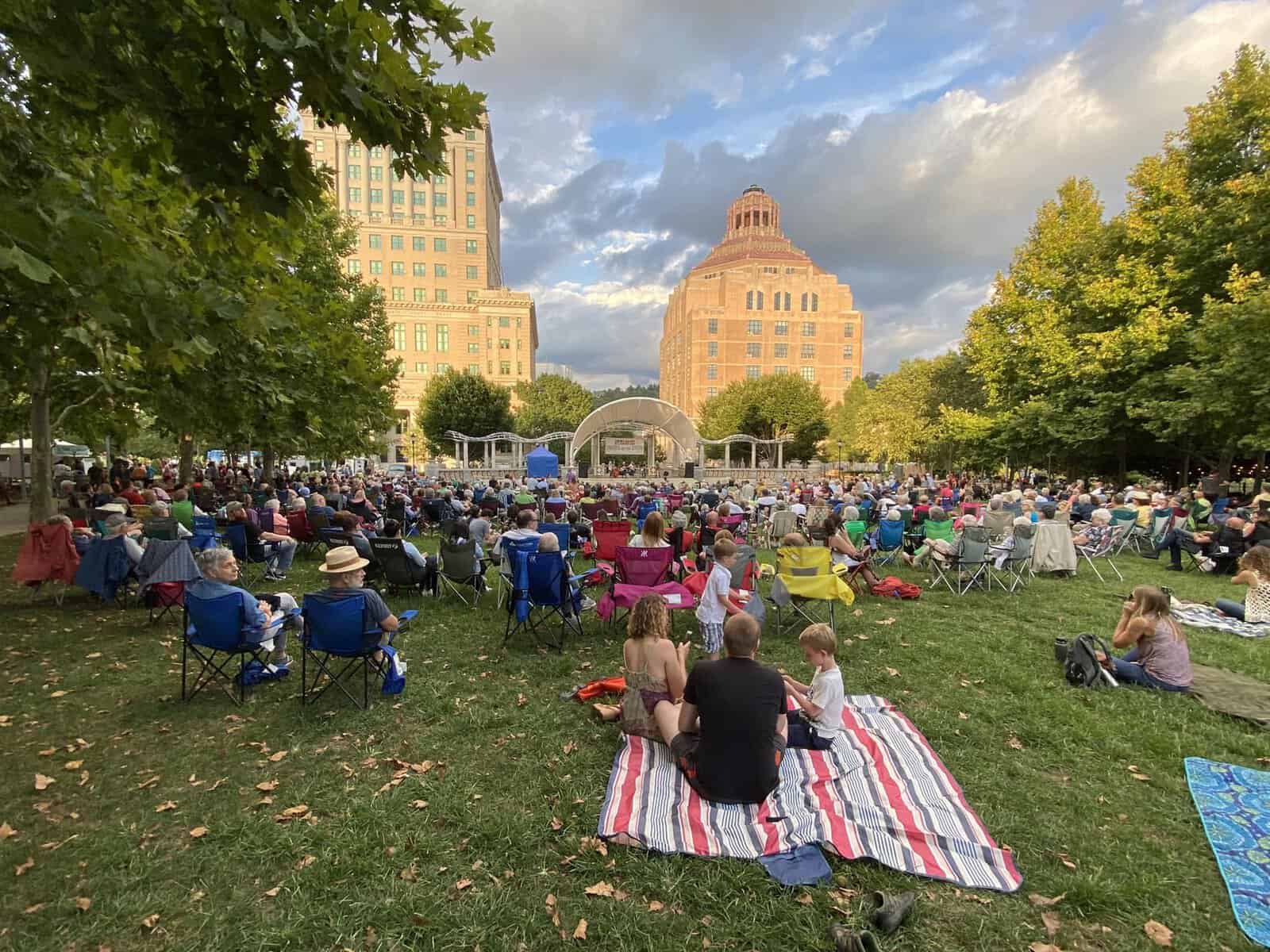
Shindig on the Green traces its roots back to 1928, when folklorist Bascom Lamar Lunsford founded the Mountain Dance and Folk Festival to preserve Southern Appalachian music before it risked fading from memory entirely.
Shindig itself began decades later, in 1967, as a more informal offshoot, a place for local musicians to gather and play on summer Saturday nights in downtown Asheville. It’s stuck around ever since on the same patch of ground, now called Pack Square Park.
Between 2,000 and 3,000 people show up most evenings to watch old-time string bands, clog dancers, and ballad singers perform on the Bascom Lamar Lunsford Stage, while informal jam sessions break out across the surrounding lawn well into the evening.
Bring your own lawn chair or a blanket, since seating fills up fast once the sun starts dropping behind the surrounding peaks. Nearby ice cream and concession stands keep the whole evening feeling more like a community reunion than a ticketed show.
Where: 1 Court Plaza, Asheville, NC 28801
8. Explore the Garden of the Gods, Colorado
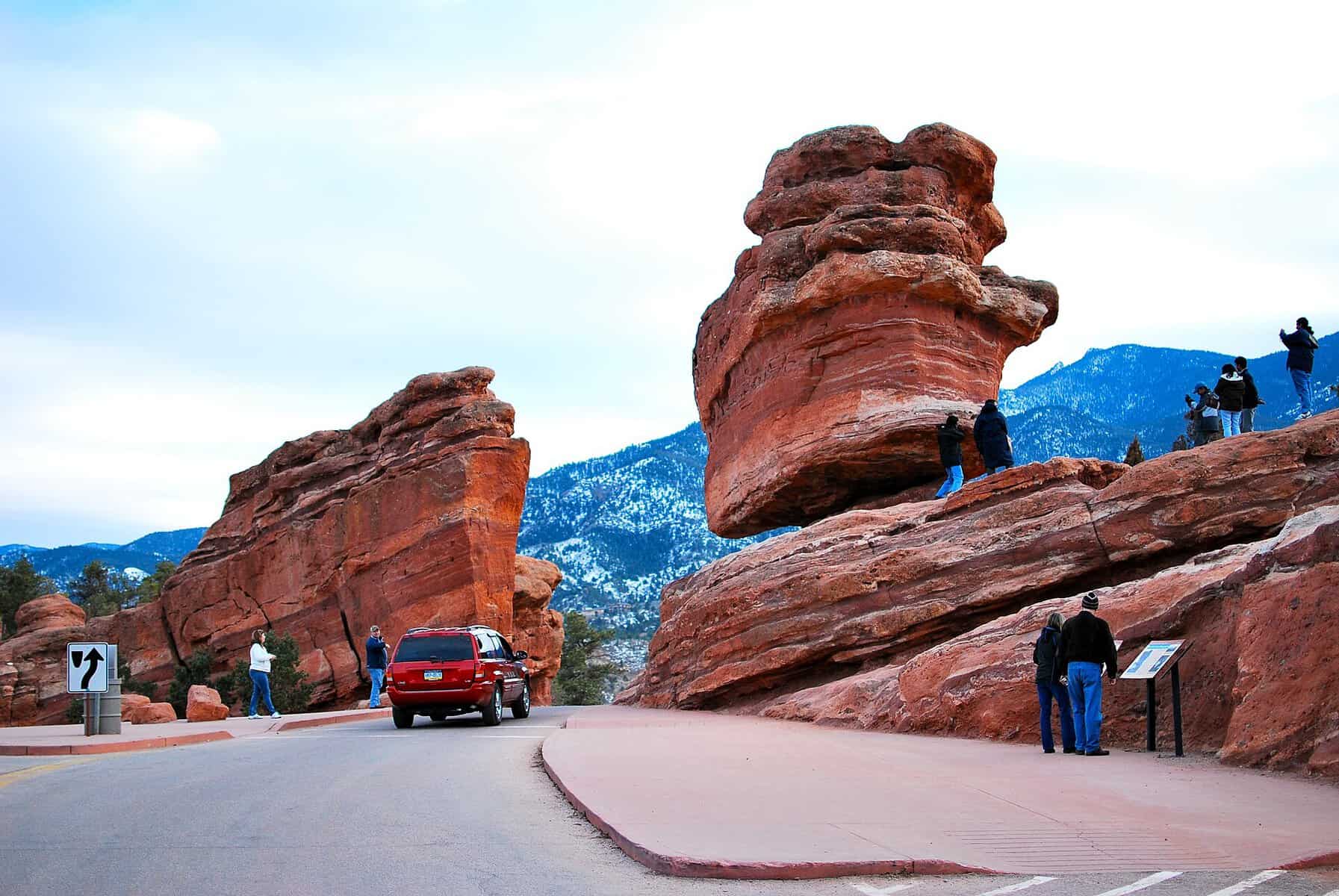
Railroad executive Charles Elliott Perkins bought 480 acres of towering red rock formations back in 1879, intending to build a summer home there. He never built a thing, preferring to leave the land exactly as he found it for public enjoyment.
When Perkins died in 1907 without finalizing a donation, his six children honored what they knew was his wish anyway. On December 22, 1909, they deeded the entire property to Colorado Springs with one unusual stipulation: it remained “free to the entire world.”
That promise still holds. The park has grown to more than 1,300 acres, drawing millions of visitors annually to hike, climb, and photograph rock spires that took roughly 300 million years of geologic upheaval to form into their current, almost theatrical shapes.
The deed’s restrictions remain unusually specific even now: no buildings beyond basic maintenance structures, no alcohol permitted anywhere on the grounds, and the name itself can never be changed, no matter how many corporate sponsors might come knocking.
Where: 1805 N 30th St, Colorado Springs, CO 80904
9. Admire the Gateway Arch, Missouri
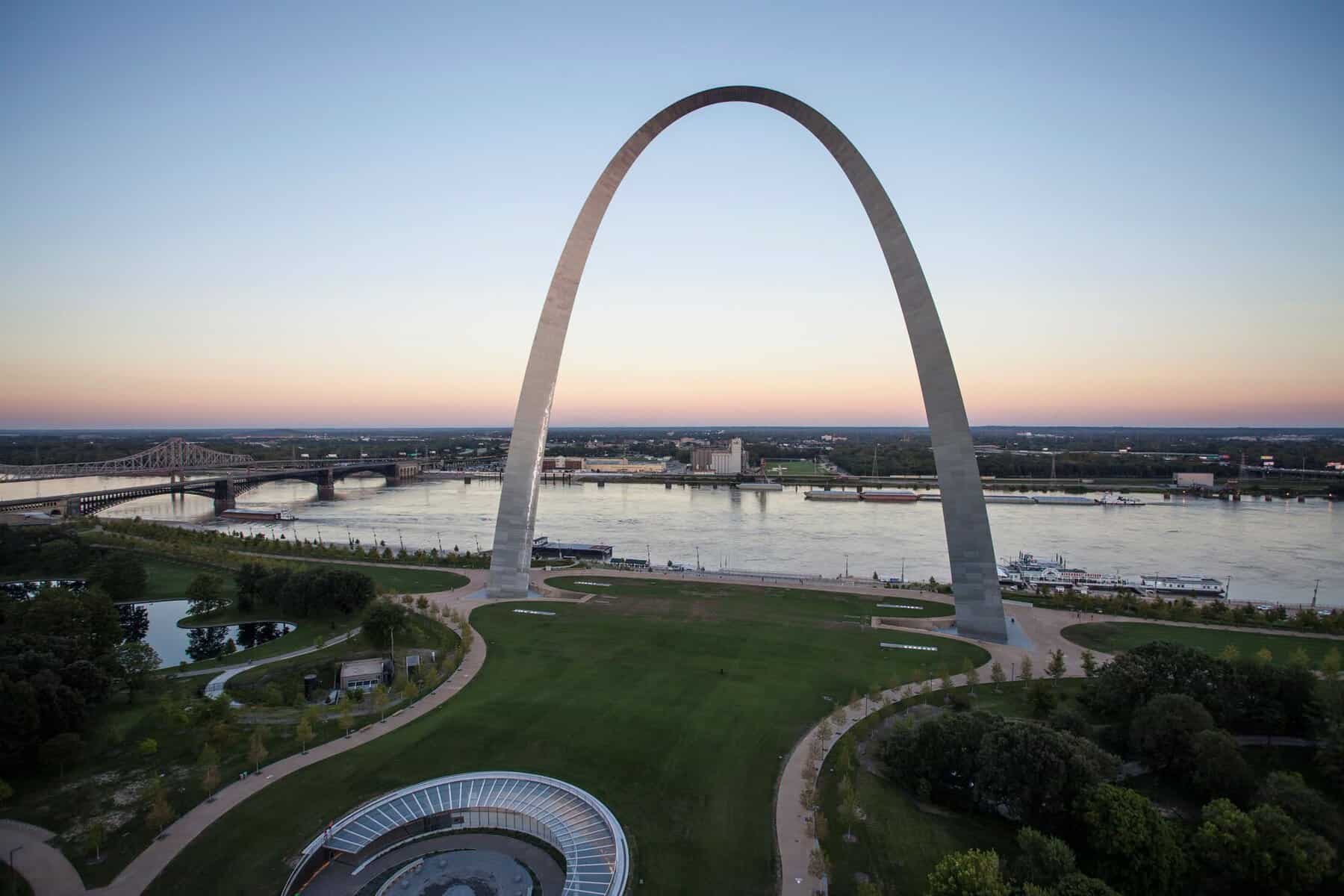
A then 37-year-old architect named Eero Saarinen beat out 171 other competitors, including his own father, to design the Gateway Arch back in 1947. The jury reportedly called his winning entry “a work of genius” almost immediately.
Construction didn’t actually start for another sixteen years, delayed first by funding fights and then by the Korean War. When work finally began in 1963, crews assembled the 630-foot stainless steel monument from prefabricated triangular sections shipped in by rail from Pittsburgh.
Completed in October 1965, the Arch remains the tallest monument in the country and the world’s tallest arch, built in a catenary curve shape mathematically chosen for stability. The surrounding national park grounds stay free, even though the tram ride to the top doesn’t.
The whole structure was originally named the Jefferson National Expansion Memorial, honoring the president whose Louisiana Purchase doubled the size of the country, before officially becoming Gateway Arch National Park in 2018 to better reflect what locals already called it.
Where: 100 Washington Ave, St. Louis, MO 63102
10. Hunt for Sea Glass on Glass Beach, California
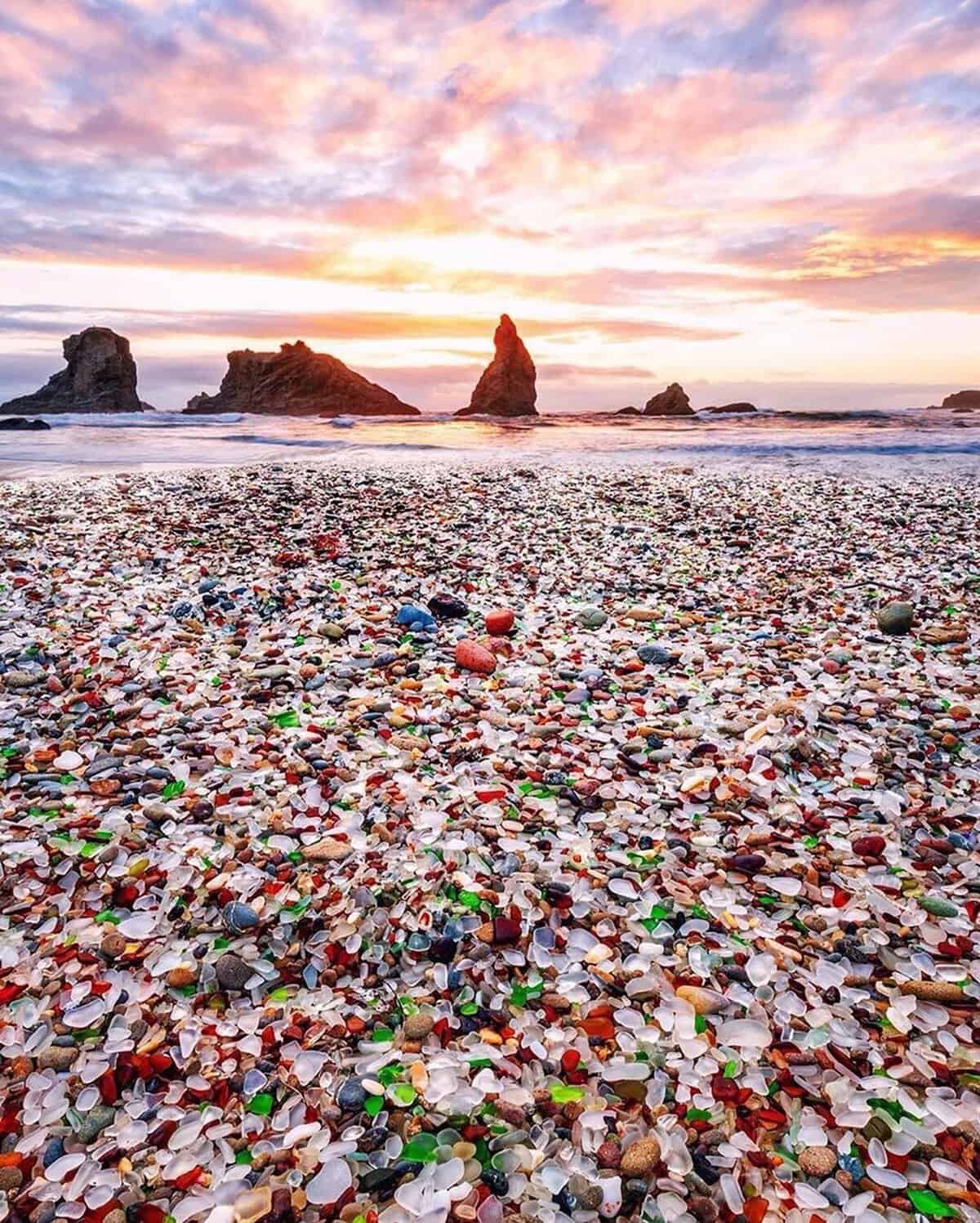
For more than sixty years, Fort Bragg residents treated this stretch of Mendocino coastline as their official dump, tossing bottles, appliances, and even old cars off the cliffs starting in 1906, a practice locals simply called “the dumps.”
City leaders finally closed the site in 1967, but the glass never fully went away. Decades of relentless Pacific waves ground every shard down into smooth, rounded pebbles of green, white, and the much rarer blue and red, the colors of old medicine and taillight glass.
California State Parks bought the 38-acre property in 2002 and folded it into MacKerricher State Park. Picking up a piece to admire is fine, but rangers ask everyone to leave it on the beach, since each handful taken slowly chips away at the magic.
Locals frequently burned the trash pile to keep its size manageable, a detail that explains why so much of the surviving glass arrives partially melted and smoothed into rounded, almost gem-like shapes rather than simple broken shards.
Where: Elm St & Glass Beach Dr, Fort Bragg, CA 95437
The Real Currency Here Was Always Time, Not Money
Here’s the thing nobody mentions when they hand you a “cheap summer” listicle: almost none of these places are actually about saving money. They’re about somebody, decades ago, deciding a particular spot deserved to stay open to absolutely everyone.
Cindy Pritzker didn’t donate millions because Chicago needed a free concert series. The Perkins children didn’t deed their father’s land because Colorado Springs was short on parks. A handful of Key West locals didn’t start watching sunsets together because they’d run out of paid entertainment options.
Generosity, stubbornness, and occasionally sheer accident built every single item on this list. A bridge renovation nobody designed for bats. A trash dump nobody expected to become beautiful. A folklorist who simply refused to let certain songs disappear.
It’s worth noticing, too, how many of these places only stayed free because someone fought to keep them that way. Deeds with strange legal language. Nonprofits formed specifically to protect a nightly ritual from turning into something purely commercial. None of this happened automatically.
That’s worth remembering the next time summer feels like one expensive obligation after another. Somewhere out there, a 300-million-year-old rock formation, a colony of bats, or a free outdoor concert is waiting, asking nothing from you except that you actually show up.
More stories

Share this story