These 5 U.S. Beaches Will Make You Forget You Never Left the Country

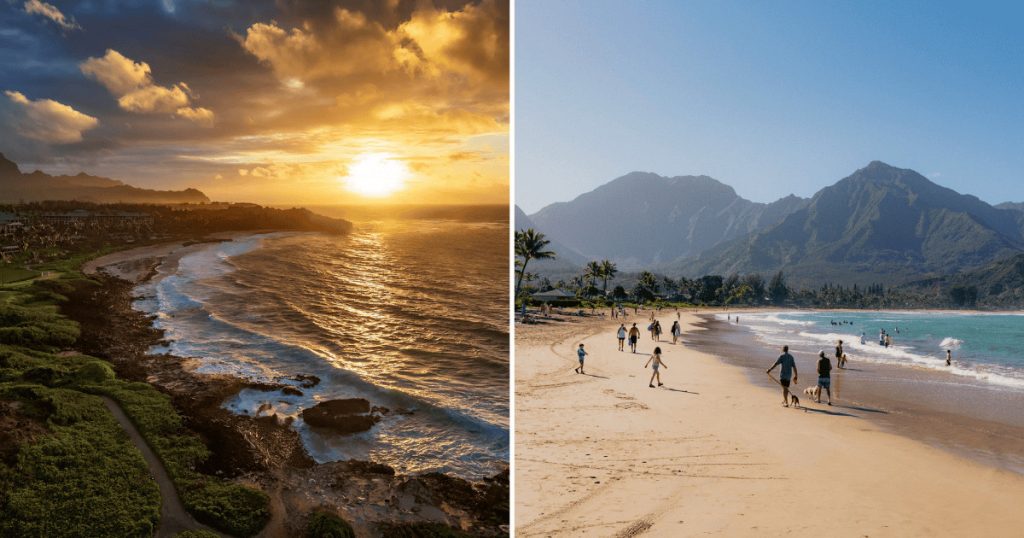
I used to think genuine island fantasies required an actual ocean crossing, the kind involving a long international flight, a stack of unfamiliar foreign currency, and a phrasebook I’d never quite manage to master properly.
Then I started digging into beaches scattered across America’s own coastlines and territories.
Turns out, you can get the shipwreck, the fortress, the secluded bay, and the underwater coral trail without ever leaving the country at all. You just have to know which five specific places to chase down first.
Here are five U.S. beaches that genuinely feel like they belong somewhere else entirely, even though every single one of them is firmly part of the United States.
A few require real planning. One sits inside a national park, which you can only reach by boat. Another technically isn’t even in a state at all. But every single one rewards the extra effort with a view that doesn’t look like it belongs on this side of an ocean.
1. Hanalei Beach, Hawaii
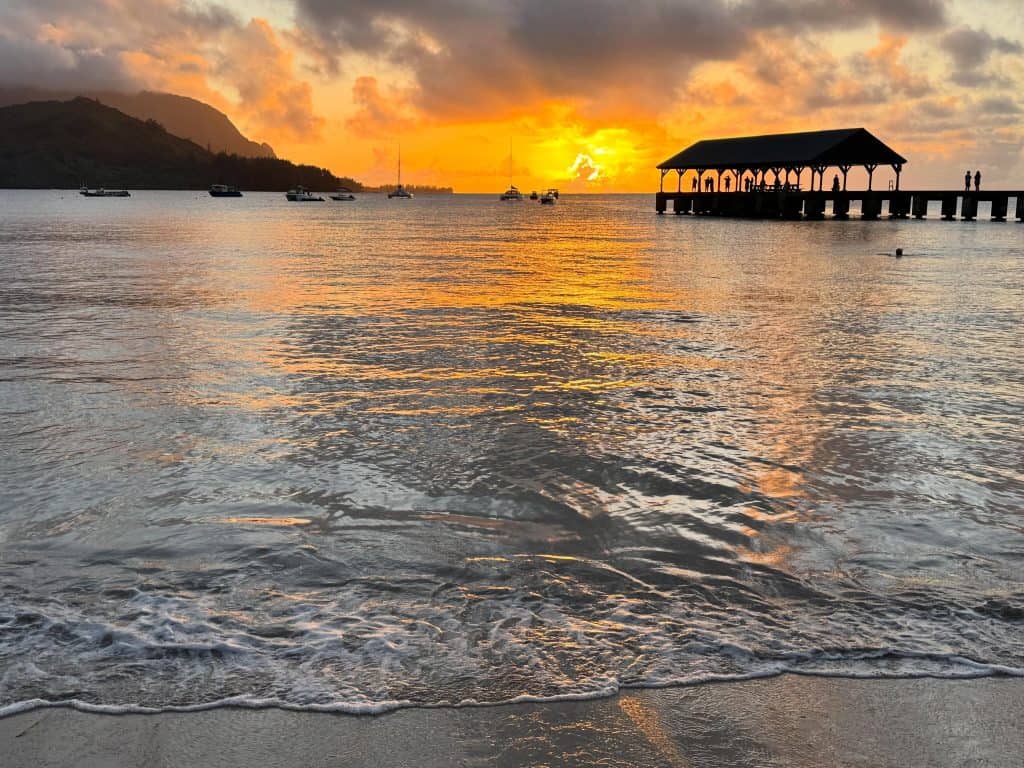
Hanalei means “crescent bay” in Hawaiian, and the name fits perfectly, even decades before anyone thought to make it famous on film.
Two miles of golden sand curve along Kauai’s north shore, framed by the emerald peaks of Namolokama and Hihimanu rising sharply behind the water.
Hollywood found this particular stretch of coastline decades before most mainland travelers ever did. The crew behind the 1958 musical “South Pacific” filmed key scenes here, with nearby Mount Makana standing in for the mythical island of Bali Hai, a backdrop so striking it became shorthand for paradise itself.
Long before any film crew ever arrived, Native Hawaiians were already cultivating taro in the fertile valley behind the beach, a tradition that continues today. Kauai still grows more than 70 percent of Hawaii’s taro, and much of it comes directly from Hanalei’s flooded green terraces.
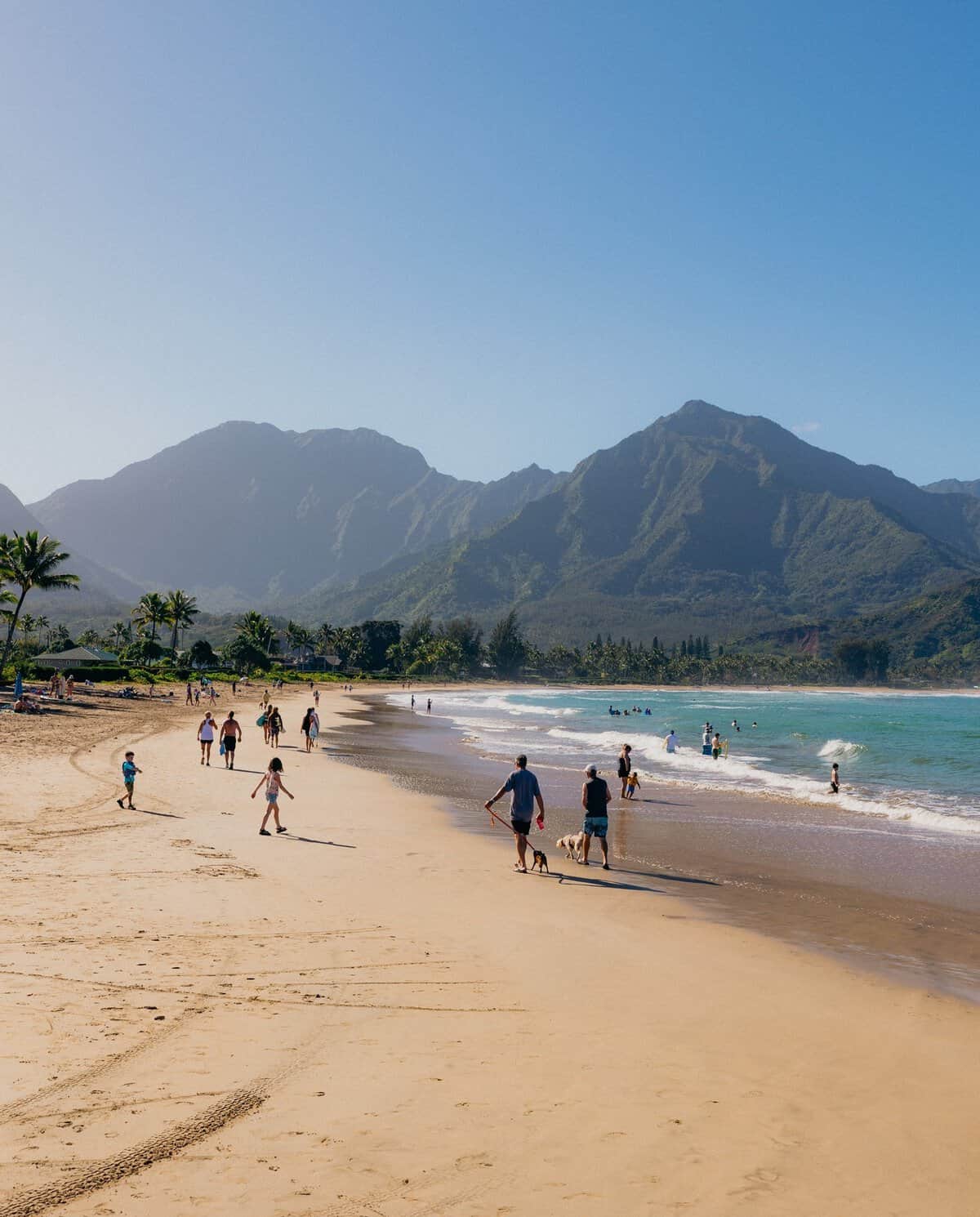
The Hanalei Pier, first built in 1892 and rebuilt after multiple storms, still anchors the eastern end of the bay. Surfers gather at Pine Trees in winter, while summer turns the same water calm enough for paddleboards and lazy afternoon swims.
Other films followed South Pacific’s lead over the decades, from King Kong’s 1976 remake to scenes in Jurassic Park and The Descendants, each one drawn back to the same dramatic curve of sand and mountain.
Sunsets here have a particular reputation of their own. As the sun drops behind Makana, the sky shifts through orange, rose, and violet, and locals and visitors alike tend to pause whatever they’re doing to watch it happen.
Mornings offer their own quiet reward, too. Before the day-trippers arrive from Princeville and Lihue, the beach often empties out entirely, leaving just a handful of joggers, fishermen, and the occasional green sea turtle resting near the shoreline.
Where: 5134 Weke Rd, Hanalei, HI 96714
2. Dry Tortugas National Park, Florida
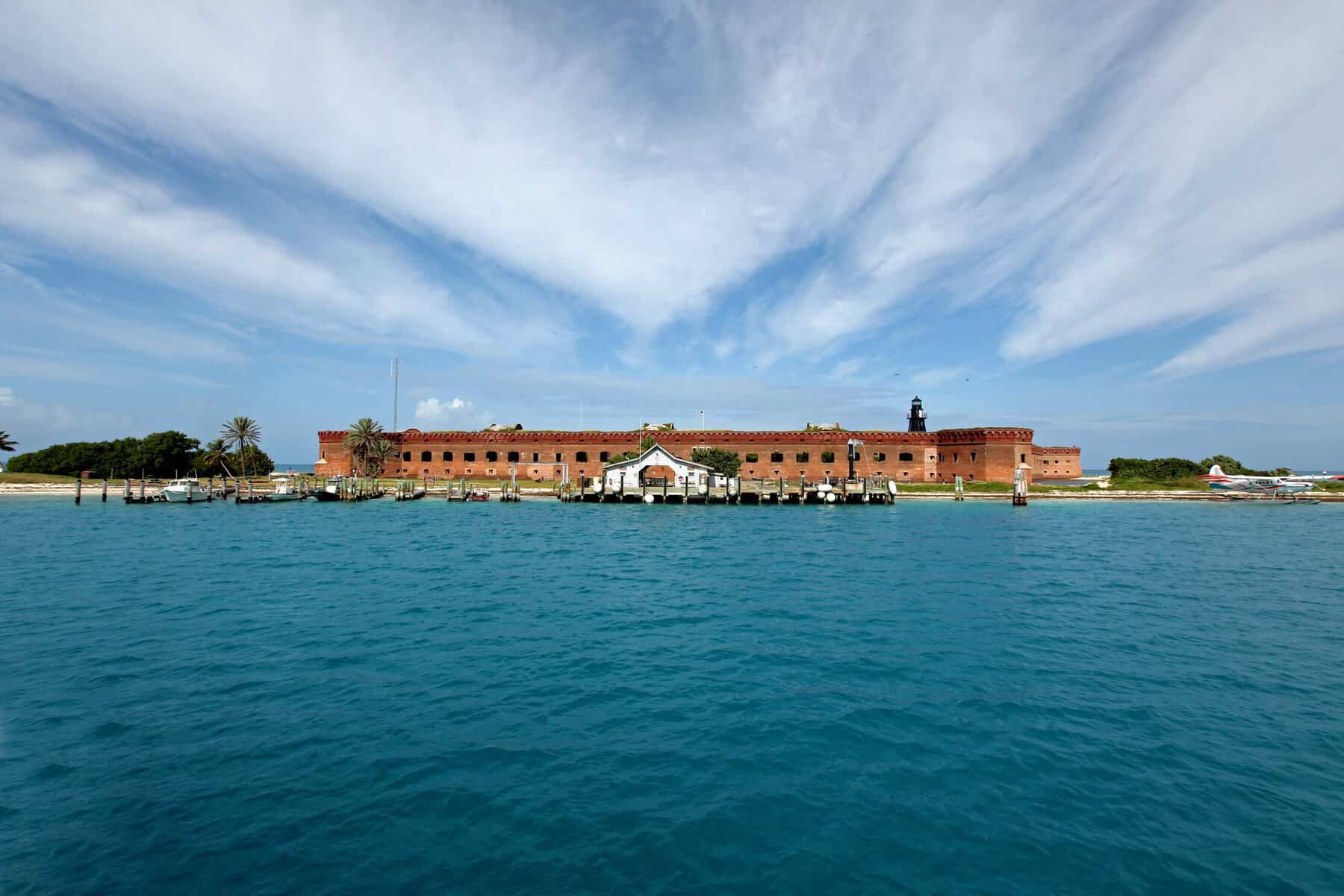
Getting to Dry Tortugas takes real commitment, since the park sits roughly 70 miles west of Key West and is reachable only by boat or seaplane, with no road connections of any kind. That isolation is exactly why it still feels like stepping into another century.
Explorer Juan Ponce de León gave the islands their name back in 1513, after catching more than 100 sea turtles, or “tortugas,” in the surrounding waters.
Centuries later, the U.S. Army began building Fort Jefferson here, an enormous hexagonal fortress made from more than 16 million bricks.
The fort never reached full completion, but it still served as a Civil War prison, holding Dr. Samuel Mudd, the physician convicted of treating John Wilkes Booth’s broken leg after Lincoln’s assassination. Today, visitors can wander its brick corridors freely, no guard duty required.
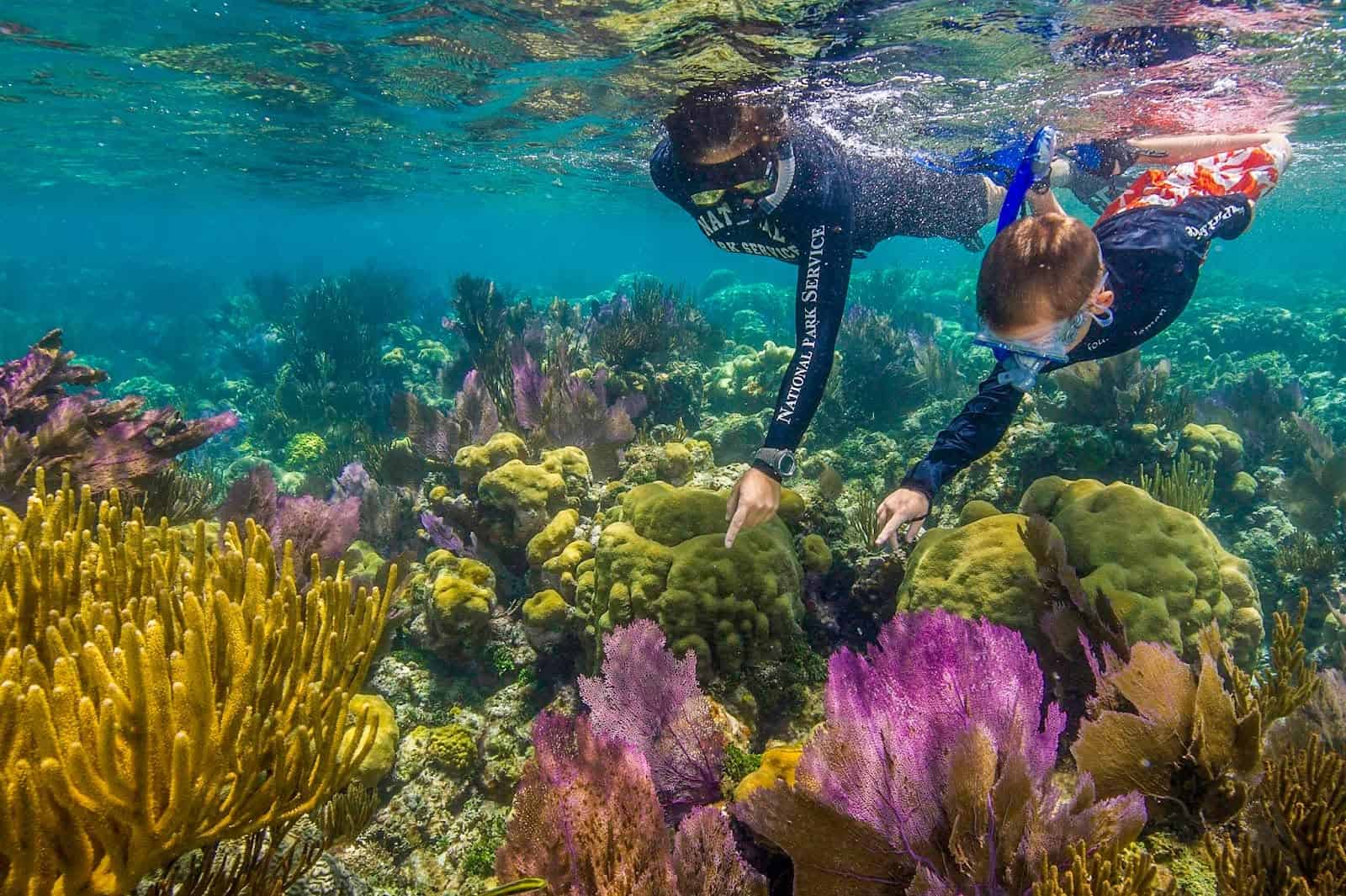
Bring everything you’ll need for the day, since there’s no food, drinking water, or supplies sold anywhere on the island. What you will find is startlingly clear Gulf water framed by that same historic fort, plus some of the best birdwatching in the country each spring.
The park holds the only nesting colonies of sooty terns, brown noddies, and magnificent frigatebirds anywhere in the continental United States. Each April, migratory warblers pass through in such numbers that birding guides routinely log more than 100 species in a single day.
History buffs get an unusual bonus, too.
In 1995, when a federal government shutdown briefly closed every national park, Key West residents organized a flotilla under the satirical banner of the Conch Republic and sailed out to reopen Dry Tortugas themselves, a stunt that became local legend.
Treasure hunters have their own reason to love these waters. Just offshore, salvager Mel Fisher located the wreck of the Spanish galleon Nuestra Señora de Atocha in 1985, recovering an estimated $450 million in gold, silver, and emeralds lost since a 1622 hurricane.
Where: 40001 Overseas Hwy, Key West, FL 33040 (ferry/seaplane departure point)
3. Shipwreck Beach, Hawaii
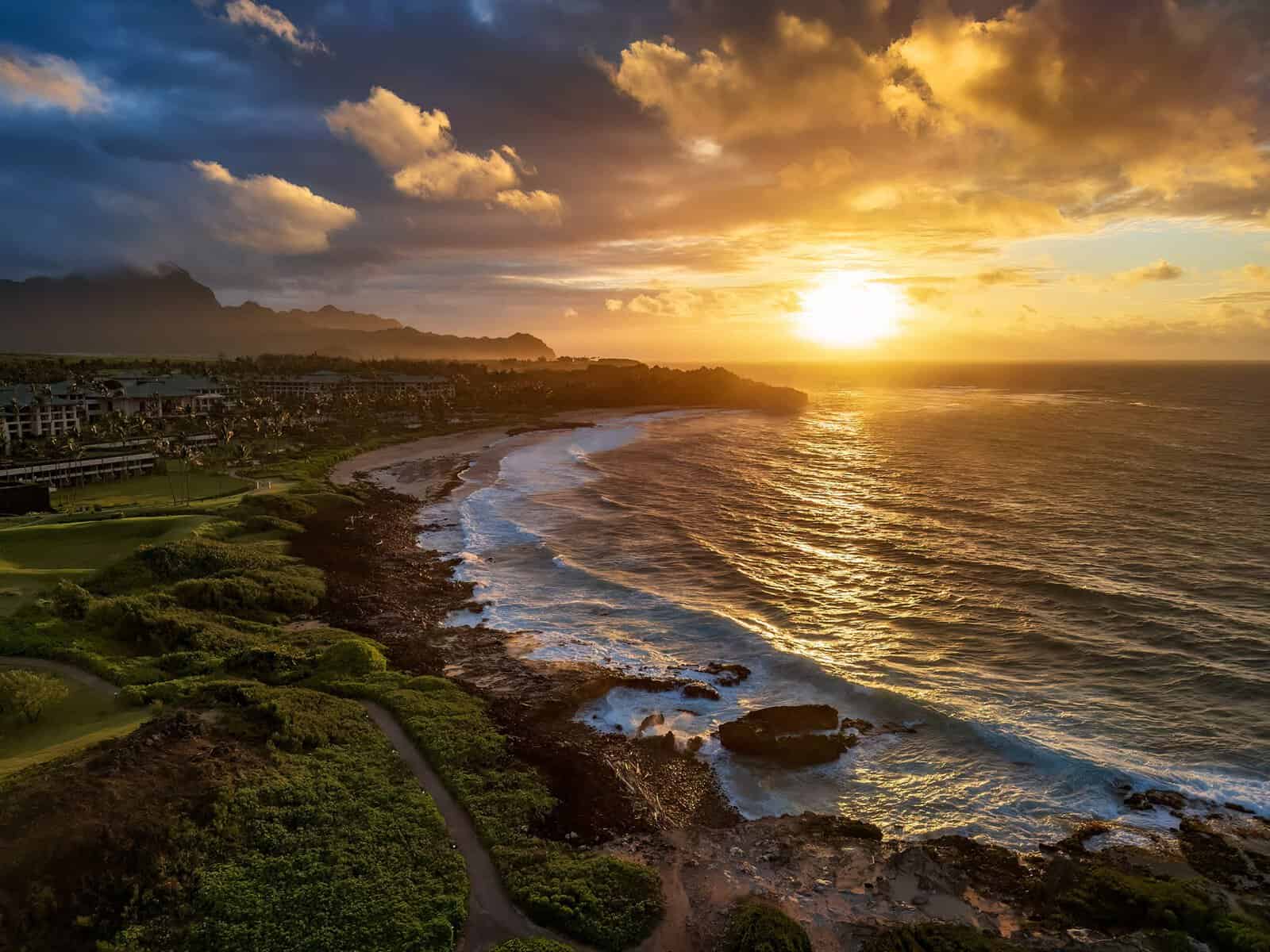
Shipwreck Beach earns its blunt, unglamorous name honestly.
The Kalohi Channel along Lanai’s north shore has claimed more vessels than almost anywhere else in Hawaiian waters, thanks to shallow reefs and dangerous, unpredictable currents that have humbled experienced sailors since at least 1824.
That year marked the first documented wreck here, a British ship called the Alderman Wood.
Two years later, an American vessel named the London went down nearby, reportedly carrying a fortune in gold and silver that, depending on who you ask, may or may not have ever been recovered.
The most visible wreck today isn’t from the age of sail at all. A rusting World War II-era Navy fuel barge, built from concrete and steel mesh, was deliberately scuttled here after the war and still leans against the reef, visible from shore on a clear day.
Reaching the beach itself requires a four-wheel-drive vehicle and a walk along part of its eight-mile stretch of sand. Swimming isn’t recommended given the currents, but the views toward Molokai and Maui, along with ancient petroglyphs just inland, make the detour worthwhile.
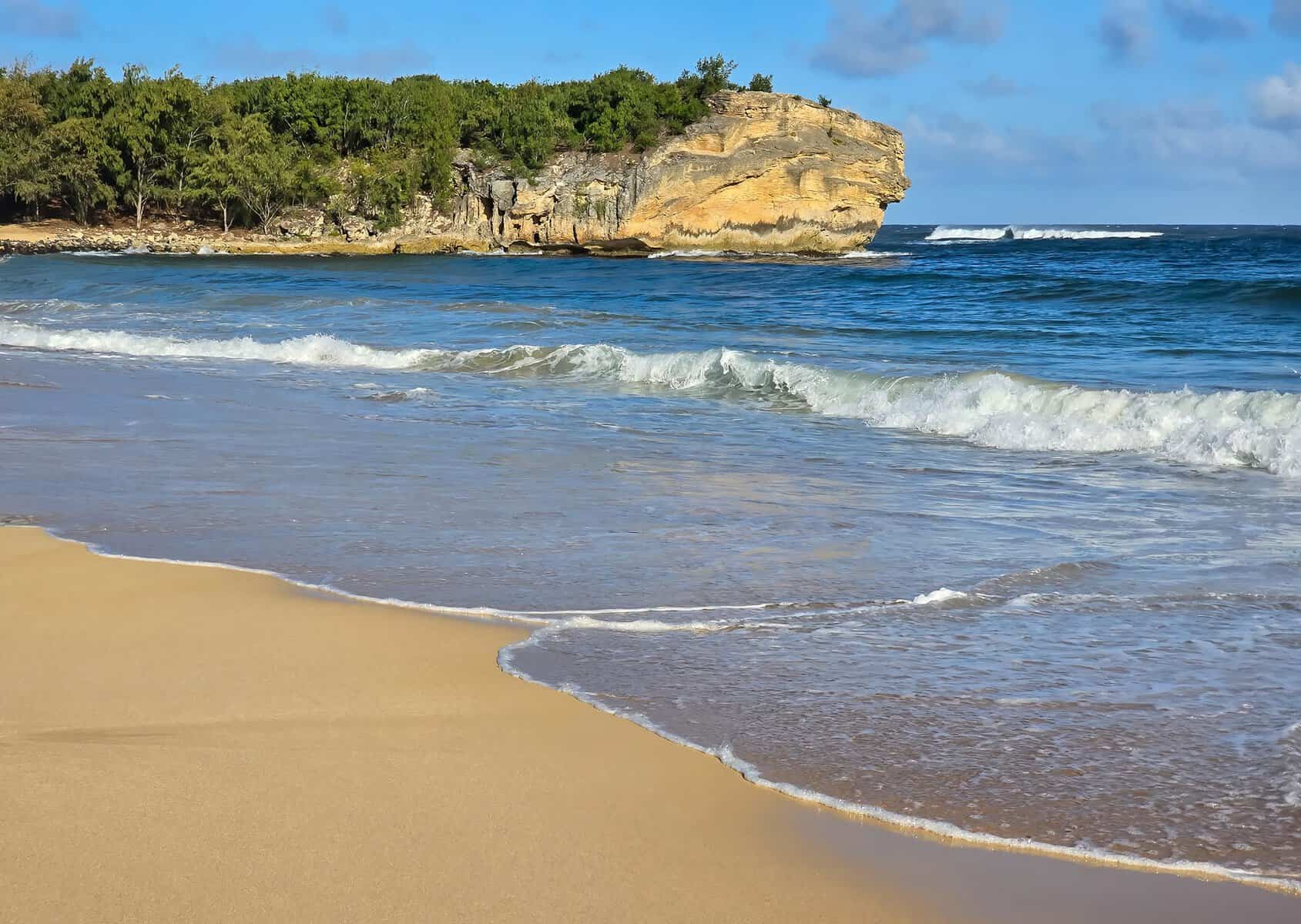
A short trail leads about 200 yards past the main viewing area to Po’aiwa, where reddish-brown boulders carry petroglyphs carved long before any of these ships ever wrecked.
Beachcombers regularly find shells, driftwood, and odd debris tossed up by the same currents that doomed so many vessels.
Few visitors make it out this way, since Lanai itself requires either a small plane from Maui or Honolulu or a ferry ride across the channel. That relative inaccessibility has kept the beach feeling genuinely remote, a rare quality on an island chain this heavily visited.
The ruins of an old lighthouse sit further along the shoreline, abandoned decades ago but still adding to the area’s quietly haunting atmosphere. Even locals admit the place carries a certain weight, the kind that lingers a little after you’ve already driven away.
Where: Keomoku Rd, Lanai City, HI 96763
4. Fort Zachary Taylor Beach, Florida
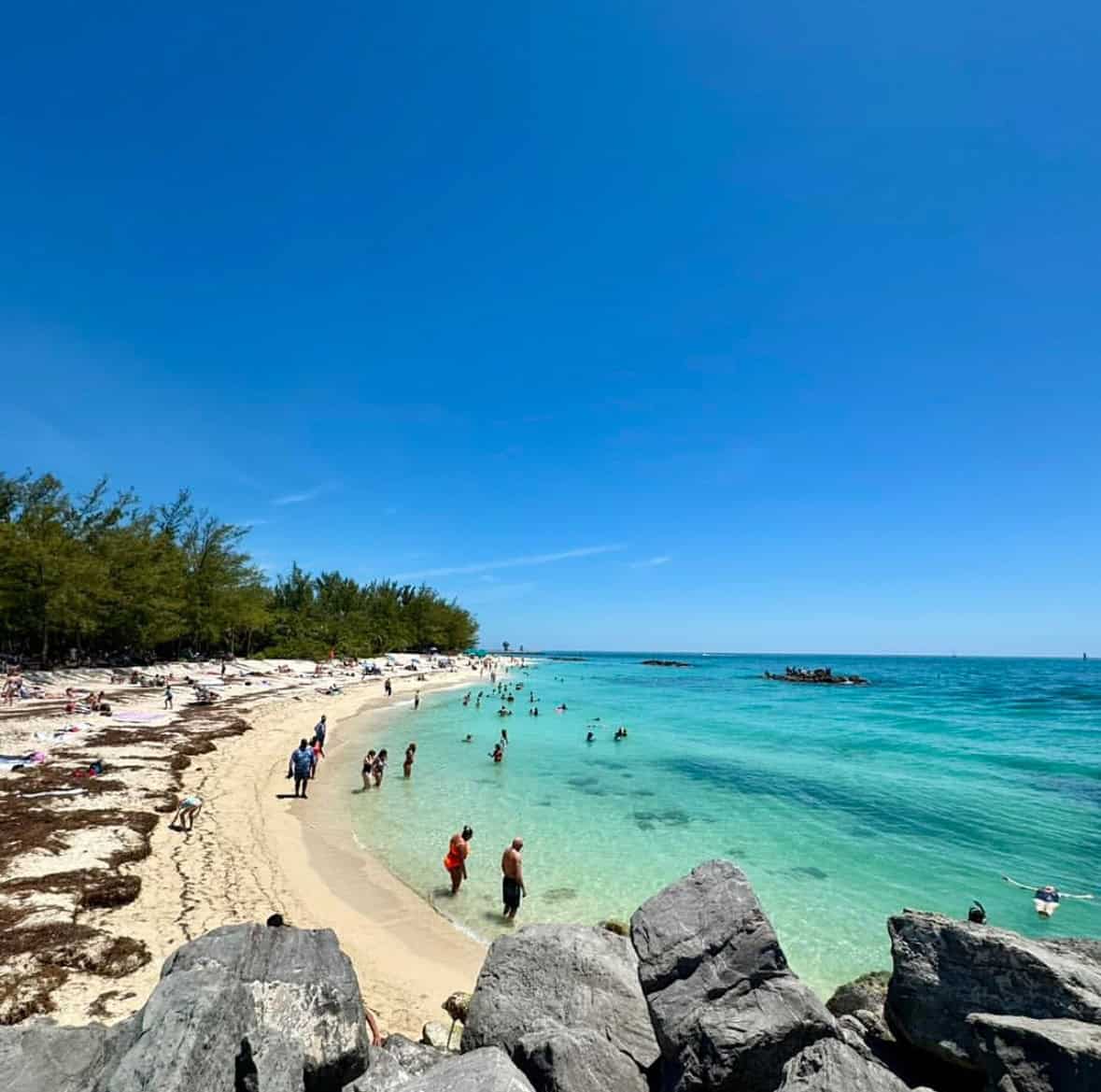
Construction on Fort Zachary Taylor began in 1845, using more than 1.5 million bricks made from native coral and limestone, much of it laid by enslaved and free laborers working through brutal heat, hurricanes, and yellow fever outbreaks.
Florida seceded from the Union before the fort was even finished.
Despite that, Key West itself stayed firmly in Union hands throughout the Civil War, and the fort became known as the “Gibraltar of the Gulf,” a stronghold defending shipping lanes and holding captured blockade runners. Its walls, five feet thick in places, still stand largely intact today.
Much of the beach now bordering the fort was actually built up over the past several decades, expanding what was once a far smaller stretch of sand into Key West’s most popular public beach. A famous signpost nearby lists the distances to cities around the world.
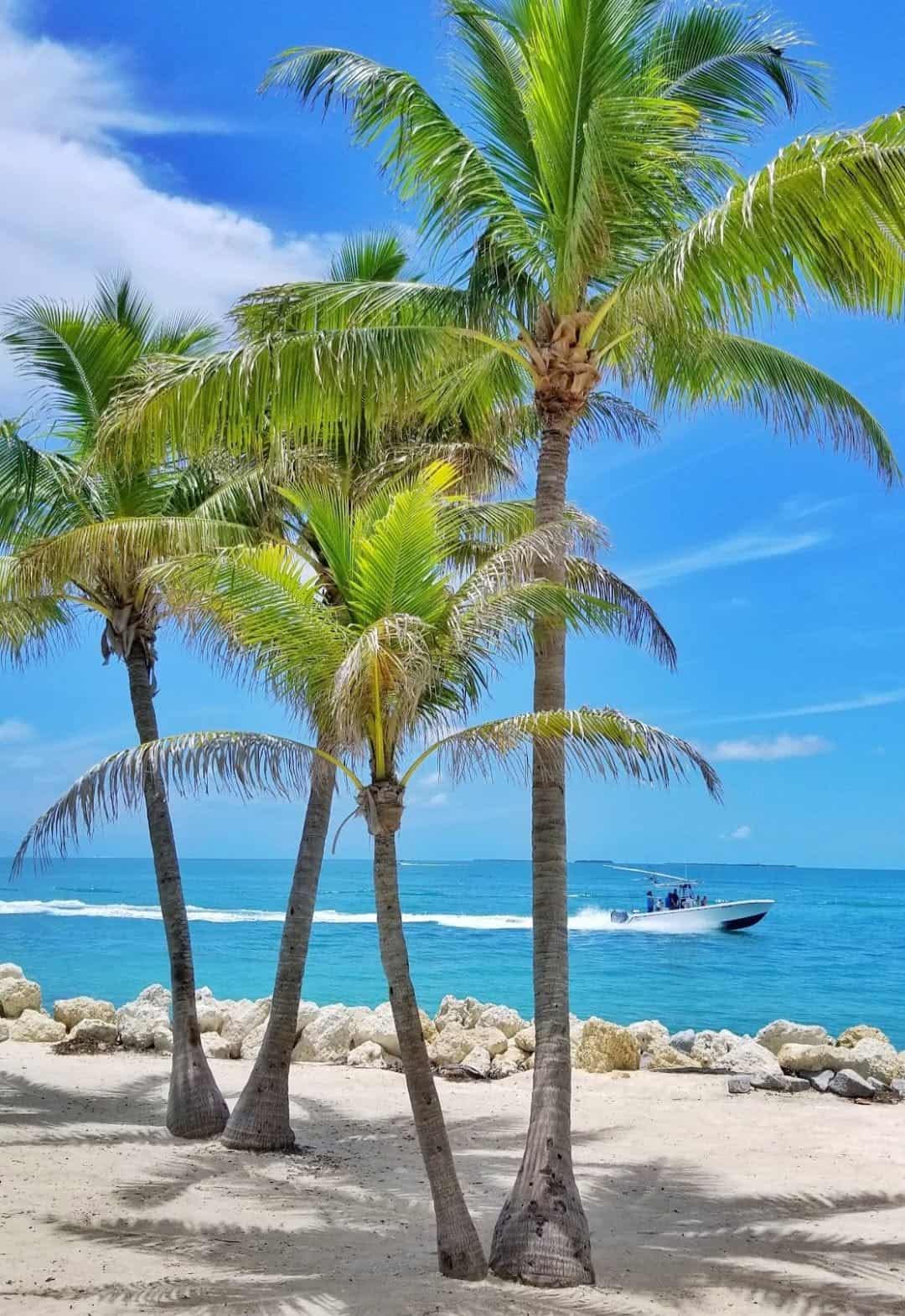
Snorkelers wade out past rocky jetties on either side of the beach to find colorful parrotfish, schools of yellowtail snapper, and the occasional lobster weaving through coral just offshore.
Few places anywhere let you tour an entire Civil War fortress and snorkel a real reef in the same single afternoon.
The fort eventually held the largest cache of Civil War-era armament anywhere in the world, a collection that became almost instantly obsolete once ironclad ships and rifled cannons made brick fortifications outdated.
Even so, it continued serving military functions through both World Wars and into the Cold War.
Local re-enactors stage historic demonstrations on the third weekend of most months, marching the same brick corridors that once housed actual Union soldiers.
Iguanas now wander the grounds freely, an unexpected modern addition no 19th-century garrison commander could have anticipated.
The park itself holds the title of southernmost state park in the continental United States, a distinction that comes with the kind of sunsets that draw crowds to the beach every single evening, regardless of the season.
Where: 601 Howard England Way, Key West, FL 33040
5. Trunk Bay, U.S. Virgin Islands
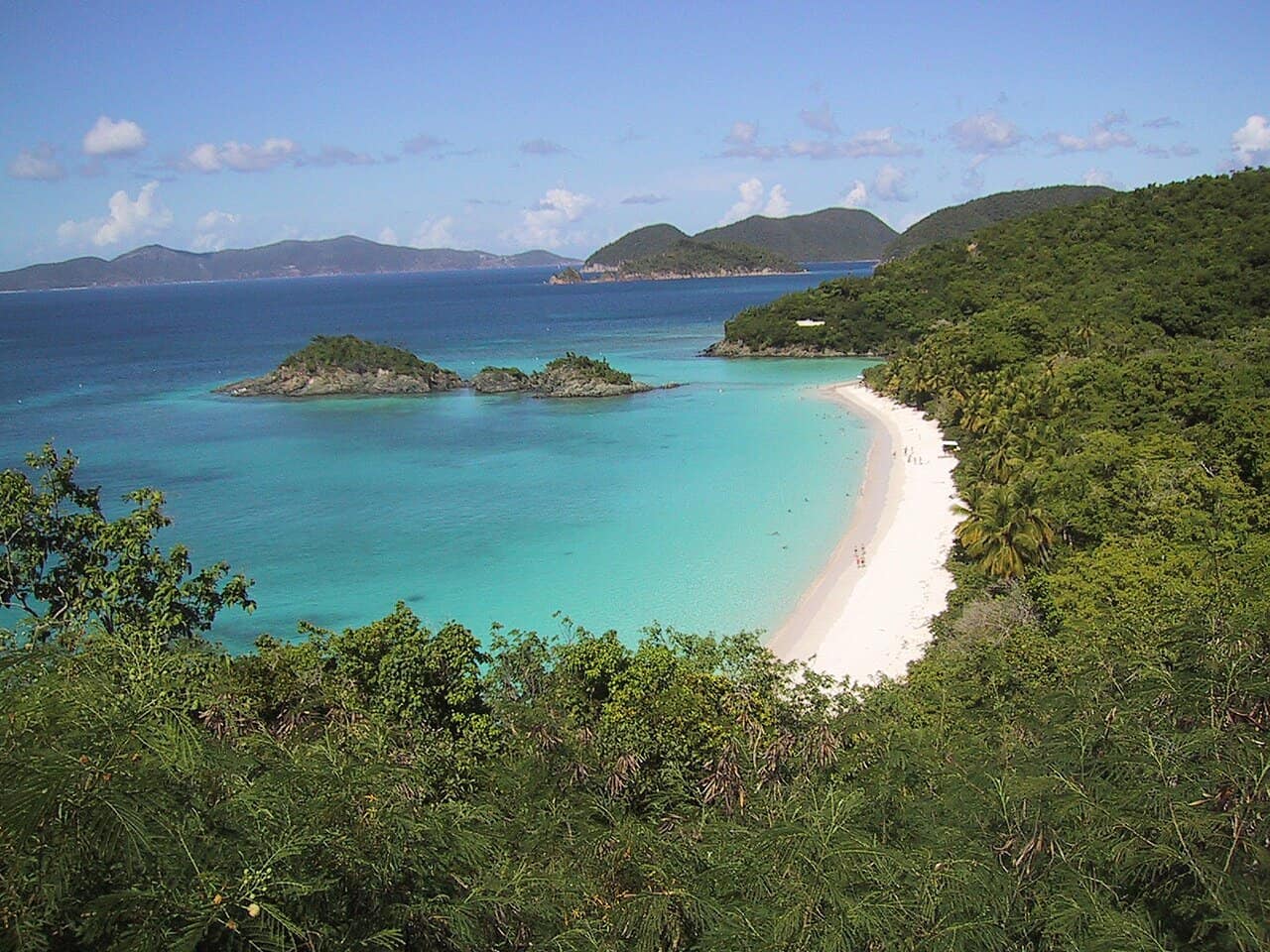
Trunk Bay takes its name from the leatherback sea turtle, locally nicknamed the “trunk,” a species that still nests along this protected stretch of St. John’s northern coastline most years. The bay itself curves into a near-perfect crescent of white sand and pale turquoise water.
Conservationist Laurence Rockefeller donated this land to the National Park Service more than fifty years ago, folding it permanently into what became Virgin Islands National Park.
That single decision protected the bay from the kind of resort development that’s reshaped so much of the wider Caribbean.
A 225-yard underwater snorkeling trail loops around offshore Trunk Cay, marked with submerged plaques that explain the coral formations and marine life drifting past. It remains one of the only beaches in the territory’s national park system to charge any entrance fee at all.
In 2024, the World’s 50 Best Beaches organization named Trunk Bay the single best beach on the entire planet. Considering you’re technically still standing on U.S. soil when you visit, that’s a remarkably good deal for the price of a short ferry ride.
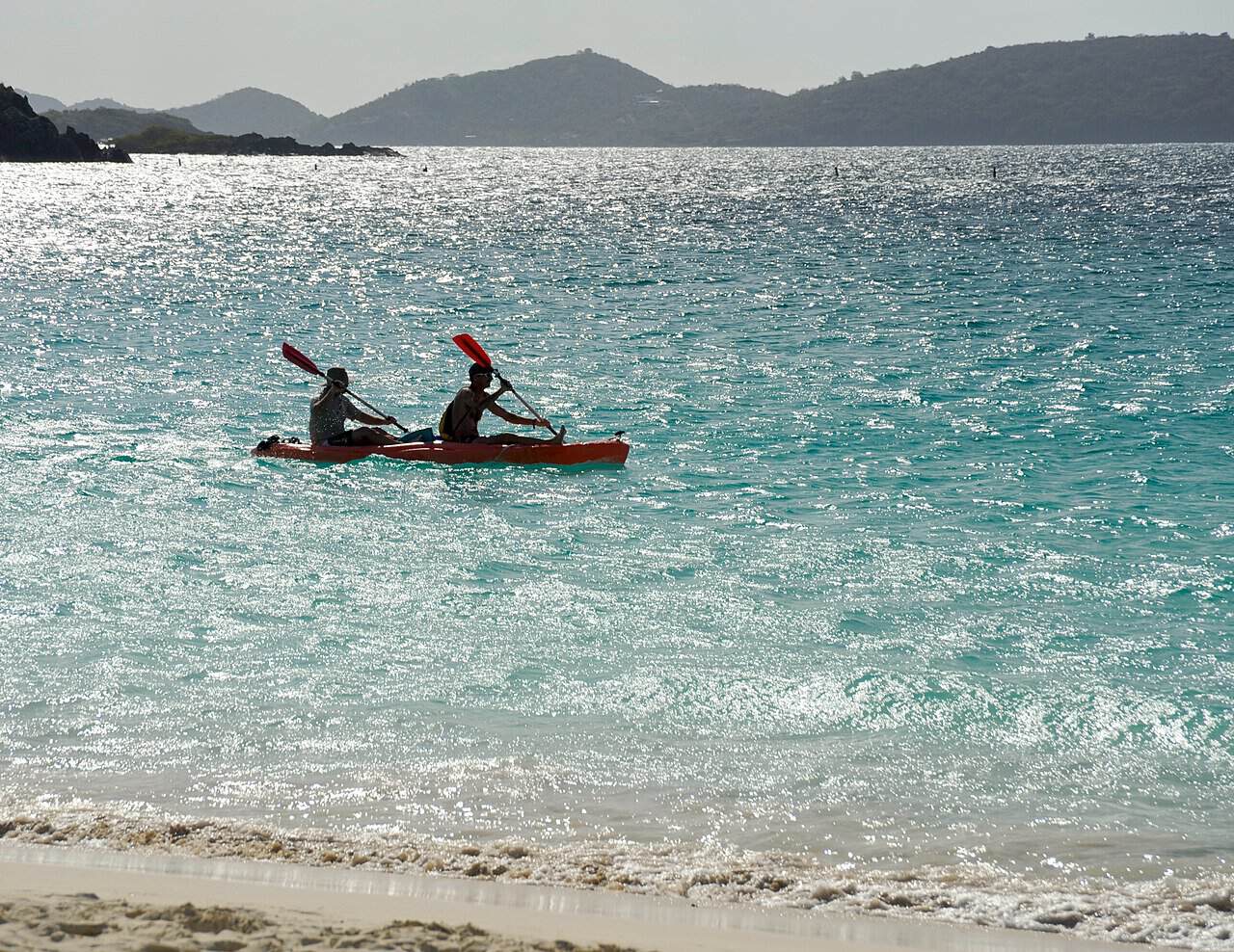
Roughly two-thirds of St. John falls within Virgin Islands National Park boundaries, and more than forty percent of the park itself lies underwater, protecting reefs, seagrass beds, and mangrove forests well beyond just this one bay. Most of the park charges no entrance fee at all.
Arriving early pays off here more than almost anywhere else on this list. Parking fills quickly once the day-trip ferries from St. Thomas start unloading, and the water stays noticeably calmer and clearer before the midday crowds and boat traffic stir up the sand.
The surrounding hillsides remain almost entirely undeveloped, covered in dry tropical forest rather than resorts or condominiums. That absence of construction noise and concrete is itself part of what keeps Trunk Bay feeling closer to untouched wilderness than a typical vacation beach.
Where: 1300 Cruz Bay Creek, St. John, VI 00830
A Few Notes Before You Go
Three of these five spots require either a boat, a ferry, or a small plane to actually reach, so factor that logistics puzzle into your trip planning well before you book a hotel room. Same-day standby options exist, but they’re rarely guaranteed during peak season.
Pack more water and sunscreen than you think you’ll need, especially for Dry Tortugas and Shipwreck Beach, where amenities are either nonexistent or a long walk from the parking area. Cell service can also be unreliable at every single one of these locations.
If snorkeling is the goal, mornings consistently offer the calmest water and the clearest visibility, before wind and boat traffic pick up later in the day. That holds true whether you’re floating over a coral trail or peering at a sunken WWII barge.
Travel insurance is also worth considering for the more remote stops on this list. Weather delays can strand visitors at Dry Tortugas or Shipwreck Beach for longer than planned, and flexible return tickets tend to cost far less than a forced extra night somewhere unplanned.
What These Five Places Actually Have in Common
It isn’t the water color, though all five could win that argument separately. It isn’t the sand, either, since one of these beaches barely qualifies as swimmable in the first place.
What actually links a Civil War fort, a sunken Navy barge, a Hollywood film set, a generous philanthropist’s gift, and a turtle-named cove is timing. Every single one of them got protected, preserved, or simply left alone at exactly the right moment in its history.
Fort Taylor’s beach didn’t exist in its current form until decades after the war that made the fort famous.
Trunk Bay would likely look different today without one wealthy donor’s decision more than fifty years ago. Dry Tortugas survives specifically because almost no one can casually wander in.
Shipwreck Beach owes its strange, lonely beauty to the same shallow reefs that doomed so many ships, a hazard that became, almost by accident, a kind of permanent protection.
Hanalei kept its taro fields and crescent shoreline mostly intact because Hollywood wanted authentic scenery, not a soundstage replica.
That’s the part travel brochures rarely mention. Paradise, in most of these cases, wasn’t an accident of geography alone. It was a series of choices, made by soldiers, donors, park rangers, and stubborn island geography, that quietly added up to something worth a very long trip.
None of these places needed a marketing campaign to earn their reputation, either.
Word simply spread the old-fashioned way, through divers, film crews, history buffs, and travelers who couldn’t quite believe what they’d accidentally stumbled into on what was supposed to be an ordinary vacation.
So before booking that overseas flight and digging out a passport you haven’t used in years, consider this instead: somewhere within U.S. borders, a shipwreck, a fortress, or a five-dollar snorkeling trail is quietly waiting, and the customs line is considerably shorter.
More stories

Share this story