These 7 Reasons Oklahoma’s Culture Never Got Watered Down by Tourism

I once visited a small coastal town where every “local” shop sold the exact same seashell magnets shipped in from a factory overseas. The whole place felt like a movie set built around a postcard image instead of an actual living, breathing community.
That experience left me wary of heavily touristed places in general, the way a bad first date can color your view of dating apps for months afterward. So when I started digging into how tourism has affected Oklahoma, I half expected to find the same story repeating itself here.
Instead, I found something a lot more encouraging. Oklahoma has leaned hard into welcoming visitors over the past few decades, but it’s done a genuinely impressive job of keeping its culture intact while doing it.
Here are seven reasons why a trip through Oklahoma still feels like the real thing, not a polished imitation built for outsiders.
None of this happened by accident either. Every example below comes from a deliberate choice someone made, a museum board, a tribal artist, a small-town volunteer- to protect something rather than let it quietly erode over time.
It would have been so much easier to take the shortcut at every one of these turns. Instead, the people involved chose the slower, harder version of doing things right.
1. Indigenous Culture Is Told By the Tribes Themselves
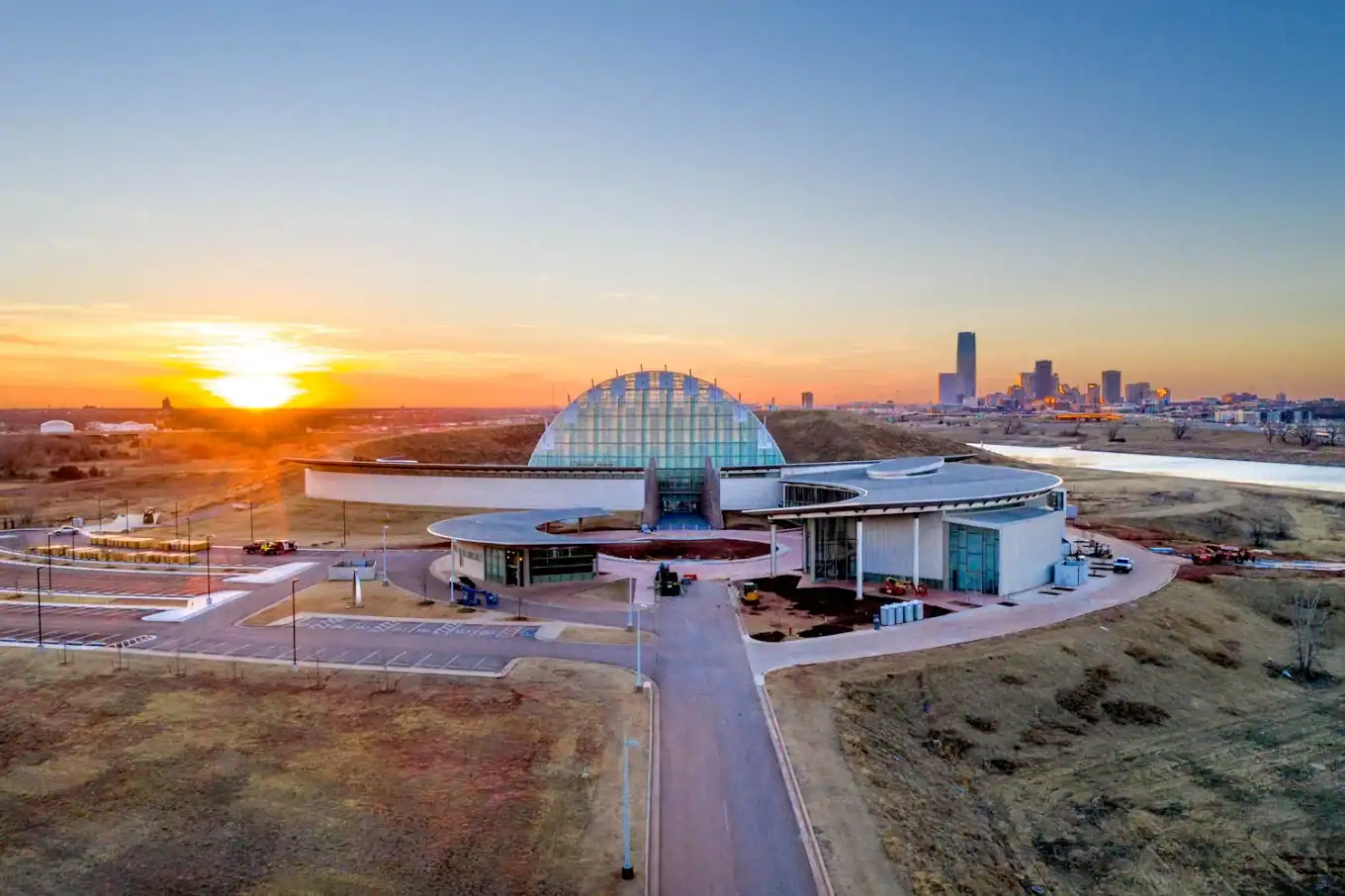
Oklahoma is home to 39 federally recognized tribal nations, and the state’s biggest cultural institution makes sure those nations get to tell their own stories.
The First Americans Museum in Oklahoma City opened in 2021 after three full decades of planning, and that patience shows in every single gallery.
The museum’s lead curator, Heather Ahtone, is Choctaw and Chickasaw, and her curatorial team came from tribes across the state.
Their guiding framework leaned on four core principles: respect, reciprocity, responsibility, and relationships, built specifically to avoid the flattening that so often happens in museums about Native history.
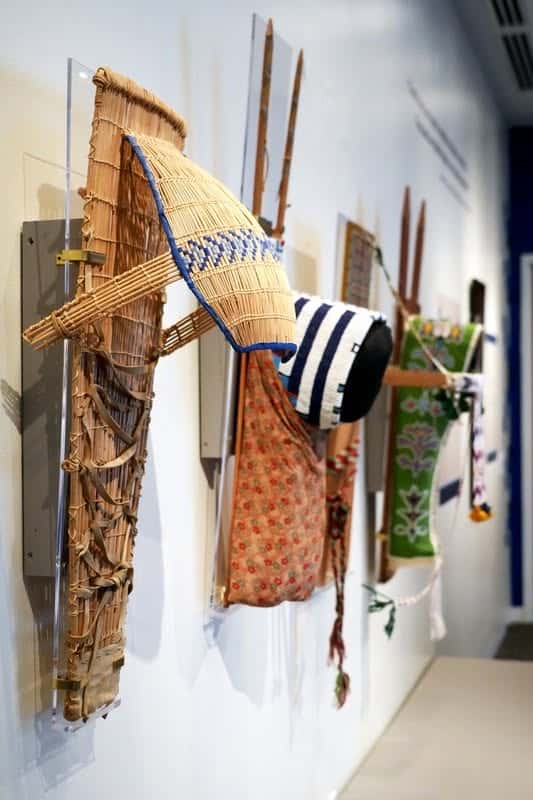
The OKLA HOMMA gallery walks visitors through the histories of all 39 tribes using interactive media, animation, and first-person storytelling rather than static displays.
A second-floor exhibition, WINIKO, has spent years reuniting historic objects with the families and communities they originally belonged to.
This isn’t culture simplified for a quick photo opportunity. It’s a 175,000-square-foot institution built specifically so outsiders learn the complicated, real version instead of a shortened one.
Some tribes were initially hesitant to participate, wary after generations of museums mishandling Native stories. Curators say leaning on respect and reciprocity gradually opened those doors, giving tribes genuine agency over how their own history finally got told.
The museum even uses a color-coded system, red, black, and gray, to immediately signal whether a historical event was positive, negative, or neutral for Native communities. That’s a level of nuance most tourist-facing exhibits never bother attempting, let alone pulling off well.
2. Authentic Native Art Still Has a Real Marketplace
Souvenir shops exist everywhere tourists go, and Oklahoma certainly has its fair share of mass-produced trinkets too. But the state also protects a genuine marketplace for authentic Native-made art, and it has been doing so consistently since 1987.
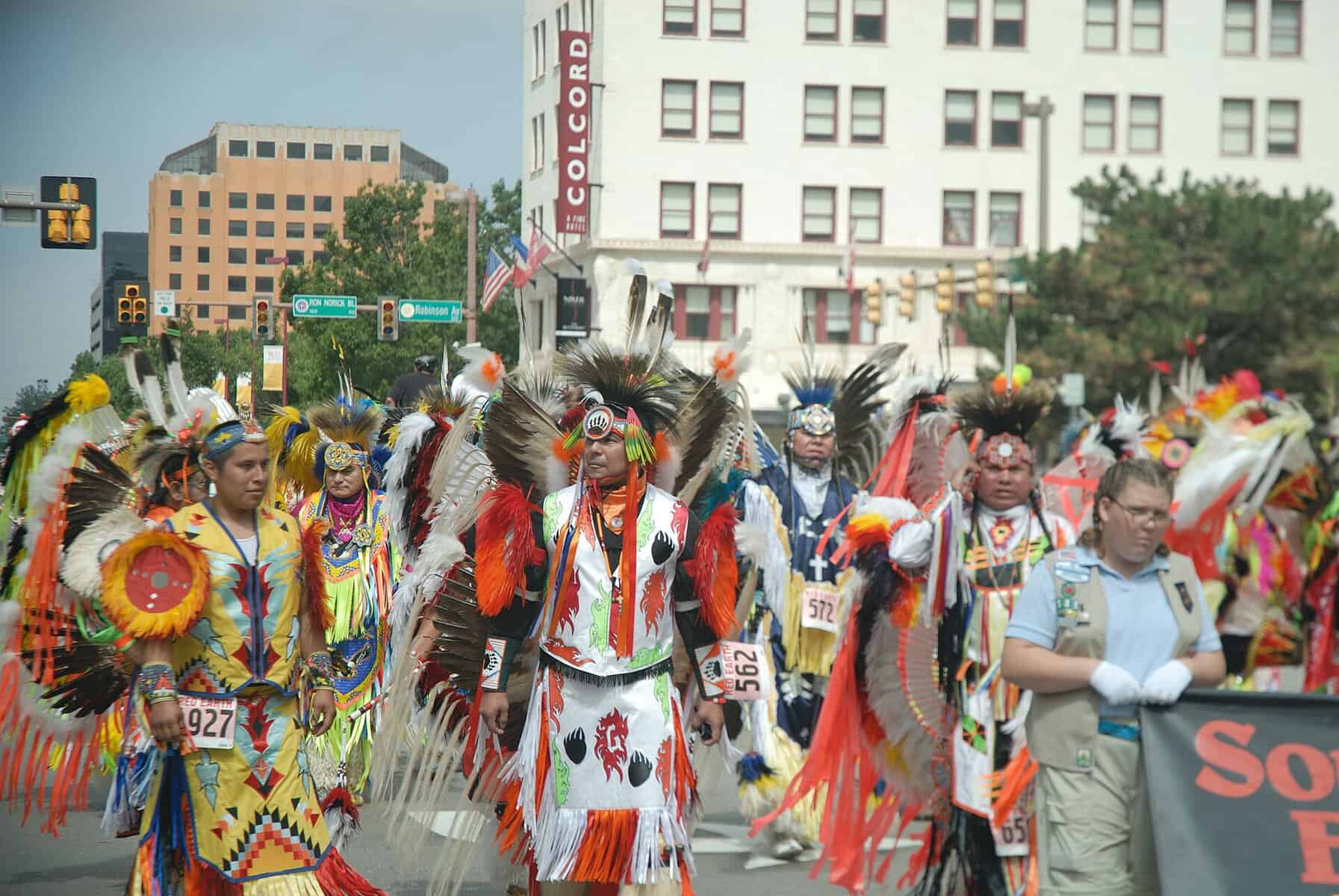
The Red Earth Festival in Oklahoma City features a juried art market open only to verified members of federally and state-recognized tribes.
More than 130 Indigenous artists show original paintings, jewelry, pottery, beadwork, and sculpture each year, with awards presentations that reward serious craftsmanship over quick souvenir sales.
Red Earth also runs a year-round art center in downtown Oklahoma City, giving visitors a place to see and purchase authentic work even outside festival season. That kind of standing infrastructure makes a real difference for artists trying to sustain traditional, time-intensive techniques.
It would be easy for a market like this to get diluted by cheaper competition. Instead, Oklahoma built a system that actively filters it out.
Red Earth has been doing this work since before most people thought to ask whether tourism could threaten authentic craftsmanship. Nearly four decades later, the festival keeps celebrating milestone anniversaries instead of fading into a generic gift show.
Beyond the art market, the festival features dance competitions, demonstrations, and lectures led directly by the artists themselves. Visitors leave having actually met the person behind the beadwork in person, not just glanced at a price tag attached to it.
3. Historic Downtowns Survive Because Locals Still Use Them
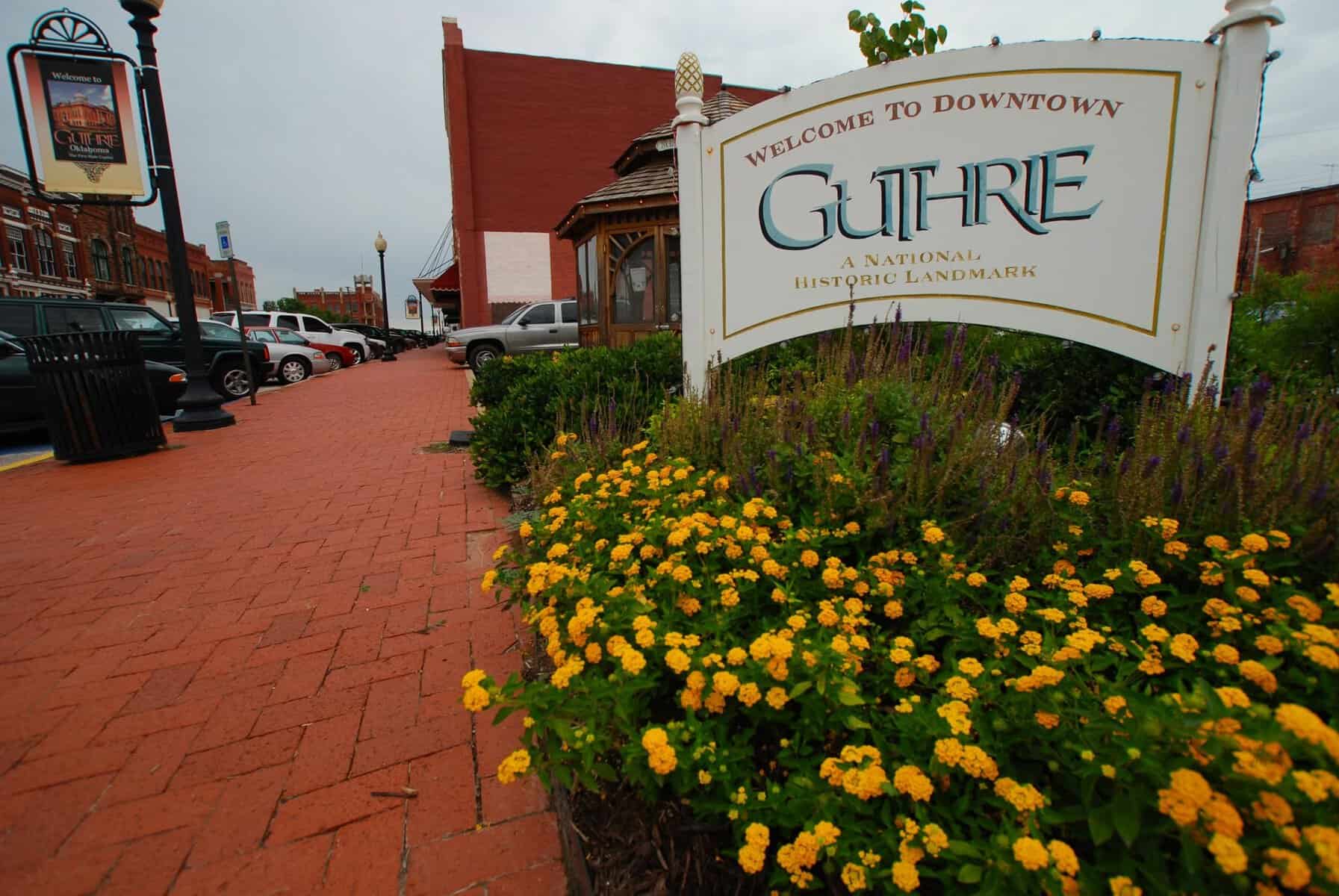
Guthrie’s downtown holds more than 2,000 buildings spread across 1,400 acres, making it the largest contiguous historic district in the entire National Register of Historic Places. It would be remarkably easy for a district this size to slide into pure visitor decoration over time.
Instead, Guthrie’s Main Street program is run by a volunteer board of locals who treat downtown as the heart of their community, not merely a scenic backdrop for passing visitors.
Many historic buildings still combine ground-floor shops with apartments above, meaning people genuinely live downtown, not just sell to it.
Statewide, Oklahoma’s Main Street program has generated more than 2.2 billion dollars in public and private reinvestment since 1986, helped launch nearly 9,000 small businesses, and created over 21,000 local jobs across dozens of participating communities.
That’s a preservation model built around community ownership, not outside developers.
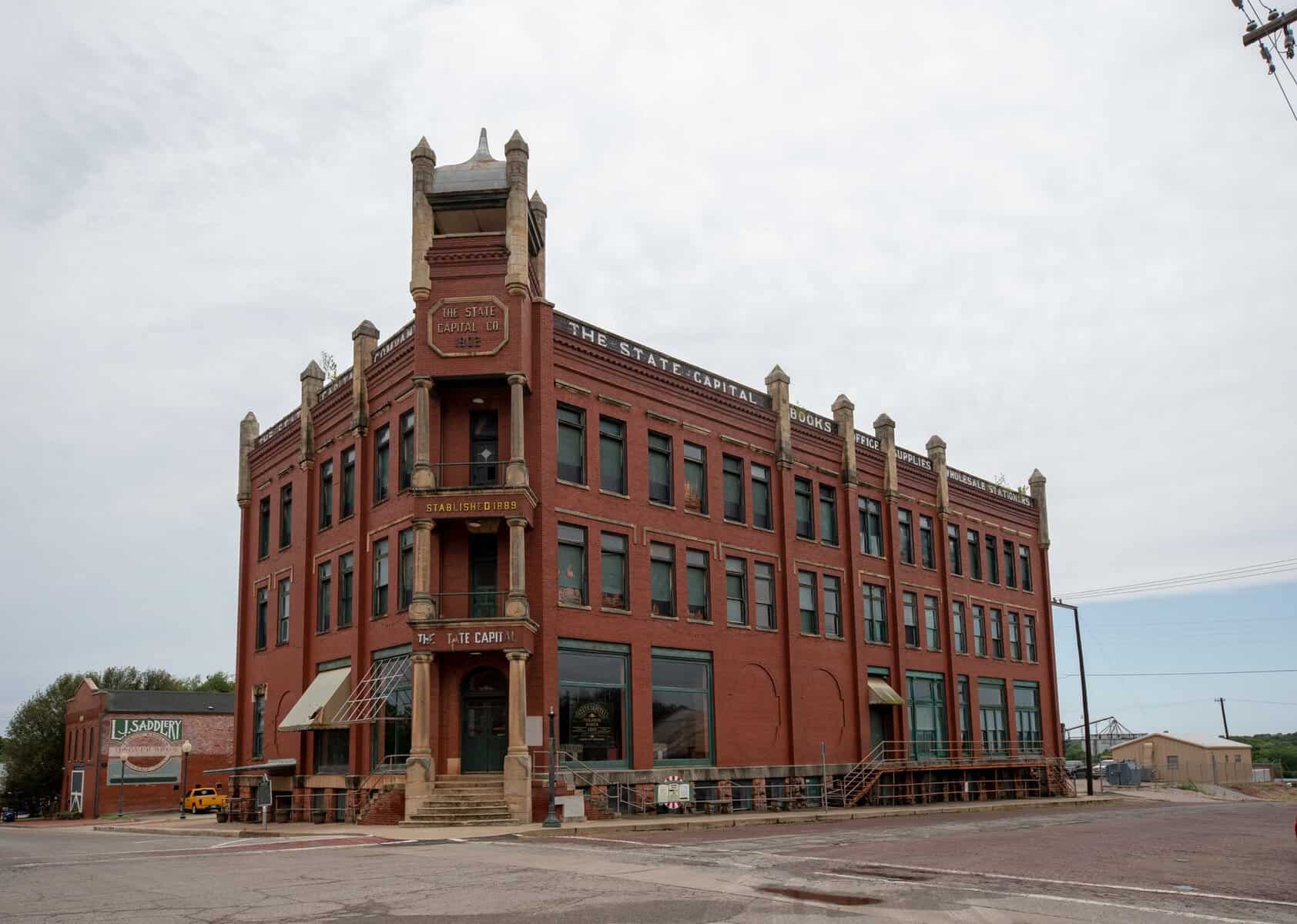
Tourists absolutely benefit from these gorgeous, walkable downtowns. But they were rebuilt by and for the people who actually live there first.
Guthrie’s board members talk about the work in surprisingly personal terms, describing downtown as the clearest visible sign of whether their community is thriving or declining. That’s not language you typically hear from a developer chasing a quick return.
The town was even named a Creative Community by the state, with current plans focused on reviving a once-overlooked neighborhood called the Elbow through trails and arts partnerships rather than another round of souvenir shops.
4. Real Oklahoma Cuisine Still Anchors Hometown Tables
Pecan pie didn’t become Oklahoma’s official state pie because a marketing team decided it sounded charming on a brochure.
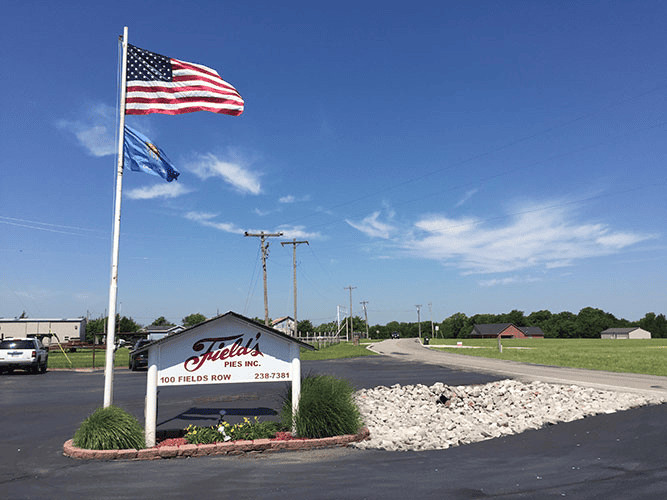
It earned that title because family bakeries across the state, from Pauls Valley to Claremore, kept handed-down recipes alive for generations without ever switching to shortcuts.
The same goes for chicken-fried steak, fried pies, and the kolaches brought over by Czech settlers more than a century ago. These dishes still show up on menus at family-owned diners and small-town bakeries that built their reputation on locals, not tour buses.
Route 66 nostalgia has certainly introduced plenty of new burger joints and soda shops along the highway. But it hasn’t replaced the deeper food culture underneath it, the one still anchored by recipes passed down through actual families rather than corporate test kitchens.
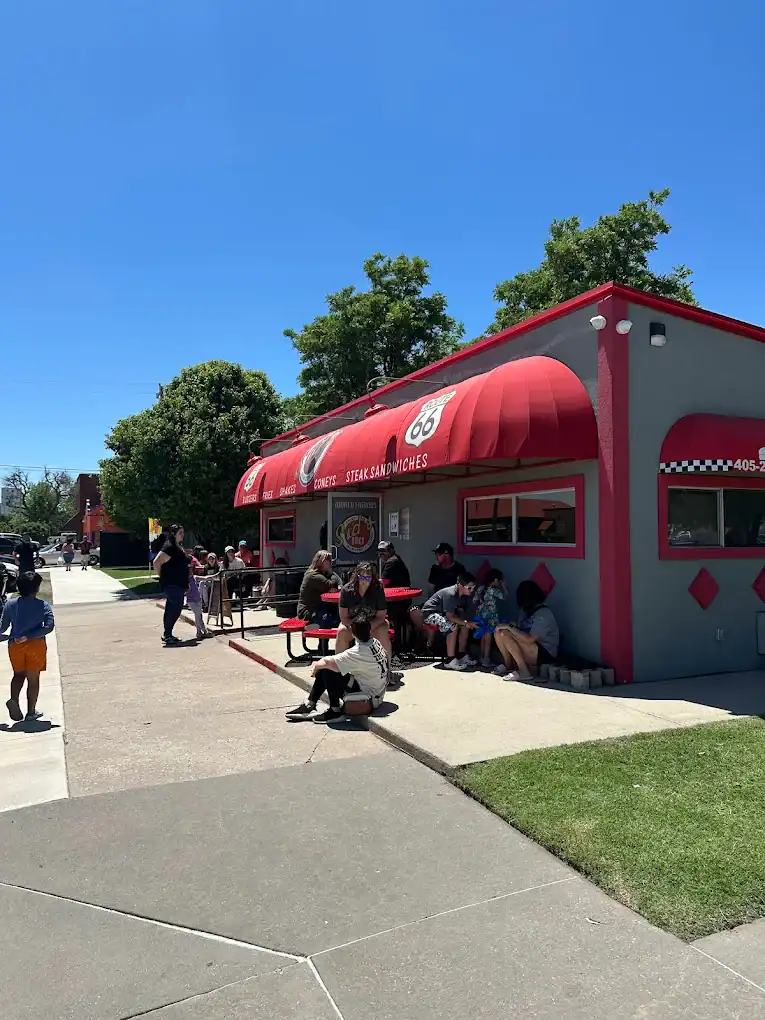
If anything, increased visibility has helped some of these smaller, multigenerational businesses survive long enough to pass the recipe to one more generation.
Festivals built around these dishes have only multiplied, not disappeared, as visitor numbers grew. That’s usually a sign that a food tradition is strengthening its grip rather than quietly being replaced by something blander.
Field’s Pies in Pauls Valley still bakes from a recipe Hazelle Field developed in her own kitchen in 1922, using real cane sugar and native Oklahoma pecans rather than a cost-cutting substitute. A century of popularity hasn’t changed the formula one bit.
5. Local Boards, Not Outside Developers, Still Call the Shots
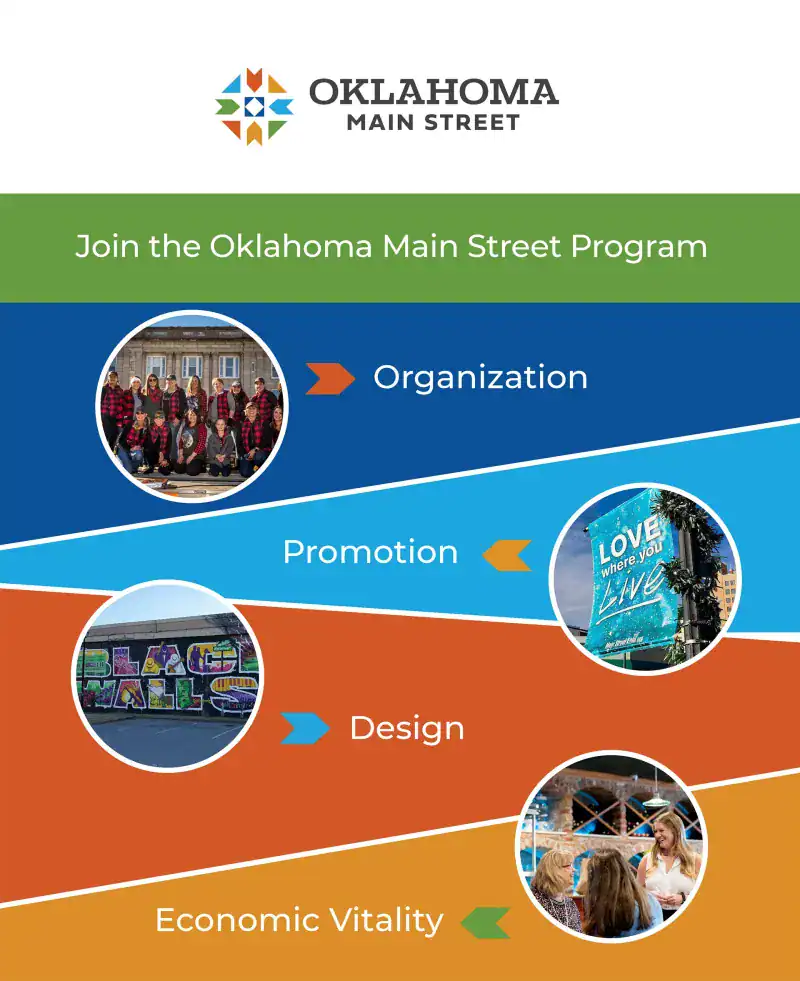
Tourism growth can easily tip toward decisions made by whoever has the deepest pockets in the room. Oklahoma’s Main Street approach was deliberately built to avoid exactly that outcome, with a structure that keeps decision-making rooted firmly in the community itself.
The program’s Four-Point Approach splits the work into Design, Economic Vitality, Promotion, and Organization, with that last piece focused specifically on building local leadership rather than outsourcing planning to outside consultants or developers.
Volunteer boards made up of residents guide most of the actual decisions.
In Guthrie, that local-first structure has supported projects like the Elbow greenspace revitalization and partnerships with the University of Oklahoma to improve downtown safety, all initiated by residents who wanted a say in their own community’s future.
Tourism dollars flow through these towns, but the people deciding how to spend them still live there year-round.
That structure matters most during disagreements, when a quick, profitable shortcut might tempt an outside investor. Local boards tend to weigh those choices against decades of relationships rather than a single season’s bottom line.
It’s a slower way to grow a town, no question about it. But it also means the people who’ll still be living there in twenty years are the ones holding a real vote in what gets built.
6. Sacred and Natural Sites Remain Carefully Guarded
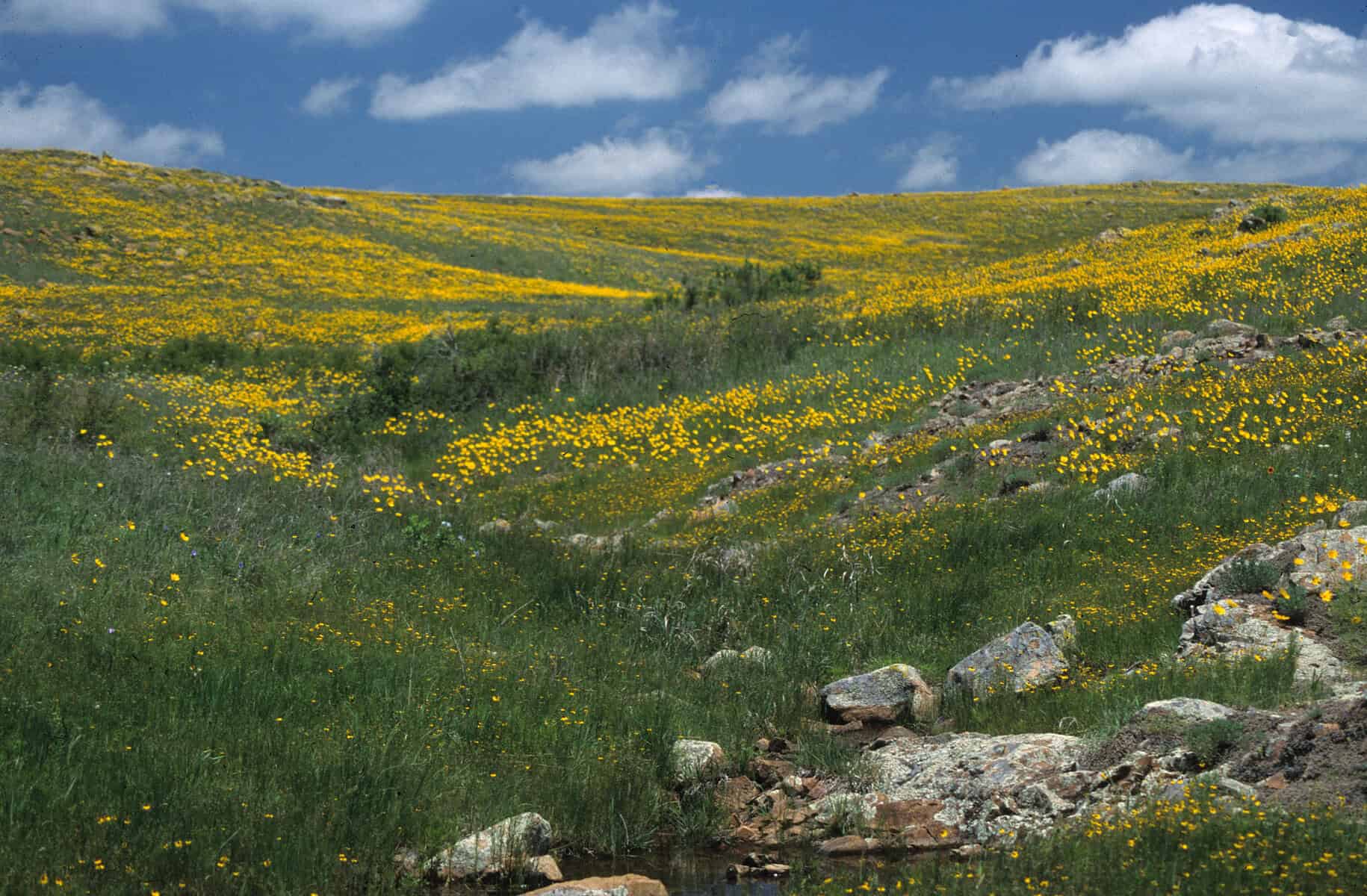
The Wichita Mountains Wildlife Refuge has protected its land since 1901, making it the oldest managed site in the Fish and Wildlife Service system.
Despite drawing steady crowds of hikers and wildlife watchers, the refuge has kept a careful lid on how much of itself ever gets opened to visitors.
Of the refuge’s roughly 59,000 acres, only about 22,400 are designated for public use. The remaining 37,000 acres stay protected as wildlife habitat alone, off-limits no matter how popular the destination becomes.
Climbers who want to use fixed anchors on the refuge’s granite peaks must apply through an advisory bolting committee working with the Wichita Mountains Climbers Coalition, keeping Leave No Trace principles enforced rather than optional.
A volunteer nonprofit, Friends of the Wichitas, runs educational tours to keep that ethic alive.
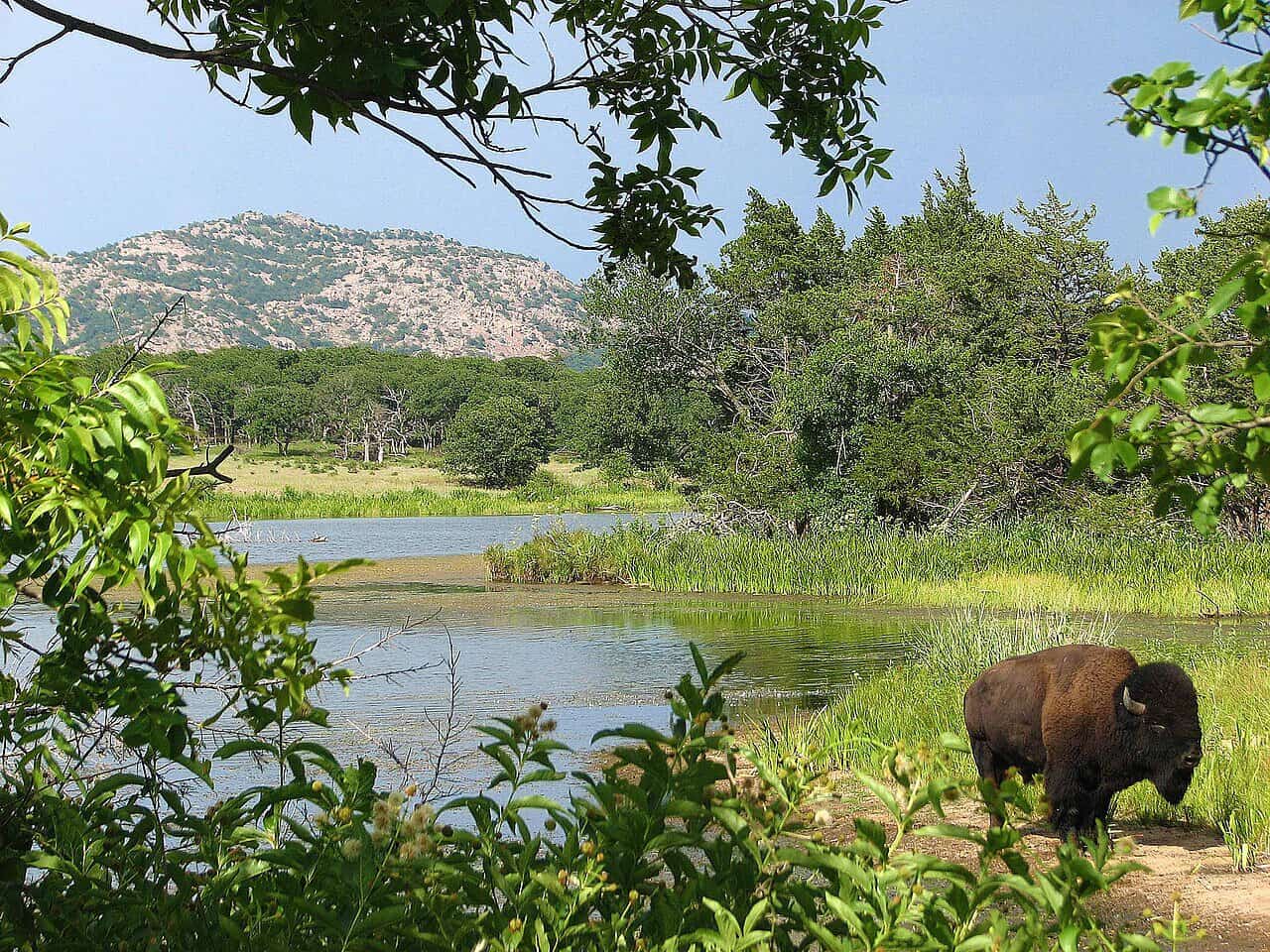
The refuge is gearing up to celebrate its 125th anniversary in 2026, a milestone made possible by more than a century of deliberately keeping access limited.
A planned 100-year time capsule, set to be opened in 2126, asks visitors today to write about their own connection to the land. That’s a long-term relationship with a place, not a quick transaction between tourist and attraction.
The refuge has also played a quiet role in restoring bison populations elsewhere, donating animals from its own herd to other conservation projects over the decades. Protecting one piece of land, it turns out, can ripple outward to help protect others, too.
7. The Branding Draws From Something Real
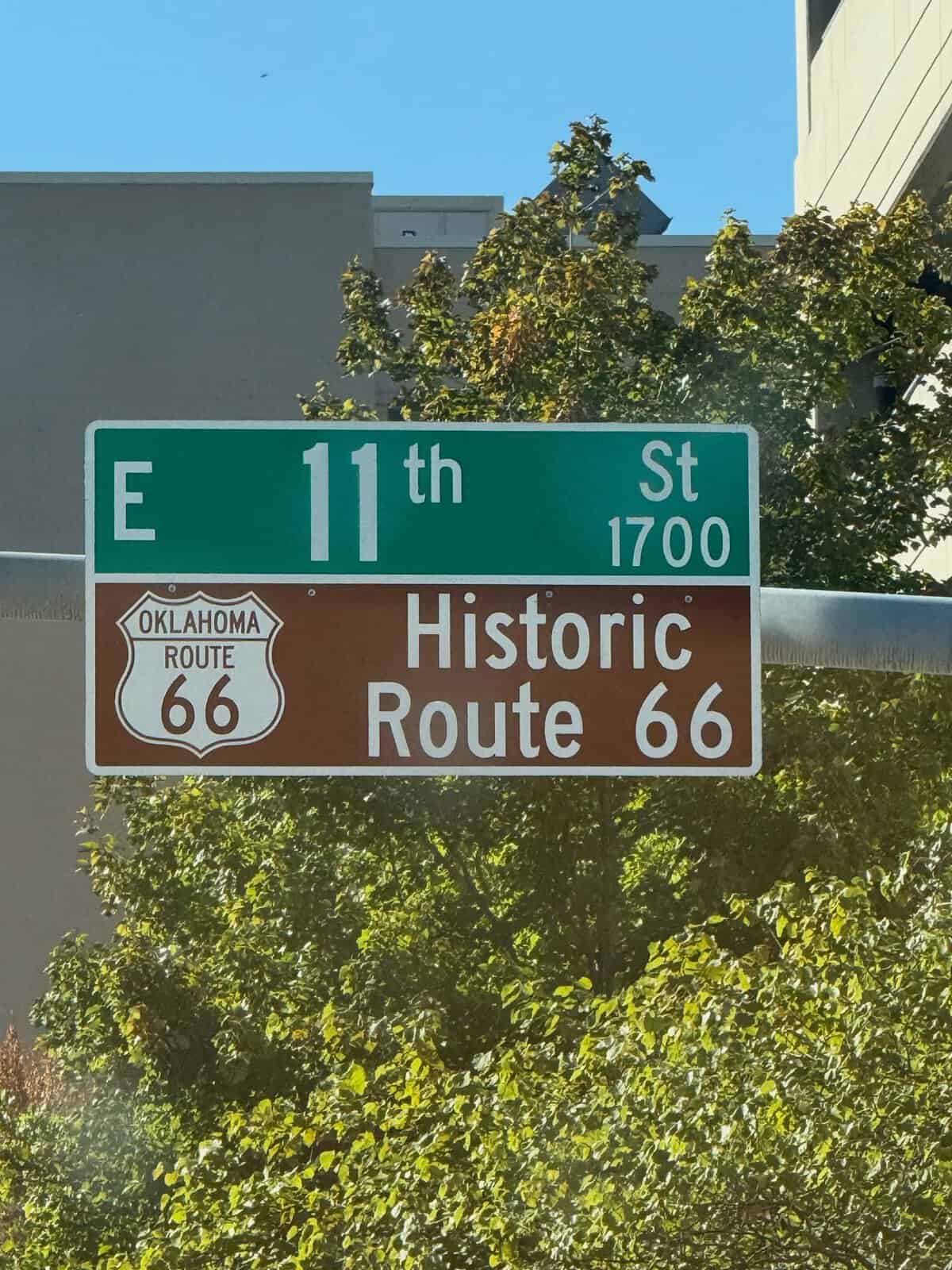
Oklahoma’s tourism marketing leans hard on Route 66, Native heritage, and cowboy history, and it would be fair to wonder whether that’s really just a polished, simplified version of a much messier underlying reality. But all three of those themes happen to be genuinely, historically true.
Cyrus Avery, the so-called Father of Route 66, was a real Tulsa civic leader who helped design the entire federal highway system before successfully routing it through his adopted home state.
Oklahoma still carries 432 drivable miles of the original highway, more than any other state along the route.
The cowboy and ranching heritage on display in places like Oklahoma City’s Stockyards City isn’t a costume either.
Cattle have been driven, sold, and auctioned through those same pens for well over a century, and the National Cowboy & Western Heritage Museum preserves that working history rather than inventing one.
Marketing only works long-term when it points to something real. Oklahoma’s branding holds up because the history behind it never needed embellishing in the first place.
Even the small details check out. The famous “East Meets West” sculpture in Tulsa took nearly a decade for one artist to bolt together from almost a thousand bronze pieces, the kind of obsessive accuracy that only makes sense when the underlying story actually deserves it.
Avery himself was no marketing invention either. He built water systems, county roads, and a working farm long before anyone thought to put his name on a highway plaque or a bronze statue.
What This Looks Like for an Actual Visitor
None of this means Oklahoma is precious about outsiders or unwelcoming to newcomers. Quite the opposite, honestly. It just means the welcome comes with some structure behind it.
Visit the First Americans Museum, and you’re getting Native-curated history, not a watered-down summary written for outsiders. Buy art at Red Earth, and you know exactly who made it and that they were paid fairly for their craft.
Walk through Guthrie’s downtown, and the buildings around you are owned by neighbors, not faceless investment funds. Order a slice of pecan pie in a small town, and you’re tasting a recipe that predates the entire tourism industry by decades.
That kind of structure takes real effort to maintain, and it would have been far easier to let any one of these things slide. Oklahoma mostly didn’t, and visitors get a richer experience because of it.
None of this requires special access or insider knowledge, either. Every single example above is open to any traveler willing to seek it out, which is really the whole point of protecting it in the first place.
The Culture Was Never as Fragile as People Assume
Seven reasons, and not one of them depends on Oklahoma closing its doors to visitors entirely. Tourism and authenticity aren’t actually opposites here, even though it’s easy to assume they must be.
What protects Oklahoma’s culture isn’t an absence of tourists. It’s museums run by the people whose stories they tell, art markets that filter out imitation, downtowns owned by residents, and natural land that stays legally off-limits no matter how popular it gets.
It also helps that Oklahomans seem genuinely proud of these traditions rather than merely tolerant of them. Pride tends to outlast popularity in a way that pure profit motive never quite manages to, year after year, decade after decade.
So the next time someone worries that visiting a place “ruins” it, Oklahoma is a pretty good rebuttal. Some places hand over their identity the moment outsiders show up.
Oklahoma, it turns out, just hands you a map, points you toward the real thing, and keeps doing things its own way regardless of who’s watching.
More stories
Share this story